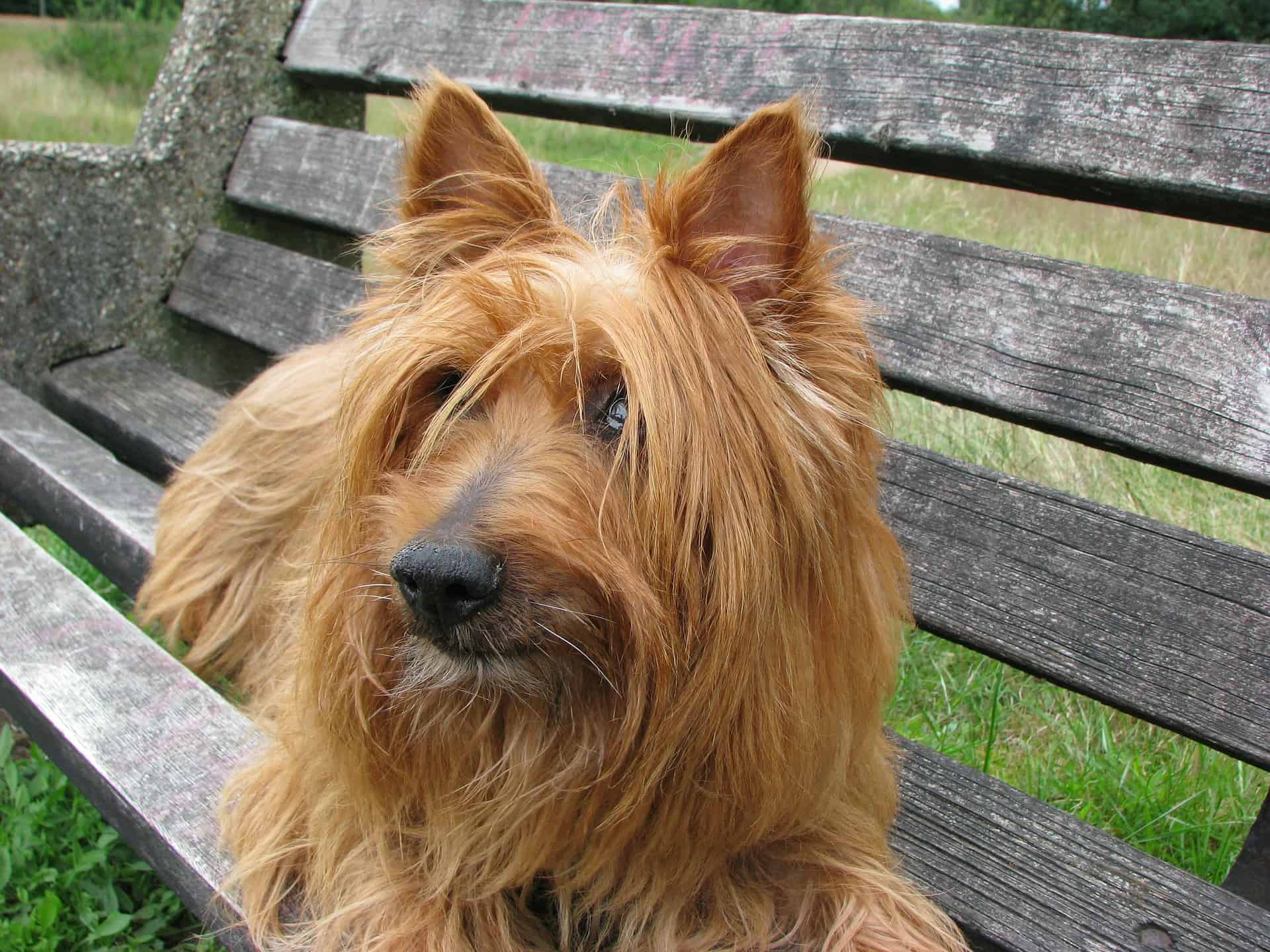
Purpose & Origin
The Australian Terrier holds the distinction of being the national terrier of Australia and one of the smallest working terriers ever bred. It originated in Tasmania from a rough-coated root stock that colonists used for everything: killing vermin and snakes, helping with livestock, and alerting the household to strangers.
To sharpen that utility, breeders crossed in blood from the ancestors of the Skye, Dandie Dinmont, Scotch, Yorkshire, and Manchester Terriers, arriving at a compact, hard-coated dog with both a useful temperament and a striking appearance. The breed appeared in late-nineteenth-century show rings under a succession of names before settling on its current one around 1900. It reached Britain soon after, arrived in America by 1925, and gained AKC recognition in 1960.
Temperament & Behaviour
For a terrier, the Aussie sits toward the quieter end of the dial, but "quieter" is relative. The pluck and toughness are absolutely there: given the opportunity, this dog will still go after a rodent without hesitation. Day to day it is cheerful and adventurous, reasonably affectionate, and noticeably more amenable to direction than most of its relatives.
It gets on adequately with other dogs and household pets, which is not a given in the terrier world. Strangers get a reserved reception, and its watchdog score is as high as it goes, so it will announce every arrival at the door. Reflecting its working-dog heritage, it digs, and owners should expect that.
Activity & Training
A moderate exercise requirement suits most lifestyles, but "moderate" still means something daily. A brisk walk, a vigorous game, or a free run in a secure area satisfies the breed, but skip it and frustration sets in quickly. Training is workable but requires consistency: the Aussie is clever and generally wants to cooperate, yet its terrier independence means it will test for loopholes. Ease of training scores low enough that first-time owners may find the dynamic surprising. Positive, varied sessions work better than repetitive drilling.
Grooming
The harsh wire coat needs weekly combing to stay tidy and twice-yearly stripping to pull out dead hairs. Owners willing to pluck regularly throughout the year can maintain the coat in better condition year-round rather than doing two heavy sessions. Light trimming around the feet rounds out the presentation. Grooming demand sits in the middle range: more than a smooth-coated dog, less than a heavily trimmed show breed.
Health
The Australian Terrier is a generally healthy breed with a lifespan of 12 to 14 years. Minor concerns include patellar luxation and diabetes. Legg-Perthes disease, seizures, and cruciate ligament rupture appear occasionally. Knee and thyroid checks are recommended; eye screening is advisable.
Why these breeds are similar
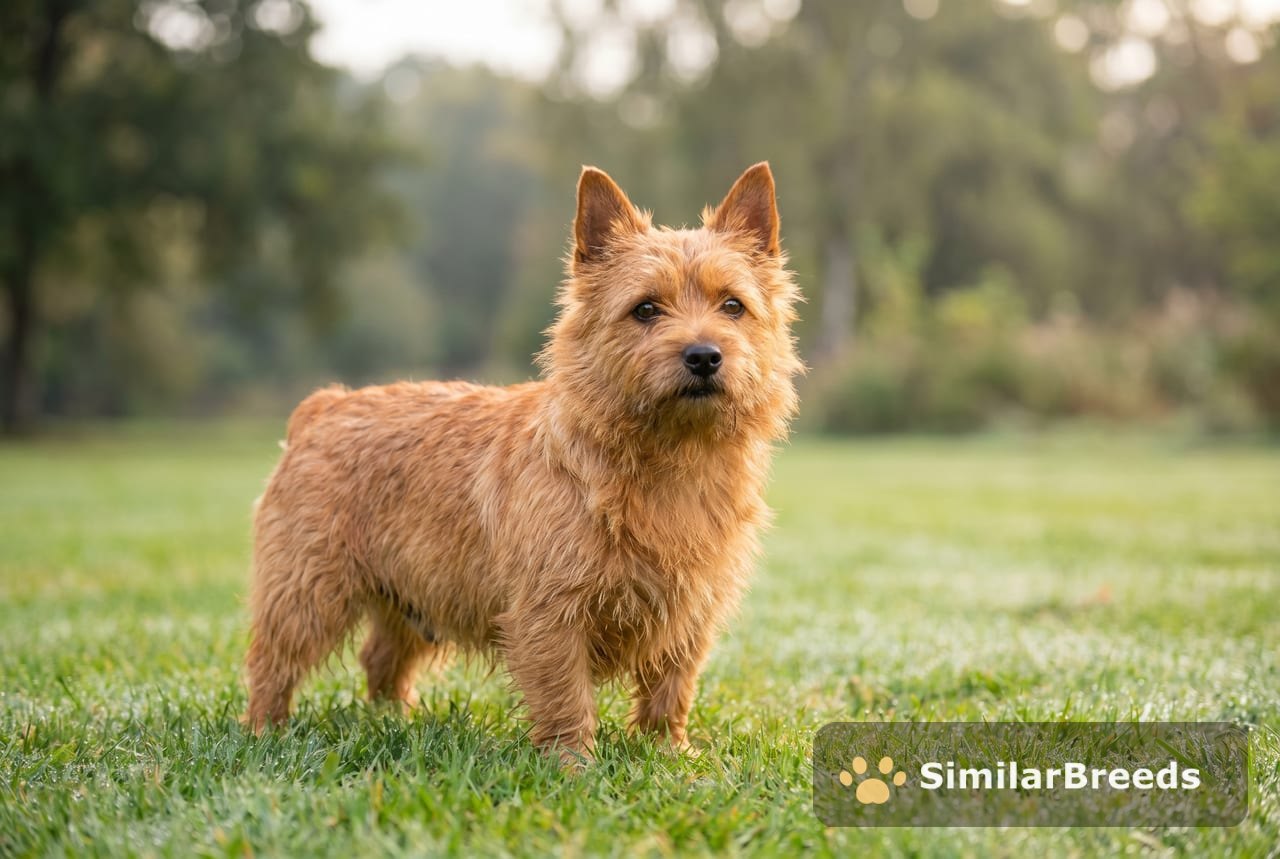
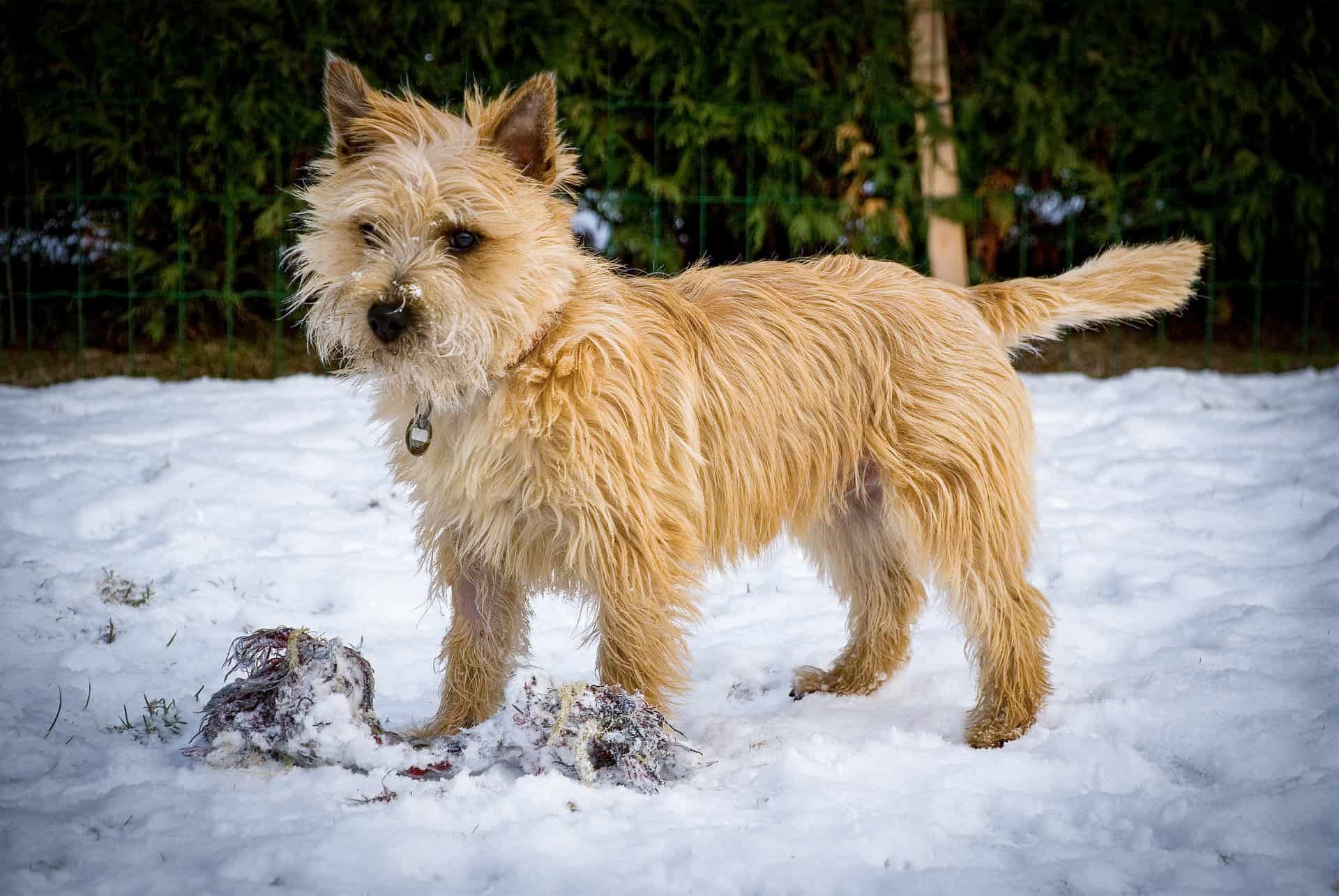
The **Norfolk Terrier** and **Norwich Terrier** are the closest matches: both are small British earth-dogs of similar weight and build, bred to bolt fox and rat from dens, sharing the Aussie's wiry coat, bold temperament, and willingness to dig. The **Cairn Terrier** is another small, rough-coated working terrier from the British Isles, similarly tenacious and active, with the same practical coat care demands and independent streak.
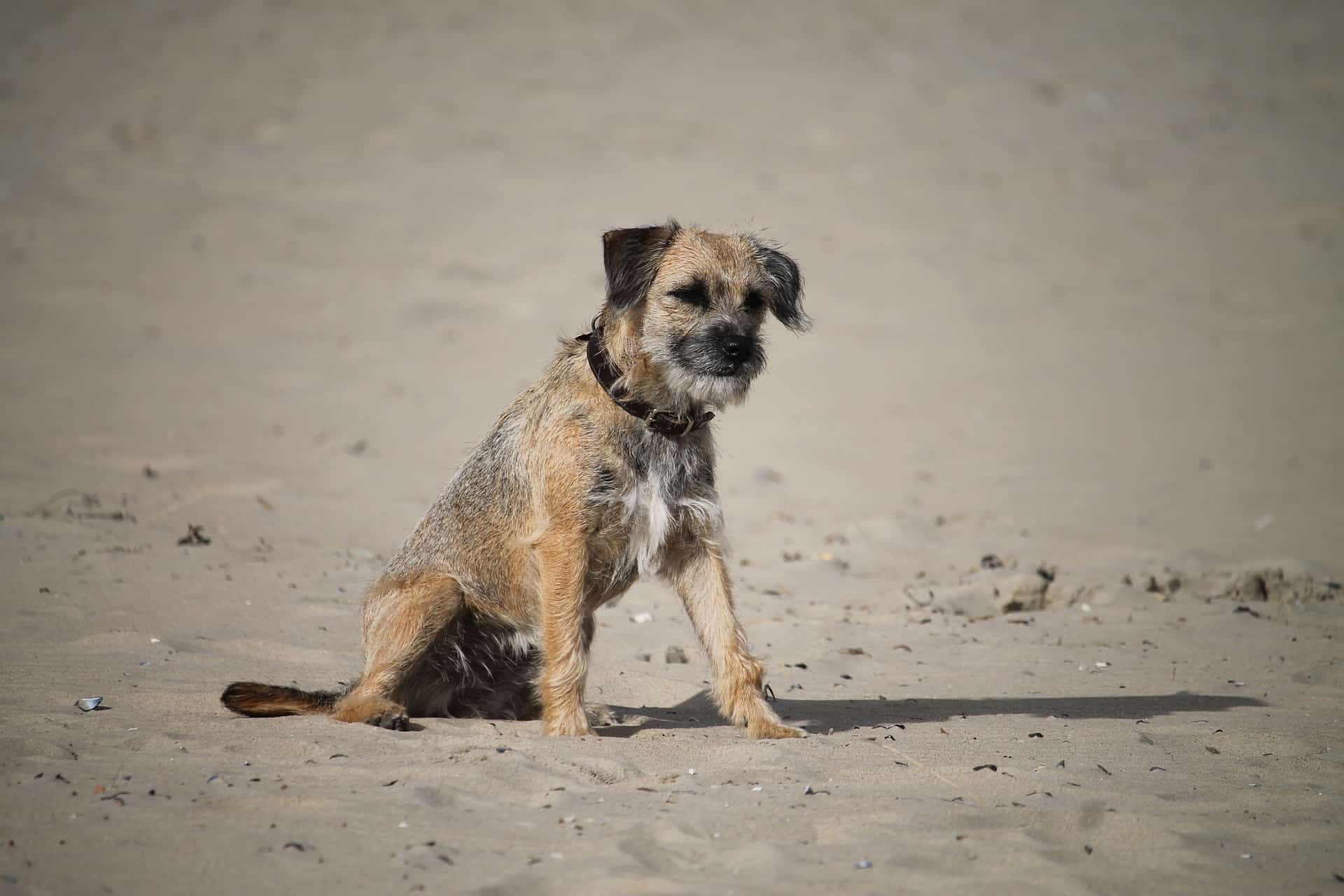
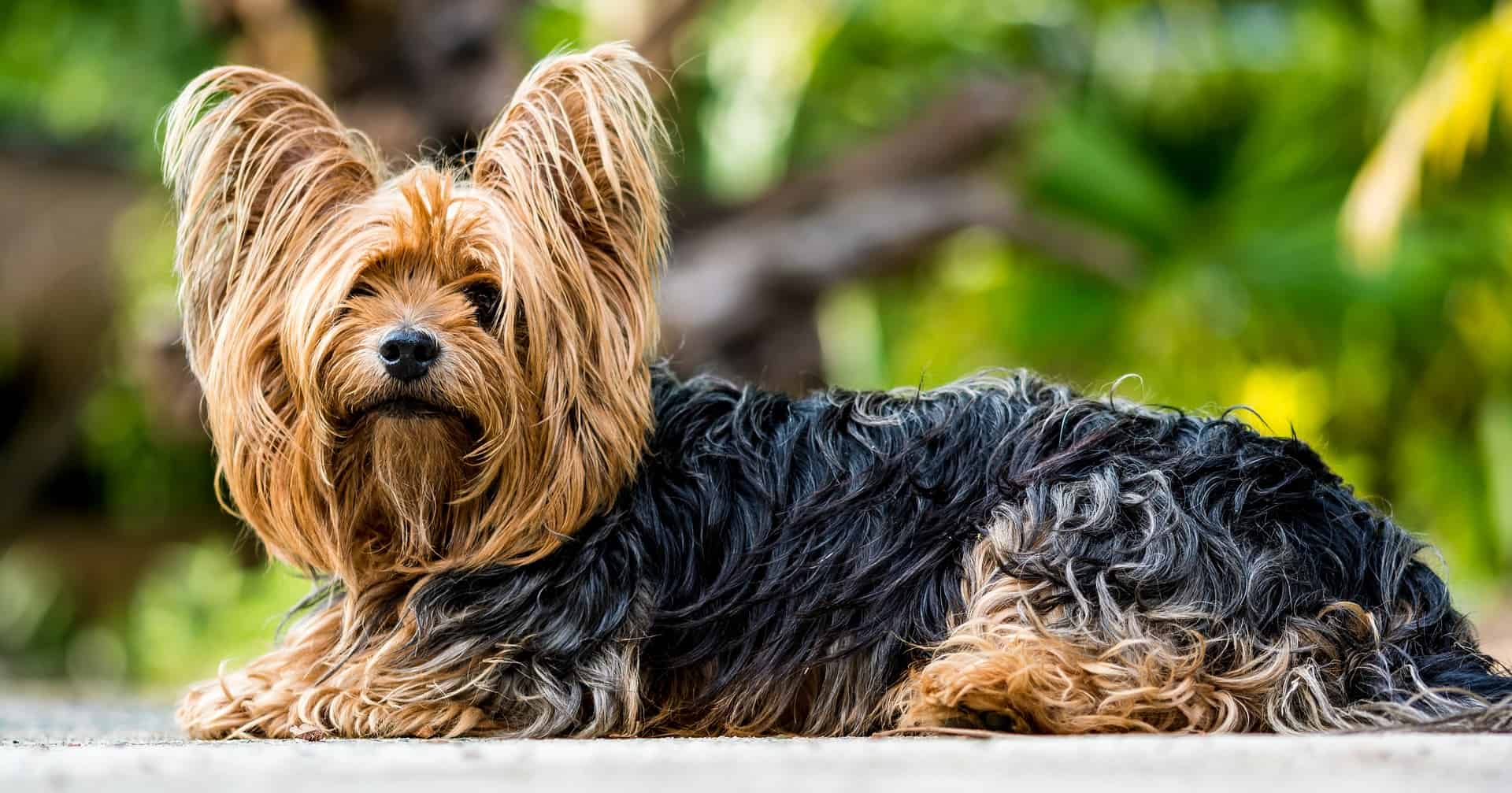
The **Border Terrier** overlaps in purpose and moderate size, a hardy farm terrier built for a long day's work rather than the show ring, equally plucky and somewhat more trainable. The **Yorkshire Terrier** is linked directly by ancestry: Yorkie blood went into the Australian Terrier's foundation stock, which explains the shared long, fine-textured coat on the tan points and the similar compact frame, even though the Yorkie developed as a companion breed while the Aussie stayed more firmly a working dog.
Trait ratings
- Energy level
- 3/5
- Exercise requirements
- 3/5
- Playfulness
- 3/5
- Affection level
- 3/5
- Friendliness toward dogs
- 3/5
- Friendliness toward other pets
- 3/5
- Friendliness toward strangers
- 2/5
- Ease of training
- 2/5
- Watchdog ability
- 5/5
- Protection ability
- 1/5
- Grooming requirements
- 3/5
- Cold tolerance
- 3/5
- Heat tolerance
- 3/5