Purpose & Origin
The Bohemian Shepherd, known in Czech as the Chodský Pes, is one of Central Europe's oldest working breeds. Records place it in the region as early as 1325, when the Chodové people, charged by the Bohemian king with guarding the southwestern border against German expansion, relied on these dogs for both patrol work and livestock herding. Alert enough to raise an alarm, steady enough to move cattle without causing a stampede.
Two world wars devastated the population and the breed nearly disappeared. Restoration came in the mid-1980s through the work of Dr. Vilem Kurz and Jan Findejs, who established a formal breed standard and breeding program. The FCI gave provisional recognition in 2019; the AKC accepted it into the Foundation Stock Service the same year. The breed remains uncommon outside its home country.
Temperament & Behaviour
The Bohemian Shepherd is calm, confident, and closely bonded to its family. It does not tolerate long periods alone well. With children it tends to be patient; with strangers it is watchful rather than aggressive. The stable nerve it was bred for makes it reliable in busy environments, but it is always paying attention. Boredom produces the predictable problems: restlessness, noise, destructive behaviour.
Activity & Training
This is a medium-to-high-energy working breed that needs more than a garden wander. Two hours of structured exercise daily, combining physical work with mental tasks, is a realistic baseline. It takes well to obedience, agility, and tracking. Intelligent and willing, it trains readily for handlers who are clear and consistent. Early socialisation is important; a poorly socialised dog can become reactive.
Grooming
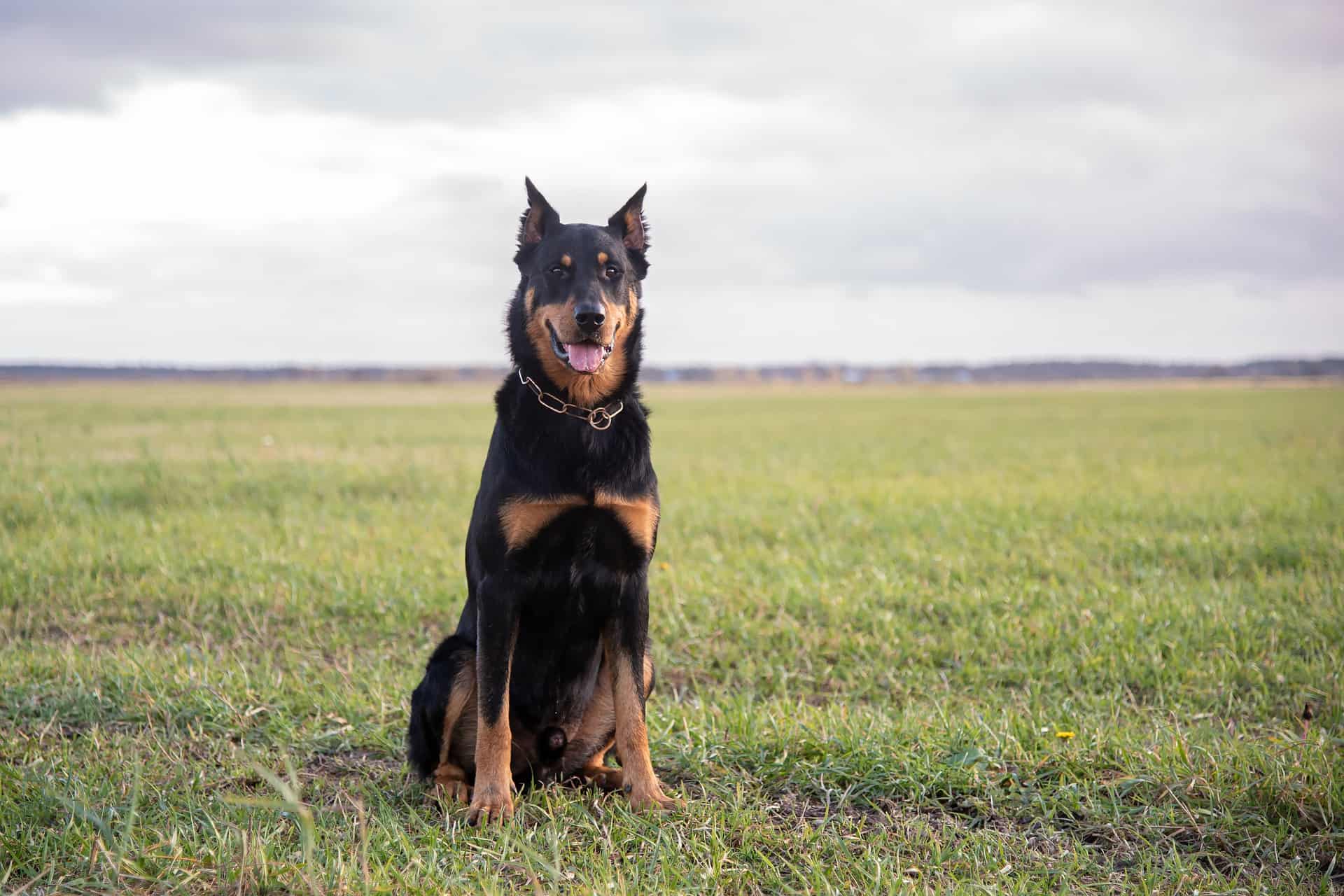
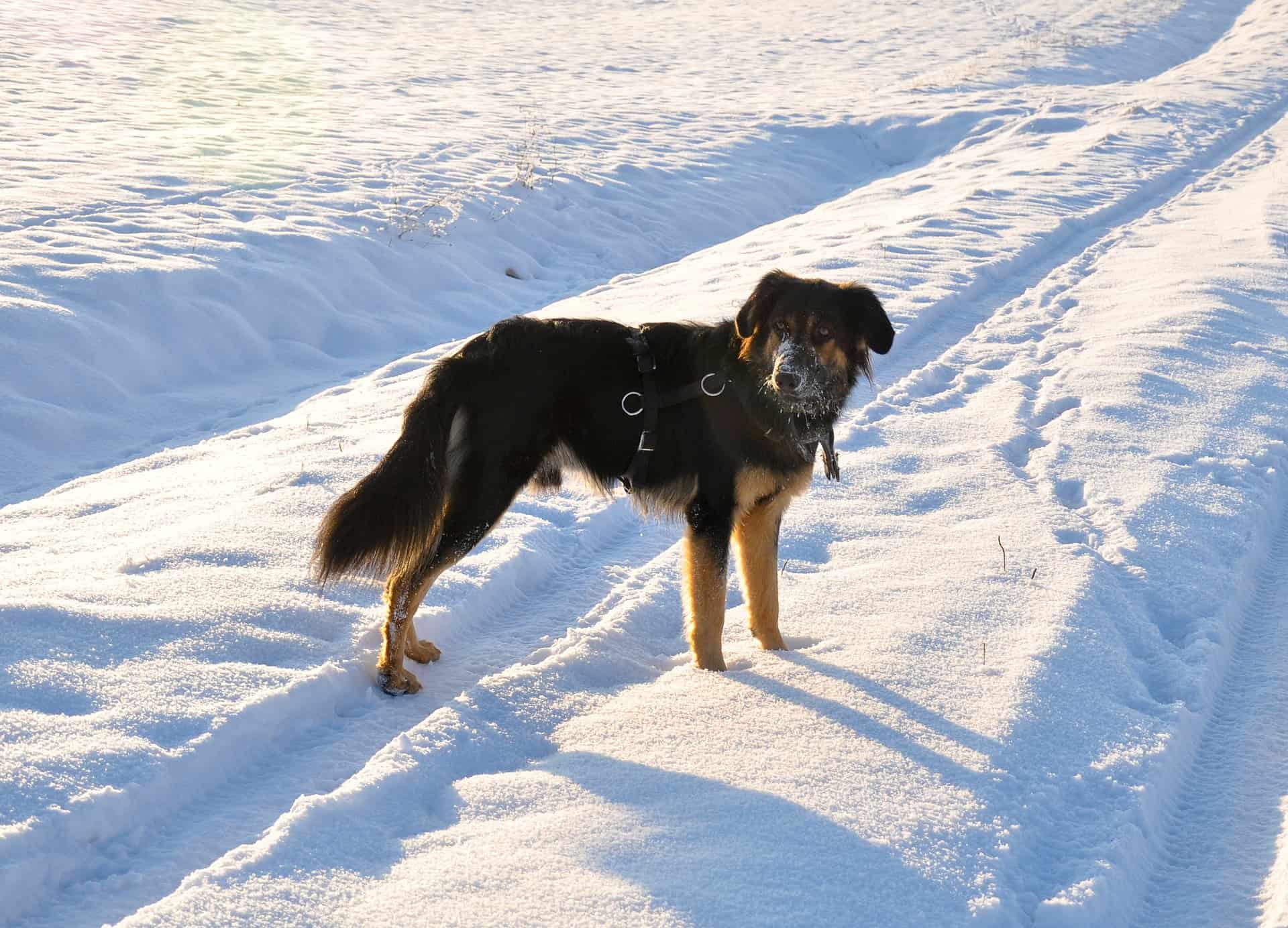
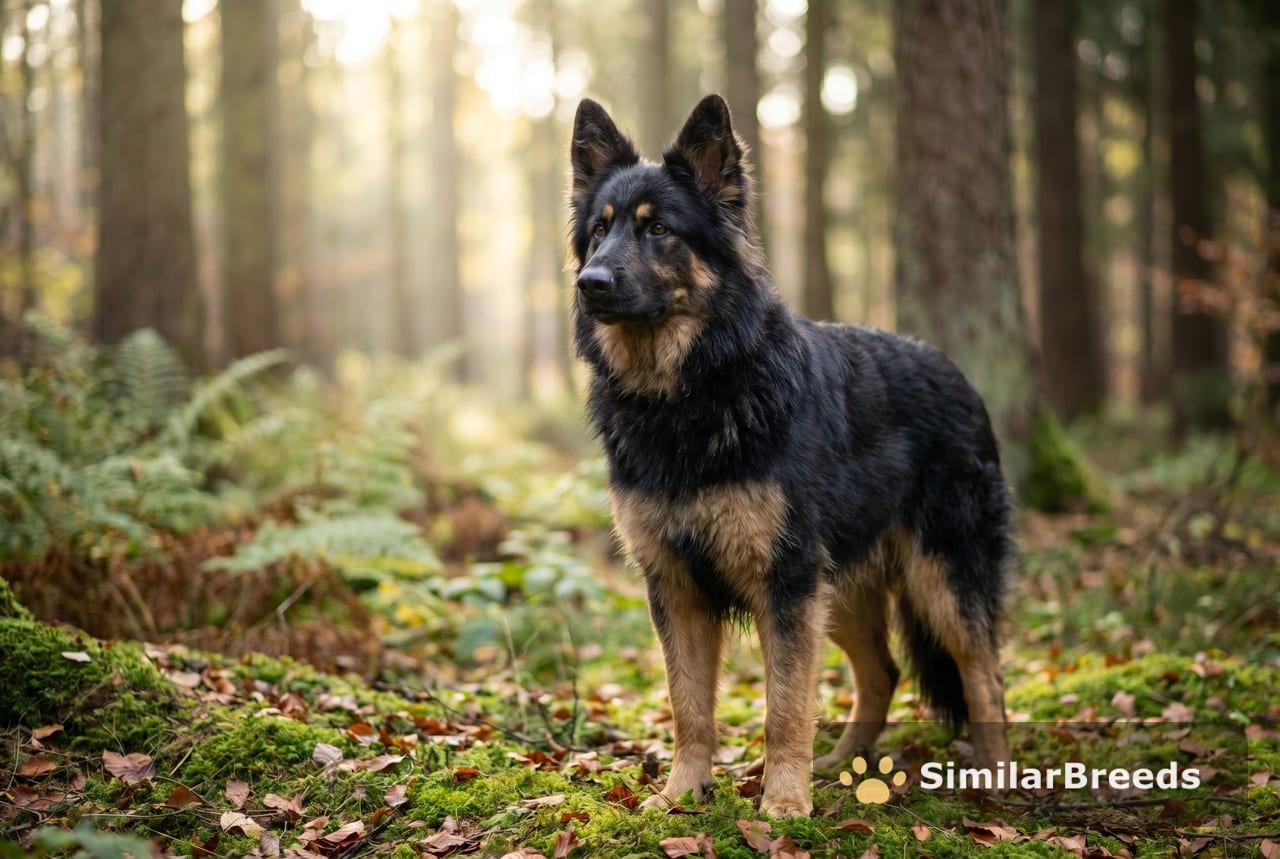
The double coat is the breed's most demanding feature. The outer coat is medium-long, straight or slightly wavy, and harsh in texture; the undercoat is soft and dense. The colour is black with rich tan markings on the face, ears, throat, chest, legs, and tail. Brushing two to three times a week is necessary to prevent matting. During spring and autumn shedding seasons, daily brushing becomes the practical reality. Bathing is needed only a few times a year.
Health
The Bohemian Shepherd is considered a healthy breed; strict health-testing requirements imposed by the Czech breed club in the 1990s have kept hereditary problems at low rates. Issues to screen for include hip and elbow dysplasia, degenerative myelopathy, progressive retinal atrophy, and epilepsy. Lifespan is typically 12 to 14 years. Males stand 52 to 55 cm and weigh 19 to 27 kg; females are 49 to 52 cm and 17 to 24 kg.
Why these breeds are similar
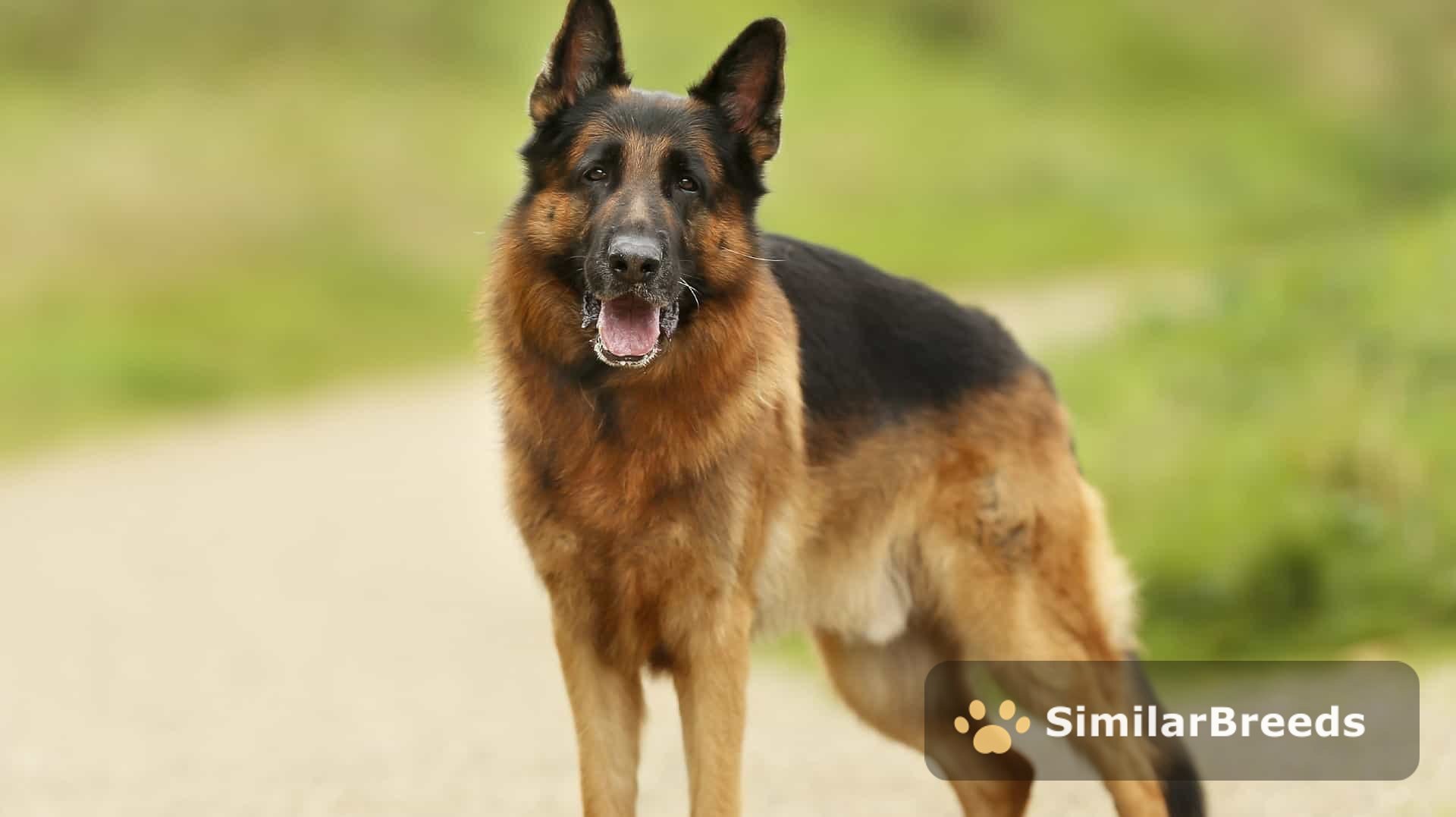
**German Shepherd Dog** is the most obvious comparison: both are black-and-tan Central European herding and guarding breeds with high intelligence and a strong handler bond. The Bohemian is lighter-framed and generally considered healthier at the population level due to smaller, more controlled gene pools.
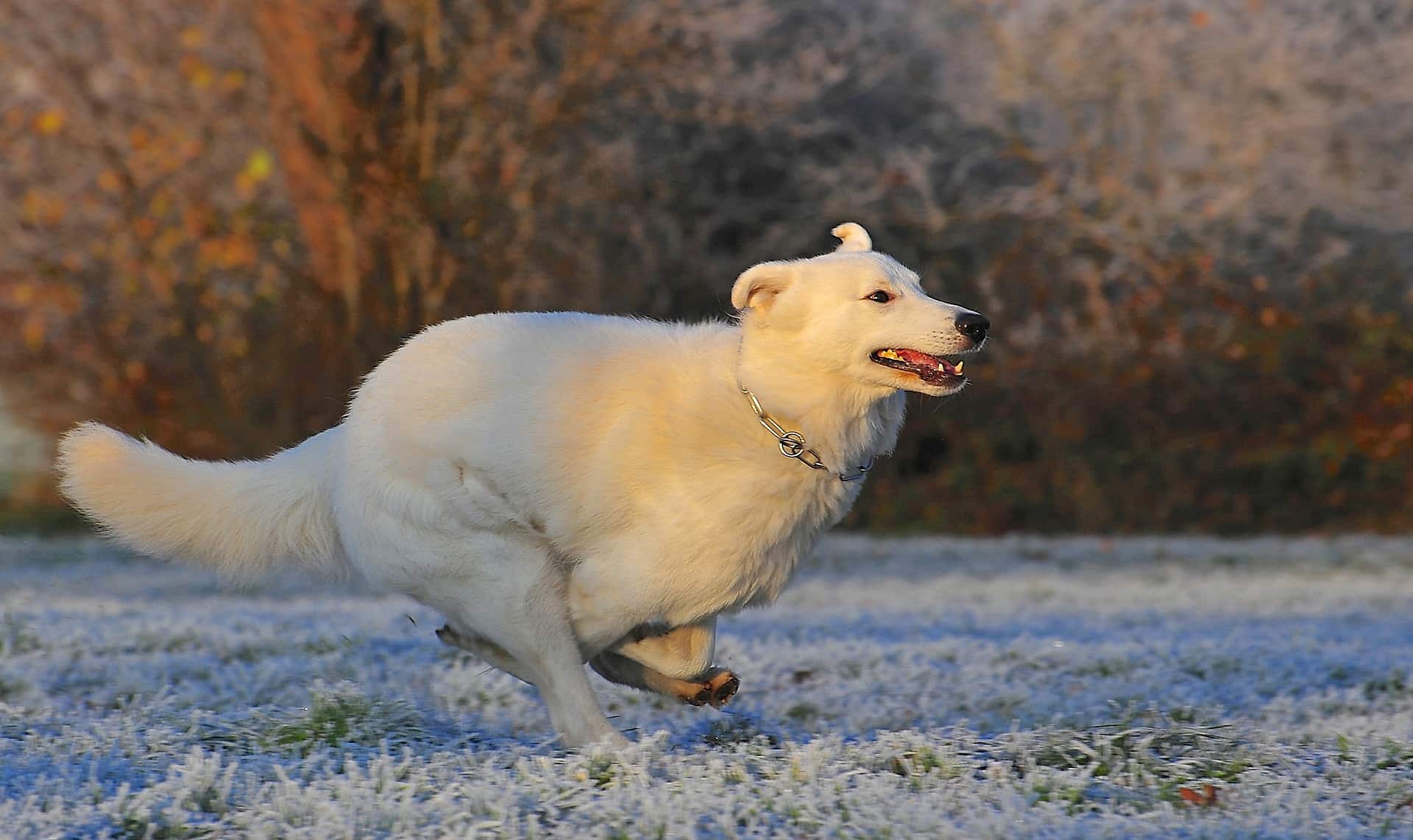
**White Swiss Shepherd Dog** shares the same herding-dog structure and temperament profile. The difference is mainly coat colour; the White Swiss tends to be slightly softer in temperament.
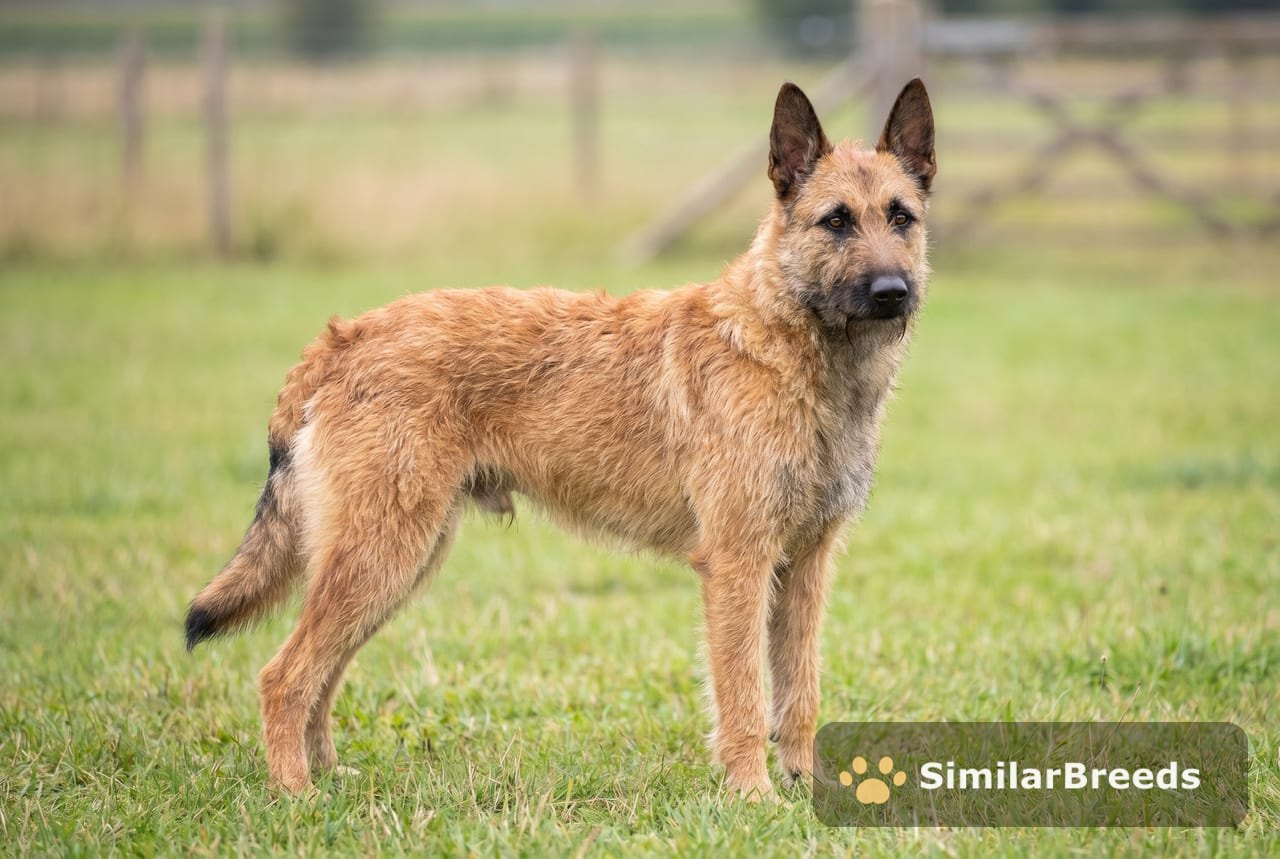
**Belgian Laekenois** is another FCI Group 1 herding breed of similar size and drive. The Laekenois has a rough, wiry coat and tends to be more intense and higher-energy.
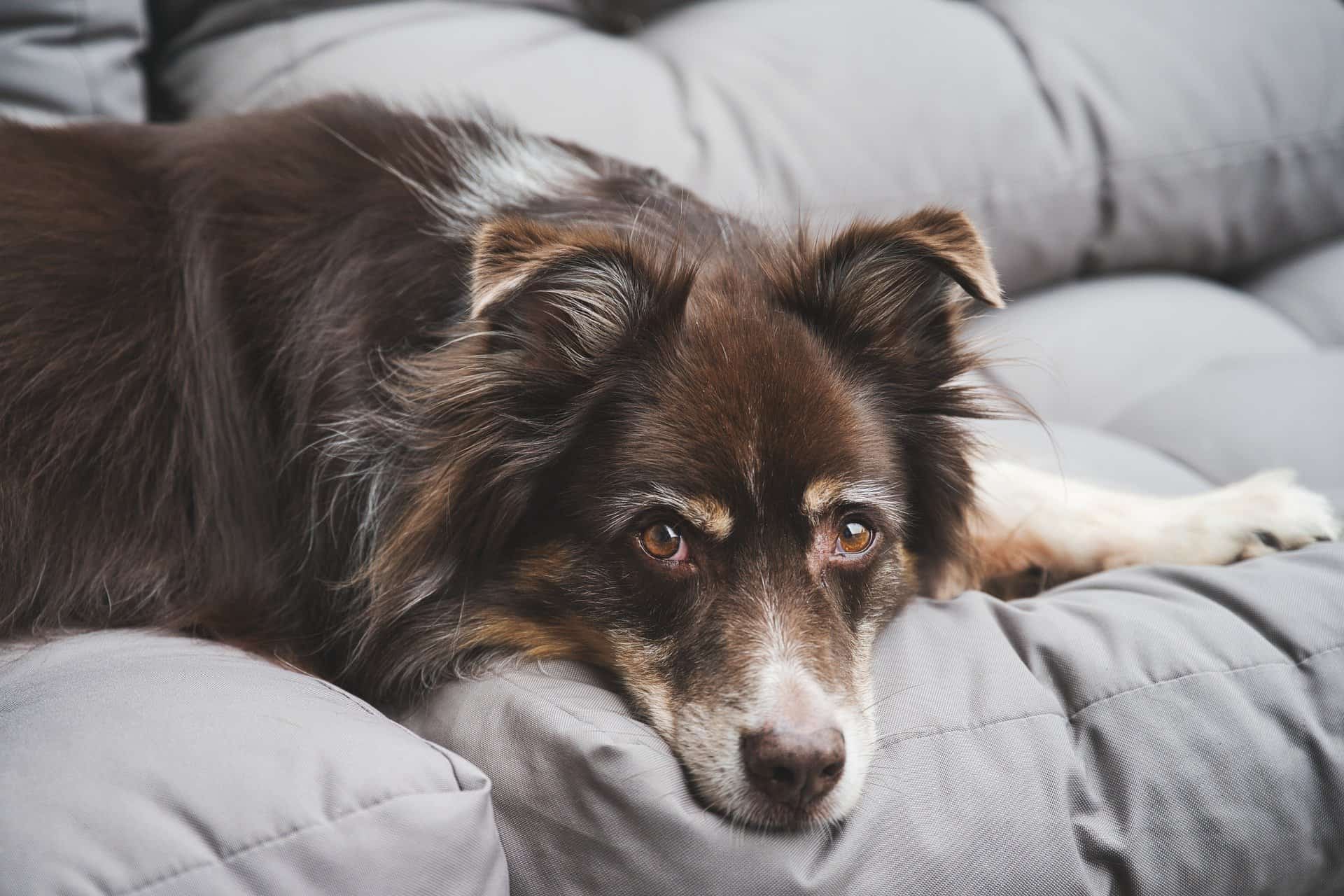
**Australian Shepherd** matches in energy level, trainability, and need for a job. The Aussie is often more overtly enthusiastic; the Bohemian is steadier. Both suit dog sports well.
**Beauceron** shares the black-and-tan colouring and dual herding-guarding heritage but is larger and demands more experienced handling.
**Hovawart** is a German farm guardian with similar size, coat length, and loyalty. The Hovawart leans more toward protection work; the Bohemian carries more herding instinct. Both need substantial daily activity.