Cardigan Welsh Corgi
From Great Britain
Purpose & Origin
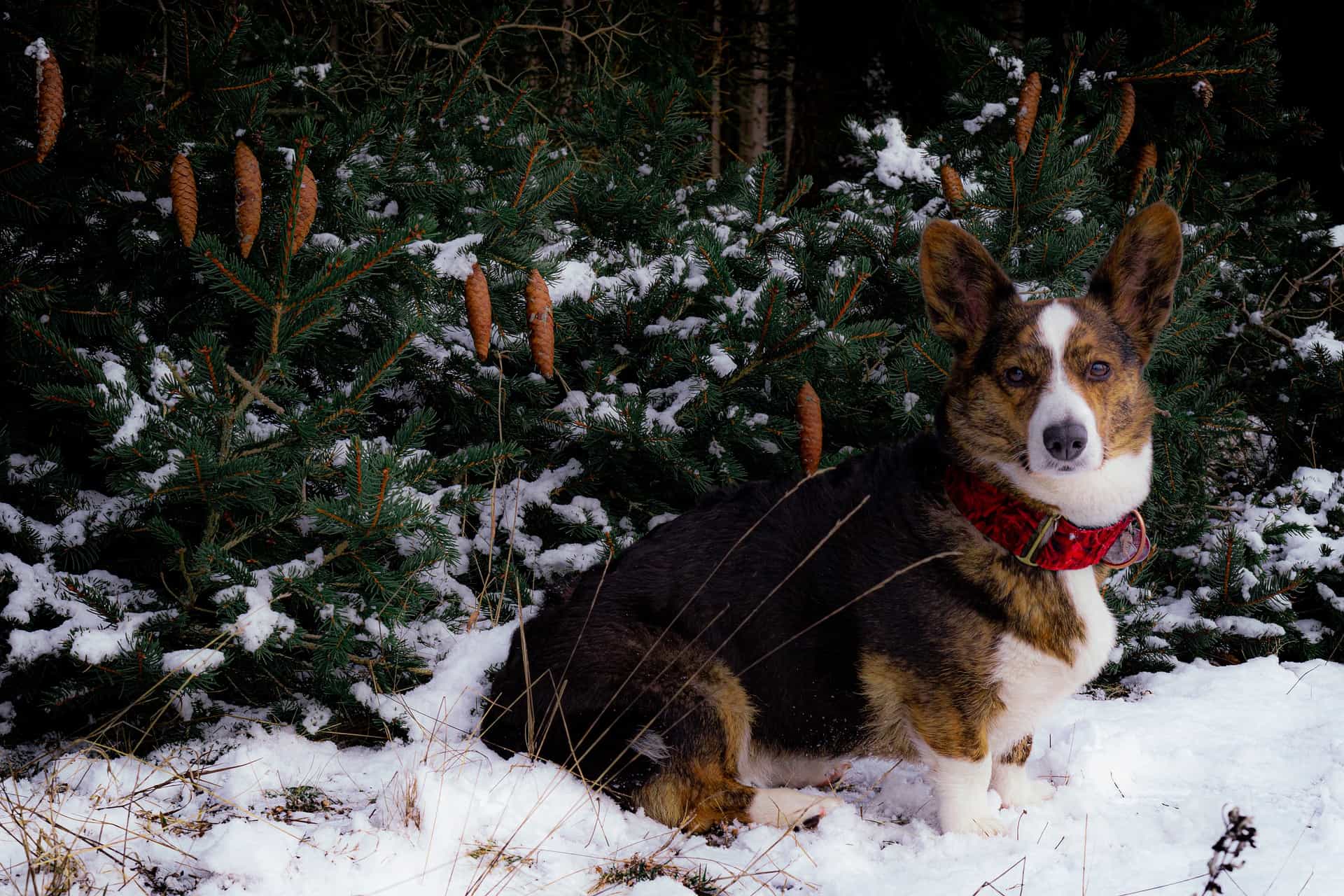
The Cardigan Welsh Corgi is among the oldest breeds to reach the British Isles, brought from central Europe to Cardiganshire in South Wales in ancient times. Its earliest jobs were broad: family guardian, occasional hunting helper, and later something more specific. When tenant farmers held land in proportion to how much their cattle occupied, it paid to keep cattle spread out and ranging wide. The Corgi became the tool for that job, driving cattle across open ground by nipping at their heels and deftly avoiding kicks. The name itself likely traces to Welsh roots meaning "gather" and "dog."
These dogs were once measured by the Welsh yard, nose to tail, and in parts of Cardiganshire they were simply called the yard-long dog. When land was eventually divided, sold, and fenced, the droving work disappeared. The Cardigan nearly vanished with it, saved partly by a cross with a brindle herder that shaped the modern dog. It was shown from around 1925, recognised by the AKC in 1935, and has remained modestly popular ever since, always in the shadow of its cousin the Pembroke.
Temperament & Behaviour
The Cardigan is a hardy, self-possessed dog with a personality somewhere between working partner and domestic companion. It is easygoing and affectionate at home, but not soft: a dog bred to spend a day dodging cattle kicks is agile and resolute. It tends to bark, which makes it an excellent watchdog (and it scores at the top end for that). It is reserved rather than effusive with strangers, and can be quarrelsome with other dogs, though it generally gets on well with other household pets. It bonds closely with its family and is good-humoured without being frantic.
Activity & Training
For a short-legged dog under 13 inches tall, the Cardigan needs a real amount of exercise. A moderate daily walk or an active play session meets its needs, though herding work would suit it best. It trains willingly, with a high score for ease of training, and responds well to consistent, reward-based methods. It is not the breed to leave idle for long: the working instinct is still present and boredom shows.
Grooming
The coat is low-maintenance by any measure. Weekly brushing to remove dead hair is enough to keep it in good condition. There is no trimming required, and the coat does not demand professional attention. Seasonal shedding will occur, but day-to-day upkeep is minimal.
Health
The Cardigan's primary concern is canine hip dysplasia (CHD). Degenerative myelopathy, progressive retinal atrophy, and urinary stones appear occasionally. Reputable breeders test for hip and eye issues, and DNA testing is available for PRA. Life expectancy runs 12 to 14 years.
Why these breeds are similar
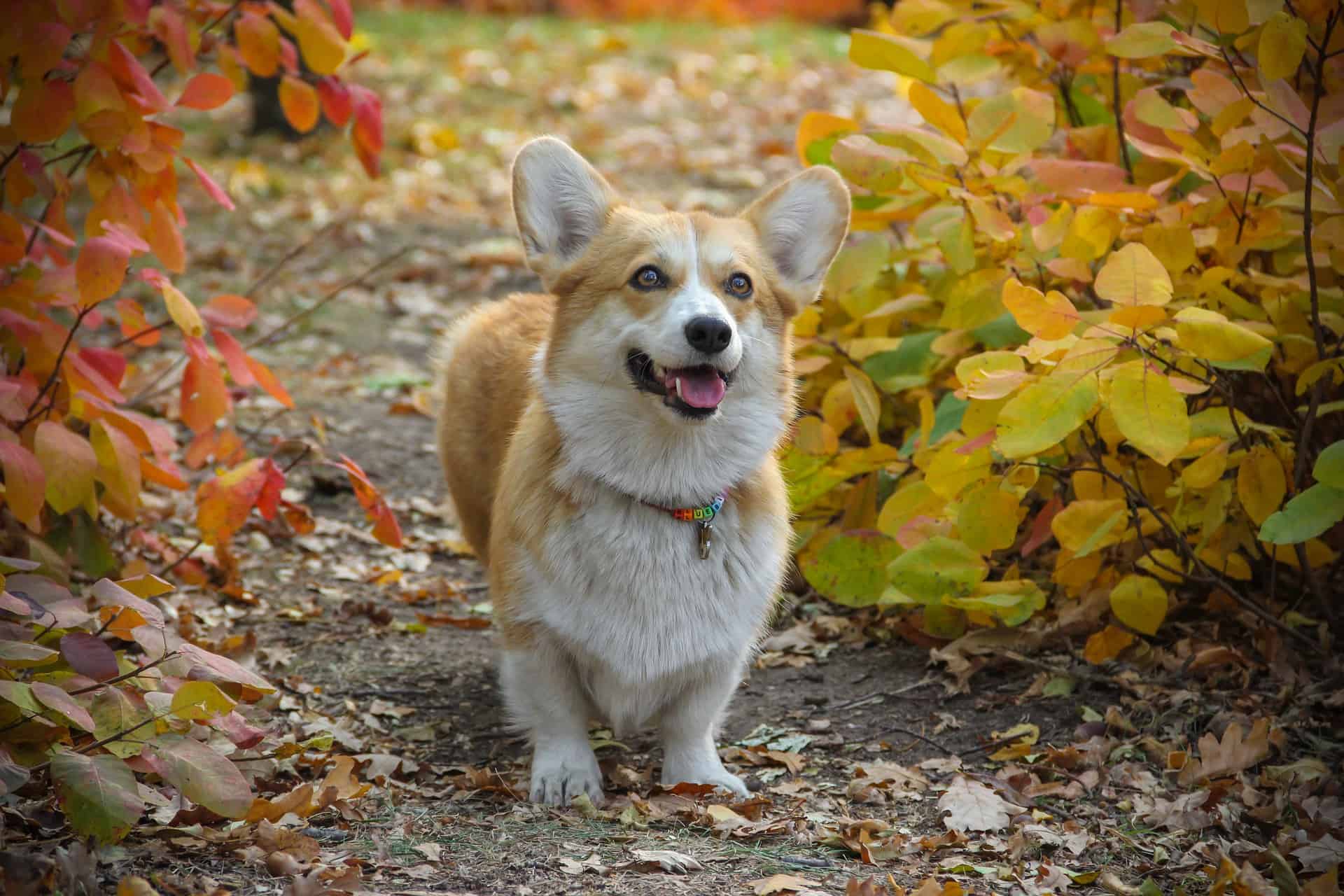
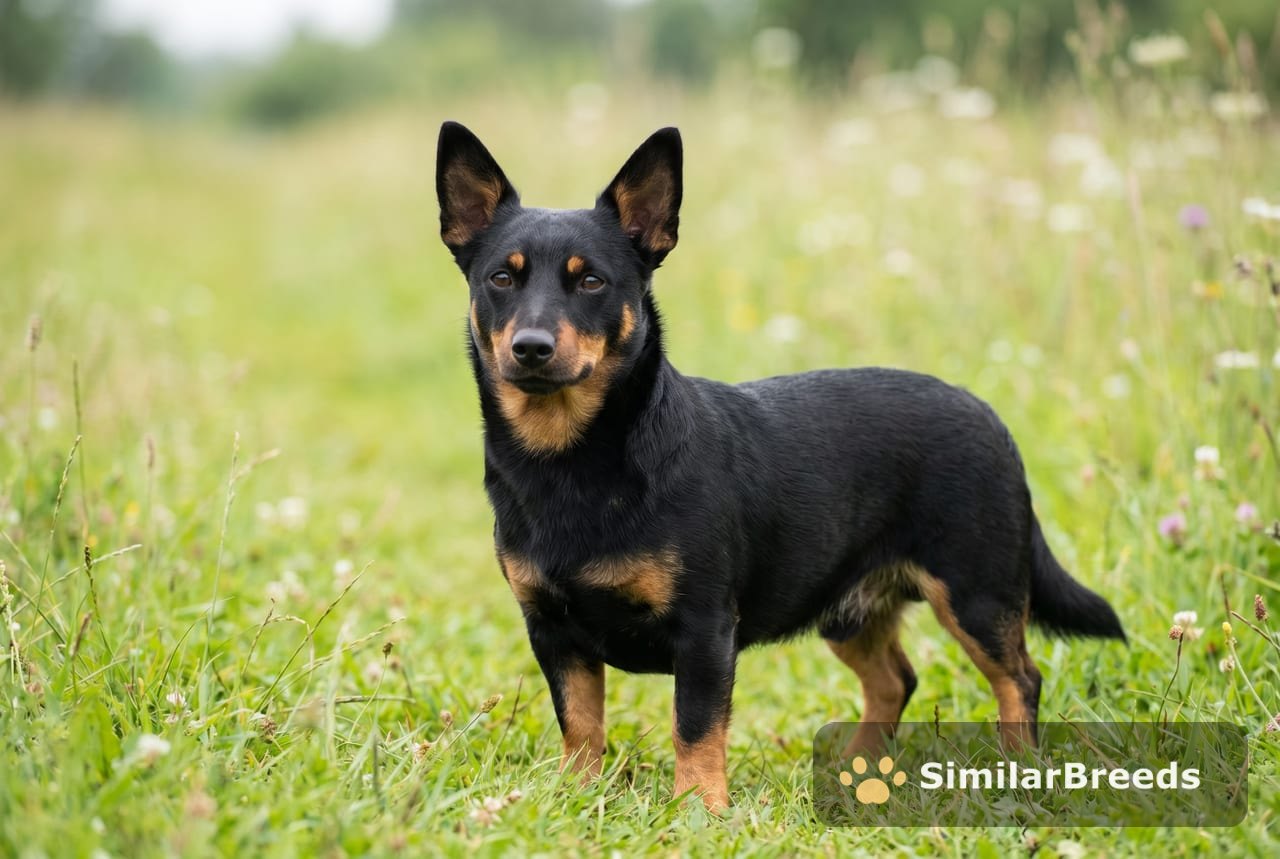
The **Pembroke Welsh Corgi** is the most obvious parallel: both are low-set Welsh herding and driving dogs, similar in size and build, and were officially treated as a single breed until 1934. The Cardigan is heavier, longer, and has a full tail where the Pembroke is typically docked, but the temperament and working character overlap substantially. The **Lancashire Heeler** shares the same functional niche, a small British dog bred to drive cattle by heeling, low to the ground and agile enough to avoid a kick. It is similarly bold, vocal, and reserved with strangers.
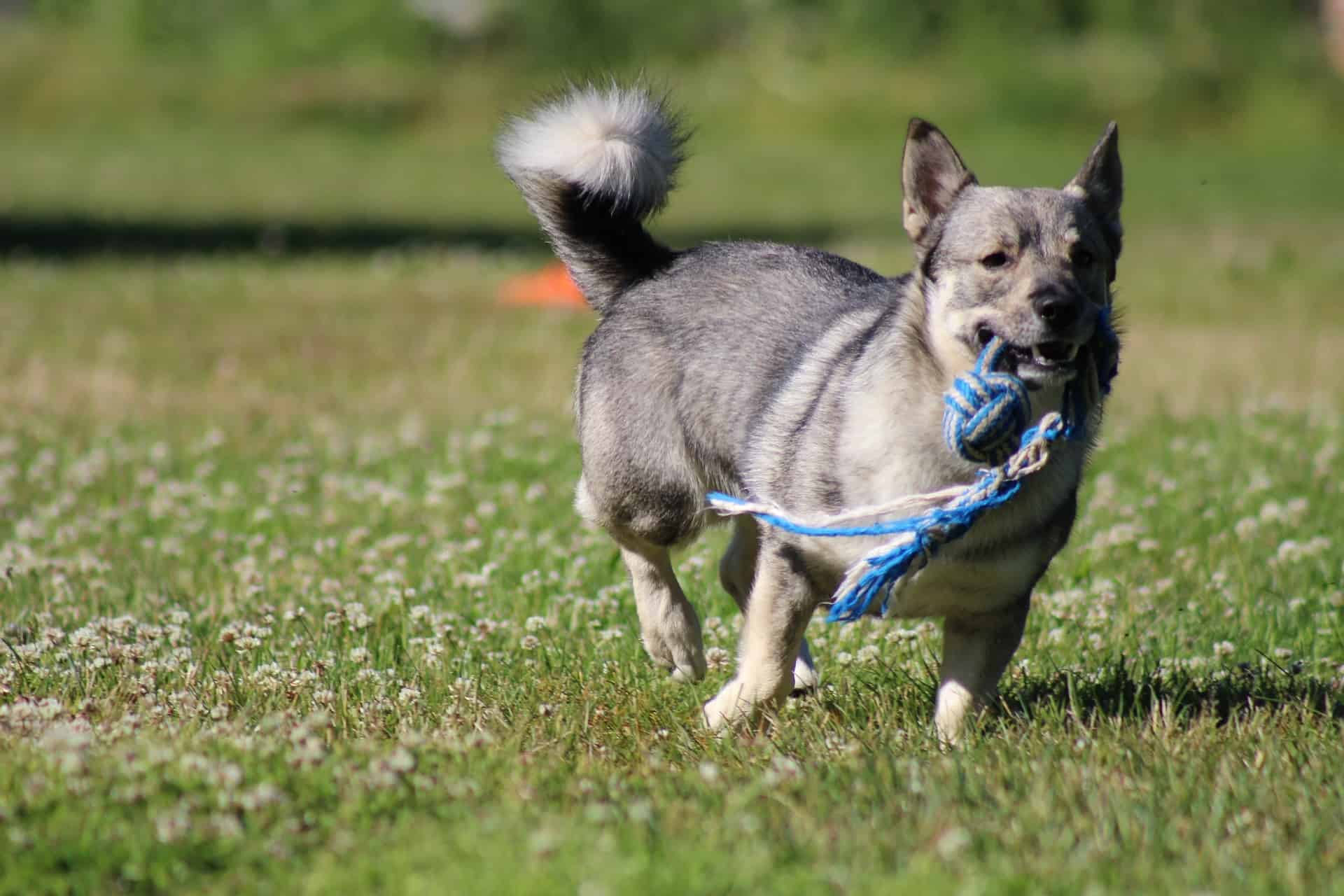
The **Swedish Vallhund** rounds out the group: another ancient Scandinavian herding breed of the same general type, short-legged and long-bodied, bred to work cattle at close range. The resemblance is striking enough that historians have debated whether the Vallhund and the Corgi share a common ancestor or influenced each other through Viking-era contact with Wales.
Trait ratings
- Energy level
- 3/5
- Exercise requirements
- 3/5
- Playfulness
- 3/5
- Affection level
- 3/5
- Friendliness toward dogs
- 2/5
- Friendliness toward other pets
- 4/5
- Friendliness toward strangers
- 3/5
- Ease of training
- 4/5
- Watchdog ability
- 5/5
- Protection ability
- 4/5
- Grooming requirements
- 1/5
- Cold tolerance
- 3/5
- Heat tolerance
- 3/5