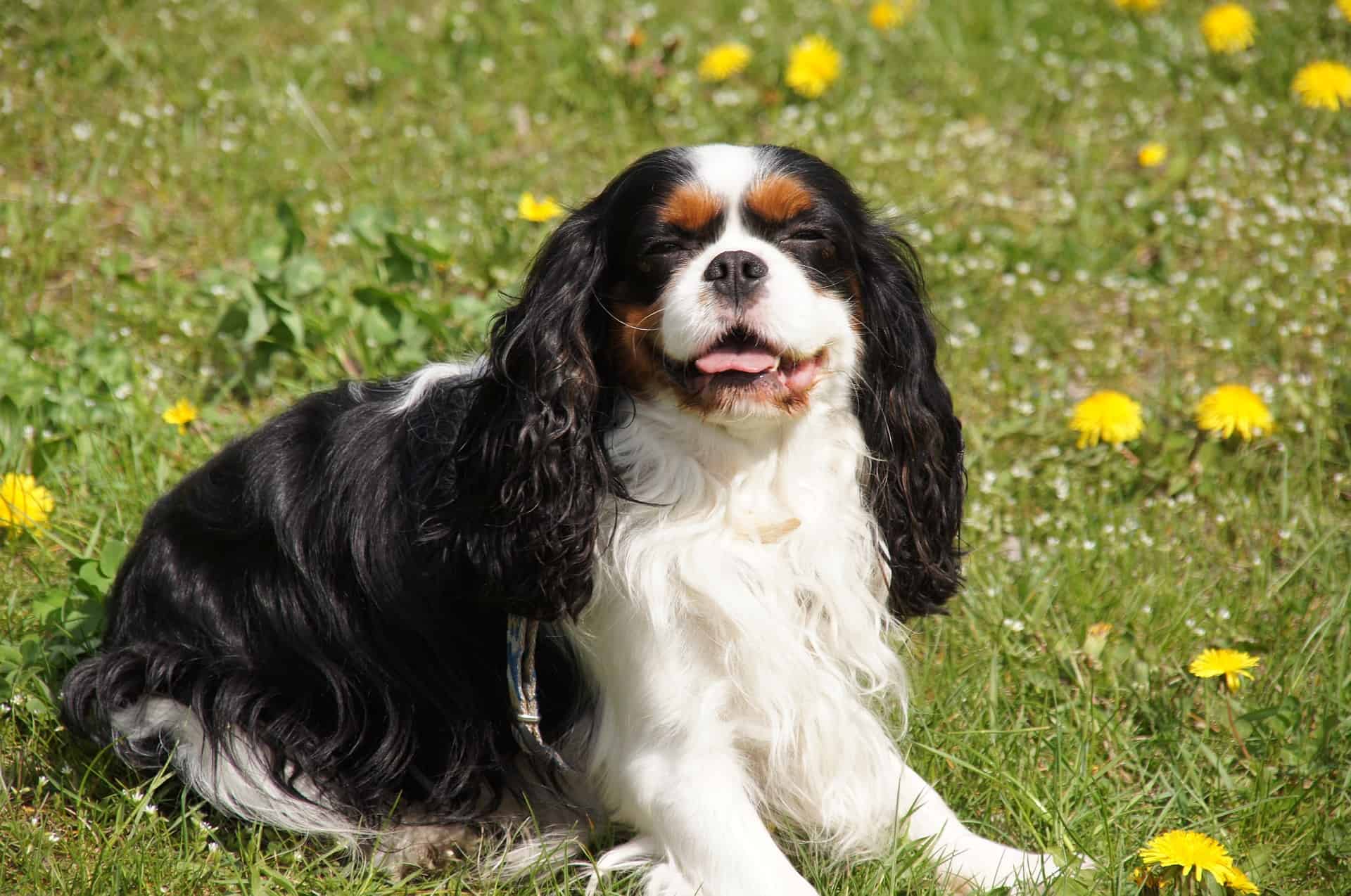
Cavalier King Charles Spaniel
From Great Britain
Purpose & Origin
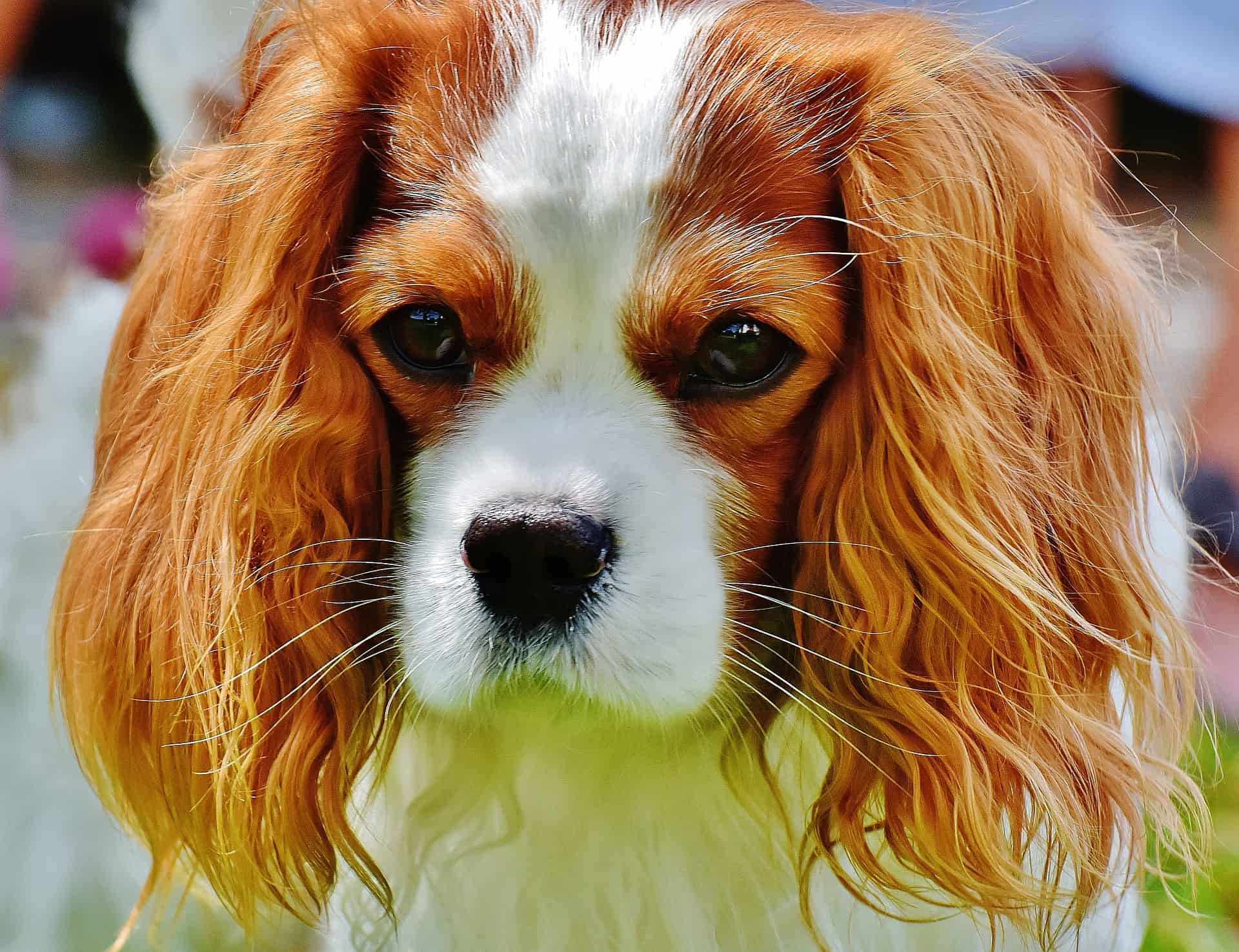
The Cavalier King Charles Spaniel carries a dual heritage that goes back to Tudor England: part lapdog comfort animal, part working spaniel. The small "comforter spaniels" of the 1600s were bred from toy spaniels crossed with Oriental breeds like the Japanese Chin, and they served a more practical role than modern owners might expect. They warmed laps and feet, but also attracted fleas away from their owners. King Charles II favoured these dogs so intensely that he was said to neglect affairs of state for them, and his name stuck. The red-and-white Blenheim colour traces back to the Duke of Marlborough, who championed the breed after the king's death.
Fashion later shifted toward a flatter-faced type, and by the early twentieth century the longer-muzzled original was considered unfashionable. The reversal came through an unlikely source: an American named Roswell Eldridge, who offered prize money for dogs matching the old pointed-nosed look. Breeders chased the prize, rediscovered the type, and the Cavalier was born as a distinct breed. It was recognized by the AKC in 1996 and has grown steadily in popularity since.
Temperament & Behaviour
Few toy breeds combine sweetness and genuine adaptability as cleanly as the Cavalier. It is affectionate with everyone, thoroughly gentle, and almost incapable of aggression toward dogs, other pets, or strangers. It does not bark excessively or dig. It will sit quietly on a lap for hours, then follow its owner out for a walk without complaint. That said, the spaniel instinct remains active outdoors: it will sniff, investigate, and chase, so reliable recall matters. The Cavalier is one of the more trainable toy breeds, responsive and willing to please without being demanding.
Activity & Training
The Cavalier sits at a moderate energy level. It needs daily exercise but is satisfied with a brisk on-leash walk or a free run in a safely enclosed space. It is not the right choice for someone wanting an intensive athletic partner, nor does it suit a lifestyle where it would be left alone for long stretches. Its affection level is high enough that isolation becomes a welfare issue. Training is straightforward. It picks up basic obedience readily and responds well to positive methods.
Grooming
The coat is silky and of moderate length, with feathering on the ears, legs, and tail. Brushing every other day keeps it free of tangles and mats. This is not a demanding coat compared to heavily furnished spaniels, but it requires consistent attention rather than occasional deep sessions. The Cavalier is not a heavy shedder, though the feathering does pick up debris. Heat tolerance is low, so summer grooming sessions should be brief.
Health
The Cavalier has a significant cardiac liability: mitral valve insufficiency is a major concern for the breed, and hip dysplasia appears as well. Syringomelia, a condition related to skull structure, is also flagged as a primary health issue. Minor concerns include patellar luxation and entropion. Buyers should expect cardiac and orthopaedic screening from reputable breeders. Life expectancy runs from nine to fourteen years.
Why these breeds are similar
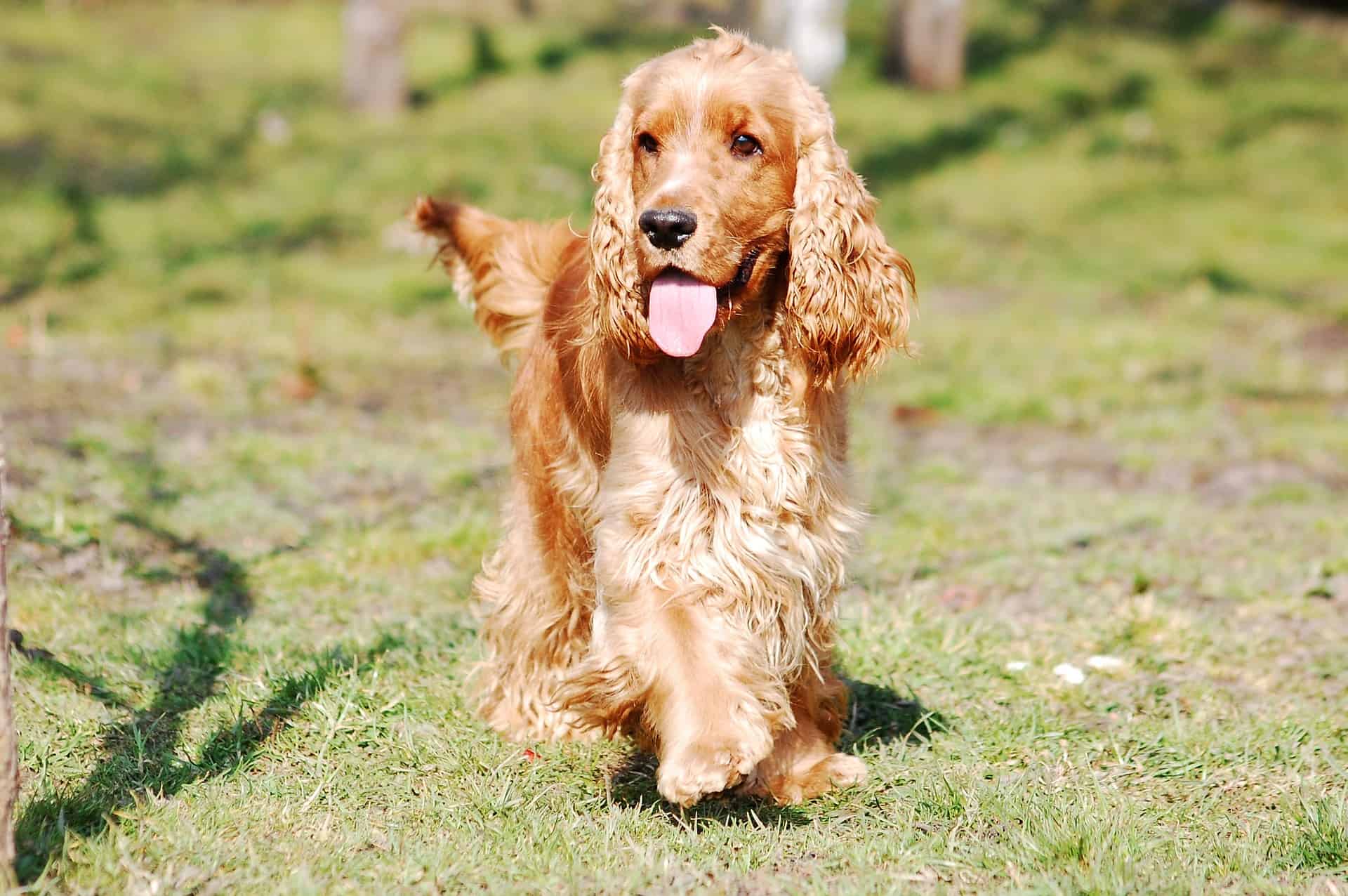
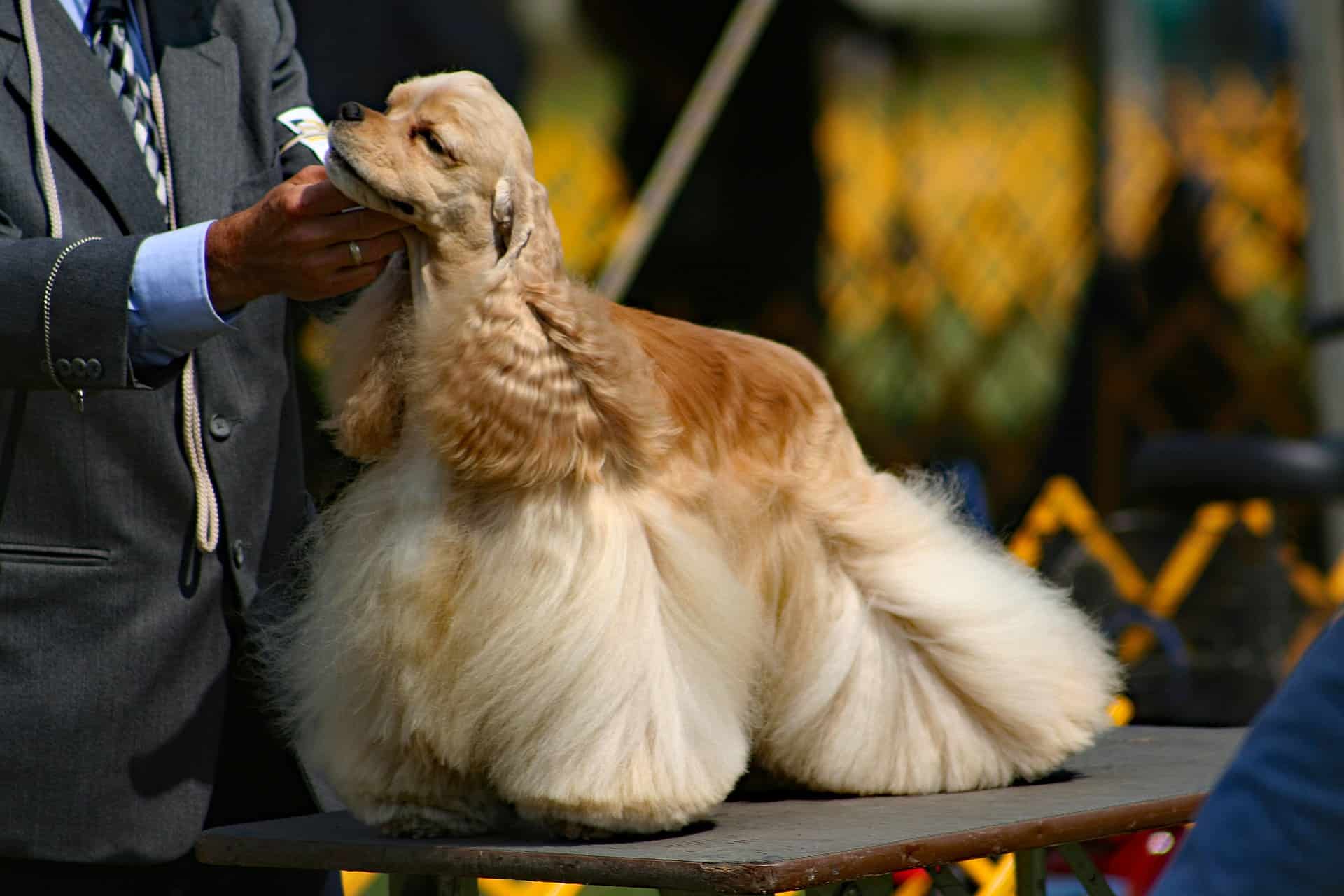
The **English Toy Spaniel** is the Cavalier's closest relative, the short-nosed type that the Cavalier was specifically bred away from. Same roots, same lapdog function, overlapping history. The **English Cocker Spaniel** and **American Cocker Spaniel** share the spaniel family and the same flushing-bird original purpose, with similar silky coats, gentle temperaments, and the same outdoor curiosity under the companion exterior.
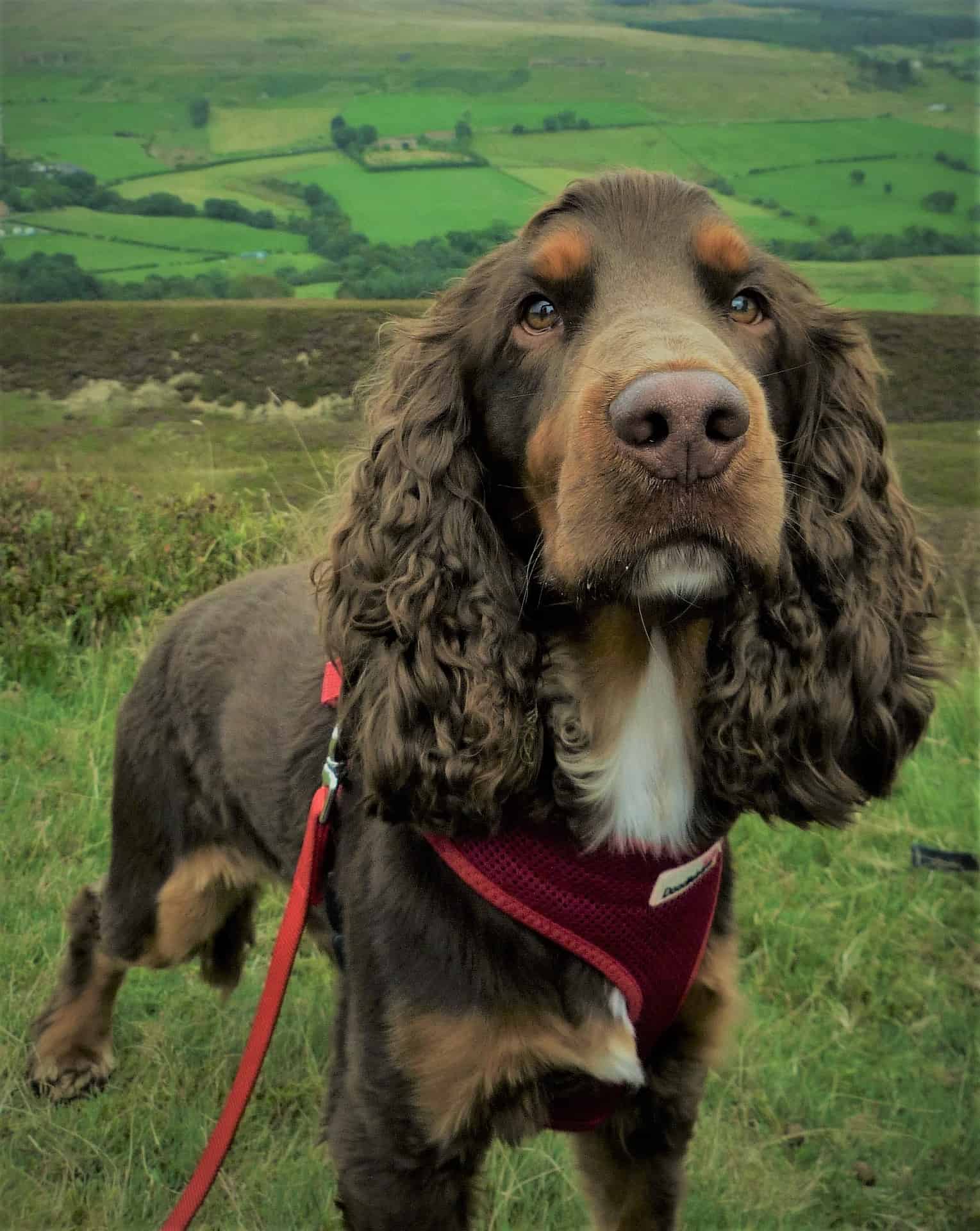
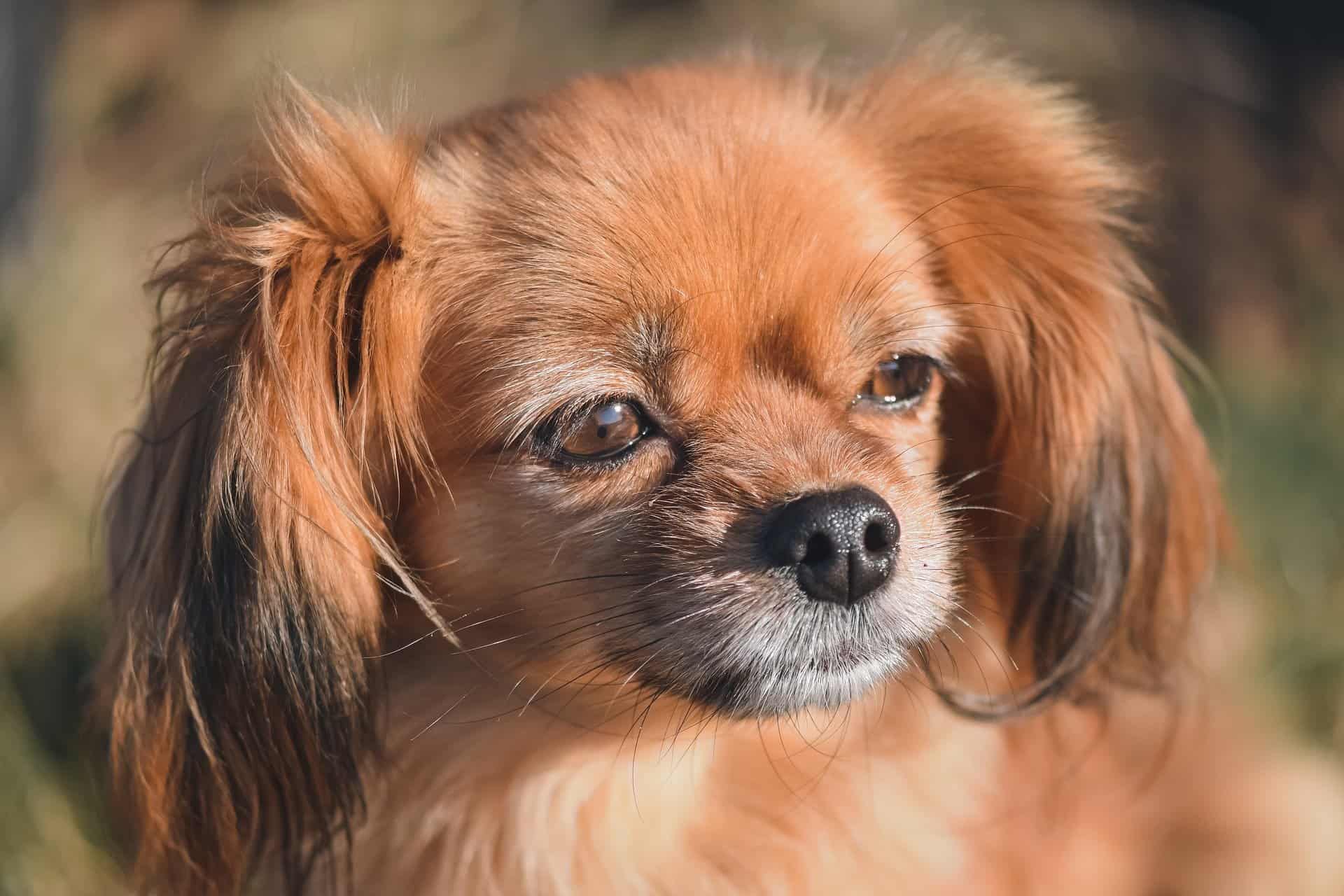
The **Field Spaniel** is a larger, more workmanlike spaniel cousin, linked by breed family and the feathered coat, though it runs to considerably more exercise drive. The **Tibetan Spaniel** is the outlier in terms of geography and history, but it shares the likely ancestral link: Oriental toy breeds were almost certainly crossed into the early European toy spaniels, and the two breeds share a compact size, an independent watchfulness, and a lapdog disposition that comes with real personality underneath it.
Trait ratings
- Energy level
- 3/5
- Exercise requirements
- 3/5
- Playfulness
- 4/5
- Affection level
- 5/5
- Friendliness toward dogs
- 5/5
- Friendliness toward other pets
- 5/5
- Friendliness toward strangers
- 5/5
- Ease of training
- 4/5
- Watchdog ability
- 3/5
- Protection ability
- 1/5
- Grooming requirements
- 3/5
- Cold tolerance
- 3/5
- Heat tolerance
- 2/5