Purpose & Origin
The Danish-Swedish Farmdog (Dansk-Svensk Gårdhund) is a Scandinavian working dog with roots stretching back to at least the 1700s, though the type is almost certainly older. It developed on farms across Denmark and southern Sweden, where it earned its keep as a ratter, watchdog, hunting companion, and livestock herder - a genuine all-rounder rather than a specialist.
The breed also appears in historical records from France and Germany, and some historians link its spread there to Viking-era movement. For centuries it was a common sight on small Scandinavian farmsteads, valued more for usefulness than pedigree. Formal breed recognition came in 1987 when the Danish and Swedish kennel clubs agreed on a joint standard; the AKC added it to the Miscellaneous class in 2021 and granted full recognition in 2025.
Temperament & Behaviour
The Danish-Swedish Farmdog is lively, affectionate, and genuinely people-oriented. It wants to be in the middle of family life and does not do well shunted to a kennel or left alone for long stretches. Around children it is patient and playful; around strangers it is alert without being aggressive. The breed lacks the sharp edge common in terriers, despite occupying a similar size and energy bracket. Indoors it settles reasonably well once exercised; outdoors it shifts into a quick, curious, intent working gear that reflects its ratting and hunting heritage. It tends to get on with other dogs without the friction that terrier-type breeds often produce.
Activity & Training
This is an active small dog that needs real exercise, not just a garden stroll. A good daily walk plus some off-lead running or interactive play keeps it balanced. The breed responds well to training, being both eager to engage and quick to learn, but it has enough independent farm-dog instinct to become selective if training turns repetitive or dull. Short, varied sessions work better than long drills. It excels at dog sports such as agility and nose work, which channel its drive constructively. A bored Danish-Swedish Farmdog will find its own entertainment, and that entertainment will rarely be what you had in mind.
Grooming
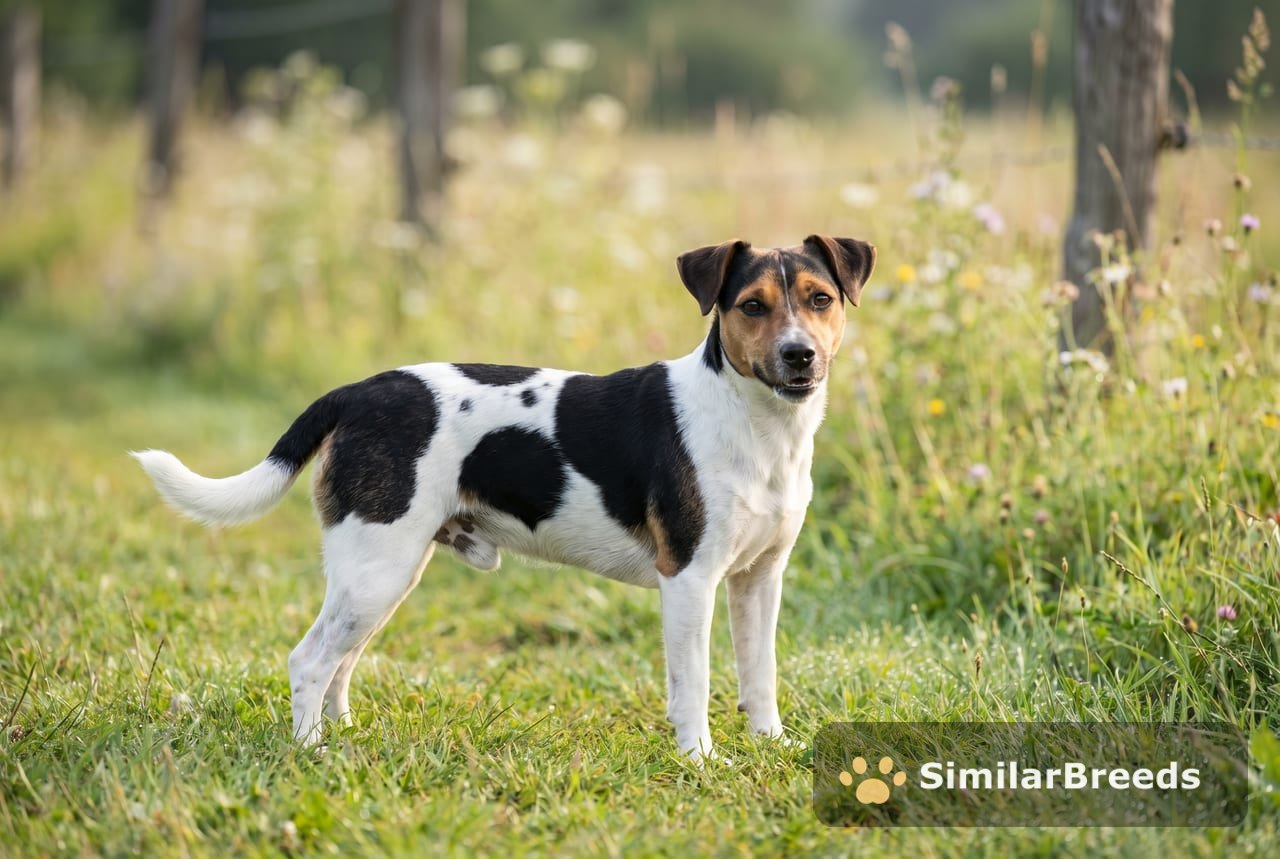
The coat is short, smooth, and harsh, predominantly white with patches of black, tan, or brown. Upkeep is minimal. A weekly brush removes loose hair and keeps the coat tidy; during seasonal shedding a few extra sessions keep the house manageable. Bathing is needed only occasionally. Ears should be checked weekly for wax buildup, which can progress to infection if ignored. Nails, teeth, and general skin checks round out a straightforward routine that takes little time.
Health
The Danish-Swedish Farmdog is a hardy breed with no well-established breed-specific hereditary diseases, a reflection of its centuries as a working farm dog selected for function and endurance rather than exaggerated conformation. The conditions worth monitoring are patellar luxation, hip dysplasia, and occasional eye problems, none of them dominant concerns in the population. Lifespan is 11 to 15 years, with many individuals reaching 16 or more. Dental hygiene is worth attention in small dogs generally, and this breed is no exception.
Why these breeds are similar
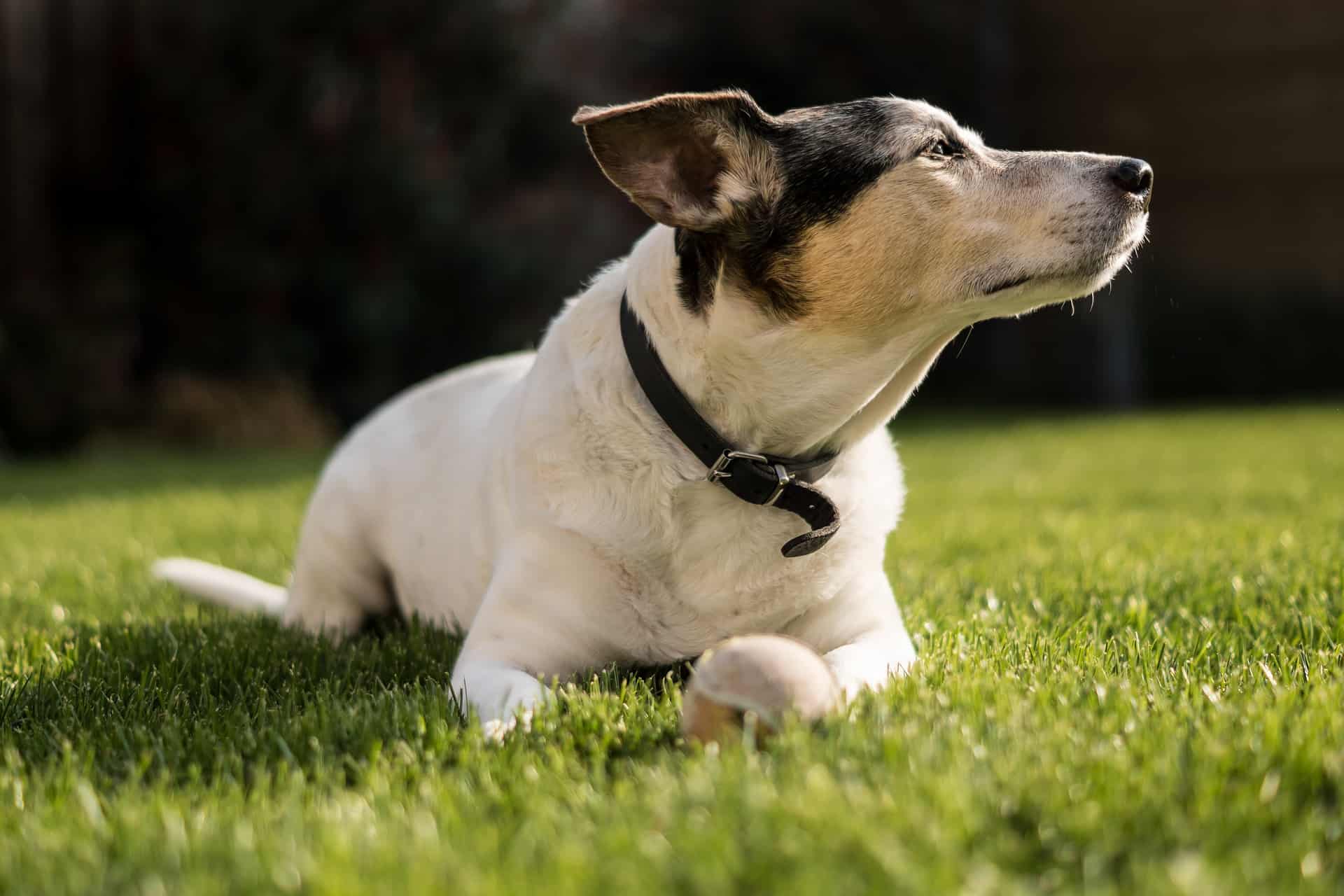
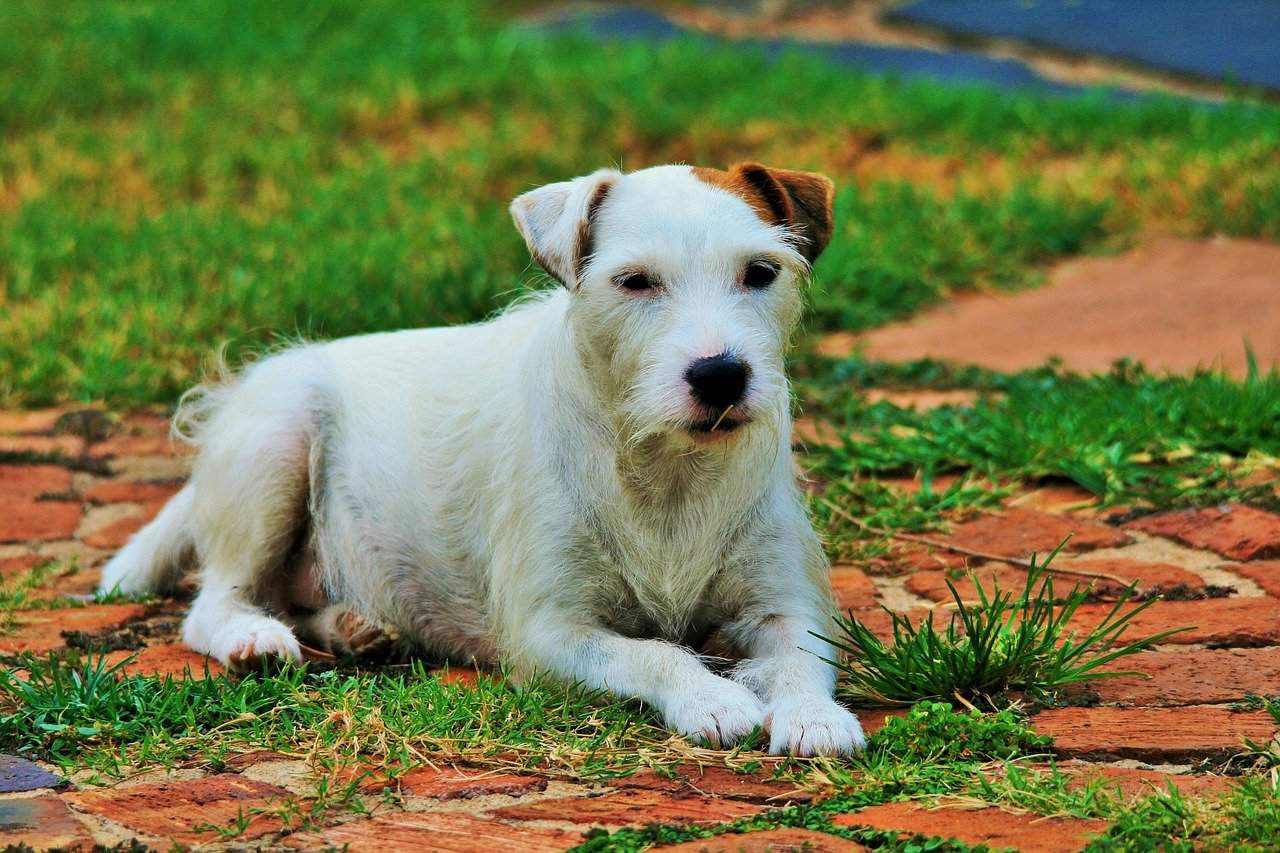
The **Jack Russell Terrier** shares the Danish-Swedish Farmdog's compact size, white-based coat with coloured patches, high energy, and vermin-hunting background. Both are fast, driven, and need genuine activity, though the Jack Russell carries more terrier stubbornness and dog-aggression risk. The **Parson Russell Terrier** is the taller, more square-built relative of the Jack Russell and covers similar ground: ratting origin, athletic build, intense prey drive, and a coat pattern that overlaps closely with the Farmdog.
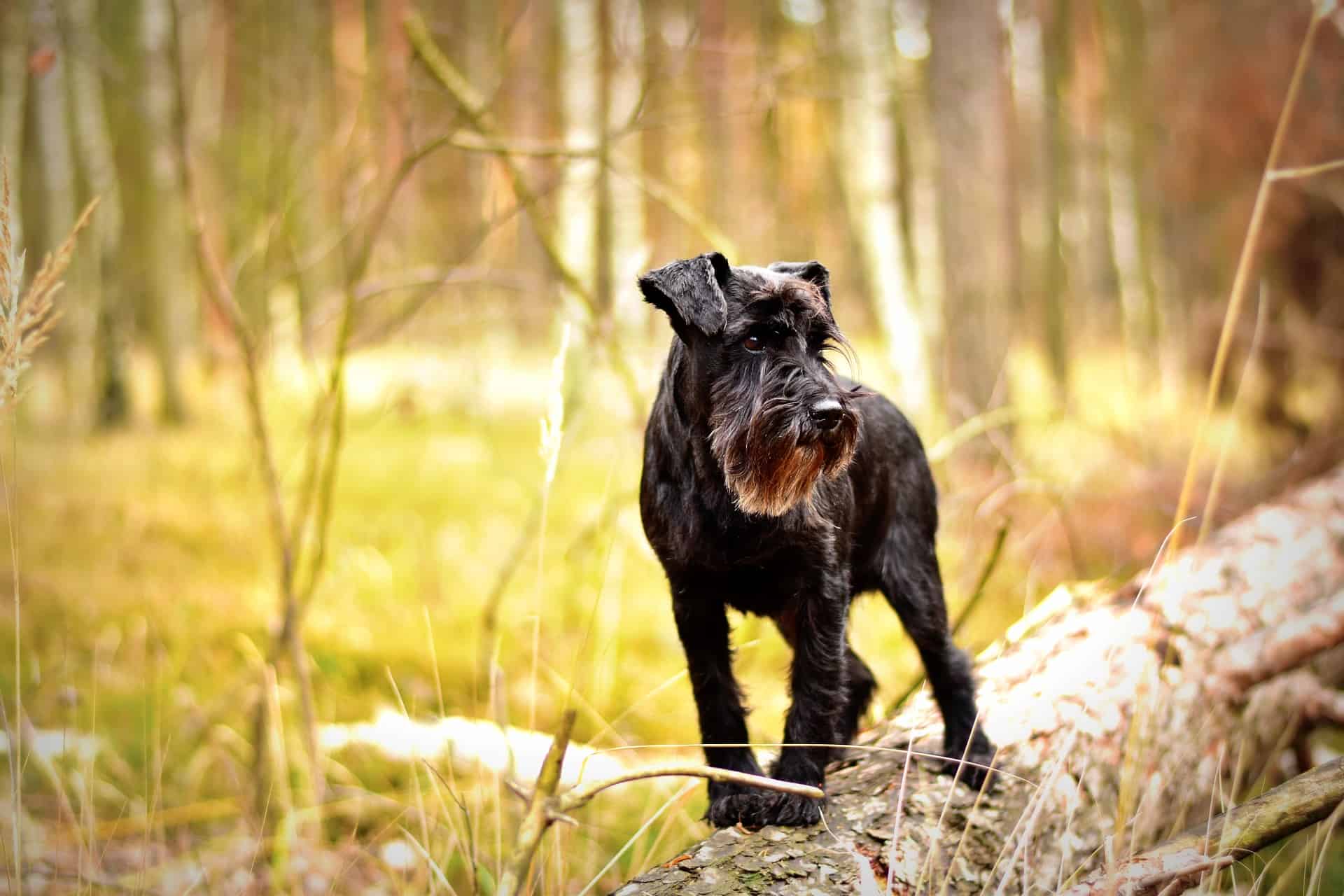
The **Miniature Schnauzer** brings a comparable small size with a working-dog history as a barn ratter, similar watchdog alertness, and an energetic, people-focused temperament, though its wiry double coat requires considerably more grooming and its FCI classification sits in the same Pinscher-Schnauzer group as the Farmdog.