Dutch Shepherd
From Netherlands
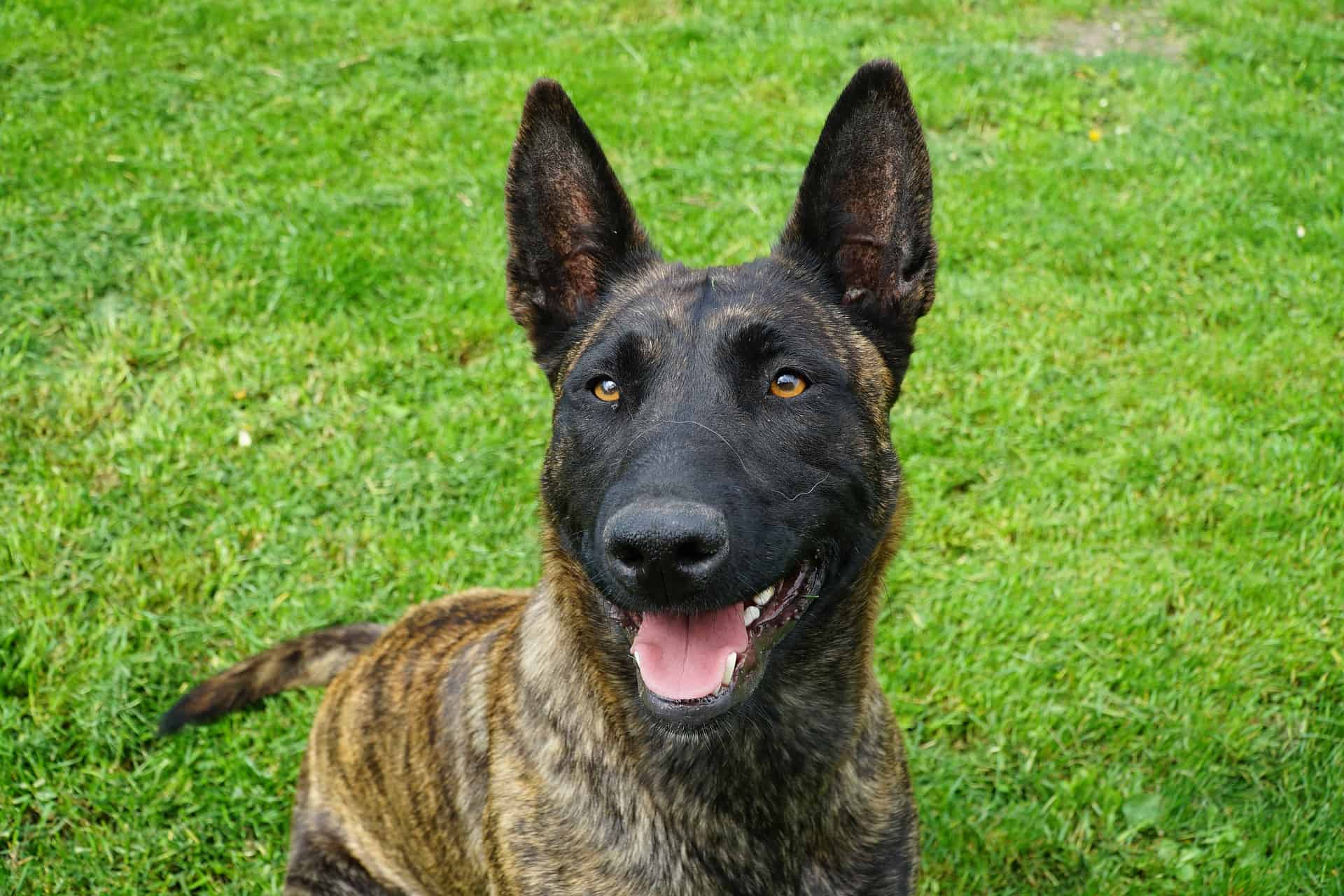
Purpose & Origin
The Dutch Shepherd, known in the Netherlands as the Hollandse Herdershond, is a general-purpose farm and herding dog whose roots reach back at least to the early 18th century, when some were already being exported to Australia. For most of that history its owners bred for working ability, not appearance, so coat type varied widely. When dog shows arrived in the 1890s, breeders formalised three varieties, short-haired, long-haired, and coarse-haired, distinguished almost entirely by their coat.
A breed club covering all three was founded in 1898. Beyond sheep herding, the breed proved remarkably adaptable: it was pressed into service as a police dog, military dog, guide dog, cart-puller, vermin controller, and farm guard. That versatility is the reason it remains valued in police and search-and-rescue work today.
Temperament & Behaviour
The Dutch Shepherd is alert, confident, and strongly bonded to its family without being needy. Morris describes the short-haired variety's personality as "alert, tractable, tireless, undemanding, rugged, affectionate." The coarse-haired was called a "workaholic," which captures the breed's general disposition well. Dutch Shepherds have genuine herding instinct and the independence to act on it without constant direction, which makes them rewarding partners but not passive ones. They tend to be cautious with strangers rather than openly friendly, and they need early socialisation to avoid that caution hardening into wariness. Aggression is not a breed trait.
Activity & Training
This breed needs serious daily exercise, roughly 90 minutes to two hours, and it needs variety. A long walk alone will not satisfy a Dutch Shepherd; structured activities such as agility, protection sports, tracking, or nosework channel the breed's drive productively. Training goes smoothly because the dog is genuinely attentive and motivated to work, but handlers should not mistake willingness for softness. The Dutch Shepherd thinks independently and will test boundaries if training is inconsistent. Early obedience work and continued mental stimulation throughout life are not optional extras.
Grooming
Grooming demands depend on coat type. The short-haired variety needs weekly brushing with a mitt or slicker brush; it is the lowest-maintenance of the three. The long-haired variety requires brushing several times per week to prevent tangles in the feathering on the legs, chest, and tail, and is noticeably more time-consuming. The coarse-haired (rough or wire-haired) benefits from periodic hand-stripping or professional grooming to keep the wiry texture correct. All three types have a dense undercoat that sheds seasonally. Ears, teeth, and nails need routine attention regardless of coat variety.
Health
The Dutch Shepherd is generally a healthy breed with a lifespan of 12 to 15 years. Confirmed genetic conditions in the breed include atopy (environmental allergies), masticatory myositis, pannus (chronic superficial keratitis), cryptorchidism, and inflammatory bowel disease, though these occur at relatively low rates. Hip dysplasia is worth screening for given the breed's working intensity. No single condition dominates the health picture the way it does in some other shepherd breeds.
Why these breeds are similar
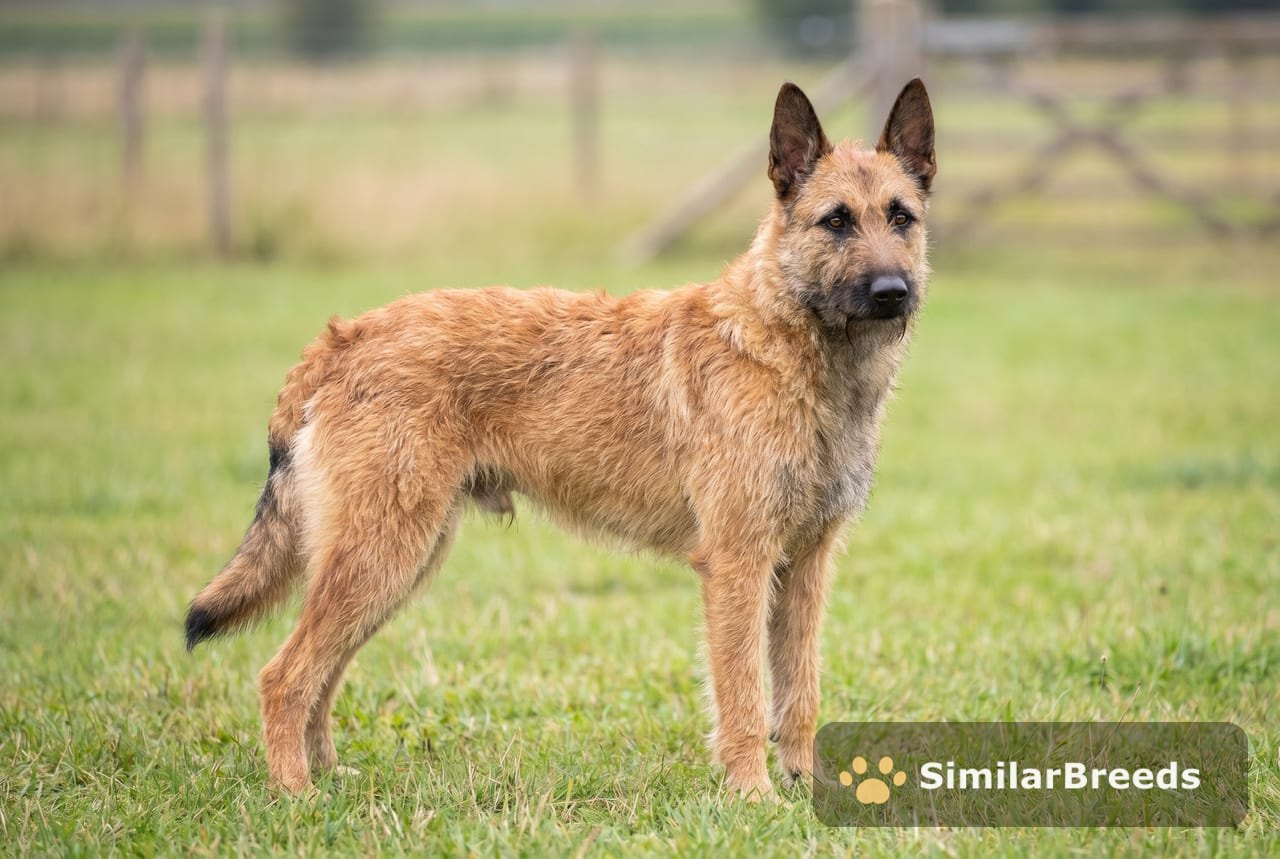
**Belgian Laekenois** is the roughest-coated of the Belgian shepherd varieties and, like the Dutch Shepherd, is a versatile herding and working dog from the Low Countries with prick ears, a brindle or fawn coat, and a drive-oriented temperament. The two breeds are close enough in type that casual observers sometimes confuse them.
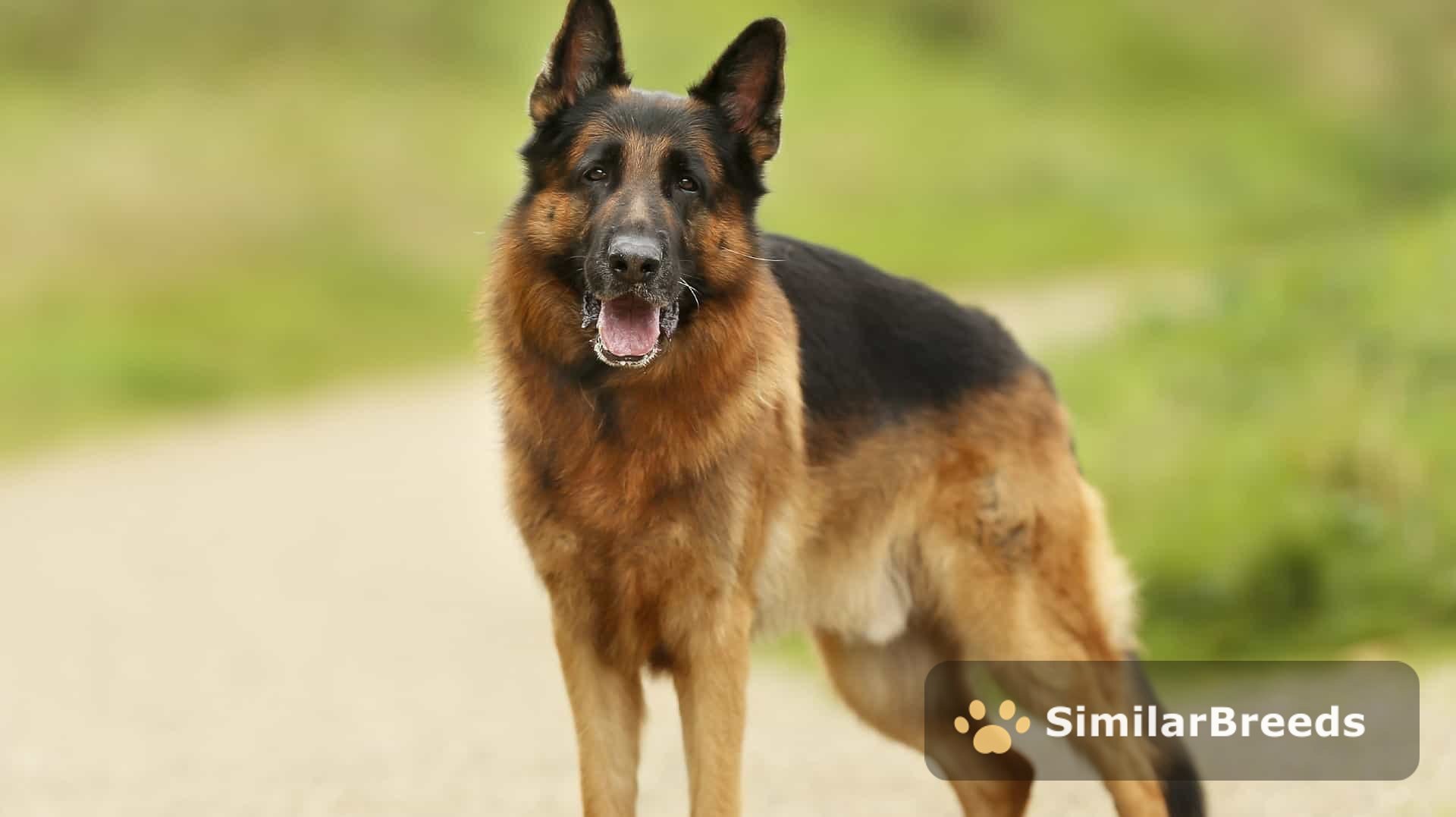
**German Shepherd Dog** shares the Dutch Shepherd's origins as a flock-herding dog reworked into a multipurpose working breed. Both are intelligent, high-drive, and widely used in police and military roles. The German Shepherd is larger and more globally famous; the Dutch Shepherd is leaner, typically brindled, and considered by many working-dog handlers to have fewer inherited health problems.
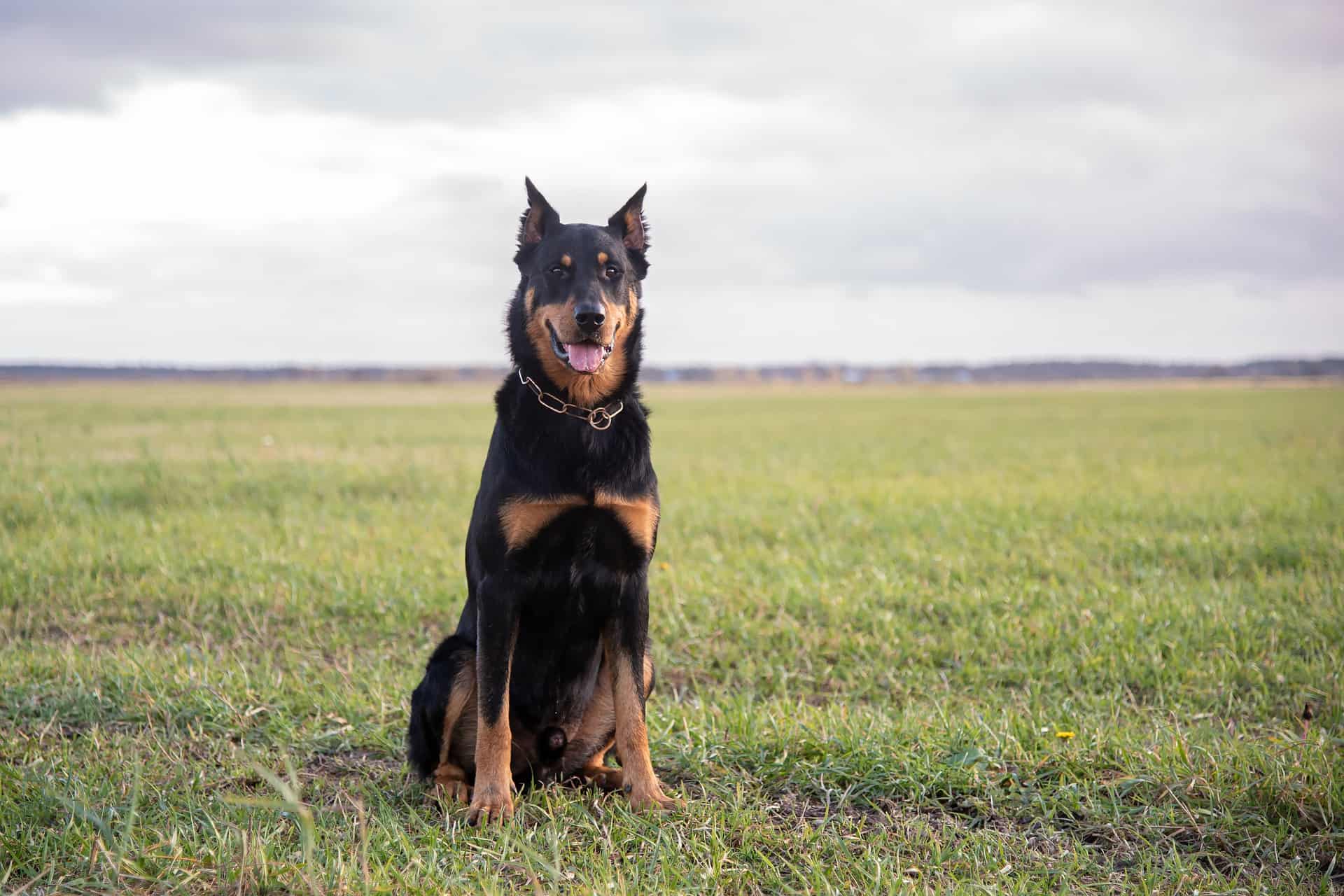
**Beauceron** is a large French herding and guard breed with the same alert, confident temperament and strong work ethic. Both breeds are double-coated, demanding in exercise, and best suited to owners who will give them a job. The Beauceron is heavier-boned and more imposing in frame.
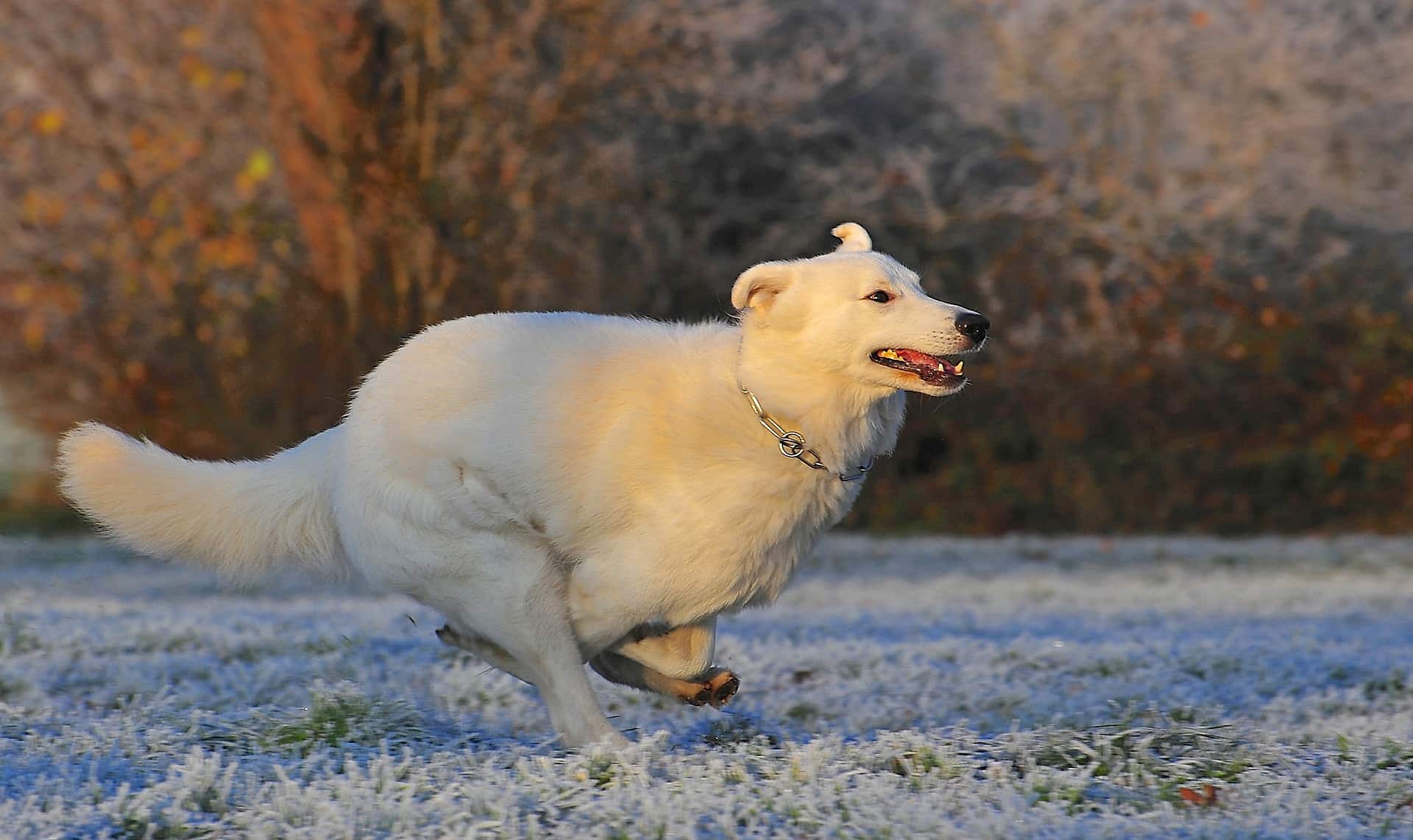
**White Swiss Shepherd Dog** is a close relative of the German Shepherd and shares much of the same herding heritage and trainability. It tends toward a softer, more people-oriented temperament than the Dutch Shepherd, but the structural type, coat type, and working background make the two genuinely comparable.