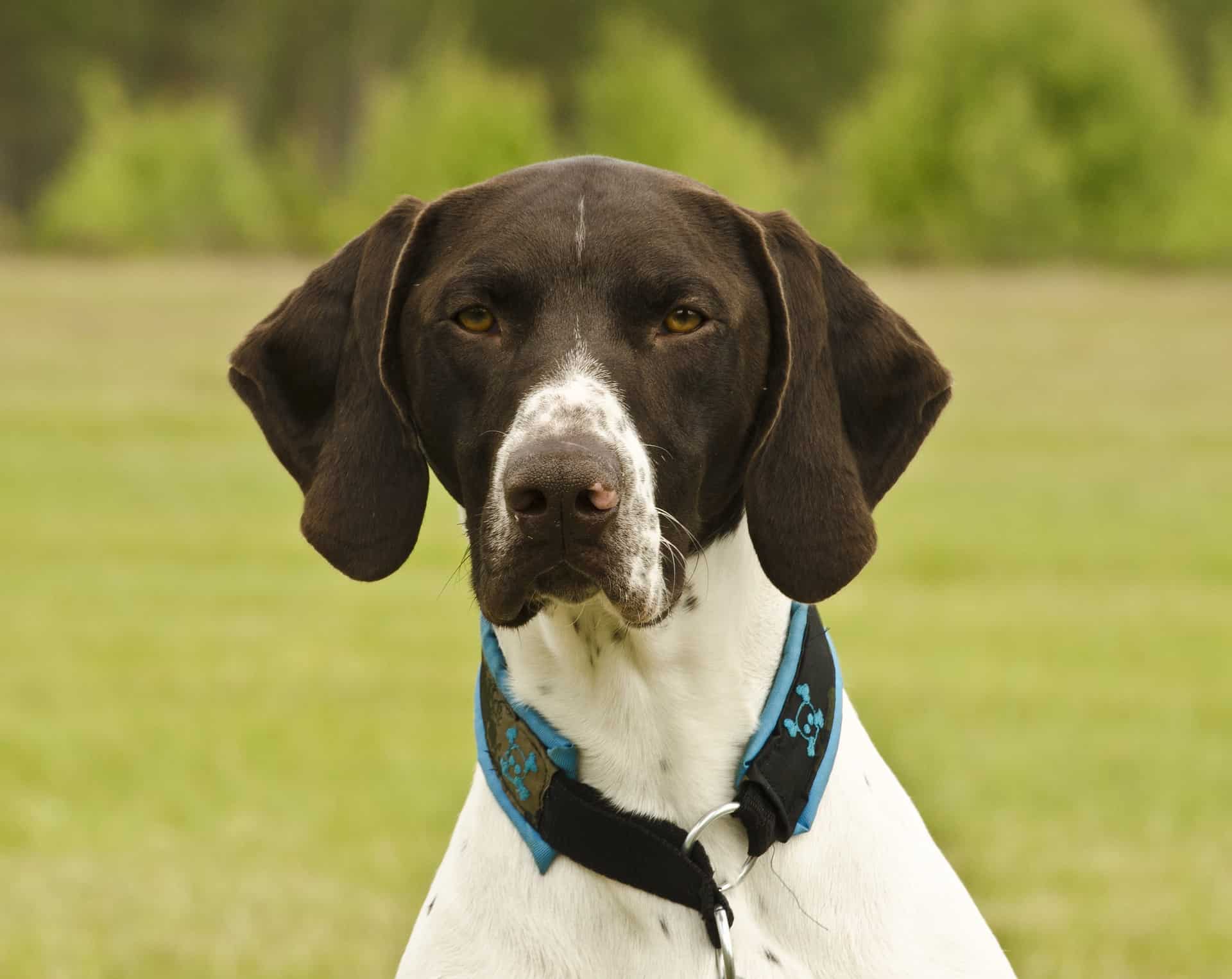
Purpose & Origin
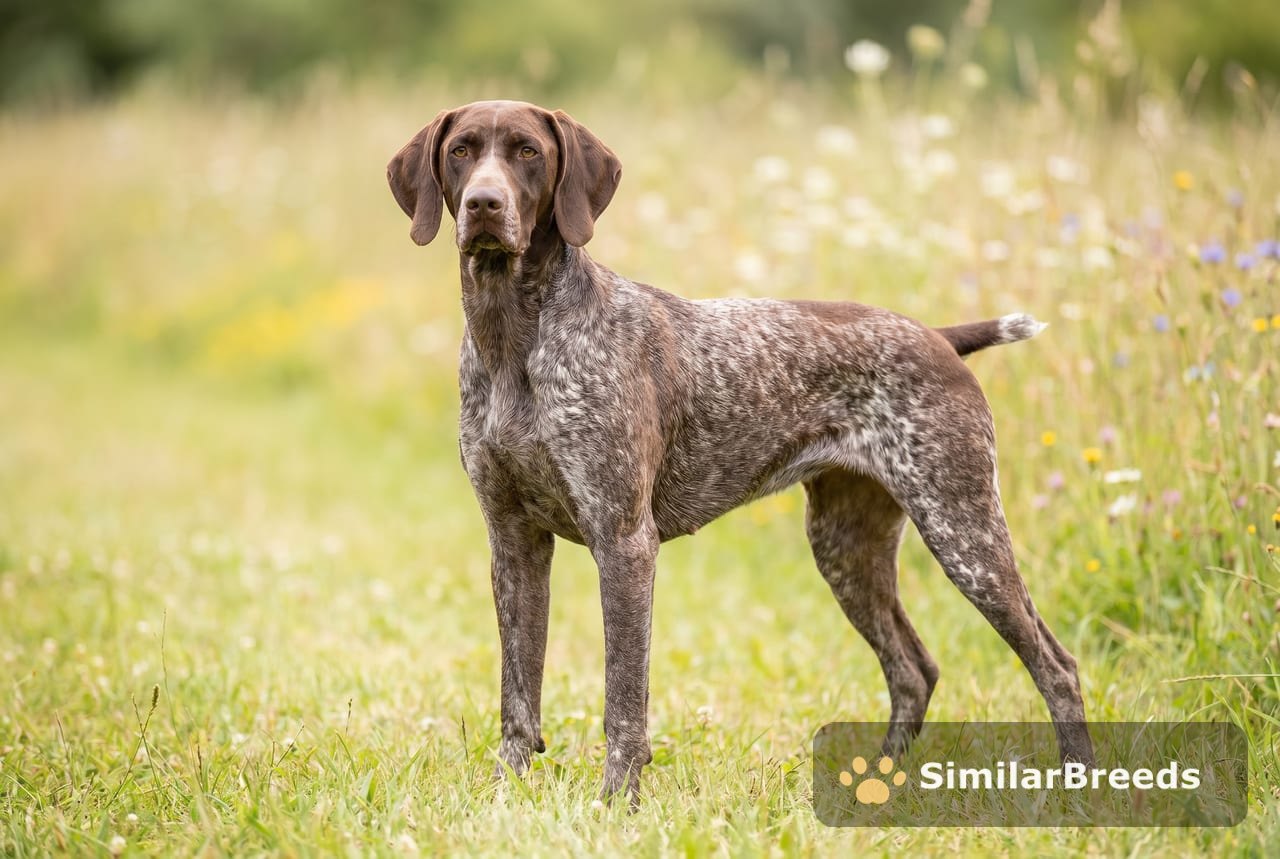
The German Shorthaired Pointer was built from the ground up to be a single dog that could do everything: point, retrieve, trail, and if necessary dispatch wounded quarry. Development began as early as the seventeenth century through deliberate crosses between the heavy Spanish Pointer and the Hannover Hound, producing a dog that could work nose-down on a scent trail and then lock up on point. Later infusions of English Pointer blood added style and a higher hunting mode, though breeders had to work to eliminate the Pointer's aversion to water and reluctance to tackle game.
By the early 1800s two dogs, Nero and Treff, had distinguished themselves at the German Derby, and their descendants became the backbone of the modern breed. The first Shorthaireds arrived in America in the 1920s and gained AKC recognition in 1930. Males stand 23 to 25 inches and weigh 55 to 70 pounds; females are somewhat lighter and shorter.
Temperament & Behaviour
This is a dog that lives for the field and then genuinely enjoys coming home. It bonds closely with its owner and is a devoted family companion, though its enthusiasm can be too much for small children. The hunting heritage is not purely avian: the breed was also used on mammals, and some individuals will give chase to cats or smaller pets unless raised alongside them. It is a sensitive dog and responds poorly to harsh handling. Some individuals are vocal, tending toward whining or barking when understimulated or bored.
Activity & Training
With maximum scores for both energy level and exercise requirement, the German Shorthaired Pointer is not a dog that tolerates a sedentary household. It needs at minimum an hour of genuine physical and mental work every day, whether that is actual hunting, a long hike, or a vigorous game session. It takes well to water and will swim readily. Training requires patience and consistency: its ease-of-training score sits in the middle range, and an under-exercised or frustrated dog turns creative in ways owners rarely appreciate. Gentle, positive methods work far better than heavy-handed ones given its sensitivity.
Grooming
Upkeep is minimal. The short, dense coat needs only occasional brushing to clear dead hair, and the breed does not require professional grooming. This is one of the lower-maintenance sporting dogs in terms of coat care.
Health
The breed carries a notable major concern in lymphedema. Hip dysplasia, entropion, gastric torsion, von Willebrand's disease, pannus, osteochondrosis, and hypothyroidism appear as minor concerns, and cardiac and eye conditions are occasionally seen. Recommended health tests cover hips, eyes, and cardiac function, with thyroid and vWD screening also suggested. Life expectancy is 12 to 14 years.
Why these breeds are similar
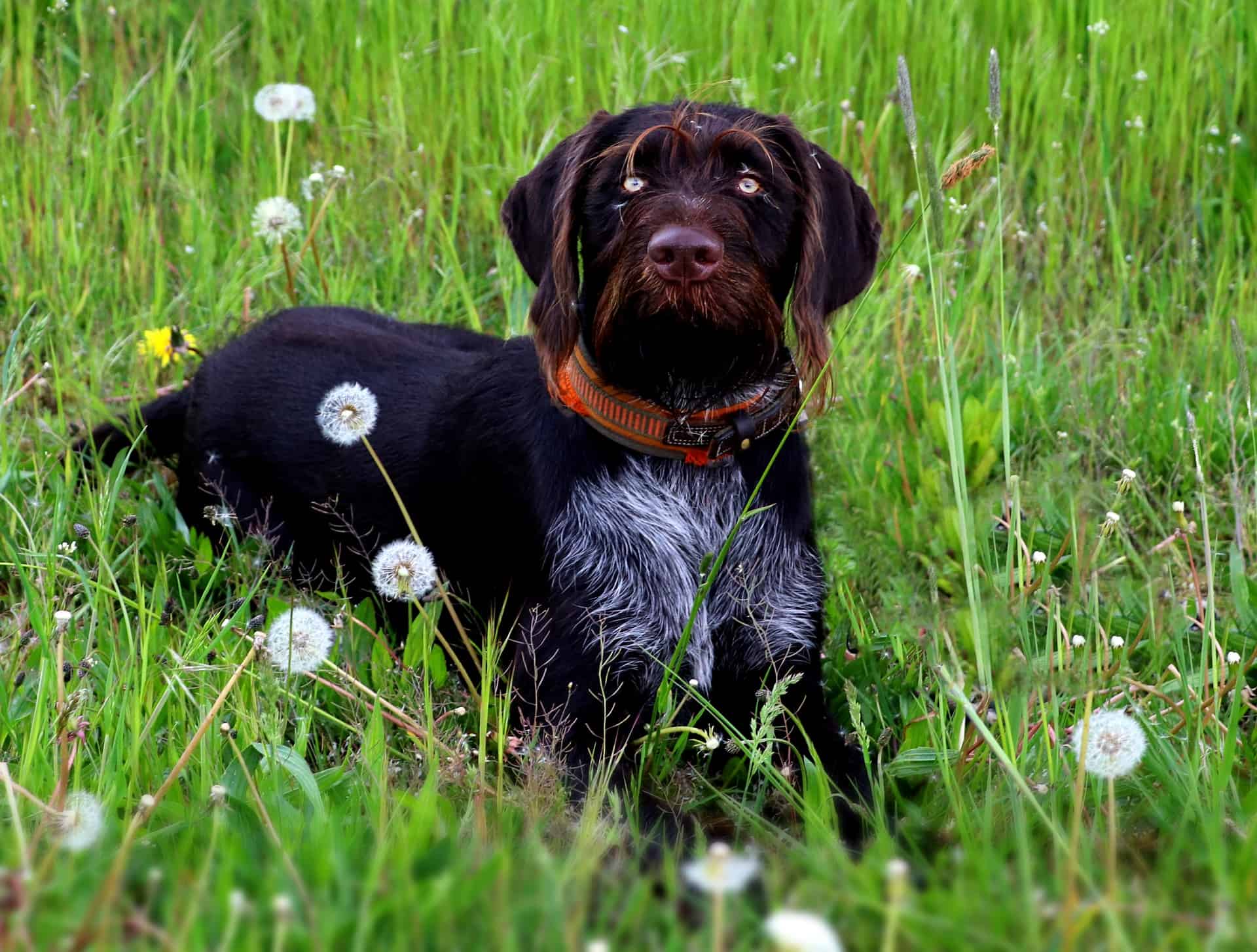
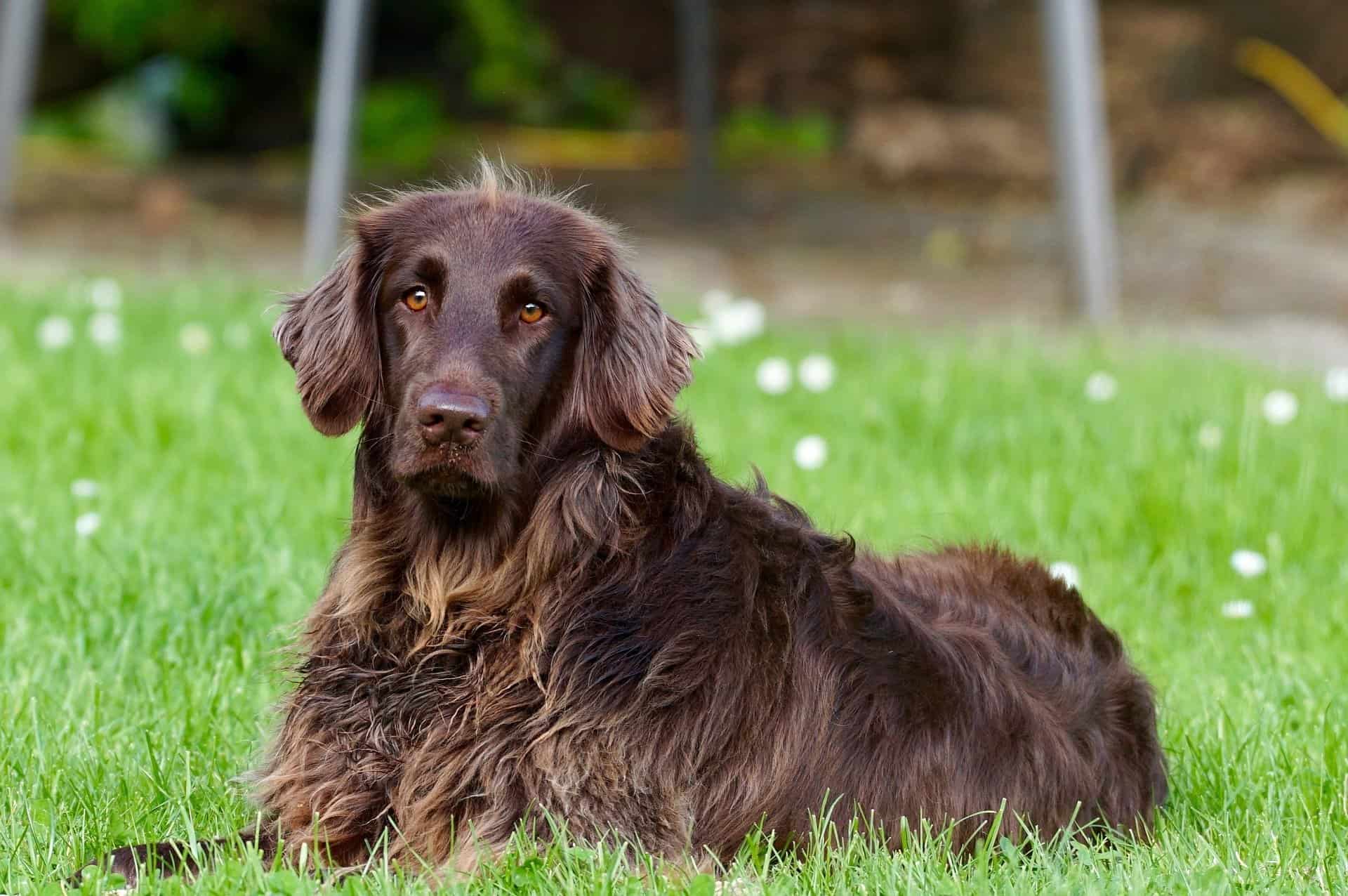
The German Wirehaired Pointer is the closest relative, sharing the same German all-purpose gundog ambition, the same ranging hunting style, and the same strong drive; the primary difference is coat, the Wirehaired carrying a protective rough jacket suited to harsh cover. The German Longhaired Pointer comes from the same selective tradition of versatile German hunting dogs, with comparable size, pointing instinct, and biddable temperament, distinguished mainly by its silkier, longer coat.
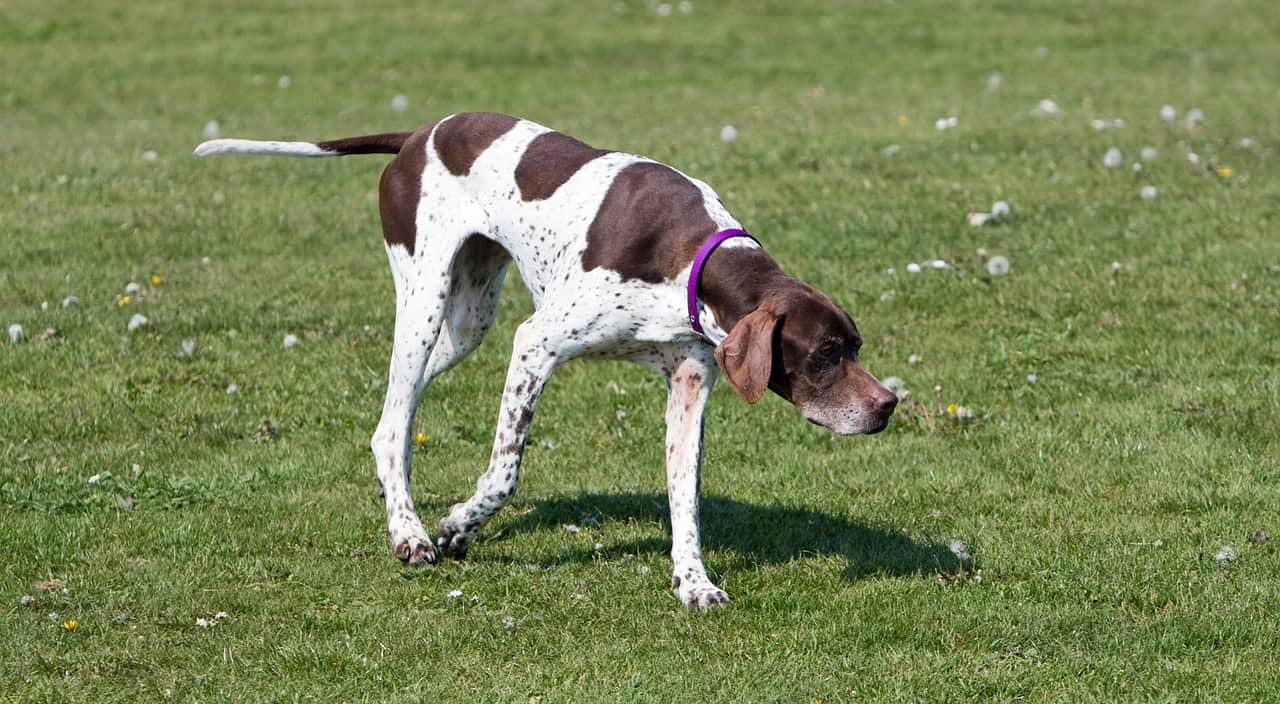
The Pointer (English) shares the nose-up bird-finding style and athletic build that German breeders deliberately introduced into the Shorthaired's bloodlines; the two breeds are visually similar and both demand serious exercise. The Braque du Bourbonnais is a French versatile pointing breed of comparable origin logic, similarly compact, similarly built for all-day fieldwork, and sharing the soft, cooperative temperament common to continental HPR (hunt, point, retrieve) dogs.
Trait ratings
- Energy level
- 5/5
- Exercise requirements
- 5/5
- Playfulness
- 4/5
- Affection level
- 4/5
- Friendliness toward dogs
- 3/5
- Friendliness toward other pets
- 2/5
- Friendliness toward strangers
- 3/5
- Ease of training
- 3/5
- Watchdog ability
- 5/5
- Protection ability
- 3/5
- Grooming requirements
- 1/5
- Cold tolerance
- 3/5
- Heat tolerance
- 3/5