Pomeranian
From Germany
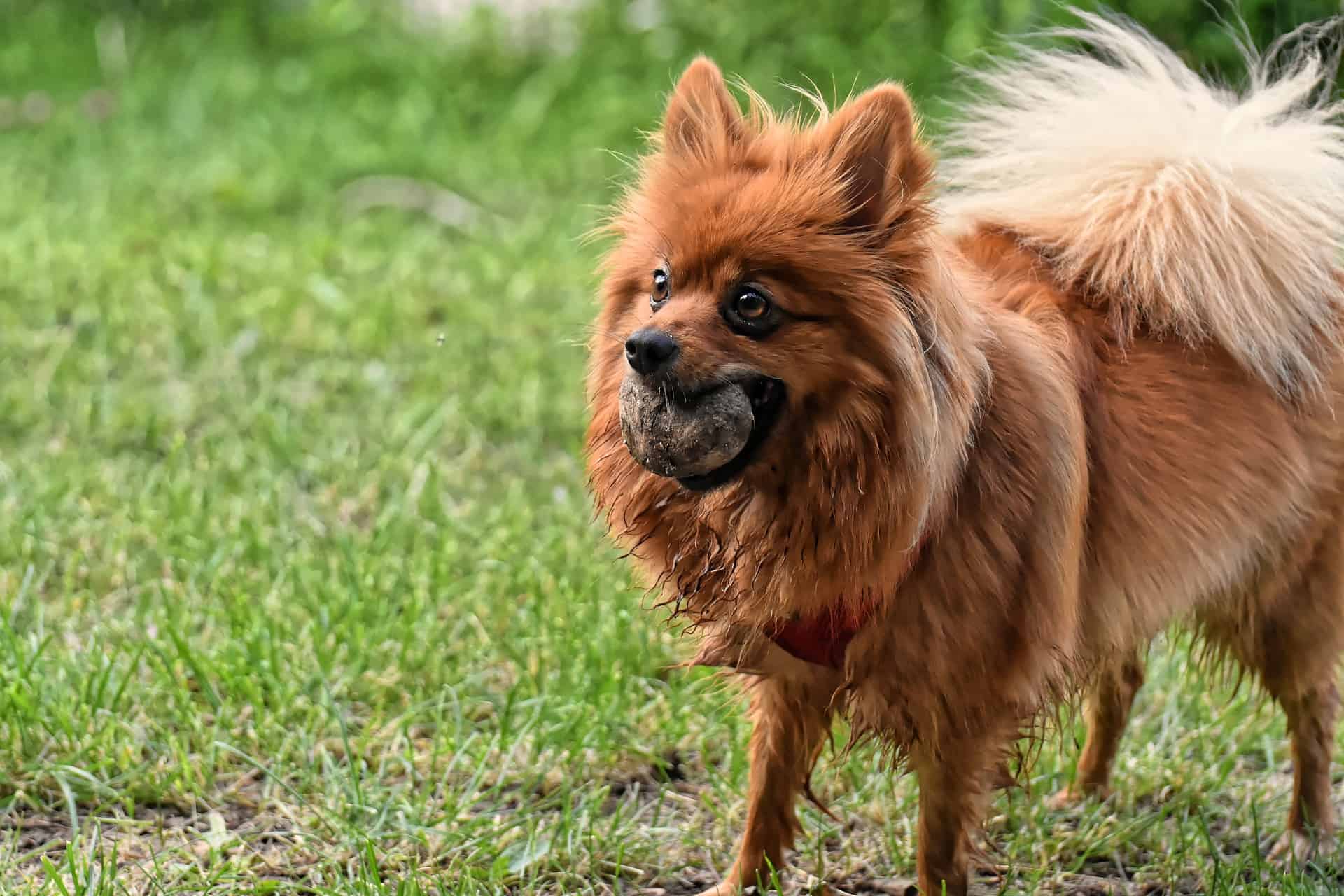
The Pomeranian, the smallest of the German spitz-type dogs, was intentionally bred down to "toy" size in the nineteenth century. The Pomeranian is smart and loves attention, and it rapidly exchanges affection and will grow bonded to its owner. Pomeranians are incredibly quick for their size and should be watched if they are allowed to run free.
Purpose & Origin
The Pomeranian is the smallest member of the spitz family, descended from much larger Nordic sled dogs. Its miniaturization likely happened in Germany, in the region that gave the breed its name, though the exact timing is unclear. Early Pomeranians were substantial dogs, often white, weighing up to 30 pounds.
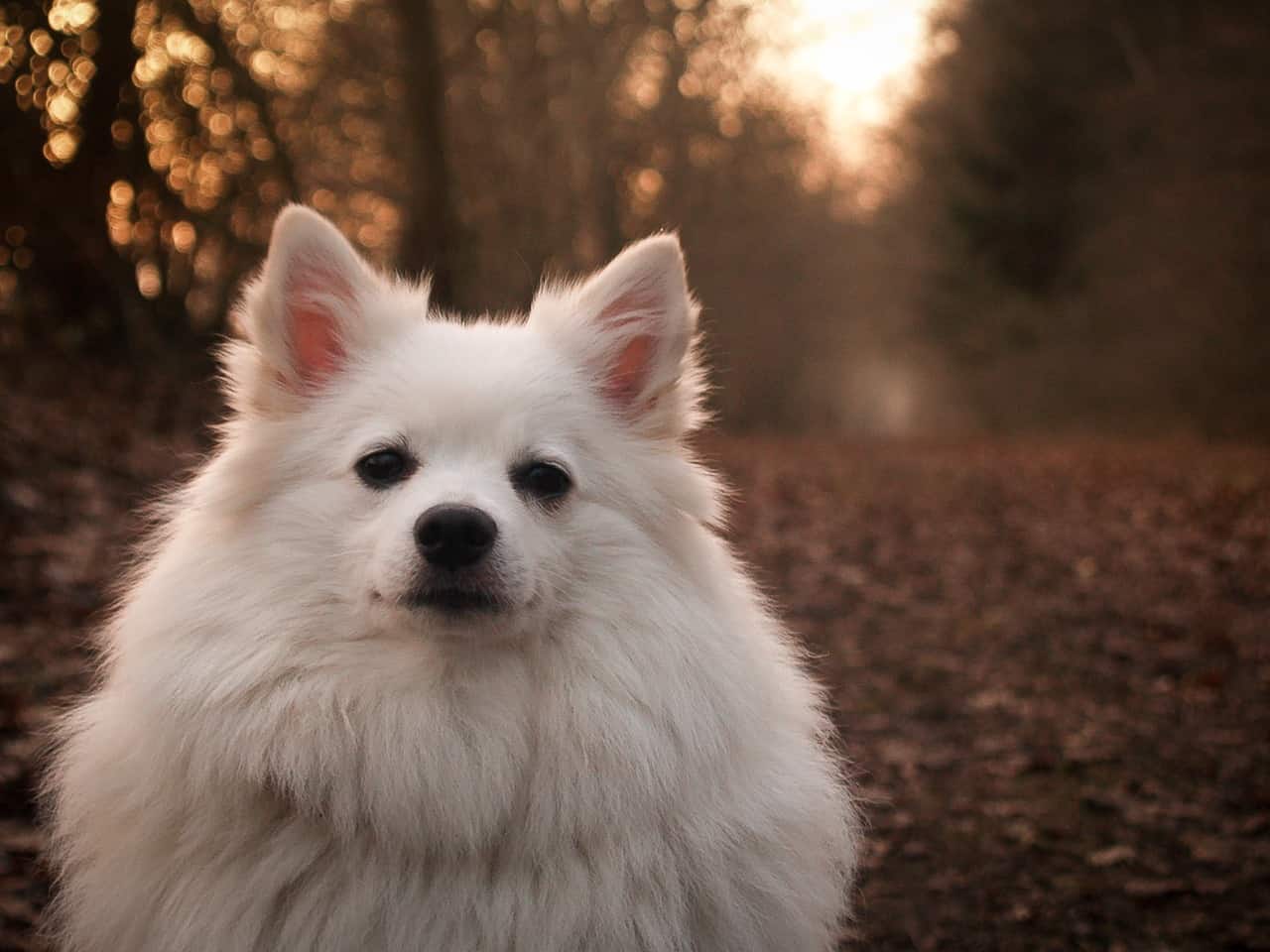
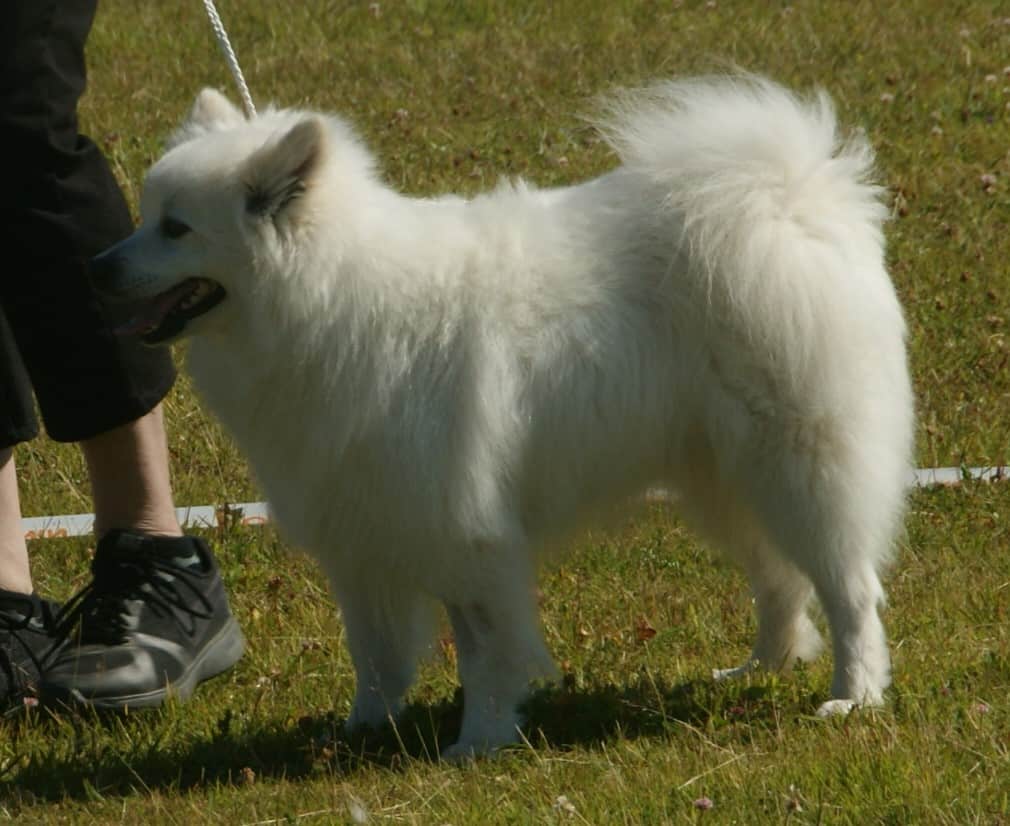
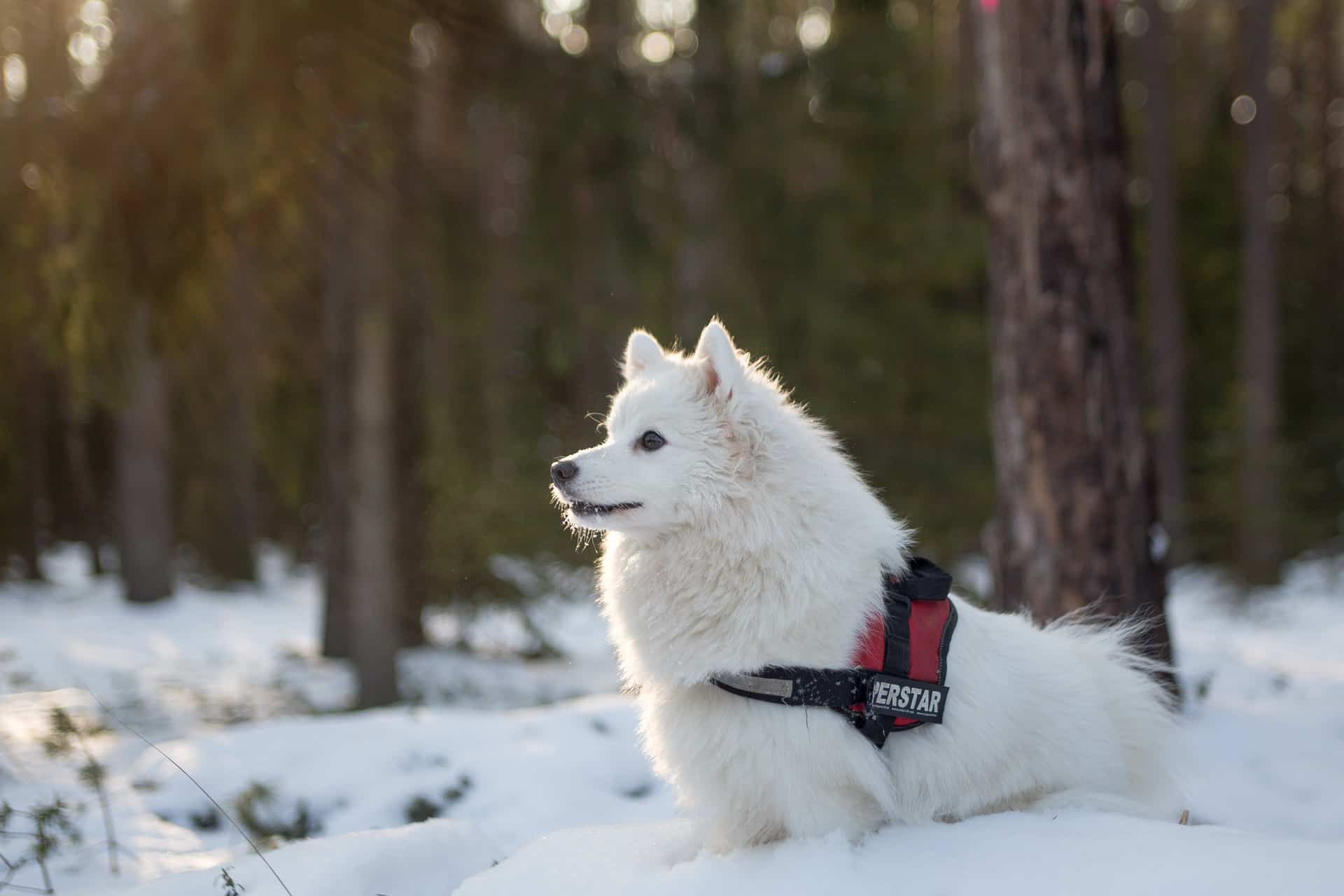
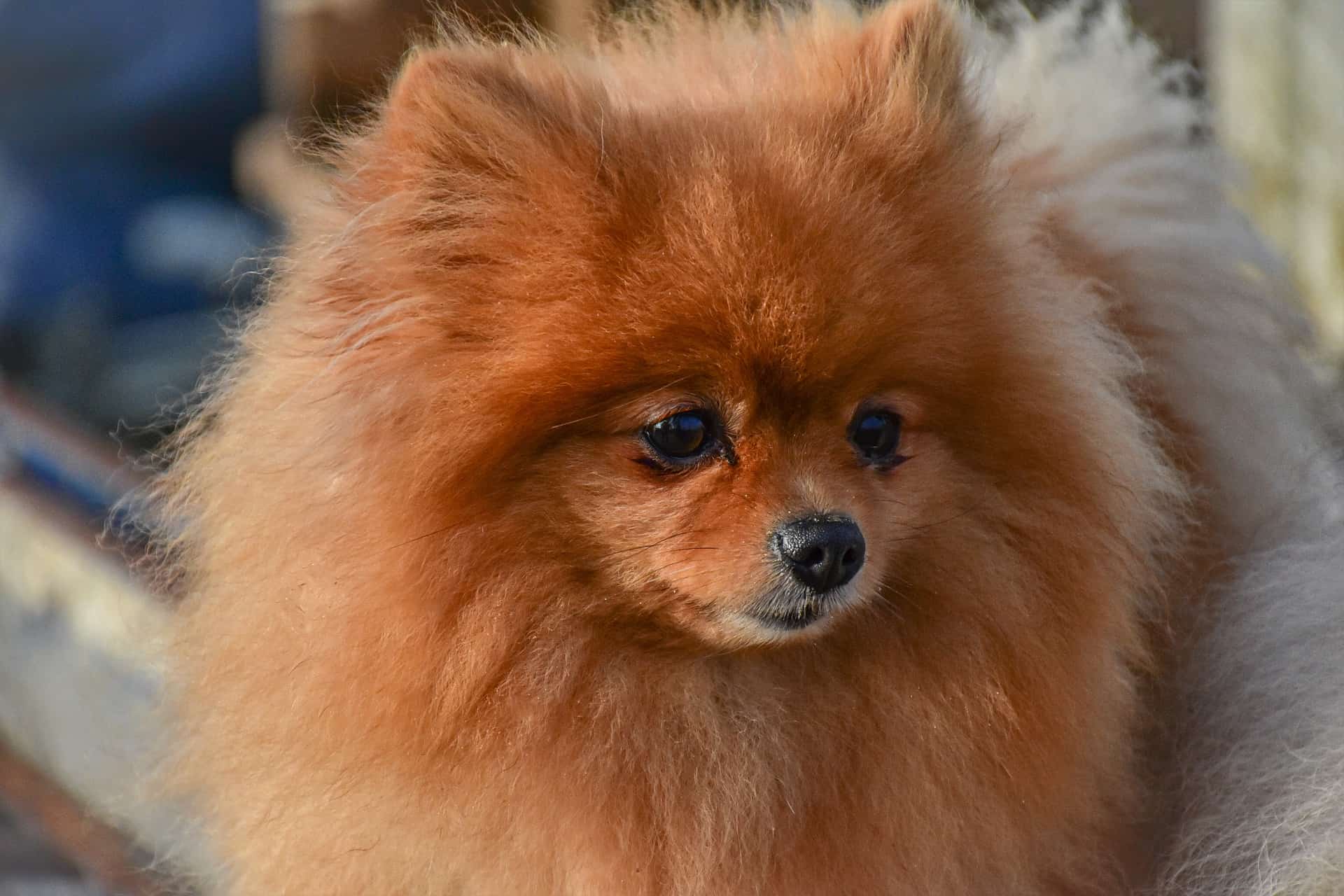
It was Queen Victoria who brought the breed into fashion in England after acquiring a Pomeranian from Italy in the late 1800s, and fanciers quickly pushed breeders toward smaller, more colourful specimens. By 1900 the AKC had recognised the breed, and selective breeding had produced the compact, puff-ball dog known today, weighing just 3 to 7 pounds. The Japanese Spitz closely resembles those early, larger Pomeranians and very likely traces its own ancestry back to them.
Temperament & Behaviour
The Pomeranian is bold, busy, and entirely unaware of its own size. It is curious, playful, and self-confident to the point of cockiness, always ready for the next game or outing. It bonds closely with its owner but is decidedly cool toward strangers, and some individuals will square off against dogs far larger than themselves. The watchdog instinct is strong, which is a polite way of saying that some Poms bark a great deal. Affection toward people outside the immediate family is limited, so this is not a dog that charms every guest in the room.
Activity & Training
Despite its spitz ancestry, the Pomeranian's exercise needs are modest. Short daily walks or indoor play sessions are enough. The bigger challenge is training: ease of training scores at the low end, and the breed's confidence tips easily into stubbornness. Consistent, reward-based handling works best, but the Pomeranian will test boundaries and is quick to learn that it can get away with poor manners if the owner lets it. Small-dog syndrome is real with this breed and entirely owner-made.
Grooming
The double coat needs brushing twice a week under normal conditions, and more frequently during seasonal shedding. The famously full, rounded silhouette requires regular attention to prevent matting, particularly around the neck ruff and hindquarters. The coat is not as demanding as it looks, but it cannot be ignored.
Health
The Pomeranian's main orthopaedic concern is patellar luxation, a common issue in toy breeds. Minor concerns include open fontanel, hypoglycemia, shoulder luxation, and eye problems. Tracheal collapse and cardiac conditions appear occasionally, so routine knee, eye, cardiac, and hip checks are recommended. Life expectancy is 12 to 16 years, which is good for the size.
Why these breeds are similar
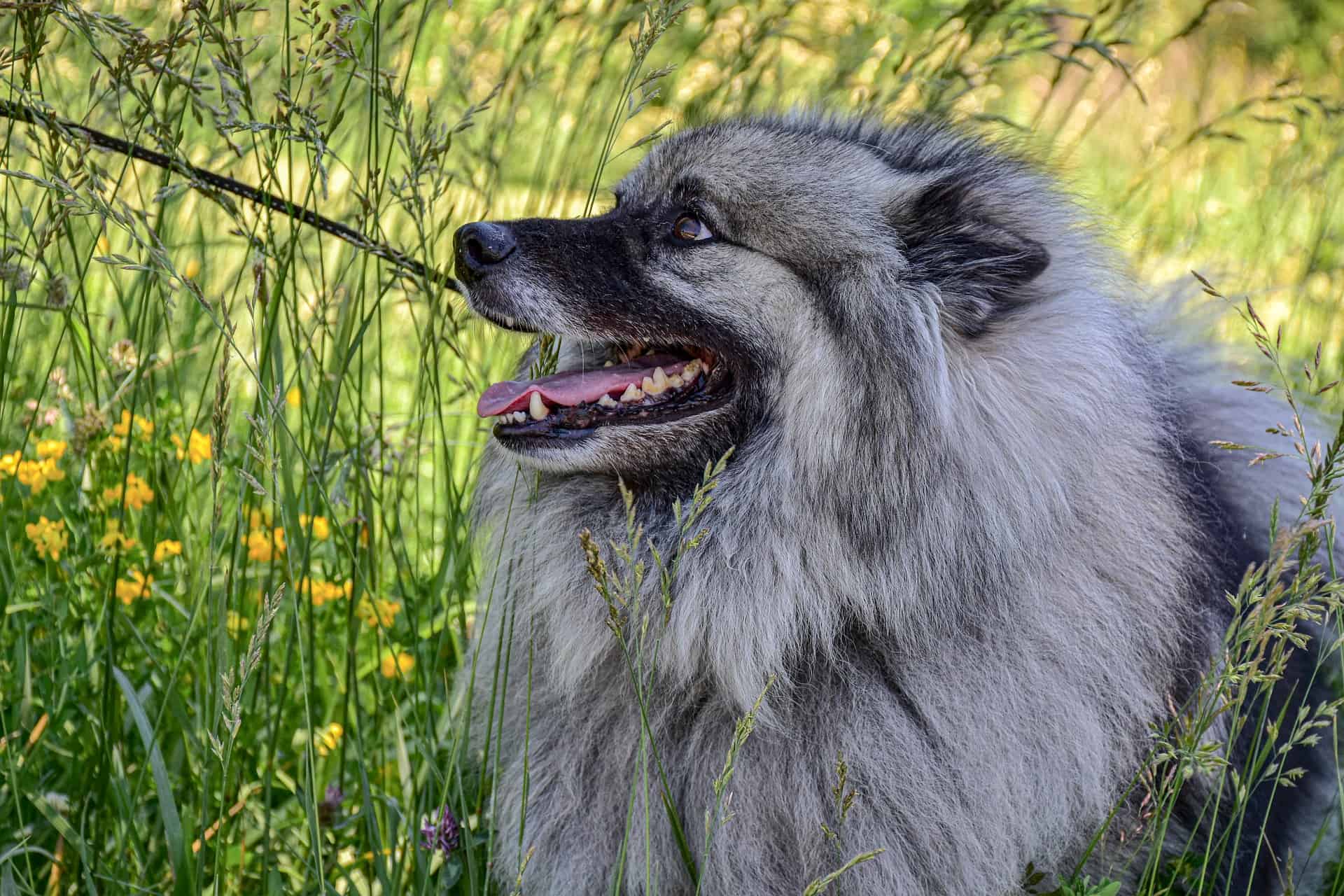
The **German Spitz (Mittelspitz)** and **Kleinspitz** are direct relatives, members of the same spitz family from the same region. The Pomeranian was essentially bred down from these dogs, so they share the same foxy face, double coat, and alert, independent character. The **Keeshond (Wolfsspitz)** is a larger cousin from the same German spitz line, sharing the bushy coat, curled tail, and watchful temperament.
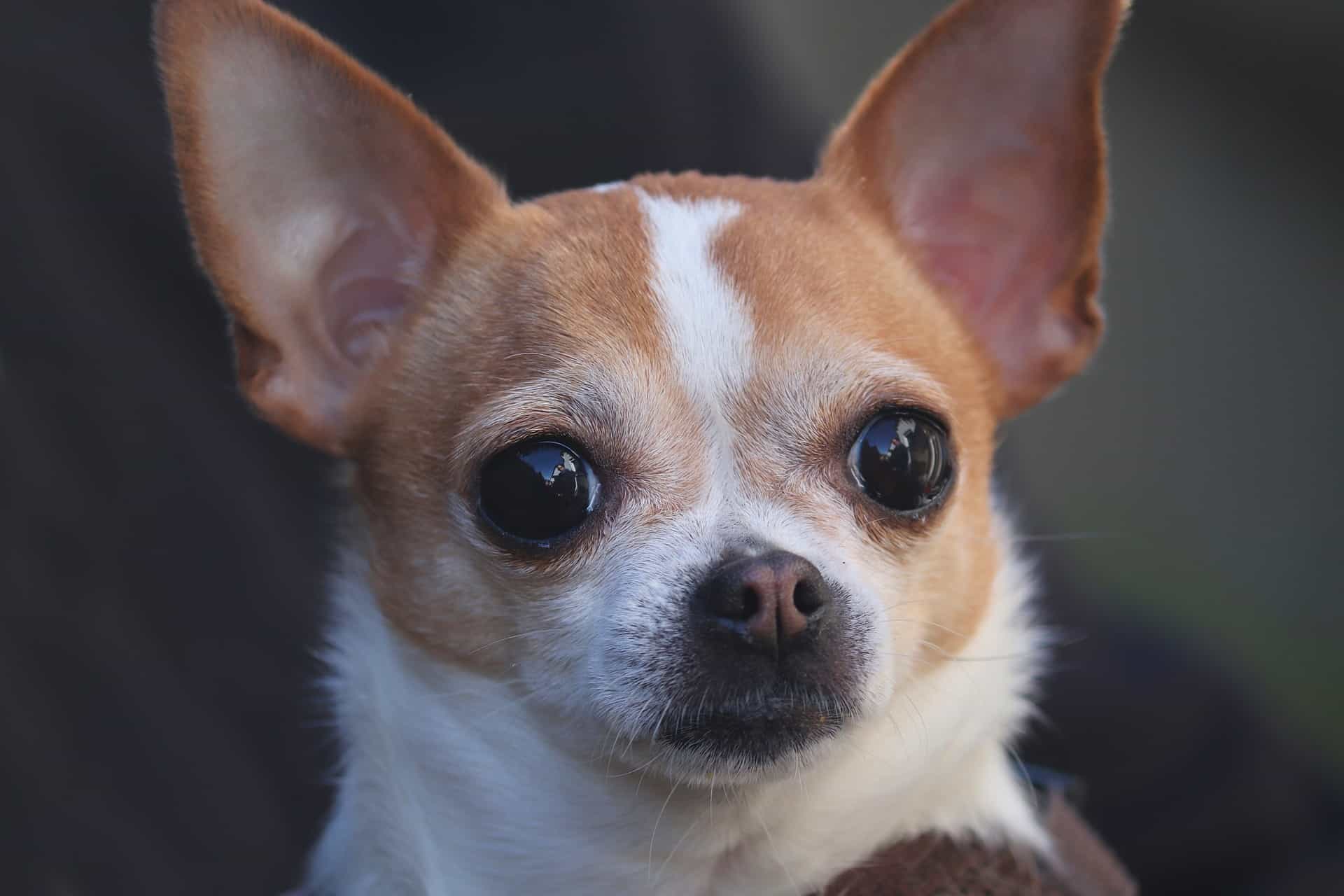
The **Volpino Italiano** is the Italian branch of the same spitz tree, nearly identical in type and almost certainly among the dogs that influenced the Pomeranian through Queen Victoria's Italian connection. The **Japanese Spitz** is particularly significant: it closely resembles the early, larger Pomeranians, and likely descends from those original dogs before the breed was further reduced. The **Chihuahua** is the outlier here, linked not by ancestry but by finished product: both are toy dogs kept for companionship, bold beyond their size, aloof with strangers, and prone to strong owner-bonding.
Trait ratings
- Energy level
- 4/5
- Exercise requirements
- 1/5
- Playfulness
- 4/5
- Affection level
- 1/5
- Friendliness toward dogs
- 1/5
- Friendliness toward other pets
- 3/5
- Friendliness toward strangers
- 1/5
- Ease of training
- 1/5
- Watchdog ability
- 5/5
- Protection ability
- 1/5
- Grooming requirements
- 3/5
- Cold tolerance
- 3/5
- Heat tolerance
- 3/5