Shetland Sheepdog
From Great Britain
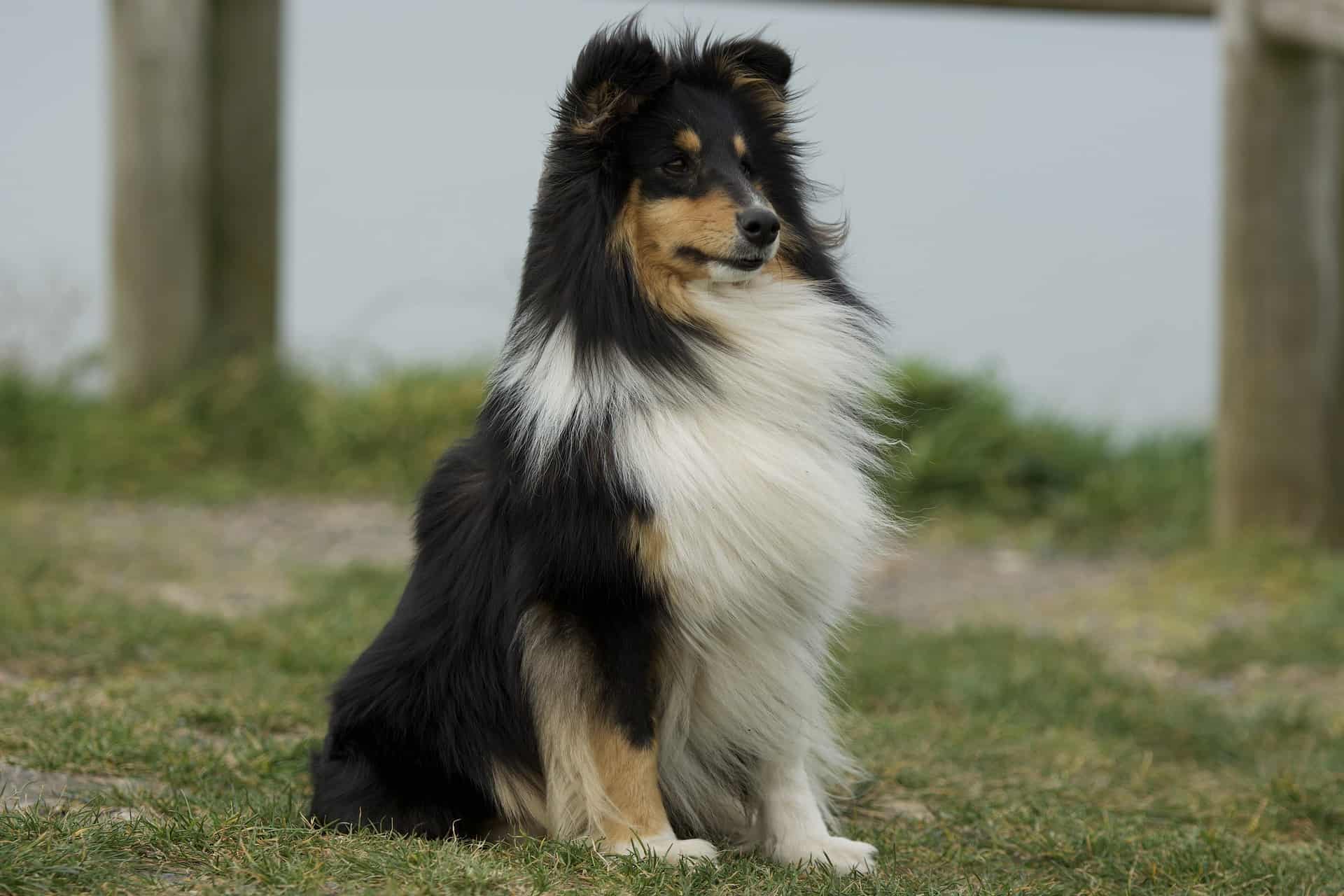
Purpose & Origin
The Shetland Sheepdog traces its roots to the same herding stock that produced the Collie and Border Collie on mainland Scotland. Some of those early dogs ran quite small, around 18 inches, and it was on the Shetland Islands that smaller working types were further refined.
The sparse vegetation of the islands favored smaller livestock, so the dogs that managed them were scaled down accordingly. In a largely unfenced landscape, a precise herder was not optional. Shelties worked sheep, ponies, and chickens, and in some remote communities shared the family dwelling through winter, which helps explain the breed's unusual closeness to its people.
British naval sailors who visited the islands regularly took puppies home to England, beginning the breed's spread. First shown around 1906 as Shetland Collies, the name was changed to Shetland Sheepdog after objections from Collie fanciers. Early English breeders discreetly crossed Shelties back to rough Collies to sharpen type, a practice that also produced oversized specimens and was eventually abandoned.
Temperament & Behaviour
Few breeds combine trainability and sensitivity as cleanly as the Sheltie. It is bright, deeply eager to please, and intensely bonded to its family. It is gentle and playful and generally good with children, though it may nip at heels out of herding instinct. Toward strangers it is reserved, often to the point of shyness. It is also a prolific barker, a trait rooted in its watchdog role on the farm. With a watchdog score at the top of the scale and near-zero protection ability, the Sheltie will announce everything and defend nothing. That distinction matters for anyone expecting a guard dog rather than an alarm.
Activity & Training
Moderate daily exercise is enough: a brisk walk, a short jog, or a spirited training session covers the Sheltie's needs. Agility and obedience trials suit it well, and its top-tier trainability means it picks up new tasks faster than almost any other breed. Because it is sensitive, heavy-handed training backfires; consistent, positive methods work far better. Mental engagement matters as much as physical exercise, and bored Shelties tend to bark more.
Grooming
The Sheltie carries a thick double coat that needs brushing or combing every other day to prevent matting, particularly behind the ears and around the collar. Shedding is significant. Owners who underestimate the coat upkeep are often surprised by the volume of hair this compact dog produces.
Health
The Sheltie lives roughly 12 to 14 years. The main health concern is dermatomyositis, a hereditary inflammatory condition affecting skin and muscle. Eye problems including Collie Eye Anomaly, progressive retinal atrophy, and cataracts appear in the breed, and hip and patellar issues are noted as minor concerns. The breed can be sensitive to ivermectin. Merle-to-merle breeding carries serious risks, as homozygous merle offspring are prone to severe defects. Regular eye and hip screening is recommended.
Why these breeds are similar
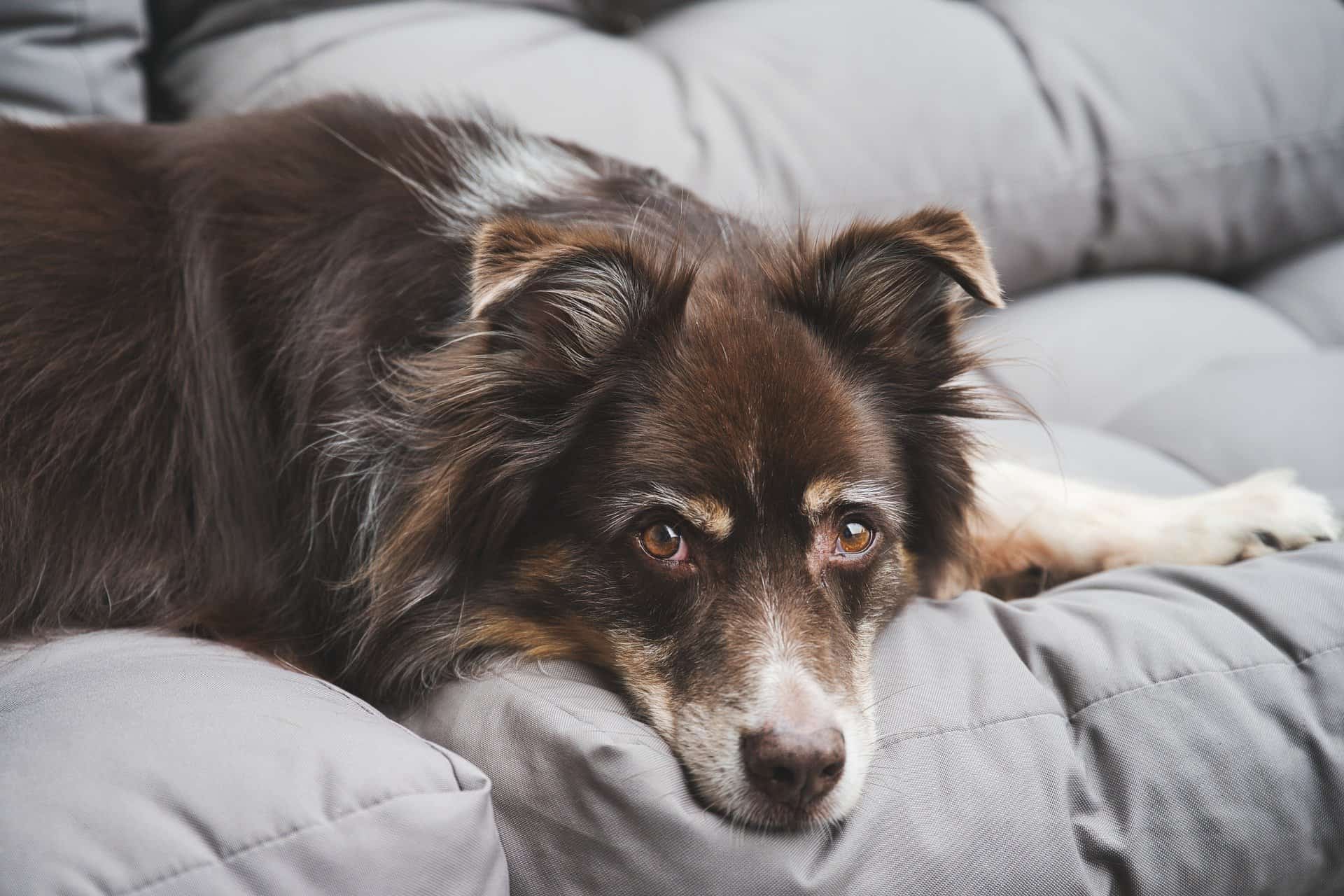
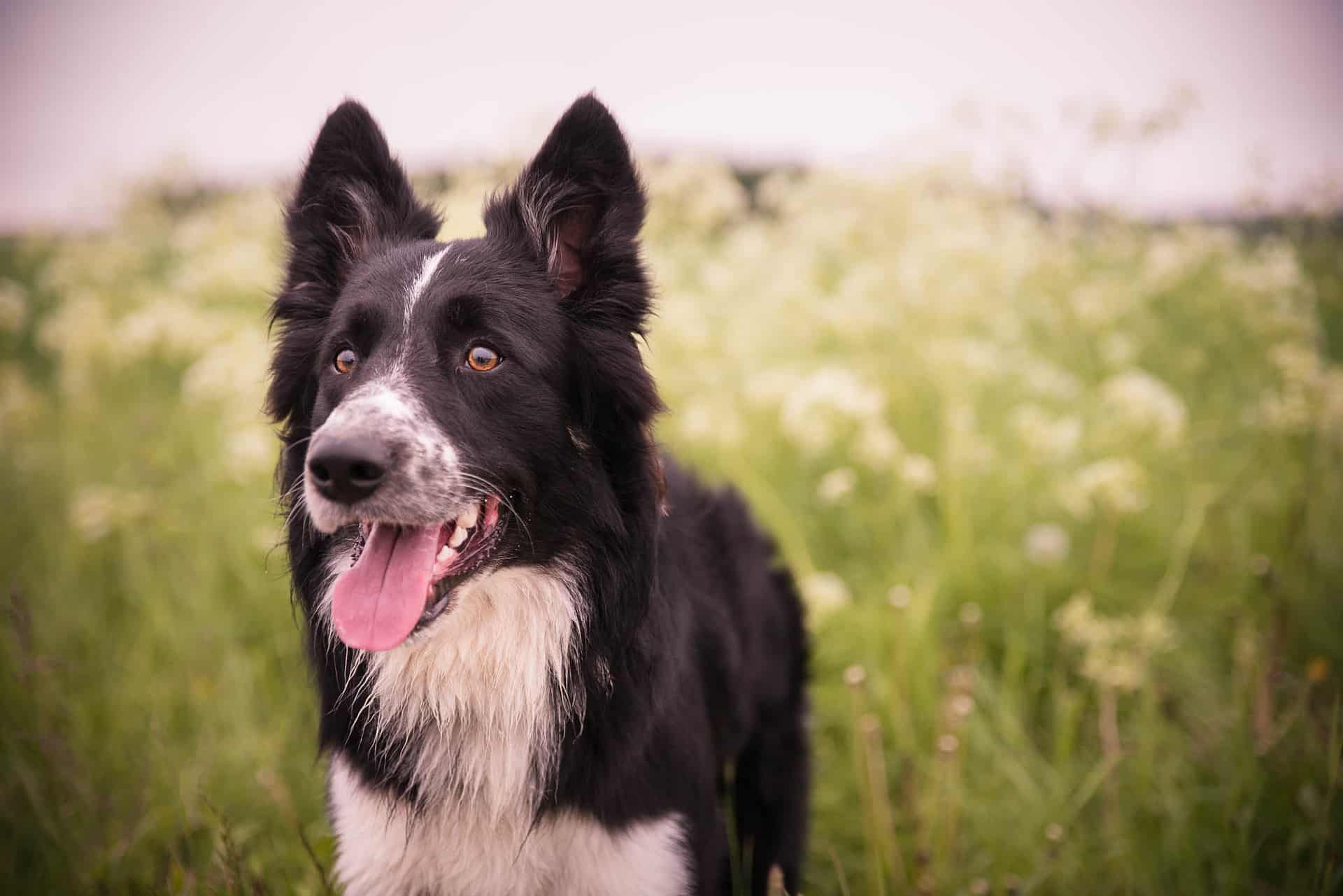
The **Border Collie** is the Sheltie's closest working relative: both descend from the same Scottish herding stock, share intense focus and trainability, and carry the same instinct to manage moving animals with precise, controlled energy. The **Australian Shepherd** occupies the same herding family, with comparable intelligence, high trainability, and a strong bond to its owner, though it runs larger and more athletic.
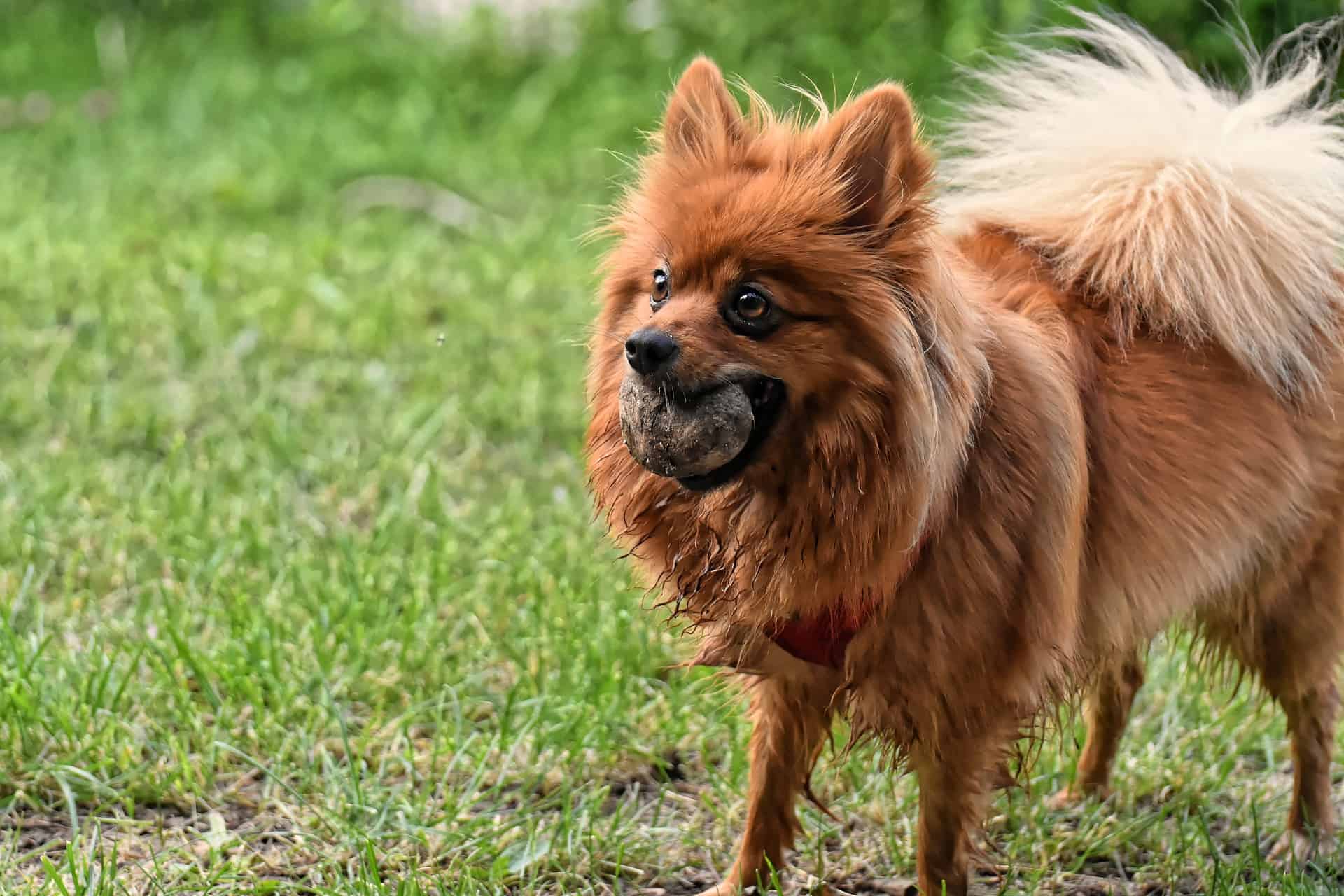
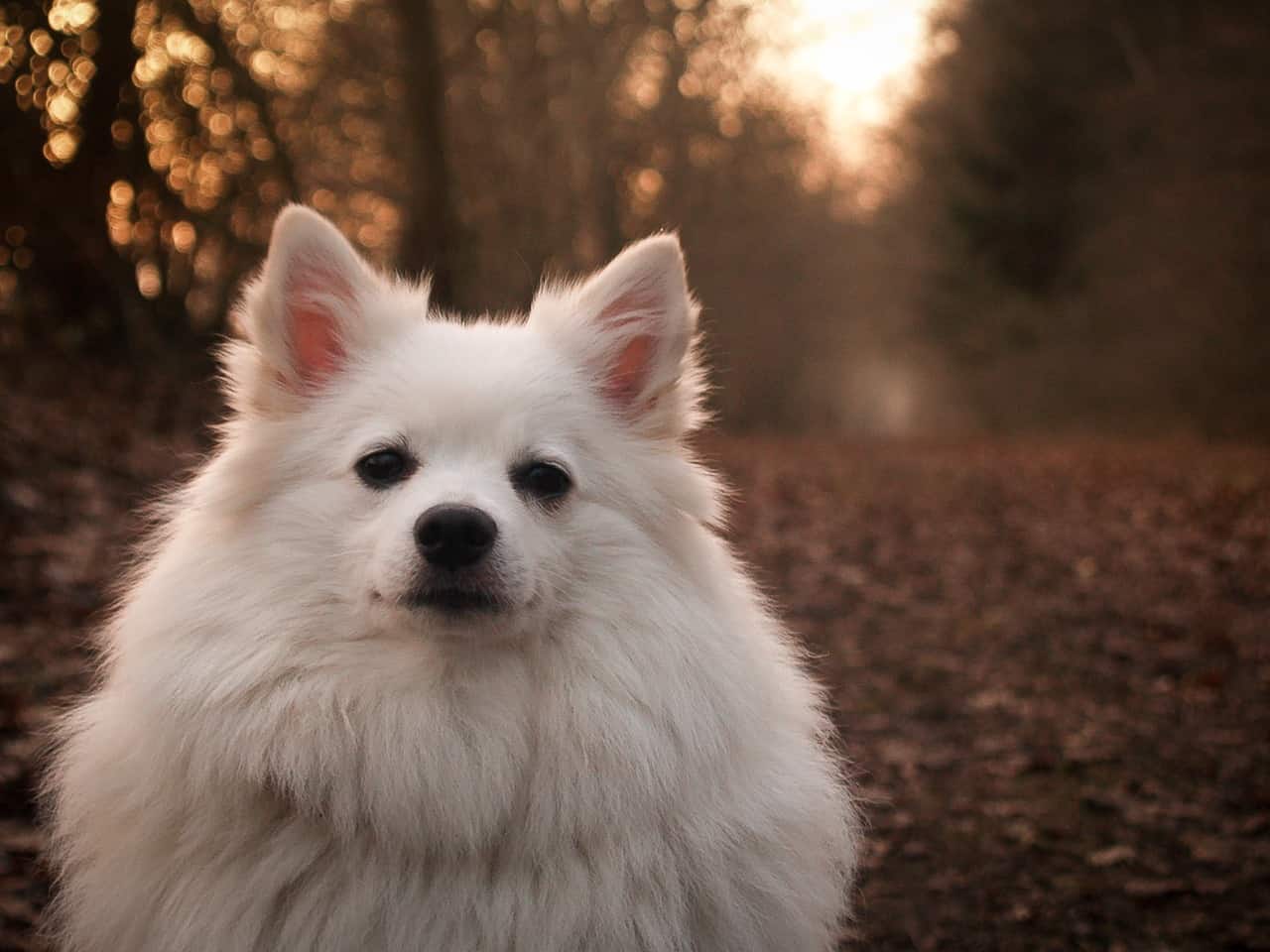
The **Kleinspitz** and **German Spitz (Mittelspitz)** are linked less by working function than by build and coat type: compact, alert, double-coated, and naturally watchful, they share the Sheltie's fox-like face, vocal nature, and wariness of strangers, reflecting a Spitz influence that some historians trace back to the Iceland dogs that may have contributed to the Sheltie's early development.
Trait ratings
- Energy level
- 3/5
- Exercise requirements
- 3/5
- Playfulness
- 3/5
- Affection level
- 3/5
- Friendliness toward dogs
- 4/5
- Friendliness toward other pets
- 4/5
- Friendliness toward strangers
- 1/5
- Ease of training
- 5/5
- Watchdog ability
- 5/5
- Protection ability
- 1/5
- Grooming requirements
- 4/5
- Cold tolerance
- 3/5
- Heat tolerance
- 3/5