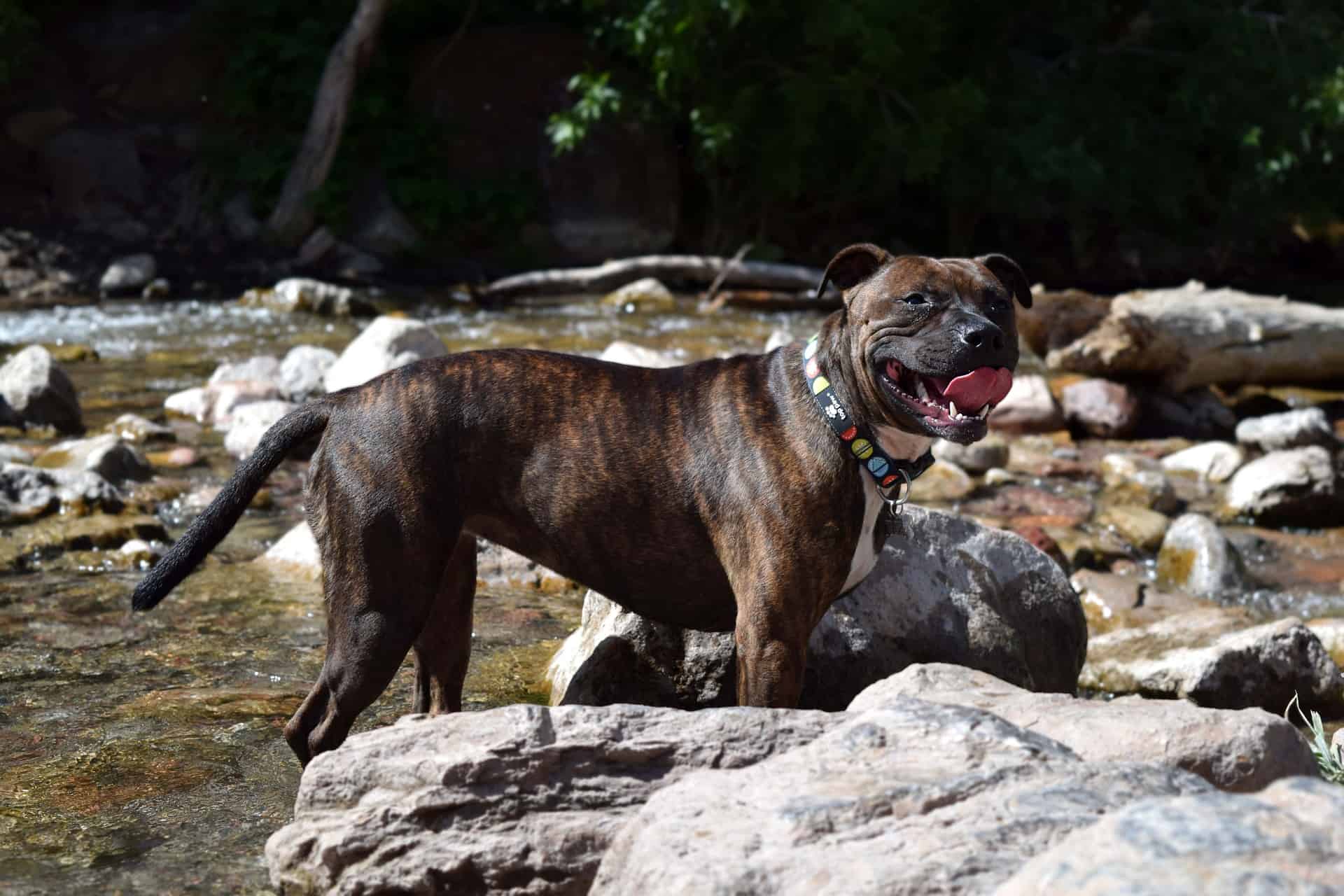
Staffordshire Bull Terrier
From Great Britain
Purpose & Origin
The Staffordshire Bull Terrier was purpose-built for the dog pit. In the early 1800s, working-class England had developed a taste for dog fighting as a successor to bull baiting, which was too unwieldy for city life. Breeders crossed the Bulldog of the era with the Black and Tan Terrier to produce the Bull and Terrier: a compact, jaw-heavy, ferociously game animal.
Crucially, the dog also had to tolerate handling by people at its most aroused state, so any human aggression was bred out from the start. When dog fighting was banned in England, the breed's devotees found their arena in the show ring instead. Recognition by the English Kennel Club came in 1935, the AKC followed in 1974, and the Stafford settled into a new role as a family companion without ever losing the physical intensity that made it.
Temperament & Behaviour
The Stafford's reputation and its reality sit far apart. At home it is playful, openly affectionate, and almost desperate for human company, earning the nickname "Nanny Dog" in the UK for its historically close relationship with children. Strangers rarely alarm it. The original drive is still present, however: it is fearless, tenacious when challenged, and will not walk away from a confrontation it did not start.
Dog-to-dog relations are where this matters most; a Stafford and an unfamiliar dog do not always mix cleanly, and two Staffords of the same sex under one roof requires management. The breed is not a pushover in training either, with a streak of willfulness that rewards consistency and firmness over repetition alone.
Activity & Training
Daily leash walks are enough to keep a Stafford sound, supplemented by a good game in a fenced yard or an off-lead run in a secure area. Its energy level is moderate rather than relentless, but it does need purposeful exercise, not just a brief outing. One practical note from the source: most Staffords are poor swimmers, so water should be treated with caution. Training is achievable but not effortless; the breed sits at a mid-range on trainability and responds best to handlers who are engaged and authoritative without being heavy-handed.
Grooming
The Stafford's coat is about as low-maintenance as a dog gets. Short, close, and flat, it needs nothing beyond an occasional brush and a wipe-down to stay in order. Cold and heat tolerance are both limited, a legacy of that short coat and the breed's compact frame, so it is not suited to living outdoors or extended exposure to temperature extremes.
Health
The primary concern on record is canine hip dysplasia, though the source notes it seldom causes clinical symptoms in this breed. Cataracts and L2 hydroxyglutaric aciduria (a metabolic disorder) appear occasionally and can be screened for via DNA testing. Expected lifespan runs 12 to 14 years.
Why these breeds are similar
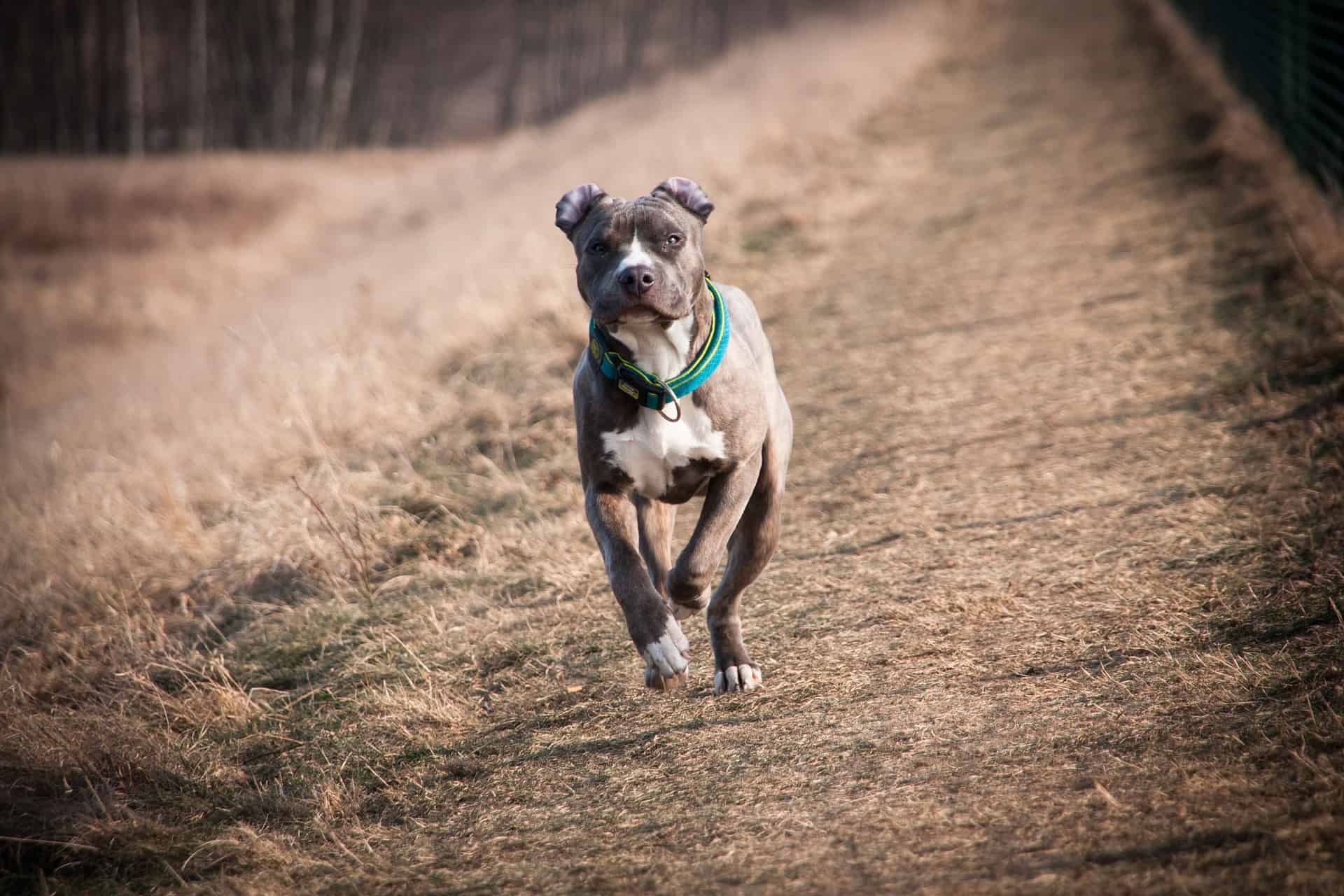
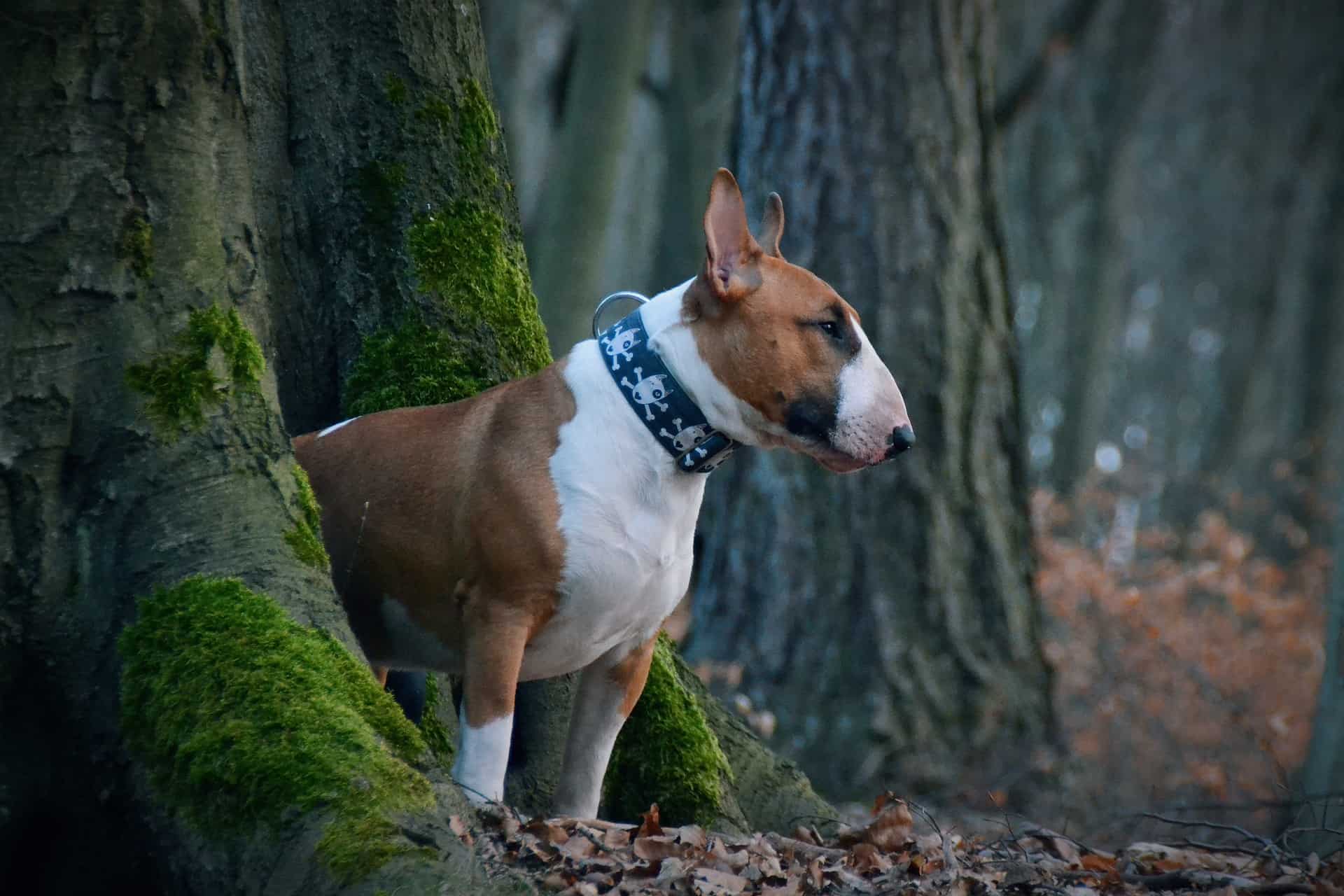
The **American Staffordshire Terrier** is the Stafford's closest relative, developed from the same Bull and Terrier stock that crossed the Atlantic and was selectively bred larger. The family resemblance in build, temperament, and history is direct. The **Bull Terrier** shares the same founding cross and the same era, diverging mainly in that distinctive egg-shaped skull and a slightly more independent character.
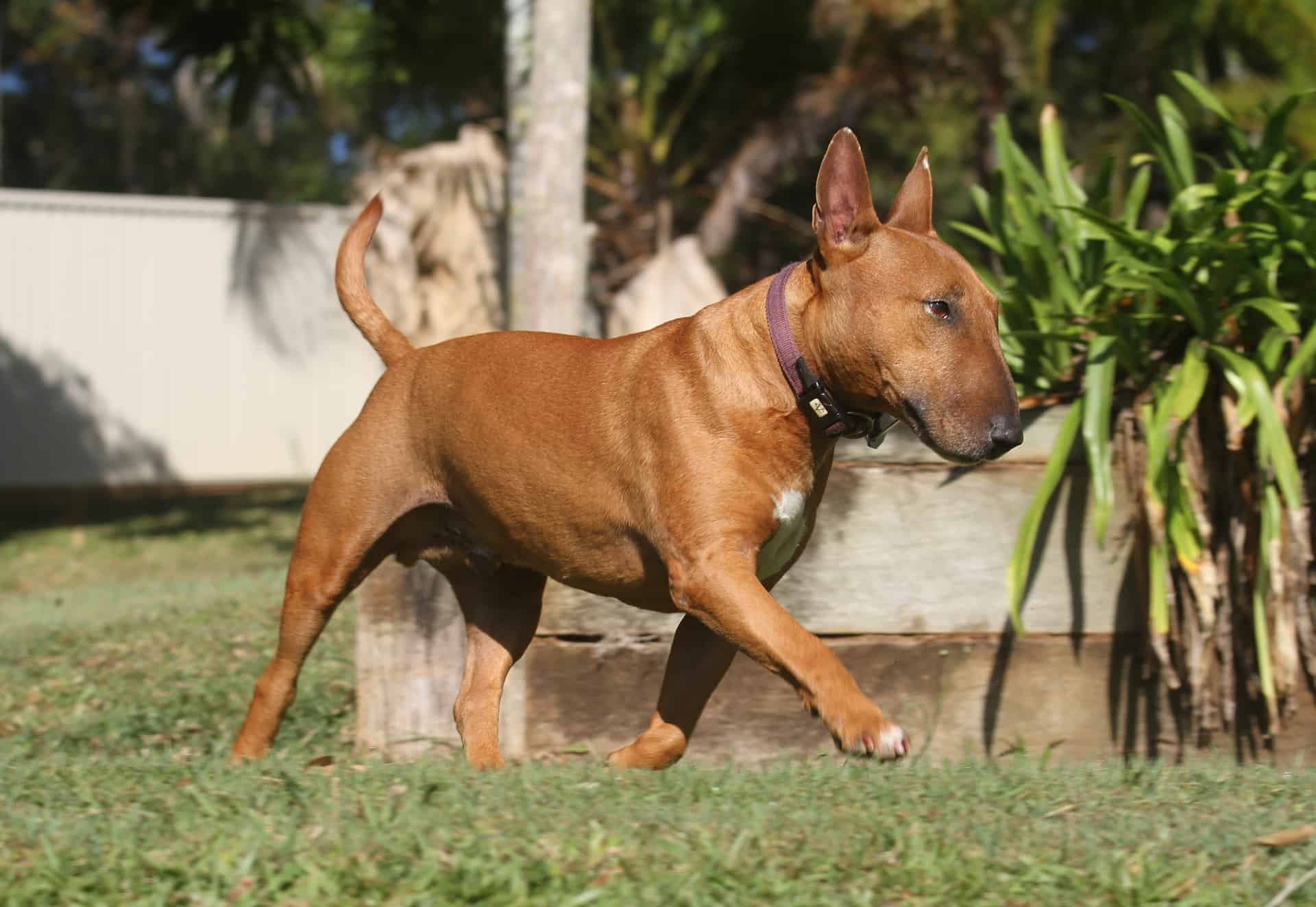
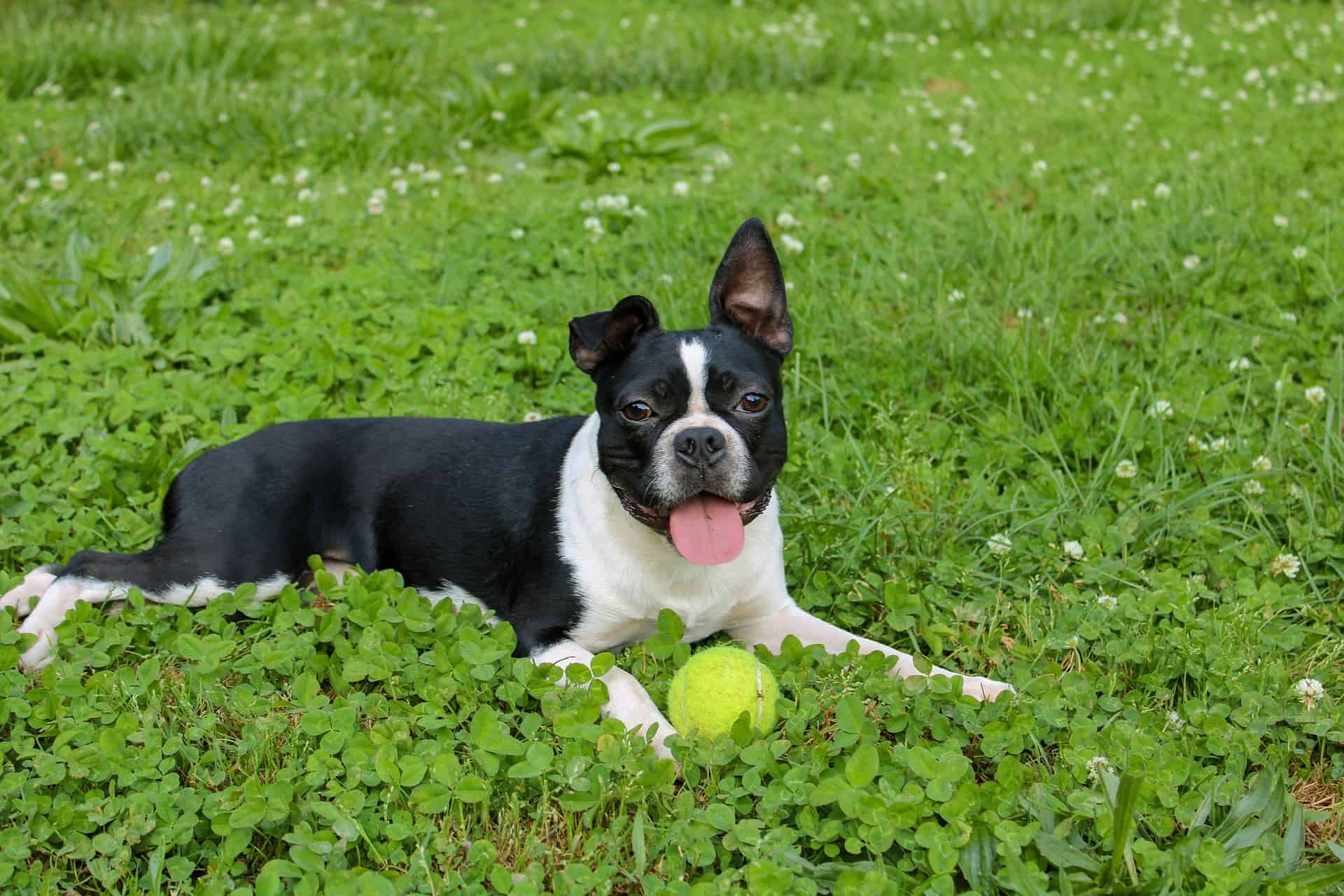
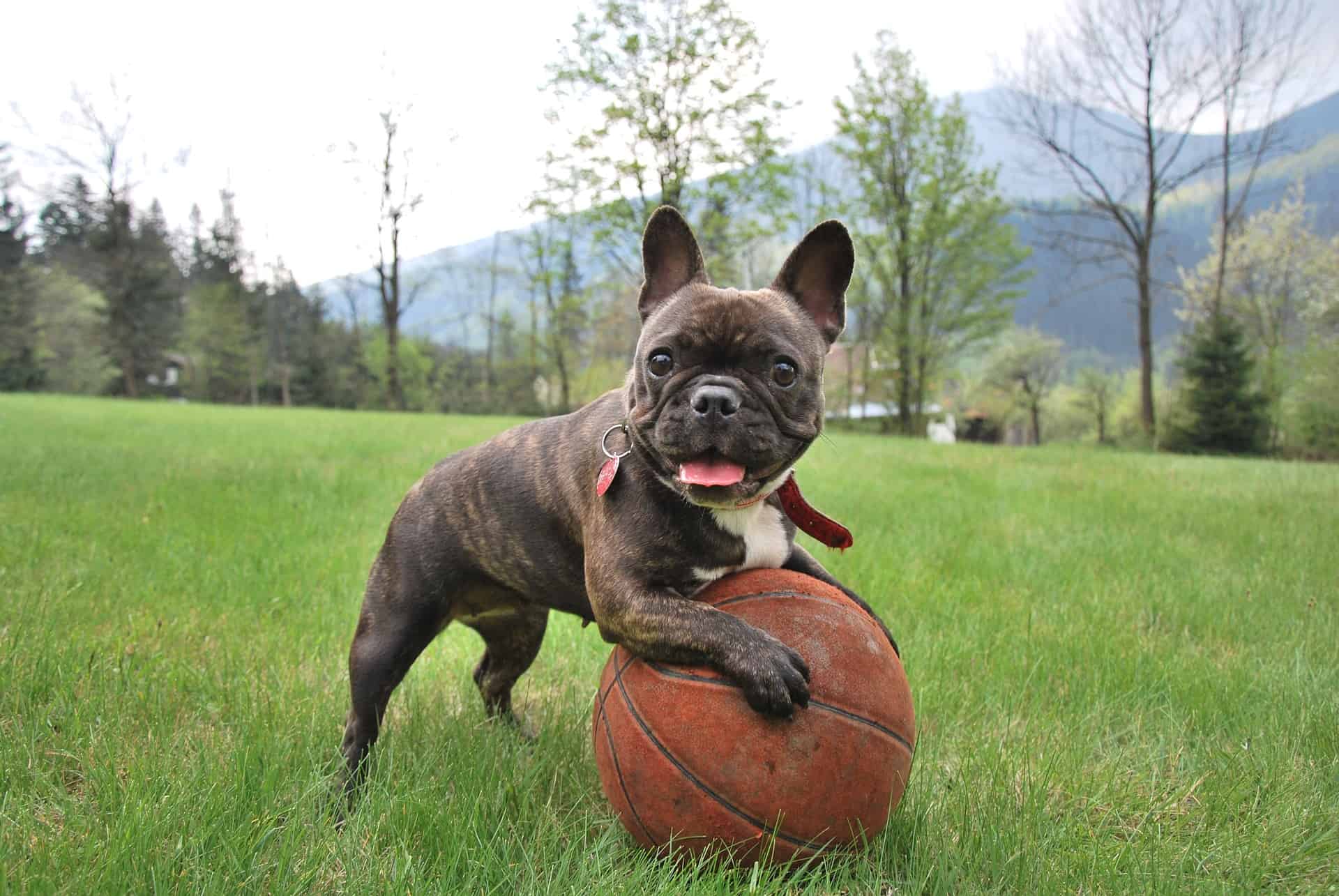
The **Miniature Bull Terrier** is the Bull Terrier scaled down, retaining the same ancestry and the same stubborn charm in a smaller body. The **Boston Terrier** carries Bull and Terrier blood in its background and shares the Stafford's blocky, muscular compactness and people-oriented personality, though it was refined early into a gentler companion role. The **French Bulldog** connects through the same English bull-breed lineage, with comparable size, a low-maintenance coat, and the same affectionate, playful nature, though it is considerably less athletic and far less confrontational with other dogs.
Trait ratings
- Energy level
- 3/5
- Exercise requirements
- 3/5
- Playfulness
- 5/5
- Affection level
- 4/5
- Friendliness toward dogs
- 2/5
- Friendliness toward other pets
- 3/5
- Friendliness toward strangers
- 3/5
- Ease of training
- 3/5
- Watchdog ability
- 3/5
- Protection ability
- 3/5
- Grooming requirements
- 1/5
- Cold tolerance
- 2/5
- Heat tolerance
- 2/5