Affenpinscher
Also known as Affen, Affie
From Germany
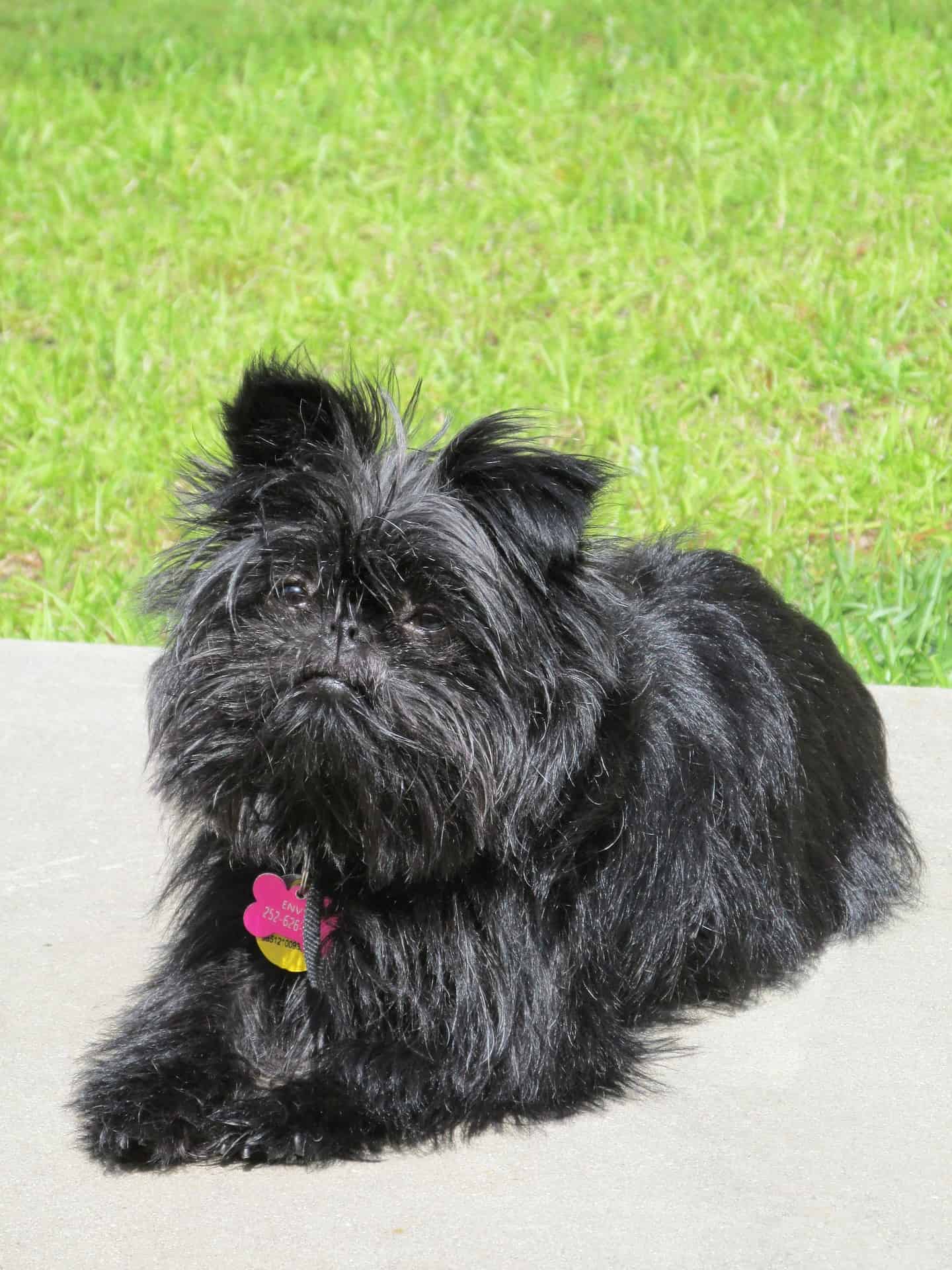
The Affenpinscher, sometimes known as the Black Devil, is one of the oldest European toy dogs. Despite its tiny size, it has its terrier traits and is a courageous watchdog and ratter. This dog learns quickly but needs to recognize who is in charge because of its smart, oftentimes headstrong temperament. It enjoys playing and gets along well with kids who are gentle with it.
Purpose & Origin
The Affenpinscher is one of Europe's oldest toy breeds, with roots going back to at least the seventeenth century in Germany, where small, wiry terriers were kept in stables and kitchens to control rats and mice. The very small versions of these dogs found a second role as lapdogs for ladies, who valued a dog that could kill mice, warm a lap, and entertain the household in equal measure. Those smaller animals were refined over time with crosses to the Pug, German Pinscher, and German Silky Pinscher, producing the breed we know today.
The Affenpinscher was also the founding stock for the Brussels Griffon, giving it a more significant place in breed history than its rarity might suggest. The AKC recognised it in 1936, but the Second World War disrupted any momentum, and the breed has remained scarce ever since.
Temperament & Behaviour
The name says it all: Affe is German for monkey, and this dog earns it. It is curious, busy, bold, and mischievous in equal measure, with a terrier's tendency to bark and a monkey's inclination to climb. It is affectionate and genuinely playful, but stubbornness is baked in. Unlike most terriers it is reasonably tolerant of other dogs and pets, which makes it easier to manage in a multi-pet household. It is, however, an outstanding watchdog (scoring 5 out of 5 on watchdog ability) with no real guarding instinct behind it, so expect noise without muscle. This dog suits a household that can laugh at itself.
Activity & Training
Despite its high energy, the Affenpinscher does not need long walks. Vigorous indoor play or a short run in a secure yard covers its daily requirement. Cold and heat tolerance are both low, so outdoor time in extremes needs to be brief. Training is manageable but not effortless. The dog is smart and learns quickly, yet it will test who is actually in charge. Consistent, patient handling works; punishment does not. First-time owners who struggle to establish authority may find this dog frustrating.
Grooming
The harsh, wiry coat needs combing two or three times a week to stay free of mats. Every three months it requires shaping: clipping for a pet, hand-stripping for a show dog. Grooming requirements are high for a toy breed, so factor in regular maintenance time or professional visits.
Health
The Affenpinscher is a generally hardy breed with a life span of around 12 to 14 years. Minor concerns include patellar luxation and corneal ulcers. Conditions seen less frequently include patent ductus arteriosus, open fontanel, respiratory difficulties, and Legg-Perthes disease. Knee and eye checks are the recommended routine tests.
Why these breeds are similar
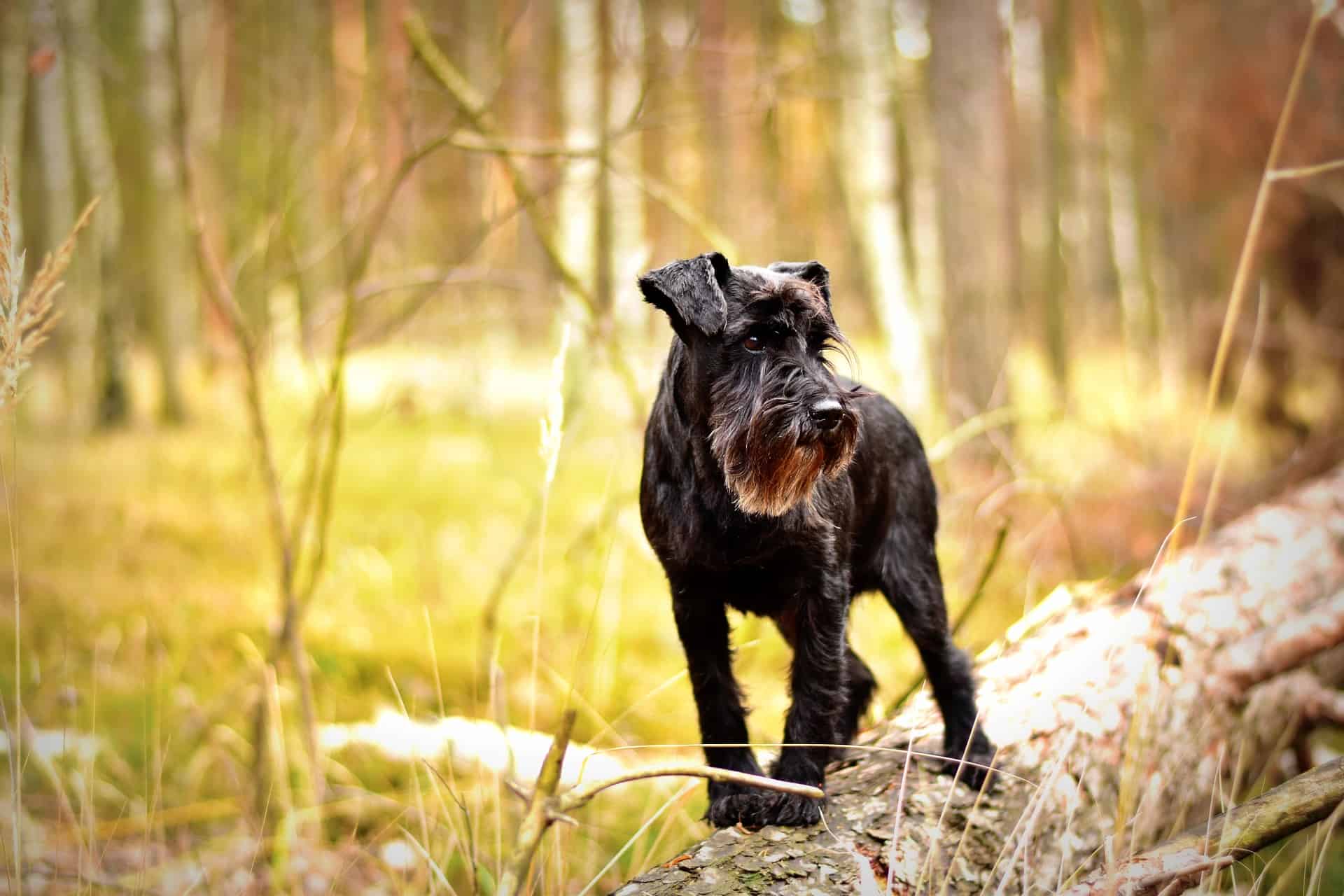
The **Miniature Schnauzer** shares the Affenpinscher's German origins and its original job of vermin control around farm buildings. Both are wiry-coated, alert, vocal watchdogs with a bold temperament that can shade into stubbornness. The Schnauzer is the more trainable of the two and considerably more popular, but the underlying character, small working dog with a lot of bark and attitude, is recognisably the same.
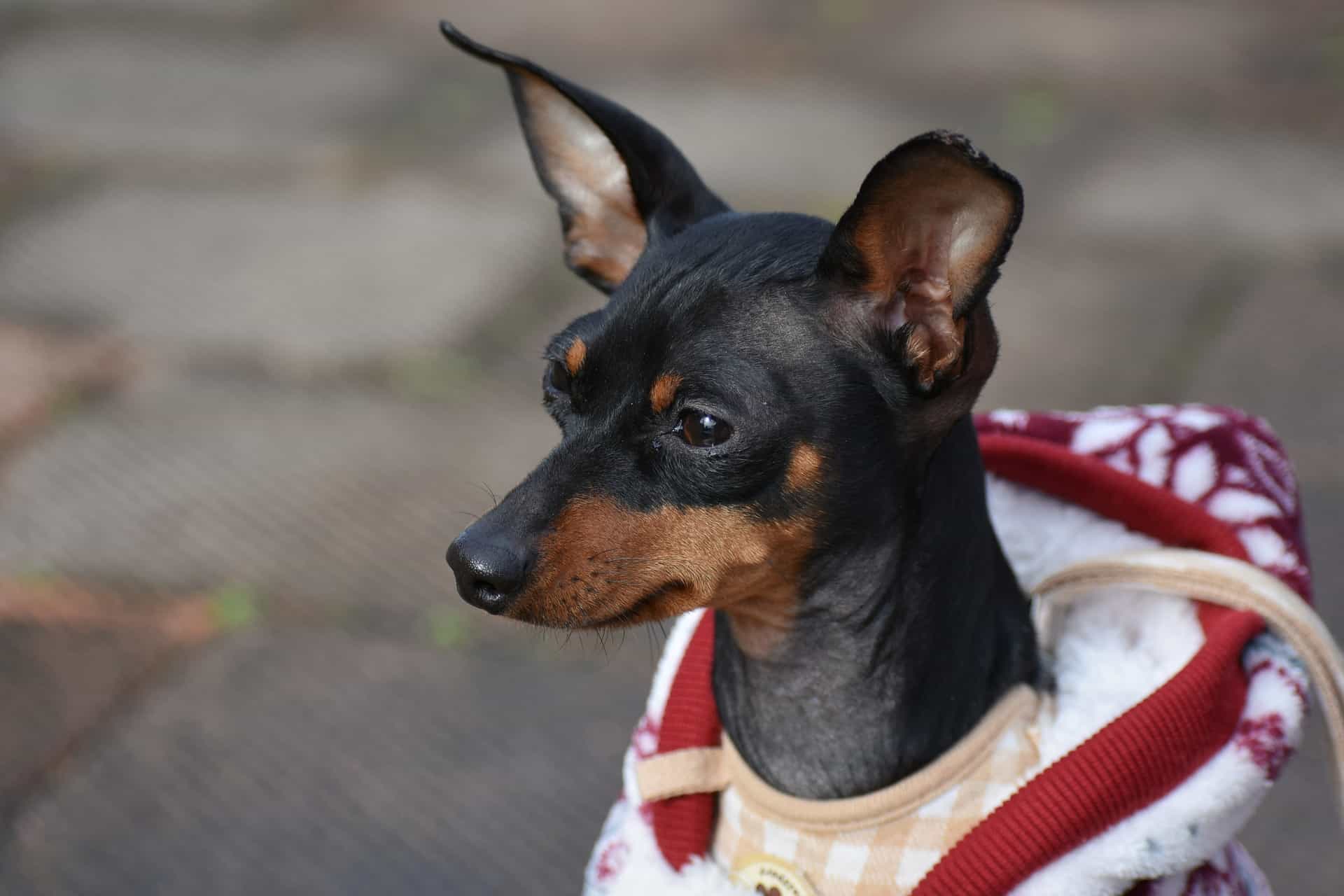
The **Miniature Pinscher** comes from the same German Pinscher family that contributed to the Affenpinscher's development. It is similarly compact, high-energy, and fearless well beyond its size. Both breeds are restless indoor dogs with strong watchdog instincts and low tolerance for cold. The Min Pin is sleeker and slightly more trainable, but the two share the same wired-on alertness and the conviction that they are considerably larger than they actually are.
Trait ratings
- Energy level
- 4/5
- Exercise requirements
- 3/5
- Playfulness
- 4/5
- Affection level
- 4/5
- Friendliness toward dogs
- 3/5
- Friendliness toward other pets
- 3/5
- Friendliness toward strangers
- 3/5
- Ease of training
- 3/5
- Watchdog ability
- 5/5
- Protection ability
- 1/5
- Grooming requirements
- 4/5
- Cold tolerance
- 2/5
- Heat tolerance
- 2/5