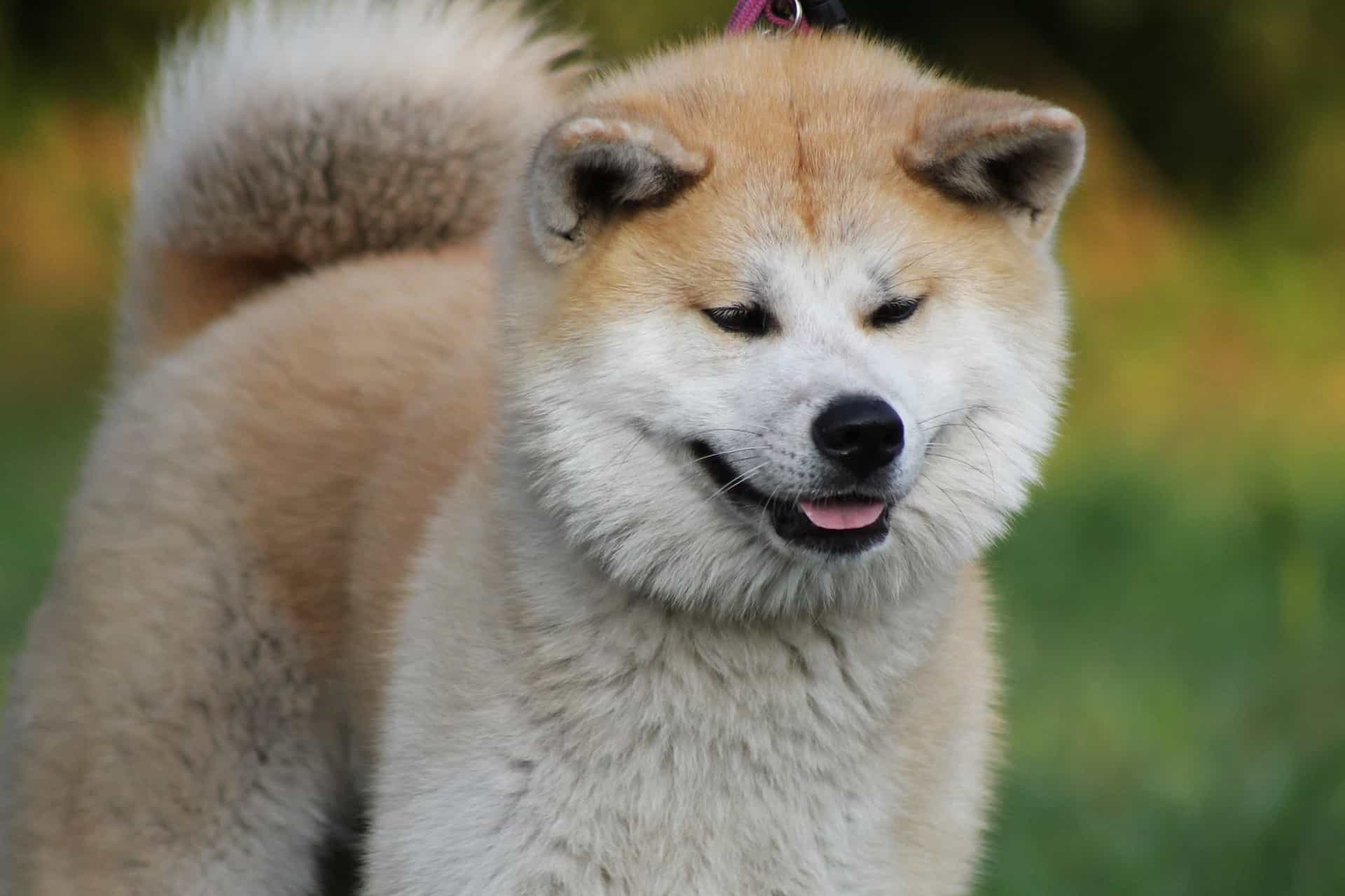
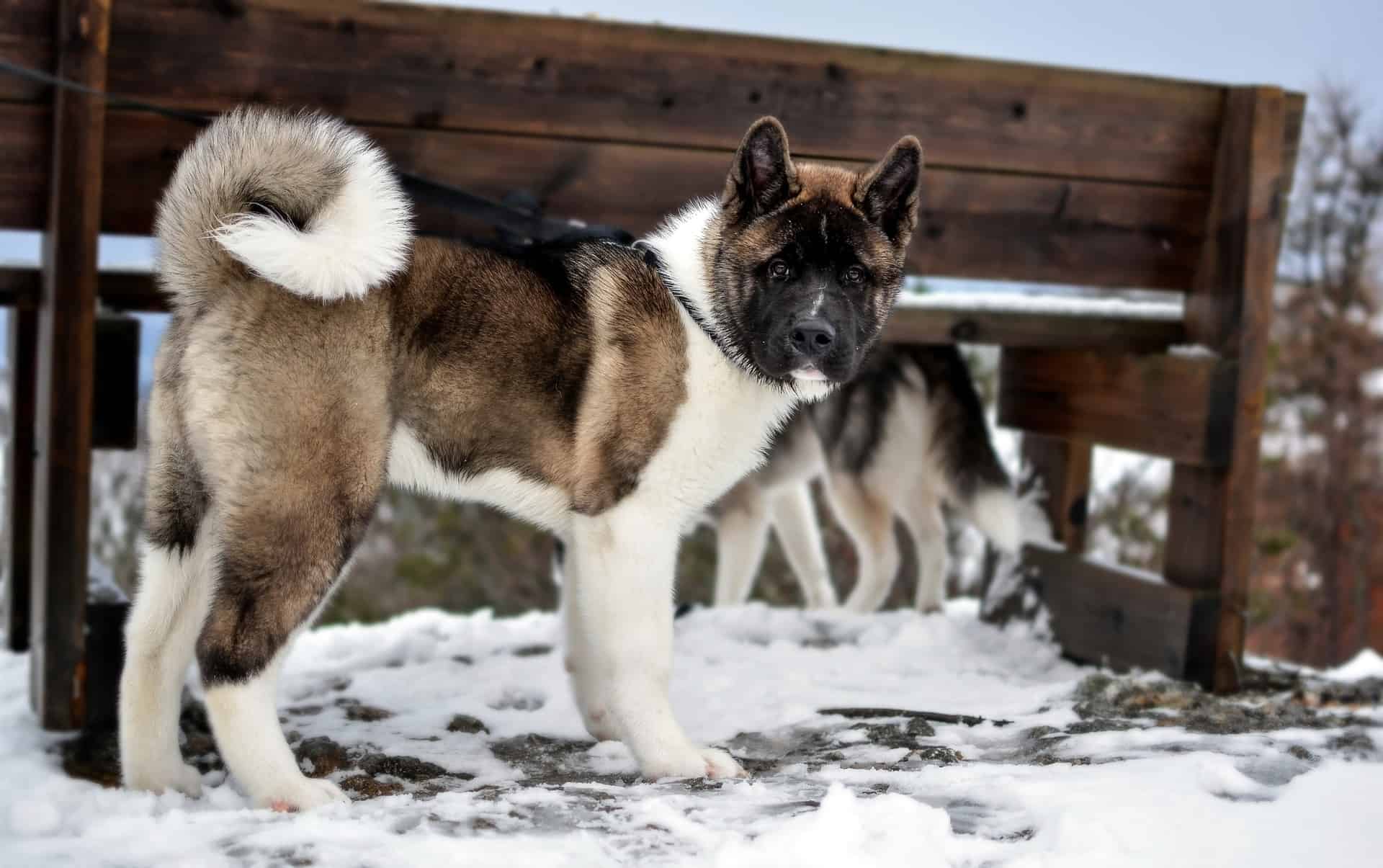
American Akita
Also known as Akita (in the US)
From Japan
The American Akita was established as a combat dog in 19th-century Japan before being taken up by breeders in the United States. This gorgeous dog is generally calm & quiet but does not likely get along well with other dogs. It could become rogue or hostile if it does not have a knowledgeable owner to properly train and socialize it as a puppy.
Purpose & Origin
The American Akita descends from the Matagi Inu, a hunting dog native to the Akita prefecture in northern Honshu, Japan, used to track and hold large game including bear and wild boar in mountain snow. In the 17th century the breed was refined as a fighting specialist, a role it held until the mid-19th century. Hiroshi Saito led its revival in the 1920s as a hunting and guard dog.
Helen Keller brought the first specimen to the United States in 1937, and returning American servicemen brought more after World War II. Stateside breeders developed a heavier, more powerful type; the AKC recognised it in 1972. The FCI now treats the American and Japanese types as separate breeds.
Temperament & Behaviour
The American Akita is composed, reserved, and loyal to its household. It bonds closely with family but is cold toward strangers, scoring 1 out of 5 for friendliness to both strangers and other dogs. Dog aggression is a breed-level tendency here, more pronounced than in the Japanese type, and same-sex pairings are particularly risky. Watchdog ability is exceptional (5/5) and protection instinct is strong (4/5). Affection is expressed through steady presence rather than overt displays. Early, consistent socialisation is essential. An undersocialised American Akita can become reactive and difficult to manage safely at 50 kg.
Activity & Training
Exercise needs are moderate (3/5). A daily walk of 45 to 60 minutes plus mental engagement is sufficient. Trainability is also moderate (3/5), reflecting independence rather than inability. The breed is intelligent but has no strong drive to please, and responds best to calm, consistent handling. Obedience training should begin in puppyhood. The breed's exceptional cold tolerance (5/5) suits northern climates; its very low heat tolerance (1/5) means hot summers require early-morning or evening exercise.
Grooming
Grooming requirements are modest for the breed's size (2/5). The thick double coat blows out heavily twice a year, requiring daily brushing during those periods. The rest of the year a weekly brush is adequate. The Akita is notably cat-like in self-grooming and carries little odour. Bathing every two to three months is typically sufficient.
Health
Lifespan runs 10 to 13 years. Hip dysplasia is the main structural concern; OFA or equivalent hip scores should be verified in both parents. Autoimmune thyroiditis is more common in this breed than most, and mid-life thyroid checks are advisable. Progressive retinal atrophy occurs in the breed and warrants annual eye exams. Weight management matters given the breed's mass.
Why these breeds are similar
**Japanese Akita Inu** is the direct ancestor population. Both share the same foundational Japanese spitz heritage, fighting-dog history, and bear-like structure. The American type is heavier, and its colour standard is broader.
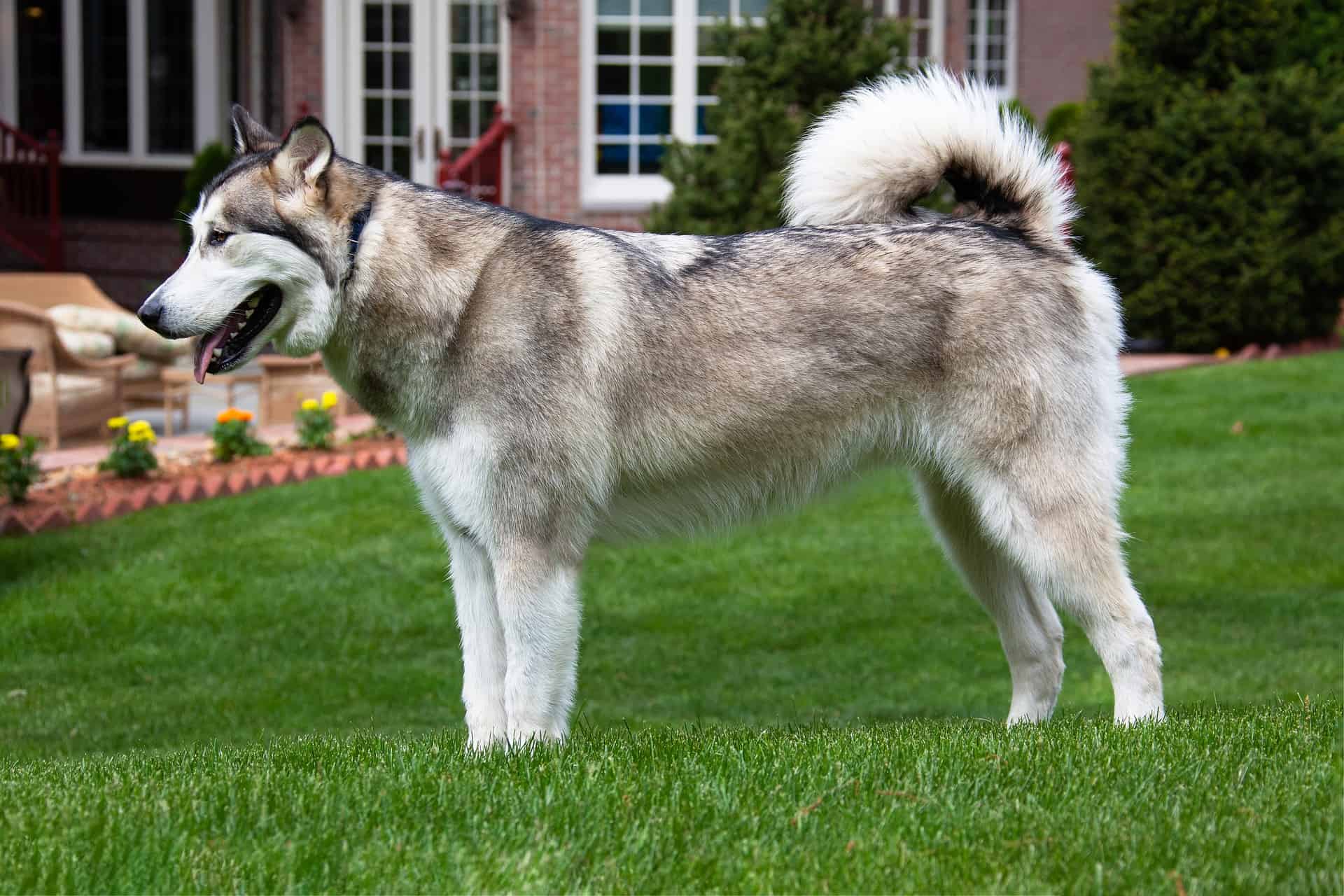
**Alaskan Malamute** overlaps on size, working-dog seriousness, and a strong dog-aggression tendency. Both are cold-climate Nordic breeds that bond closely with family while remaining wary of outsiders.
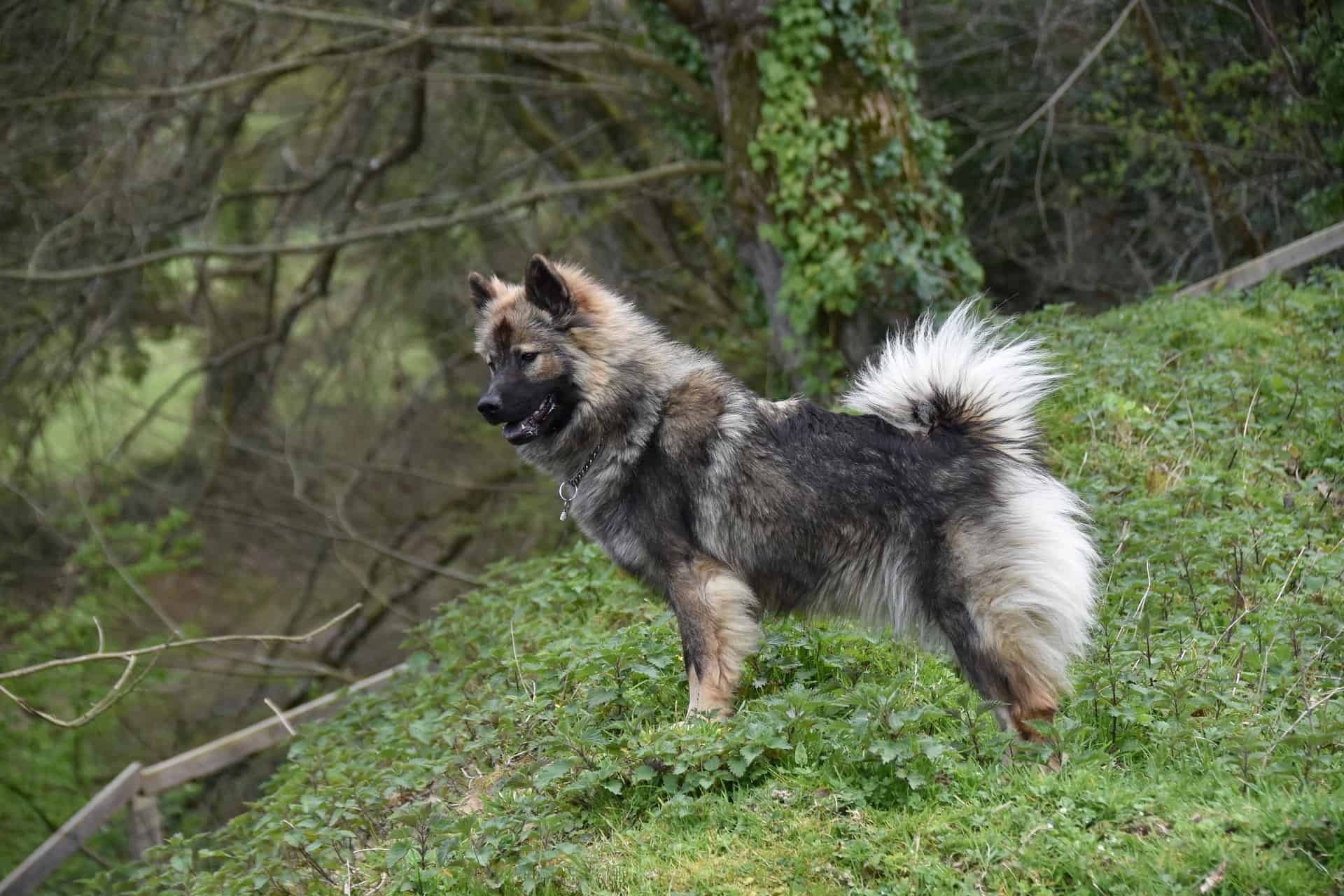
**Eurasier** shares the spitz body type and reserved nature with strangers. It is a calmer, more approachable dog, but the dense coat, moderate exercise needs, and dignified bearing place it in recognisably similar territory.
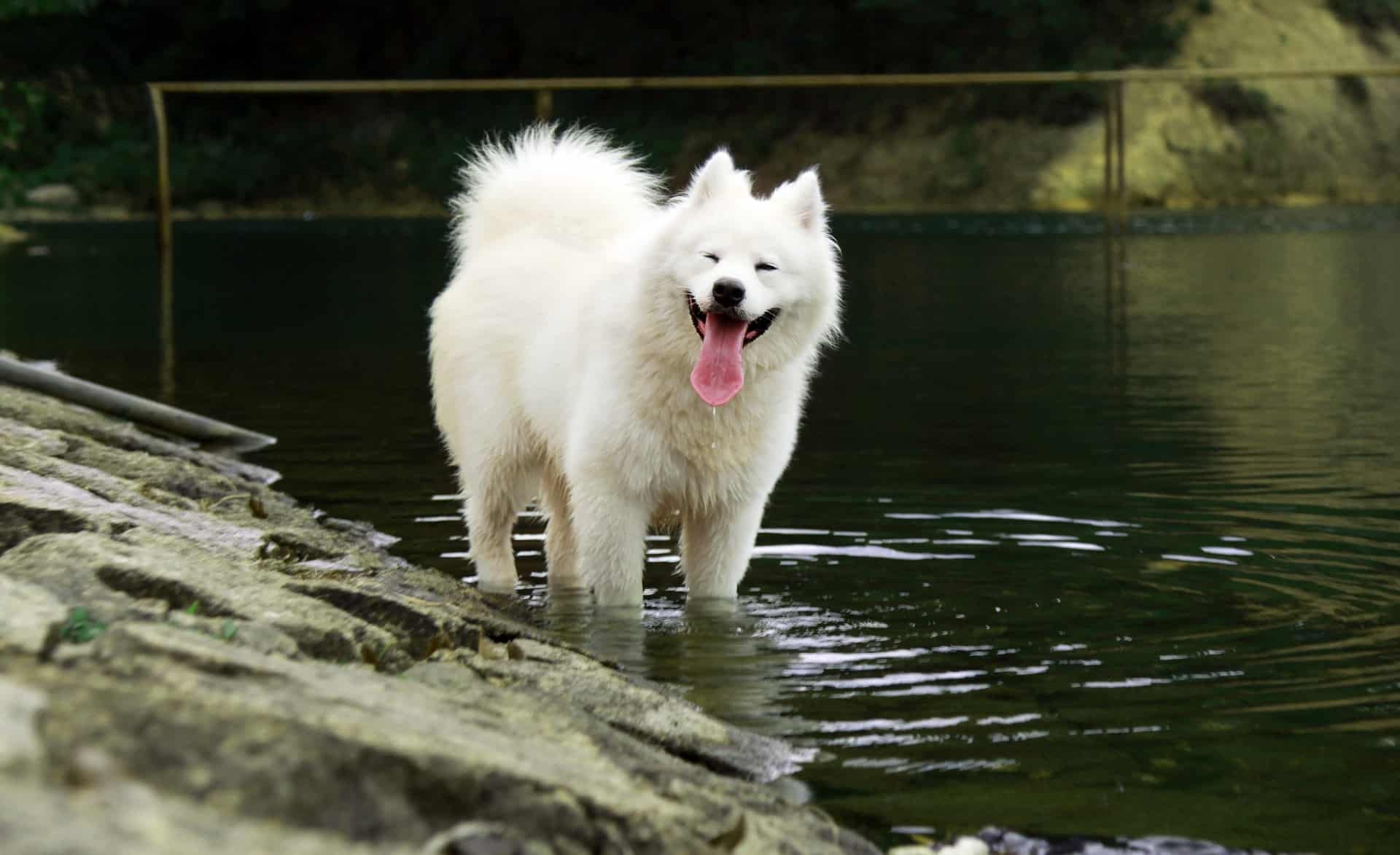
**Samoyed** is another heavy-coated Nordic spitz with strong cold tolerance and a self-possessed personality. More sociable than the Akita, but the build, shedding profile, and independent streak create clear parallels.
**Karelian Bear Dog** shares the bear-hunting heritage, intense prey drive, and marked dog aggression. Smaller and more energetic, but equally unsuited to multi-dog households.
Trait ratings
- Energy level
- 3/5
- Exercise requirements
- 3/5
- Playfulness
- 3/5
- Affection level
- 3/5
- Friendliness toward dogs
- 1/5
- Friendliness toward other pets
- 2/5
- Friendliness toward strangers
- 1/5
- Ease of training
- 3/5
- Watchdog ability
- 5/5
- Protection ability
- 4/5
- Grooming requirements
- 2/5
- Cold tolerance
- 5/5
- Heat tolerance
- 1/5