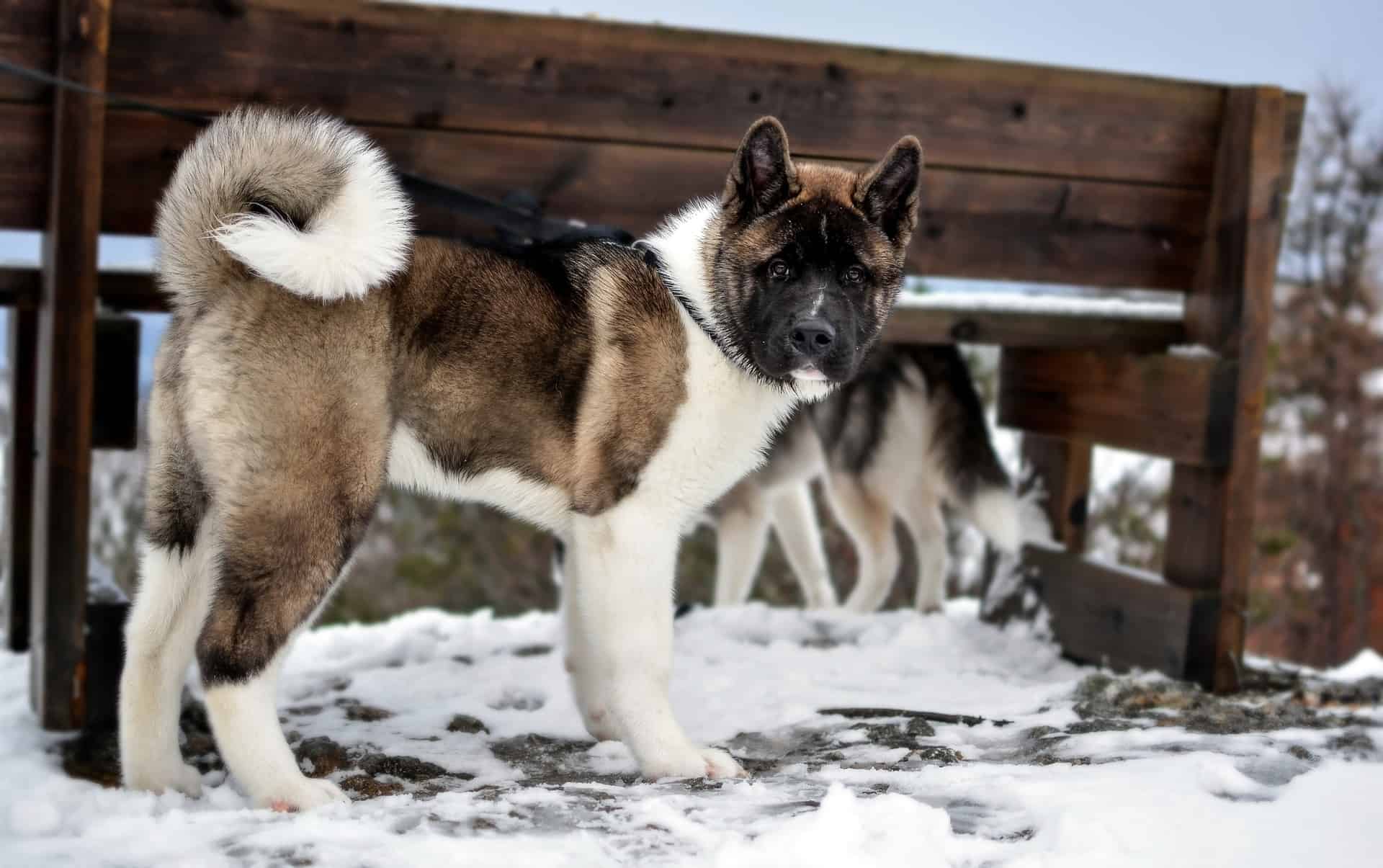
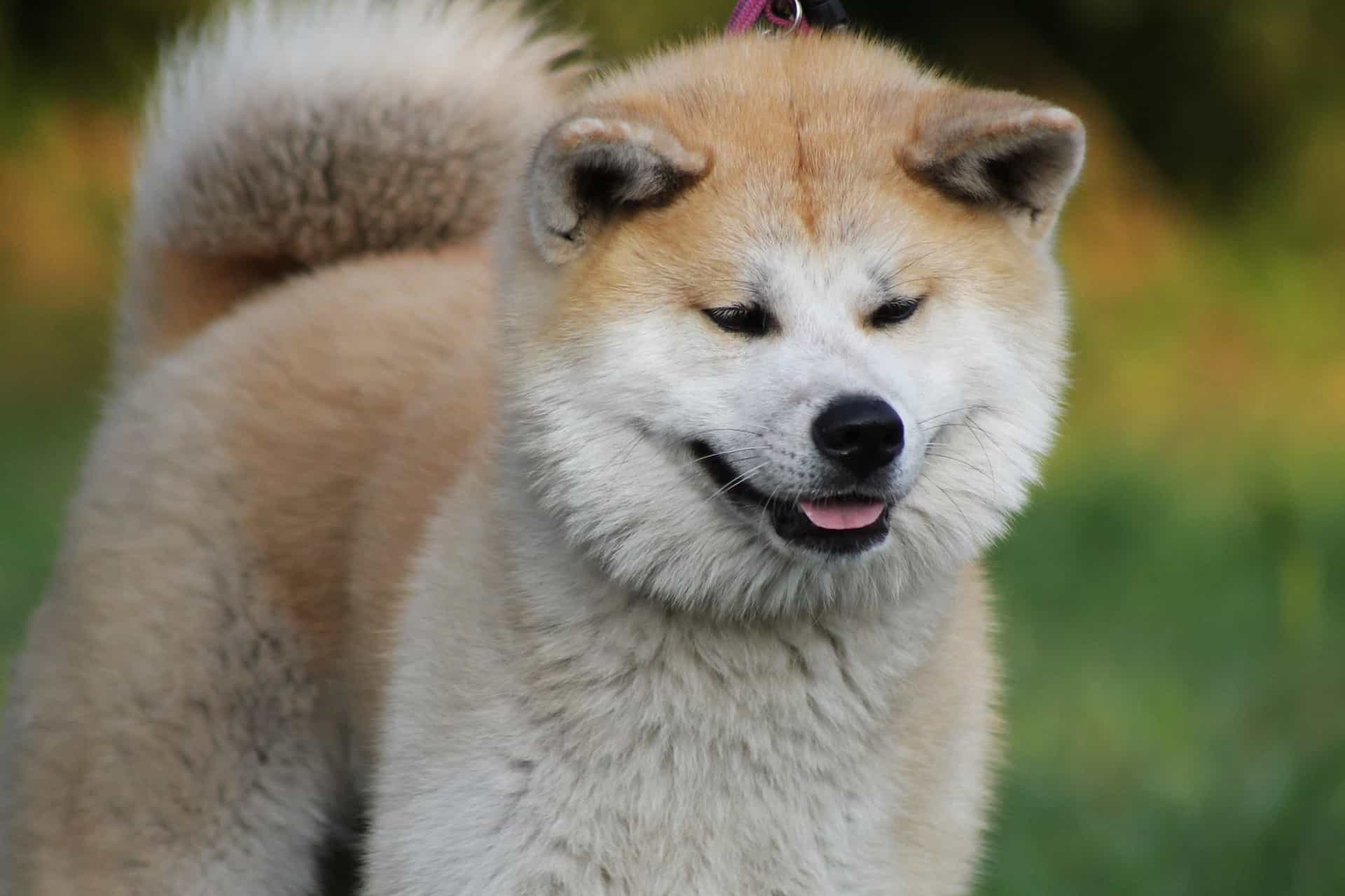
Japanese Akita Inu
Also known as Akita
From Japan
The Japanese Akita Inu, which is smaller than the Akita, is considered to have descended from Japanese hunting dogs. It was previously regarded to be a variant of the Akita in the US, but it was acknowledged as a separate breed in the 1990s. Because the Japanese Akita Inu can be protective and wary, it must be properly socialized as a puppy.
Purpose & Origin
The Akita is the largest of Japan's native breeds and carries a history tied to national identity. Although dogs resembling it appear in ancient Japanese tomb artifacts, the modern breed emerged from a deliberate nineteenth-century restoration effort. Breeders drew on several native and mixed-breed dogs, including animals used in fighting and the indigenous Odate dogs of northern Honshu, to rebuild seven traditional Japanese breeds. The Akita's original roles were large game hunting, fighting, and guarding. In 1931 the Japanese government designated it a natural monument.
The breed is perhaps best known through Hachiko, the Akita who kept returning to Shibuya Station every evening for nine years after his owner's death, waiting. A statue there still marks his vigil. American servicemen brought Akitas home after World War II, and AKC recognition followed in 1972. The Japanese and American lines have since diverged: Japanese breeders selected away from the black mask, pinto coat, and heavy frame that American breeders preserved, which is why the Japanese Akita Inu and the American Akita are now treated as separate breeds in many countries.
Temperament & Behaviour
The Akita is not a dog that softens easily. Bold, independent, and stubborn by nature, it carries the self-sufficient character typical of spitz-type northern breeds. With its own family it is deeply loyal and openly affectionate, and it will defend them without hesitation. With strangers it stays reserved, and with other dogs it can be outright aggressive, particularly toward dogs of the same sex. It is a domineering animal and does not yield that quality with age or familiarity. This is not a breed for a first-time owner or anyone who mistakes its loyalty for compliance.
Activity & Training
The Akita needs genuine daily exercise: a long on-leash run or a safe off-leash area where it can move at pace. Given that outlet it settles well indoors and is not a restless house dog. Training demands patience and consistency. The same independence that makes the breed an effective guardian makes it selective about commands it finds pointless, and heavy-handed methods backfire. Early, thorough socialization is essential given its wariness toward strangers and its tendency toward dog aggression. One quirk worth knowing: Akitas are notoriously messy drinkers.
Grooming
The double coat sheds heavily, especially during seasonal blowouts, and needs brushing about once a week under normal conditions. During heavy shedding periods that frequency needs to increase significantly to stay ahead of the loose undercoat.
Health
Life expectancy runs 10 to 12 years. Hip dysplasia and progressive retinal atrophy are the primary concerns. Secondary issues include elbow dysplasia, gastric torsion, hypothyroidism, osteosarcoma, and several skin conditions including sebaceous adenitis and pemphigus. Hip, elbow, eye, and thyroid testing is recommended. One specific caution: Akitas are unusually sensitive to red blood cell damage caused by onion consumption, which can trigger hemolytic anemia even in small amounts.
Why these breeds are similar
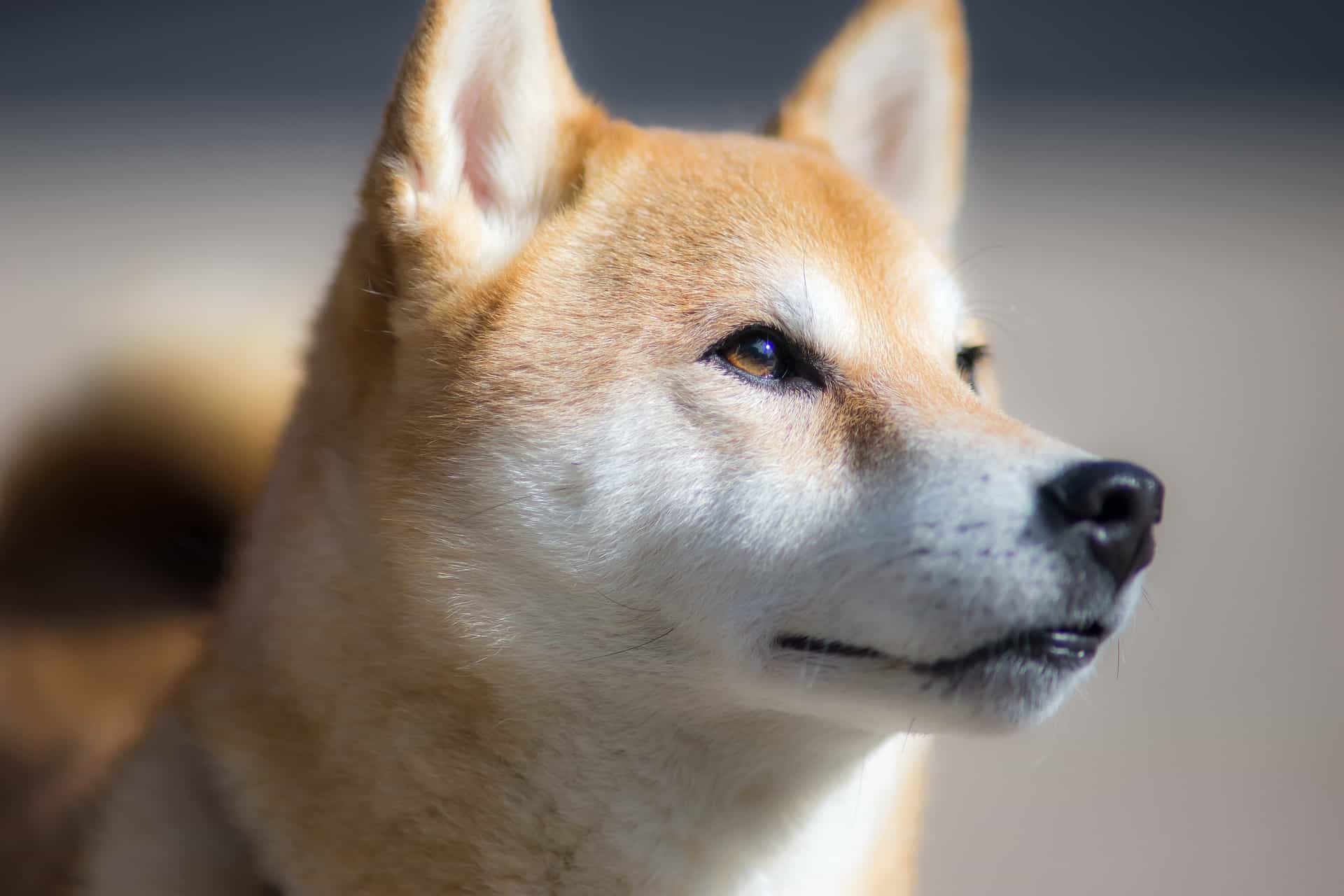
The **American Akita** is the closest match, essentially a divergent line from the same Japanese foundation stock, differing mainly in size, coat markings, and the degree to which fighting-dog traits were retained by American breeders. The **Shiba Inu** is the smallest of Japan's native breeds and shares the same spitz build, independent temperament, and reserved-with-strangers character, though at a fraction of the Akita's size.
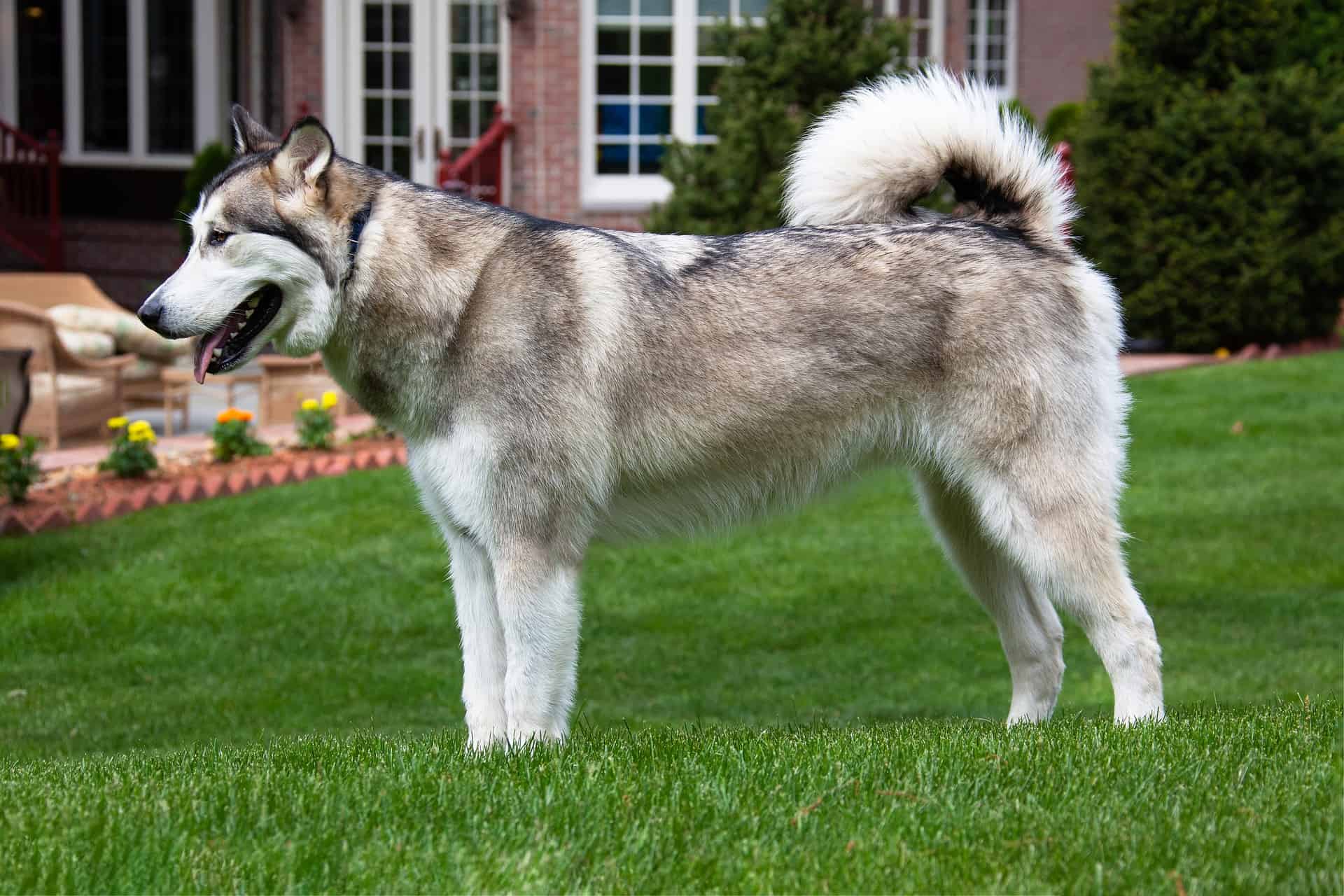
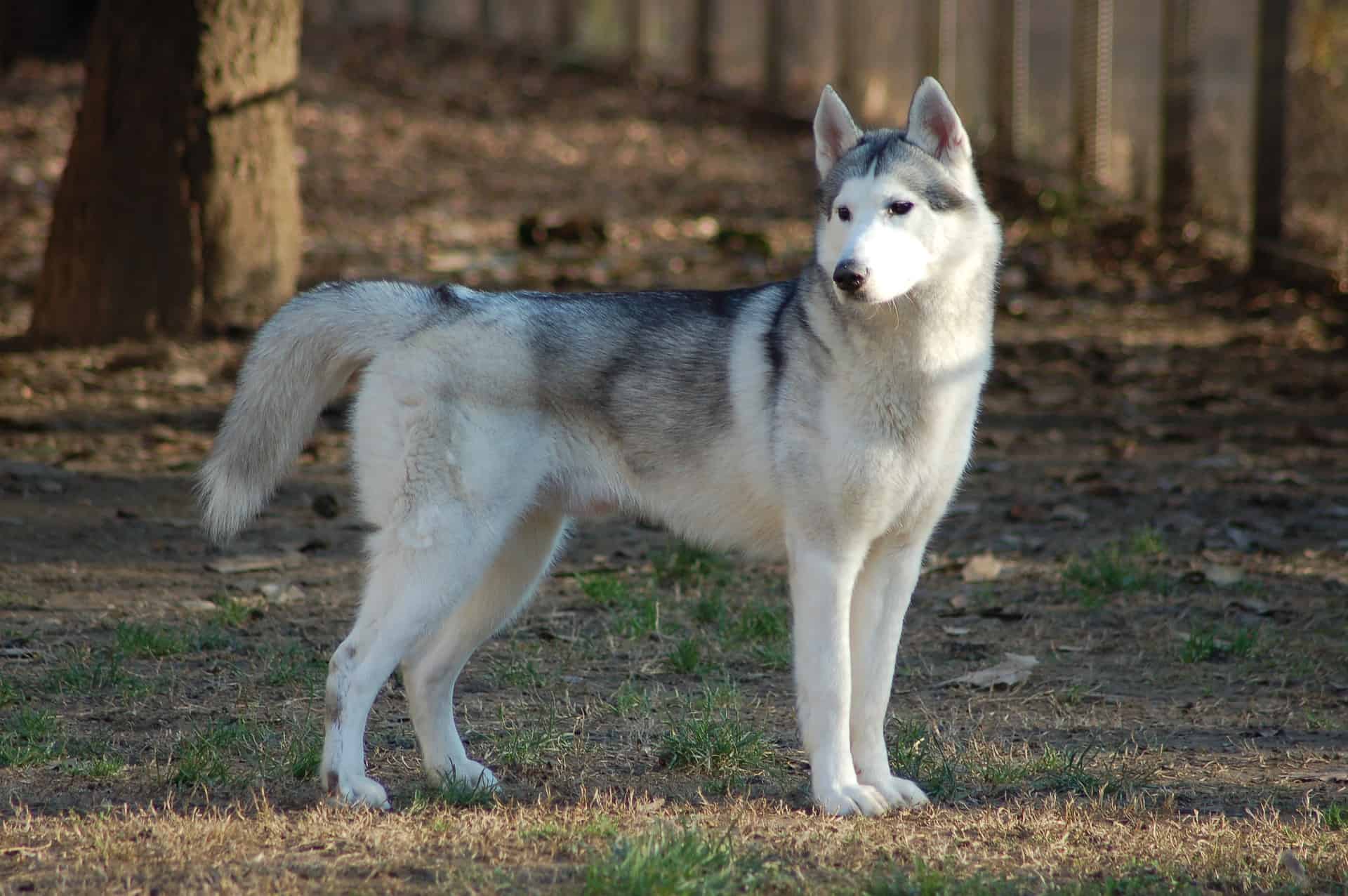
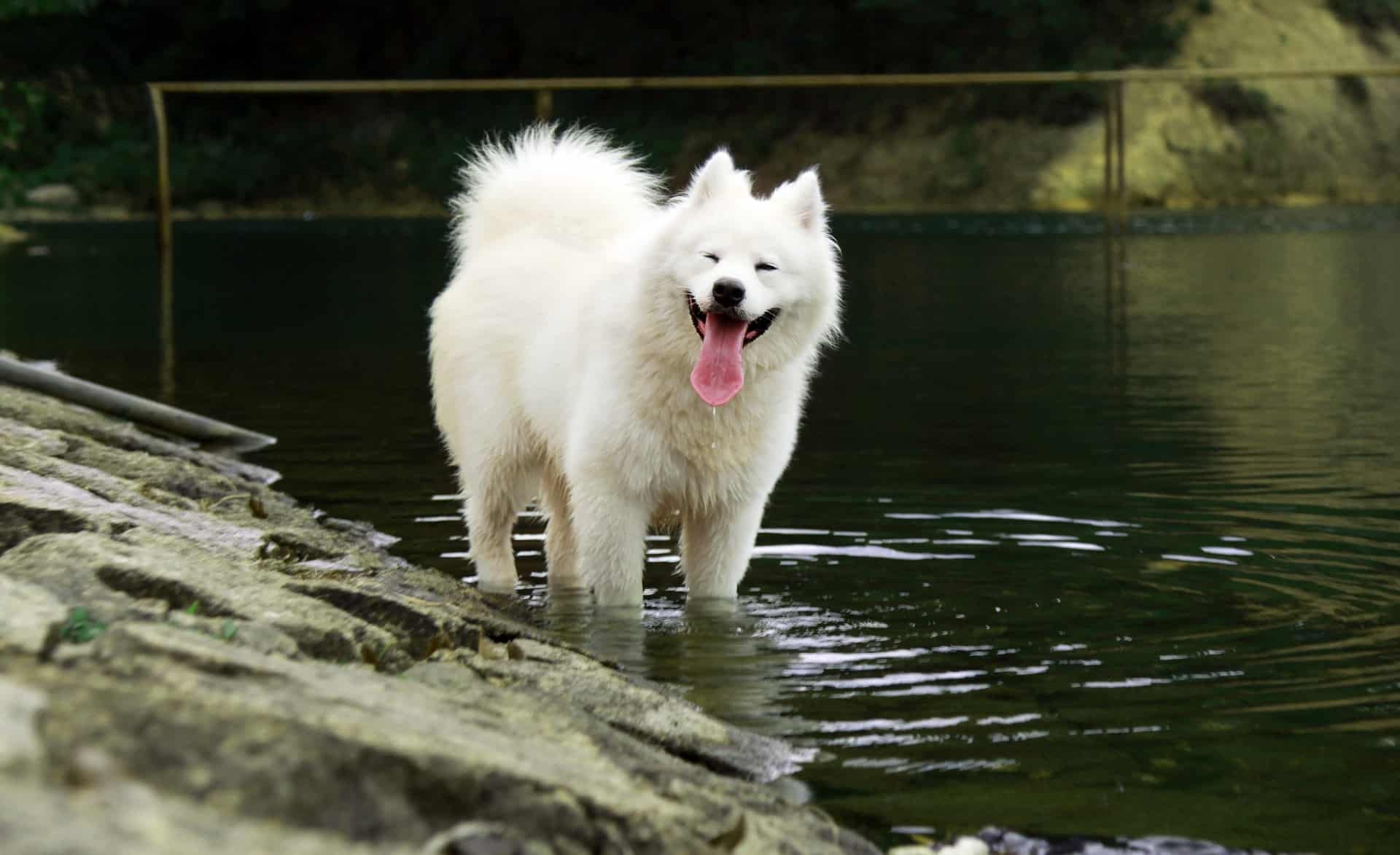
The **Alaskan Malamute** and **Siberian Husky** are northern working spitz breeds with similar wedge heads, dense double coats, and strong-willed personalities developed for cold climates and demanding work. The **Samoyed** shares the spitz lineage and double coat but sits at the friendlier, more sociable end of the northern-breed spectrum.
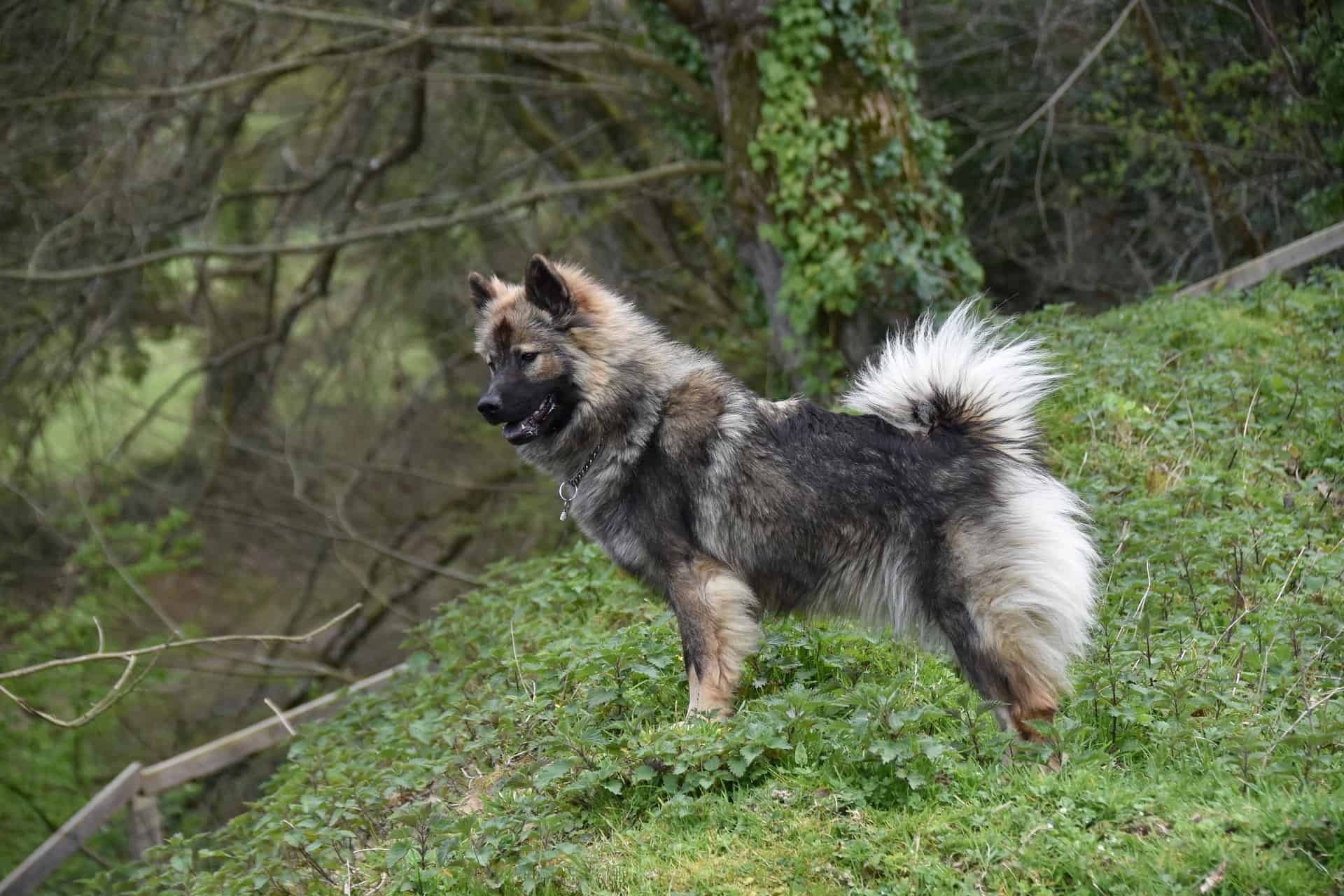
The **Eurasier** is a more recent spitz composite (Chow Chow, Wolfspitz, and Samoyed) bred specifically as a calm family companion, and it shares the broad spitz head type and moderate independence of the Japanese Akita while being considerably easier to handle around strangers and other dogs.