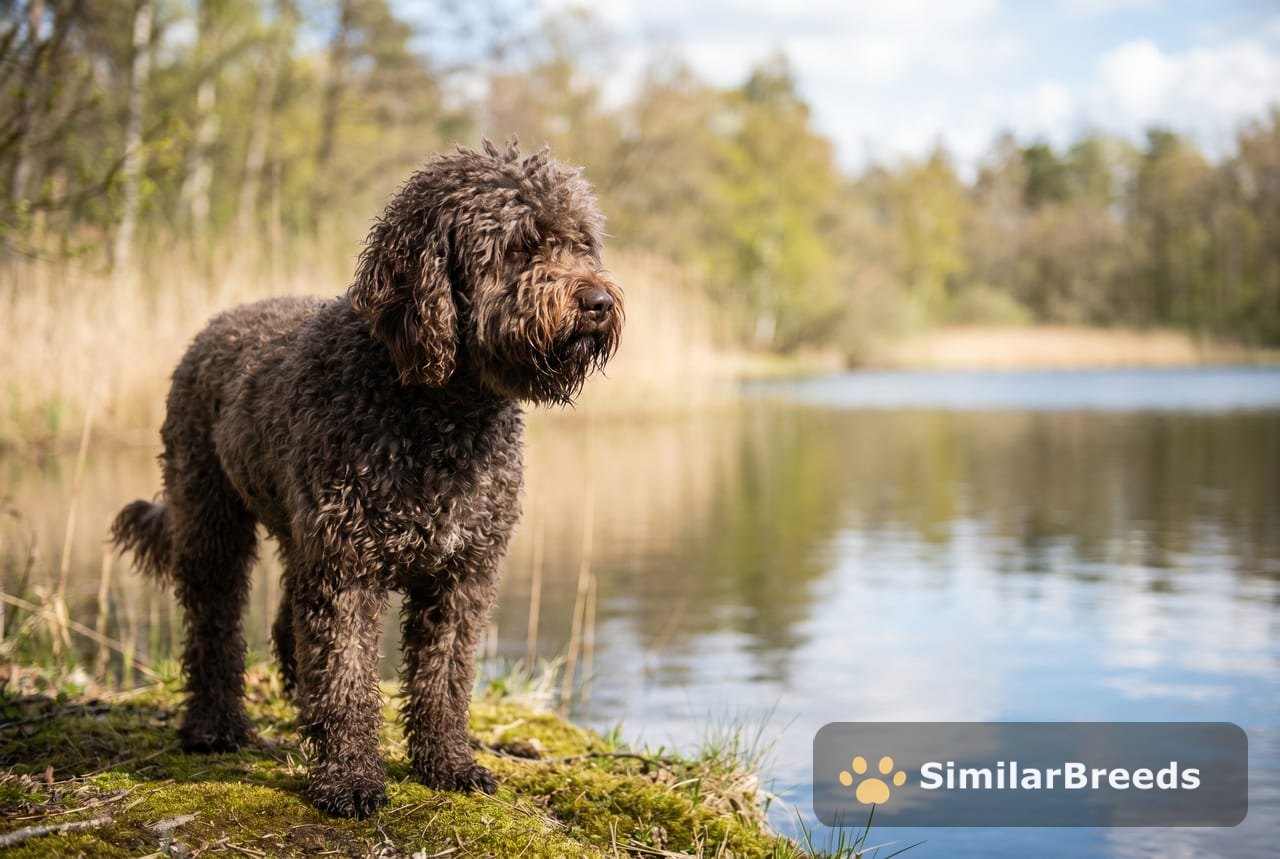
Purpose & Origin
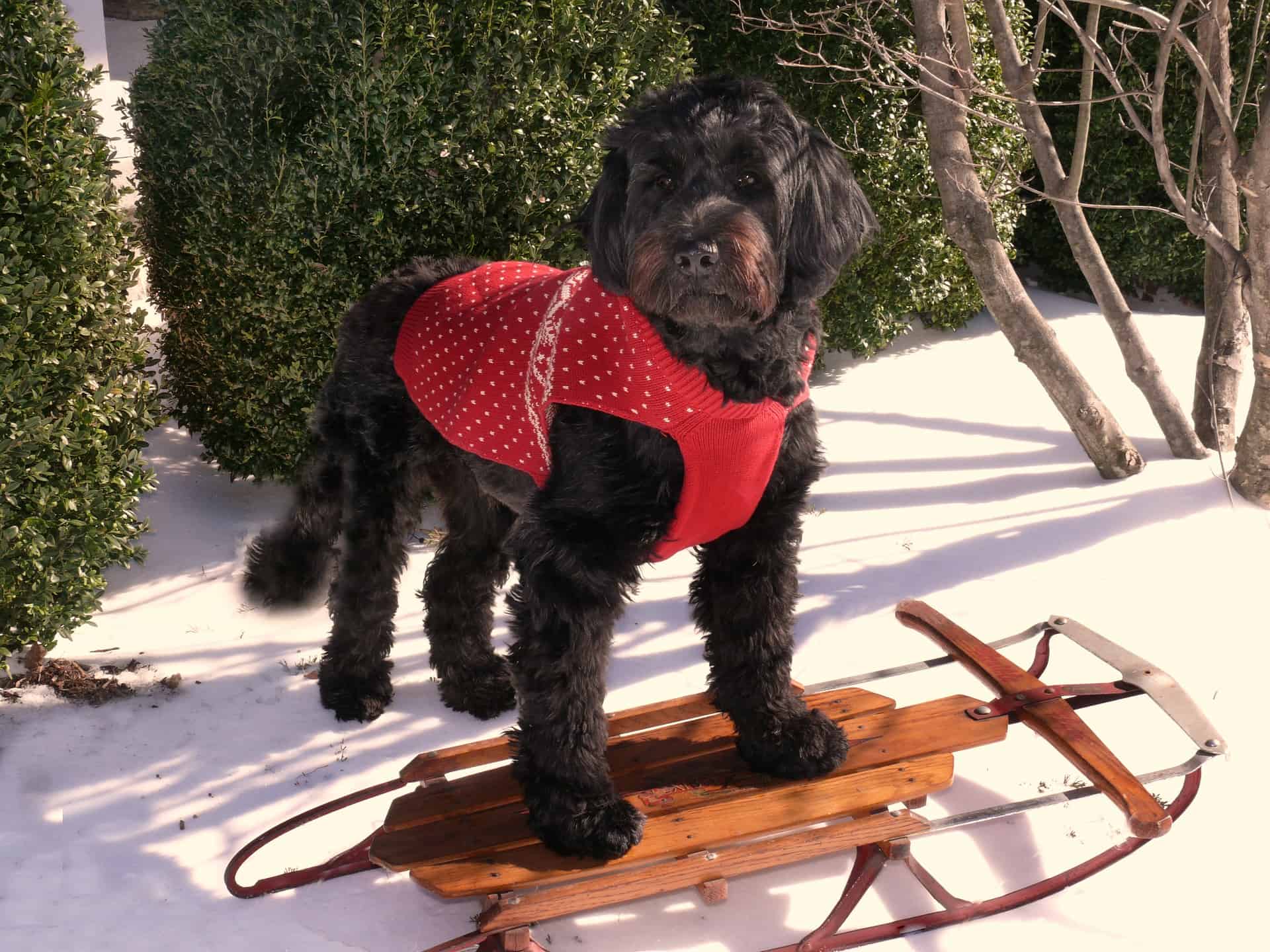
The Barbet is one of the oldest water dogs in Europe, documented in France since at least the Middle Ages. Its name comes from the French word for "bearded," first applied in the 16th century, and it was known in England by the 18th century as the Large Rough Water-Dog. Developed to retrieve downed waterfowl from lakes, marshes, and rivers, the breed also learned to flush and point at various points in its history, and in the era before sporting guns it was used to fetch arrows that had fallen into water or swampy ground.
Favoured by French monarchs including Henri IV and Louis XV, the Barbet was once common across France. By the 19th century it had largely been eclipsed by the Poodle, a breed it is widely credited with influencing, along with the Irish Water Spaniel, the Briard, and the Bichon. Numbers fell so severely that by the late 20th century only a few hundred remained. The breed was formally recognized by the AKC in 2020 and remains rare today.
Temperament & Behaviour
The Barbet is calm, sociable, and genuinely good-natured. It bonds closely with its family, gets along well with children and other dogs, and tolerates household pets without difficulty. It is not a guard dog and is unlikely to be suspicious of strangers. The combination of a sporting dog's willingness and a water dog's easy temperament makes it adaptable to family life without being demanding or hyperactive indoors. Its intelligence and desire to please mean it rarely presents serious behavioural problems, though it does need regular human contact and dislikes being left alone for long periods.
Activity & Training
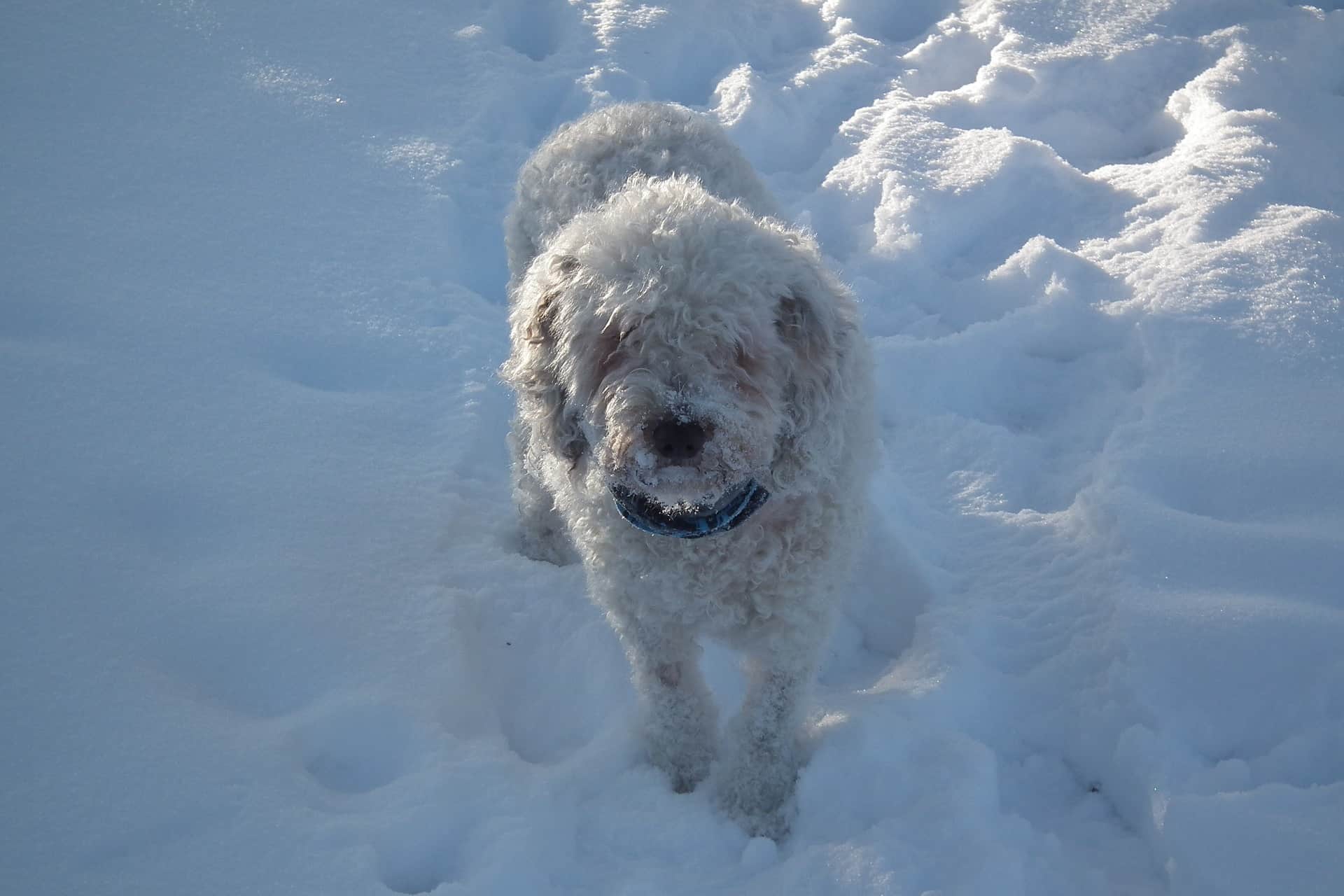
The Barbet is a moderate-energy breed. It needs daily exercise, ideally including off-lead time, and it has a natural affinity for water, swimming readily and enthusiastically in cold conditions thanks to its dense, protective coat and webbed feet. Long walks, fetch, and water retrieval all suit it well. It does not need an extreme exercise regime, but a sedentary lifestyle will lead to boredom.
Training is generally straightforward. The breed is attentive, learns quickly, and responds well to consistent reward-based methods. It does not typically show the stubborn independence found in some other water dogs. Early socialisation is worthwhile to develop the breed's already sociable nature, but this is not a difficult or headstrong dog to work with.
Grooming
The Barbet's dense, woolly, curly coat is its most demanding feature. Without regular attention it mats, particularly behind the ears and under the legs. Brushing two to three times a week is the realistic minimum, and most owners keep the coat trimmed to a manageable length rather than letting it grow full. The lion-clip sometimes used on show dogs mirrors the Poodle tradition. The ears, which hang down and trap moisture after swimming, need regular checking and cleaning to prevent infection, a common issue in the breed. Nails grow quickly and need routine trimming.
Health
The Barbet is considered a healthy breed with a lifespan of 12 to 15 years, aided by the careful stewardship of a small but attentive breeding community. Because overall numbers remain low, comprehensive health data is still limited. Known concerns include hip dysplasia, elbow dysplasia, eye conditions (entropion and cataracts), epilepsy, and immune-mediated conditions. Responsible breeders screen for hip, elbow, and eye issues. Ear infections are the most common day-to-day health problem, a consequence of the drop ear and frequent swimming.
Why these breeds are similar
**Portuguese Water Dog** shares the Barbet's core profile: a medium-sized, curly or wavy-coated water retriever of Western European origin, strongly built, athletic in water, and easy to train. Both breeds are rare relative to their historical influence and carry similar grooming demands.
**Spanish Water Dog** is closely related in type and likely shares ancient ancestry with the Barbet. It is similarly curly-coated and built for water work, though it also has a herding tradition and tends toward a more reserved temperament with strangers.
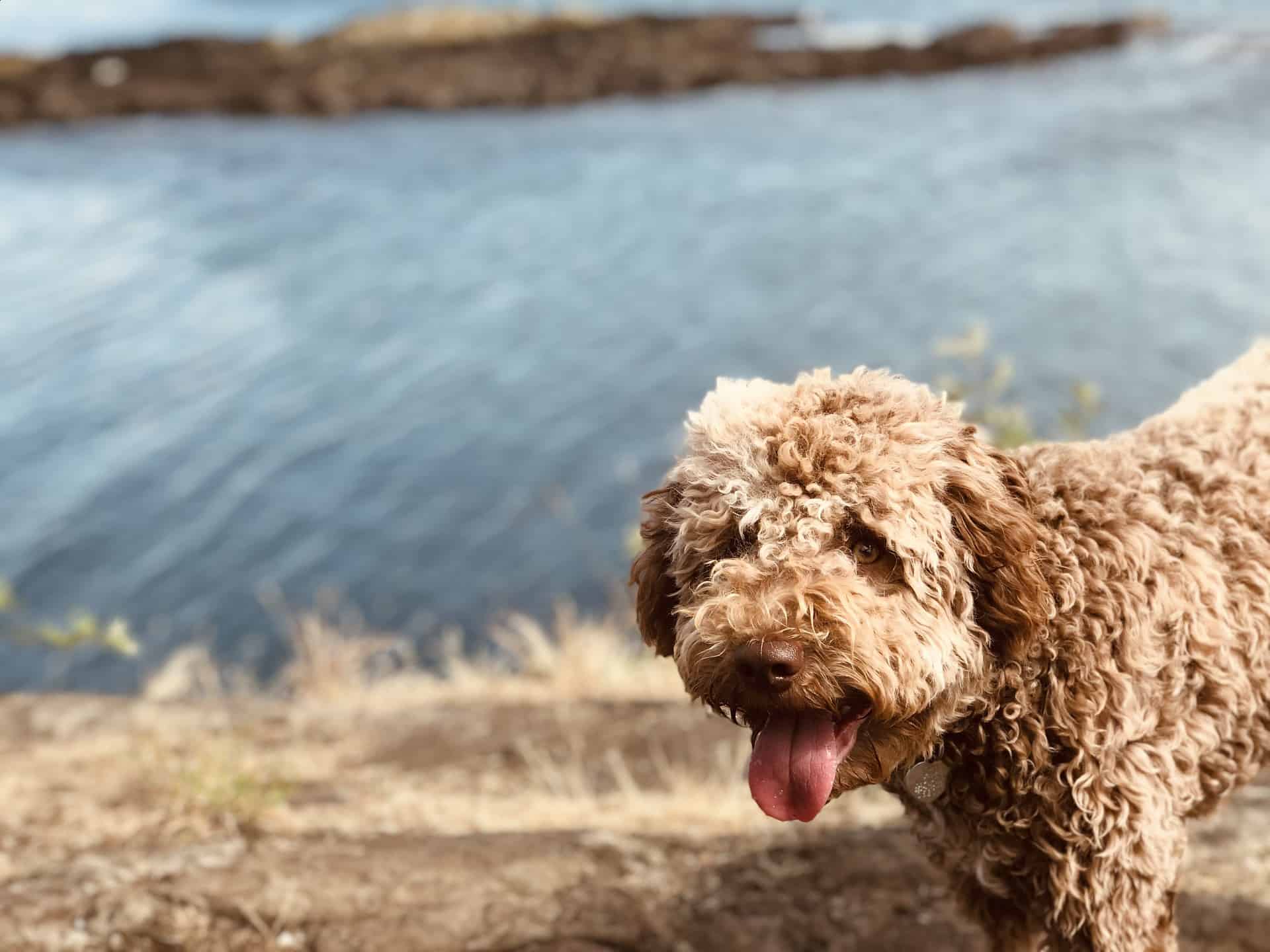
**Lagotto Romagnolo** is an Italian water dog that shifted over time into a truffle-hunting role. It shares the Barbet's dense curly coat, moderate size, and sporting intelligence, and the two breeds are genetically close within the water dog group.
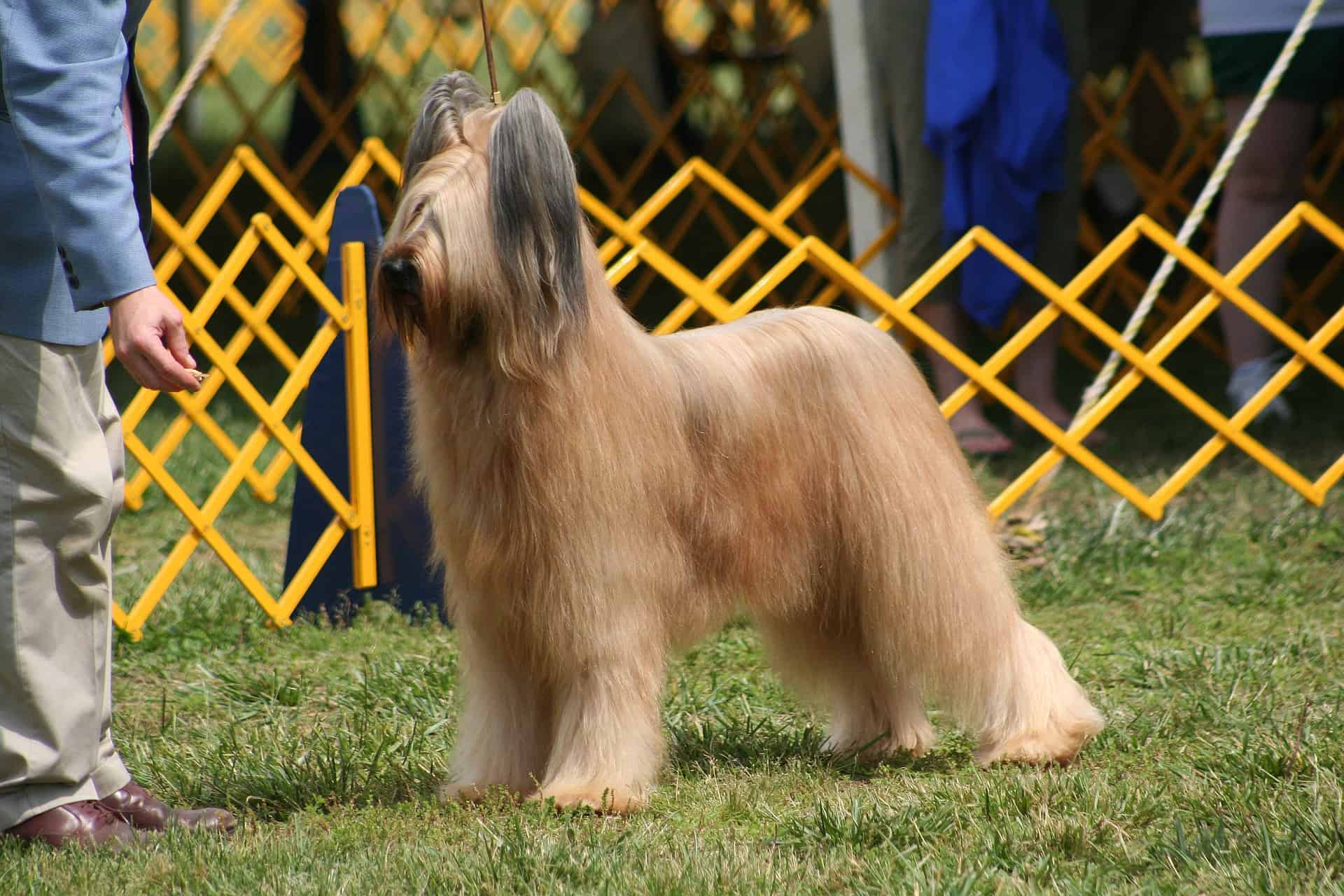
**Briard** is included because the Barbet is traditionally cited as one of its ancestors. The two breeds share the shaggy, thick French herding-and-working coat type and a loyal, family-oriented temperament, though the Briard is larger, more energetic, and has a herding drive the Barbet lacks.