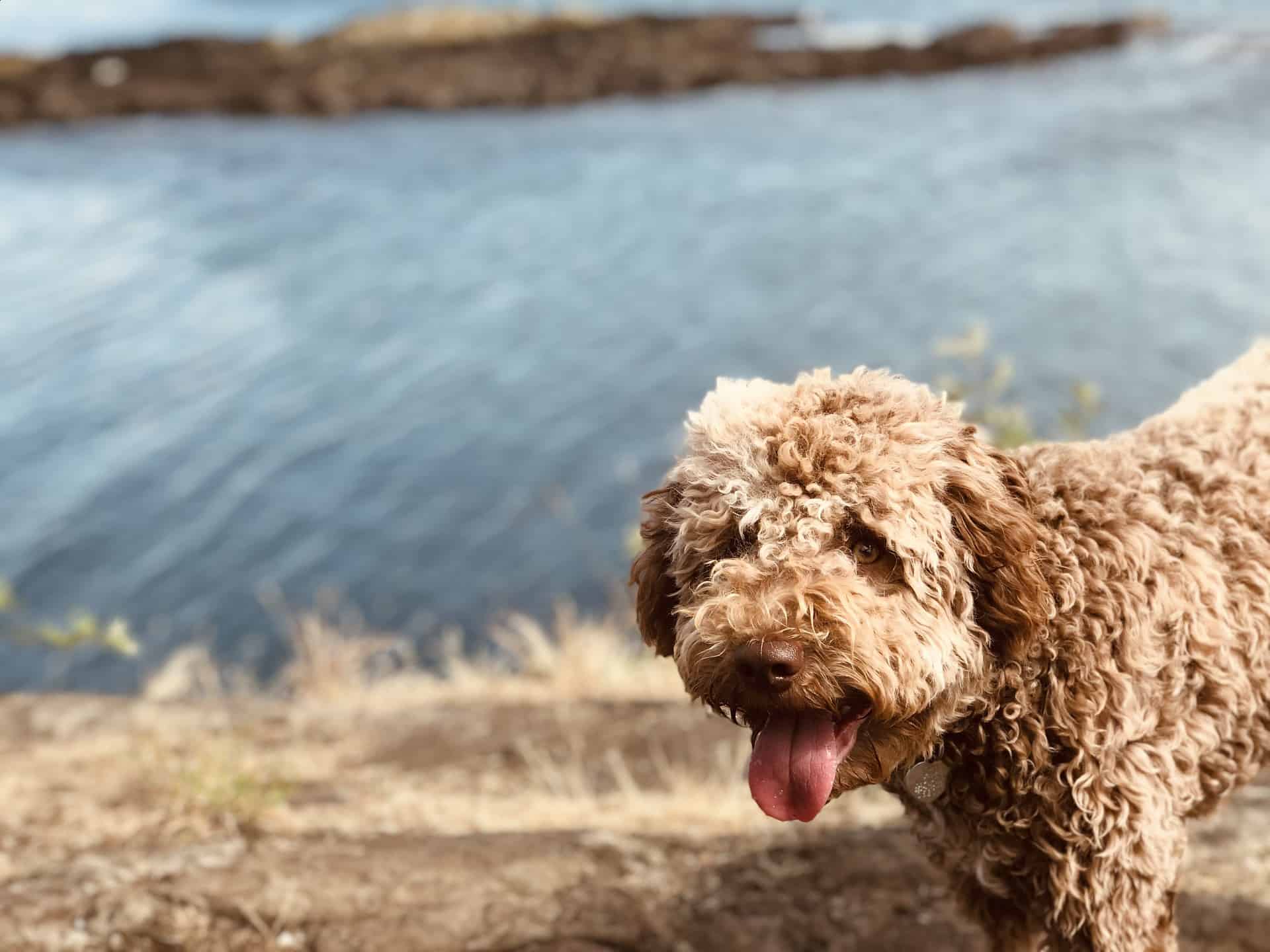
Purpose & Origin
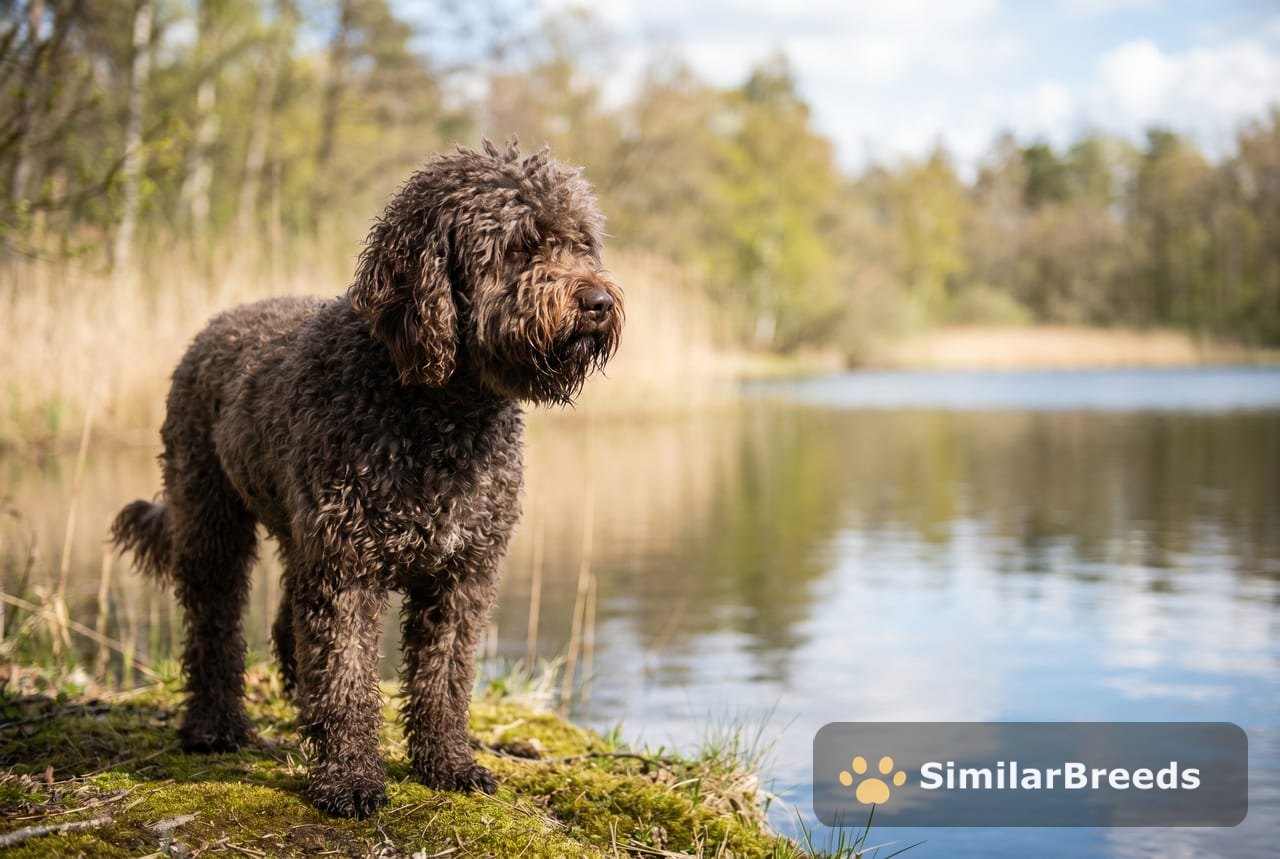
The Lagotto Romagnolo's history divides into two chapters. Its ancestors were water retrievers working the Ravenna lagoons of northern Italy from around the 16th century. The name reflects both roles: *lagotto* derives from the Italian word for lake, and *Romagnolo* points to the northern district where the breed settled. When the lagoons were drained for agriculture, hunters turned the dog to truffle detection, a task it performs better than any other breed. Truffle hunters called it "the King of the Woods."
The breed nearly disappeared in the 20th century as truffle men crossed it with unrelated dogs, giving it a reputation as a scrappy mongrel. Enough original type survived, and organised breeding in the 1970s stabilised it. The Club Italiano Lagotto formed in 1988 and the FCI granted full recognition in 1993.
Temperament & Behaviour
The Lagotto bonds closely with its family and expects to be part of daily life. It is affectionate and generally good with children, but can be shy with strangers if not socialised as a puppy. That wariness traces to working ancestry: a dog bred to operate independently in woodland will assess novelty before engaging with it. Early exposure to different people and environments matters more than with many sporting breeds.
The strong nose that makes it a truffle specialist also makes it a persistent investigator. Expect digging and an interest in every corner of the yard. This curiosity is an asset channelled into scent work; without an outlet it becomes destructive.
Activity & Training
The Lagotto needs around an hour of active work daily, not just a garden wander. It does best when exercise includes mental engagement: nosework classes, scent games, or actual truffle training are the natural fit. The breed is intelligent and picks up new tasks quickly, responding well to reward-based methods. It has the independent judgment of any working dog that operates out of sight, so training should reward engagement rather than trying to suppress initiative. Agility and obedience sport also suit it well.
Grooming
The dense, woolly curls will felt into tight mats if left unattended. Brush thoroughly every week or two and trim fully every six to eight weeks. The coat is low-shedding, which suits allergy-prone households, but that advantage disappears if grooming lapses. Ears need regular checking because dense hair around them traps moisture and raises infection risk.
Health
The Lagotto is long-lived for its size: 15 to 17 years is typical. Three heritable conditions matter. Hip dysplasia warrants screening on breeding stock. Juvenile epilepsy occurs in the breed but usually resolves by around four months of age. Lagotto Storage Disease (LSD), a progressive neurological disorder, is caused by a known recessive mutation with a DNA test available. Ask any breeder for test results on both parents.
Why these breeds are similar
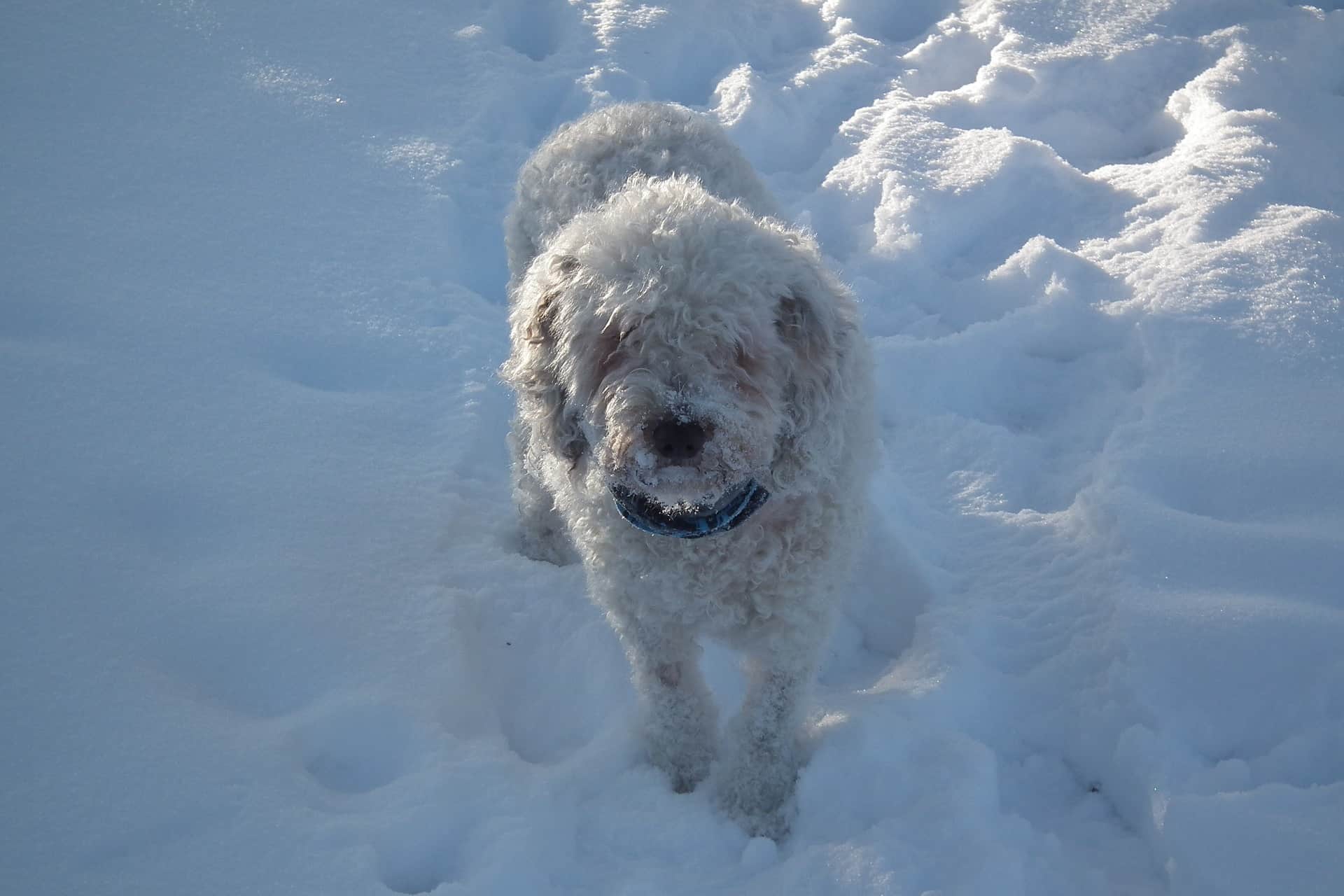
**Spanish Water Dog** is the closest parallel: another Mediterranean water-retriever turned multipurpose working dog, with the same woolly curled coat, strong nose, and alert, independent temperament.
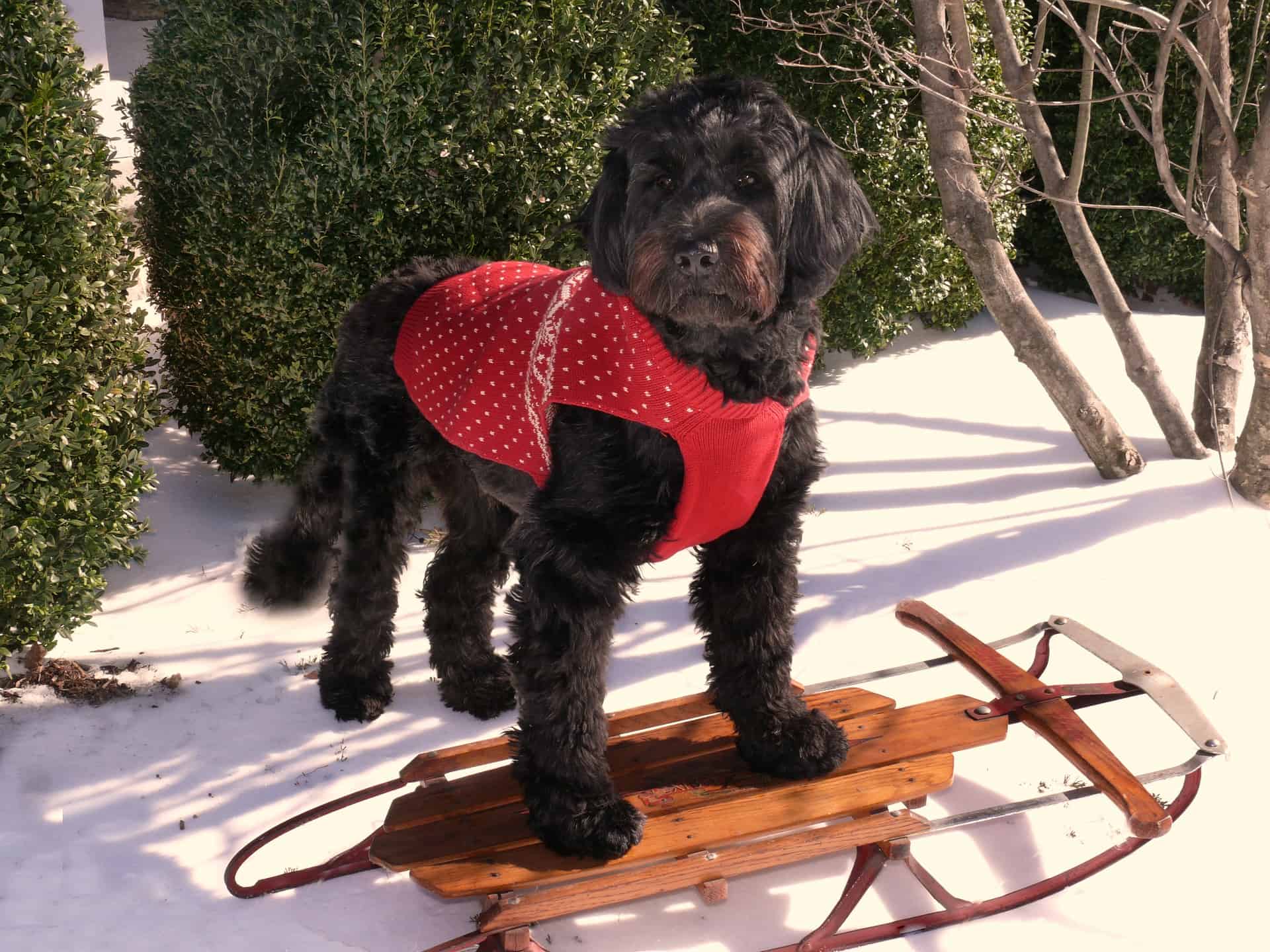
**Portuguese Water Dog** shares the water-retrieval ancestry and dense curly coat. It is larger and more exuberant, but the working drive, low-shed coat, and need for daily active engagement are directly comparable.
**Barbet** is a French curly-coated water dog from the same ancient lineage. It is calmer indoors and somewhat larger, but coat texture, grooming demands, and retriever-bred biddability align closely.
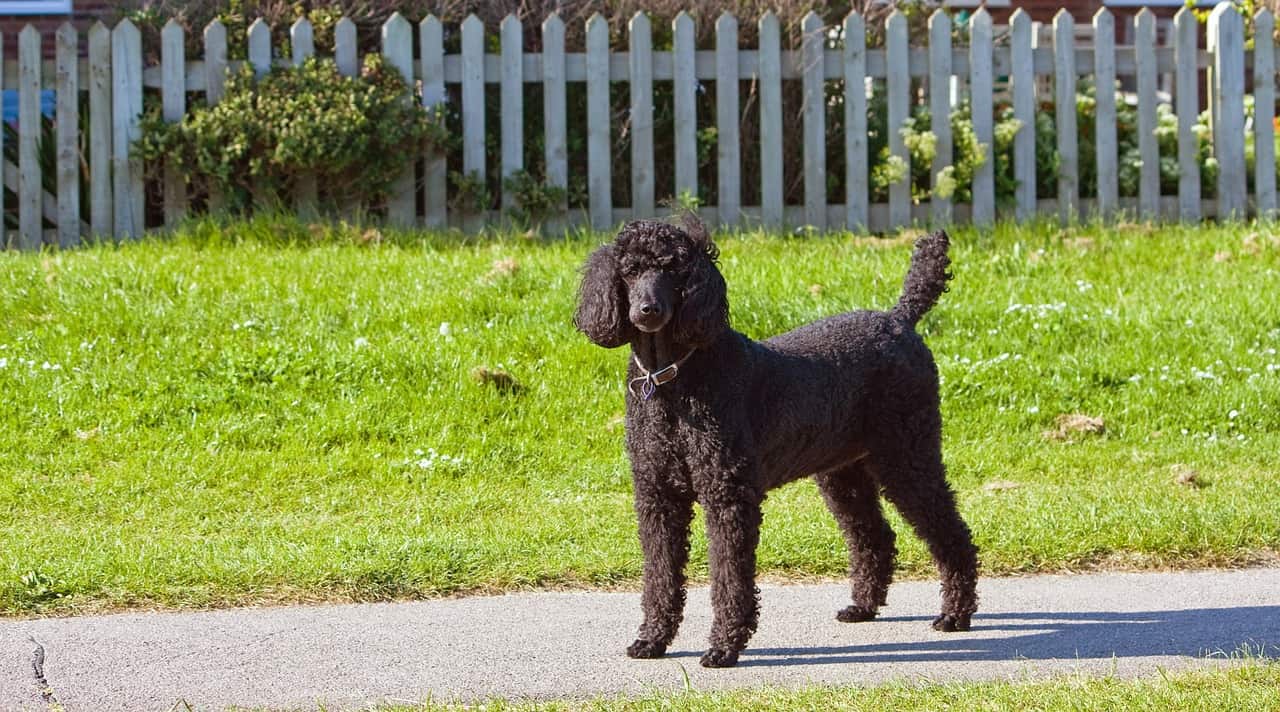
**Poodle (Standard)** likely shares ancestors through the broader curly-coated water-dog family. The Standard Poodle is bigger and more versatile across dog sports, but the curly low-shed coat and intelligent, active nature make the comparison obvious. The Lagotto is earthier and more scent-driven.