Purpose & Origin
Hare hunting had become a widespread sport in England by the fourteenth century, and the dogs doing that work were almost certainly Beagle types. The name itself may derive from old French words meaning "open throat," a nod to the breed's distinctive melodious bay, though Celtic and old English roots for "small" are also proposed. The word Beagle appears in written records from 1475 onward.
Hunters valued these dogs precisely because they could be followed on foot, and the smallest "pocket" varieties, measuring around nine inches, moved slowly enough that even elderly or infirm followers could keep pace. By the 1800s, several size variants existed. The breed reached America by 1642, though the Southern dogs of the pre-Civil War era looked quite different from English stock.
English imports after the war established the modern American Beagle, and by the late nineteenth century it was competing in both field trials and conformation shows. It then quietly became one of the most popular dogs in the country, primarily as a family pet.
Temperament & Behaviour
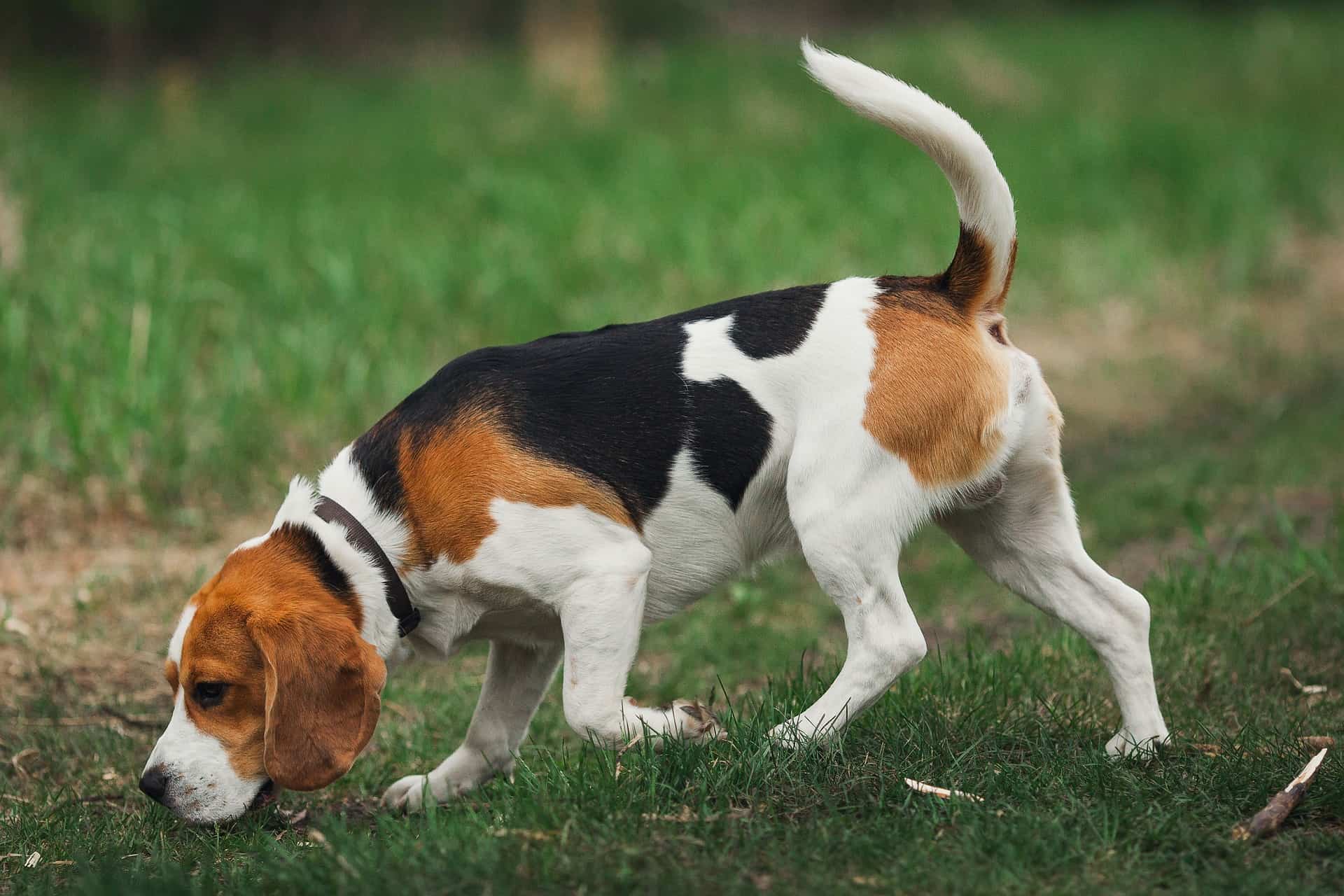
The Beagle is one of the genuinely amiable hounds, bred to work in close company with other dogs and completely at ease with people of all kinds, including children and strangers. It is gentle, tolerant, and enthusiastic in play. That pack background, however, means it needs company, whether human or canine, and it will bark and howl when bored or left alone. The nose takes over outdoors: when a scent trail opens up, a Beagle will follow it single-mindedly and is entirely capable of disappearing. It is an independent dog that does not defer easily to commands, which makes recalls unreliable off-lead and frustrating for owners expecting quick obedience.
Activity & Training
Exercise requirements are moderate. A long daily walk on-lead or a run in a securely fenced area keeps the Beagle satisfied. The fencing matters: a garden with gaps or a low fence is an invitation to explore. Training is genuinely difficult. The Beagle's ease_of_training score sits at the bottom of the scale, and that reflects reality. It is not unintelligent; it is independently motivated. Food rewards help, but if a scent competes with your treat, the scent usually wins. Patience, consistency, and a sense of humour are more useful than authority.
Grooming
The Beagle's short, dense coat is about as low-maintenance as a dog gets. Occasional brushing removes loose hair and keeps the coat looking tidy, and baths are only needed when the dog has rolled in something. Ear checks matter more than coat work, as the drop ears limit airflow and can trap moisture.
Health
The Beagle is a generally robust breed with a life expectancy of twelve to fifteen years. The main structural concern is intervertebral disk disease, and hip dysplasia appears as a noted risk. Owners should also watch for eye conditions and hypothyroidism. DNA testing for Musladin-Leuke Syndrome is available and worth confirming in breeding stock.
Why these breeds are similar
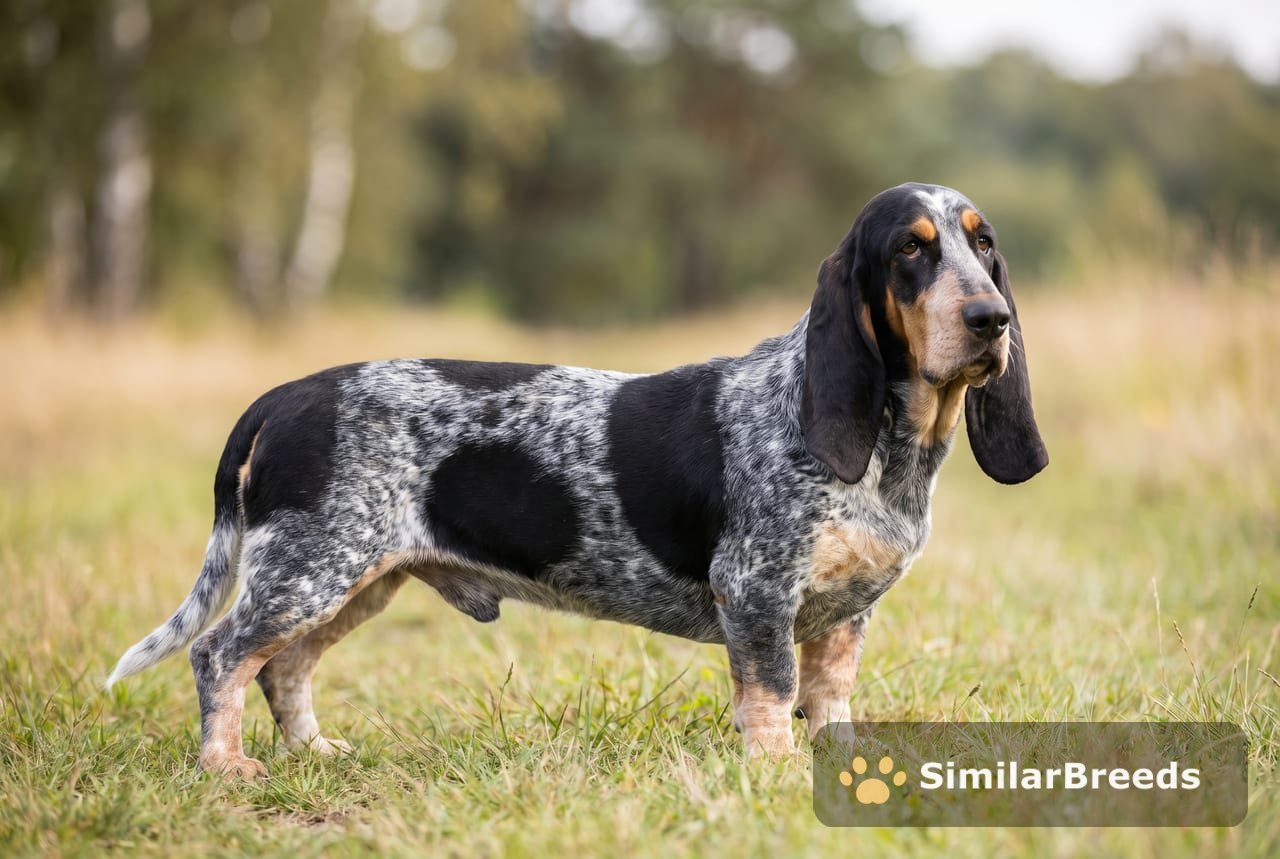
The **Blue Gascony Basset** is a French scent hound built for exactly the same task: trailing game at a pace a hunter on foot can follow, working in a pack, and using its voice freely on a line. Both breeds share the low, methodical hunting style, the pack temperament, and the deep bay.
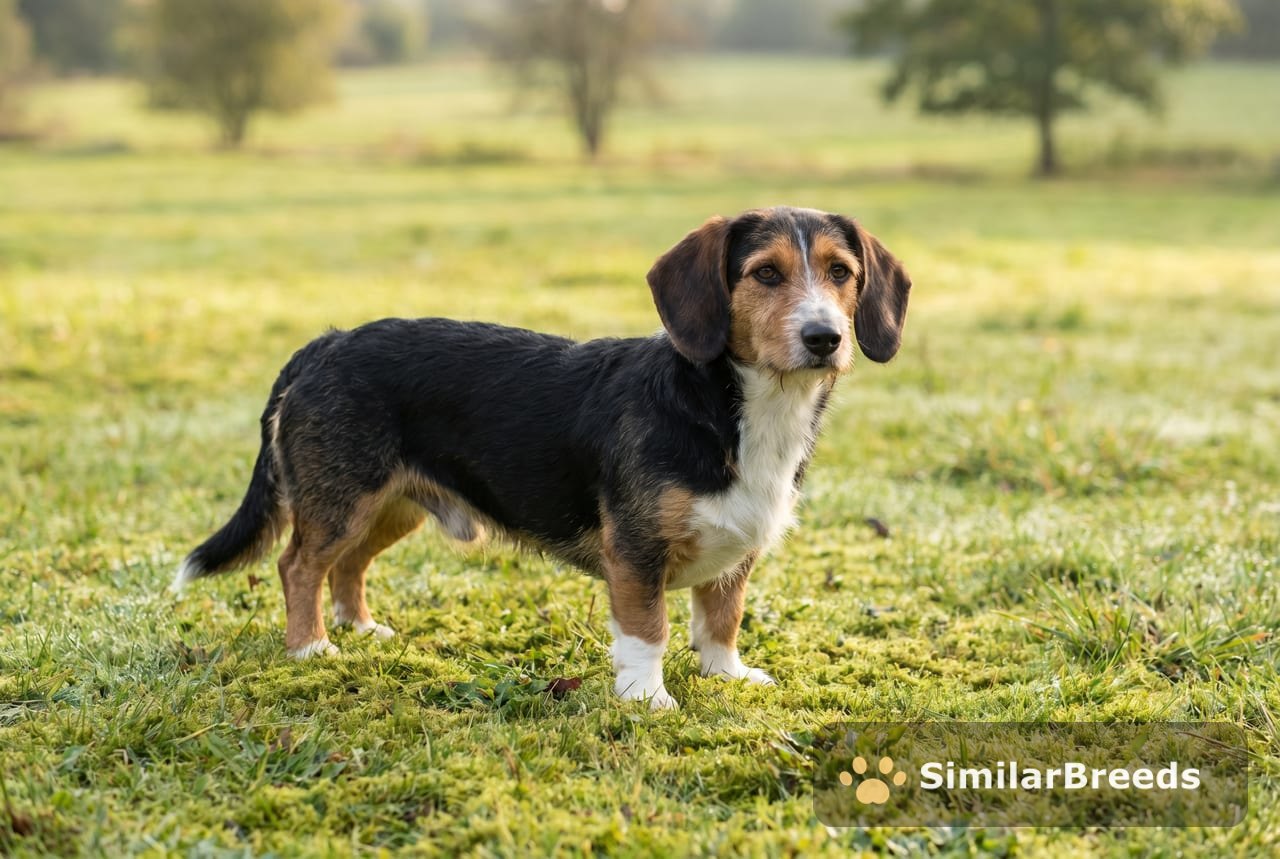
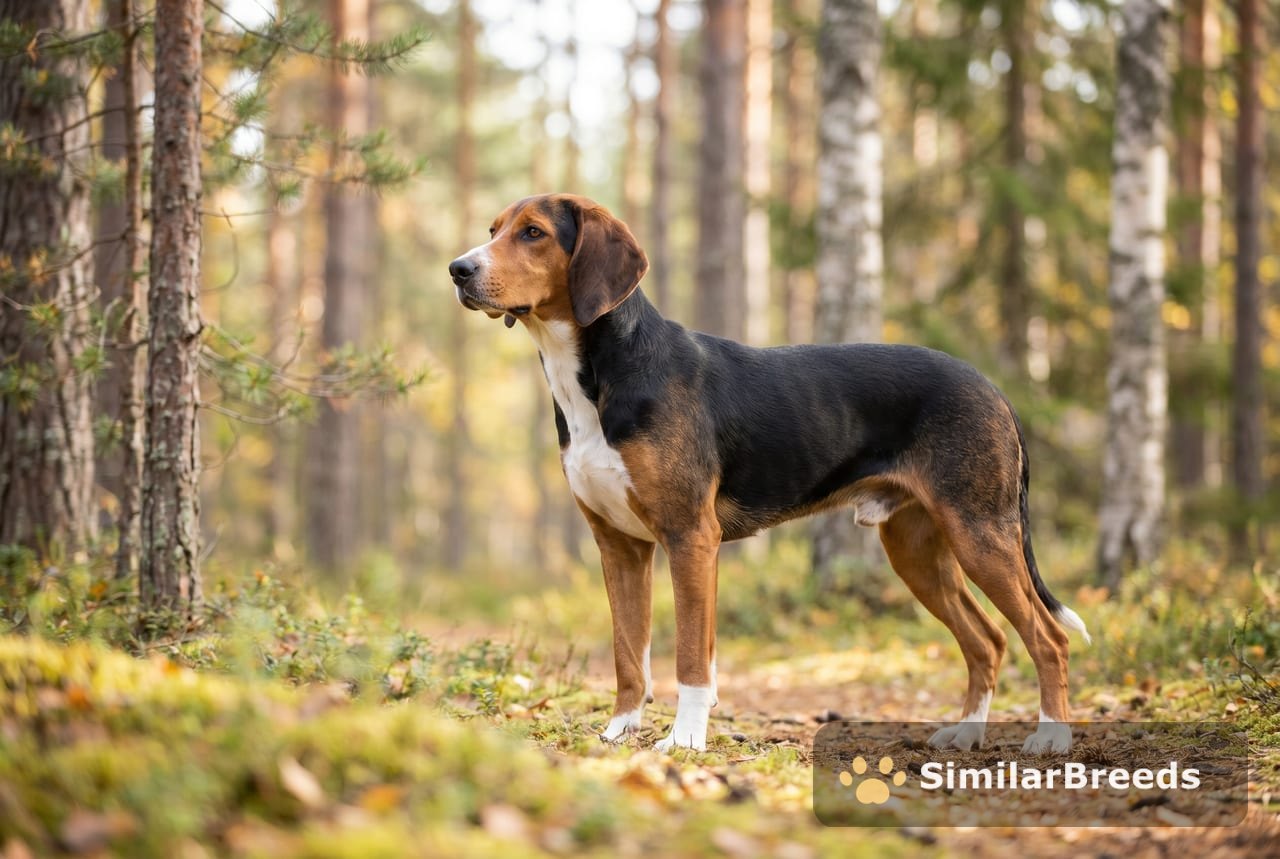
The **Drever** is a Swedish trailing hound bred specifically for deer and hare, small-bodied and persistent, with the same tenacious nose-to-ground drive and cooperative pack instinct that defines the Beagle. The **Finnish Hound** is a close relative in purpose, a medium-sized Scandinavian scenthound used on hare and fox, selected for endurance, voice, and independent tracking ability rather than handler-directed obedience.
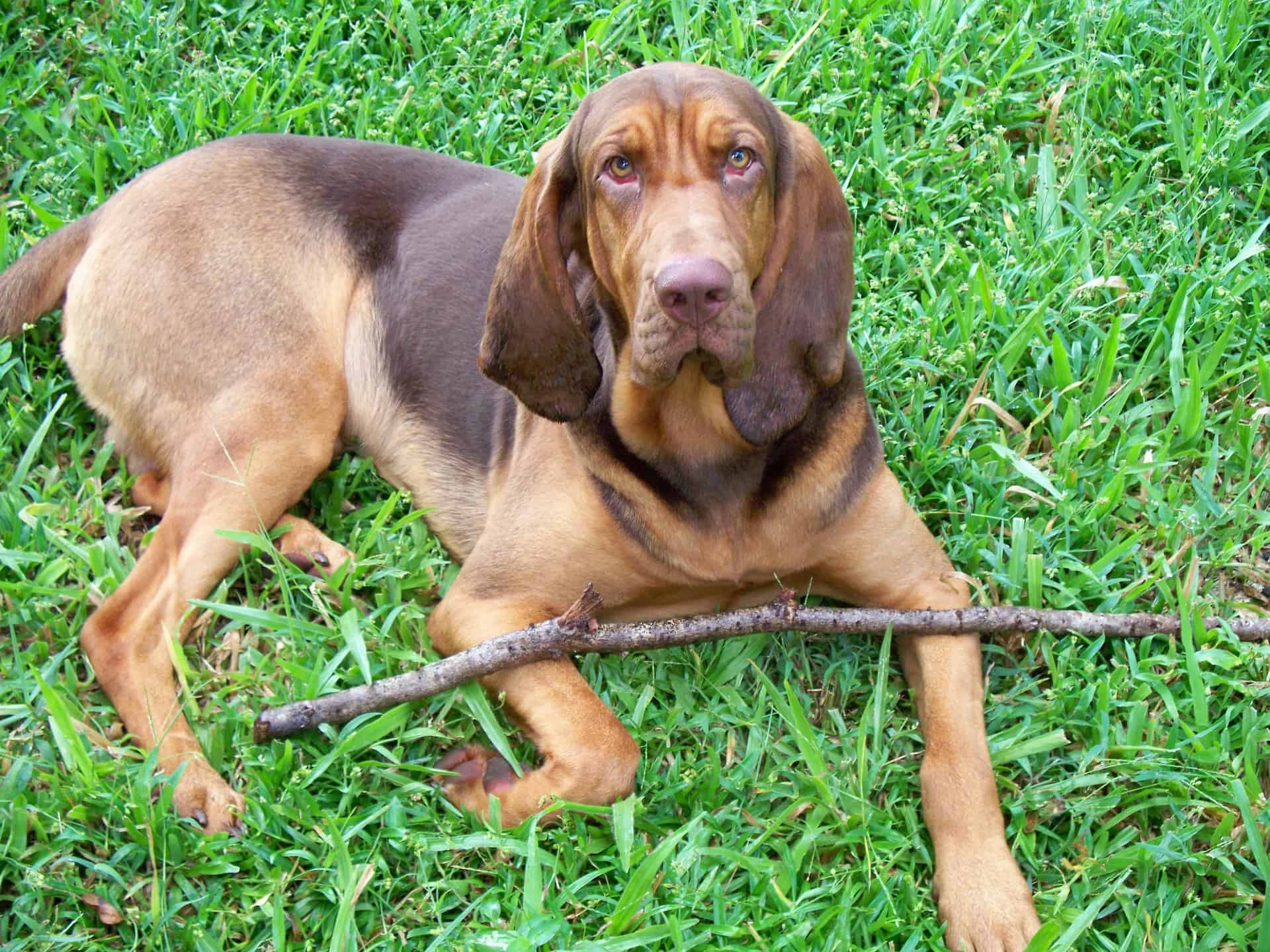
The **Bloodhound** is the outlier in scale but not in kind: it is the purest expression of the scent hound type, with the same obsessive trailing instinct, the same willingness to follow a line for hours regardless of handler input, and the same fundamental independence that makes the whole group rewarding and maddening in equal measure.
Trait ratings
- Energy level
- 3/5
- Exercise requirements
- 3/5
- Playfulness
- 4/5
- Affection level
- 5/5
- Friendliness toward dogs
- 5/5
- Friendliness toward other pets
- 5/5
- Friendliness toward strangers
- 5/5
- Ease of training
- 1/5
- Watchdog ability
- 4/5
- Protection ability
- 1/5
- Grooming requirements
- 1/5
- Cold tolerance
- 3/5
- Heat tolerance
- 3/5