Drever
From Sweden
Purpose & Origin
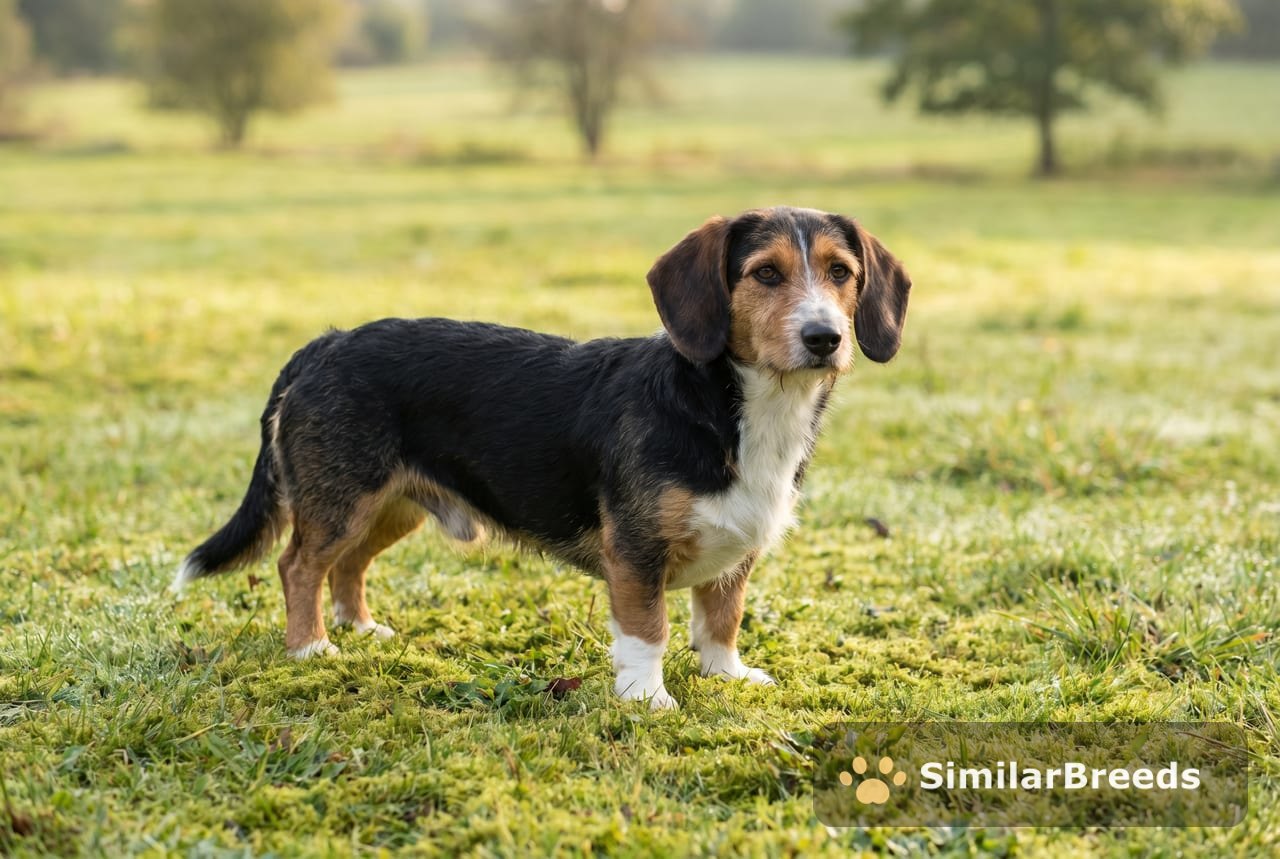
The Drever is a Swedish short-legged scenthound developed primarily to drive game toward waiting hunters on foot. Its most important ancestors were the Westphalian Dachsbrackes imported into Scandinavia, which first produced the Danish Basset and then, through further development in Sweden, the Drever. The first recorded litter dates to 1913. The breed's popularity surged in the late 1930s as Sweden's roe deer population grew rapidly, and the Swedish Kennel Club granted official recognition in 1949. The name itself, formally adopted in 1947, means "hunter" in Swedish.
Quarry ranges from hare and fox to roe deer and, remarkably, wild boar. Against a cornered boar the Drever relies on circling and persistent barking rather than physical contact, holding the animal in place until hunters arrive. In deep snow the dog reportedly "swims" forward, using its short legs and outsized feet as paddles. Despite genuine popularity inside Sweden, with some 2,000 registrations a year reported by the 1980s, the breed remains little known outside Scandinavia. The Canadian Kennel Club recognised it in 1956.
Temperament & Behaviour
The Drever is determined, friendly, and energetic without tipping into hyperactivity indoors. It has a loud, musical voice that served it well in dense Swedish forest cover and will carry equally well across a suburban neighbourhood. That voice needs to be factored into any living situation. The breed is non-aggressive with people and other dogs, and its affectionate, even-tempered nature has made it a popular family companion in Sweden alongside its working role. Like most scenthounds it carries an independent streak, following its nose with conviction once a scent registers.
Activity & Training
This is an active hunting dog that needs genuine daily exercise, not just a garden wander. Long walks or off-lead runs in a securely fenced area suit it well. Its nose governs its attention outdoors, so reliable recall requires consistent work from an early age. Training is achievable but demands patience: the Drever responds better to reward-based methods than to corrections. Stubbornness when it has decided a scent is worth pursuing is characteristic, not a training failure. Mental stimulation through scent games or tracking work helps channel that drive.
Grooming
The coat is short, dense, and weather-resistant, the same practical design that lets the breed work through wet Swedish forest undergrowth. Maintenance is minimal: a weekly brush to remove loose hair, an occasional bath, and routine ear checks. The floppy ears trap moisture and debris, making them the one area that needs regular attention to prevent infection. No trimming and no professional grooming are required.
Health
The Drever is a generally robust working breed with a lifespan of 12 to 14 years. The elongated body and short legs create the same spinal vulnerability seen in Dachshunds and similar builds: intervertebral disc disease is the main structural concern, and keeping the dog lean and avoiding repeated stress on the back, such as jumping from height, reduces risk. Hip dysplasia and ear infections are also noted in the breed. No severe hereditary conditions dominate the health picture, but buyers should ask breeders about hip screening.
Why these breeds are similar
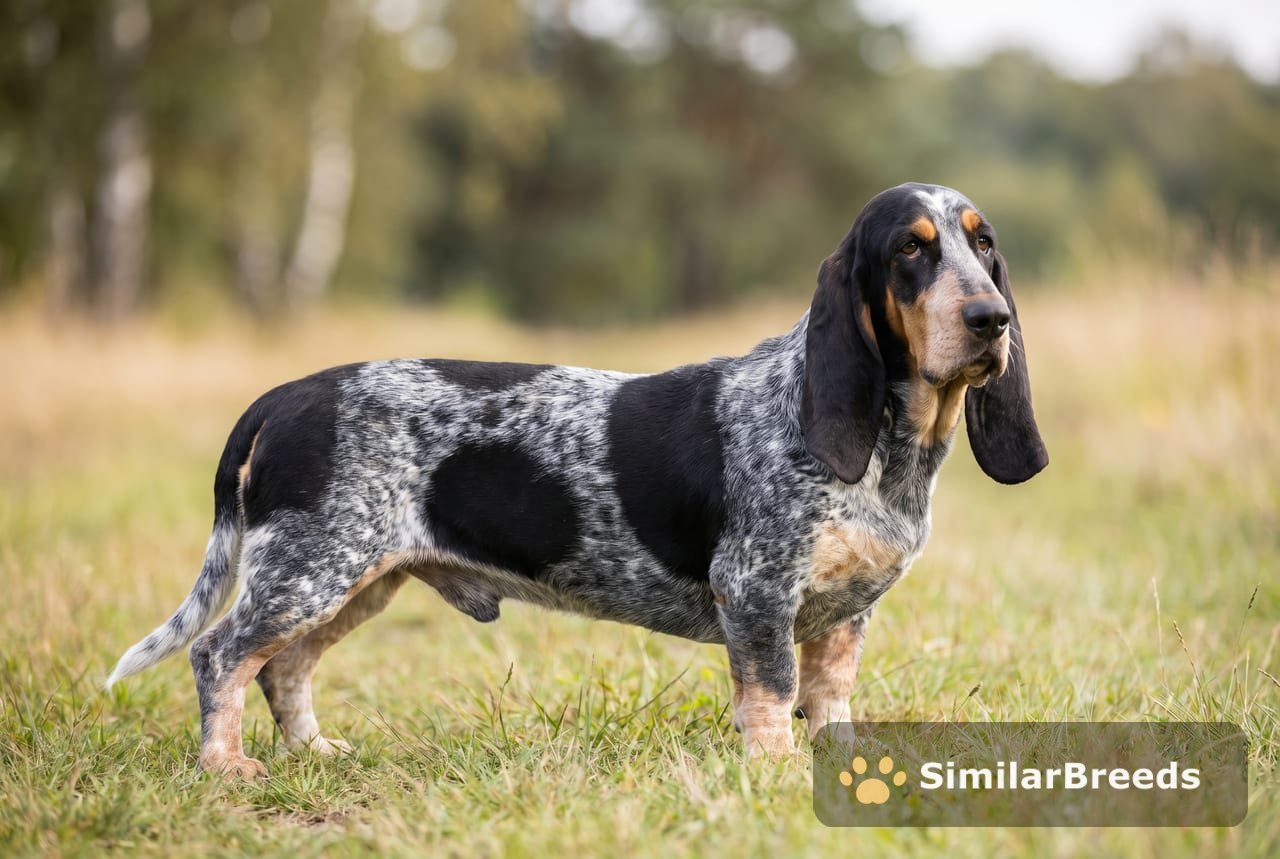
**Blue Gascony Basset:** A French short-legged scenthound from the same broad family of lowset trailing hounds. It shares the Drever's build, purpose, and persistent scenting style, though it is rarer and heavier-boned.
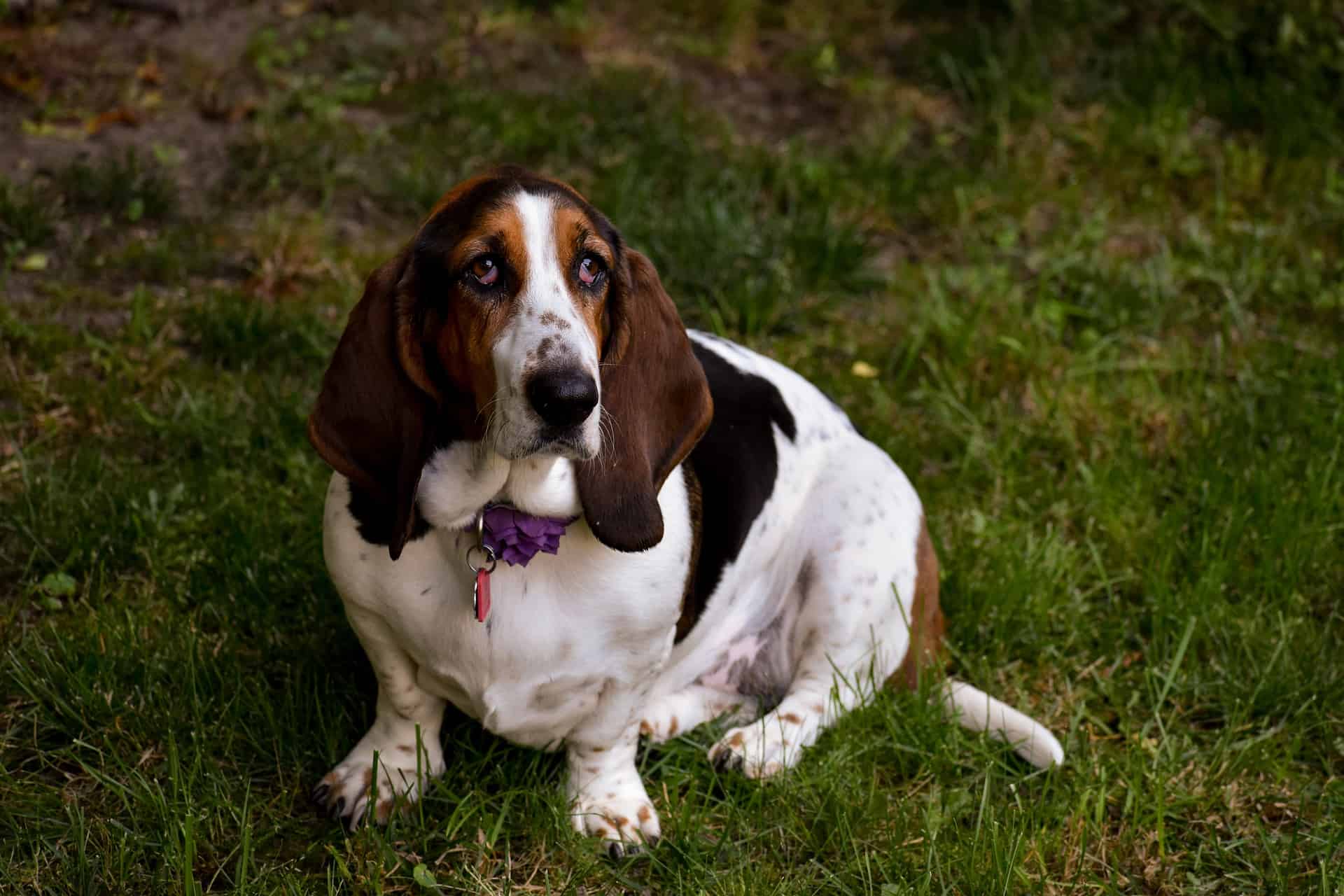
**Basset Hound:** The most recognisable short-legged scenthound, similarly descended from French hound stock and used for slow, methodical game trailing. The Basset is heavier and more deliberate than the Drever, but the trailing instinct, floppy ears, and vocal nature are directly comparable.
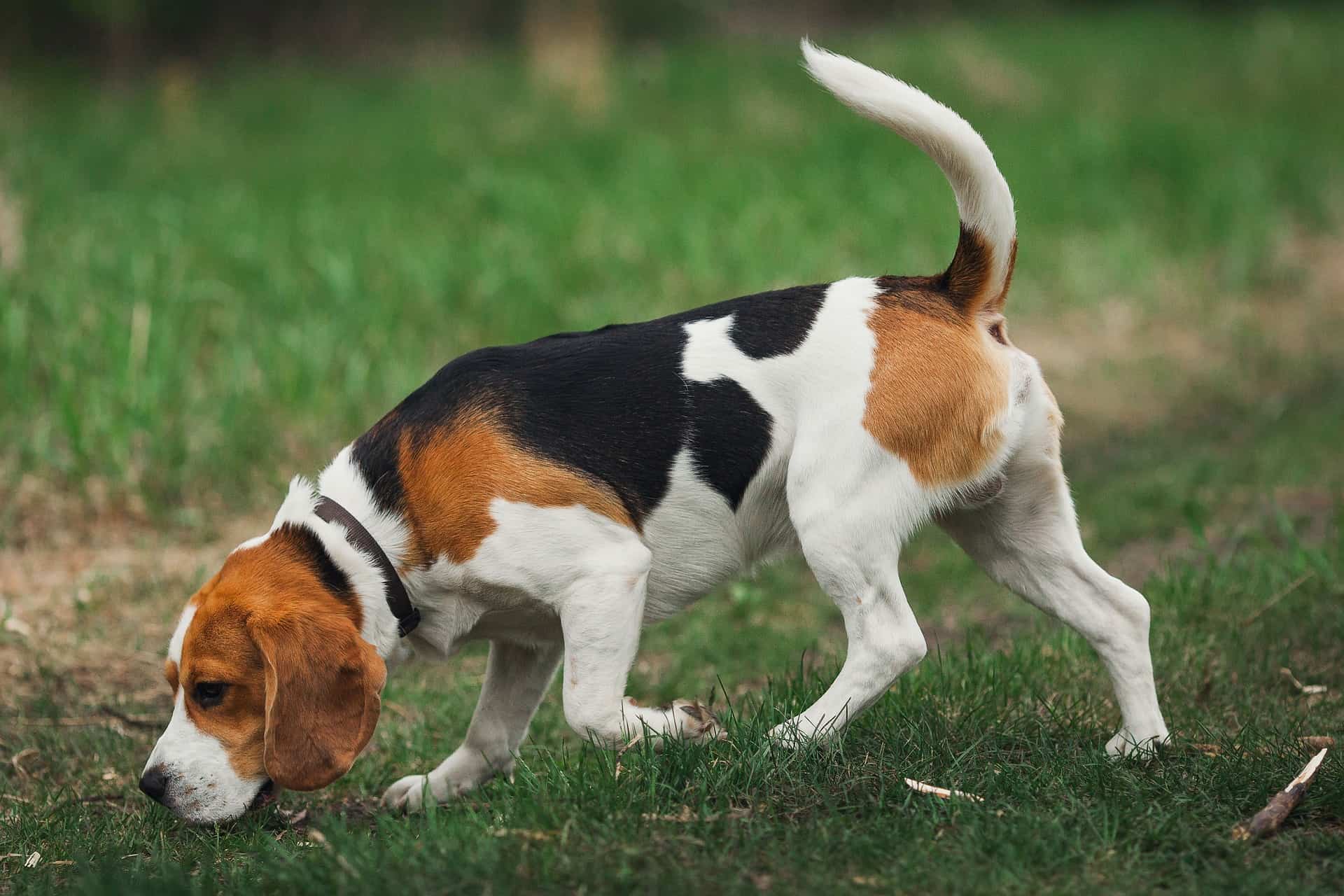
**Beagle:** Compact, pack-oriented, and driven by scent, the Beagle overlaps with the Drever in size, energy level, and independent temperament. Both are popular dual-purpose breeds, equally at home hunting or living as family dogs.
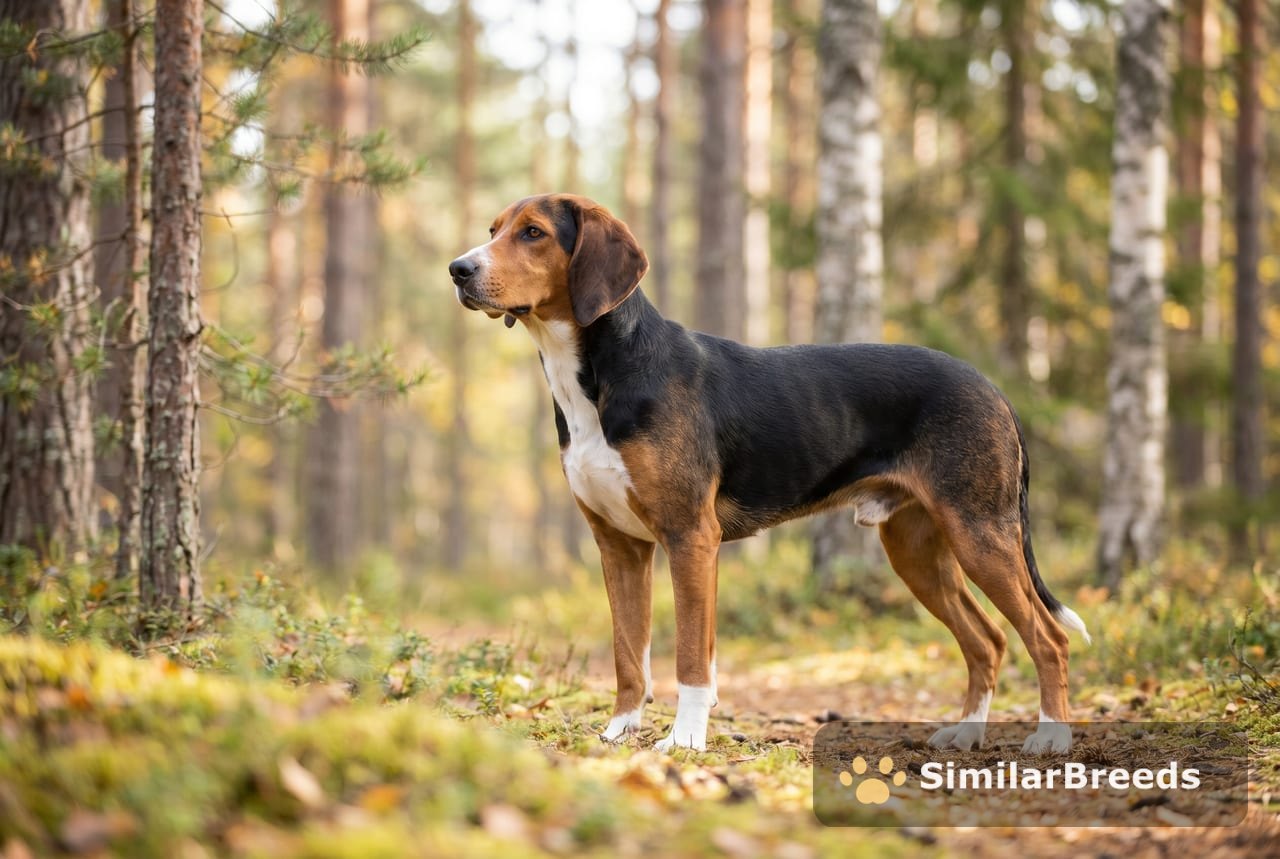
**Finnish Hound:** A Scandinavian scenthound from neighbouring Finland, bred for the same northern forest terrain and similar quarry. It is taller and longer-legged than the Drever but shares the working ethos, loud voice, and friendly disposition typical of Nordic hunting hounds.