Bedlington Terrier
Also known as Rothbury Terrier, Rodbery Terrier, Rothbury's Lamb
From Great Britain
Purpose & Origin
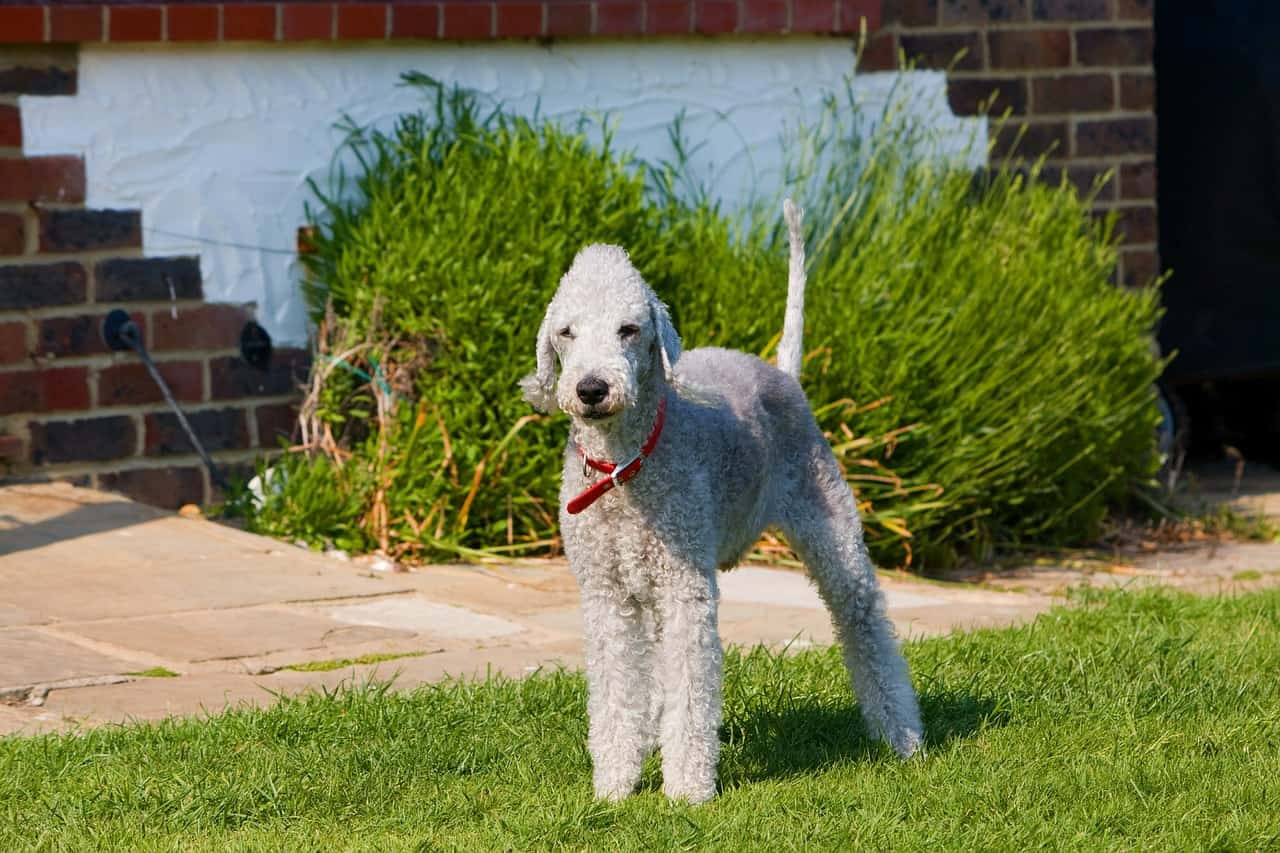
The Bedlington is one of the more unusual members of the terrier group, a working dog that looks like a lamb but acts like a scrapper. It comes from the Hanny Hills of Northumberland, England, where a strain of game terriers known as Rothbury Terriers was developed in the late eighteenth century. In 1825, Joseph Ainsley of Bedlington bred two Rothbury Terriers and gave the offspring their current name. Some historians suggest the Whippet and Dandie Dinmont Terrier contributed to the breed's development, adding speed and coat character respectively, though no documented evidence supports those crosses.
The result was an agile, game terrier used on badger, fox, otter, rats, and rabbits. By the late 1800s the breed had moved into the show ring and into the homes of the affluent, and today the blue coat colour is more popular than the original liver.
Temperament & Behaviour
The Bedlington is the soft end of the terrier world, and that holds for temperament as much as it does for coat. It is affectionate, companionable, and genuinely loyal to its people, content to curl up and enjoy domestic life. It rarely picks fights, but it will not back down when challenged by another dog, and it can be a formidable fighter when pushed. Small animals outdoors will trigger a chase response, as the prey drive never fully switches off. That said, it tends to coexist tolerably with cats and other pets kept indoors. It scores high on watchdog ability, alert and vocal about anything out of the ordinary.
Activity & Training
Exercise needs are moderate. A long daily walk or a vigorous off-lead run in a secure area satisfies the Bedlington, and it genuinely loves to run and chase. "Secure" is worth emphasising: this is a dog that will take off after a moving target and not look back. Training takes patience. The Bedlington is not the easiest terrier to work with, carrying a streak of independence that can read as stubbornness, and it responds poorly to harsh handling. Consistent, reward-based training works, but expect to earn compliance rather than assume it.
Grooming
The coat is the Bedlington's defining feature and its biggest maintenance demand. It is a distinctive mixture of hard and soft hair that does not shed freely, with loose hair clinging to the coat rather than falling to the floor. Weekly combing is necessary to prevent matting, and the coat needs scissoring into shape every six to eight weeks. This is not a wash-and-go dog. Pet owners often use professional groomers for the shaping work; the breed-specific lamb trim requires practice to get right.
Health
The most significant health concern in the breed is copper toxicosis, a hereditary condition in which the liver cannot properly metabolise copper, leading to toxic accumulation. DNA testing and liver biopsy are the recommended screening tools, and responsible breeders test breeding stock. Minor concerns include retinal dysplasia, renal cortical hypoplasia, and distichiasis; patellar luxation is occasionally seen. The typical lifespan is 12 to 14 years.
Why these breeds are similar
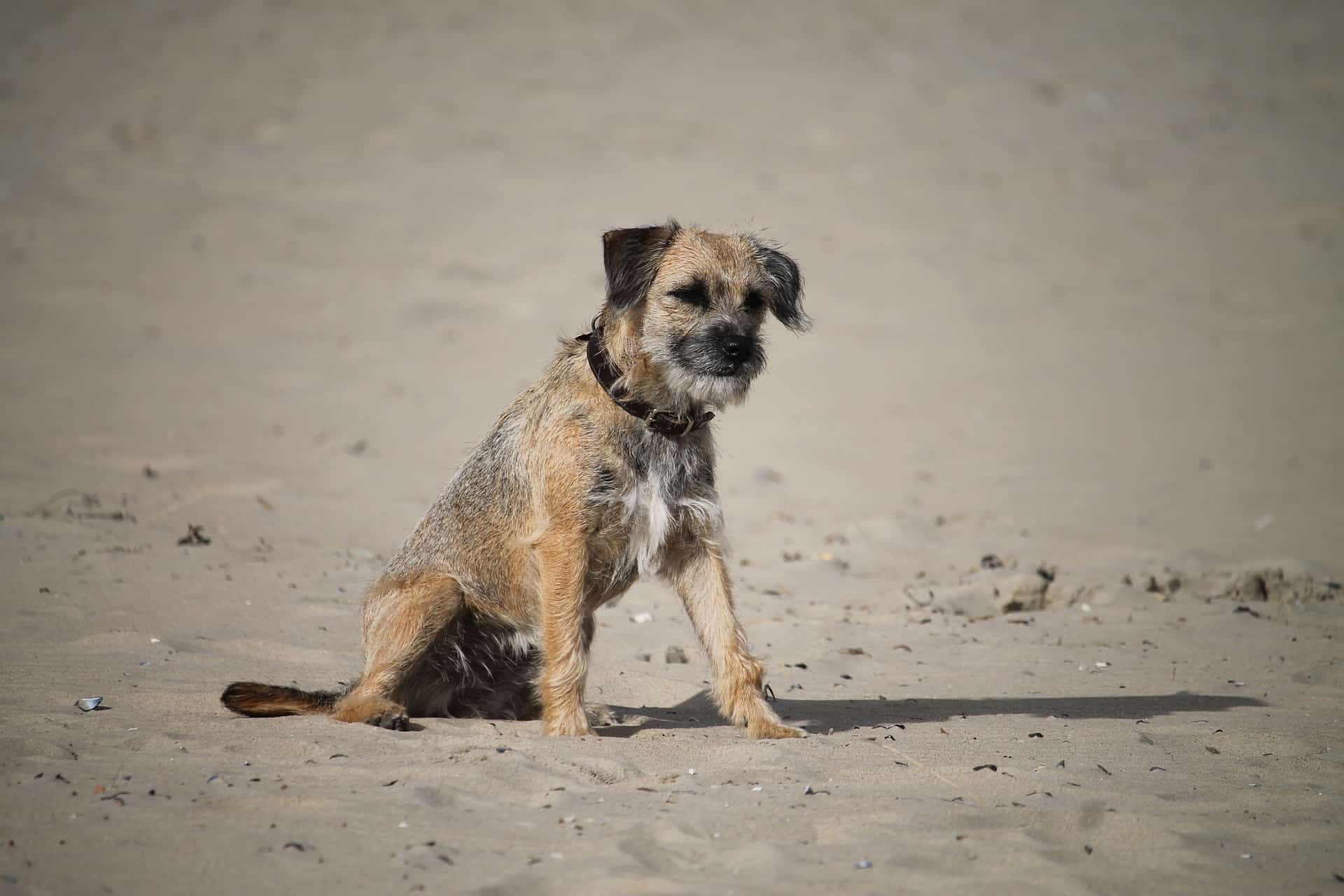
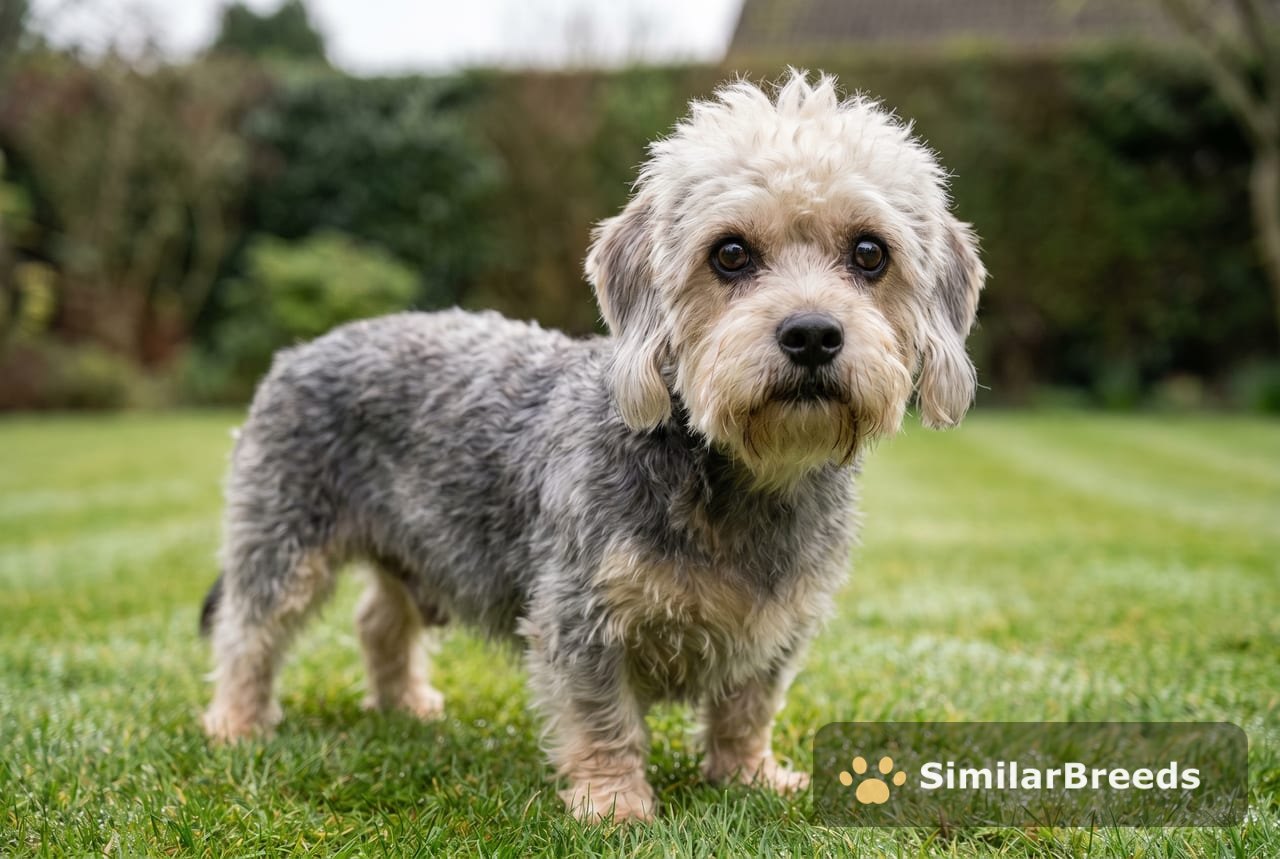
The **Border Terrier** shares the Bedlington's British working terrier roots, built for going to ground on fox and other quarry across rough northern terrain. Both are moderate in size, game in temperament, and better suited to experienced terrier owners than to novice households. The **Dandie Dinmont Terrier** is the closest historical cousin, a breed some historians believe may have contributed to the Bedlington's development. The Dandie shares the arched topline, the distinctive head, and the same general working terrier character.
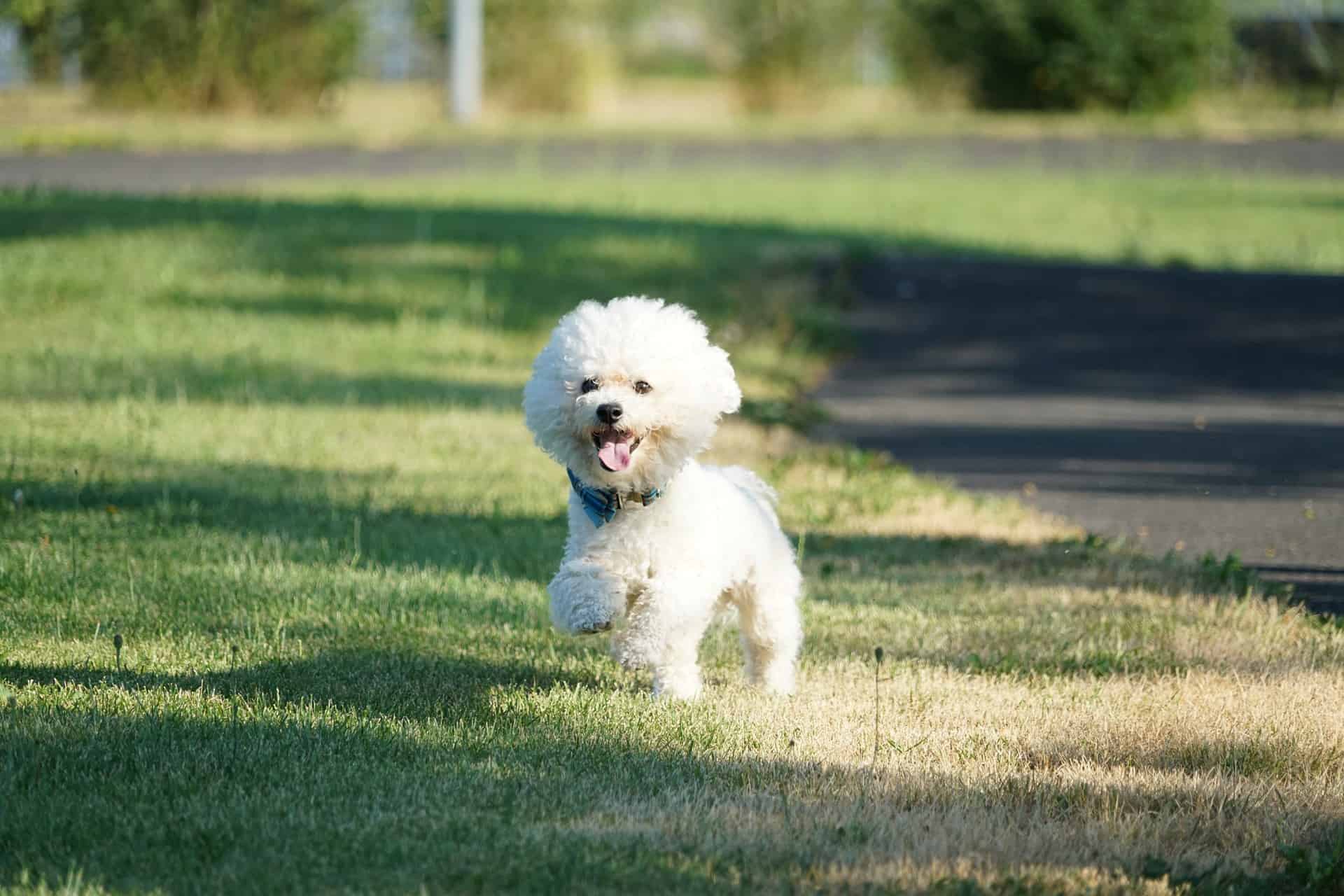
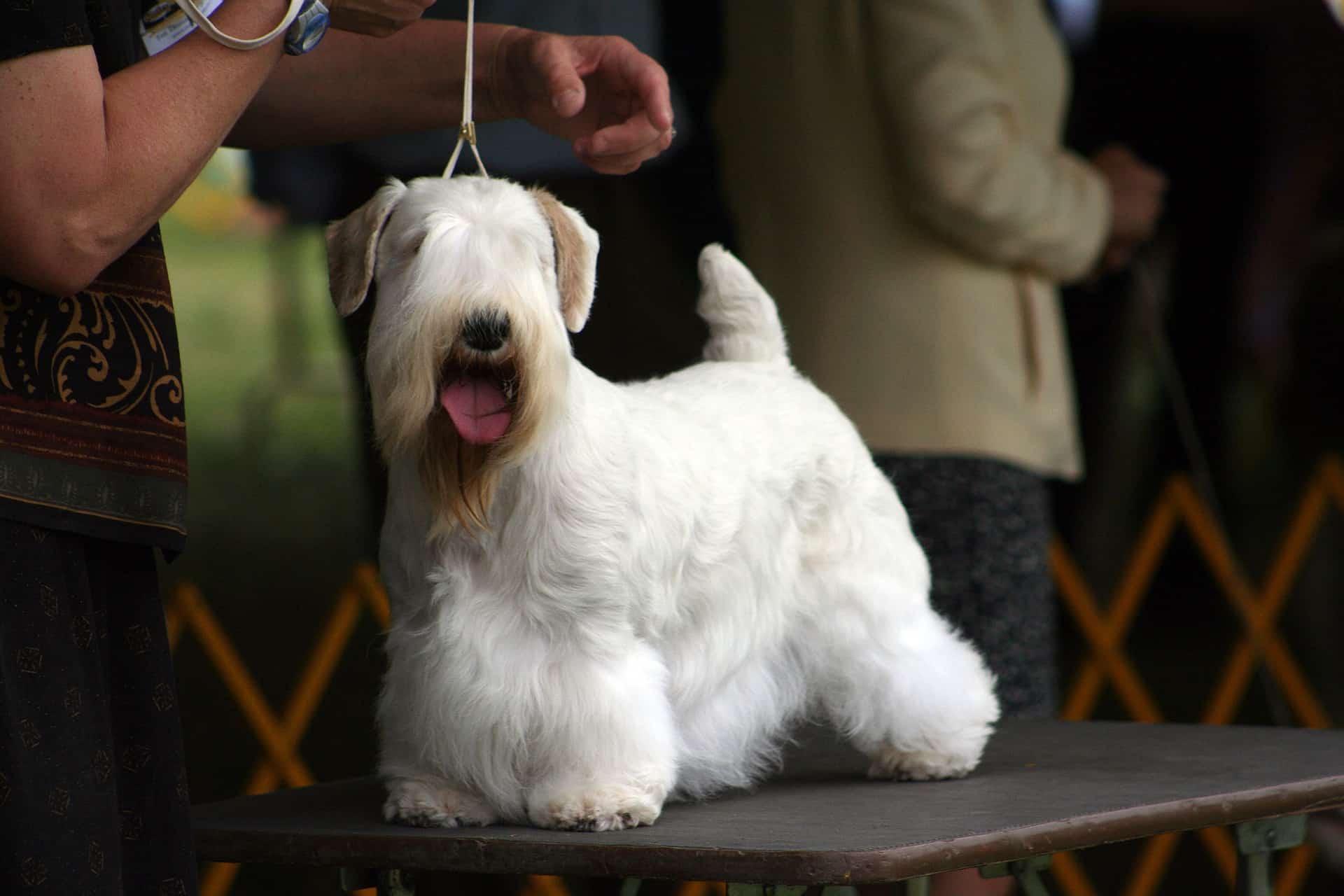
The **Sealyham Terrier** is another small, tenacious British earth-dog from the same working tradition, similarly low to the ground and similarly demanding in terms of coat maintenance. The **Bichon Frise** is the outlier in this group, linked not by hunting purpose but by coat type: the soft, curly, low-shedding texture that makes the Bedlington look like a lamb finds its closest parallel in the Bichon, and both breeds suit owners who need a reduced-shedding option without going to a single-coated dog.
Trait ratings
- Energy level
- 3/5
- Exercise requirements
- 3/5
- Playfulness
- 3/5
- Affection level
- 3/5
- Friendliness toward dogs
- 3/5
- Friendliness toward other pets
- 2/5
- Friendliness toward strangers
- 4/5
- Ease of training
- 2/5
- Watchdog ability
- 5/5
- Protection ability
- 1/5
- Grooming requirements
- 5/5
- Cold tolerance
- 3/5
- Heat tolerance
- 3/5