Purpose & Origin
The Bichon Frise has always been a companion dog, and it has earned that role more than once. Its roots trace to the Mediterranean, where crosses between the Barbet, a large water dog, and small white-coated dogs produced a group called the barbichons, which split into four distinct types. The Tenerife branch, likely carried to the Canary Islands by Spanish seafarers, was brought back to continental Europe by Italian sailors in the fourteenth century, where it quickly charmed the courts of Francis I and Henry III of France.
The breed's fortunes proved unstable, though. Courtly favour ebbed and flowed, and by the nineteenth century the Bichon had fallen from aristocratic pet to street performer, working alongside organ grinders and peddlers by doing tricks. It survived on personality alone. Two world wars nearly finished the breed, but French breeders stepped in, the FCI formalised a standard in 1933 and gave the dog its current name, and American interest from the 1950s onward secured its future. AKC recognition followed in 1971.
Temperament & Behaviour
This is an openly friendly dog with no real suspicious edge. The Bichon greets strangers, tolerates other dogs and household pets, and handles children well. What drives it is connection: it wants to be with people, and it is as content cuddling on a lap as chasing a ball around the yard. That same attachment means it does not cope well with long periods alone, and boredom or separation anxiety can turn into persistent barking. Housetraining also requires consistent patience, a weak point the breed is known for.
Activity & Training
Despite a moderate exercise requirement, the Bichon carries genuine energy and needs an outlet every day. A brisk walk or a proper run in a fenced yard covers the basics. It is responsive and trainable (ease of training scores a 4 out of 5), so it picks up commands reliably when motivated, though its clownish streak means sessions work better when kept short and positive. The tricks it once performed for a living are not just history; this dog genuinely enjoys learning them.
Grooming
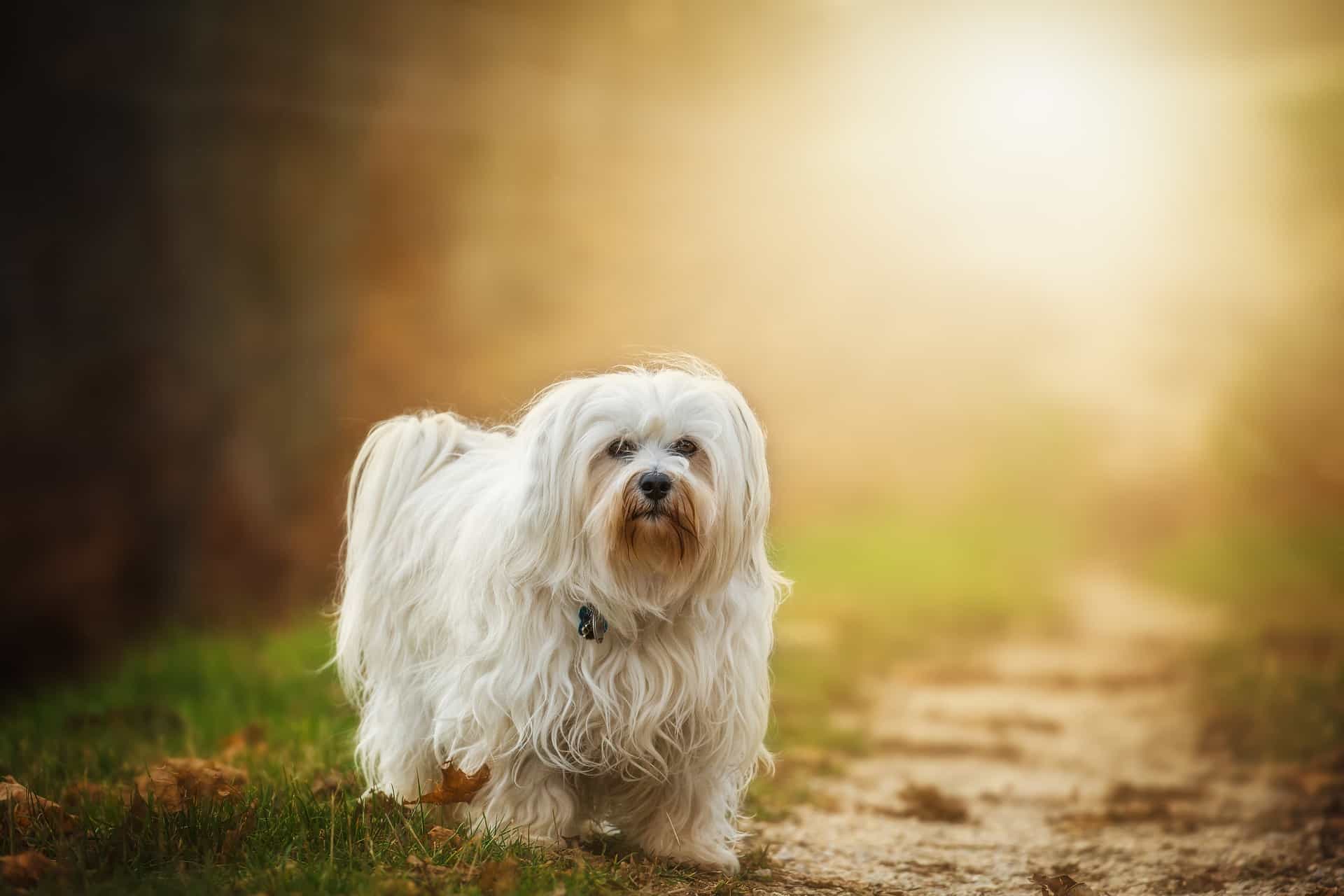
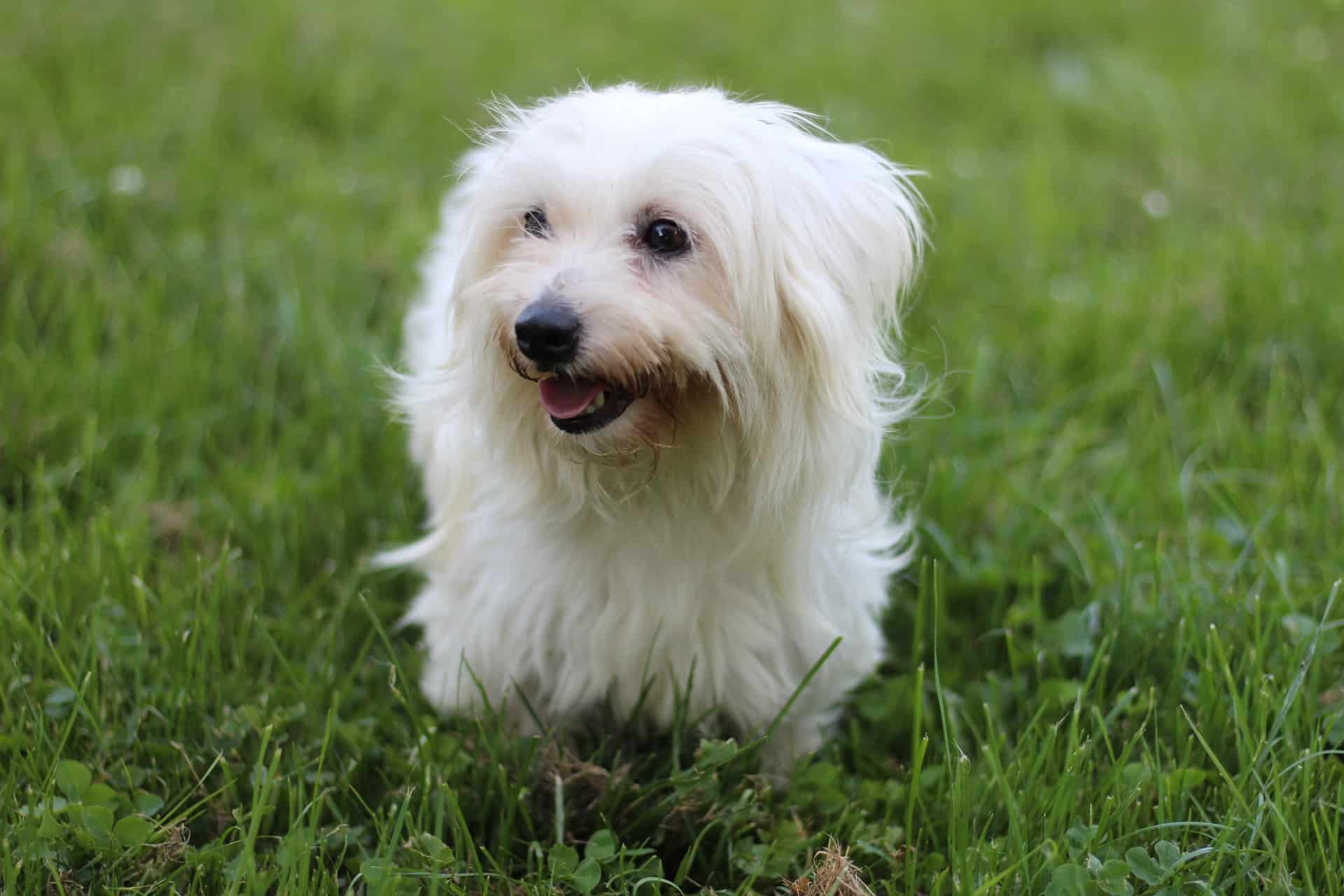
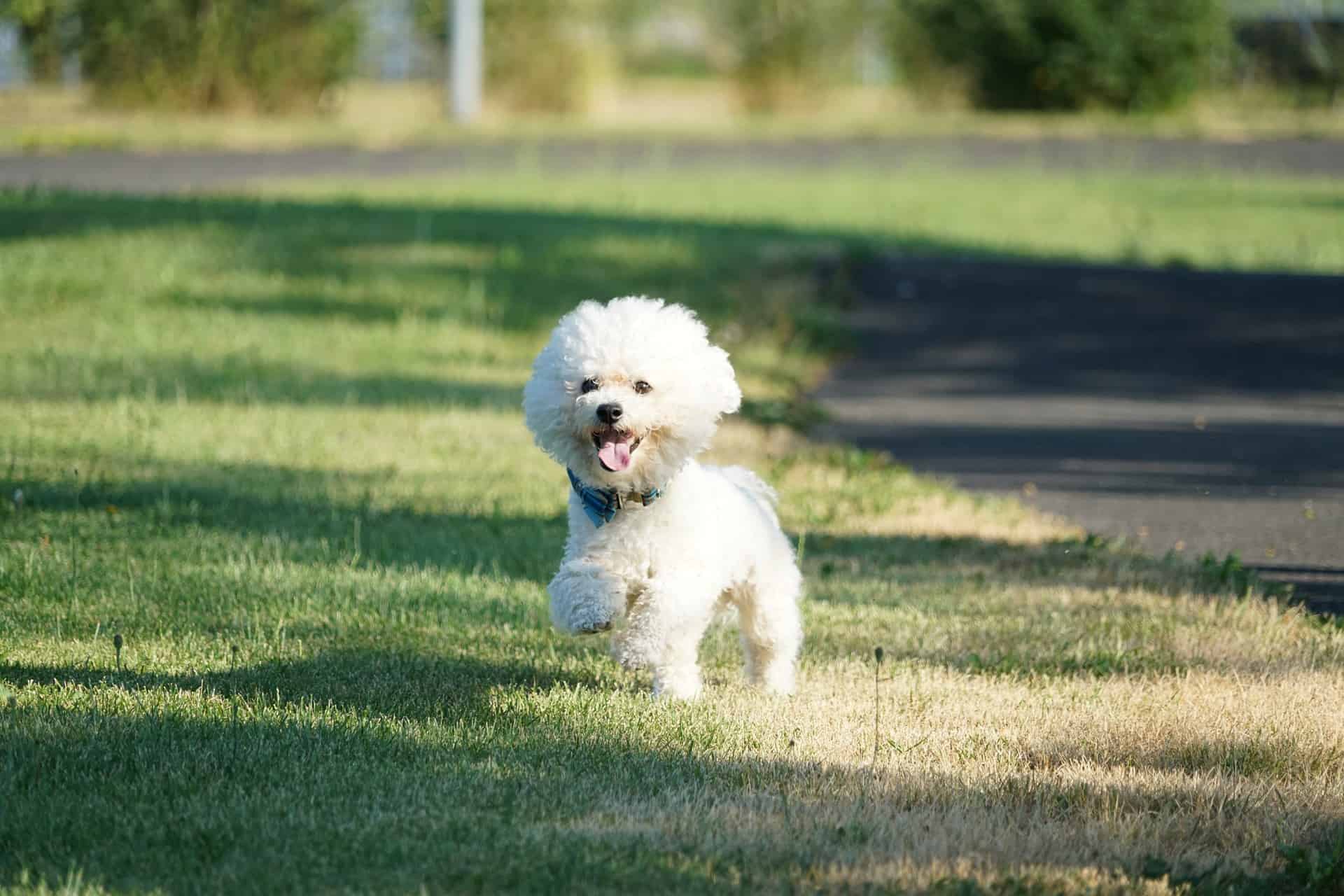
The coat is the Bichon's most demanding feature and deserves to be treated as a real commitment before acquiring one. The dense, curly white double coat does not shed in the usual sense, but loose hairs tangle back into the coat rather than falling away, which means mats form quickly without regular maintenance. Brushing and combing every other day is the minimum, and scissoring or professional trimming is needed once a month. Keeping the coat a clean white can be difficult depending on the dog's environment, and staining around the face is a recurring problem for many owners.
Health
The breed's major concerns include patellar luxation, Cushing's disease, and allergies. Cataracts and canine hip dysplasia appear as minor concerns, with liver disease and Legg-Perthes seen occasionally. Recommended health tests cover hips, knees, eyes, and a DNA test for progressive retinal atrophy. Lifespan is typically 12 to 15 years.
Why these breeds are similar
The Havanese and the Maltese are the Bichon's closest relatives in both ancestry and role. All three descend from the same barbichon lineage, share the small-companion purpose, and carry coats that require serious grooming in exchange for minimal shedding. The Coton de Tulear overlaps on temperament and coat texture, another cheerful, people-focused dog with a dense, low-shedding coat needing frequent attention.
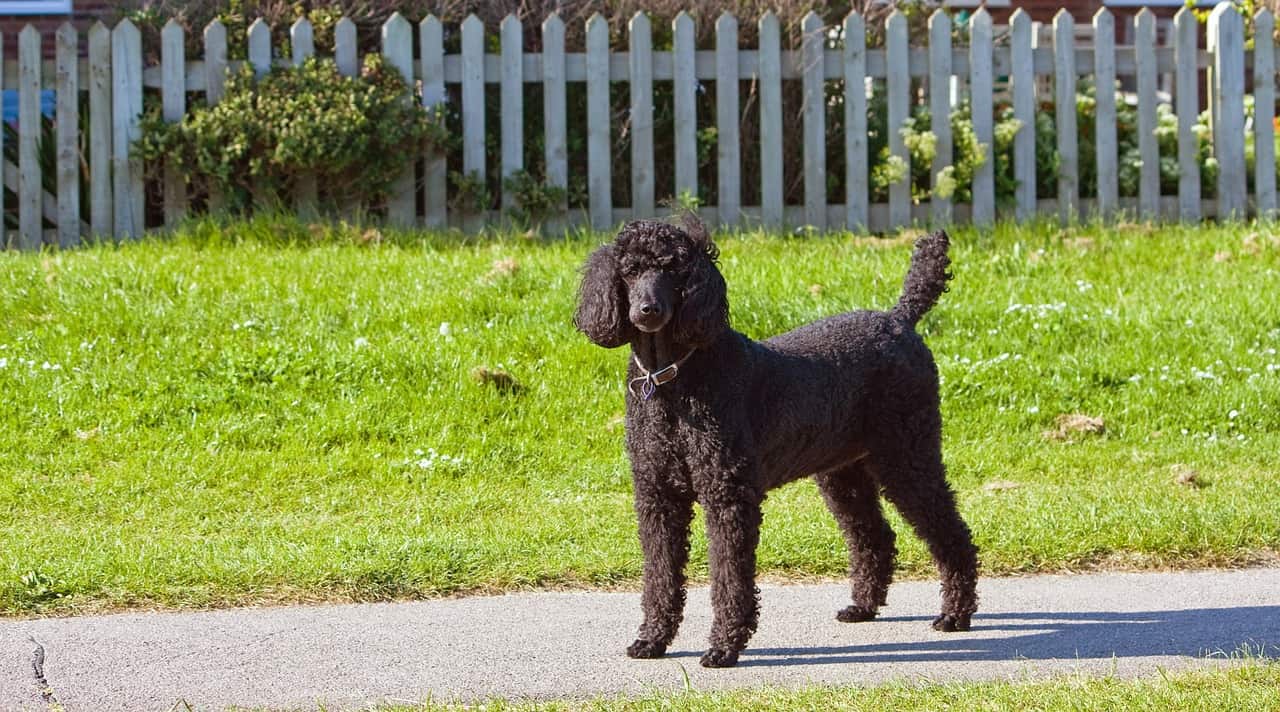
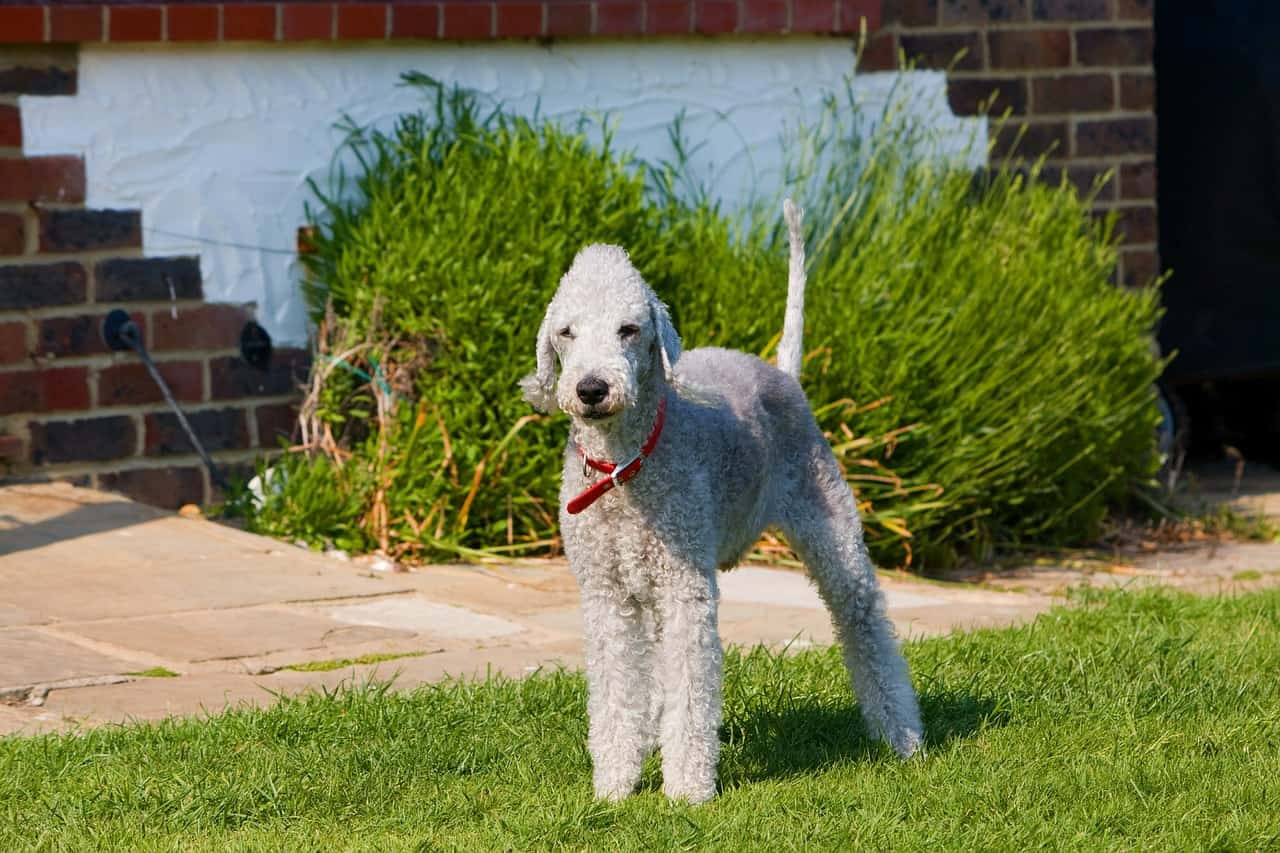
The Shih Tzu arrives from a different origin (Tibetan and Chinese court breeding) but lands in the same practical category: small, affectionate, grooming-intensive, built entirely for human companionship. The Standard Poodle is the largest outlier by size, but the connection runs through coat type, trainability, and the same barbichon ancestry that links the curly, low-shedding dogs of the Mediterranean tradition. The Bedlington Terrier is the most unexpected entry, linked not by history or purpose but by that distinctive curly, near-white coat that gives both breeds their soft, unusual appearance.
Trait ratings
- Energy level
- 4/5
- Exercise requirements
- 2/5
- Playfulness
- 5/5
- Affection level
- 5/5
- Friendliness toward dogs
- 4/5
- Friendliness toward other pets
- 4/5
- Friendliness toward strangers
- 5/5
- Ease of training
- 4/5
- Watchdog ability
- 4/5
- Protection ability
- 1/5
- Grooming requirements
- 5/5
- Cold tolerance
- 3/5
- Heat tolerance
- 3/5