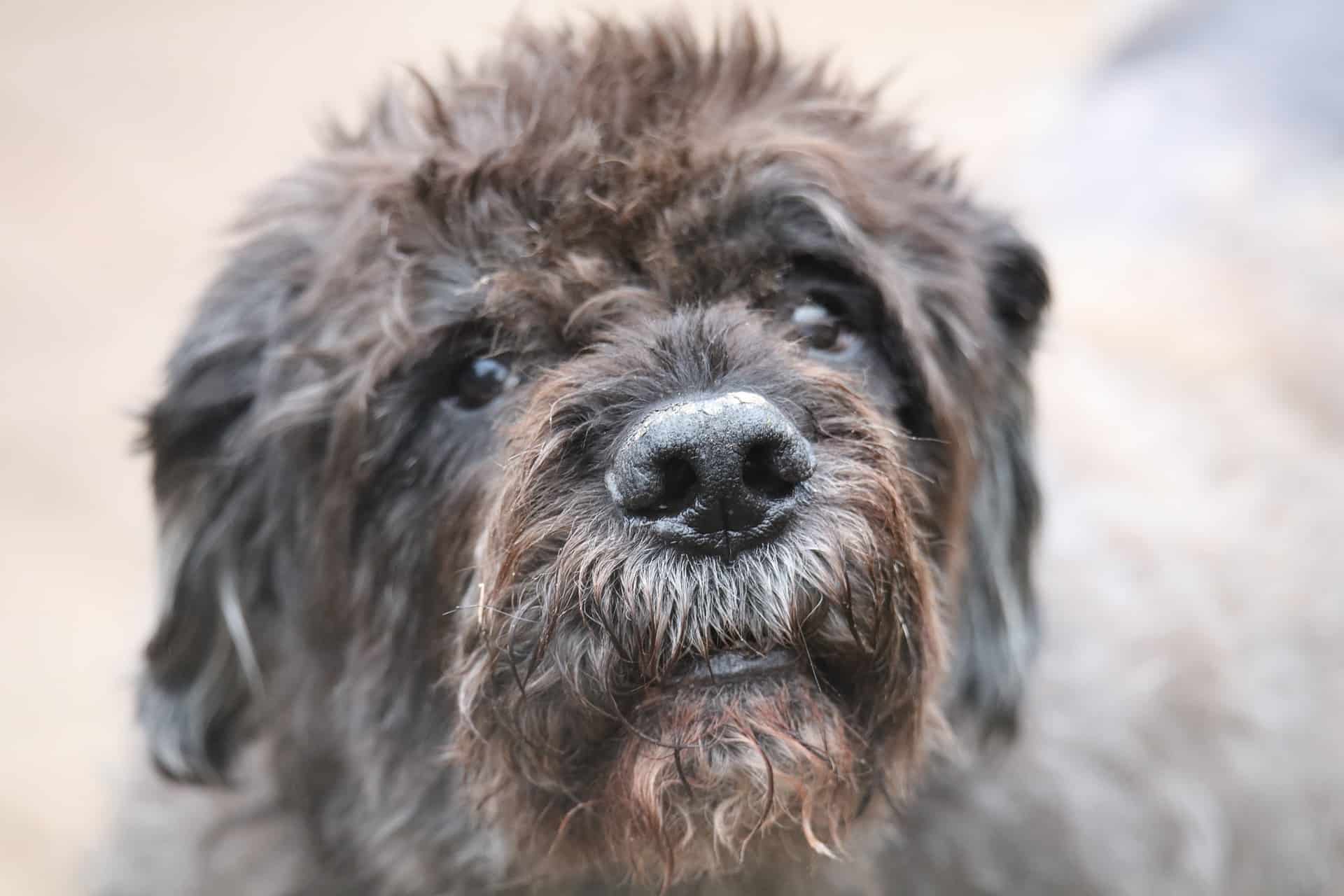
Purpose & Origin
The Bouvier des Flandres is a cattle drover from the farmlands of southwest Flanders and the French northern plain, a region that shaped a practical, multi-purpose working dog rather than a breed show dog. The name translates simply as "cowherd of Flanders," though early farmers were just as likely to call it the Vuilbaard (dirty beard) or koe hond (cow dog). Beyond moving cattle, it served as a livestock guard, farm watchdog, and draft animal. Because ability mattered more than appearance, the early Bouvier came in varied sizes, colors, and types, and that working-dog pragmatism is still visible in the breed today.
The first standard appeared in 1912, but most of the breed was wiped out in World War I, where Bouviers served as ambulance and messenger dogs. The revival rests almost entirely on one exceptional survivor, Champion Nic de Sottegem, whose name appears in virtually every modern pedigree. A revised standard in 1922 brought greater consistency, and the breed reached American show rings by 1931.
Temperament & Behaviour
The Bouvier is loyal, protective, and self-assured, a dog that forms deep bonds with its family but approaches strangers with measured reserve rather than open friendliness. It is confident enough to exercise its own judgment, which means it can be domineering if not clearly guided from puppyhood.
Watchdog and protection scores are both as high as they come, and that is not coincidence: this dog was selected for centuries to guard as well as herd. It is genuinely good with children, though its herding instinct can surface as heel-nipping during play. With strange dogs it can be aggressive. It is not a nuisance barker or a digger, and when properly exercised it settles well indoors.
Activity & Training
A high exercise requirement is the non-negotiable part of owning a Bouvier. Daily activity is not optional, and it should be substantial: a long run, an extended walk, or serious herding work. This is a breed that excels in organized herding trials and thrives with a job. Training is moderately straightforward but demands consistency and confidence. The Bouvier is willing to please but independent-minded, and an owner who is uncertain or inconsistent will find the dog making its own decisions. It is not a breed recommended for first-time owners.
Grooming
The Bouvier's harsh, rough outer coat requires genuine commitment. Weekly combing (once or twice) is the baseline to prevent matting, and the coat needs scissoring and shaping every three months, with hand-stripping for show dogs or clipping for pets. The beard traps food and debris and needs regular attention. Grooming scores high, and anyone drawn to the breed should factor coat maintenance into their assessment of whether the dog fits their life.
Health
The Bouvier is a generally sturdy breed with a lifespan of around 10 to 12 years. Major health concerns include hip dysplasia, elbow dysplasia, glaucoma, and subaortic stenosis (a cardiac condition). Hypothyroidism is a minor but noted concern. Responsible breeders screen for hip, elbow, cardiac, and eye issues.
Why these breeds are similar
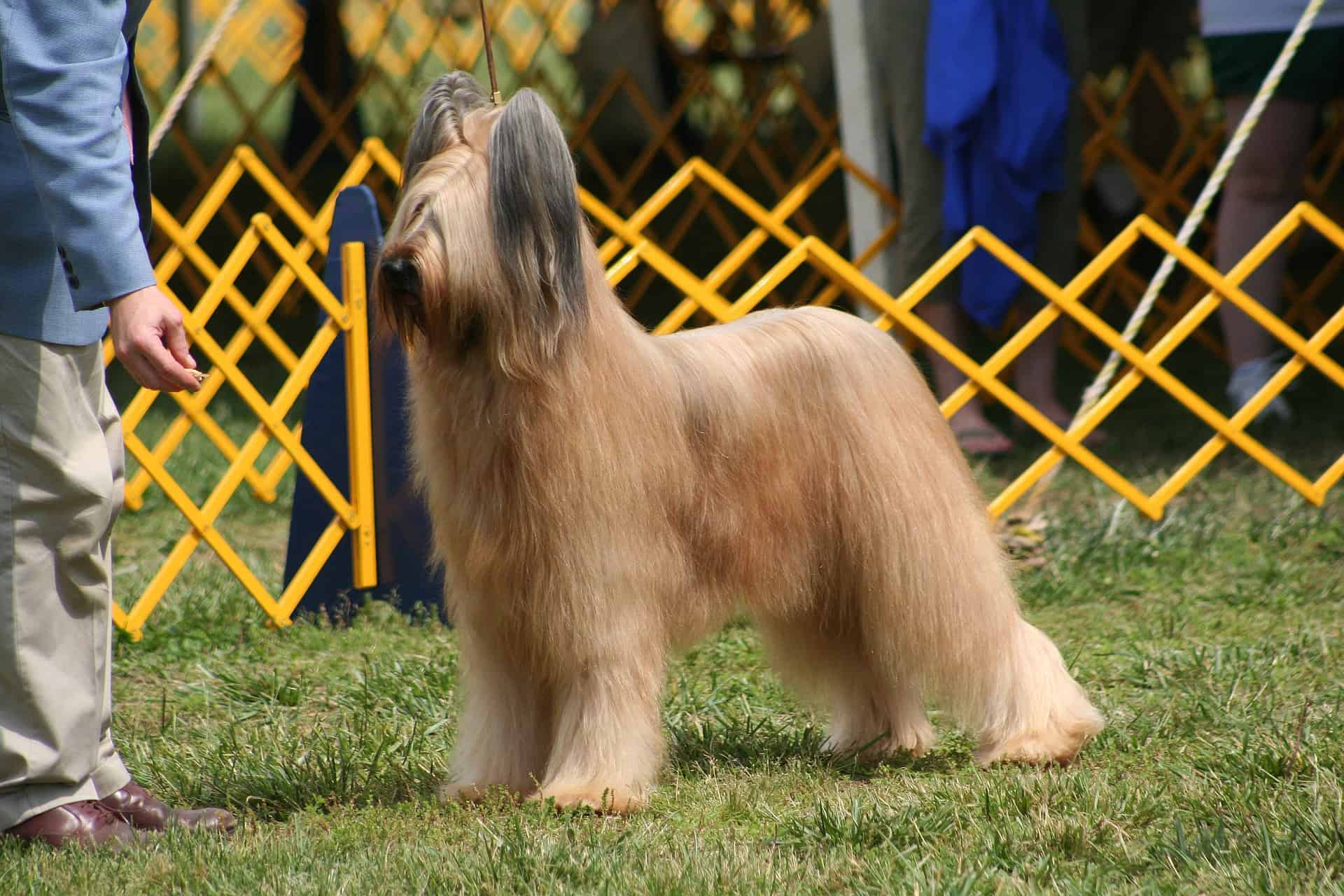
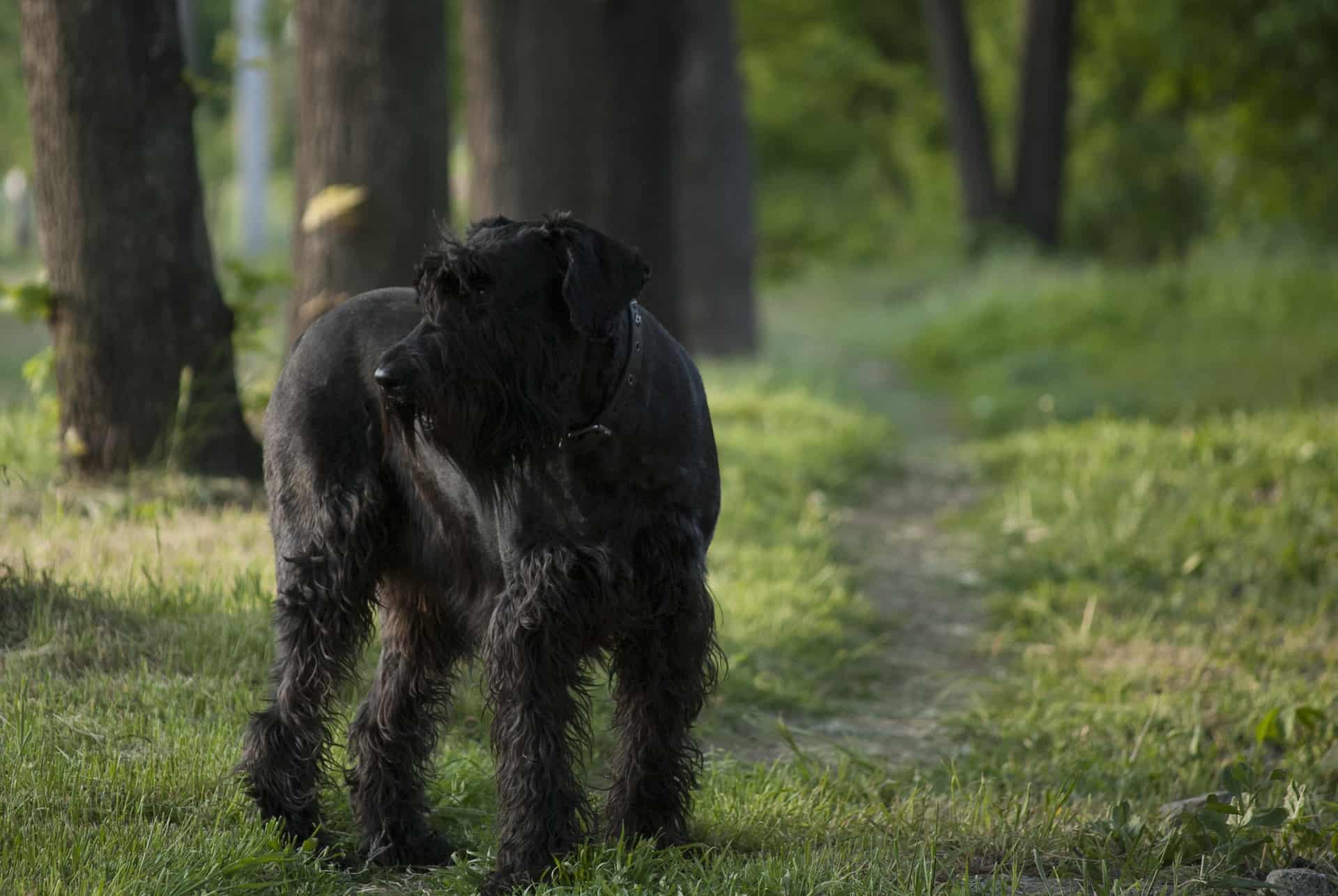
The **Briard** is the Bouvier's nearest French counterpart: another large, rough-coated herding dog from the same agricultural tradition, similarly intelligent, loyal, and protective, with comparable coat demands and the same preference for an experienced owner. The **Giant Schnauzer** shares the Bouvier's working build, harsh coat, high protective instinct, and strong territorial drive; both were historically used for cattle droving and later as police and military dogs.
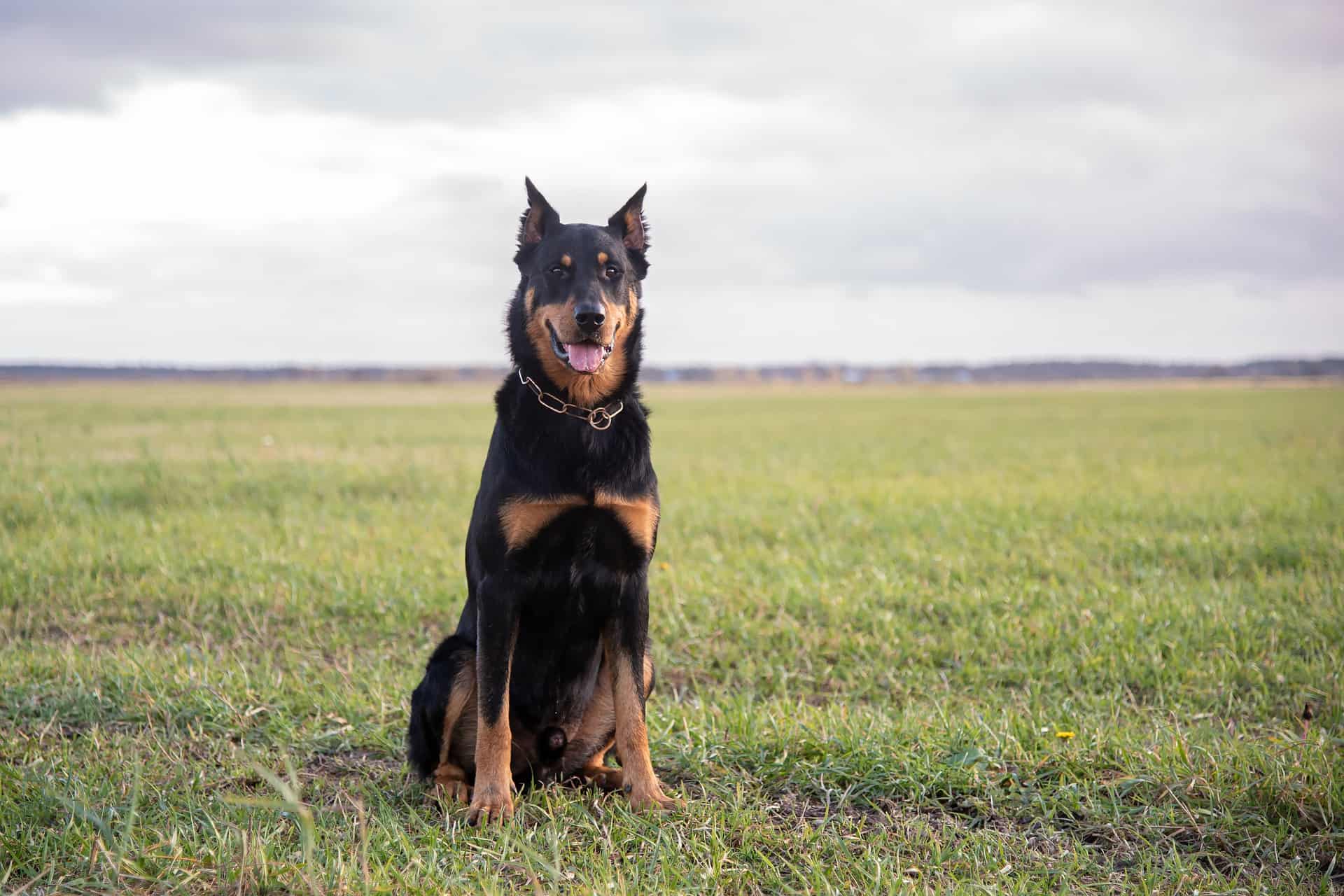
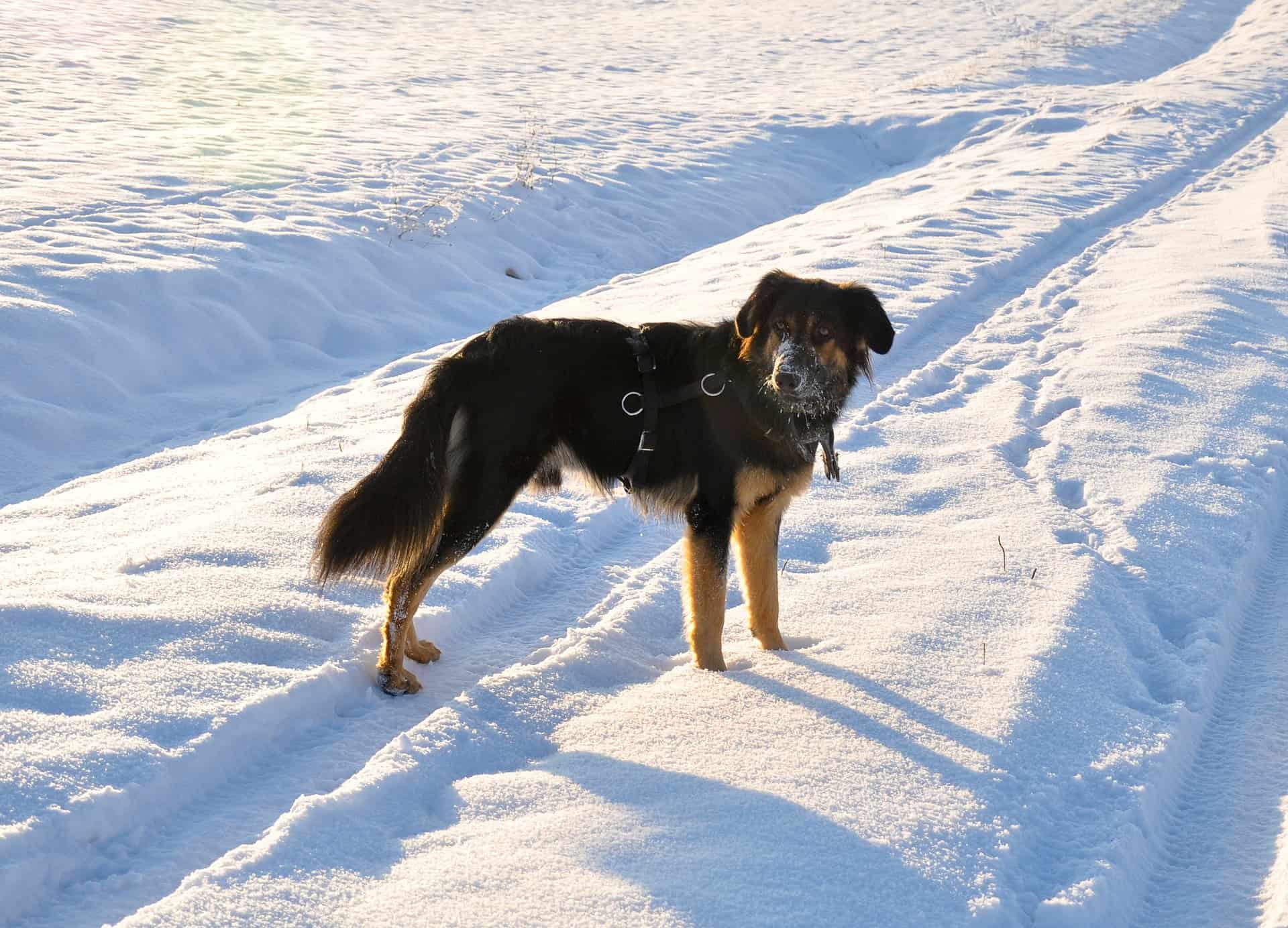
The **Beauceron** is another French herding breed of similar size and function, bred to work cattle and sheep across large open terrain, with the same confident, watchful character and the same need for purposeful activity. The **Hovawart** is a large German working dog with comparable protection ability and loyalty, built for farm guarding and versatile work; it shares the Bouvier's reserved attitude toward strangers and its tendency to form tight family bonds.
Trait ratings
- Energy level
- 3/5
- Exercise requirements
- 4/5
- Playfulness
- 2/5
- Affection level
- 3/5
- Friendliness toward dogs
- 3/5
- Friendliness toward other pets
- 3/5
- Friendliness toward strangers
- 3/5
- Ease of training
- 3/5
- Watchdog ability
- 5/5
- Protection ability
- 5/5
- Grooming requirements
- 4/5
- Cold tolerance
- 4/5
- Heat tolerance
- 2/5