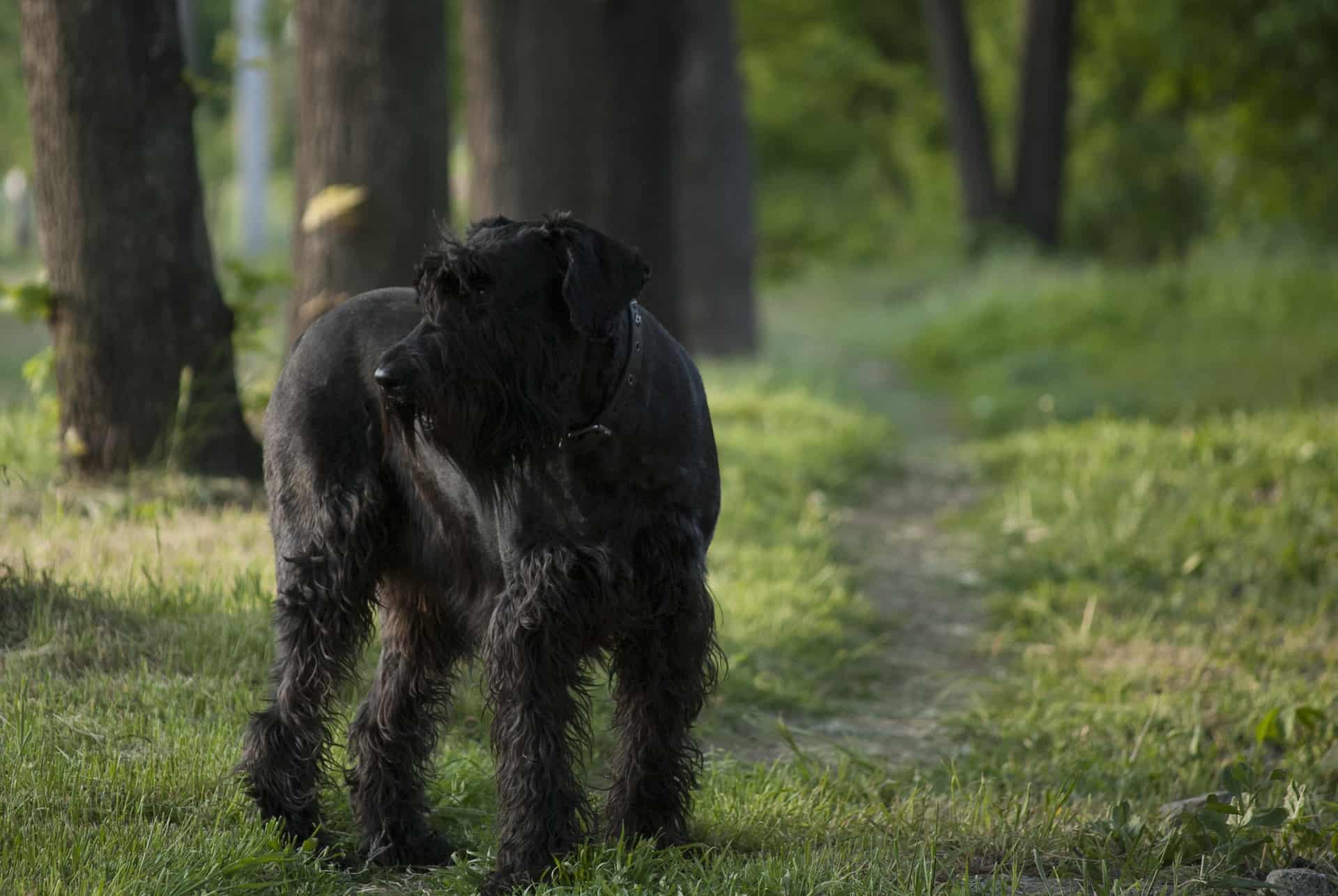
Giant Schnauzer
From Germany
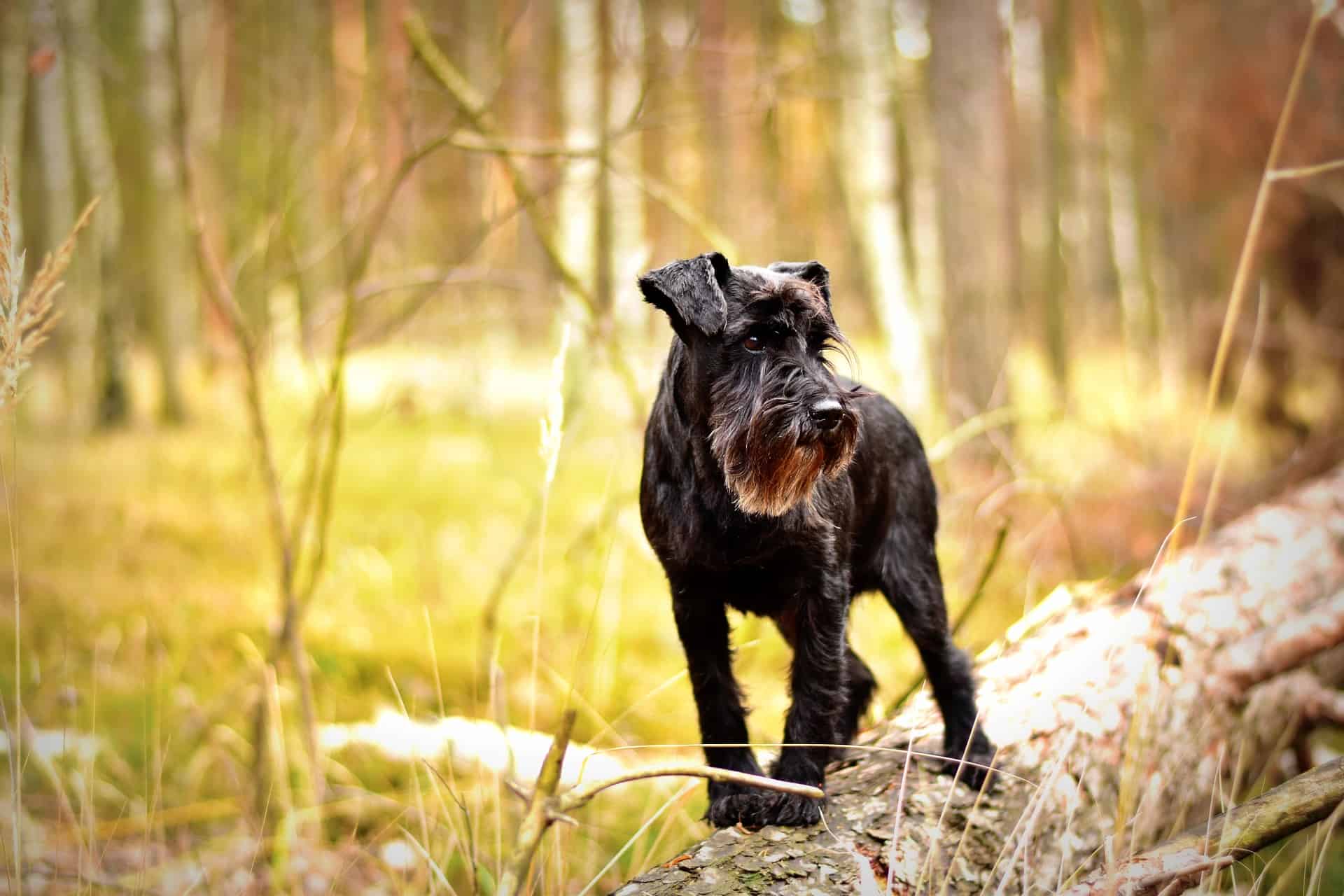
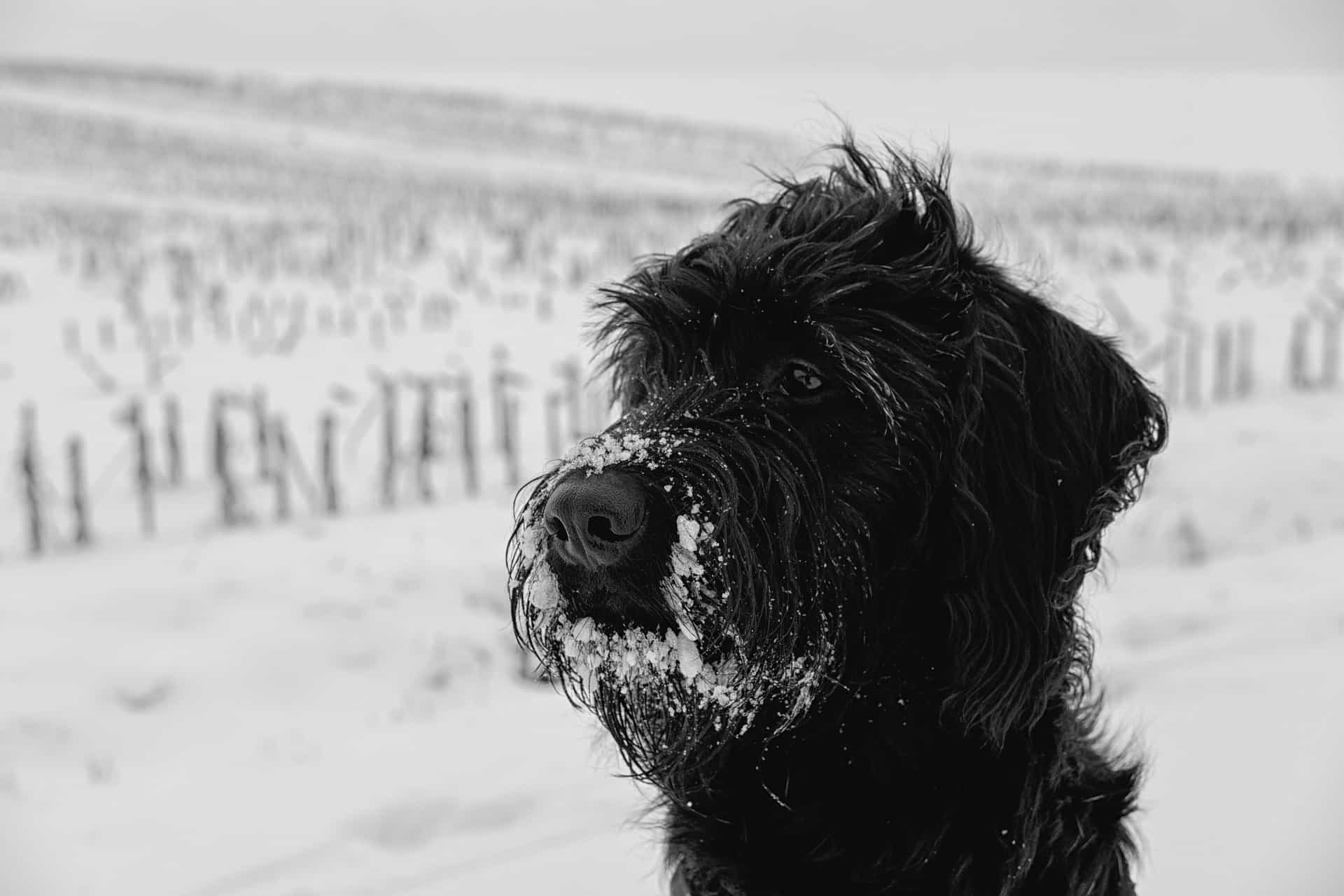
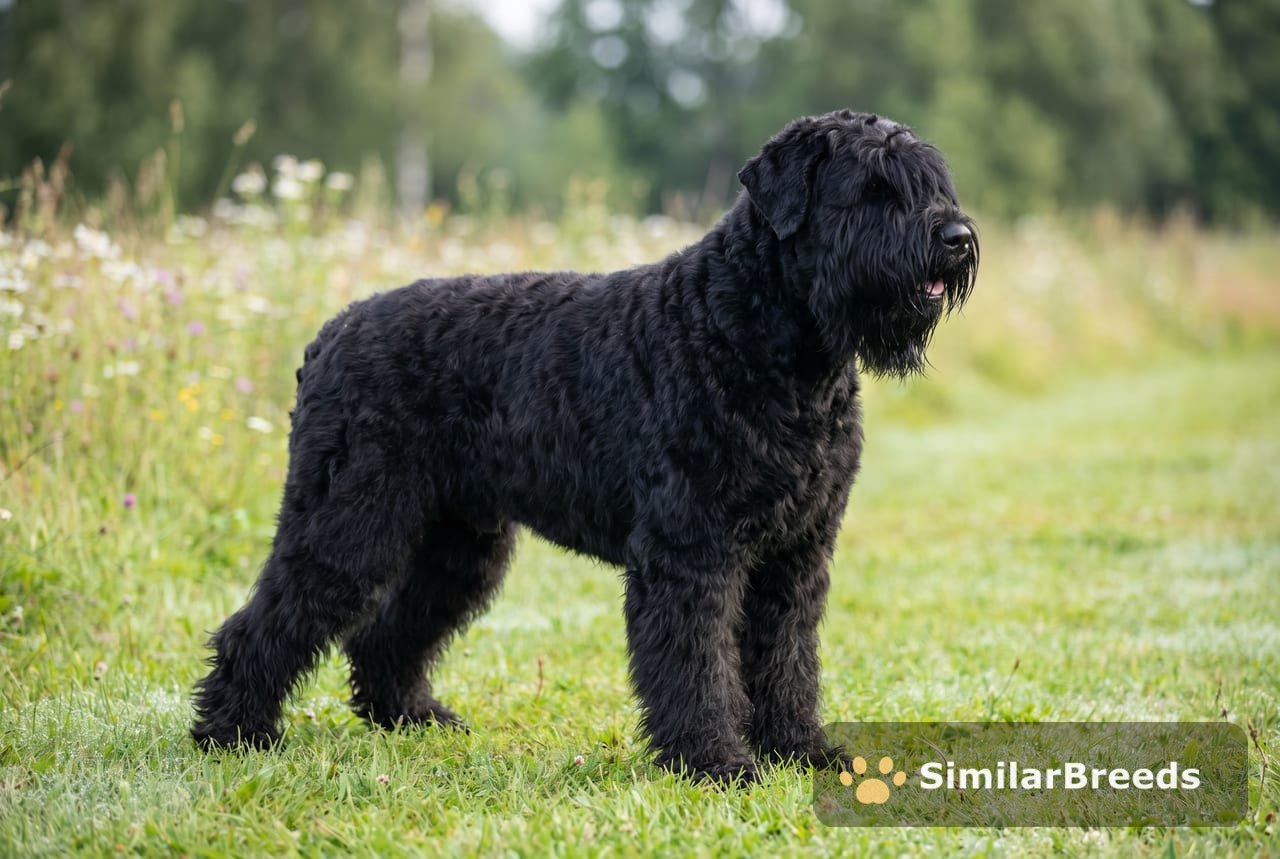
The Giant Schnauzer, a sturdy and strongly built breed from southern Germany, was initially utilized for cattle herding and various farm working tasks. The breed's cleverness, adaptability, and powerful look were regarded as desirable characteristics for a guard dog by the twentieth century. The Giant Schnauzer is currently commonly utilized by police and security services, but its calm demeanor also makes it excellent for use as a house watchdog and companion. Regardless of its size, the Giant Schnauzer is generally controllable if exercised regularly. Giant Schnauzer has a dense, wiry and double-layered coat that requires daily care and has to be trimmed occasionally.
Purpose & Origin
The Giant Schnauzer traces its roots to Bavaria and Württemberg, where cattlemen admired the Standard Schnauzer and wanted something bigger and capable of driving livestock. The likely foundation was crosses between the Standard Schnauzer and larger smooth-coated cattle dogs, with subsequent crosses to rough-coated sheepdogs, the Great Dane, and the Bouvier des Flandres also probable. The resulting dog, originally called the Münchener, was a weather-resistant, wire-coated drover.
It later found work as a butcher's dog, then a brewery guard, and by World War I was being trained as a police dog, a role it excelled at in Germany. Outside Germany it has remained relatively uncommon, but it has grown steadily as a companion for people who want a working dog in the house.
Temperament & Behaviour
This is not a soft or neutral dog. The Giant Schnauzer is bold, protective, and reserved with strangers, carrying a watchdog and protection rating that leaves no room for doubt. It can be genuinely aggressive toward other dogs, and its boisterous, rambunctious energy can overwhelm small children even when it is otherwise good with the family. Affection is not freely given to outsiders. At home it is a loyal, intelligent partner, though it will test boundaries and occasionally try to assert itself as the decision-maker. This breed suits an experienced, assertive owner who earns its respect rather than expecting automatic compliance.
Activity & Training
A daily exercise commitment is non-negotiable. Long walks, vigorous games, and active outdoor outings keep the Giant physically satisfied; without them, the dog's energy finds less welcome outlets. Its training score sits in the middle of the scale, which reflects real-world experience: this is an intelligent dog that learns quickly but applies that intelligence selectively and can push back when it chooses. Clear, consistent handling from the start is essential. The Giant responds to purposeful work and does best with owners who treat training as an ongoing practice, not a one-time event.
Grooming
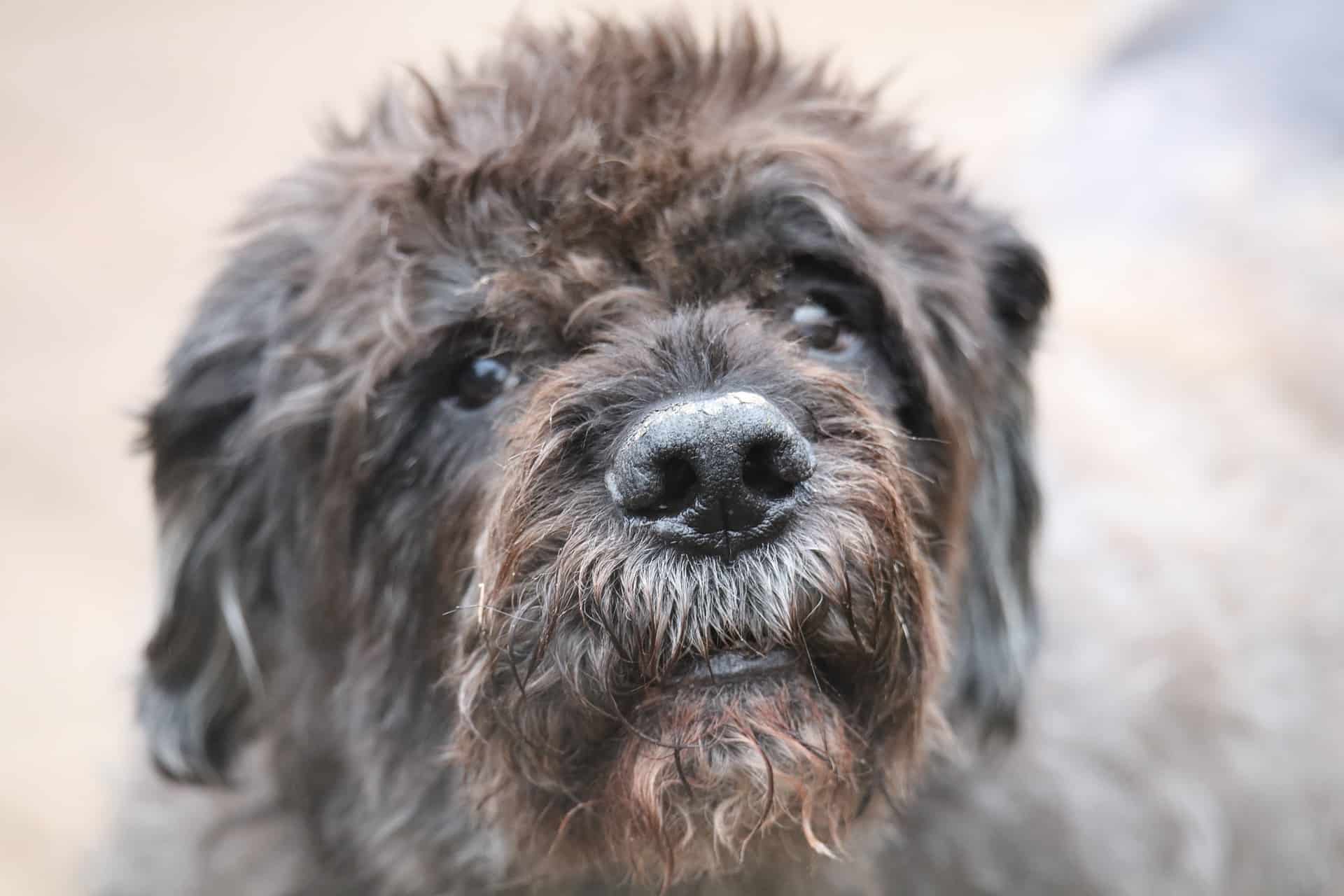
The harsh double coat needs combing once or twice each week to prevent mats and tangles. Beyond regular brushing, the coat needs shaping two to four times a year, either by professional hand-stripping or scissoring. Clipping is acceptable for a companion dog that never enters the show ring, though it softens the coat texture over time. Grooming demands are moderate overall, but consistent attention prevents the coat from becoming unmanageable.
Health
The Giant Schnauzer's primary orthopaedic concern is canine hip dysplasia, which prospective owners should screen for via OFA or PennHIP testing. Other conditions seen in the breed include osteochondrosis, gastric torsion (bloat), and hypothyroidism, with progressive retinal atrophy and cataracts appearing occasionally. Reputable breeders test hips, thyroid, and eyes. Typical lifespan is 10 to 12 years.
Why these breeds are similar
The **Miniature Schnauzer** and **Standard Schnauzer** are direct relatives, sharing the same foundation type, the distinctive wiry coat, the arched eyebrows and beard, and the alert, watchful temperament. The Giant is essentially the working-dog scale-up of the same basic design.
The **Black Russian Terrier** was deliberately bred in the Soviet Union using several working breeds, with the Giant Schnauzer as a major contributor to its foundation; the two share a powerful build, a weather-resistant coat, and the same serious, protective character.
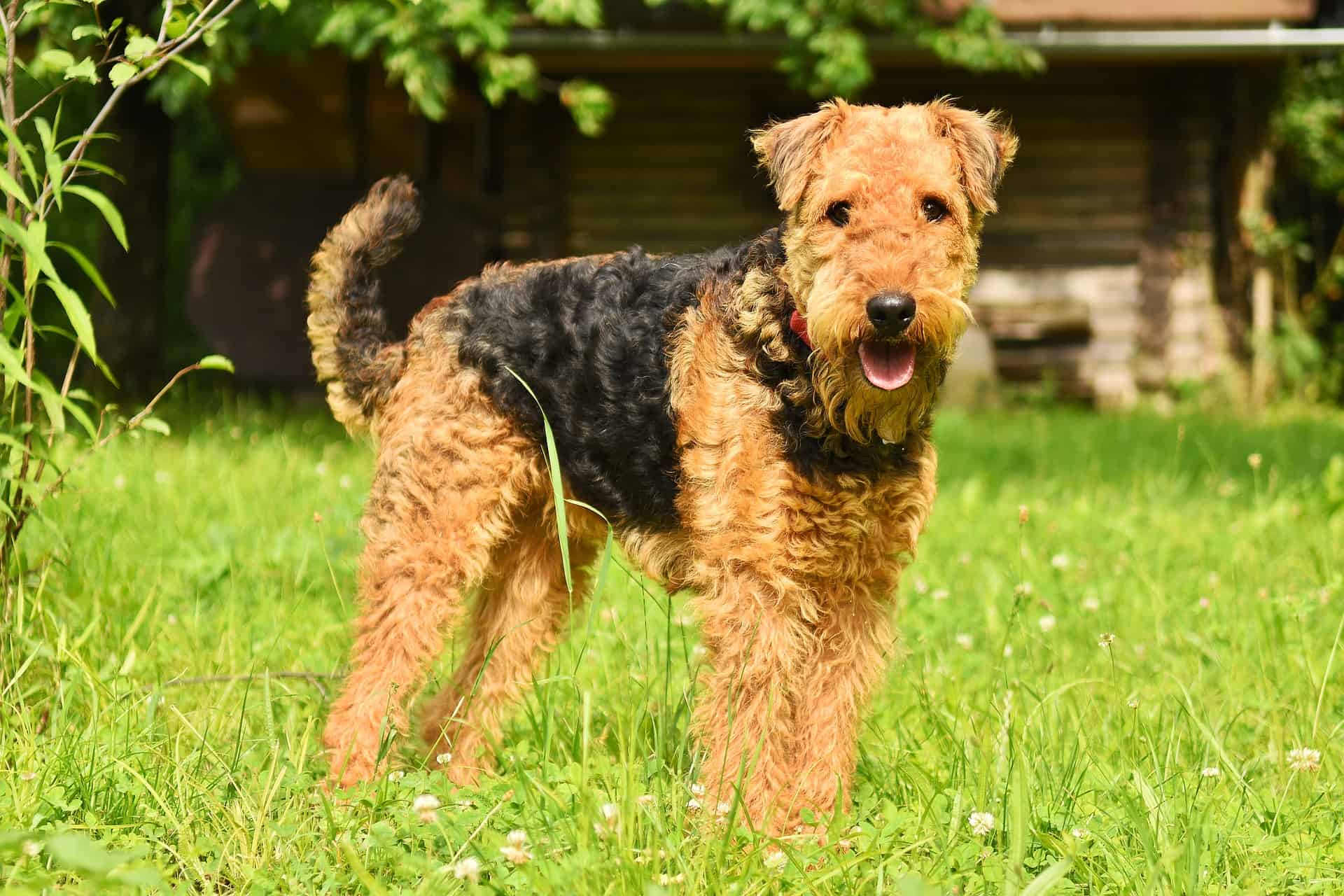
The **Bouvier des Flandres** is a probable ingredient in the Giant Schnauzer's own development and independently evolved as a multipurpose cattle-driving and guardian dog in Belgium; the overlap in build, coat type, and working purpose is direct. The **Airedale Terrier** is linked by the large, wire-coated, versatile-working-dog category: both breeds are substantially built, both were taken up as police and military dogs, and both carry a confident, assertive personality that demands experienced handling.
Trait ratings
- Energy level
- 3/5
- Exercise requirements
- 4/5
- Playfulness
- 4/5
- Affection level
- 1/5
- Friendliness toward dogs
- 1/5
- Friendliness toward other pets
- 2/5
- Friendliness toward strangers
- 1/5
- Ease of training
- 3/5
- Watchdog ability
- 5/5
- Protection ability
- 5/5
- Grooming requirements
- 3/5
- Cold tolerance
- 3/5
- Heat tolerance
- 3/5