Purpose & Origin
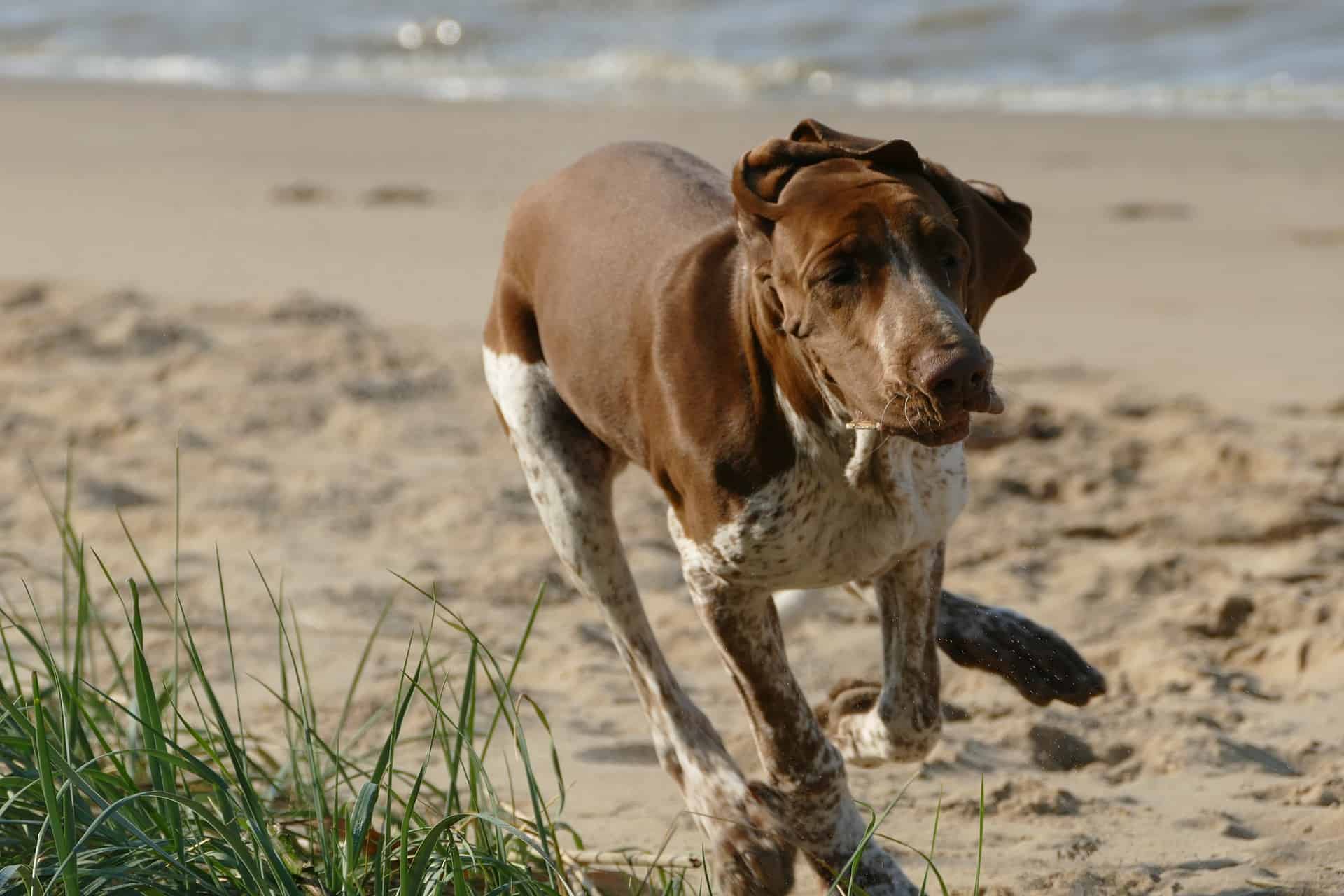
The Bracco Italiano, also called the Italian Pointer, is one of the oldest pointing breeds in Europe and possibly in the world. Italian authorities trace its ancestry to ancient times, with theories ranging from a cross between Phoenician sighthounds and indigenous Molossus-type dogs in the first millennium BC, to a later 17th-century blend of hound and gun dog. That second view is reflected in the dog's appearance: it carries the heavy, pendulous head of a scenthound on the athletic body of a gun dog. Whatever its precise origin, the breed changed little for centuries and retains an unusually primal quality for a modern sporting dog.
By the 19th century, Italian hunters were turning to imported breeds and the Bracco nearly disappeared. The Italian breeder Ferdinando Delor, who also helped found the Italian Kennel Club, led the recovery effort in the 1880s. Serious breeding programmes rebuilt the population, and the Bracco has since spread beyond Italy to other European countries and, more recently, to North America, where it holds AKC Miscellaneous class status.
In the field it is a versatile all-rounder: it points, tracks, and retrieves from both land and water, and will work across virtually any terrain or climate. The instinct to point is so deeply embedded that puppies as young as eight weeks will hold a point without any training.
Temperament & Behaviour
The Bracco carries the temperament of its mixed heritage: vigorous and driven on the hunt, gentle and sensitive at home. It is affectionate with family, patient with children, and generally sociable with other dogs. The breed tends to be obedient and responsive, eager to stay close to its people rather than roam independently. That attachment is a double-edged trait: the Bracco bonds deeply but can develop separation anxiety if left alone for long stretches.
Its expression, often described as pensive or melancholy, belies a dog that is active and engaged when given the opportunity. It is not a breed that thrives in passive households.
Activity & Training
This is a high-exercise dog. Plan for at least one to two hours of genuine physical activity daily, including running and off-lead work where safe. A garden alone is not sufficient. The Bracco was built to cover ground all day in varied terrain, and under-exercised individuals become restless and difficult to manage indoors.
Training is generally straightforward. The breed is intelligent, responsive to positive reinforcement, and lacks the stubborn streak found in some other hunting breeds. Early socialisation and consistent handling from puppyhood will produce a well-rounded adult. It excels in hunt tests, field trials, and tracking work.
Grooming
The coat is short, smooth, and close-lying, predominantly white with pale brown or chestnut roan patches. Grooming demands are minimal: a weekly brush to manage shedding, and a bath when needed after fieldwork. The long, pendulous ears require regular checking and cleaning, as limited airflow makes them prone to infection. Nails should be trimmed routinely.
Health
The Bracco is generally a hardy breed with a lifespan of 10 to 14 years. The most significant health concern is kidney disease (renal amyloidosis), which research suggests may affect as many as one in ten individuals; responsible breeders screen for this. Eye conditions, including entropion and ectropion, occur in the breed due to its heavy eyelid structure. Hip and elbow dysplasia can appear, particularly from rapid puppy growth. Ear infections are a recurring practical concern given the ear conformation.
Why these breeds are similar
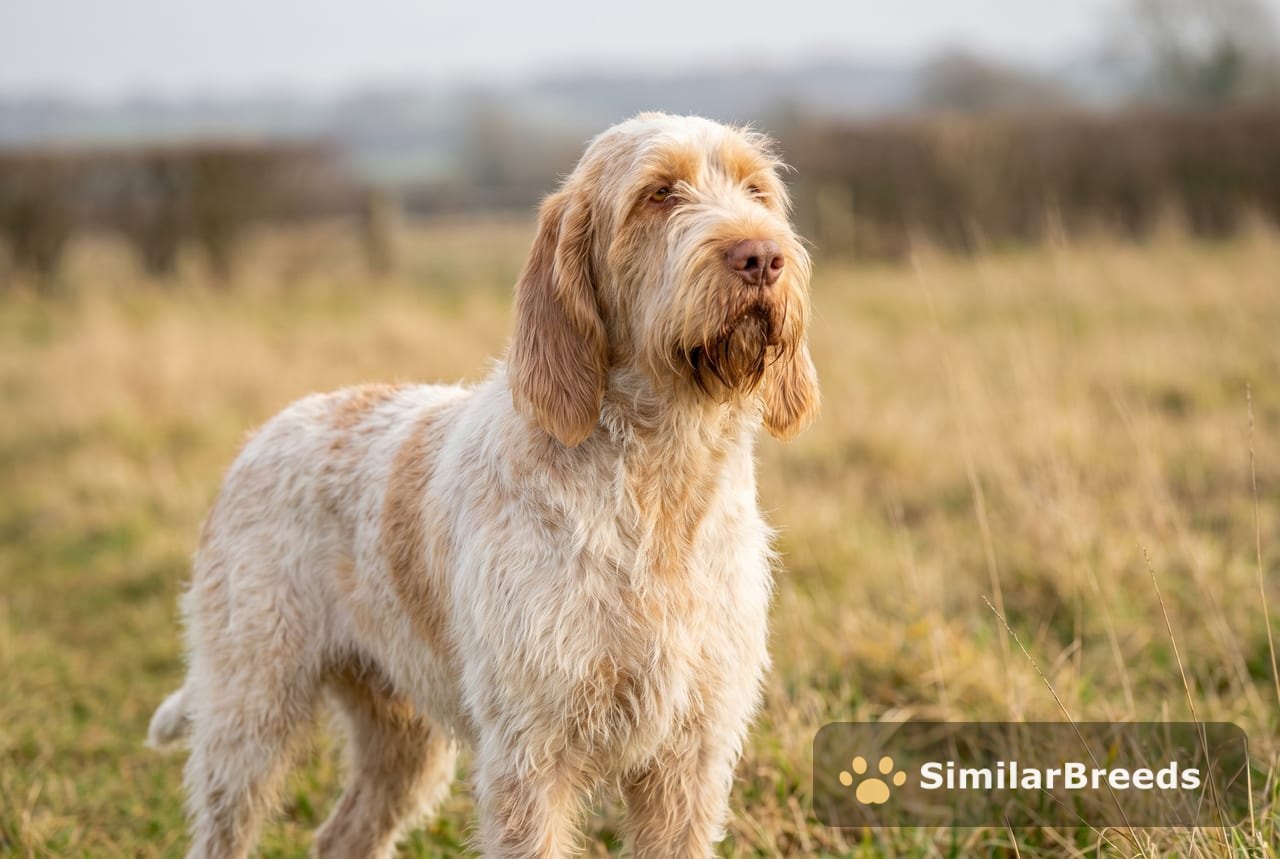
**Spinone Italiano** is the other native Italian gun dog and the closest parallel: both are ancient Italian breeds developed for versatile pointing and retrieving work, with a gentle temperament at home and strong field drive. The Spinone is rougher-coated and slower-paced but shares the same relaxed, people-oriented character.
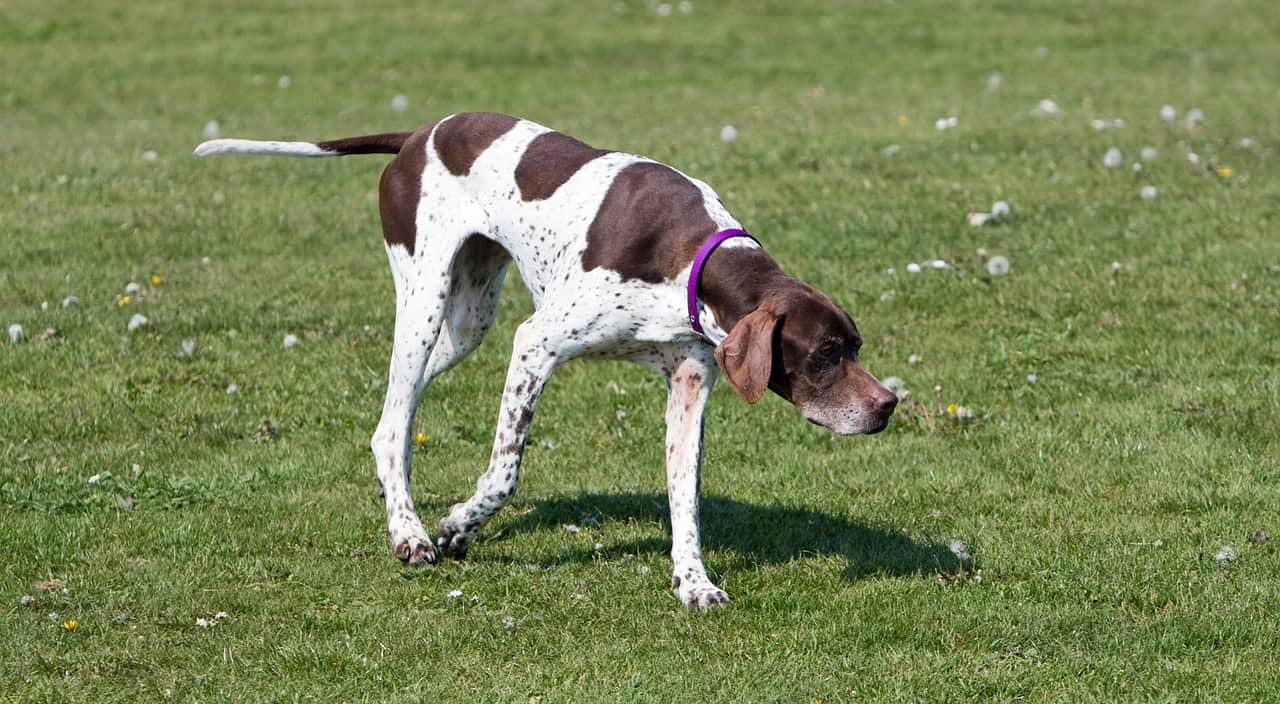
**Pointer** is the classic short-coated pointing breed the Bracco is thought to have influenced when exported to England in the early 1600s. Both are lean, athletic, short-coated dogs built for covering ground, with a strong pointing instinct and similar energy requirements.
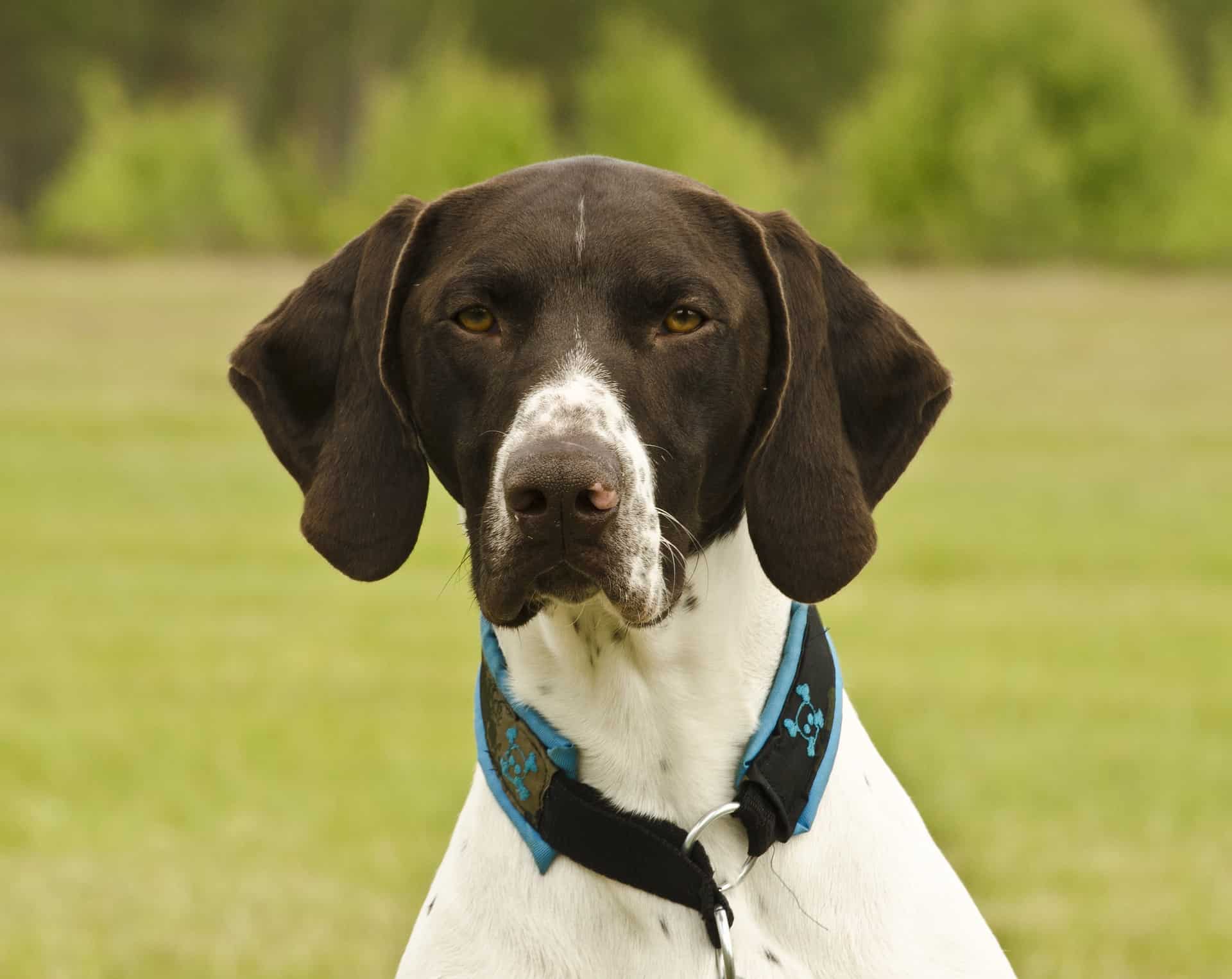
**German Shorthaired Pointer** occupies the same functional niche: a versatile continental gun dog that points and retrieves, with a short dense coat and comparable exercise needs. The GSP is generally more energetic and higher-strung; the Bracco is calmer indoors.
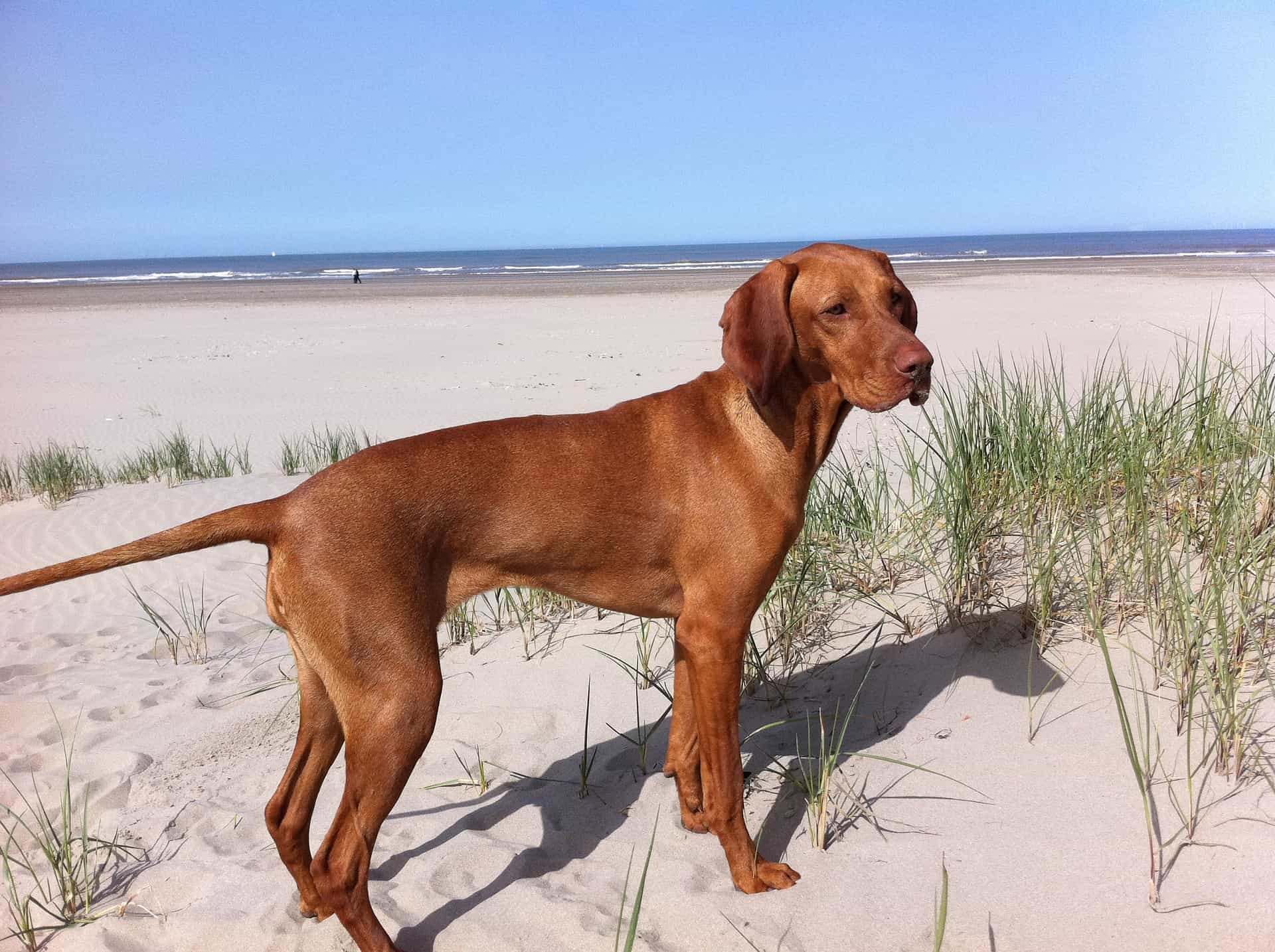
**Vizsla** is another lean, short-coated continental pointer with a similarly affectionate, owner-focused temperament. Both breeds struggle with prolonged isolation. The Vizsla is lighter in build and typically more intense in energy than the Bracco.
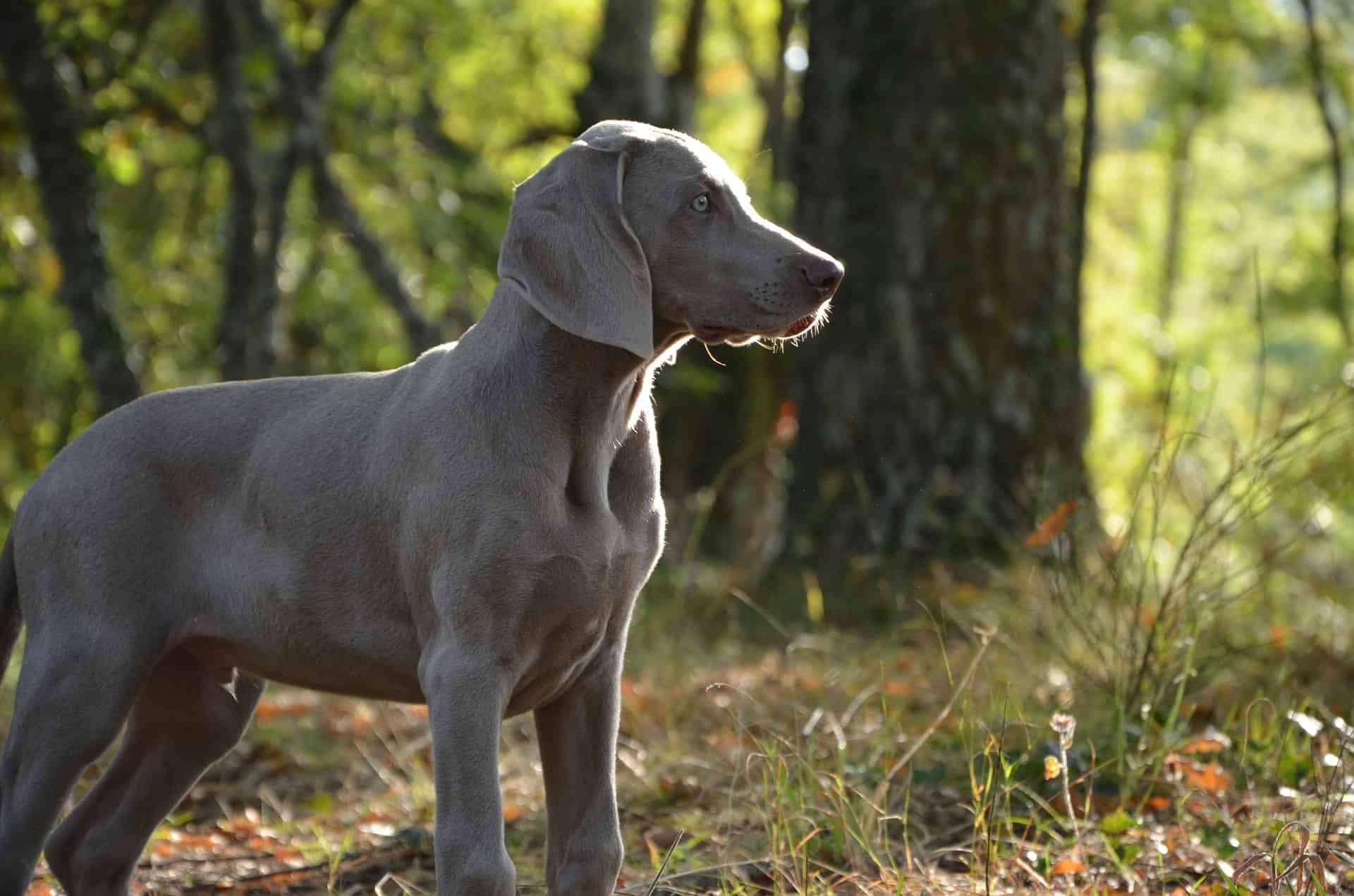
**Weimaraner** is a large, short-coated all-purpose gun dog with the same high exercise demand and strong human attachment. The Weimaraner tends to be more assertive and independently minded, but the two breeds share size, coat type, and the need for serious daily activity.