Brittany
From France
Purpose & Origin
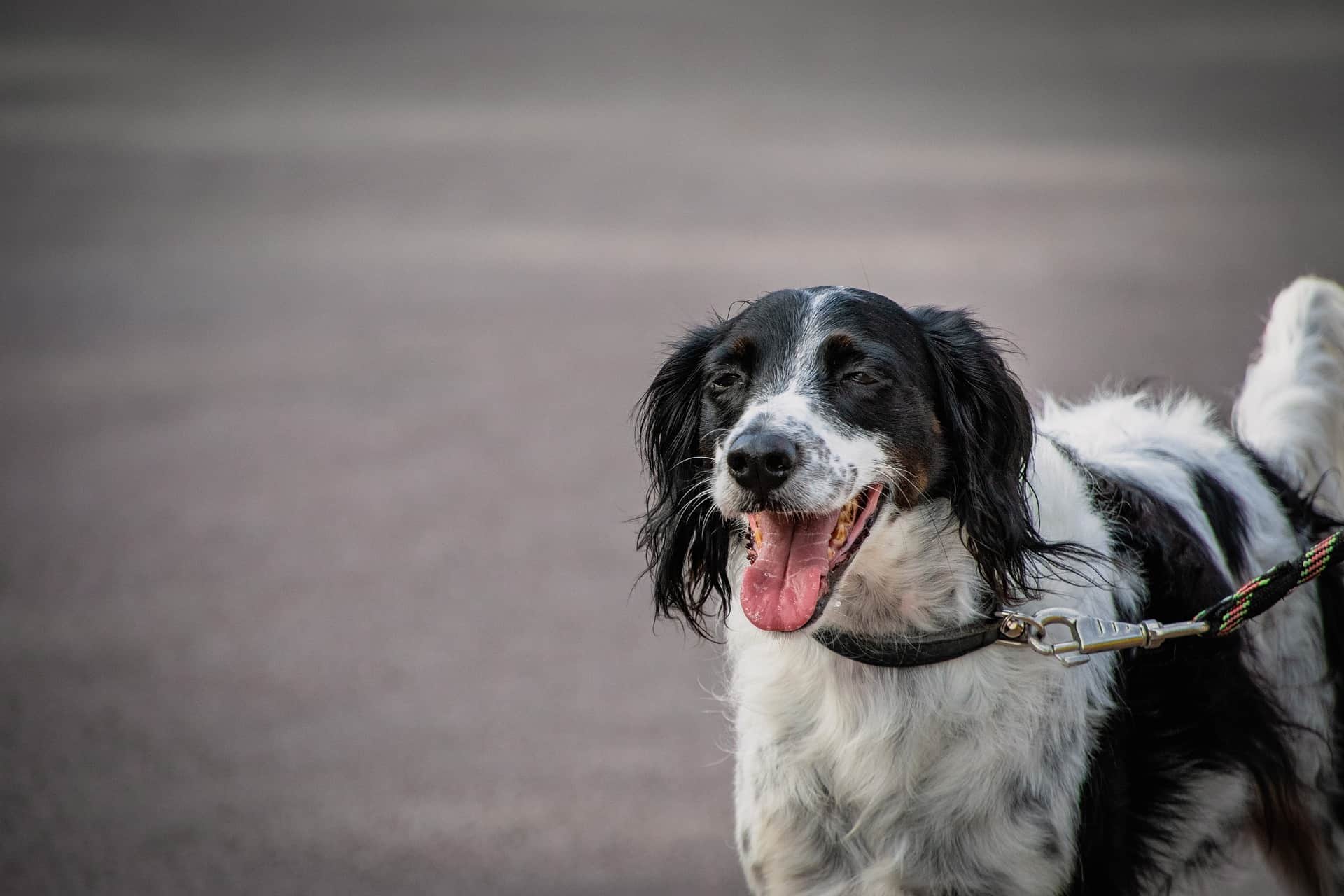
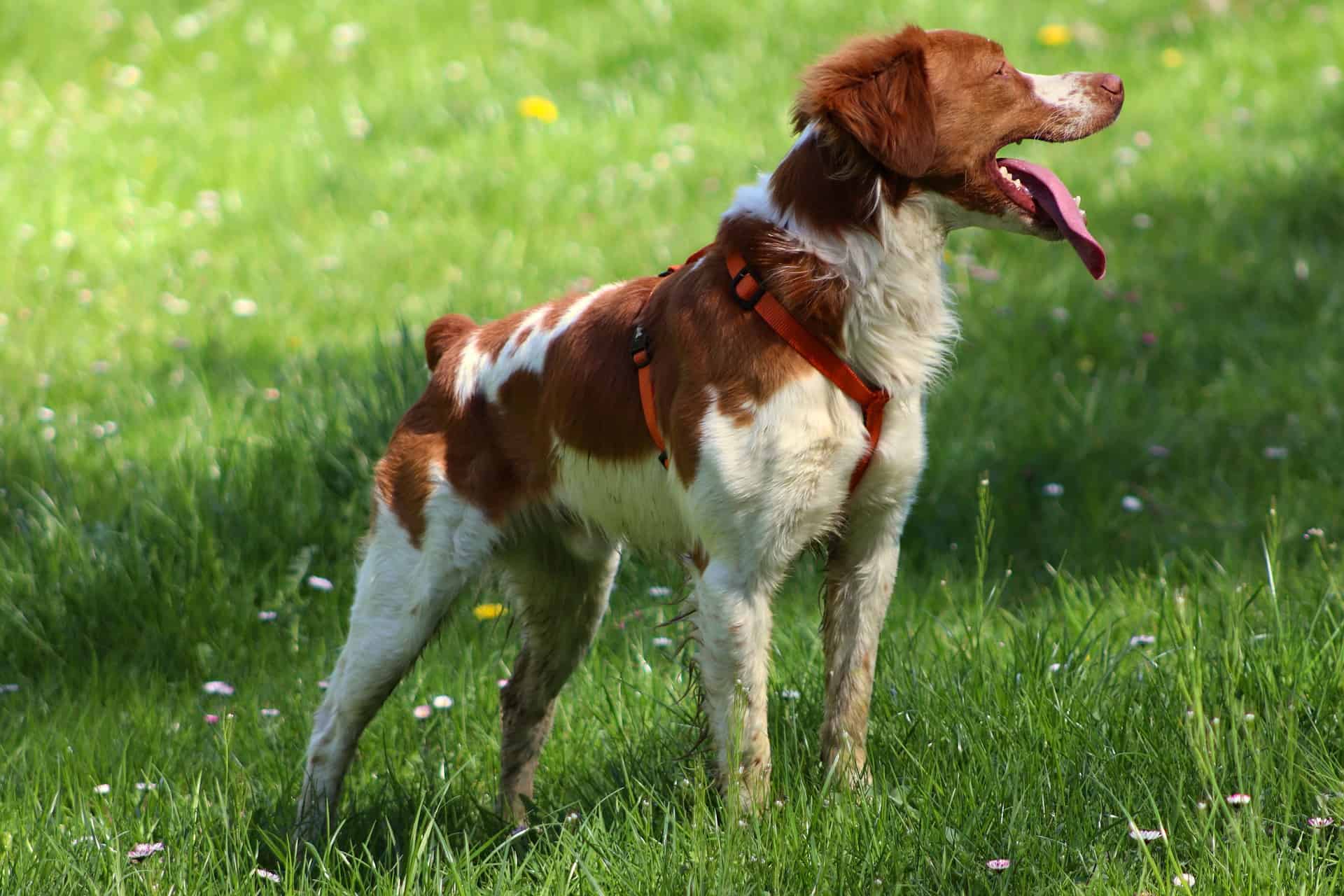
The Brittany emerged in France during the mid-1800s when local sportsmen crossed small French land spaniels with English Setters to produce a more capable hunting dog. Some of the offspring were born tailless, and that stub-tail became a lasting characteristic of the breed. More significant than the looks, though, was the result in the field: a compact, close-ranging gundog with a sharp nose that would both point and retrieve.
Originally called the Epagneul Breton, the breed found admirers well beyond the landed gentry, including poachers, who valued its combination of pointing, retrieving, and quiet obedience. France registered the first Brittany in 1907, and the breed reached North America around 1925.
American hunters were slow to trust a pointing dog without a long tail, but once the Brittany was given a fair run it excelled, eventually becoming the most successful pointing breed at field trials. The AKC registered it as the Brittany Spaniel from 1934, but dropped "Spaniel" in 1982 to better reflect a hunting style closer to a setter's than a spaniel's.
Temperament & Behaviour
The Brittany is an affectionate, openly friendly dog with a perpetual readiness for action. It greets strangers warmly, bonds closely with its family, and carries enough independence to work out ahead of a hunter, yet remains genuinely responsive to human direction. That sensitivity cuts both ways: heavy-handed handling puts it off, and a Brittany left idle or under-exercised turns restless and destructive. This is not a dog content to spend its energy in a backyard; it needs a real outlet. Given one, it is an easygoing, tractable companion indoors.
Activity & Training
Exercise is the Brittany's central requirement, and the bar is high: at least an hour of genuine exertion daily, not a stroll around the block. Running, hunting, agility, or field work all suit it. The traits support training well, a moderately independent nature balanced by strong responsiveness, so obedience work goes smoothly as long as sessions stay positive and varied. Because the breed was bred to work at distance from the hunter and make decisions in the field, it will occasionally test limits if bored, but it is far more biddable than most pointing breeds.
Grooming
Grooming demands are minimal, one of the breed's practical advantages as a versatile hunting companion and house dog. The coat is flat to wavy, neither particularly thick nor long, and brushing once or twice a week is sufficient to keep it free of tangles and debris. There is no heavy seasonal blow-out, no elaborate trimming, and no special coat maintenance beyond routine care.
Health
The Brittany is generally a hardy, long-lived dog with a life span of 12 to 13 years. Hip dysplasia is the main hereditary concern, and prospective owners should confirm hip clearances on both parents. Epilepsy and hypothyroidism appear occasionally as minor concerns. Lens luxation and progressive retinal atrophy have been seen infrequently; eye and thyroid screening is worth confirming in breeding stock.
Why these breeds are similar
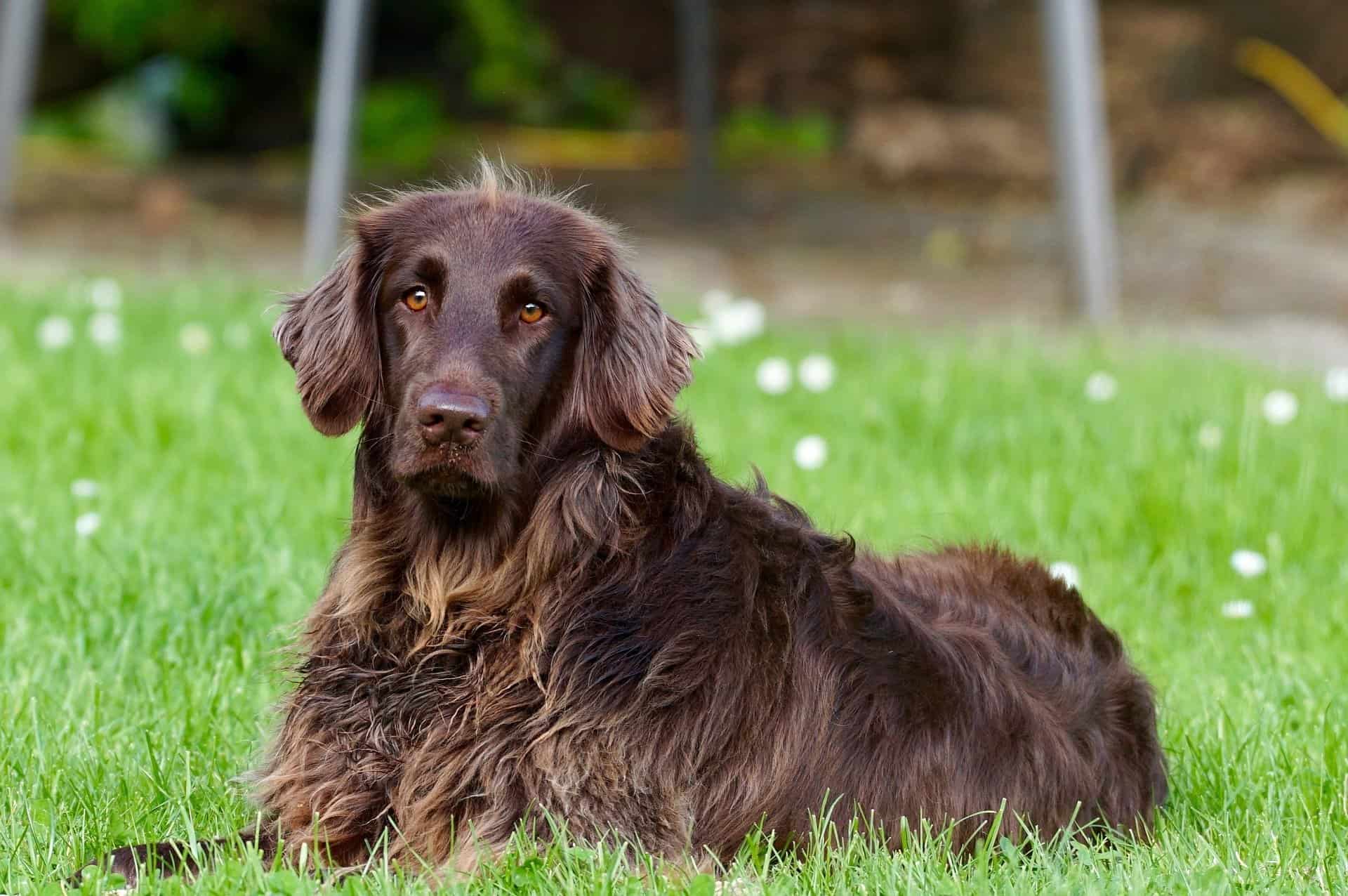
The **Large Munsterlander** and **Small Munsterlander** are the closest functional parallels, both continental versatile gundogs that point and retrieve, share a similar close-ranging style in the field, and carry the same willing, biddable temperament the Brittany is known for. The **German Longhaired Pointer** falls in the same continental HPR (hunt, point, retrieve) tradition, a larger dog with an overlapping job description and an equally cooperative nature.
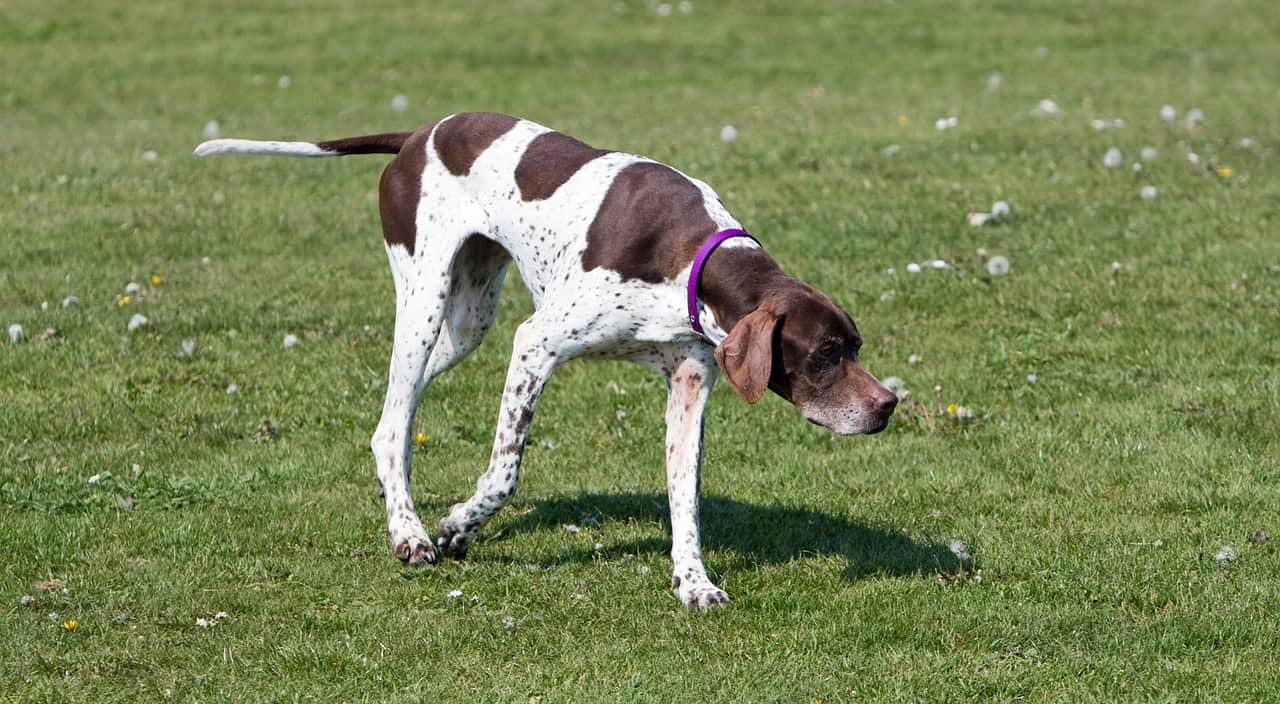
The **Pointer** connects through the hunting role itself, a classic pointing breed of similar energy level and purpose, though British rather than continental in origin and with a shorter, less maintenance-free coat. The **Stabyhoun** is a Dutch pointing and retrieving spaniel-type, compact and versatile in exactly the way the Brittany is, with a comparable gentle, responsive temperament.
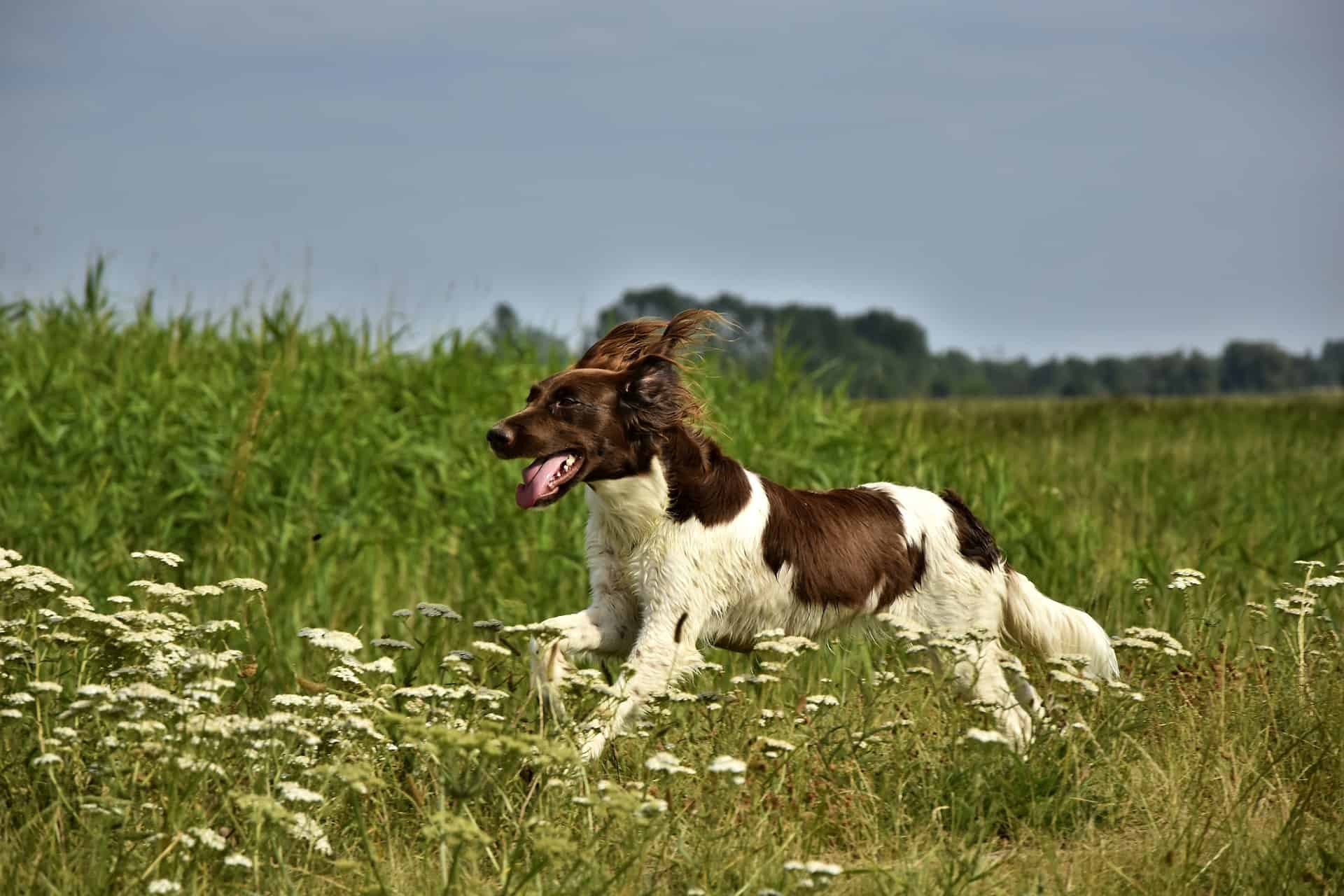
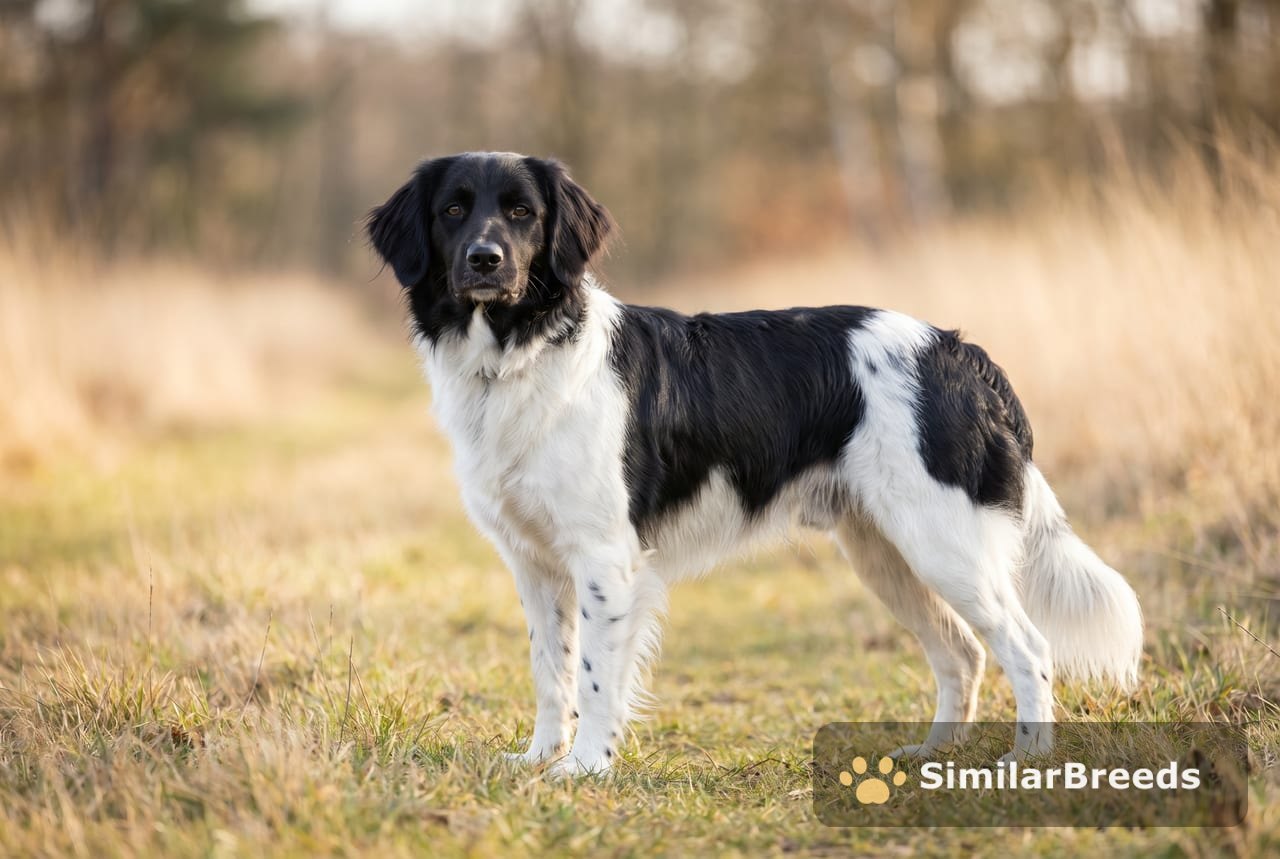
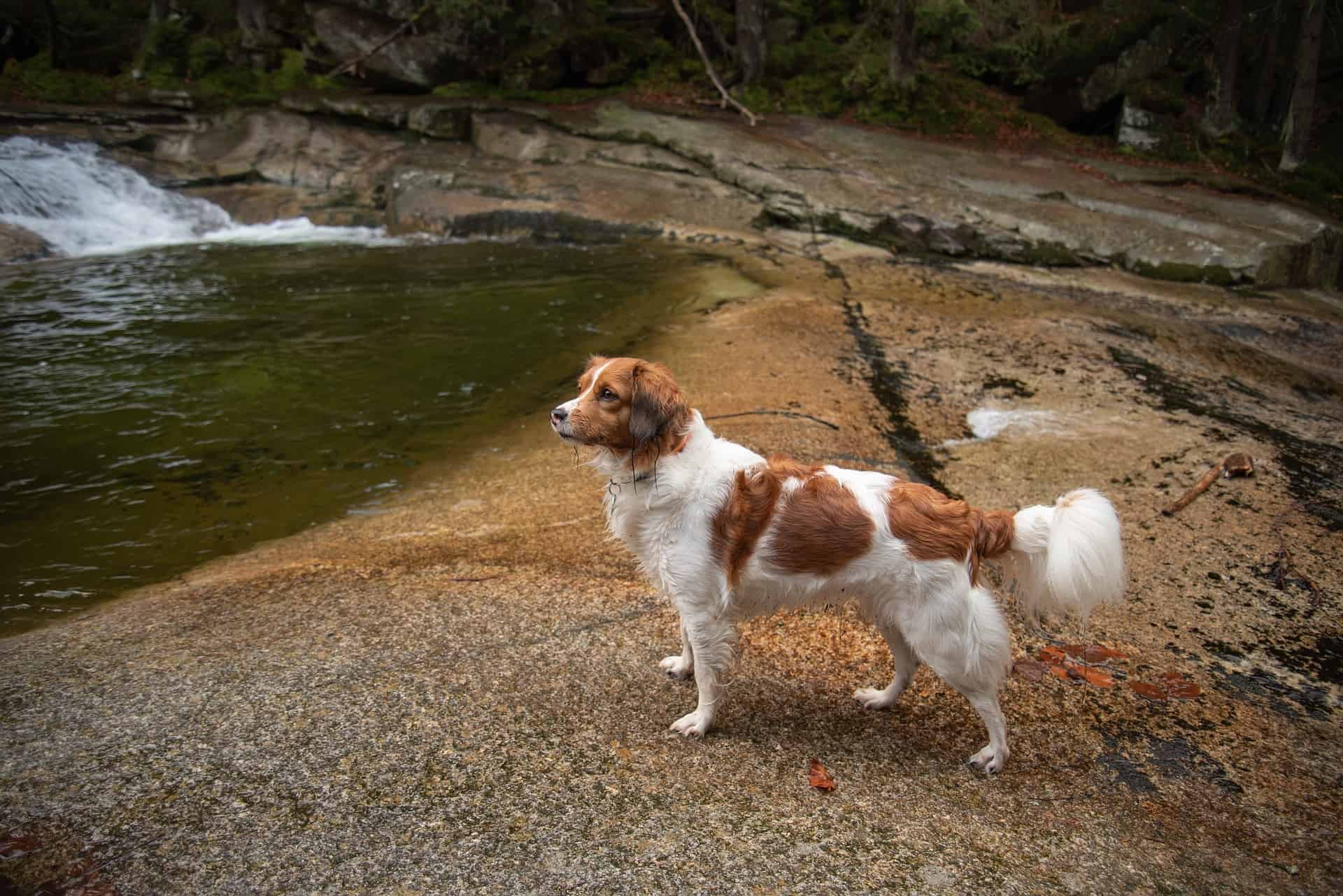
The **Kooikerhondje**, also Dutch, shares the Brittany's small-to-medium size, spaniel ancestry, and alert, energetic character, and while its original role was duck-tolling rather than pointing, the lively, people-oriented personality makes the day-to-day ownership experience genuinely similar.
Trait ratings
- Energy level
- 4/5
- Exercise requirements
- 5/5
- Playfulness
- 4/5
- Affection level
- 5/5
- Friendliness toward dogs
- 3/5
- Friendliness toward other pets
- 3/5
- Friendliness toward strangers
- 5/5
- Ease of training
- 4/5
- Watchdog ability
- 4/5
- Protection ability
- 1/5
- Grooming requirements
- 1/5
- Cold tolerance
- 3/5
- Heat tolerance
- 3/5