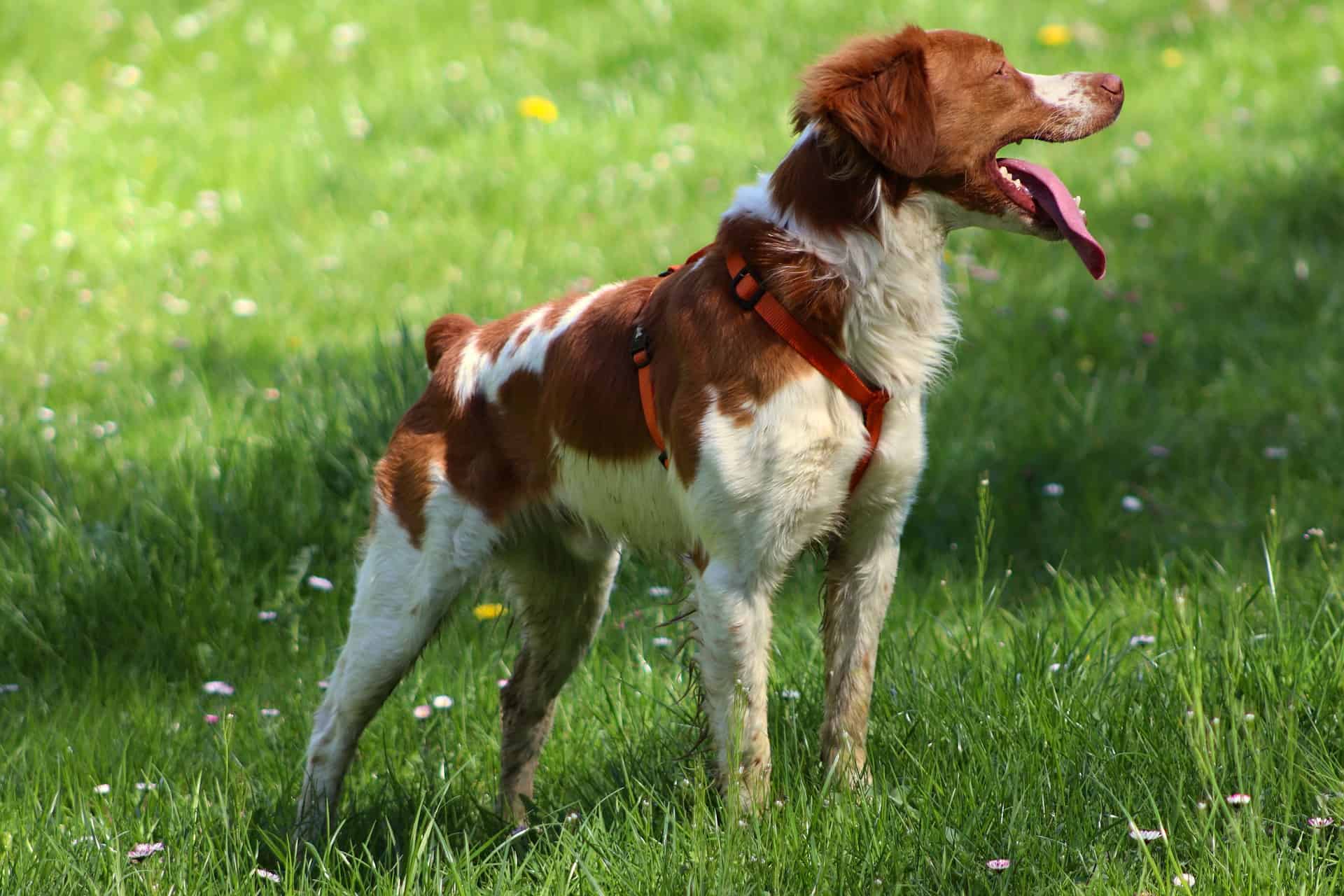
Kooikerhondje
From Netherlands
Kooikerhondje is also sometimes called the Dutch Decoy Spaniel, which reflects its traditional and unique purpose. It has been utilized for generations to attract and drive water birds into tunnel traps ("kooien" in Dutch) for hunters to grab alive. Nowadays some researchers still use Kooikerhondjes for tagging (and releasing) birds in this way. It is a rare breed, but it is a cheerful, good-tempered dog who is devoted to its owners but can be wary of unknown people.
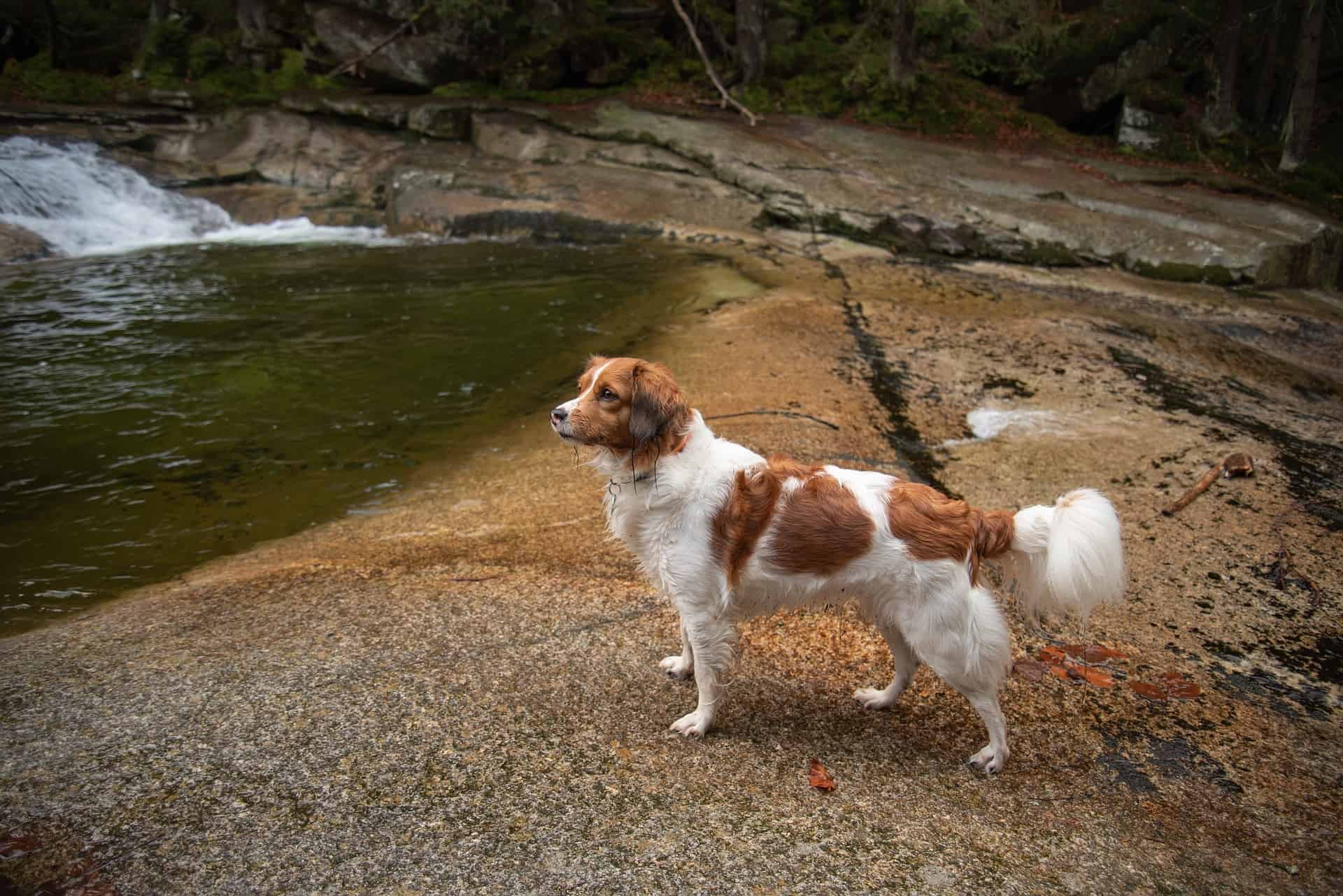
Purpose & Origin
The Kooikerhondje is a Dutch spaniel-type breed with a specific and unusual job: enticing ducks into tunnel traps called "kooien." Hunters positioned nets at the far end of these curving, reed-lined channels, and the dog's role was to trot back and forth along the bank, flashing its heavily fringed white tail to pique the birds' curiosity and draw them deeper into the trap. The breed has been documented in Dutch paintings since at least the 17th century, appearing in works by Vermeer and Jan Steen, and is credited in Dutch historical accounts with saving the life of Prince William of Orange by alerting him to intruders.
Two world wars nearly wiped the breed out entirely. By 1945, fewer than 25 dogs remained. Baroness Hardenbrock van Ammerstol drove the recovery effort in the early 1940s, locating a male and two bitches in the north of the Netherlands and beginning the first breeding programme. The breed club was established in 1967. Today around a hundred Kooikerhondjes still work in Dutch nature reserves, enticing wildfowl into nets so rare species can be banded and released.
Temperament & Behaviour
The Kooikerhondje is alert, lively, and emotionally attuned to its owner. It bonds closely with its family and tends to be reserved rather than outright unfriendly with strangers, taking its time before deciding someone is worth warming up to. That selectiveness is not a flaw; it reflects a breed that was never meant to work with crowds. Around familiar people it is cheerful and easy-going. It reads human moods well and is sensitive to changes in tone or body language, which makes it responsive but also means it does not respond well to rough handling or inconsistent treatment.
Activity & Training
This is a sporting breed that needs genuine daily exercise, not just a short garden run. Fetch, swimming, and nose-work sessions suit it well, connecting to its working heritage. It is bright and picks up training quickly, though its sensitivity means positive reinforcement is the only sensible approach. Harsh corrections create avoidance rather than compliance. Early socialisation matters: a Kooikerhondje that meets a wide range of people and environments as a puppy is far more adaptable as an adult.
Grooming
The coat is medium-length, slightly wavy, and water-resistant, with feathering on the ears, chest, legs, and the distinctive white tail. The breed is considered a self-cleaning coat: natural oils cause dried mud and dirt to crumble away, so baths are rarely needed. Weekly brushing keeps the feathering tangle-free and manages seasonal shedding. The coat should never be clipped or sculpted; it is meant to stay natural. Ear checks after water play are sensible given the heavy feathering around the ear canal.
Health
Because the breed was rebuilt from a very small foundation stock, genetic diversity is limited and a handful of hereditary conditions appear with higher frequency than in larger gene pools. Von Willebrand's disease (a clotting disorder), hereditary necrotizing myelopathy (a progressive neurological condition), patellar luxation, and epilepsy are the main concerns. Responsible breeders test for these conditions; buyers should ask to see documentation. Lifespan is typically 12 to 15 years for a healthy, well-bred dog.
Why these breeds are similar
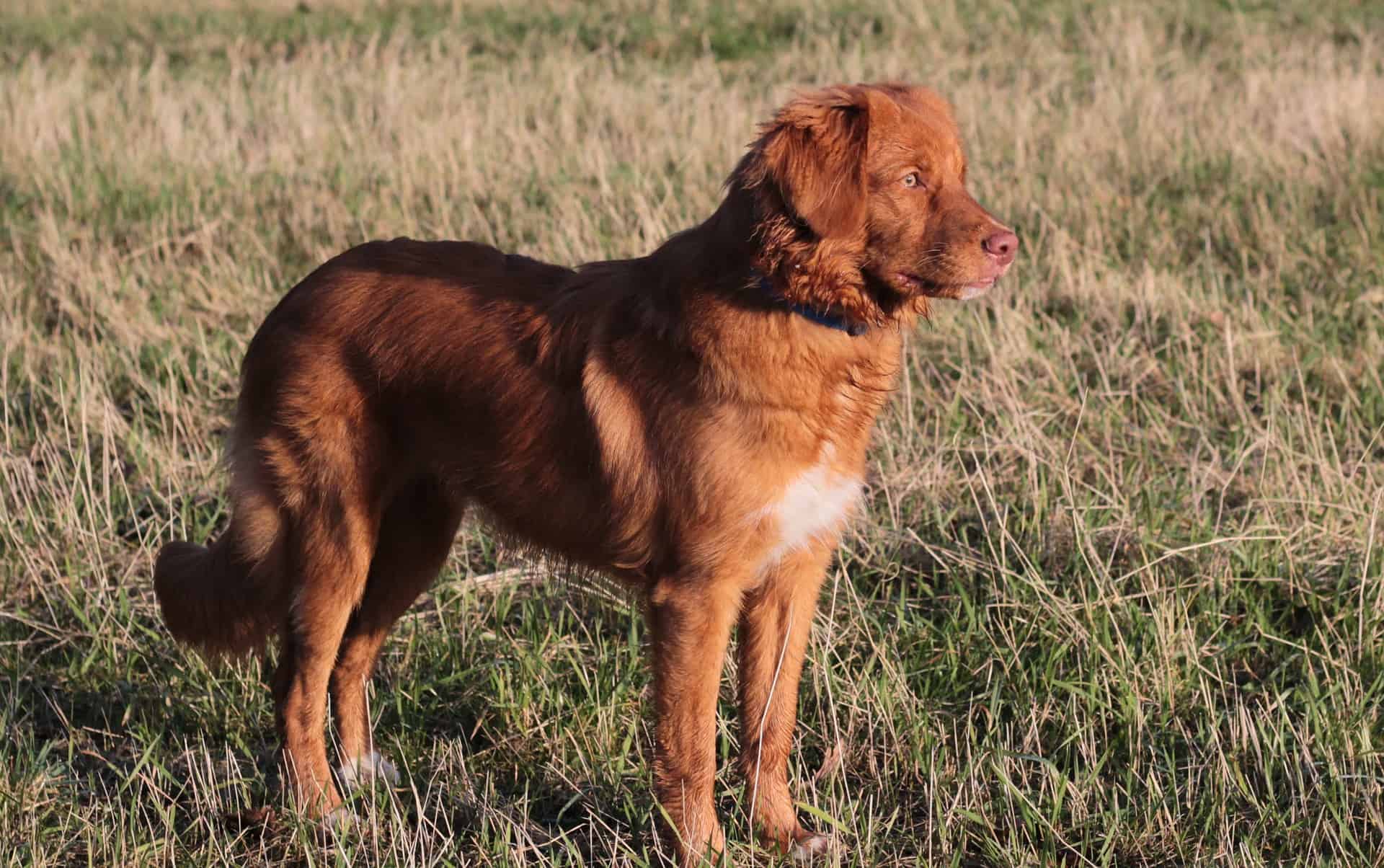
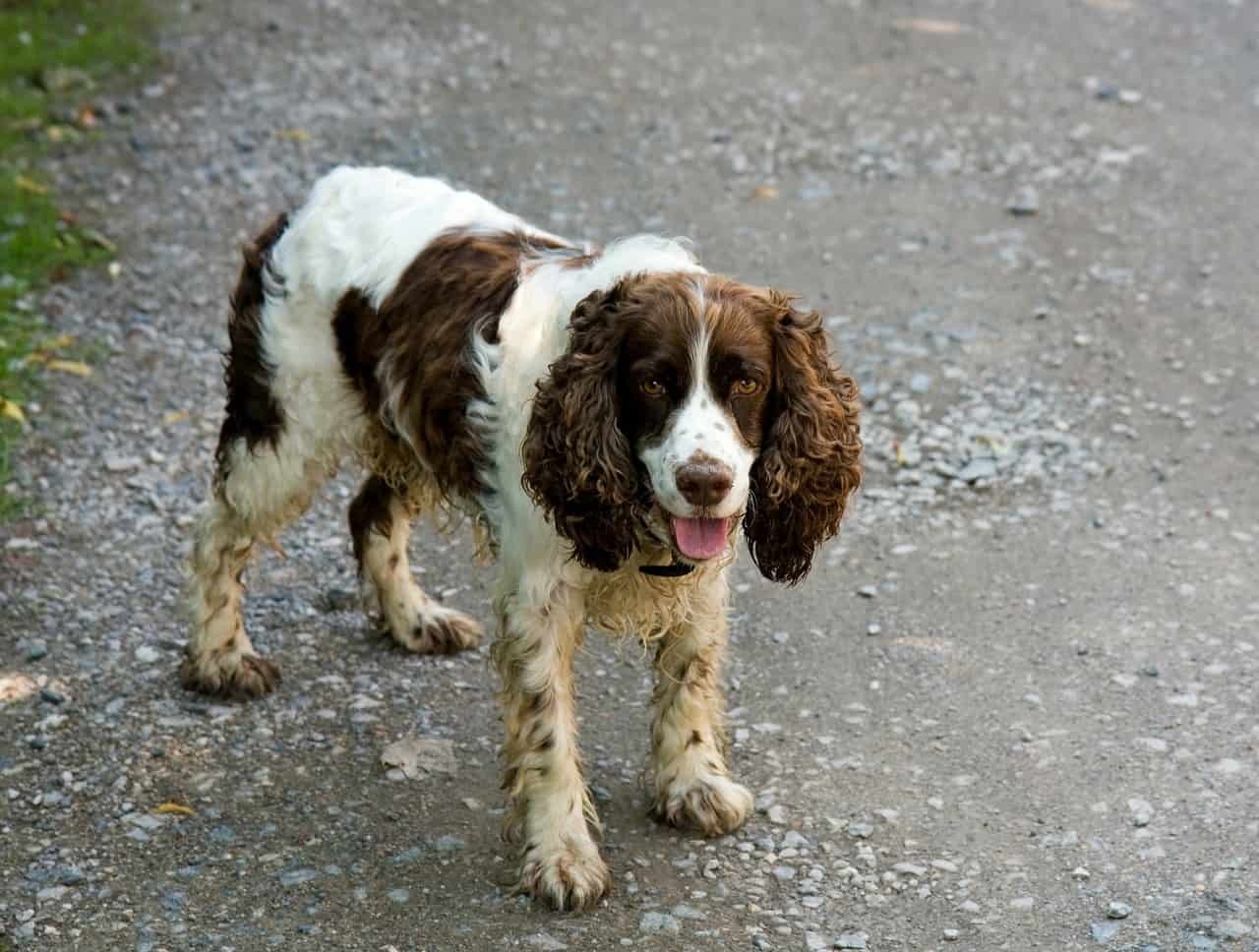
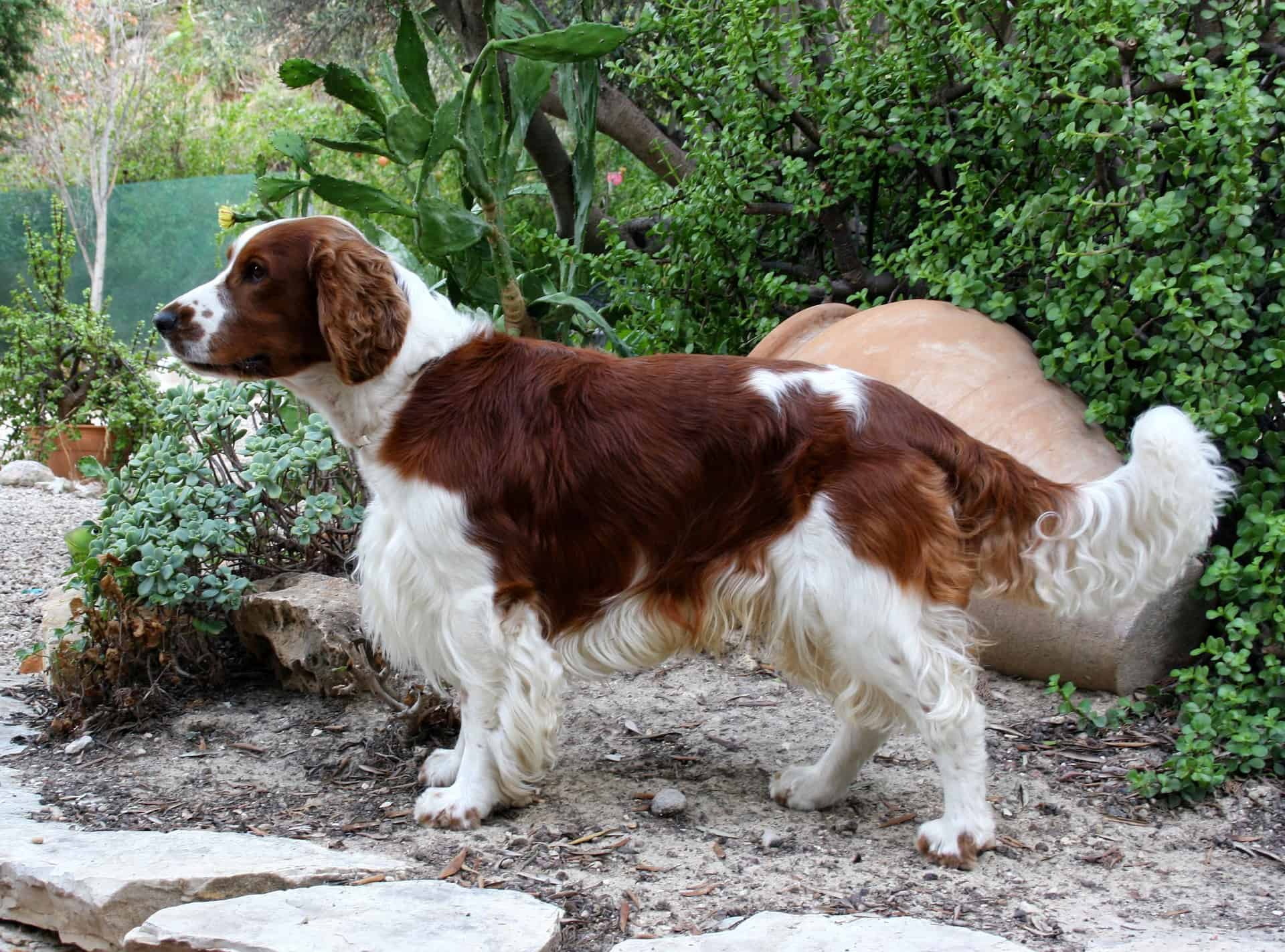
The **Nova Scotia Duck Tolling Retriever** is the closest parallel: it shares the same working method, luring waterfowl by conspicuous movement before a retrieve, produces a similarly red-and-white coat, and has the same energetic but biddable sporting temperament. The **English Springer Spaniel** and **Welsh Springer Spaniel** are fellow flushing spaniels of comparable size with high energy, a strong working drive, and affectionate family temperaments, though they were bred for upland flushing rather than decoy work.
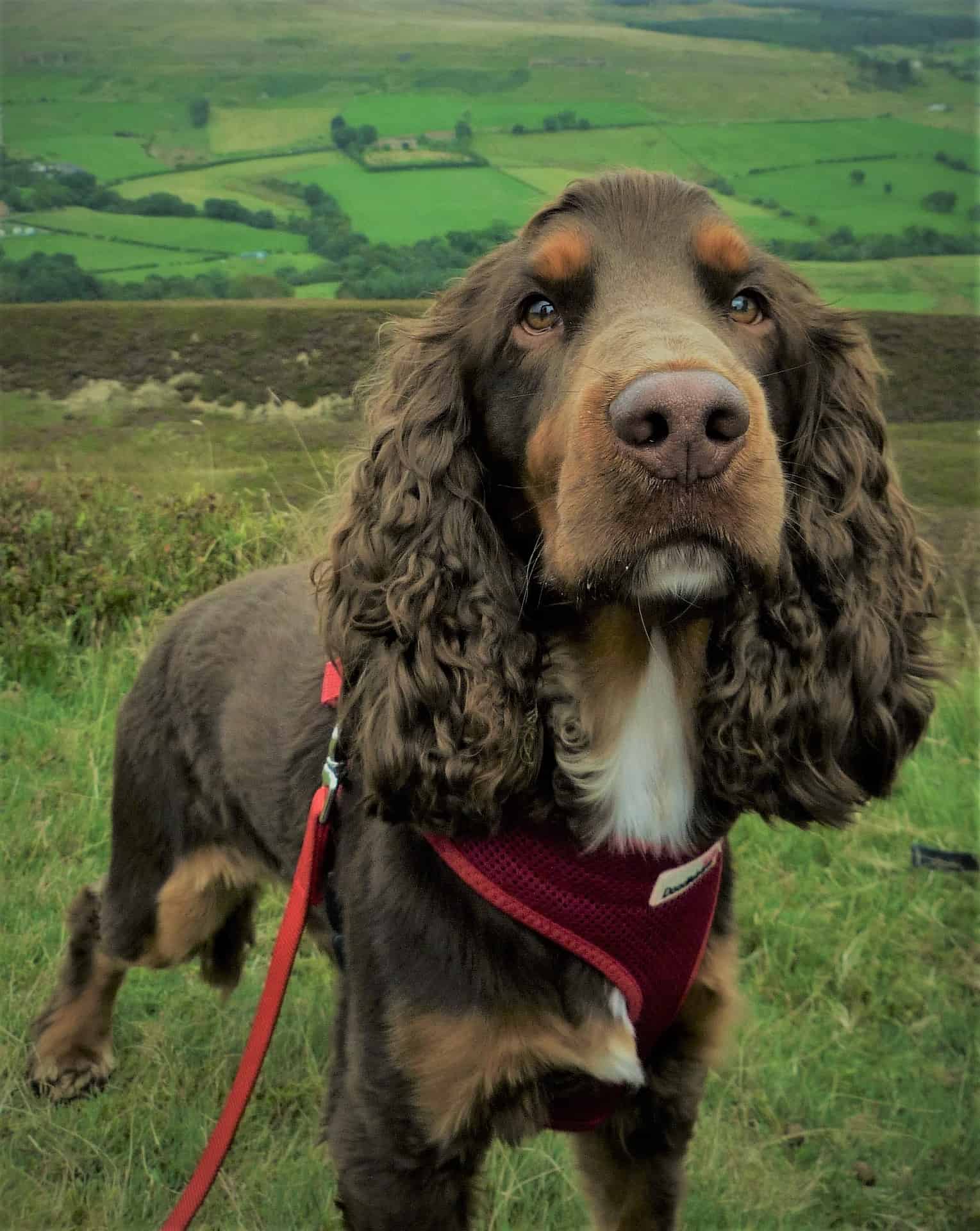
The **Field Spaniel** shares the spaniel build and the need for active outdoor work, with a similarly steady and devoted character. The **Brittany** rounds out the group as a compact, enthusiastic gun-dog spaniel type with high trainability and an energetic outdoor requirement that matches the Kooikerhondje's daily needs closely.