Great Dane
From Germany
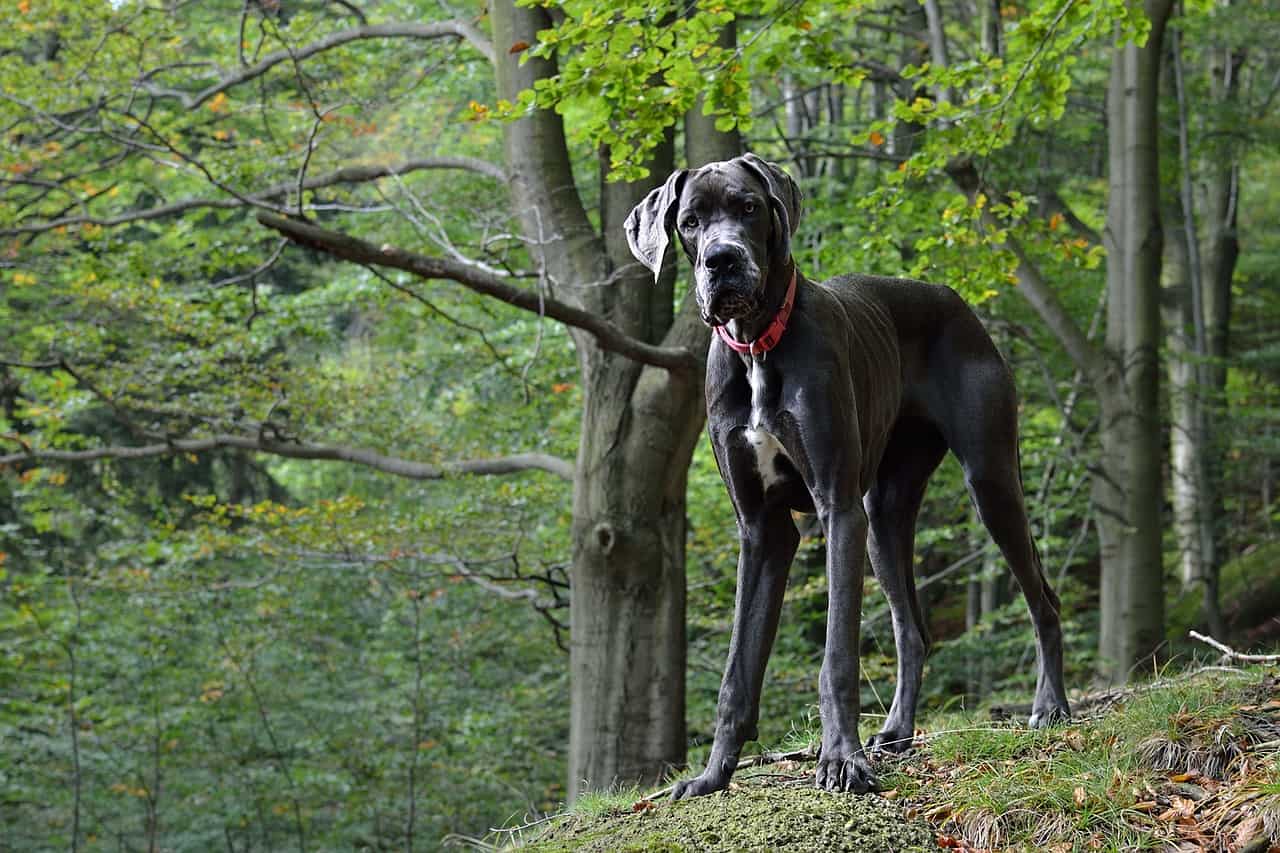
Purpose & Origin
The Great Dane earned the title "Apollo of Dogs" not through vanity but through genuine impressiveness: this is a dog of ancient lineage, descending from Molossus war dogs crossed with Greyhound-type coursers to produce something both fast and powerful. By the fourteenth century, German nobility were using these dogs to hunt wild boar, a task requiring the speed to chase, the courage to close, and the strength to hold. The landed gentry valued them equally as estate guardians, and the breed became a fixture of German aristocratic life.
British observers called them German Boarhounds, and the name "Great Dane" attached itself to the breed in the English-speaking world despite being entirely misleading: the dog is thoroughly German, declared Germany's National Dog in 1876, and still known there as the Deutsche Dogge. The breed arrived in America in the late nineteenth century and has held its popularity ever since, with individual specimens regularly breaking records as the world's tallest dog.
Temperament & Behaviour
A well-raised Great Dane is a genuinely pleasant dog: spirited without being hyperactive, courageous without being aggressive, and notably friendly toward both strangers and family. Affection is a strong trait, and the breed bonds closely with its people. It is generally tolerant of children, though the sheer size of the dog means small children can be knocked over by an enthusiastic greeting rather than anything hostile.
Watchdog instinct is sharp, and the dog's physical presence alone is a significant deterrent. The breed is not typically dog-aggressive but warrants supervision around smaller animals, as it does around any large dog. Training is achievable at a moderate level of effort, and a Dane that has been properly socialised and trained is a composed, well-mannered companion.
Activity & Training
Despite the imposing size, exercise requirements are moderate. A daily walk or a good off-leash romp covers the Dane's needs; this is not a high-drive working dog that demands hours of activity. What matters more is space at rest: the dog needs a large sleeping area and soft bedding to protect joints and prevent pressure sores. Cold and heat tolerance are both limited, so outdoor activity in extreme weather needs to be brief. Training response is average, so consistent early work matters, but the breed is not particularly stubborn. Giant breed puppies should avoid heavy impact exercise until the skeleton matures.
Grooming
The Great Dane's coat is about as low-maintenance as a dog coat gets. The short, dense single coat needs only occasional brushing to remove loose hair, and bathing frequency is minimal. Shedding is light. Some individuals drool, which is worth knowing before choosing the breed, but the coat itself demands almost no time or equipment.
Health
Gastric torsion (bloat) is the most serious concern and the one most likely to be fatal without immediate intervention; large, deep-chested breeds are inherently at risk. Cardiomyopathy and osteosarcoma are the other major conditions the breed faces. Minor concerns include hip dysplasia, Wobbler's syndrome, OCD, and hypothyroidism. Lifespan is 7 to 10 years, which is typical for a giant breed. Danes are bred within distinct colour families (fawn and brindle; harlequin and mantle; black and blue), and these families are rarely interbred, so health profiles can differ by colour line.
Why these breeds are similar
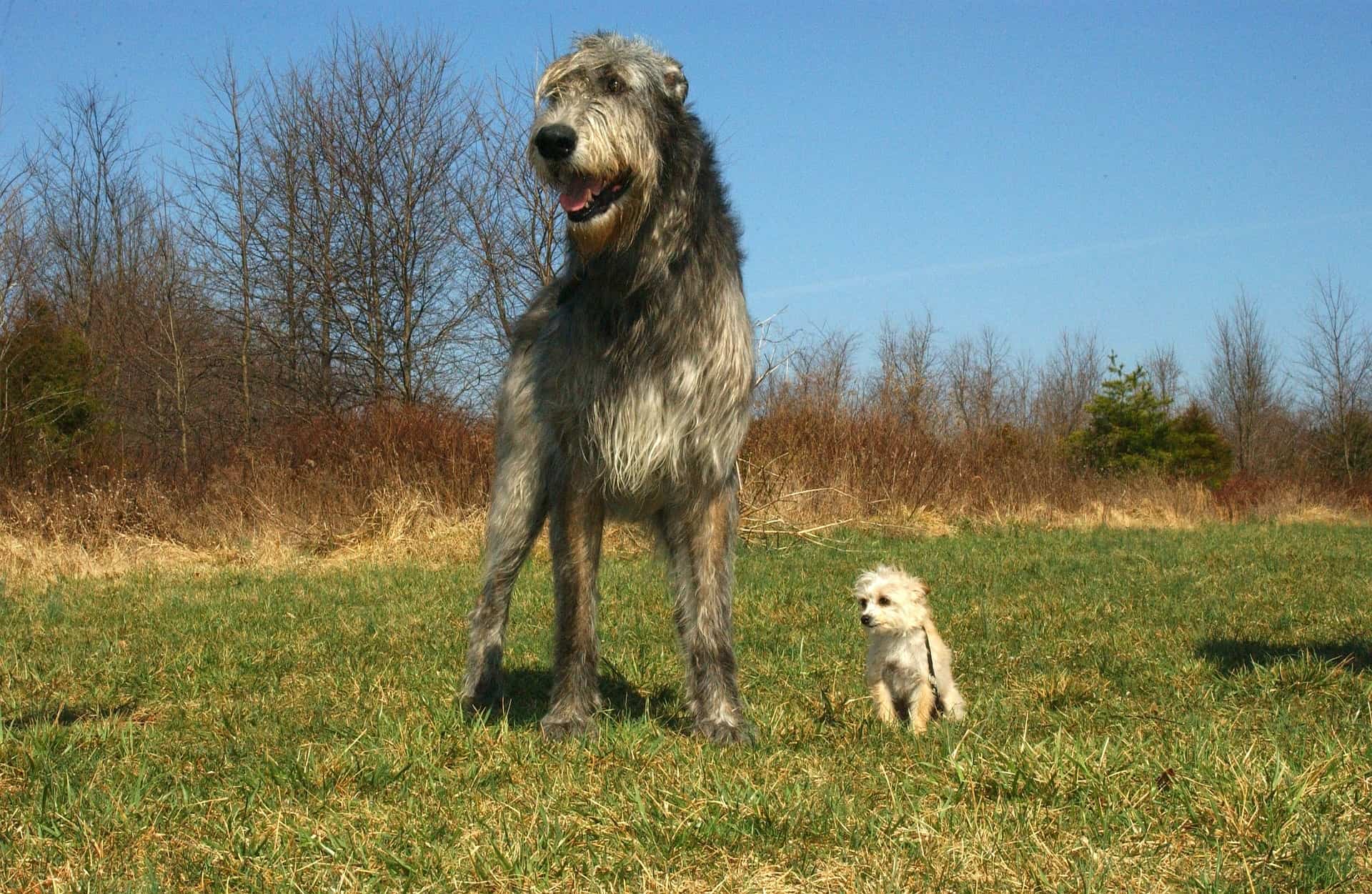
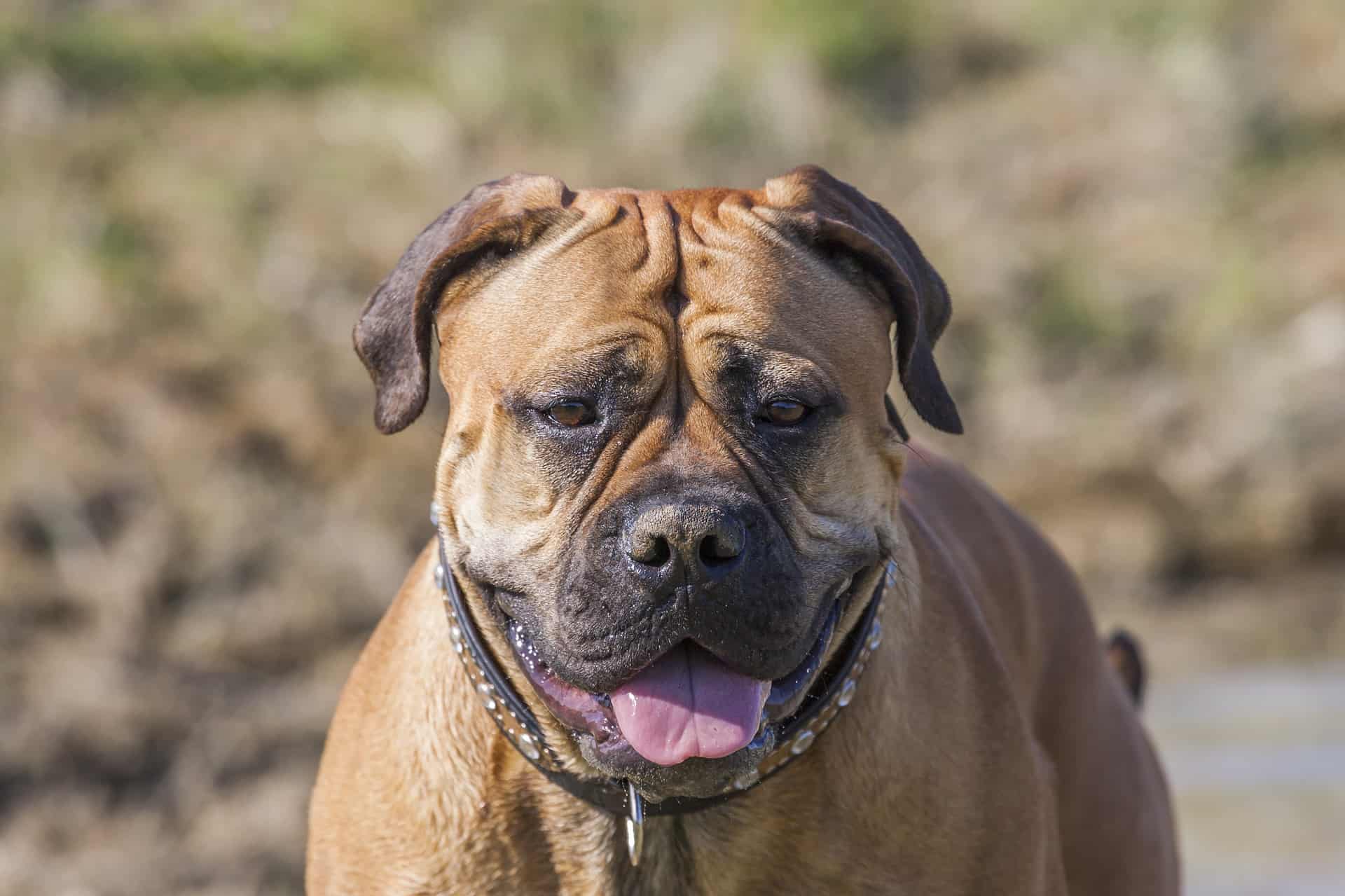
The Irish Wolfhound shares the most with the Great Dane: both are ancient giant breeds that combined speed and power for large-game hunting, both carry a calm, affectionate temperament despite their size, and both face similar giant-breed health challenges including short lifespans. The Bullmastiff is the other classic estate guardian here, a large, confident, low-maintenance dog bred to deter intruders rather than bark at them, with the same combination of physical presence and measured temperament.
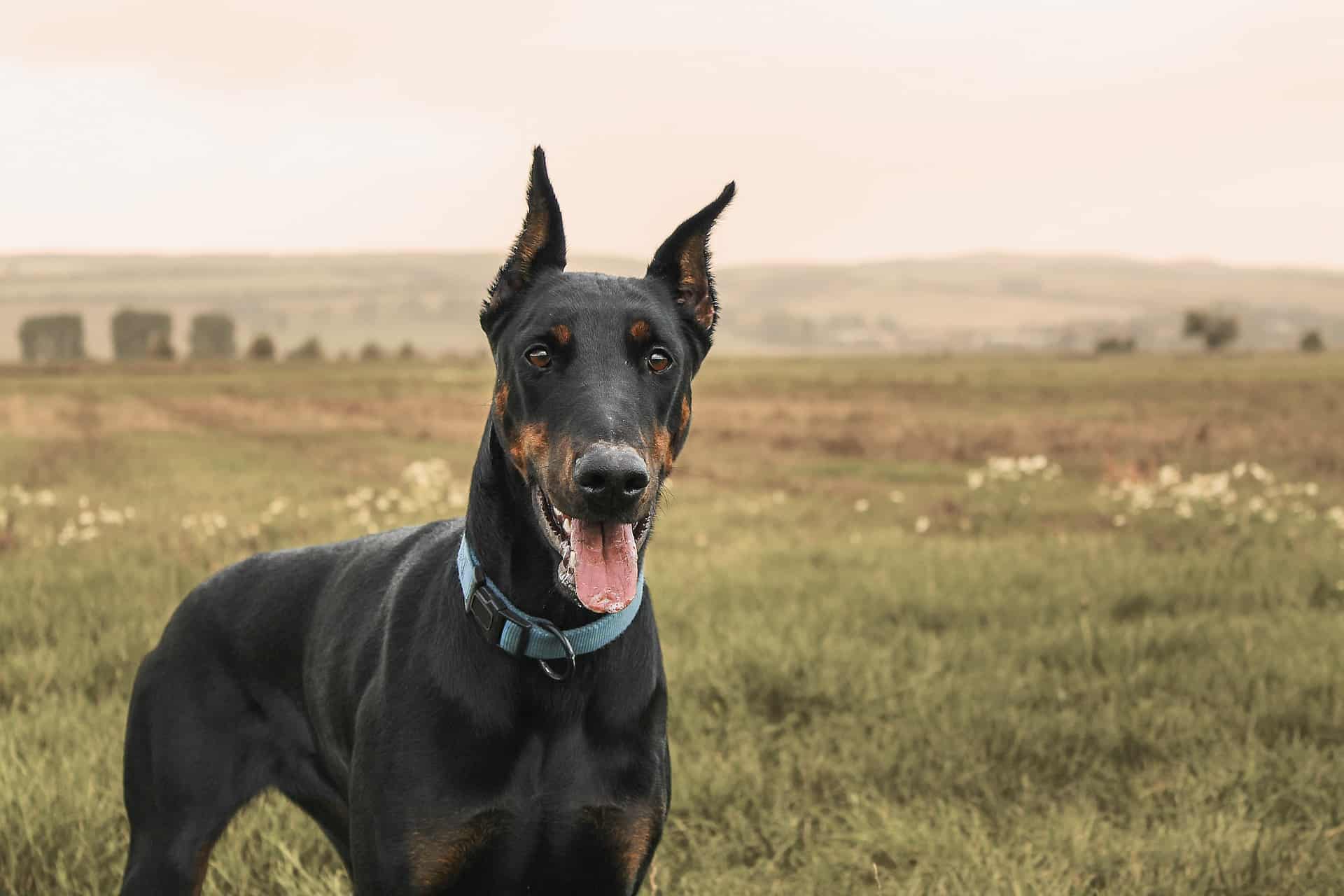
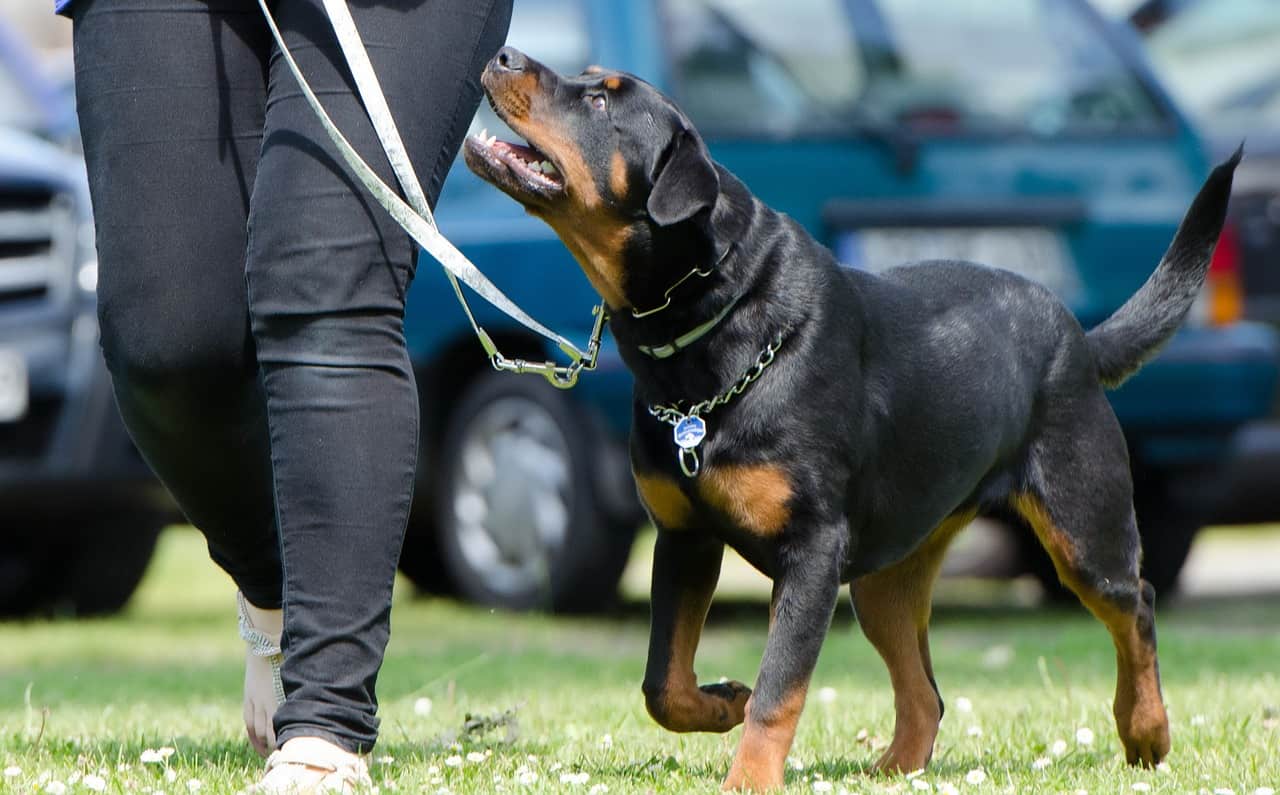
The Doberman Pinscher connects on the guardian and watchdog axis rather than size: alert, loyal, and capable of protection work, with an aristocratic look that echoes the Dane's carriage. The Rottweiler rounds out the group as another heavy German working breed in the mastiff tradition, dependable with family, reserved with strangers, and requiring consistent early training to reach its considerable potential as a companion.
Trait ratings
- Energy level
- 2/5
- Exercise requirements
- 2/5
- Playfulness
- 2/5
- Affection level
- 4/5
- Friendliness toward dogs
- 2/5
- Friendliness toward other pets
- 2/5
- Friendliness toward strangers
- 4/5
- Ease of training
- 3/5
- Watchdog ability
- 4/5
- Protection ability
- 3/5
- Grooming requirements
- 1/5
- Cold tolerance
- 2/5
- Heat tolerance
- 2/5