Bullmastiff
From Great Britain
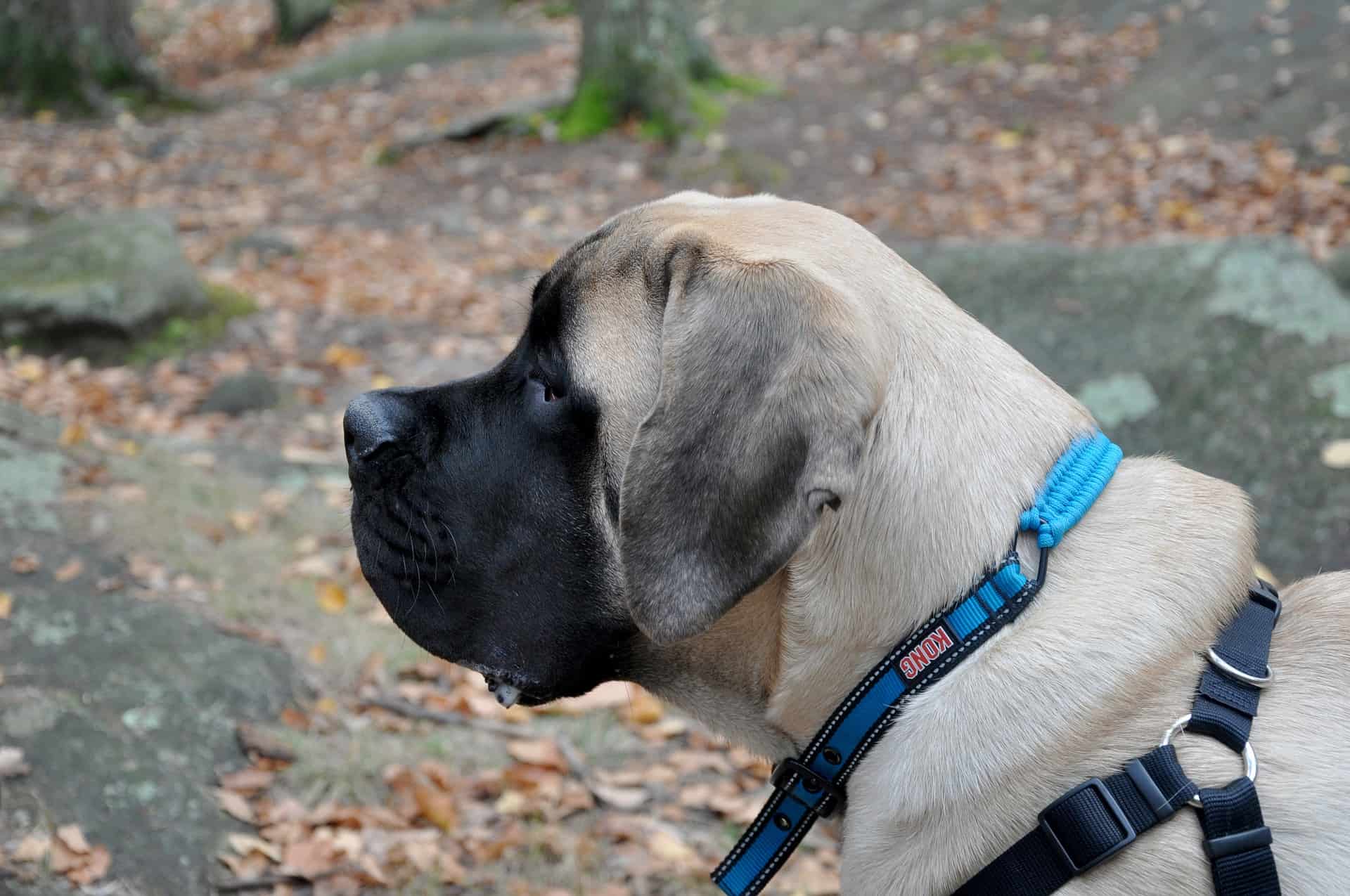
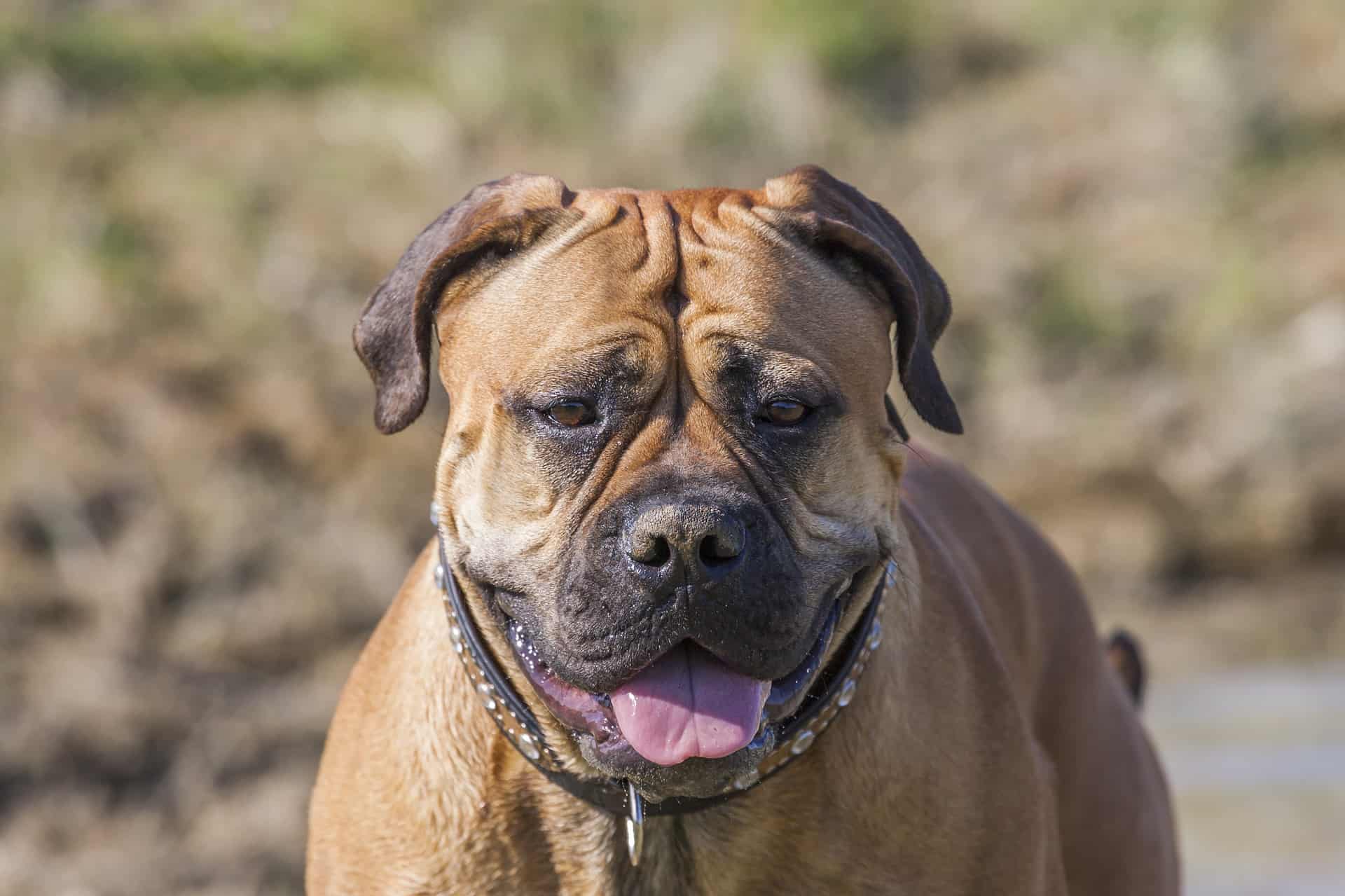
The Bullmastiff, a mix between the Old English Mastiff and the Bulldog, was bred to be a gamekeeper's guard dog. This breed, which has a more stable temper than many other mastiff breeds, is a smart and loyal house dog. The strong and robust physique of the Bullmastiff conceals a bright personality and unlimited energy.
Purpose & Origin
The Bullmastiff was purpose-built in nineteenth-century England to solve a specific problem: poaching on great estates had become so rampant that gamekeepers' lives were at risk. They needed a dog that could trail silently, attack on command, and pin a man to the ground without mauling him. The Mastiff was too slow; the Bulldog too small. Crossing the two at roughly 60-40 in favour of the Mastiff produced what became known as the Gamekeeper's Night Dog.
Early breeders preferred dark brindle coats because they disappeared into the dark. As the breed moved from gamekeeper tool to estate sentry, lighter fawn coats with black masks grew in favour. Breeders worked toward a stable, self-reproducing strain rather than repeating the original cross, and by 1924 the English Kennel Club recognised it as a pure breed. AKC recognition followed in 1933.
Temperament & Behaviour
This is a naturally quiet, composed dog that does not look for trouble. Once provoked, however, it is completely fearless and very difficult to deter. Stubbornness is baked into the breed: it will not be coaxed or goaded into anything against its will, which cuts both ways. It makes a devoted companion and a serious guardian, but it is not a dog for timid or inexperienced owners. Males in particular tend to be intolerant of other male dogs, and while the Bullmastiff is generally good with children, it should be raised alongside them rather than introduced to them as an adult. It drools; some individuals snore.
Activity & Training
Exercise needs are moderate for a dog this size. Daily walks on leash plus occasional short runs are sufficient to keep it fit. The Bullmastiff is not built for heat or humidity and should be kept indoors, with a soft bed and enough floor space to stretch out fully. Training requires consistency and genuine authority. The ease-of-training score is low, and owners who try to rely on repetition or force will get nowhere. Patient, firm, relationship-based handling works; frustration does not.
Grooming
Coat care is minimal. The short, dense coat needs only occasional brushing to remove loose hair, and the Bullmastiff is not a heavy shedder. Routine maintenance covers ear cleaning, nail trimming, and attention to the facial wrinkles, which can trap moisture and irritate the skin if left unchecked.
Health
The Bullmastiff carries a relatively short lifespan of eight to ten years. The most serious concerns are bloat (gastric torsion), hip dysplasia, and elbow dysplasia. Entropion is a minor concern. Various cancers, including hemangiosarcoma, osteosarcoma, and lymphosarcoma, appear occasionally, as do cardiac and thyroid conditions. Recommended health screening covers hips, elbows, eyes, heart, and thyroid.
Why these breeds are similar
The Mastiff is the Bullmastiff's closest ancestor, contributing the bulk of its size, its guarding instinct, and that characteristic black mask. The two breeds overlap almost entirely in purpose and temperament, with the Bullmastiff simply being a more agile, less massive version of the same tool.
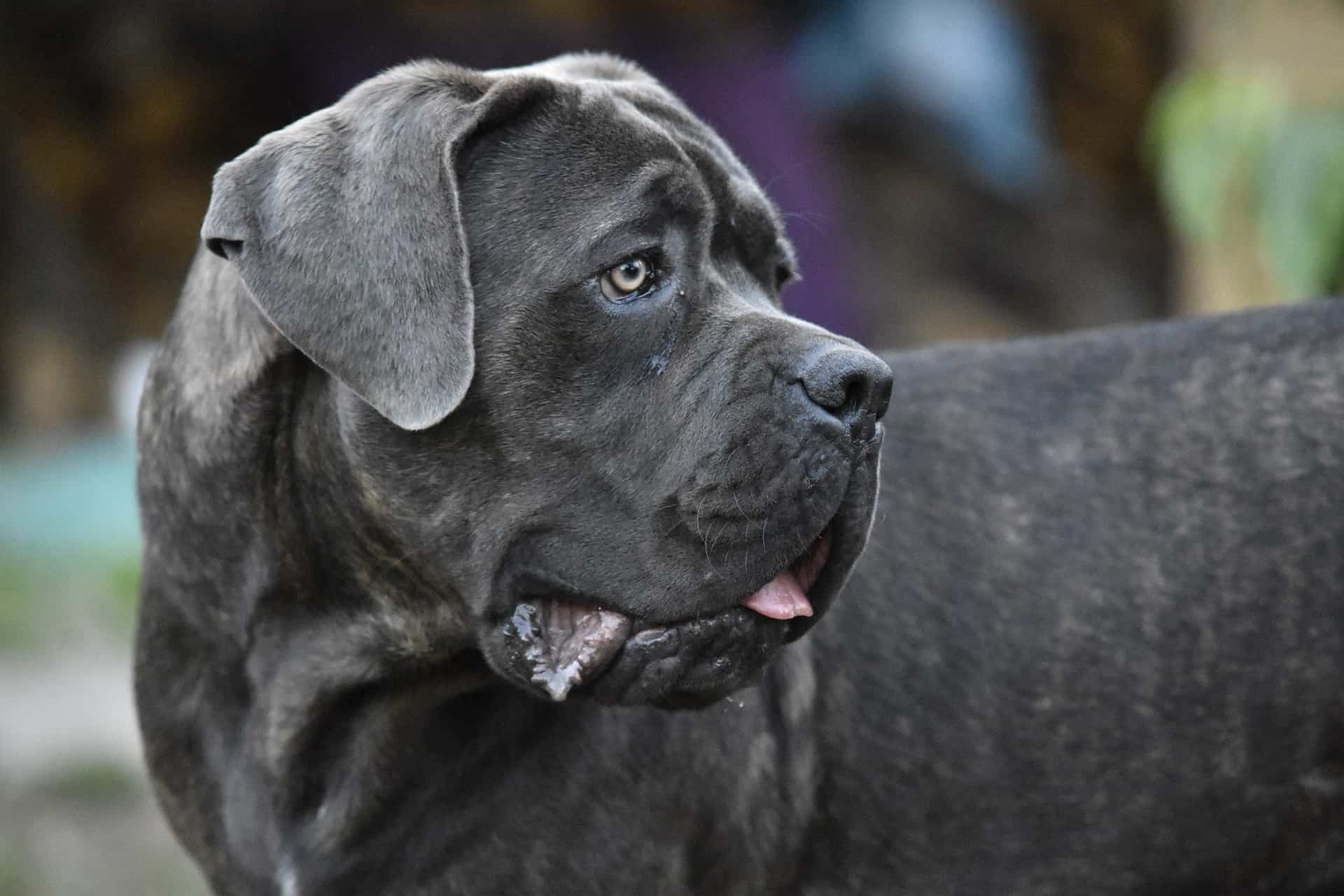
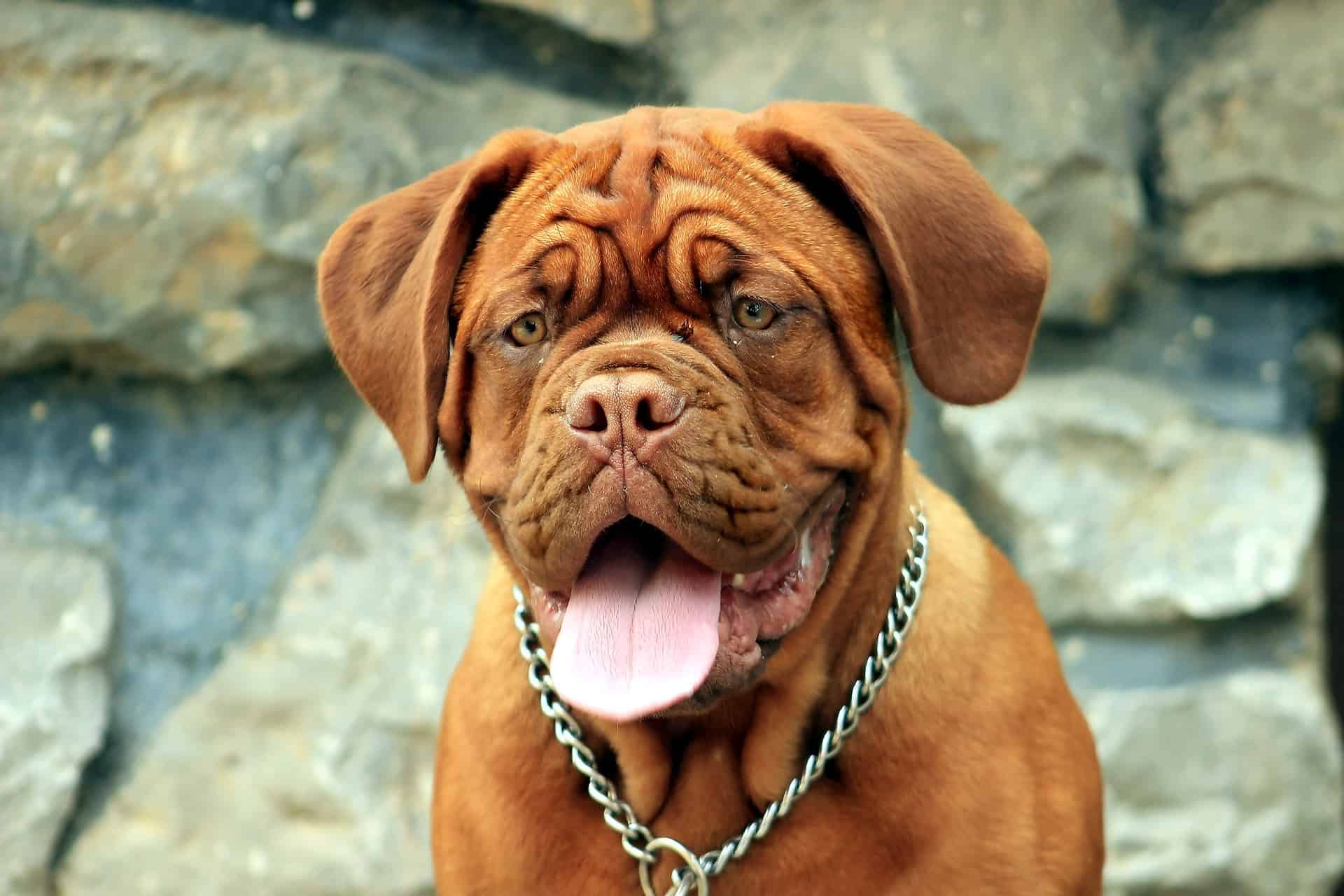
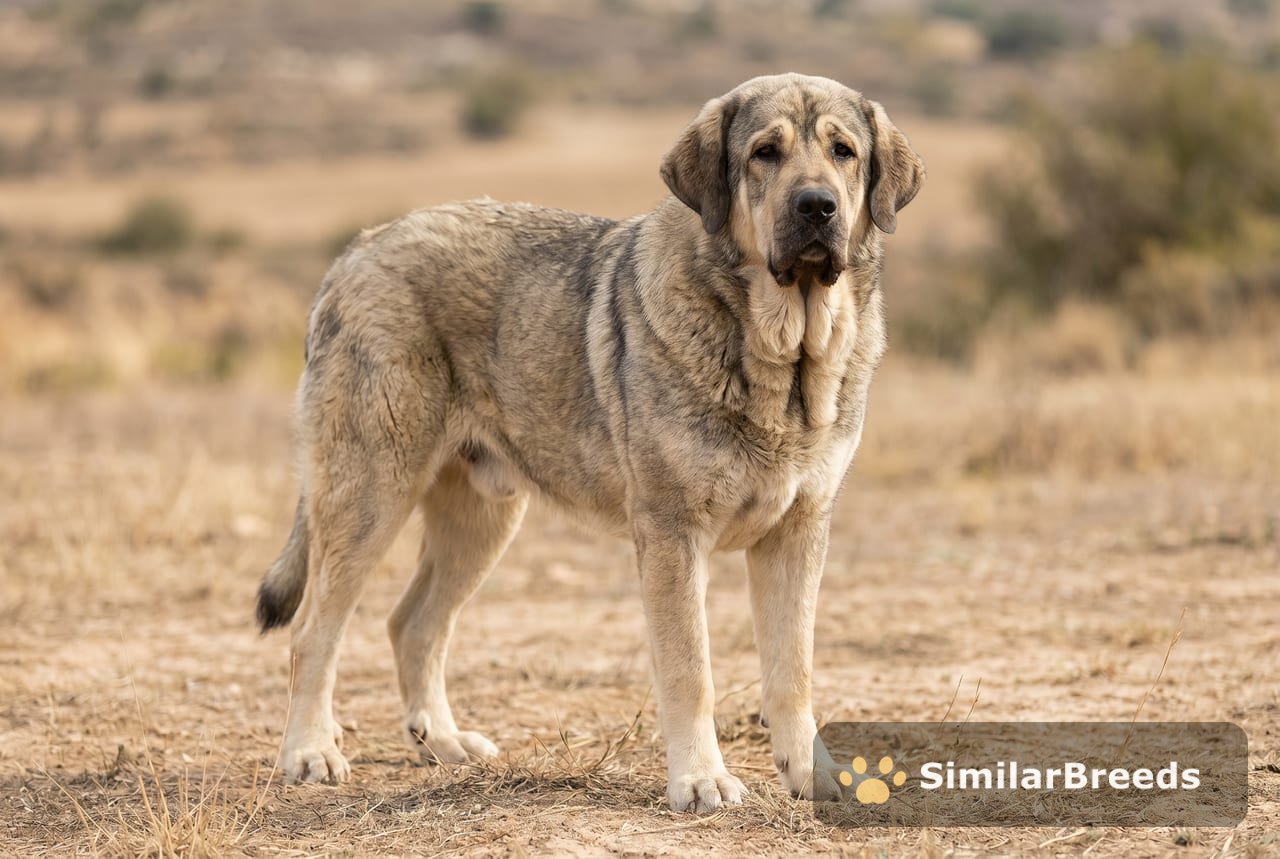
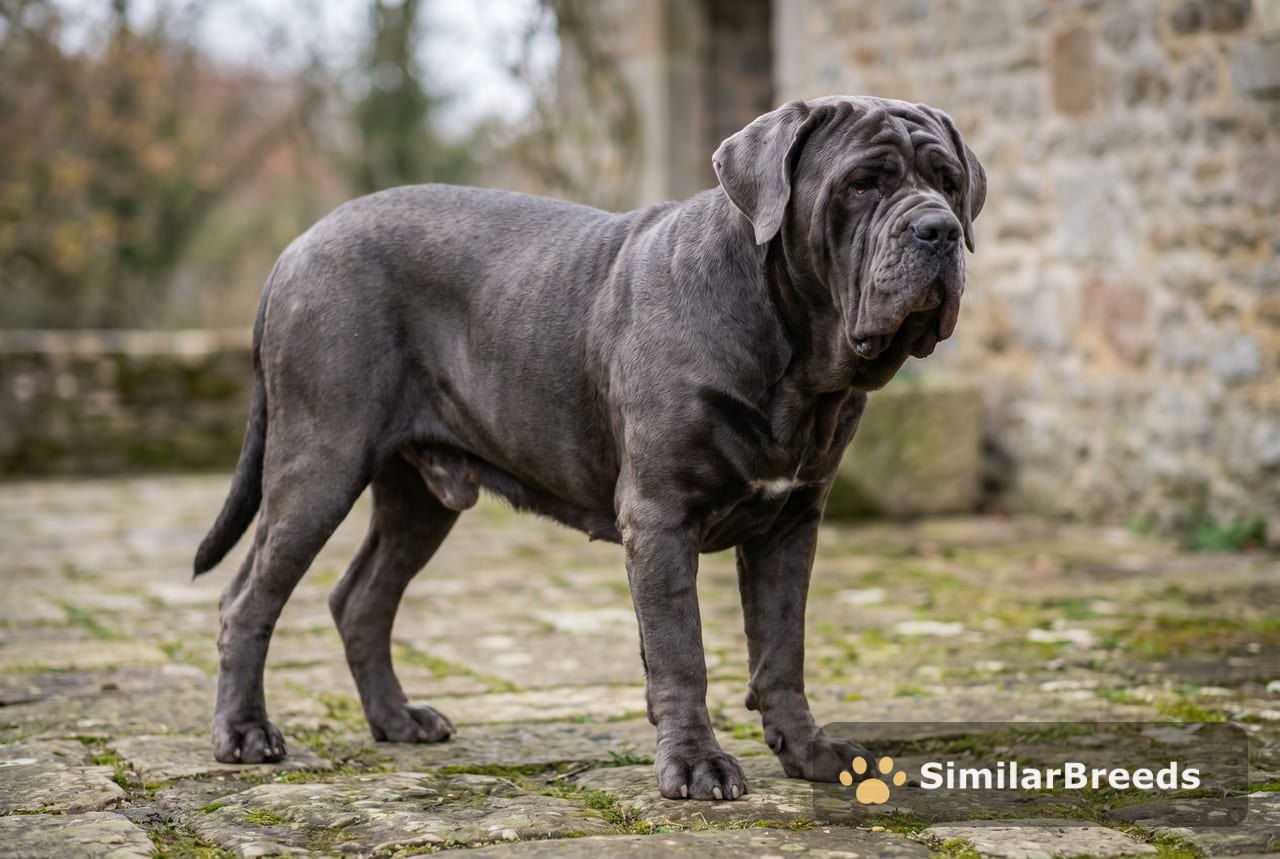
The Cane Corso is a comparable working guardian from Italy, similarly low-energy indoors but immovably protective when the situation demands it, and equally unsuited to inexperienced owners. The Dogue de Bordeaux shares the Bullmastiff's massive, wrinkled frame, its devotion to family, and its wariness of strangers. The Spanish Mastiff and Neapolitan Mastiff round out the group as large, territory-guarding molosser breeds with the same independent streak and the same requirement for an owner who can match their confidence.
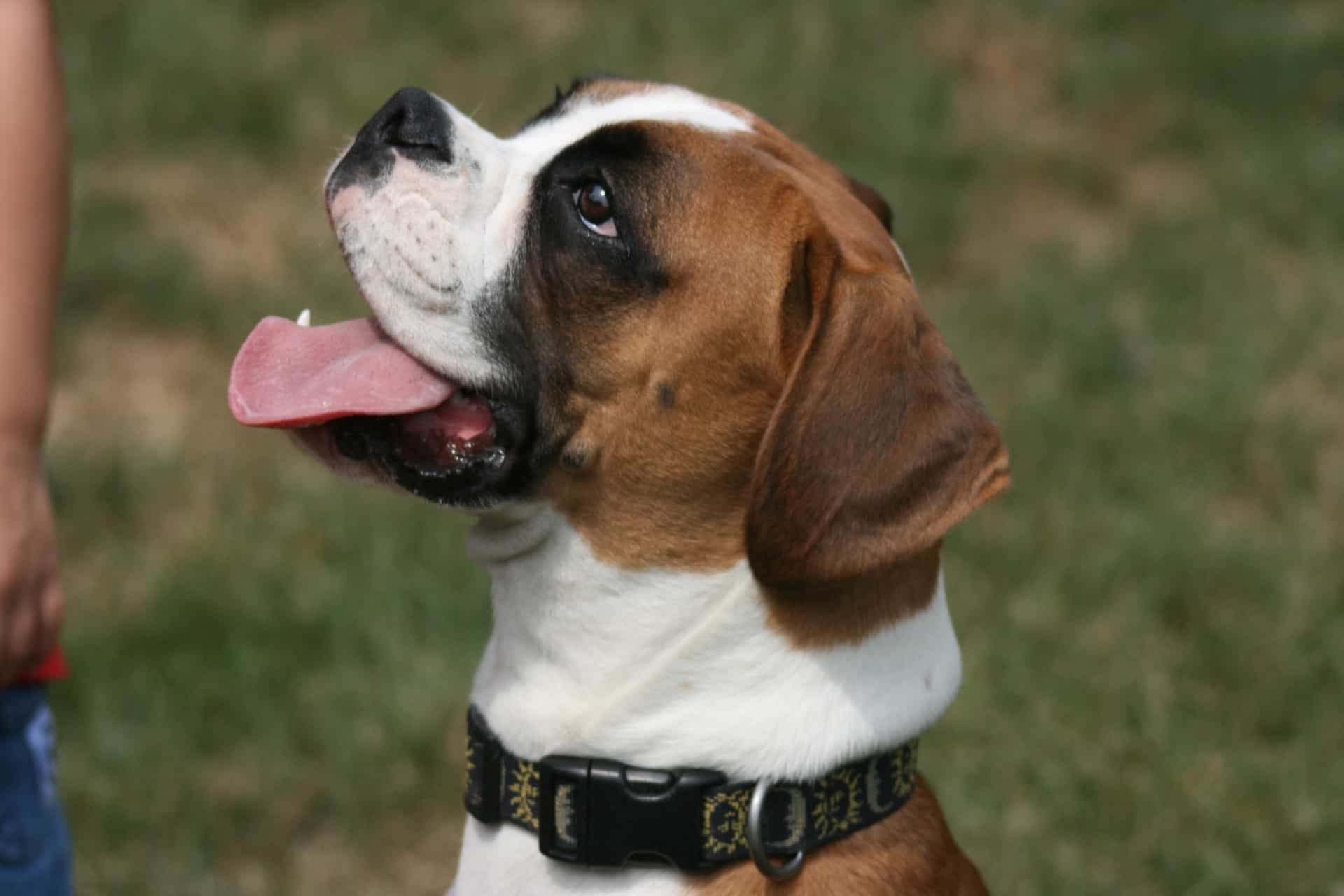
The Boxer is the outlier in terms of size and energy, but the connection is real: the Boxer carries Bulldog ancestry and was developed for similar catch-and-hold work, producing a breed with the same broad head, the same protective instinct, and a notably similar willingness to stand its ground.
Trait ratings
- Energy level
- 1/5
- Exercise requirements
- 2/5
- Playfulness
- 1/5
- Affection level
- 3/5
- Friendliness toward dogs
- 2/5
- Friendliness toward other pets
- 4/5
- Friendliness toward strangers
- 1/5
- Ease of training
- 1/5
- Watchdog ability
- 5/5
- Protection ability
- 5/5
- Grooming requirements
- 1/5
- Cold tolerance
- 3/5
- Heat tolerance
- 1/5