Kuvasz
From Hungary
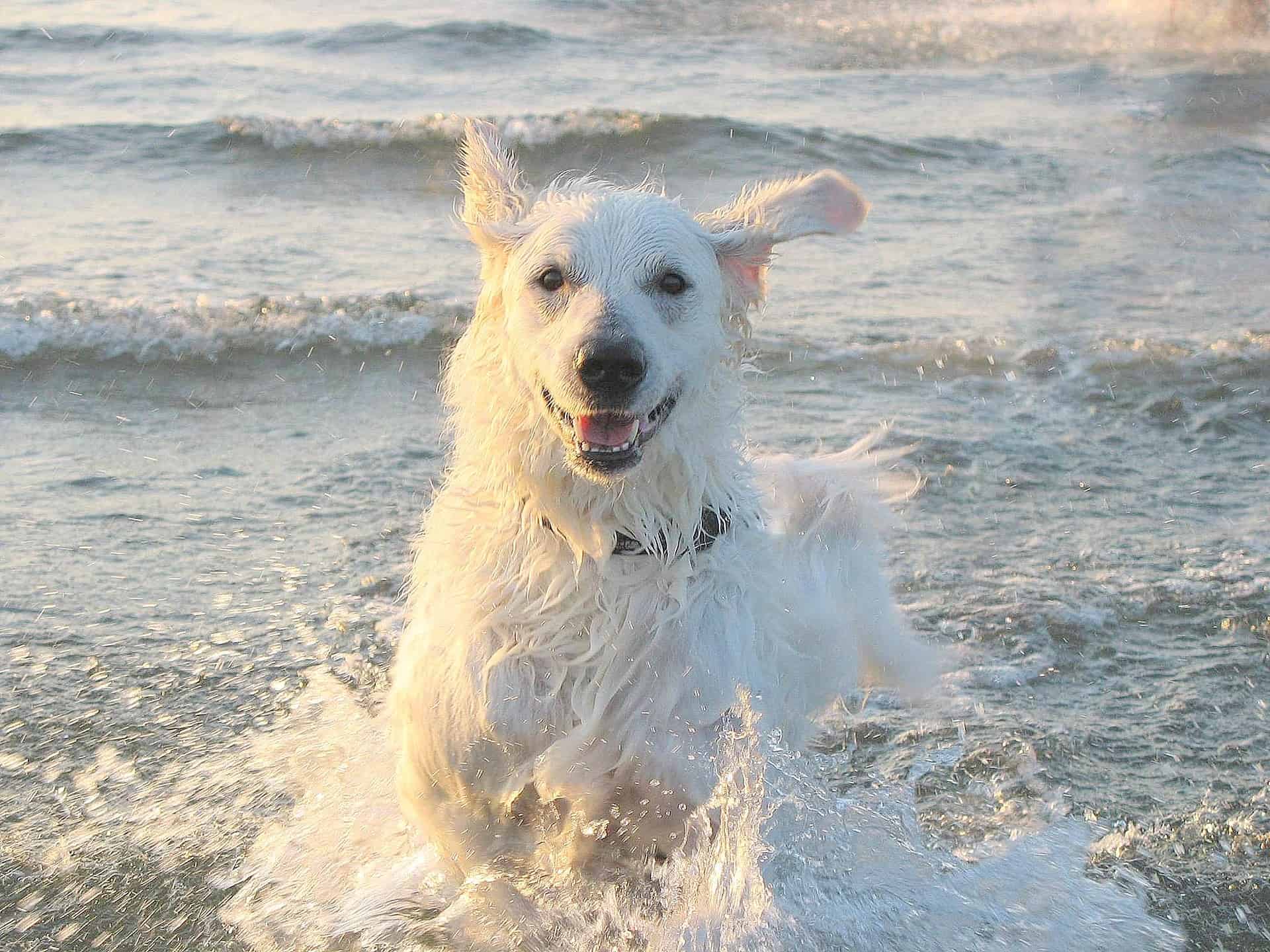
Purpose & Origin
The Kuvasz is a large Hungarian livestock guardian with roots far older than Hungary itself. The breed likely descended from massive Tibetan dogs, traveling westward through Turkey before arriving on the Hungarian plains during the Middle Ages. Its name reflects that journey: the word is probably a corruption of the Turkish "kawasz," meaning armed guard of the nobility, though later spelling changes ironically rendered it closer to the Hungarian word for mongrel.
For centuries the Kuvasz was a prestige animal. Under King Matthias I in the fifteenth century, only noblemen in royal favor were permitted to own one, and breedings were formally planned and recorded. The dogs earned their place by doing genuine work: guarding large estates and hunting dangerous game including bear and wolf. Over the following centuries they passed into the hands of ordinary farmers and proved equally capable as flock guardians.
Two world wars nearly wiped the breed out in Hungary; German bloodlines and American imports from the 1930s kept it alive. The AKC recognized the Kuvasz in 1935.
Temperament & Behaviour
The Kuvasz looks like a gentle white giant, but that soft appearance is misleading. This is a serious guardian, fearless under threat and highly independent in its thinking. It is loyal and devoted to its family, including children it has been raised with, though it can misread rough play between children as genuine danger and intervene. Strangers get little warmth, and strange dogs can trigger outright aggression.
Curiously, the breed tends to be patient and gentle with livestock and other pets in the household, which reflects its original function as a flock dog rather than a fighting dog. It is not demonstrative with affection, and some individuals are openly dominant. Experienced large-breed owners only.
Activity & Training
With an exercise requirement on the higher end and a cold-weather constitution, the Kuvasz needs a daily outlet: a long walk or a run in a safely fenced area. It is not a dog that tolerates being confined to a small apartment or left without physical and mental engagement. Access to both house and yard is the practical ideal.
Training is a different matter. The ease-of-training score is as low as it goes. The Kuvasz is not slow, but it is a breed that historically made decisions without a human handler nearby, and that independence is baked in. Consistency, early socialization, and a patient but firm approach are essential. Obedience is achievable; blind compliance is not.
Grooming
The coat is a double one, white and medium-length, requiring brushing once or twice a week under normal conditions. During shedding season the volume increases significantly and more frequent grooming is needed to stay ahead of it. The breed is not a high-maintenance coat by working-dog standards, but the white color and the sheer size of the dog mean shed hair is conspicuous. Cold tolerance is high; heat tolerance is not, which is worth considering in warmer climates.
Health
The Kuvasz carries the joint risks common to large breeds. Hip dysplasia and osteochondrosis dissecans are the major concerns. Hypothyroidism appears as a minor concern, and panosteitis and hypertrophic osteodystrophy are occasionally seen. Hip, elbow, and thyroid testing is recommended for breeding stock. Life expectancy runs nine to twelve years.
Why these breeds are similar
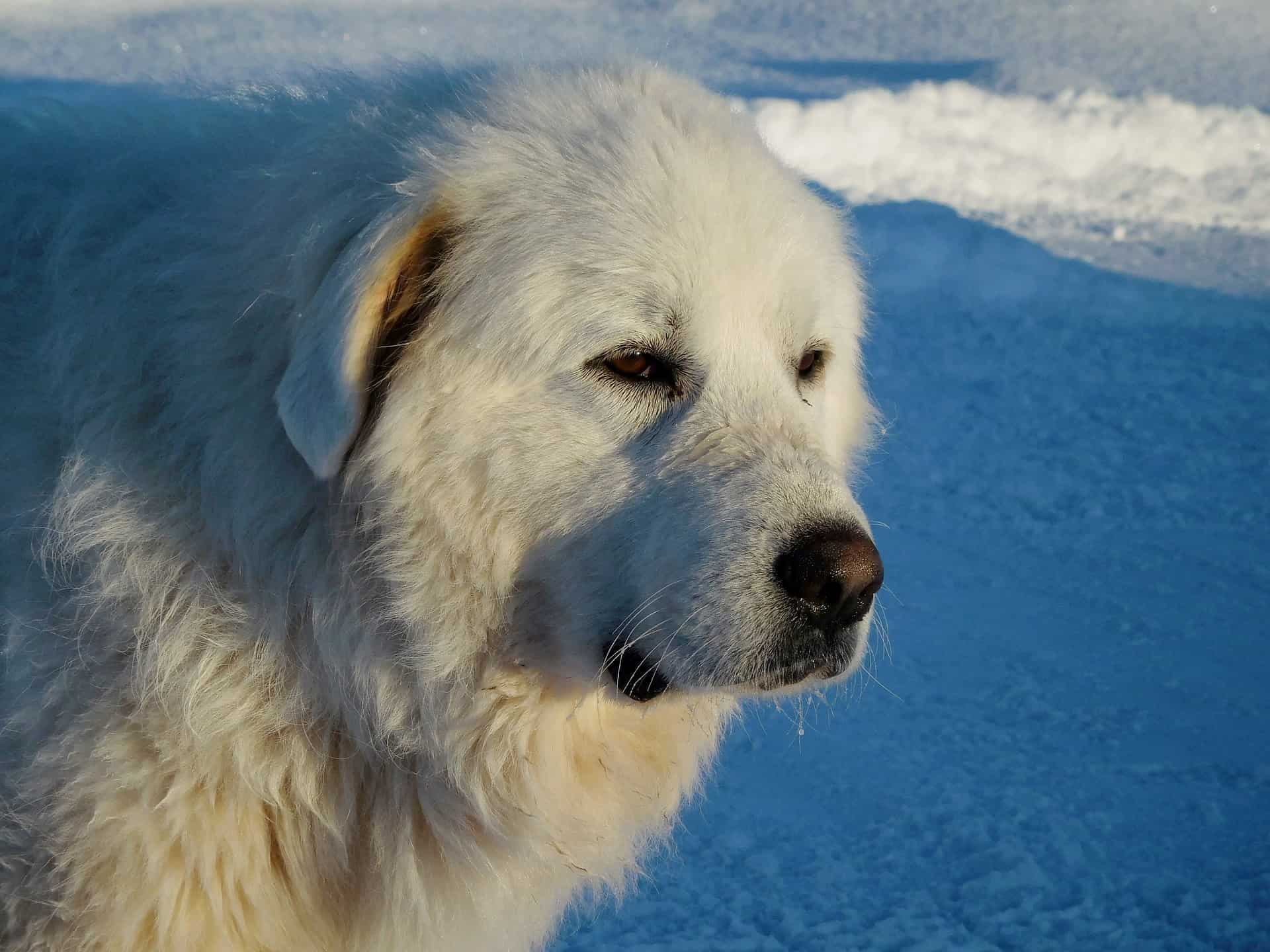
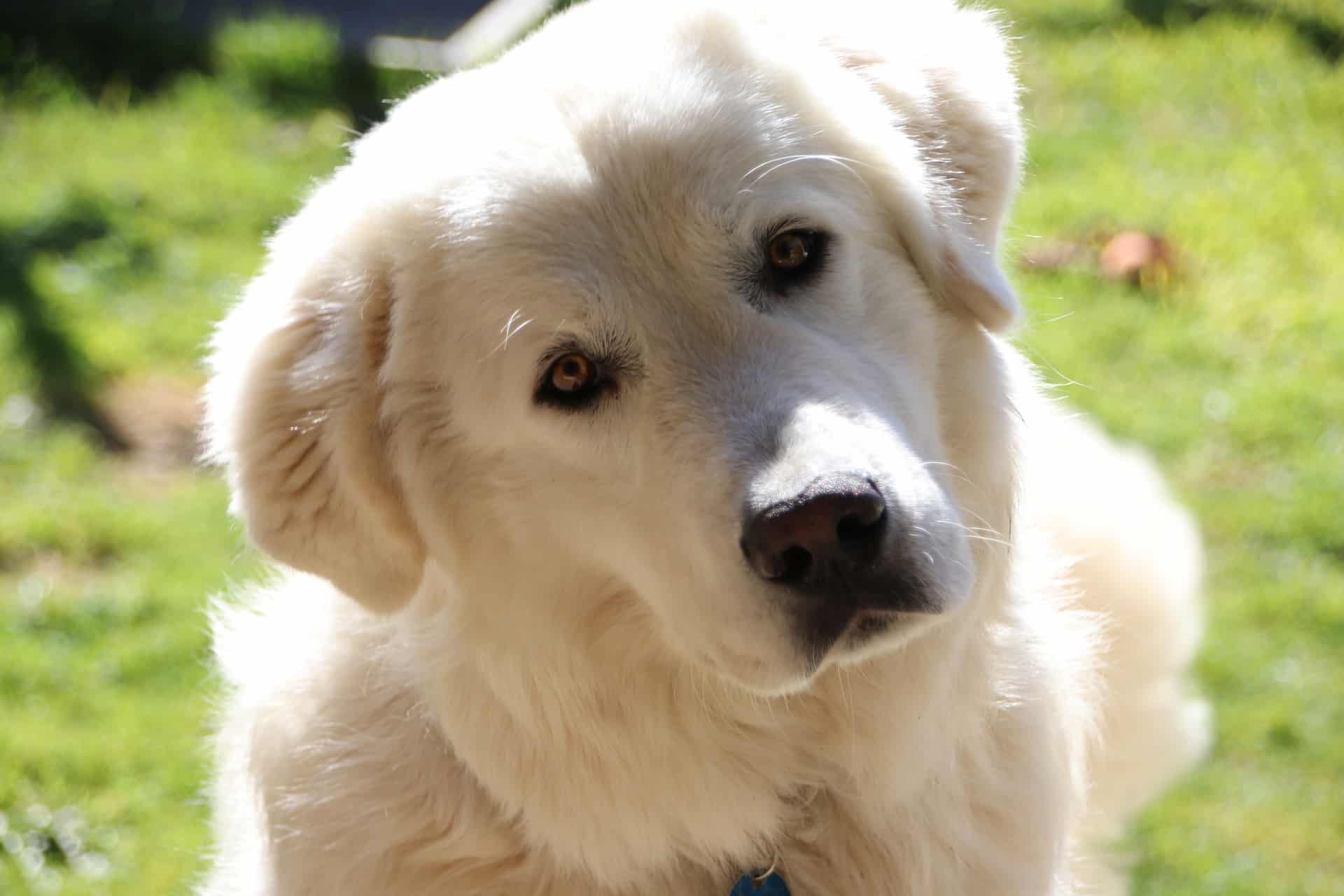
The Great Pyrenees is the closest parallel: another large, white, European livestock guardian bred to work independently in harsh mountain terrain, with the same wariness of strangers and the same instinctive protectiveness over a flock or family. The Maremmano-Abruzzese Sheepdog fills the same ecological niche in the Italian Apennines, sharing the white coat, the flock-guardian temperament, and the strong territorial instinct.
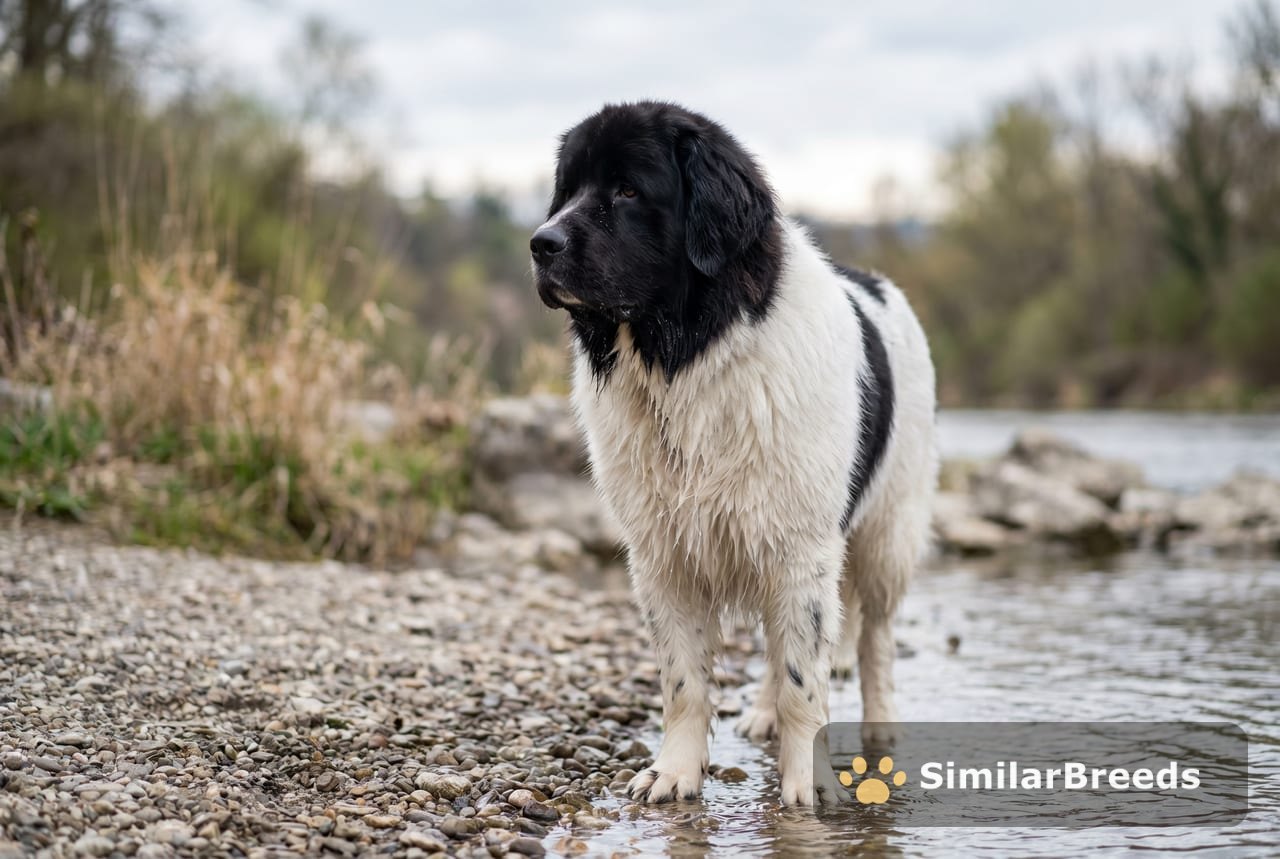
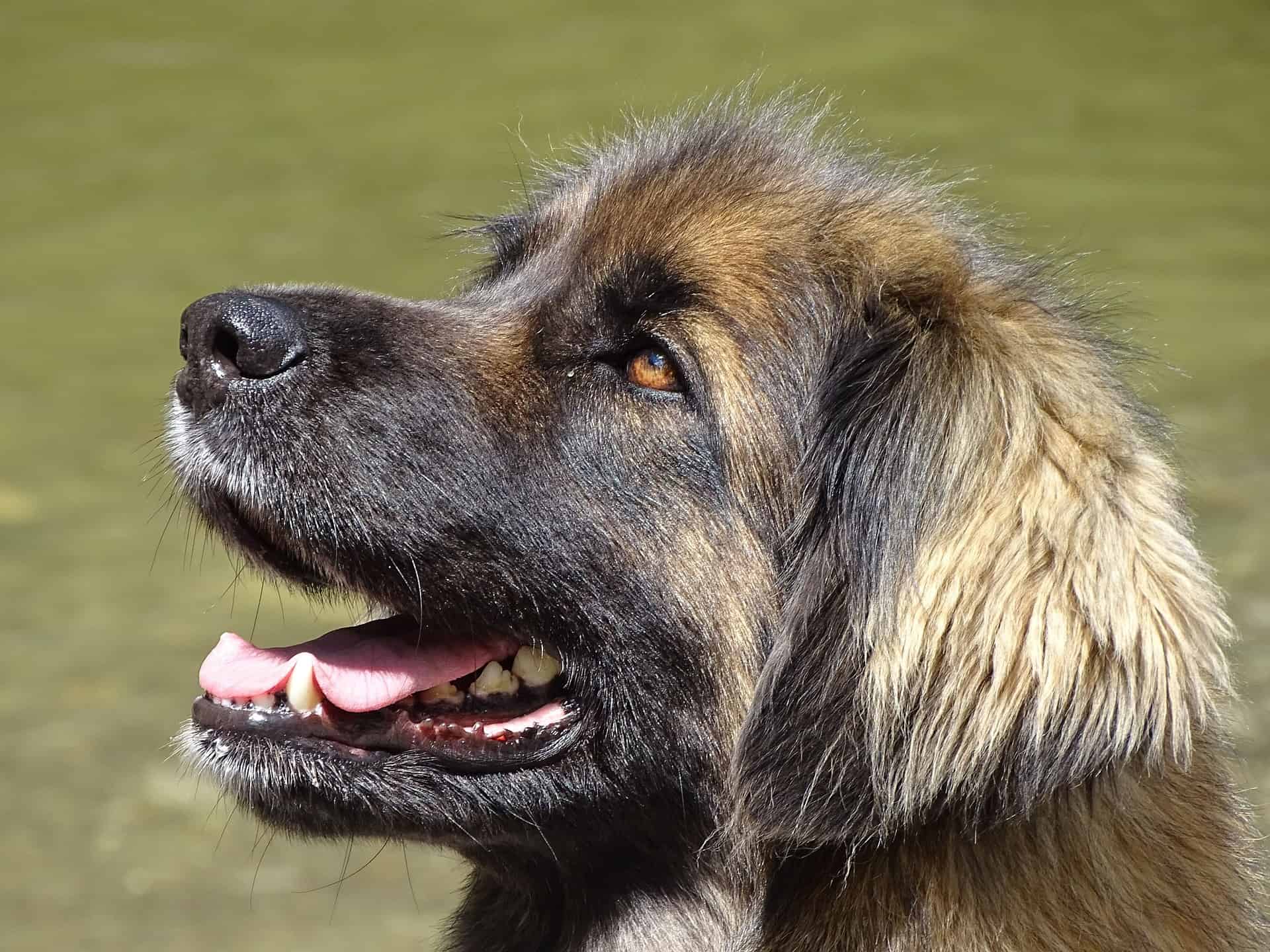
The Landseer, the black-and-white variant of the Newfoundland, is linked more by size and build than by working role, though both breeds carry a calm, protective quality. The Leonberger shares the substantial frame and the lion-like presence, and while it was developed partly as a companion dog, it retains the confidence and mild wariness of a working livestock guardian.
Trait ratings
- Energy level
- 3/5
- Exercise requirements
- 4/5
- Playfulness
- 3/5
- Affection level
- 1/5
- Friendliness toward dogs
- 1/5
- Friendliness toward other pets
- 4/5
- Friendliness toward strangers
- 1/5
- Ease of training
- 1/5
- Watchdog ability
- 5/5
- Protection ability
- 5/5
- Grooming requirements
- 3/5
- Cold tolerance
- 4/5
- Heat tolerance
- 2/5