Purpose & Origin
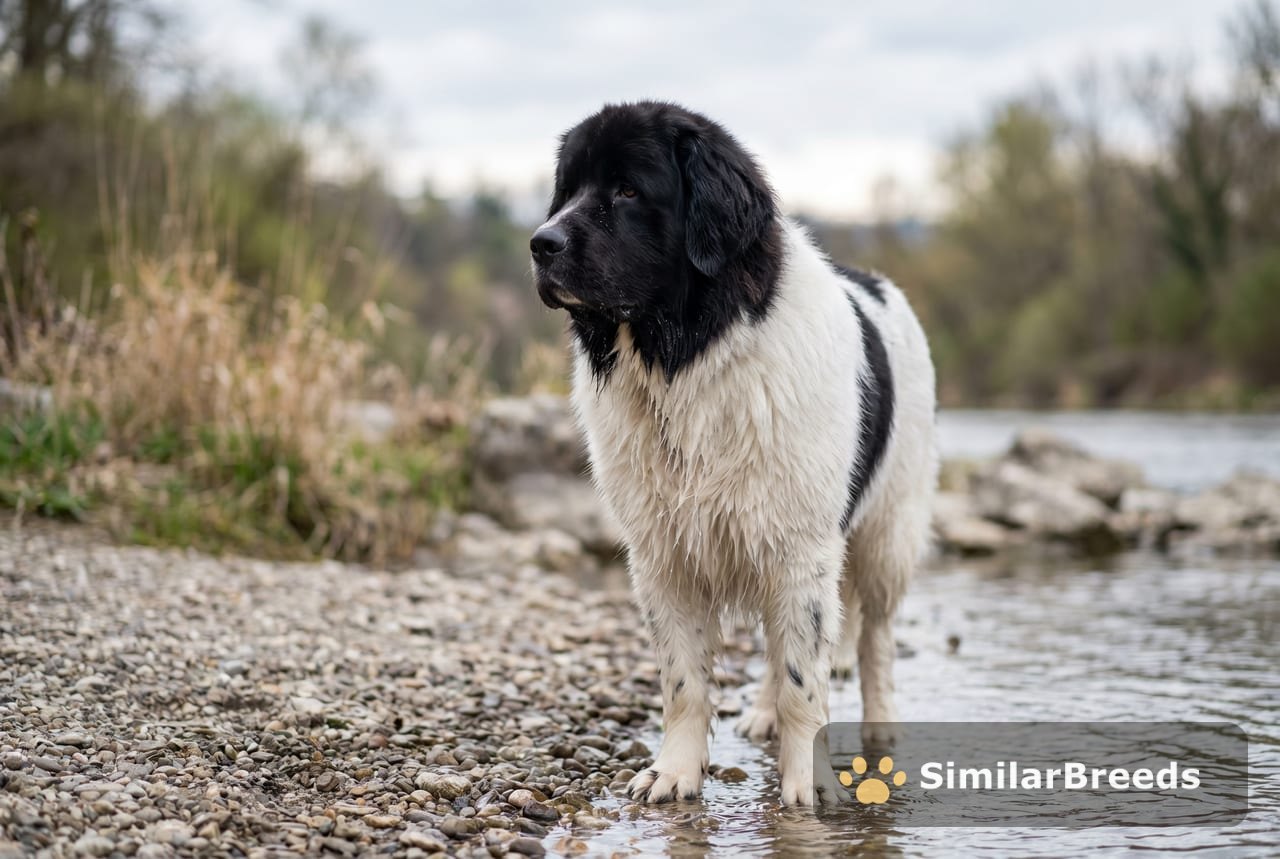
The Landseer (European Continental Type) is a large working dog bred independently in Germany and Switzerland, distinct from the Canadian Newfoundland despite sharing common ancestry. Both trace back to water-working dogs brought to Europe from Newfoundland by fishermen in the 18th and 19th centuries. German and Swiss breeders, notably in Munich, began selective breeding around 1900 to fix the striking black-and-white coat pattern and a slightly more athletic build than the Newfoundland. A stud book was established in 1933, and the FCI recognised the ECT as a separate breed in 1960. The name honours the English painter Sir Edwin Landseer, whose works frequently depicted black-and-white Newfoundland-type dogs.
Temperament & Behaviour
The Landseer is calm, gentle, and deeply loyal. It bonds closely with its family and is notably good with children, though its size demands supervision around small kids. Compared to the Newfoundland, the ECT is slightly more energetic and alert, making it a willing working partner rather than a passive companion. It is not aggressive but can be protective when warranted. The breed is sociable with other dogs and warms to strangers once introductions are made. Early socialisation matters to prevent shyness. Separation anxiety is a genuine risk; it does not thrive when left alone for long stretches.
Activity & Training
This is a working dog that needs regular, meaningful exercise. An adult Landseer needs at least an hour daily, and it genuinely excels in water, swimming with power and enthusiasm. Access to a lake, river, or pool is a real quality-of-life factor. It also does well in drafting, carting, and search-and-rescue. Training is generally straightforward: the breed is eager and responds well to positive reinforcement, retaining commands reliably. The main challenge is size combined with puppy exuberance; loose-leash manners and impulse control should be priorities before the dog reaches its full weight of 45 to 68 kg.
Grooming
The double coat is long and dense, white with defined black patches, and requires consistent work. Brushing three times per week prevents matting, particularly behind the ears, in the armpits, and around the collar. During the two annual heavy sheds, daily brushing becomes necessary. Bathing every four to eight weeks is appropriate, and drying a coat this thick takes time. Ears should be checked regularly for moisture, given the breed's fondness for water. Drooling is moderate.
Health
The Landseer ECT is considered a reasonably healthy breed with fewer hereditary problems than many comparable giants. The primary concerns are hip dysplasia and elbow dysplasia; responsible breeders screen breeding stock. Bloat (gastric dilatation-volvulus) is a risk given the deep chest, and owners should know the warning signs. Lifespan is typically 10 to 12 years, with well-bred individuals sometimes reaching 14.
Why these breeds are similar
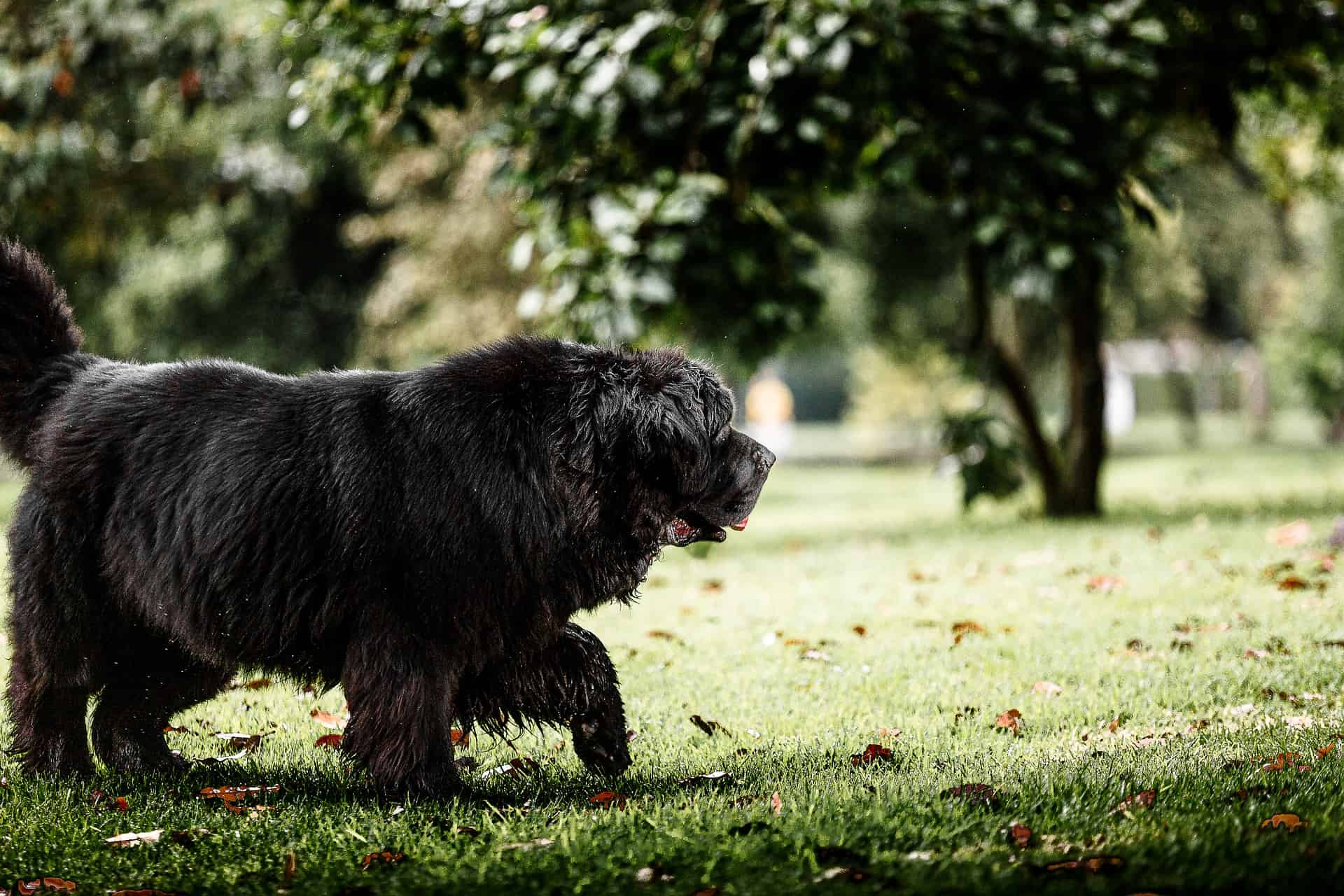
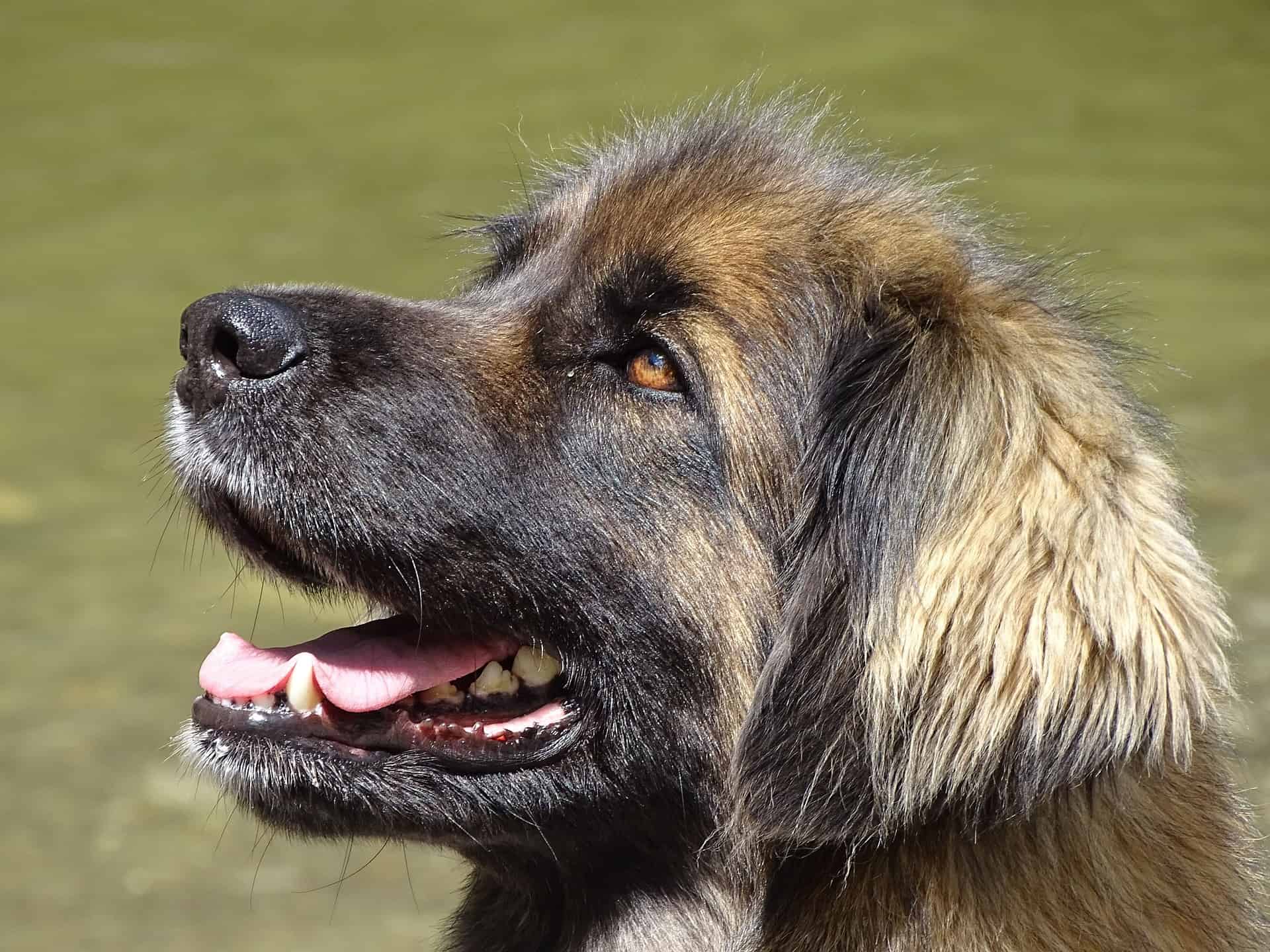
The **Newfoundland** is the closest genetic relative and visual twin of the Landseer ECT. Both share the same water-working ancestry, similar temperament, and the same massive build; the primary differences are coat colour pattern and the ECT's slightly taller, leggier frame. The **Leonberger** is another large German breed with a lion-like build, a calm and loyal temperament, and similar exercise requirements, developed in the same era and region.
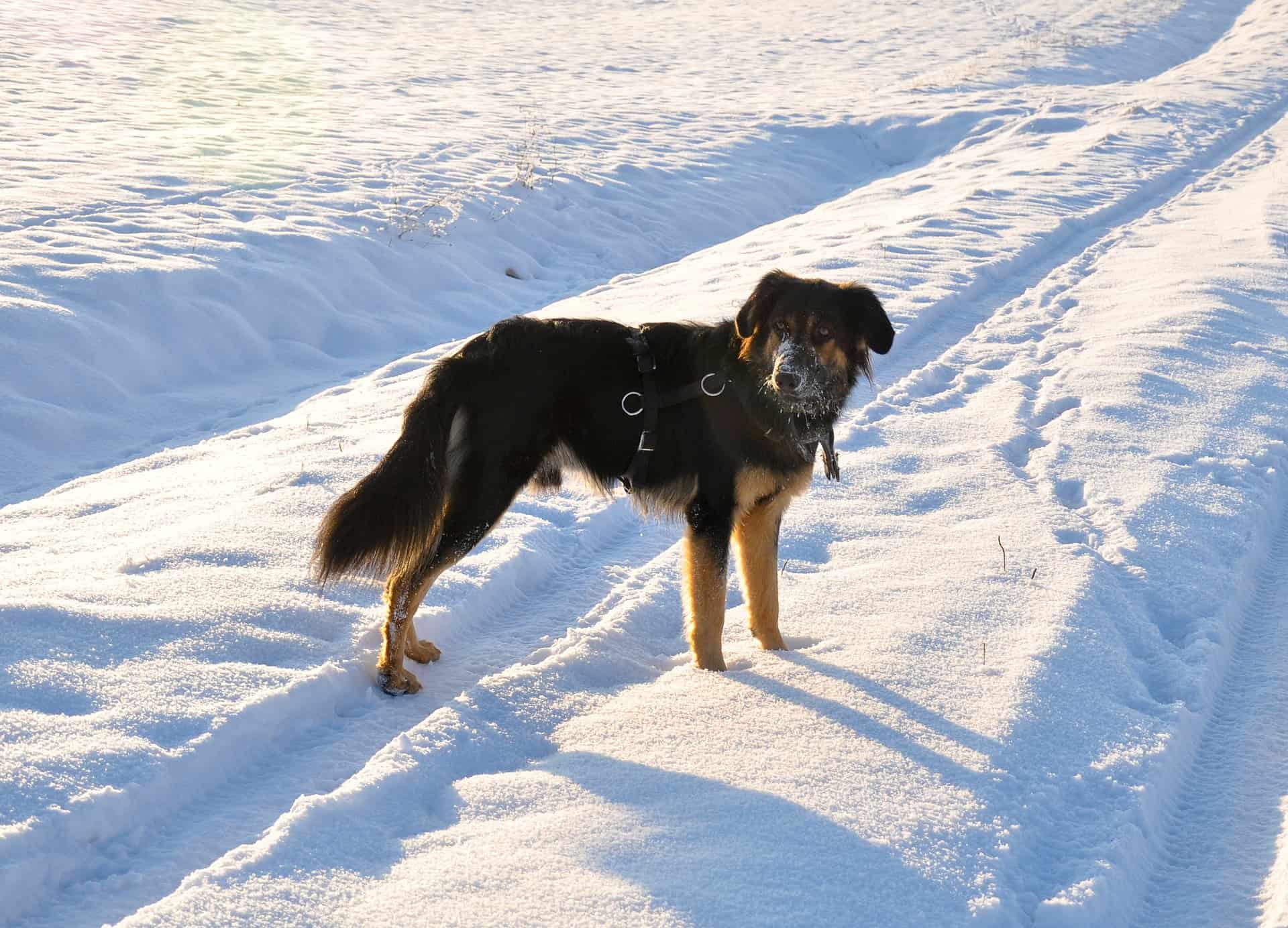
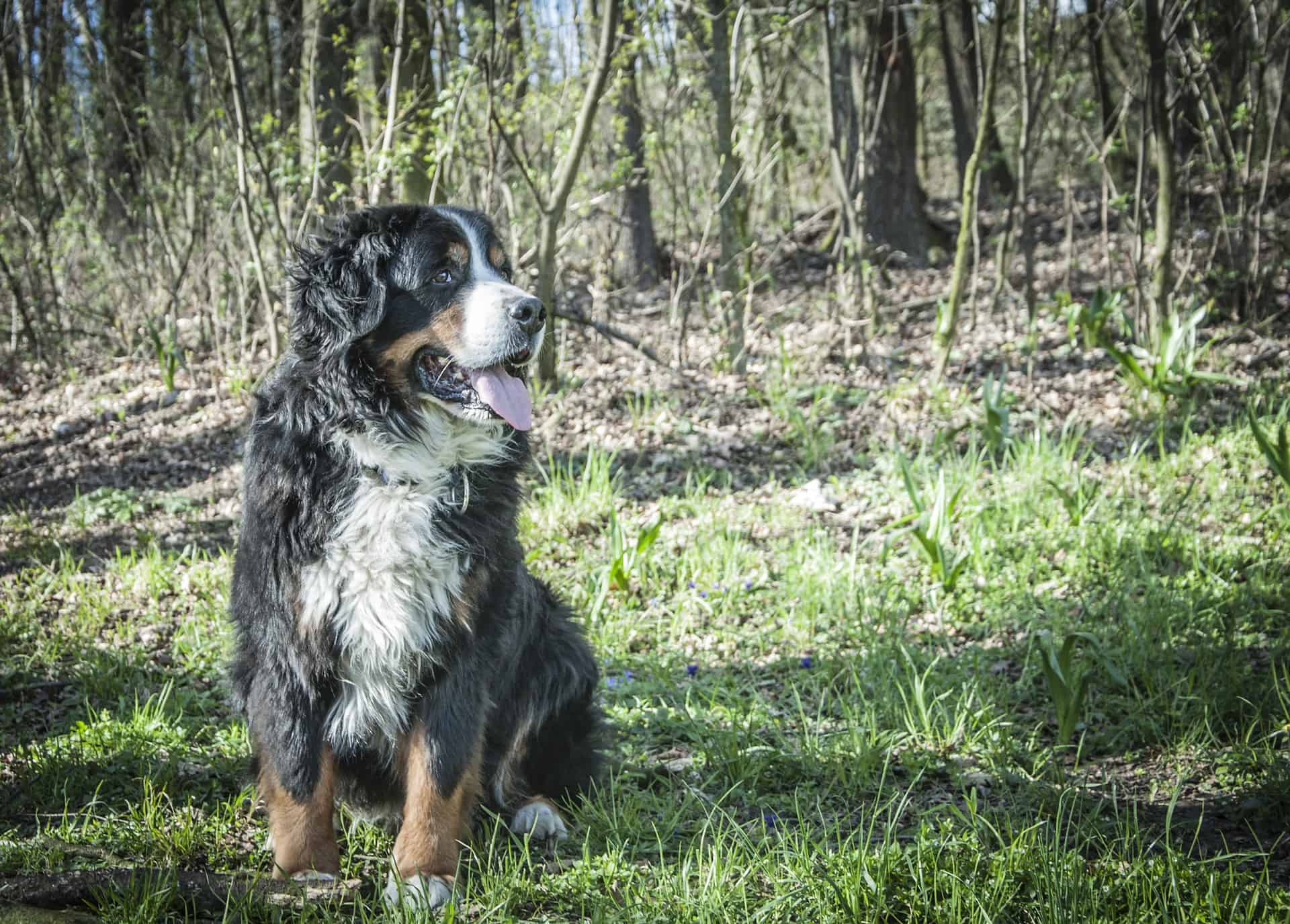
The **Hovawart** is a German working dog of comparable size and trainability, bred for estate guarding and now used in search-and-rescue, sharing the Landseer's capable, willing character. The **Bernese Mountain Dog** is a Swiss working breed also placed in FCI Group 2, sharing the tricolour-adjacent black-and-white colouring, the double coat, the gentle family temperament, and the central European mountain-dog heritage.