Purpose & Origin
The Löwchen, pronounced "lerv-chun," translates from German as Little Lion Dog, and the French know it as Le Petit Chien Lion. It belongs to the Bichon family, sharing ancestry with the Bichon Frise and Havanese, and France, Germany, and Russia have all claimed it at various points in its history.
Exactly where it arose is unclear, but German artwork from the 1500s already shows small dogs wearing the characteristic lion trim: coat clipped short from the last rib back through the hindquarters, legs clipped from elbow to pastern, and the tail half-clipped with a plume left at the tip.
The breed nearly vanished in the twentieth century; by the 1960s its numbers had dropped to dangerously low levels, and it survived largely because two breeders gathered a handful of related dogs from Germany and used them to rebuild the population in Britain and eventually America. The AKC admitted it to the Non-Sporting Group in 1999.
Temperament & Behaviour
The Löwchen is lively and curious but not frantic, a dog that can match its owner's energy whether that means play or quiet company on the sofa. It is affectionate with its family and generally easy with other dogs and household pets, while remaining moderately cautious around strangers, which gives it decent watchdog usefulness despite having no protective instinct at all. It is responsive and willing to please, though some individuals develop habits of excessive barking or digging if they are not given enough mental stimulation. Overall this is a calm companion with a playful streak rather than a demanding, high-maintenance personality.
Activity & Training
Exercise needs are low. A short daily walk or a vigorous game indoors covers the Löwchen's physical requirements, making it well suited to apartment life or households without a yard. It appreciates mental challenges more than pure mileage, so training games, puzzle feeders, or basic obedience work are good outlets. Ease of training sits at a moderate level: this is not a hard dog to work with, but it is not as sharply biddable as a herding breed either. Consistency and reward-based methods work well. The combination of high energy against low exercise demand means the dog is spirited without being exhausting to own.
Grooming
Coat upkeep is a meaningful commitment. The long, wavy coat needs brushing or combing every other day to prevent tangles, and maintaining the lion trim requires professional clipping every one to two months. Many pet owners sidestep the traditional cut in favour of a simple puppy clip, which is easier to maintain but still needs regular brushing. Either way, this is not a low-maintenance coat.
Health
The Löwchen is a healthy breed with a life span of 13 to 15 years. Patellar luxation is the most consistently reported minor concern. Cataracts and progressive retinal atrophy turn up occasionally. Routine screening of knees, eyes, and hips is recommended.
Why these breeds are similar
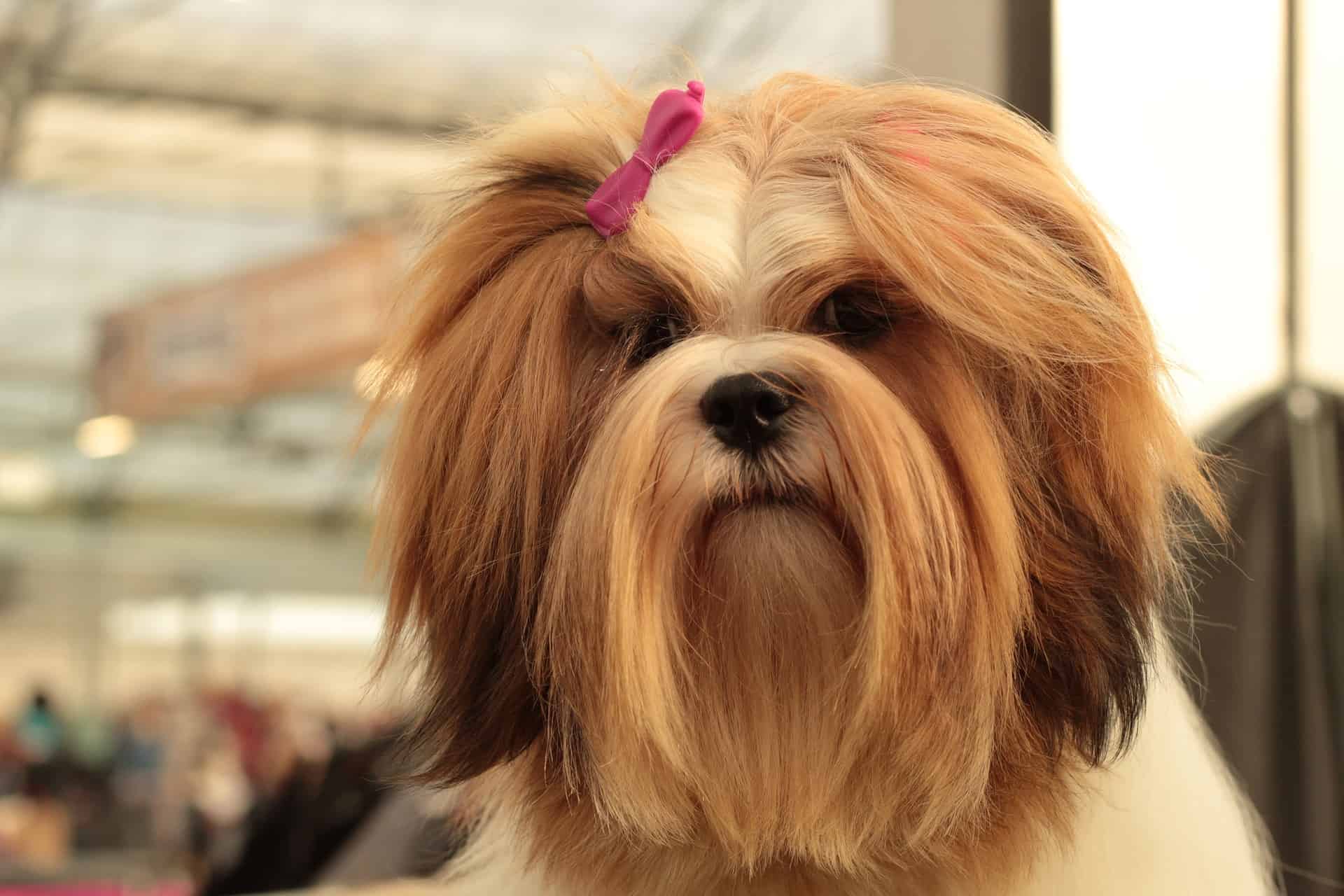
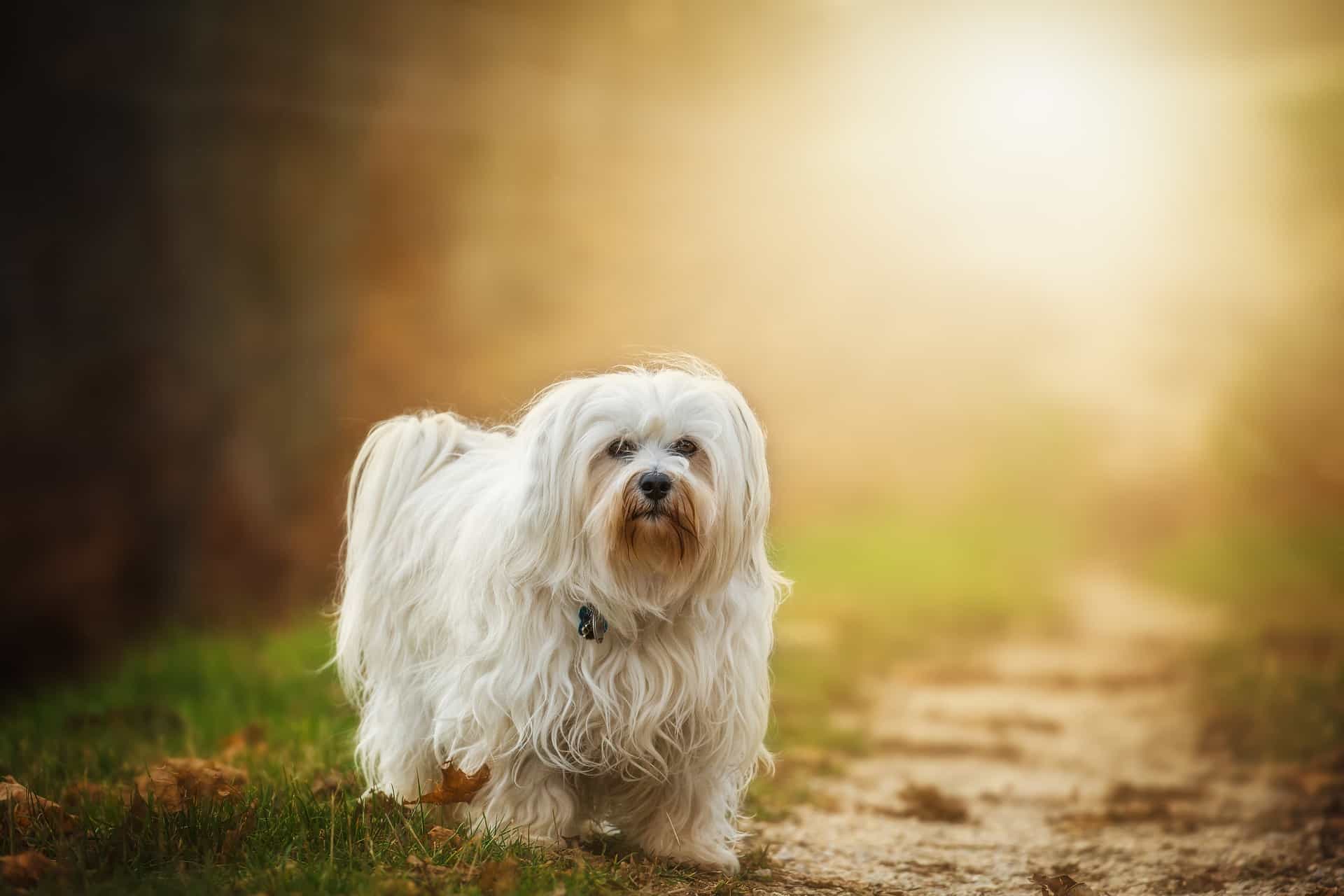
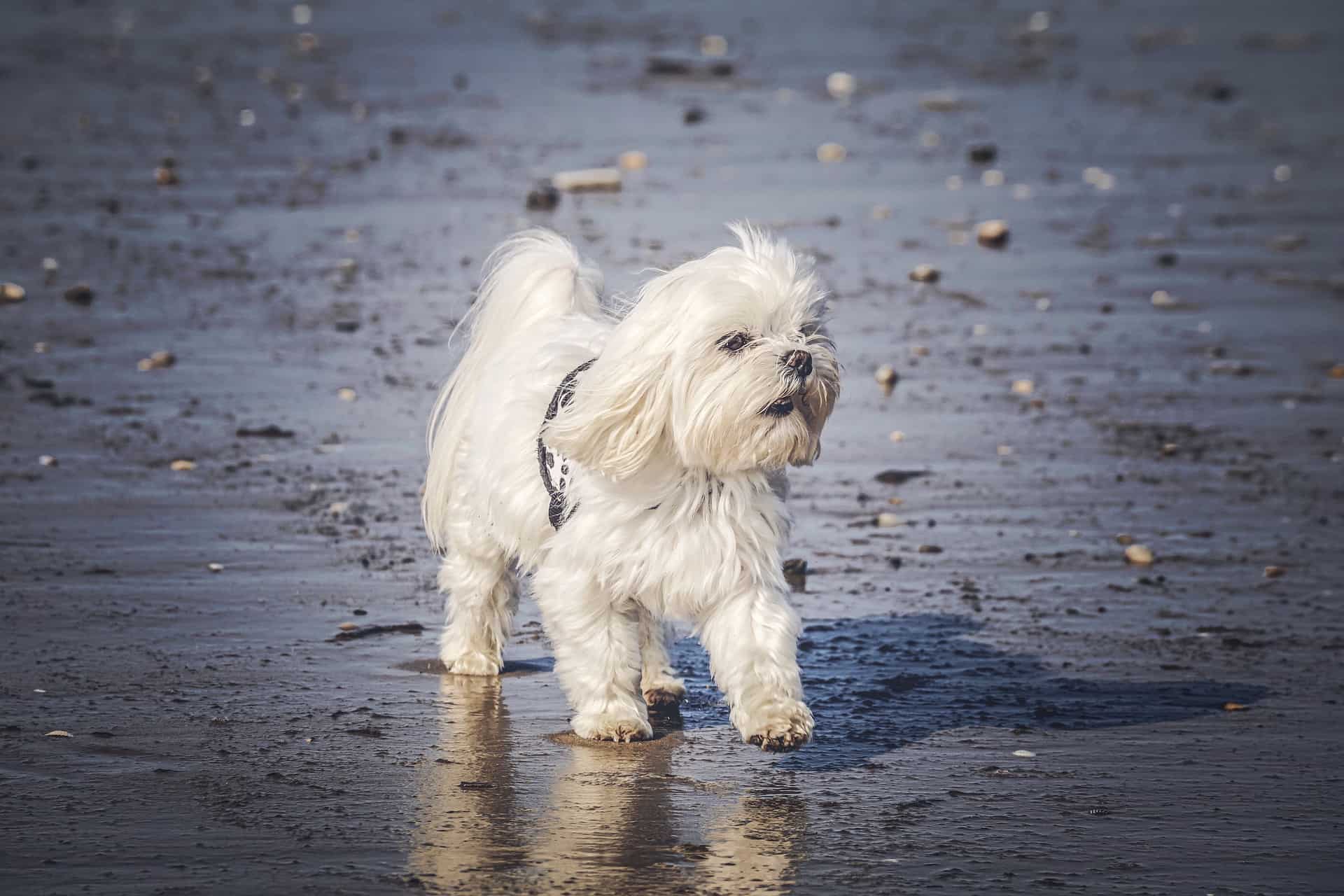
The Lhasa Apso shares the Löwchen's compact size, long flowing coat, and role as a companion, and both breeds carry a slightly independent streak that tempers an otherwise affectionate nature. The Havanese is a direct relative within the Bichon family, close in size, temperament, and that characteristic soft, low-shedding coat. The Maltese rounds out the group as another small, long-coated Mediterranean-family companion dog with a lively personality and similar grooming demands. All three are city-friendly, coat-intensive dogs built for company rather than work.
Trait ratings
- Energy level
- 4/5
- Exercise requirements
- 1/5
- Playfulness
- 3/5
- Affection level
- 3/5
- Friendliness toward dogs
- 4/5
- Friendliness toward other pets
- 4/5
- Friendliness toward strangers
- 3/5
- Ease of training
- 3/5
- Watchdog ability
- 4/5
- Protection ability
- 1/5
- Grooming requirements
- 4/5
- Cold tolerance
- 3/5
- Heat tolerance
- 3/5