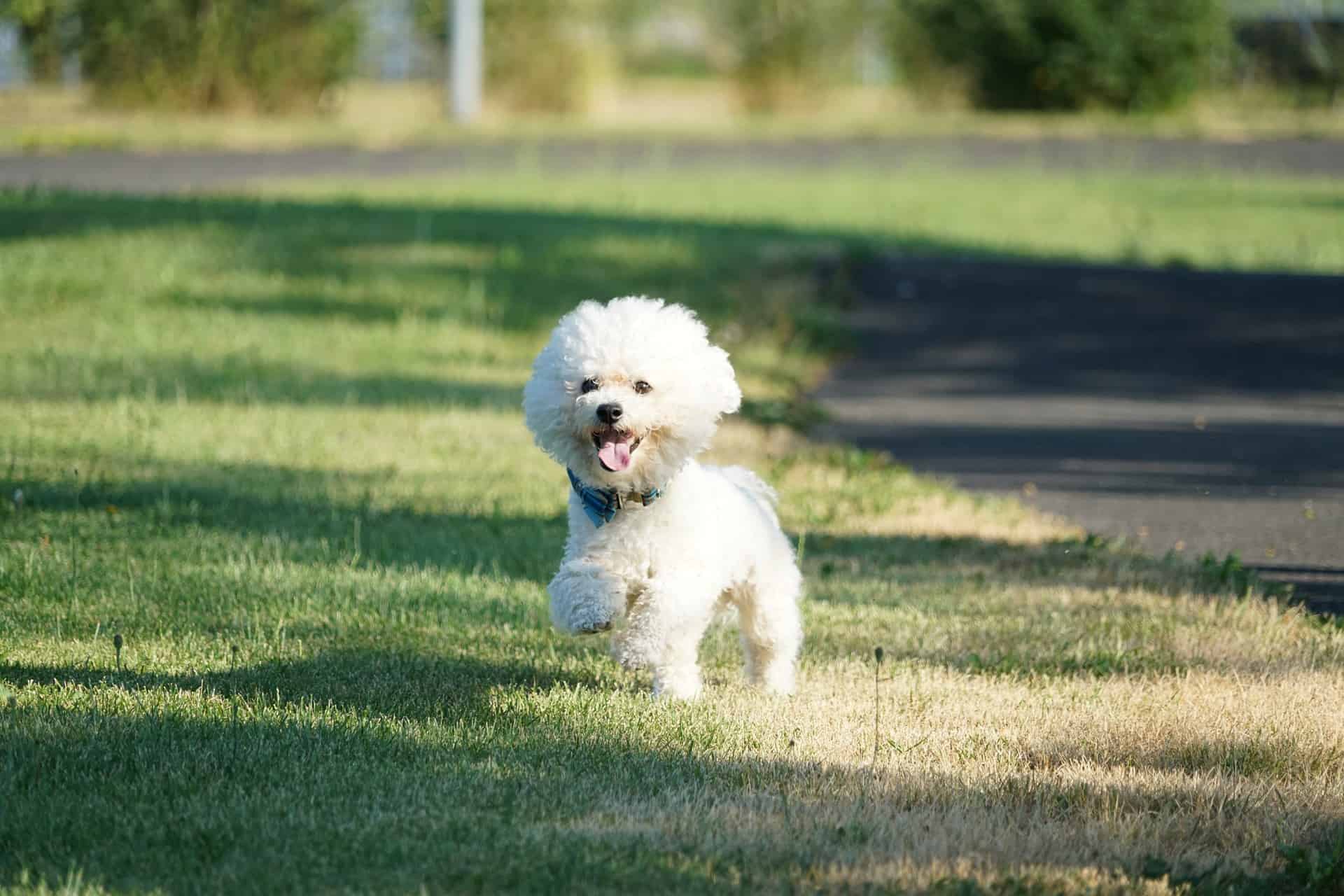
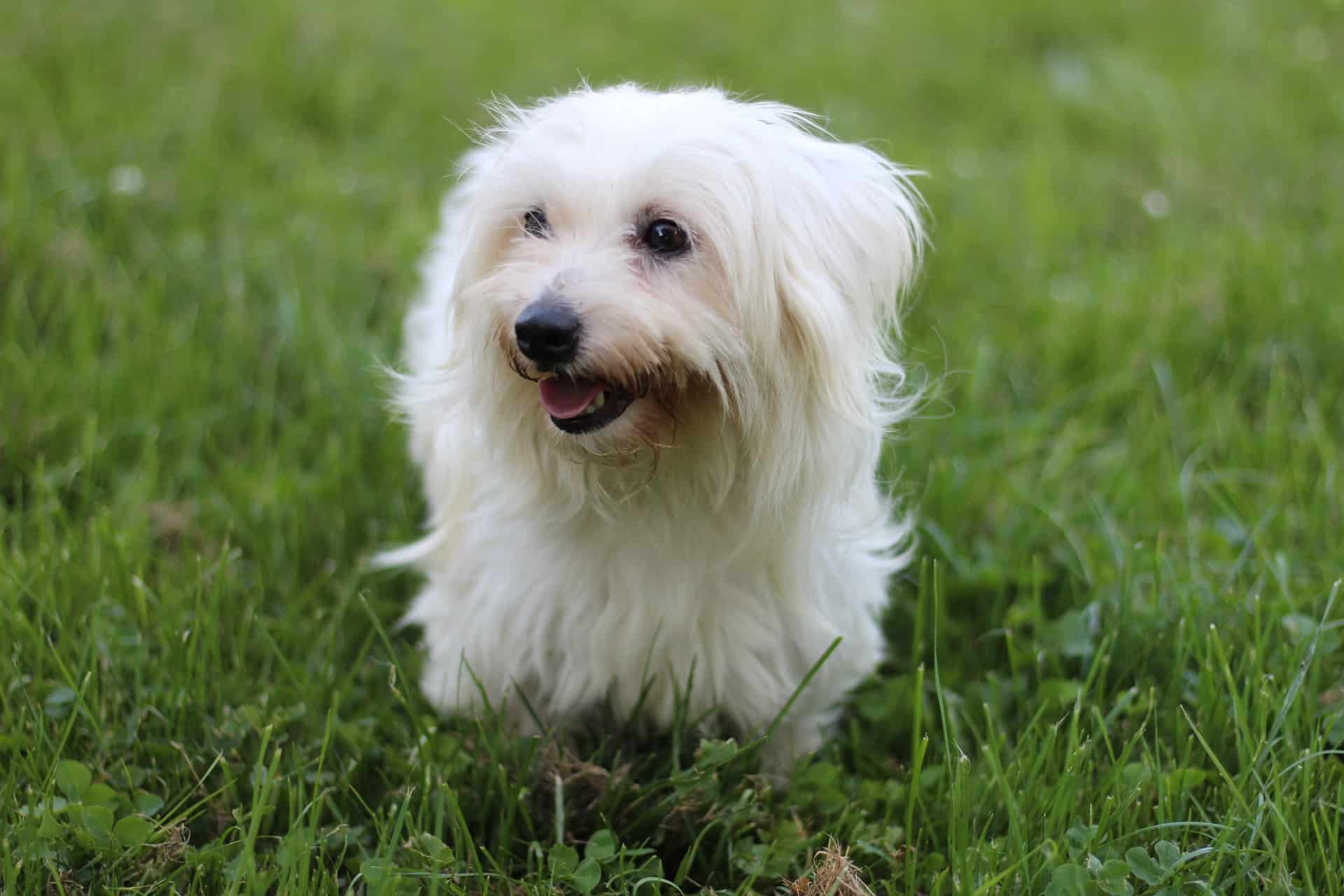
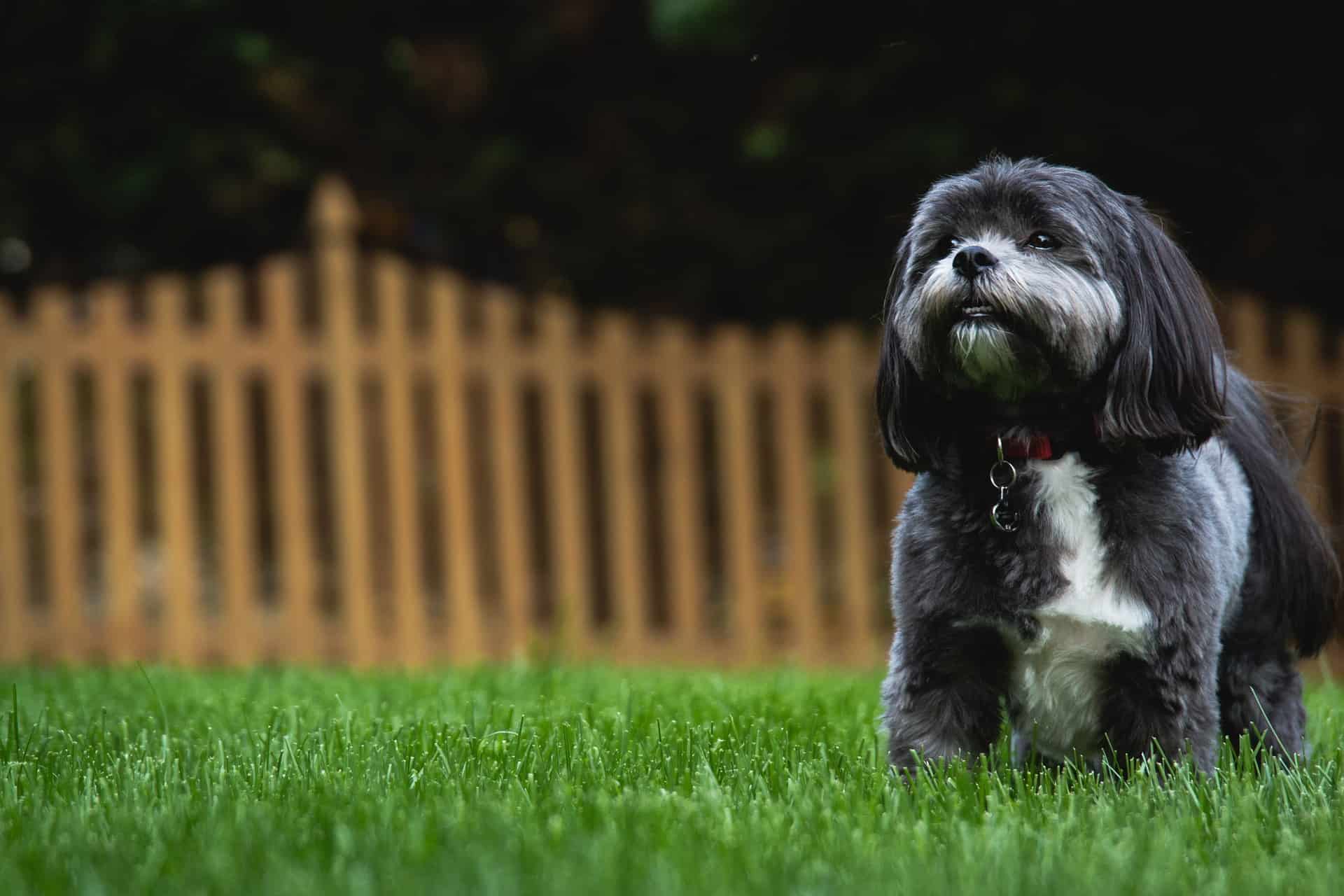
Havanese
From Cuba

Purpose & Origin
The Havanese belongs to the Barbichon family, the cluster of small Mediterranean lap dogs that spread across Europe and beyond through trade routes. Spanish traders carried some of these dogs to Cuba as goodwill gifts for wealthy women, and the breed took root there among the Cuban elite, earning the name Habaneros. A few made their way back to Europe, where they were called the White Cuban and briefly enjoyed favour in fashionable society. When that novelty faded, the breed survived mainly in the circus, touring Europe as trick performers.
Numbers fell so sharply that the Havanese was nearly extinct in both Europe and Cuba by the mid-twentieth century. Three Cuban families brought their dogs to the United States during the 1950s and 1960s, and virtually every Havanese alive today traces back to that small founding stock. The breed entered its first AKC show ring in 1996 and joined the Toy Group officially on 1 January 1999.
Temperament & Behaviour
This is a dog that genuinely needs company. It is playful, energetic, and happiest when it sits at the centre of attention, which makes it an excellent family dog but a poor choice for households where it would spend long hours alone. The Havanese is unusually open to strangers and gets along well with other dogs and pets, so it rarely creates friction in a busy home. It can be vocal, a habit worth managing early, and its strong desire to entertain means it picks up tricks and routines quickly. Affectionate to a fault, it leans hard on its people.
Activity & Training
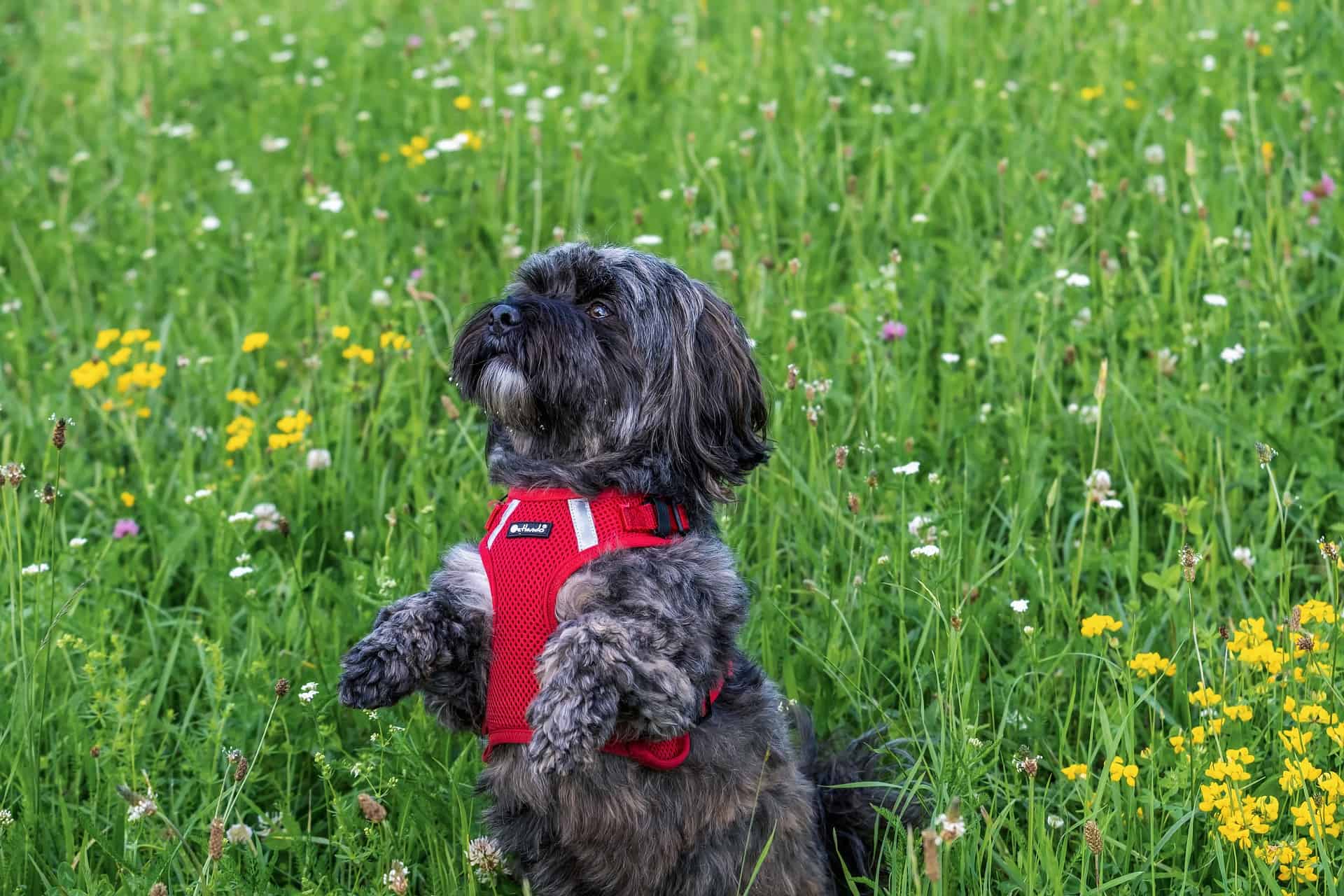
Despite the energy level, the Havanese does not need long outings. A brisk walk or an active play session covers its daily requirement, making it practical for apartment life. Training is straightforward: the breed is willing, responds well to positive reinforcement, and picks up new behaviours faster than most toys. The main trap is over-indulgence. Because it is small and charming, owners often skip consistent rules, which can produce a noisy, demanding dog. Start early, keep sessions short and reward-focused, and the Havanese is easy to live with.
Grooming
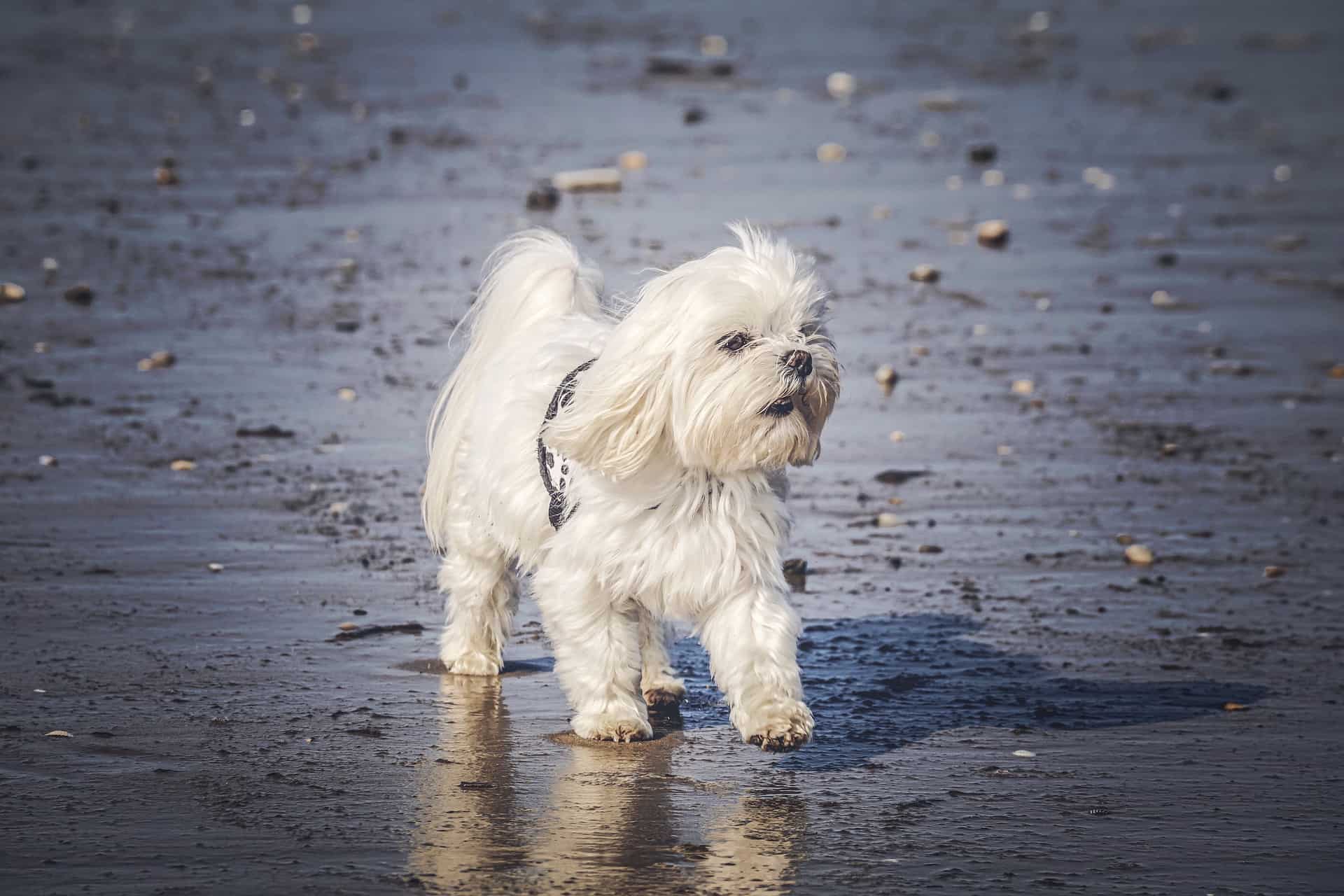
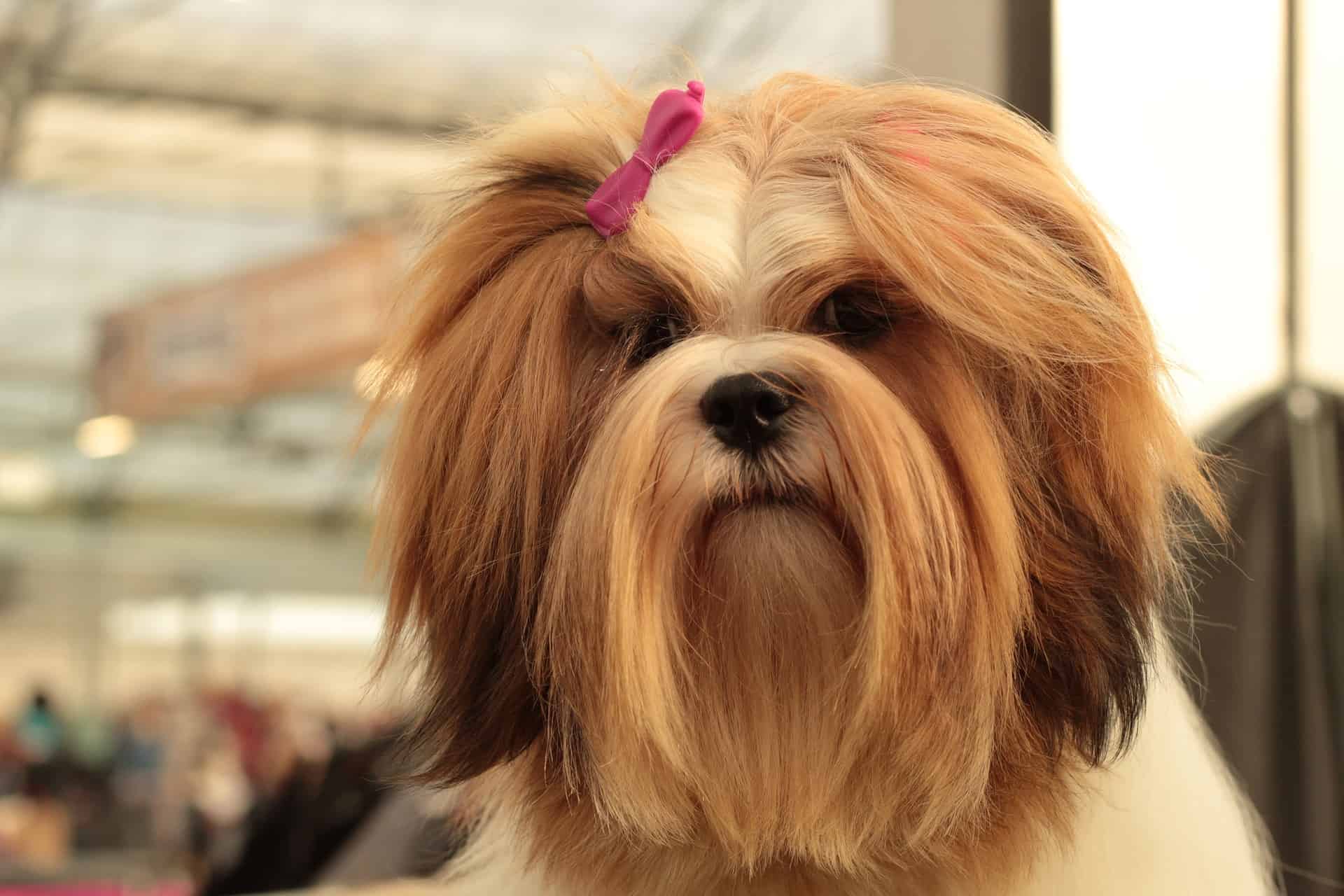
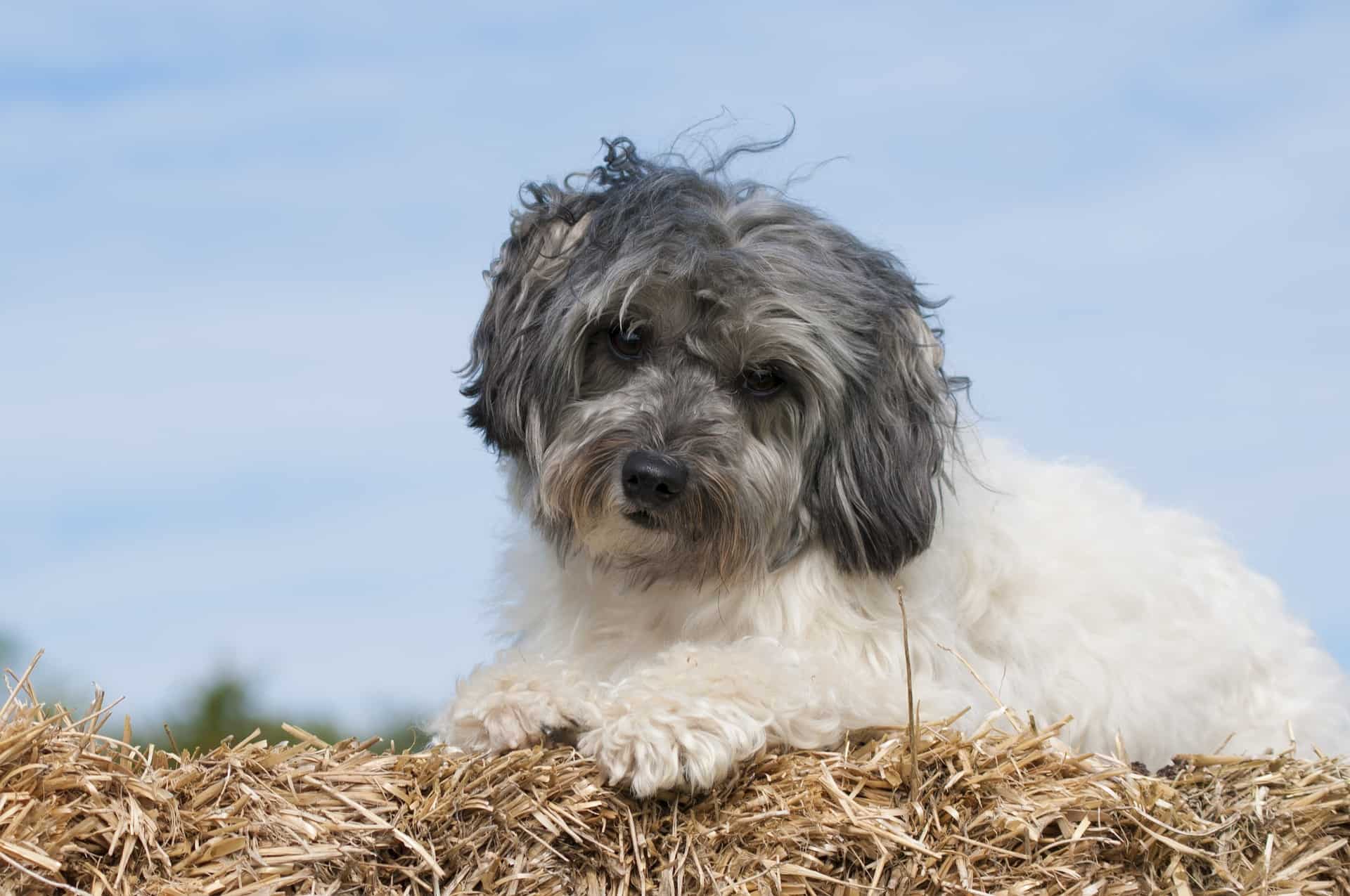
The coat is long, soft, and non-shedding in the practical sense: loose hairs stay caught in the outer layers rather than falling on furniture. The trade-off is tangles. Without regular brushing two to four times a week, the coat mats quickly, especially behind the ears and under the legs. Owners who prefer lower maintenance often opt for a short "puppy clip," which cuts the grooming time significantly while keeping the dog comfortable. Cold tolerance is modest, so a coat trim in winter needs some thought.
Health
The Havanese is a generally healthy breed with a life span of 12 to 14 years. Patellar luxation is the most consistently noted minor concern. Less common issues include chondrodysplasia, Legg-Perthes disease, elbow dysplasia, portacaval shunt, mitral valve insufficiency, and deafness. Reputable breeders test knees, eyes, hips, and hearing; asking to see those results is reasonable and straightforward.
Why these breeds are similar
The **Maltese** is the Havanese's closest parallel: another ancient Barbichon-family toy, white-coated, people-centred, and built on the same small frame. The **Bichon Frise** shares the same family origin and the same curly, low-shedding coat that made these dogs popular in European courts. The **Coton de Tulear** is nearly identical in temperament and texture, a fluffy companion dog from the same Bichon lineage that ended up in Madagascar rather than Cuba.
The **Löwchen** and the **Russian Tsvetnaya Bolonka** are both small, long-coated European companion breeds that fill the same lap-dog role and share a similar open, sociable character. The **Shih Tzu** overlaps in size, coat length, and the same devoted, attention-seeking personality, though it comes from a Tibetan rather than Mediterranean root. The **Lhasa Apso** is the outlier among them, originally a Tibetan watchdog with a more independent streak, but it lands in this group because of its similar long coat, small build, and common placement as a household companion alongside the Havanese.
Trait ratings
- Energy level
- 4/5
- Exercise requirements
- 3/5
- Playfulness
- 5/5
- Affection level
- 5/5
- Friendliness toward dogs
- 4/5
- Friendliness toward other pets
- 4/5
- Friendliness toward strangers
- 5/5
- Ease of training
- 4/5
- Watchdog ability
- 4/5
- Protection ability
- 1/5
- Grooming requirements
- 3/5
- Cold tolerance
- 2/5
- Heat tolerance
- 3/5