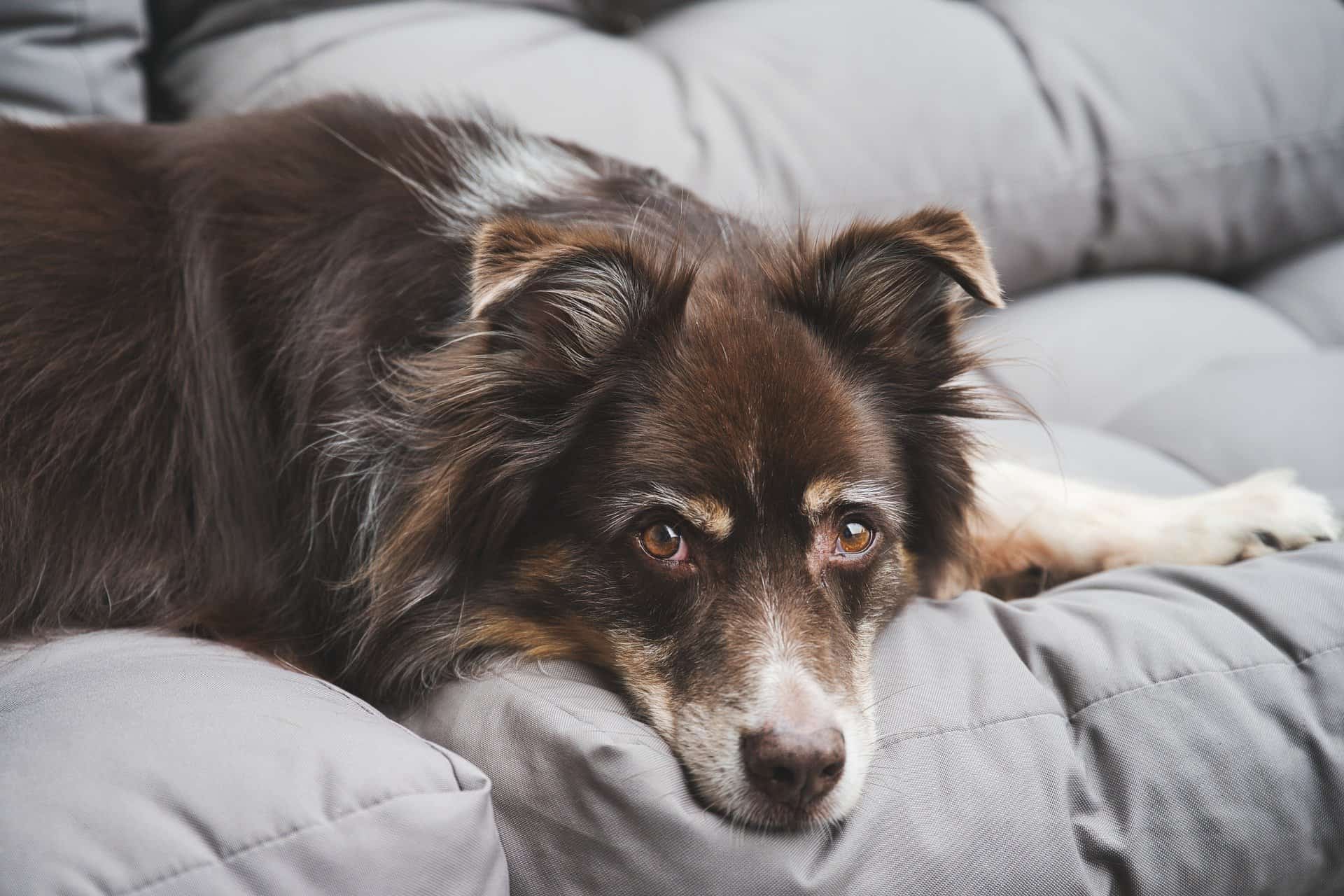
Miniature American Shepherd
From USA
Purpose & Origin
The Miniature American Shepherd is an American-bred herding dog developed in the late 1960s in California. Breeders selected small Australian Shepherds and bred them down in size, initially calling the result the Miniature Australian Shepherd. By the mid-1970s the breed had stabilised at its current compact dimensions. The goal was a working herder that could travel with rodeo circuits and equestrian competitors without the bulk of a standard Aussie, and the breed retains a genuine affinity for horses. The AKC recognised it as its 186th breed in 2015, placing it firmly in the Herding Group.
Temperament & Behaviour
The MAS is bright, self-motivated and strongly bonded to its people. It carries the same intensity of focus as its Australian Shepherd ancestor in a smaller body. It is loyal and affectionate with family and generally sociable, though it can be reserved with strangers until it reads the situation. The herding instinct is real: without an outlet it may attempt to herd children, other pets or moving objects. This is a dog that wants a job. Owners who treat it as a low-maintenance lap dog will get a restless, noisy, potentially destructive one.
Activity & Training
This breed needs substantial daily exercise, at minimum an hour and ideally closer to two. It is best suited to activities that challenge both body and mind: agility, obedience trials, herding work, flyball and canine freestyle all suit it well. A long daily walk alone will not be enough. Mental stimulation through training or puzzle work is as important as physical output.
Training is straightforward. The MAS is eager to please and picks up new behaviours quickly, making it a natural competitor in dog sports. Positive reinforcement works well. The flip side of its intelligence is that it notices inconsistency and will exploit it, so clear and consistent handling matters from puppyhood onward.
Grooming
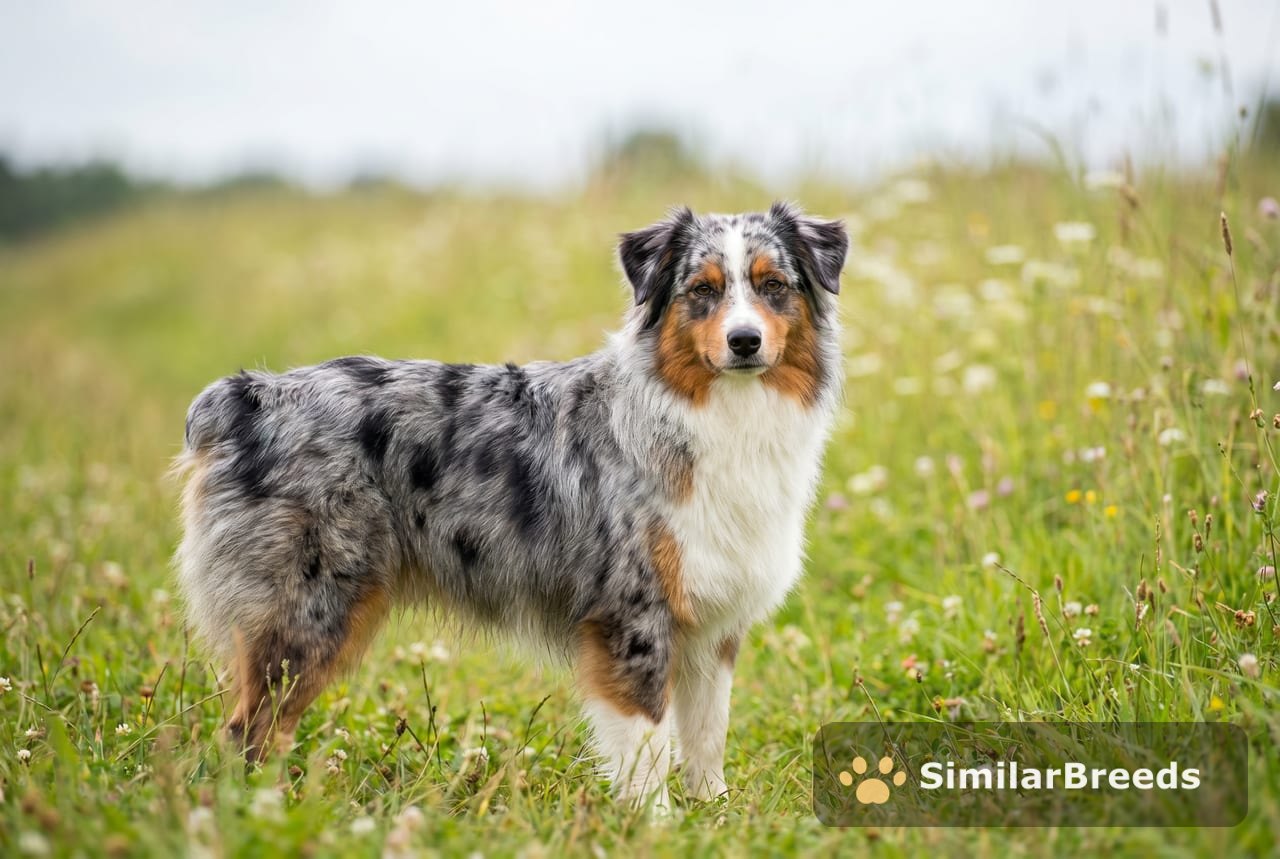
The MAS has a medium-length double coat that comes in black, red, blue merle and red merle, often with white and tan markings. It sheds moderately year-round and blows its undercoat twice a year, when shedding becomes heavy. Brushing two or three times a week keeps the coat manageable outside of shedding season; daily brushing is practical during the blowout periods. The coat is not prone to heavy matting but the areas behind the ears and in the groin can tangle. Nails, ears and teeth need the usual routine attention.
Health
Lifespan is 13 to 15 years, which is good for a herding breed. The main genetic concerns are the same ones that run through the collie family: hip dysplasia, Collie Eye Anomaly (CEA), progressive retinal atrophy, cataracts and iris coloboma. DNA testing before purchase is strongly advisable; reputable breeders screen for MDR1/ABCB1 gene mutation (drug sensitivity), which occurs in herding breeds and can make certain common medications dangerous. Merle-to-merle breeding raises the risk of deafness and vision defects and should be a red flag when evaluating a breeder.
Why these breeds are similar
**Australian Shepherd:** The MAS is a direct size reduction of the Australian Shepherd. The two share the same working drive, coat type, colour patterns, herding instinct and core health concerns. The practical differences are size, space requirement and the fact that the Aussie's exercise demands are somewhat greater.
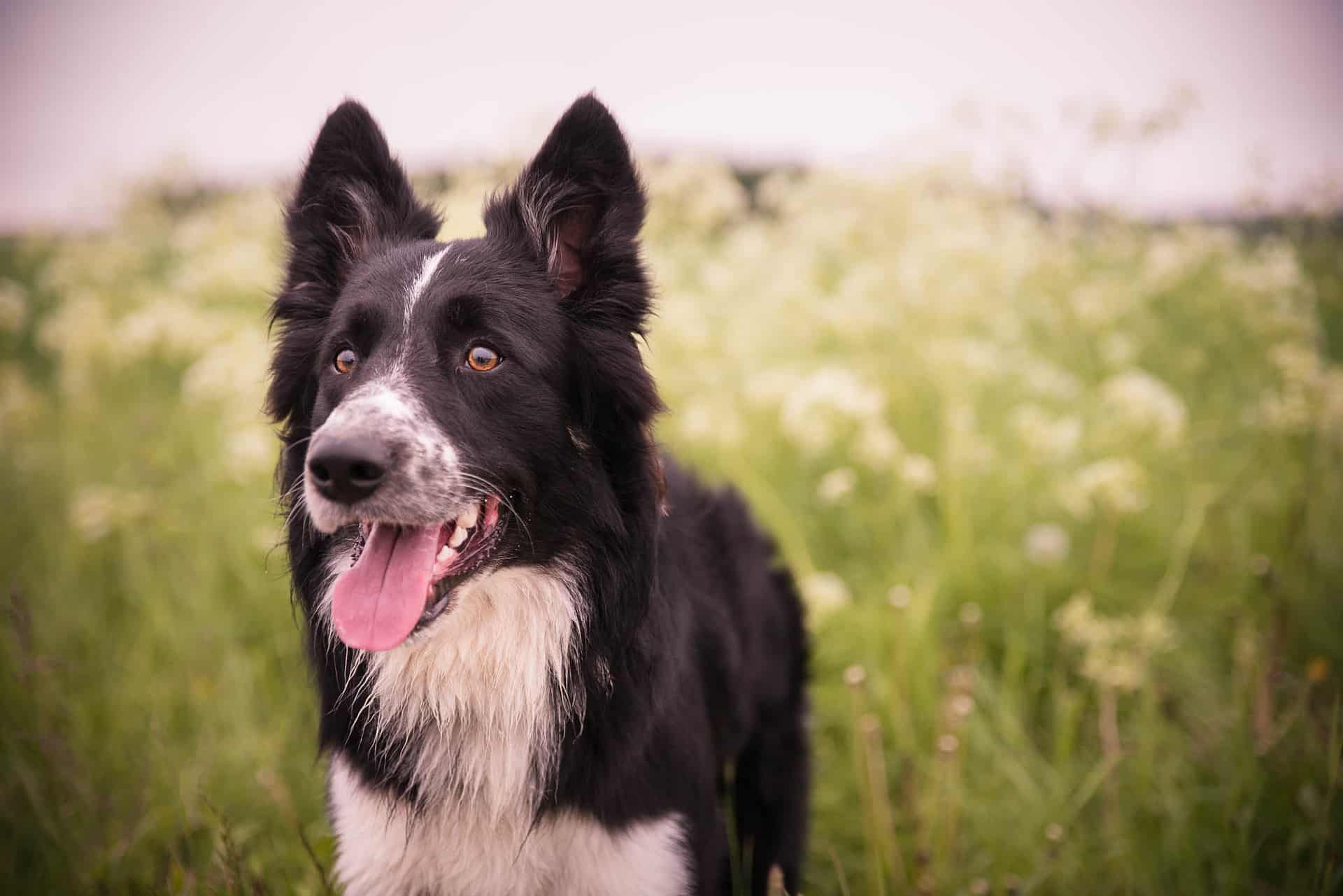
**Border Collie:** Both are high-drive, highly intelligent herding breeds that need serious mental and physical stimulation. The Border Collie is larger, more intense and widely considered the more demanding of the two, but owners who can handle one would find the MAS familiar in energy level and trainability.
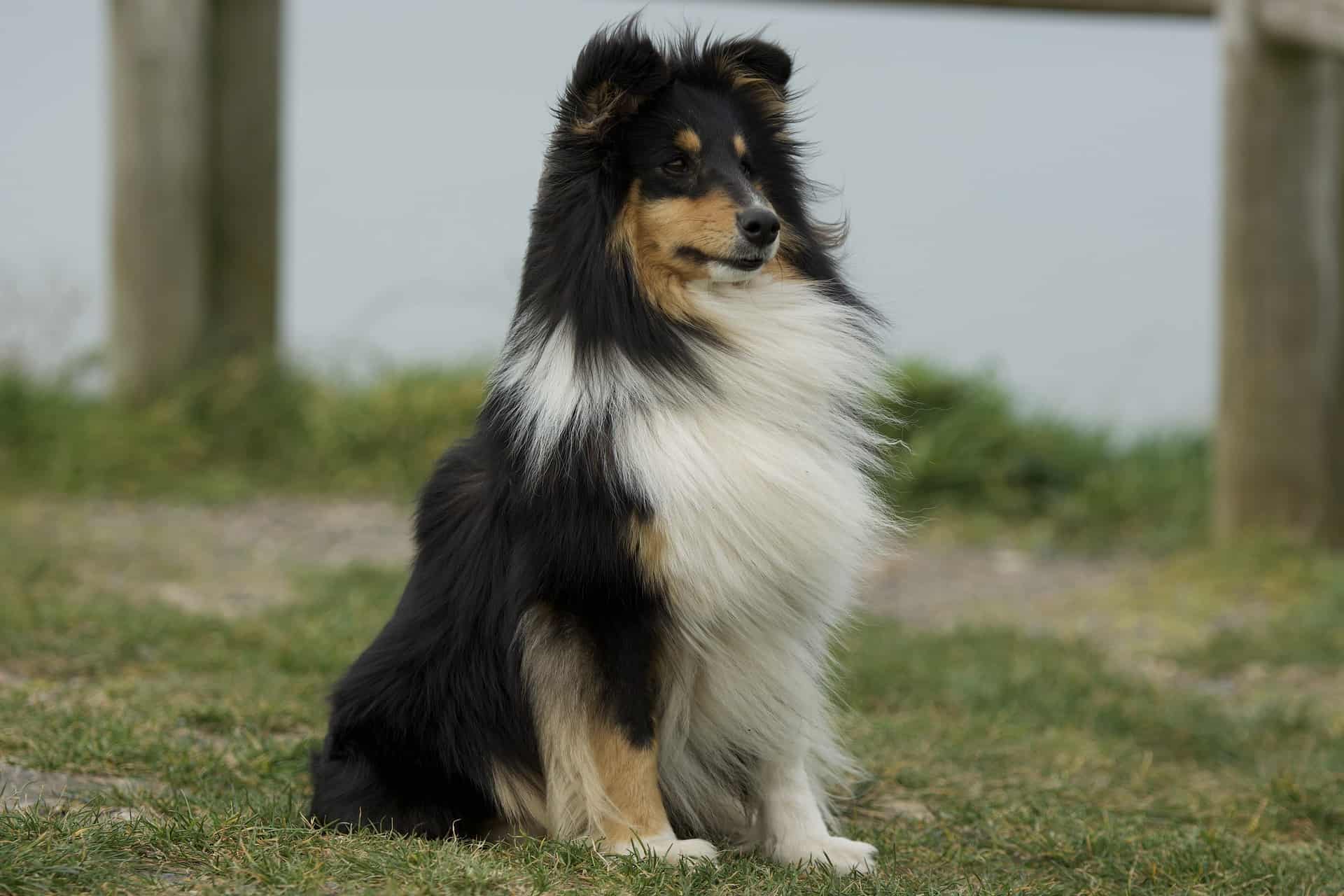
**Shetland Sheepdog:** The Sheltie is similarly sized, similarly double-coated and similarly loyal to its family. Both breeds trace their working roots to herding and share the tendency toward vocal alerting. The Sheltie is generally somewhat less exercise-demanding and can be more reserved, but the two occupy the same niche for people who want a smart, active small herder.