Purpose & Origin
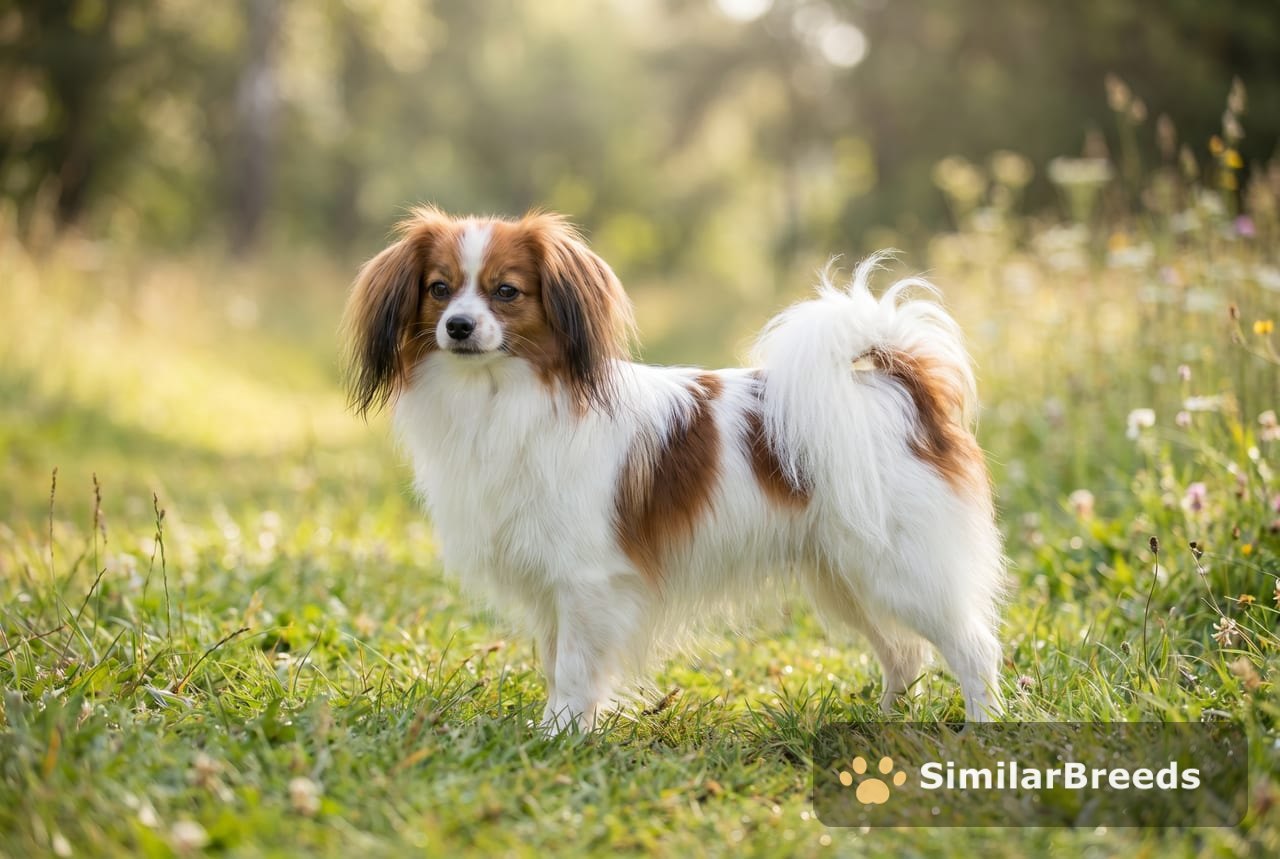
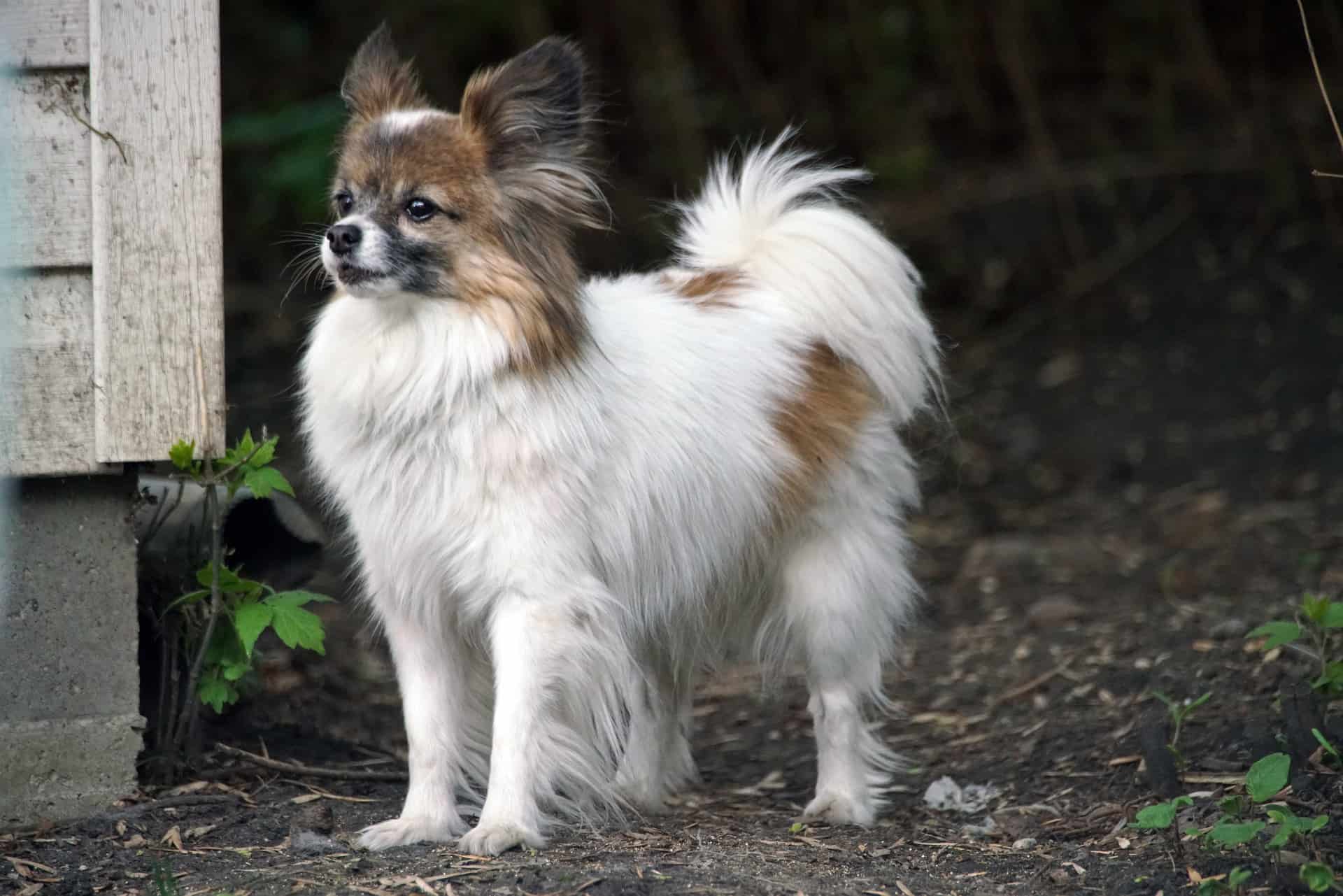
The Papillon takes its name from the French word for butterfly, a reference to the breed's signature large, fringed, upright ears that frame the face like open wings. Its roots stretch back to the dwarf spaniels that circulated among European nobility from at least the 1500s, bred as lapdogs and companions to aristocrats. Spain and Italy were the early breeding centres, and the court of Louis XIV imported many. Early dogs carried their plumed tails over the back like a squirrel, which earned them a now-forgotten nickname.
The original type had drooping ears; at some point erect-eared dogs appeared in litters alongside the drop-eared variant, and both remain correct to this day. The drop-eared form is called the Phalene in America and the Epagneul Nain in Europe. By 1900 the breed was well established on the French show circuit, then in England and America. Earlier examples were larger and mostly solid red; selective breeding produced the smaller, boldly marked, white-patched dog common today.
Temperament & Behaviour
The Papillon sits at the top of the toy group for trainability and responsiveness. It is lively and playful without being frantic, affectionate with its family, and genuinely sociable toward strangers, other dogs, and household pets. It is alert to a fault, a serious watchdog in a tiny body, though it has no guarding capacity to back that up. Some individuals lean timid, so early, broad socialisation matters. The breed is good with children but its small frame is fragile, and rough handling is a real injury risk.
Activity & Training
Despite moderate exercise requirements on paper, the Papillon carries enough energy and curiosity to want regular engagement. A daily leash walk plus indoor games covers the physical side. What it genuinely craves is mental challenge: this is a breed that excels at obedience and agility, and boredom shows quickly in a dog that is essentially wired to learn. Training is straightforward because the Papillon actually wants to work with you. Cold weather is a problem given its light build and minimal undercoat, so outdoor time in winter needs to be kept short.
Grooming
The silky single-layer coat is less demanding than it looks. Brushing twice a week is enough to keep it tangle-free and the fringed ears and tail presentable. There is no dense undercoat to mat. Dental care deserves more attention than the coat does: the breed is prone to dental problems, and regular tooth brushing from puppyhood is worth building as a habit.
Health
The Papillon is a long-lived toy breed, typically reaching 12 to 15 years. Patellar luxation (loose kneecaps) and seizures are the most commonly noted concerns, along with dental disease. Less frequent issues include von Willebrand's disease, progressive retinal atrophy, open fontanel, intervertebral disc disease, and allergies. Recommended health checks cover knees, eyes, and cardiac screening.
Why these breeds are similar
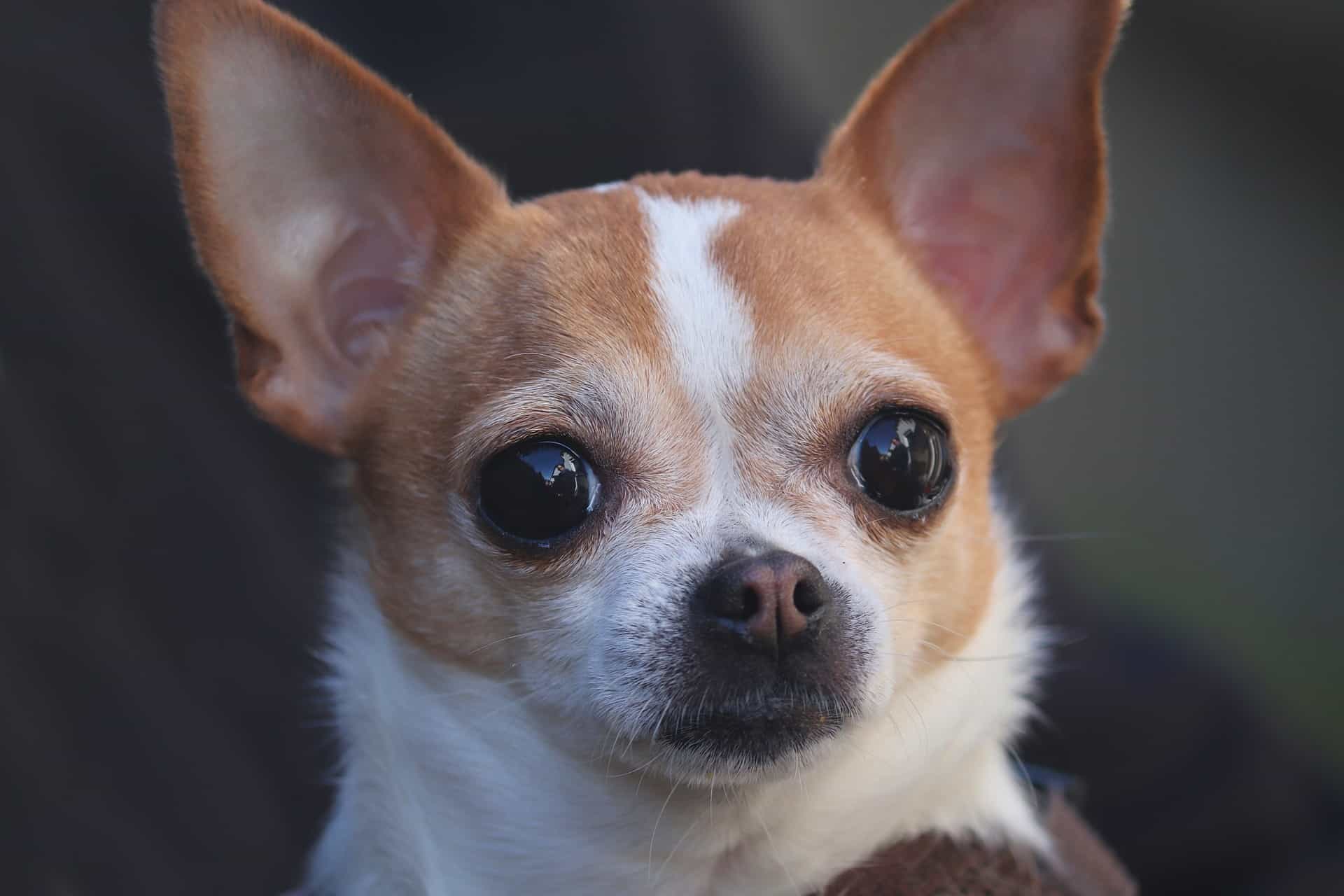
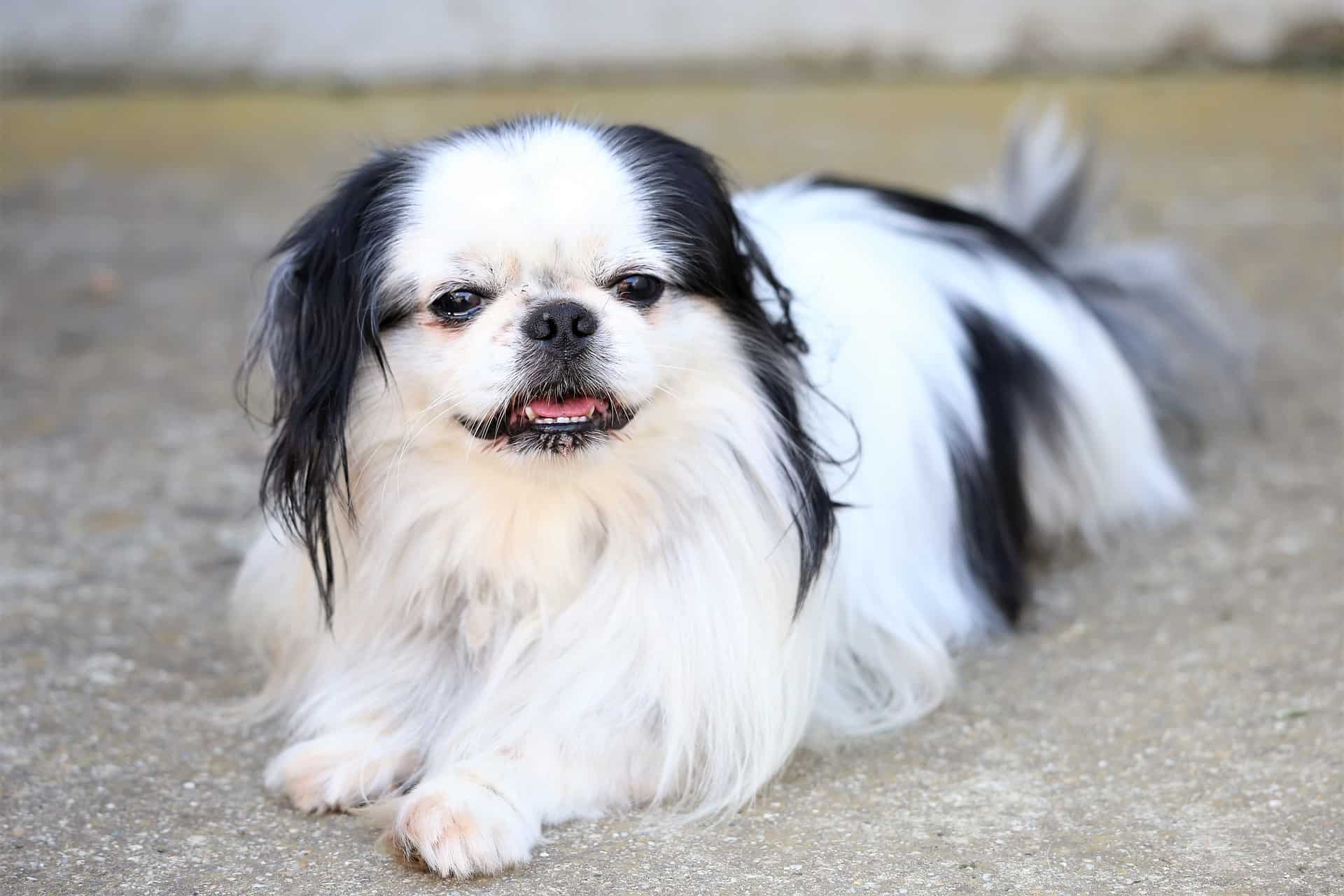
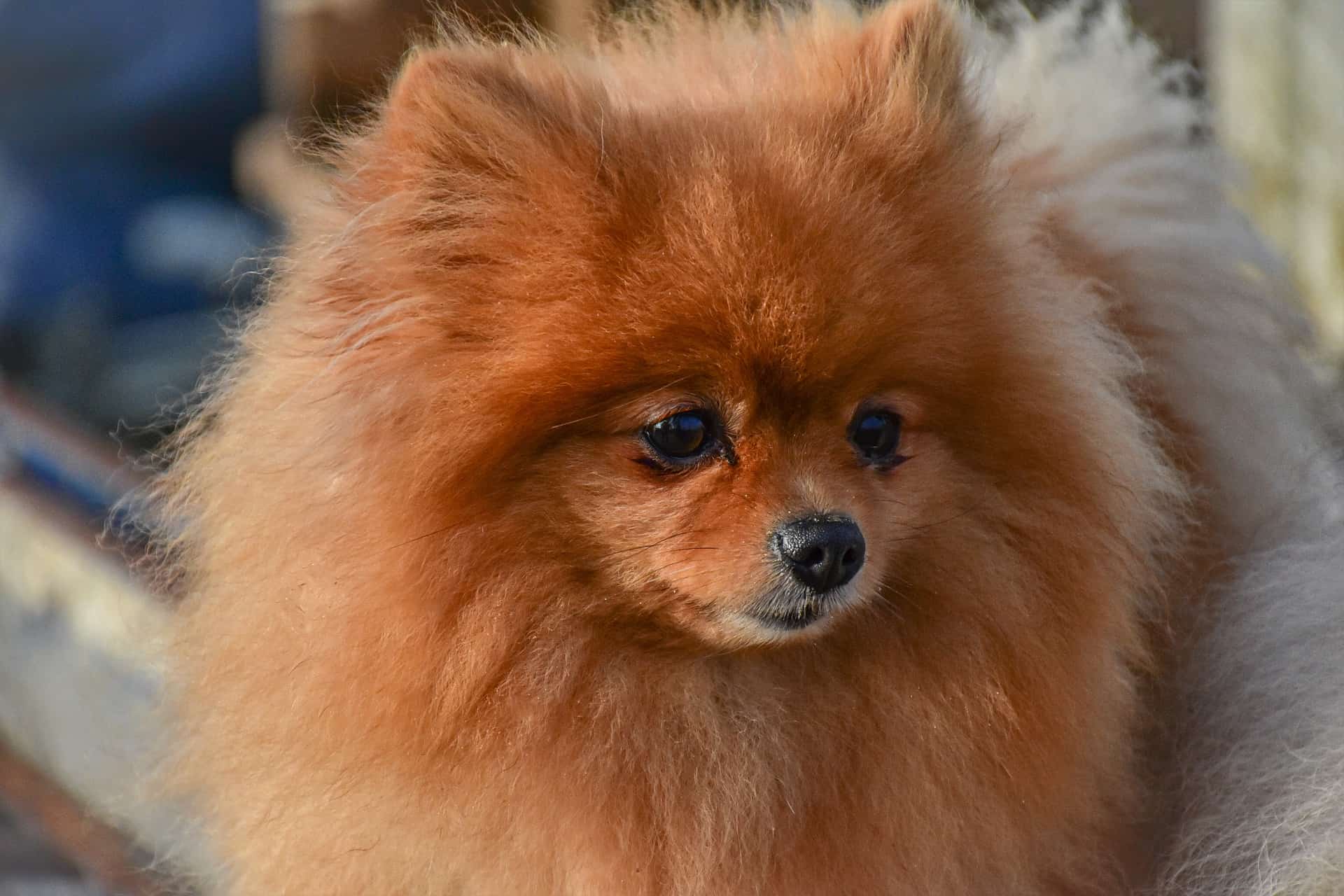
The Phalene is the closest match possible: it is the same dog with drop ears instead of upright ones, sharing identical structure, temperament, and history. The Chihuahua overlaps in size, alert character, and the role of lapdog companion, though it is a quite different breed in origin and build. The Japanese Chin is another aristocratic lapdog with a long history in court settings, similarly light-boned and people-oriented. The Pomeranian rounds out the group as another small, lively, heavily fringed companion breed with a loud watchdog instinct relative to its size.
Trait ratings
- Energy level
- 4/5
- Exercise requirements
- 1/5
- Playfulness
- 5/5
- Affection level
- 5/5
- Friendliness toward dogs
- 4/5
- Friendliness toward other pets
- 4/5
- Friendliness toward strangers
- 4/5
- Ease of training
- 5/5
- Watchdog ability
- 5/5
- Protection ability
- 1/5
- Grooming requirements
- 3/5
- Cold tolerance
- 1/5
- Heat tolerance
- 3/5