Pharaoh Hound
From Malta
Purpose & Origin
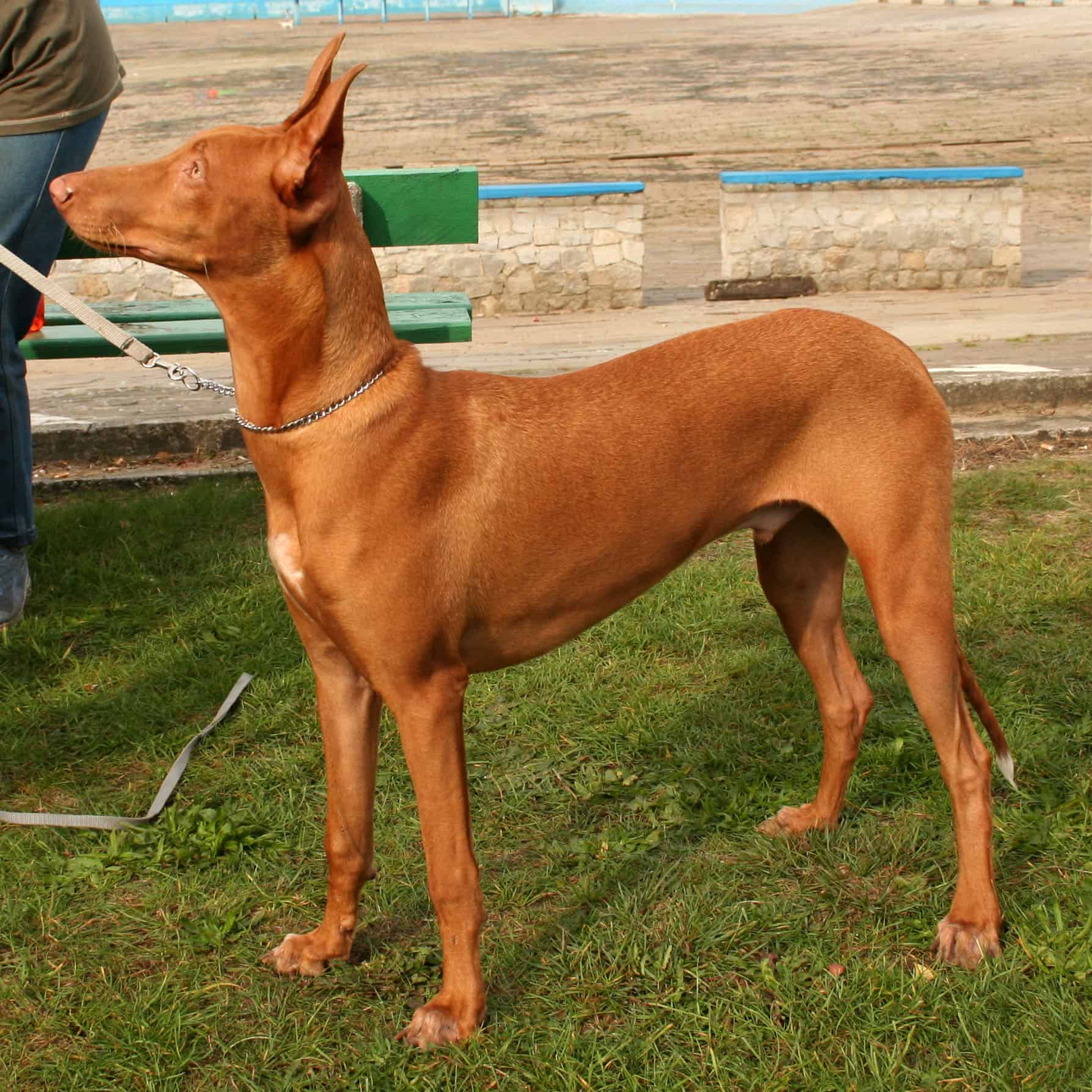
The Pharaoh Hound is one of the oldest breeds still recognisable in the flesh, and its history is not merely marketing copy. Dogs matching its description and silhouette appear on Egyptian tomb paintings from roughly 3,000 years ago, bearing the angular lines of the jackal god Anubis. Phoenician traders likely carried these dogs westward to Malta and Gozo, where the breed developed in near-isolation as a rabbit hunter. The Maltese called it the Kelb-tal Fenek, meaning rabbit dog.
The working method was specific: several hounds were loosed at night to locate a rabbit by scent; once the quarry went to ground in a rocky crevice or stone wall, the dog barked and a belled ferret was sent in to flush it out. The breed is now Malta's national dog and was recognised by the AKC in 1983, remaining very rare outside specialist circles.
Temperament & Behaviour
Indoors the Pharaoh Hound is calm and affectionate, good with children and generally easy around other dogs. Outside, the hunter takes over: it is an explosive chaser with a strong instinct to pursue small animals, and small pets in a household are a real risk. Strangers tend to get a cool reception and some individuals lean toward timidity.
The breed is independent enough that it won't glue itself to your side, yet it is not indifferent. It has a genuinely unusual quality: when excited, blood flushes visibly into the nose and ears, producing a rosy glow the breed is famous for. This blushing is a reliable sign the dog is engaged, interested, or happy.
Activity & Training
Exercise needs are real. The Pharaoh Hound needs regular opportunities to run at full speed in a securely fenced area. Long on-leash walks cover the daily minimum, but without the occasional sprint this breed will not be content. A sighthound in an unfenced yard is a dog you will not see again, so management matters as much as exercise volume. Training is manageable, though the independence built into a hunting hound that worked at night with minimal handler direction means it will not respond like a retriever. Positive methods, consistency, and patience get results. Harsh corrections do not.
Grooming
Coat care is about as straightforward as it gets. The Pharaoh Hound has a short, smooth coat that needs only occasional brushing to clear loose hair. There is no trimming, no stripping, no professional grooming cycle to budget for. The one genuine physical need is warmth: this is a lean-bodied dog from a Mediterranean island, with low cold tolerance and no fat reserves to speak of. It needs soft bedding and a warm living environment, and a coat on winter walks is practical rather than decorative.
Health
The Pharaoh Hound is a healthy breed with no major concerns identified in the literature. Minor issues occasionally seen include patellar luxation, hip dysplasia, and hypothyroidism, though none is common. Life expectancy runs 11 to 14 years. One veterinary note worth knowing before any procedure: the breed is sensitive to barbiturate anaesthesia, a trait shared with several other sighthound and primitive breeds, and your vet should be informed of this in advance.
Why these breeds are similar
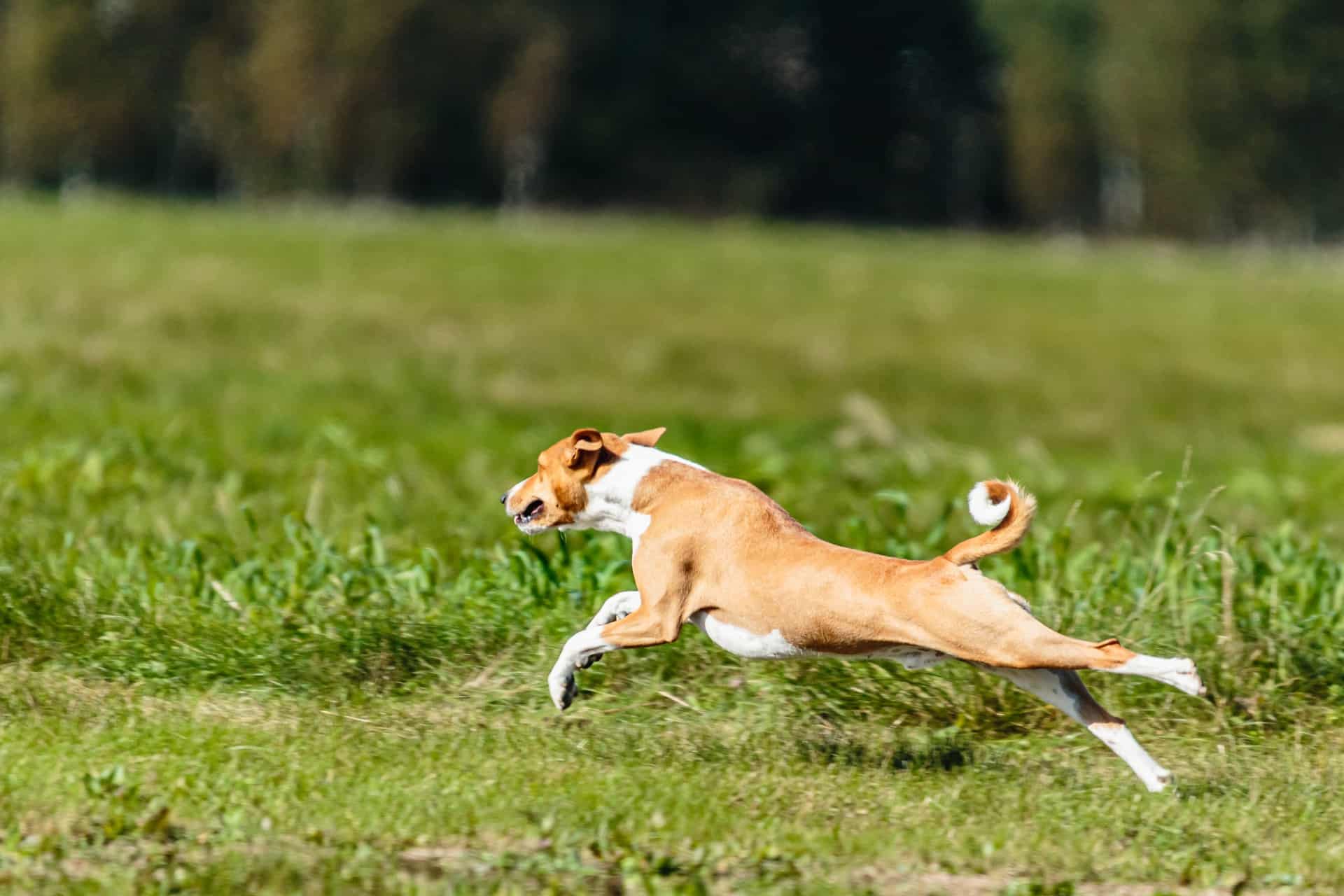
The Basenji is the closest parallel: another ancient primitive breed with roots in North Africa, a lean and elegant build, strong prey drive, independence, and reserve around strangers. Neither breed is a pushover to train, and both carry themselves with the self-possessed quality of a dog that historically worked without close human direction.
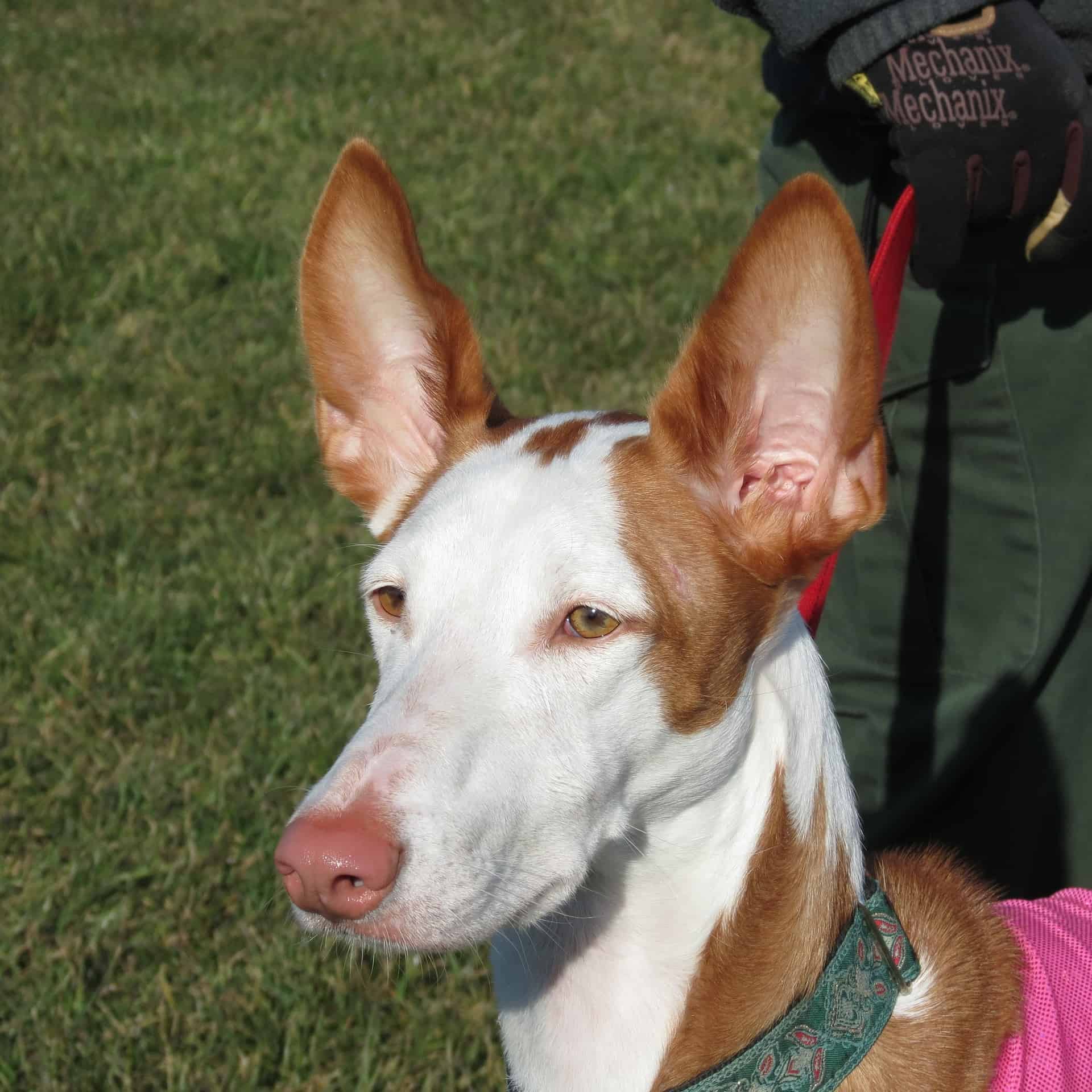
The Ibizan Hound shares the same broad family, a tall and angular Mediterranean rabbit-hunter with a comparable working method and a similarly athletic, energetic temperament. Its build, upright ears, and hunting instincts make it the most structurally similar of the three.
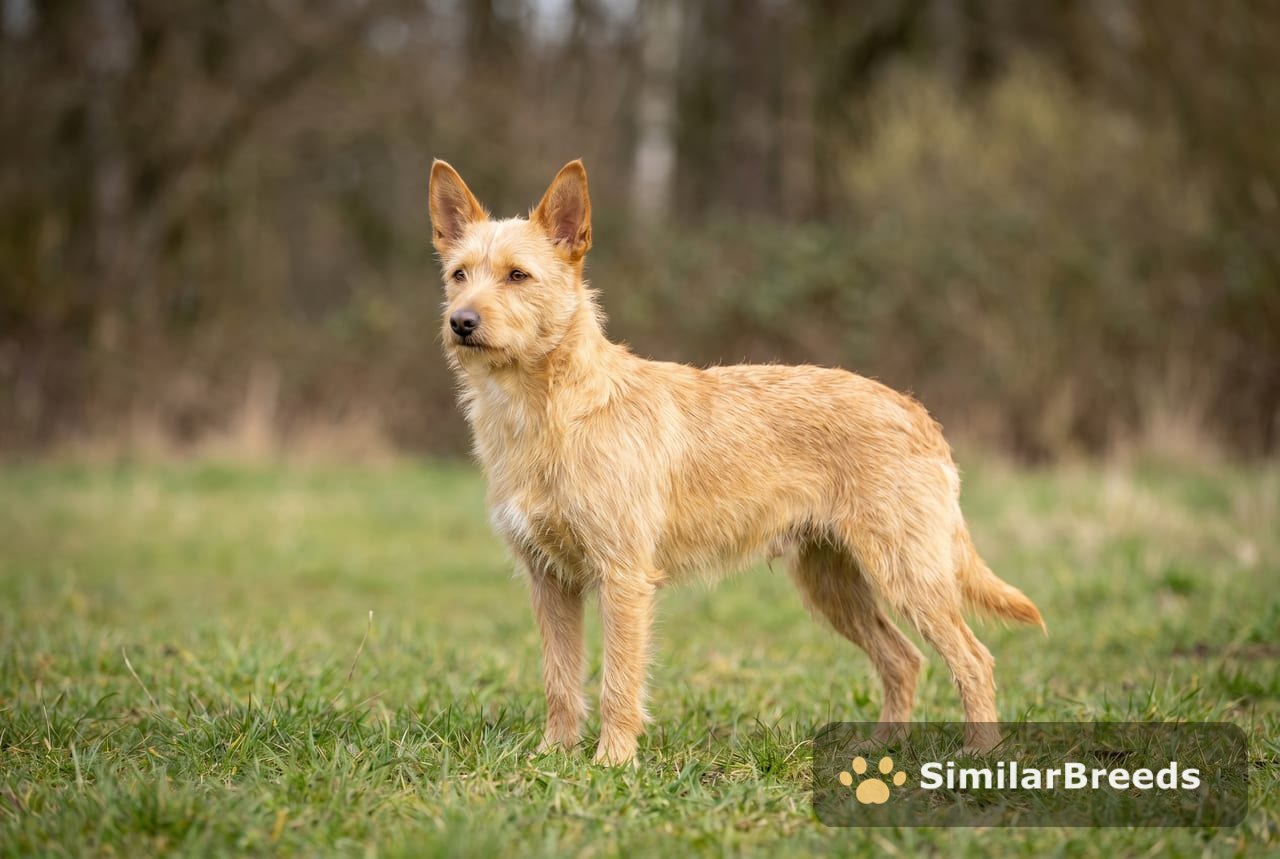
The Portuguese Podengo rounds out the group as another Iberian and Atlantic island rabbit dog from the same ancient lineage, hunting by sight, scent, and hearing, and carrying the same characteristic large ears and lean frame. All three share the Pharaoh Hound's primitive origins, specialist rabbit-hunting purpose, and the demands that come with a high-drive hound in a modern household.
Trait ratings
- Energy level
- 3/5
- Exercise requirements
- 4/5
- Playfulness
- 3/5
- Affection level
- 3/5
- Friendliness toward dogs
- 4/5
- Friendliness toward other pets
- 2/5
- Friendliness toward strangers
- 2/5
- Ease of training
- 3/5
- Watchdog ability
- 4/5
- Protection ability
- 1/5
- Grooming requirements
- 1/5
- Cold tolerance
- 2/5
- Heat tolerance
- 3/5