Pumi
From Hungary
Purpose & Origin
The Pumi is a Hungarian herding breed that emerged during the 17th or 18th century, when native Puli stock was crossed with dogs brought by German and French traders, notably the German Spitz, the Briard, and an unspecified terrier type. That terrier blood proved defining: it gave the Pumi a sharper, more reactive personality than the Puli, and earned the breed the early nickname "the Sheep Dog Terrier." The breed's original role was herding sheep, though its versatility meant it was co-opted for cattle and pig work as well, and it also served as a farm watchdog and vermin controller.
For many decades the Pumi and Puli were conflated, sharing names interchangeably. It was Hungarian dog expert Emil Raitsitz who formally separated them, compiling a distinct breed standard for the Pumi in 1921. The modern standard was consolidated in 1960, by which time the breeding programmes had stabilised the type. The Pumi gained AKC recognition in 2016, placing it in the Herding Group.
Temperament & Behaviour
The Pumi is lively, alert, and opinionated. It is genuinely affectionate with its family and bonds closely, but it is cautious with strangers and takes time to assess new people and situations rather than rushing forward. Vocality is a breed trait: Pumis bark, and they do so freely. The terrier ancestry comes through in a readiness to act independently and a slight edge to the personality that distinguishes the Pumi from more biddable herders. The breed is playful and energetic in the house as well as outside, and it does not switch off easily. It is alert enough to function as a watchdog but not aggressive.
Activity & Training
This is a high-drive working dog that needs substantial daily exercise, at minimum an hour of vigorous activity. It excels at dog sports, particularly agility, obedience, flyball, and herding trials, where its quickness and focus are assets. The Pumi is intelligent and learns fast, but the terrier streak means it will test the owner rather than simply comply. Training should be consistent, reward-based, and varied enough to hold the dog's interest. Boredom produces barking and destructive behaviour. A Pumi kept only as a couch companion without an outlet for its working drive is a Pumi that will make its dissatisfaction known.
Grooming
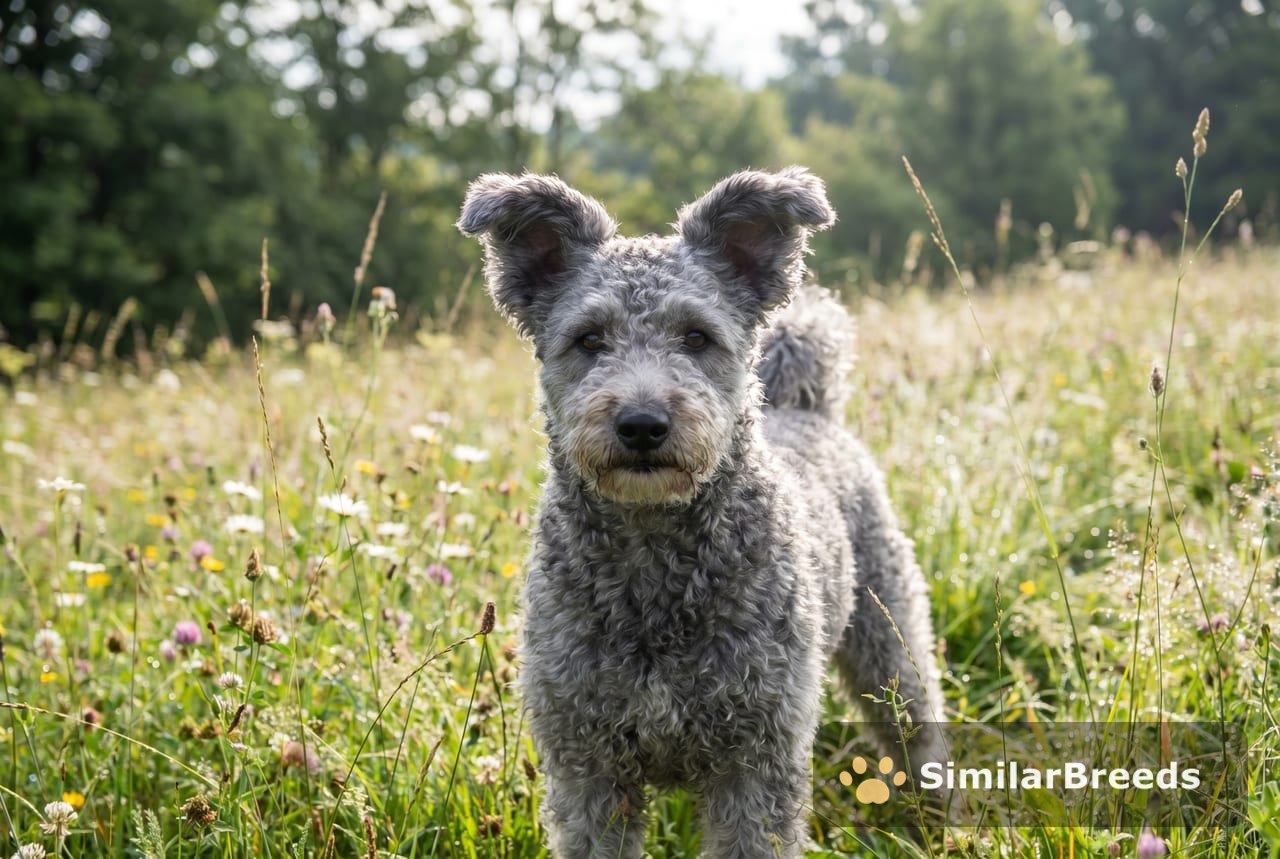
The coat is a wavy-to-curly double coat, shorter and wirier than the Puli's corded coat. It does not shed heavily because the curl traps loose hair, but that means regular grooming is essential to prevent matting. The coat should be combed or brushed two to three times a week, and it benefits from periodic wetting and air-drying to restore its characteristic curl structure. Professional trimming is recommended every two to three months. Only solid colours are permitted under the breed standard: grey in various shades, black, white, and fawn.
Health
The Pumi is a reasonably hardy breed with a lifespan of 12 to 14 years. Known health concerns include hip and elbow dysplasia, patellar luxation, degenerative myelopathy, and certain eye disorders. Responsible breeders screen for hip and elbow status and conduct eye examinations. The breed's small gene pool in many countries outside Hungary makes choosing a breeder who prioritises health testing more important than average.
Why these breeds are similar
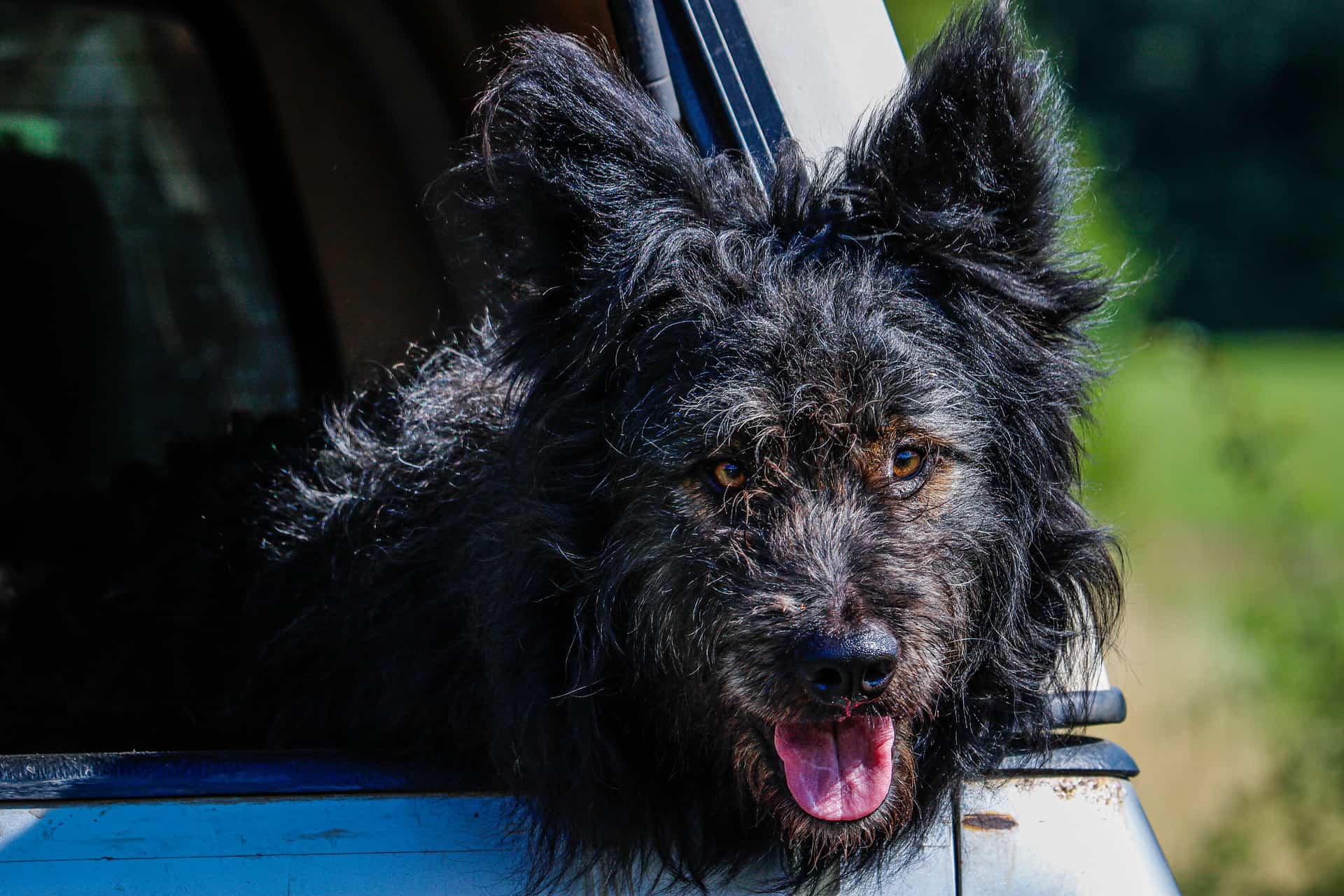
**Mudi:** The Mudi is the Pumi's closest relative in the Hungarian herding group. Both are medium-small, agile farm dogs developed in Hungary to work sheep and cattle with equal readiness. The Mudi shares the Pumi's intensity, vocality, and alert terrier-like quality. The main distinction is coat type: the Mudi has a mixed wavy and curly coat on the body with short smooth hair on the face, while the Pumi's distinctive semi-erect curled ears and more consistently curled coat give it its unique silhouette.
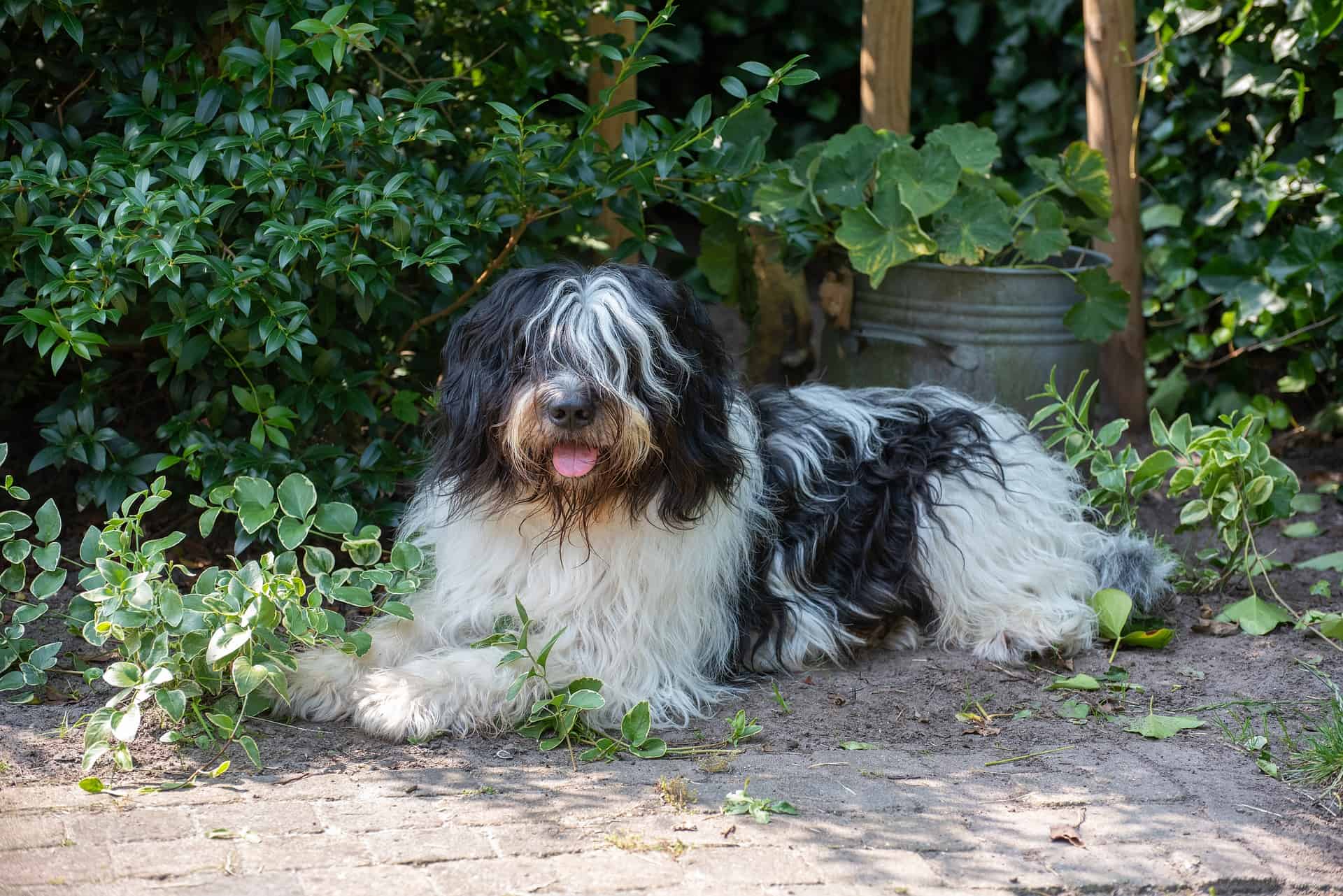
**Schapendoes:** The Dutch Schapendoes is a lightly built, shaggy herder with similar energy and trainability. Like the Pumi, it was bred to manage sheep across varied terrain and carries a lively, somewhat independent personality. Both breeds are athletic, relatively low-shedding for a fluffy-coated dog, and suited to active owners who want a sport or herding outlet.
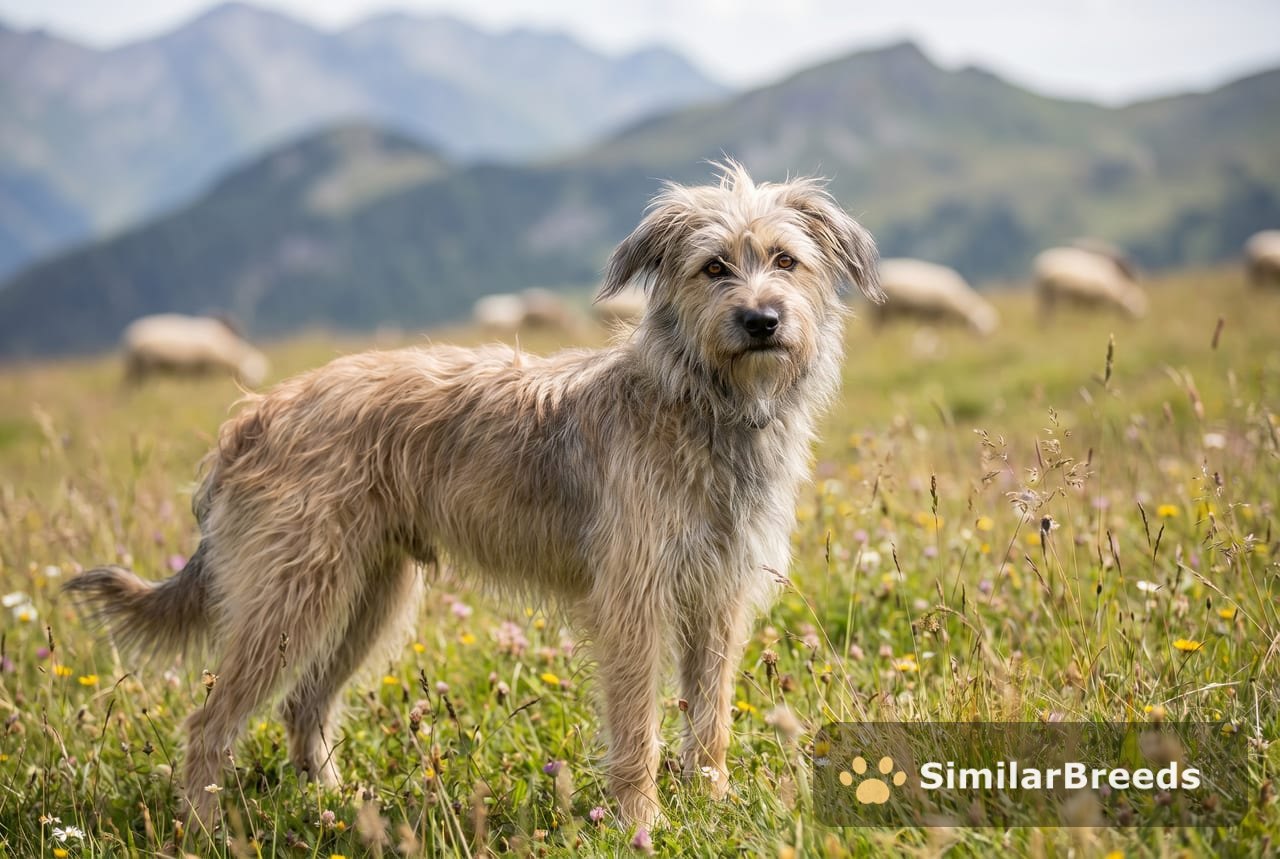
**Pyrenean Shepherd (Long-Haired):** The Pyrenean Shepherd is the lightest and quickest of the traditional French sheepdogs, and it shares with the Pumi a lean frame, high energy, and an almost terrier-like alertness. Both are vocal working dogs that think fast and expect their handler to keep up. The Pyrenean Shepherd tends toward an even more intense drive and can be sharper-tempered, but the two breeds occupy the same working niche and suit similar owners.