Russian Toy
From Russia
Purpose & Origin
The Russian Toy is a compact companion breed descended primarily from English Toy Terriers that had been fashionable at the Russian imperial court since the eighteenth century. A group of Moscow enthusiasts began stabilising the breed around 1950, introducing it at a 1964 dog show and receiving Soviet Kennel Club recognition in 1966 under the name Moscow Toy Terrier. Early dogs were also used as ratters and watchdogs, which explains the alert, vocal streak that survives today.
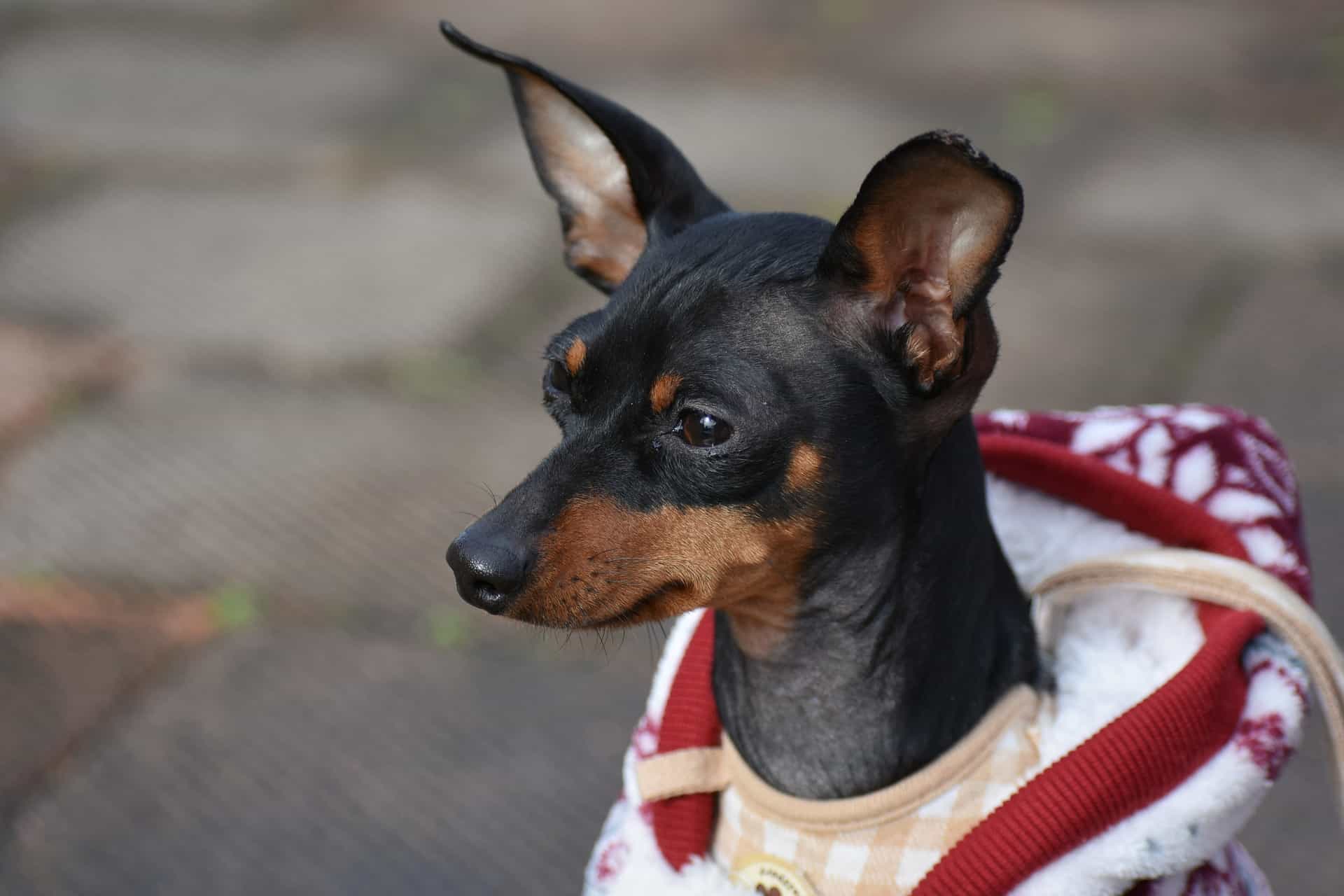
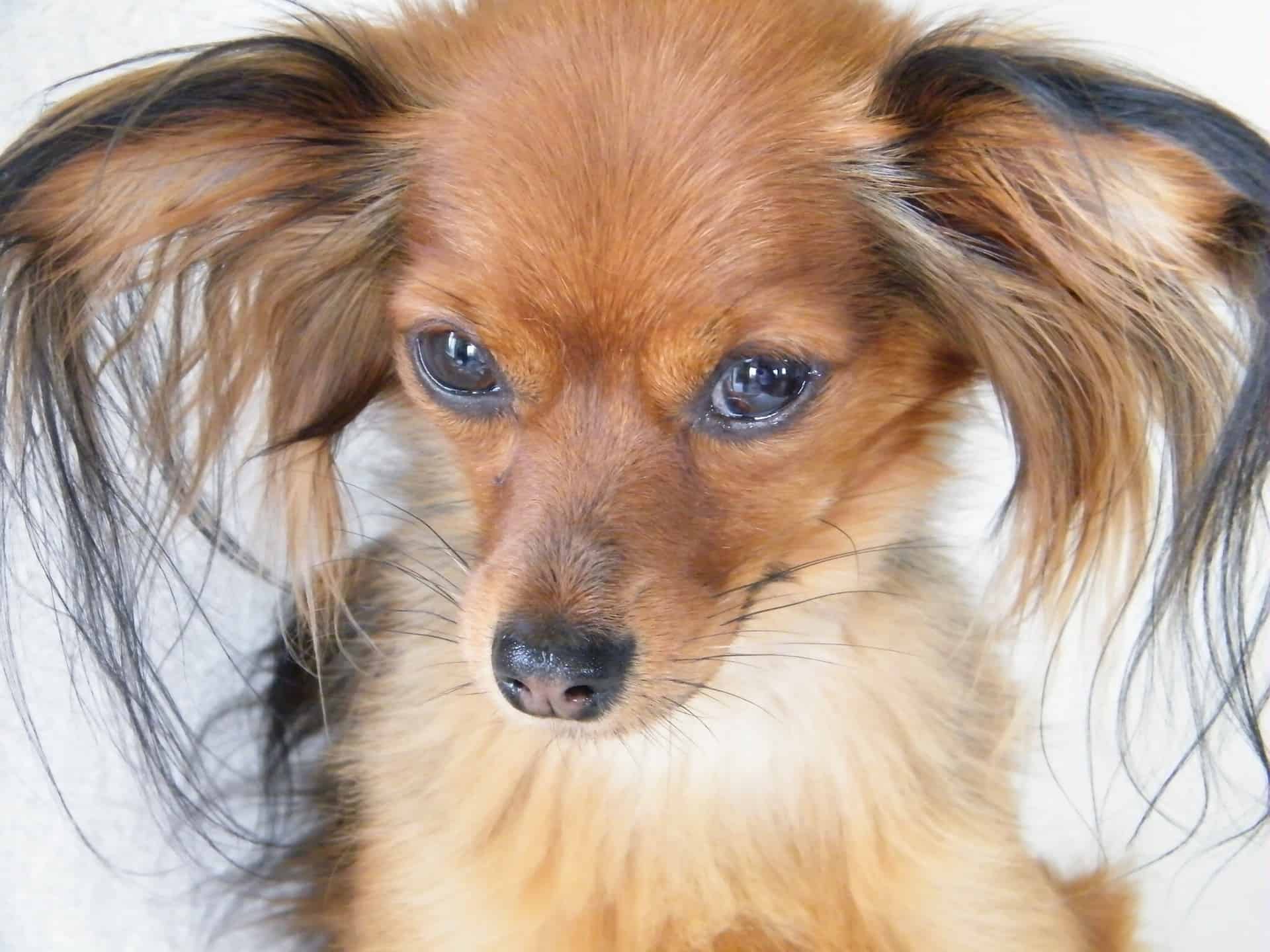
The breed nearly vanished twice: first in the 1920s when its aristocratic associations made it suspect under Communism, and again after 1990 when Western breeds flooded Russian markets. Two coat varieties exist, smooth and longhaired. The longhaired variety was developed in the 1950s and is distinguished by feathering on the ears, legs, and tail. Both are now unified under the international name Russkiy Toy.
Temperament & Behaviour
Lively, curious, and strongly attached to its people, the Russian Toy was purpose-built for urban apartment life. Desmond Morris describes it as inquisitive, playful, and quick to learn. The watchdog instinct is genuine; it will bark at strangers and unfamiliar sounds, though it is less aggressive than working Russian breeds. Prolonged separation causes real distress. The breed is sociable with other dogs when introduced properly, and its size makes it manageable in multi-pet households.
Activity & Training
Exercise needs are modest. Short daily walks and indoor play are enough. The breed learns quickly and responds well to positive reinforcement, but boredom sets in fast, so mental variety matters as much as physical outlets. Early socialisation is important; a Russian Toy left to develop without it can become timid or excessively vocal. Given the fragile trachea, lead training must use a harness, not a collar.
Grooming
The smooth variety needs minimal work, an occasional wipe with a soft cloth or bristle brush. The longhaired variety needs brushing two to three times a week to prevent tangles in the feathering behind the ears and along the legs. Neither variety is a heavy shedder. Dental care is the bigger maintenance concern: small breeds accumulate tartar quickly, and daily brushing significantly reduces the risk of dental disease.
Health
Lifespan is typically 12 to 14 years. Known vulnerabilities include patellar luxation, Legg-Calve-Perthes disease, and dental overcrowding. The trachea is fragile, so harness use is essential and rough handling should be avoided. The slight frame also makes the dog susceptible to bone fractures from falls.
Why these breeds are similar
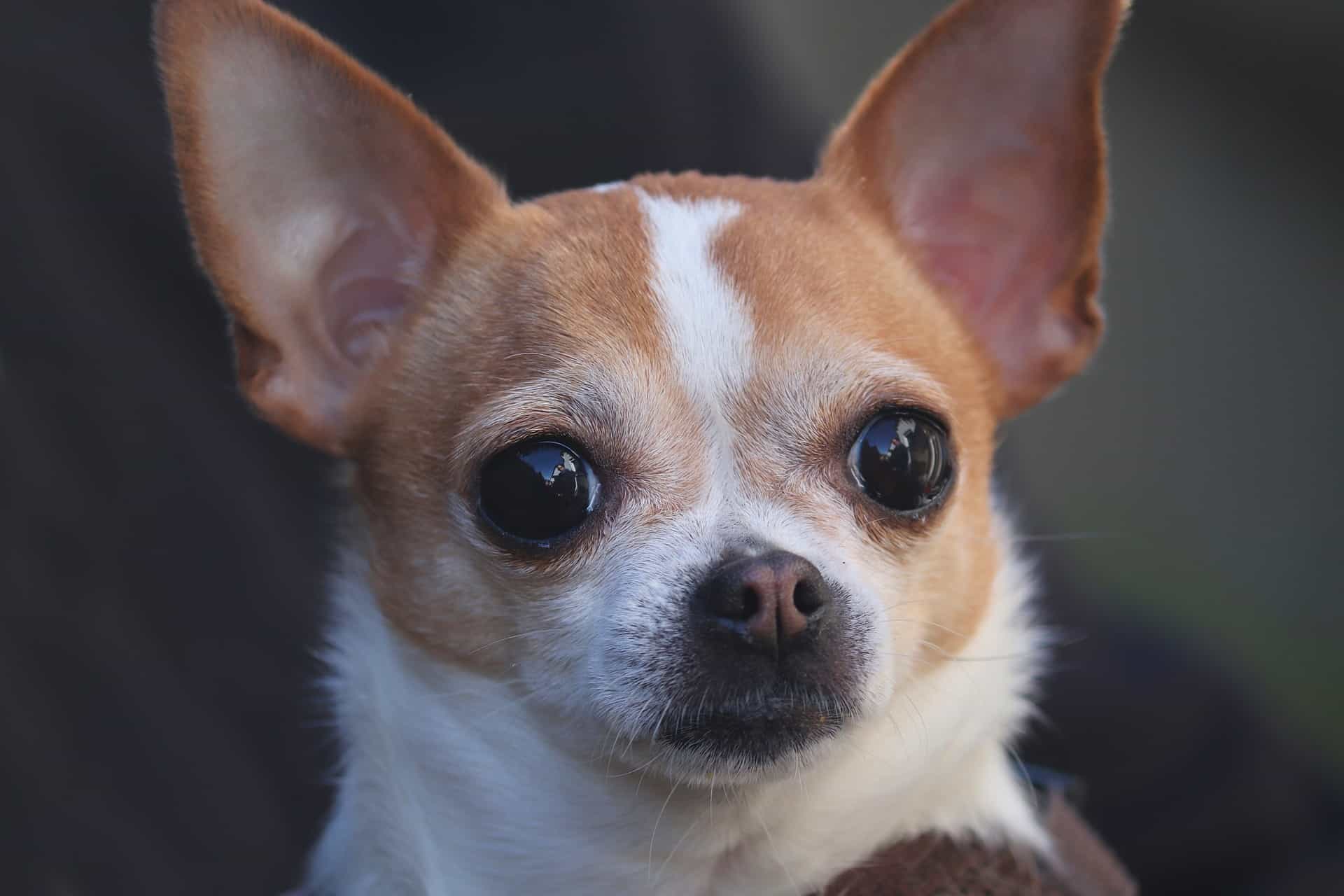
**Chihuahua:** The closest parallel in size, temperament, and purpose. Both are devoted urban companions with a terrier-like alertness. The smooth Russian Toy is frequently mistaken for a Chihuahua on sight.
**Yorkshire Terrier:** Shared terrier ancestry and a similar weight class connect these two. Both are confident, active dogs with personalities that exceed their size. The longhaired Russian Toy also shares the Yorkie's fine, silky coat texture.
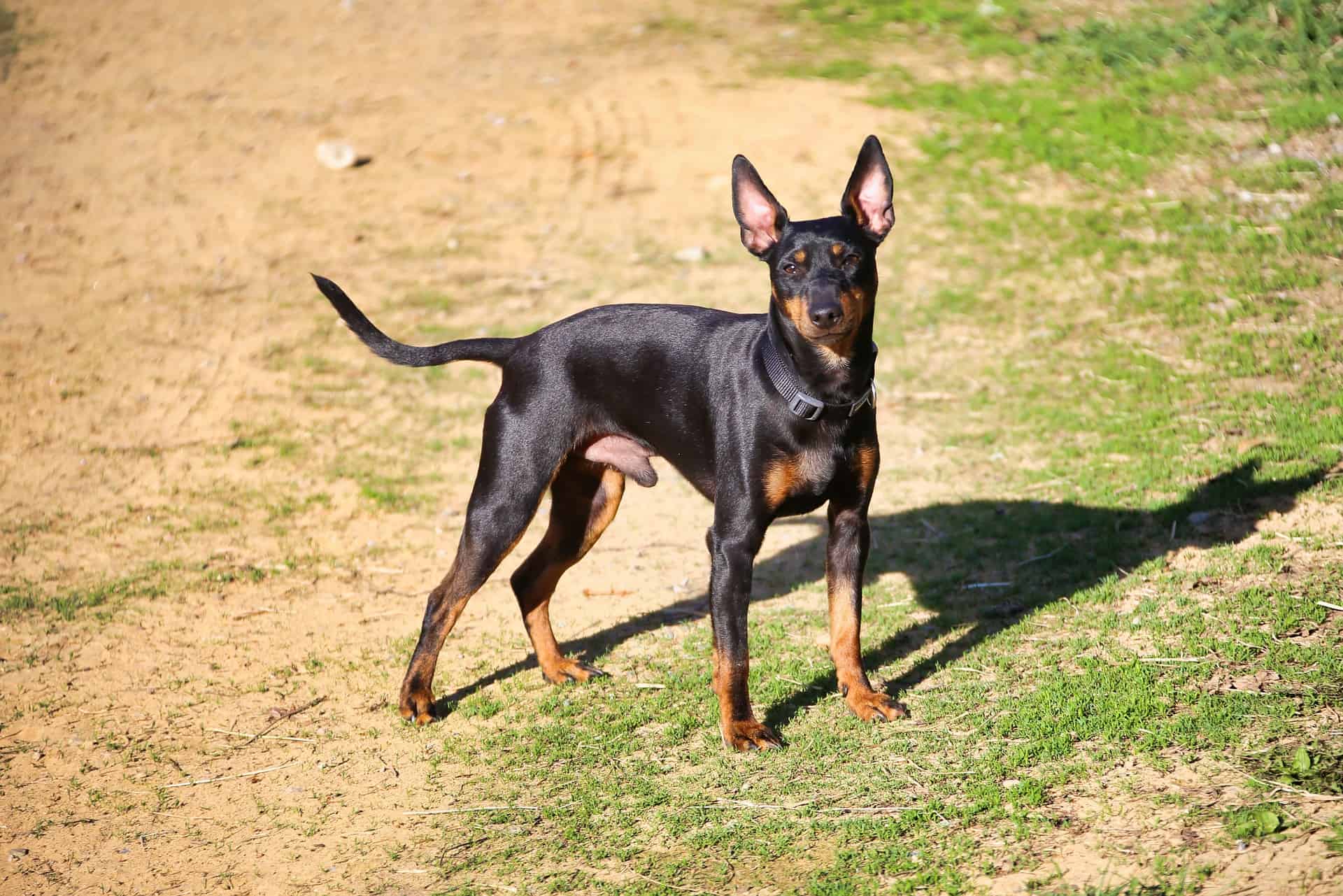
**English Toy Terrier:** The most direct genetic link. English Toy Terriers were the primary foundation stock for the Russian Toy, and the two breeds share build, coat type in the smooth variety, and the sharp, attentive character of toy terrier lines.
**Miniature Pinscher:** Both carry a bold, energetic temperament and a sleek, leggy silhouette. The smooth Russian Toy and Min Pin look strikingly alike at a glance, sharing clean lines, high-set ears, and an alert demeanour, though they developed independently.