Schipperke
From Belgium
Purpose & Origin
The Schipperke is a small Belgian spitz-type with two competing origin stories, and both probably carry some truth. The more colourful account ties the breed to the boatmen who worked the canals between Brussels and Antwerp: "schip" is Flemish for boat, making "Schipperke" roughly "little boatman." The more prosaic version places it in the workshops and townhouses of the Belgian middle class as a ratter and watchdog, possibly descending from a shepherd-type dog (the word "scheper" means shepherd).
Small black tailless dogs appear in Belgian records from the fifteenth century, but the breed's documented history begins clearly in 1690 when Brussels shoemakers organised formal Schipperke competitions, fitting their dogs with elaborate brass collars. By the mid-nineteenth century the breed was so dominant in central Belgium it was considered the national dog.
Royal attention in 1885, when Queen Marie Henriette was seen with one, pushed it into fashionable circles. Exports to England followed, numbers dropped in Belgium, and a handful of enthusiasts had to step in to codify the standard. The breed reached America not long after, where it built a modest but devoted following.
Temperament & Behaviour
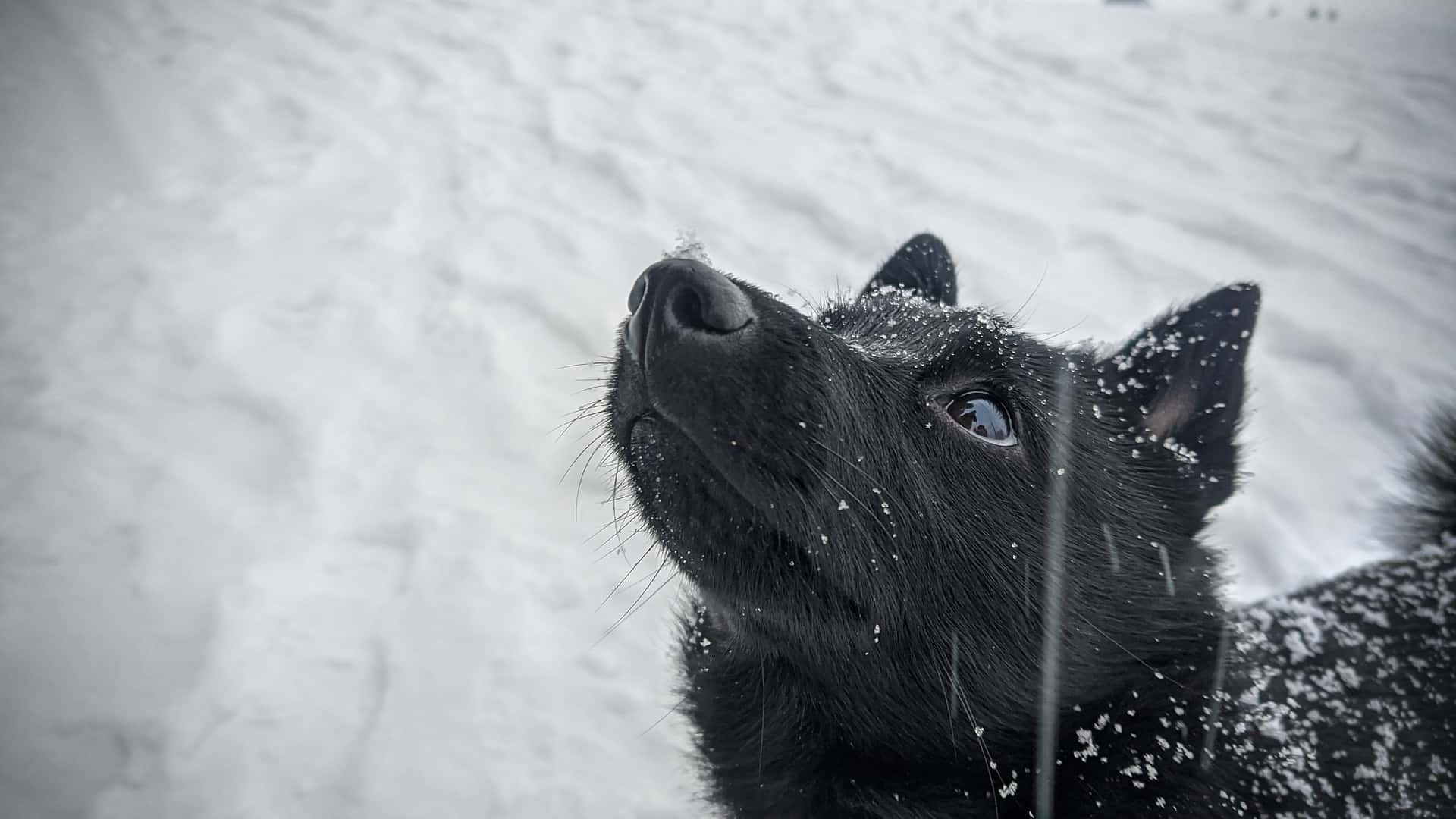
Compact and black-coated, the Schipperke carries itself with an outsized sense of authority. It is an alert, inquisitive dog that inserts itself into everything happening in the household, always on the lookout for something to investigate. Strangers get a cool reception and the watchdog instinct is strong, making this one of the more reliable small-breed alarm dogs. Toward family it is genuinely affectionate, but it is not a lapdog: independence and a streak of stubbornness are part of the package. New owners should expect a dog that has its own opinions about what constitutes a good idea.
Activity & Training
Despite weighing no more than sixteen pounds, the Schipperke has real energy that needs an outlet every day. A brisk walk or an active game in a securely fenced yard is usually enough, but skipping it consistently produces a bored, restless dog. Mental stimulation matters as much as physical exercise for this curious breed. Training is achievable but requires consistency, as the Schipperke's independent streak means it will look for loopholes in any routine that feels pointless to it. Patience and varied sessions work better than repetition.
Grooming
The double coat is relatively low-maintenance for a spitz-type. Weekly brushing keeps it in decent shape most of the year. Shedding periods are heavier and require more frequent attention during those weeks, but there is no elaborate clipping or trimming involved. Grooming demands are modest by any measure.
Health
The Schipperke lives 13 to 15 years, which is a solid lifespan for a small breed. The primary health concern is MPS IIIB (mucopolysaccharidosis), a metabolic storage disorder for which a DNA test is available and should be requested from breeders. Minor concerns include Legg-Perthes disease, epilepsy, and hypothyroidism. Eye and hip issues appear occasionally. Responsible breeders test for thyroid function, MPS IIIB, and knee soundness.
Why these breeds are similar
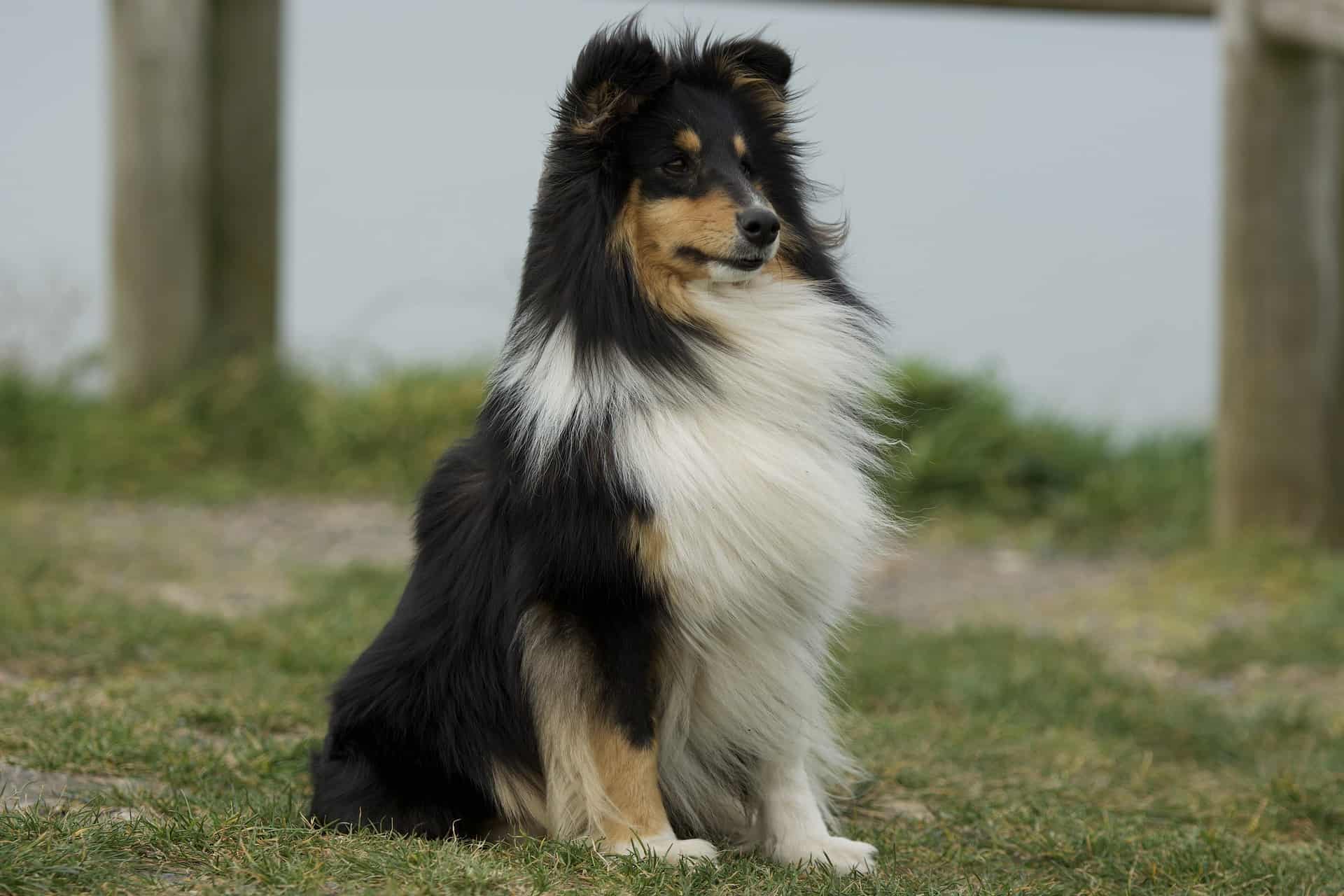
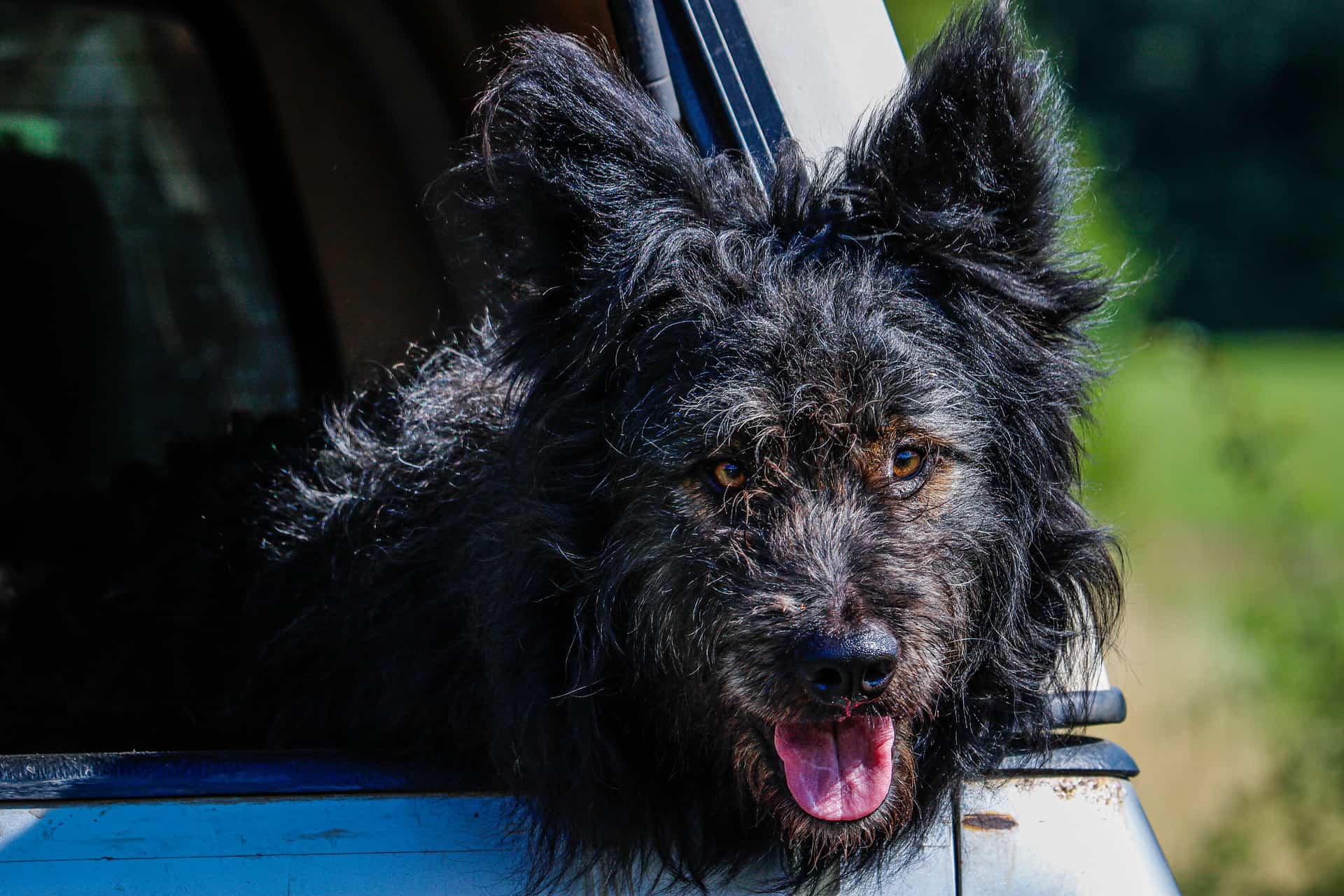
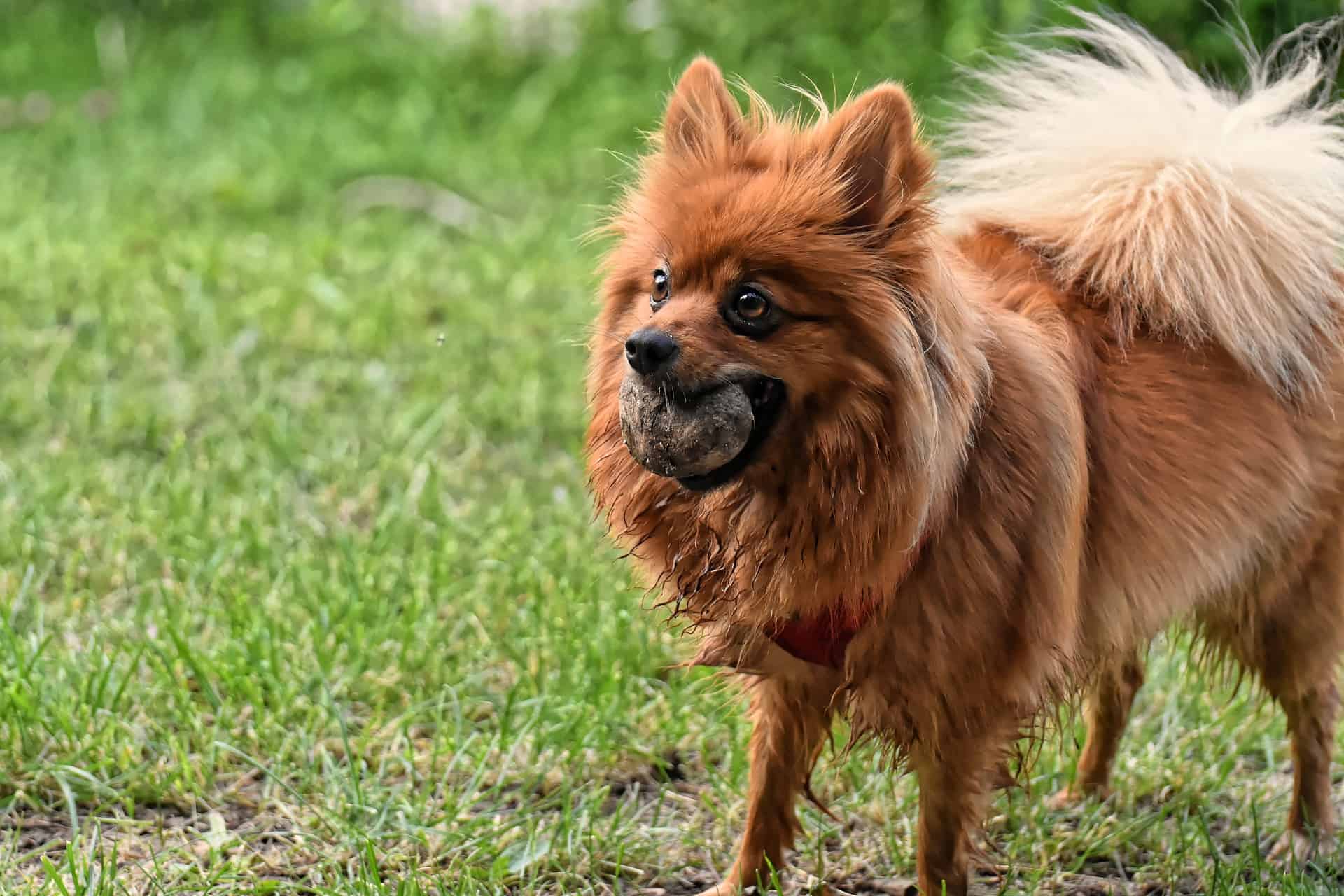
The Shetland Sheepdog shares the Schipperke's alertness, vocal watchdog nature, and strong family loyalty in a small-to-medium frame. Both breeds are energetic, wedge-headed, and dense-coated, and both have a tendency to be reserved with strangers while remaining devoted to their household. The Mudi is a Hungarian herding spitz of similar build and temperament: agile, independent, high-energy, and an effective watchdog well outside its weight class. The Kleinspitz is the closest structural match, a German spitz that shares the Schipperke's compact size, prick ears, dense double coat, and the same alert, self-reliant character that the spitz family carries across borders.
Trait ratings
- Energy level
- 4/5
- Exercise requirements
- 3/5
- Playfulness
- 3/5
- Affection level
- 4/5
- Friendliness toward dogs
- 3/5
- Friendliness toward other pets
- 3/5
- Friendliness toward strangers
- 2/5
- Ease of training
- 3/5
- Watchdog ability
- 5/5
- Protection ability
- 4/5
- Grooming requirements
- 2/5
- Cold tolerance
- 3/5
- Heat tolerance
- 2/5