Purpose & Origin
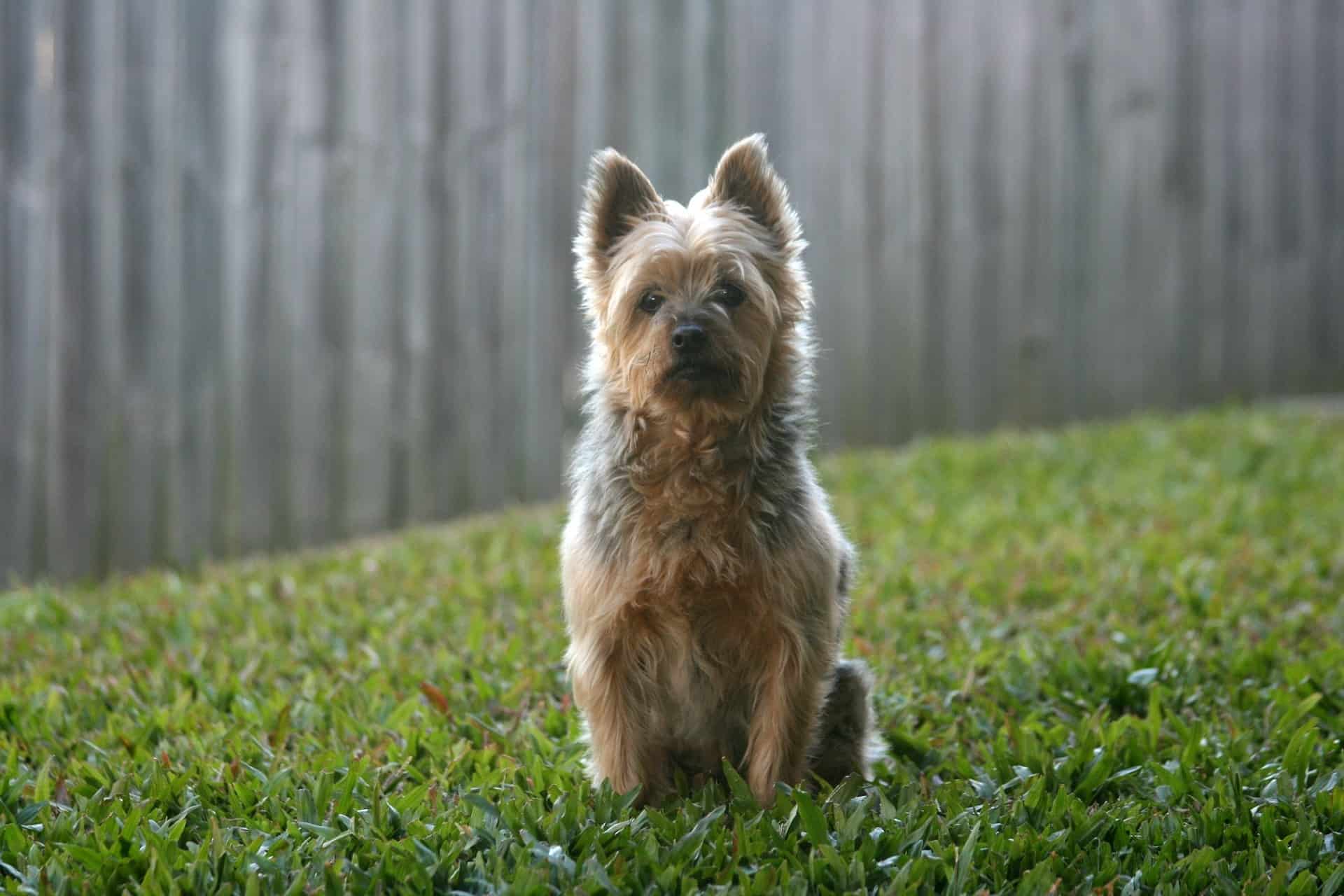
The Silky Terrier is an Australian creation from the late 1800s, born out of deliberate crossbreeding rather than accident. When Yorkshire Terriers arrived in Australia from England, breeders crossed them with the native Australian Terrier, hoping to improve the latter's coat colour while keeping its sturdier build. The offspring fell into an awkward middle ground: too coat-heavy for working Australian Terriers, too robust for Yorkshire Terriers. Rather than assign them to either parent breed, breeders recognised them as something new.
Two regional standards were written in 1906 and 1910, consolidated into one in 1926, and the breed was known as the Sydney Silky Terrier in Australia until 1955, when both Australia and America settled on their respective final names. Despite AKC recognition and a loyal following, it has never broken into the top tier of popularity.
Temperament & Behaviour
The AKC places the Silky in the Toy Group, but that label is misleading. This is a terrier classified by size, not by disposition. It is bold, inquisitive, and feisty, with the energy and attitude of a working earth-dog condensed into a small frame. It tends toward stubbornness, can be mischievous, and barks readily, making it an excellent watchdog (its watchdog score is a hard five) but a nuisance in apartments with thin walls. It is playful and moderately affectionate, though it bonds on its own terms rather than sitting in laps on command. Dog-to-dog aggression and tension with other pets are real tendencies worth managing from puppyhood.
Activity & Training
Despite a relatively modest formal exercise requirement, the Silky has a high energy level that needs an outlet. A daily walk on lead satisfies part of the need, but it particularly benefits from time to explore freely in a safe, fenced space. Much of the daily quota can be burned off through vigorous indoor games. Training requires patience: the Silky is clever enough to learn quickly but independent enough to decide whether it feels like cooperating. Consistency and reward-based methods work better than repetition and correction. It is not the dog for someone who wants quick obedience.
Grooming
The long, silky coat that defines the breed needs brushing or combing every other day to prevent tangles and keep the texture correct. This is a moderate grooming commitment, not an extreme one, but it cannot be ignored for weeks at a time. Regular trimming around the face and feet keeps the dog tidy. The coat does not have the same volume as a Yorkshire Terrier's show coat, but it still requires deliberate upkeep.
Health
The Silky is a generally hardy small breed with a life span of 11 to 14 years. The main concerns to monitor are patellar luxation and Legg-Perthes disease, both common in small breeds. Diabetes, epilepsy, tracheal collapse, allergies, and Cushing's disease appear occasionally. Knee and eye checks are the standard recommended tests.
Why these breeds are similar
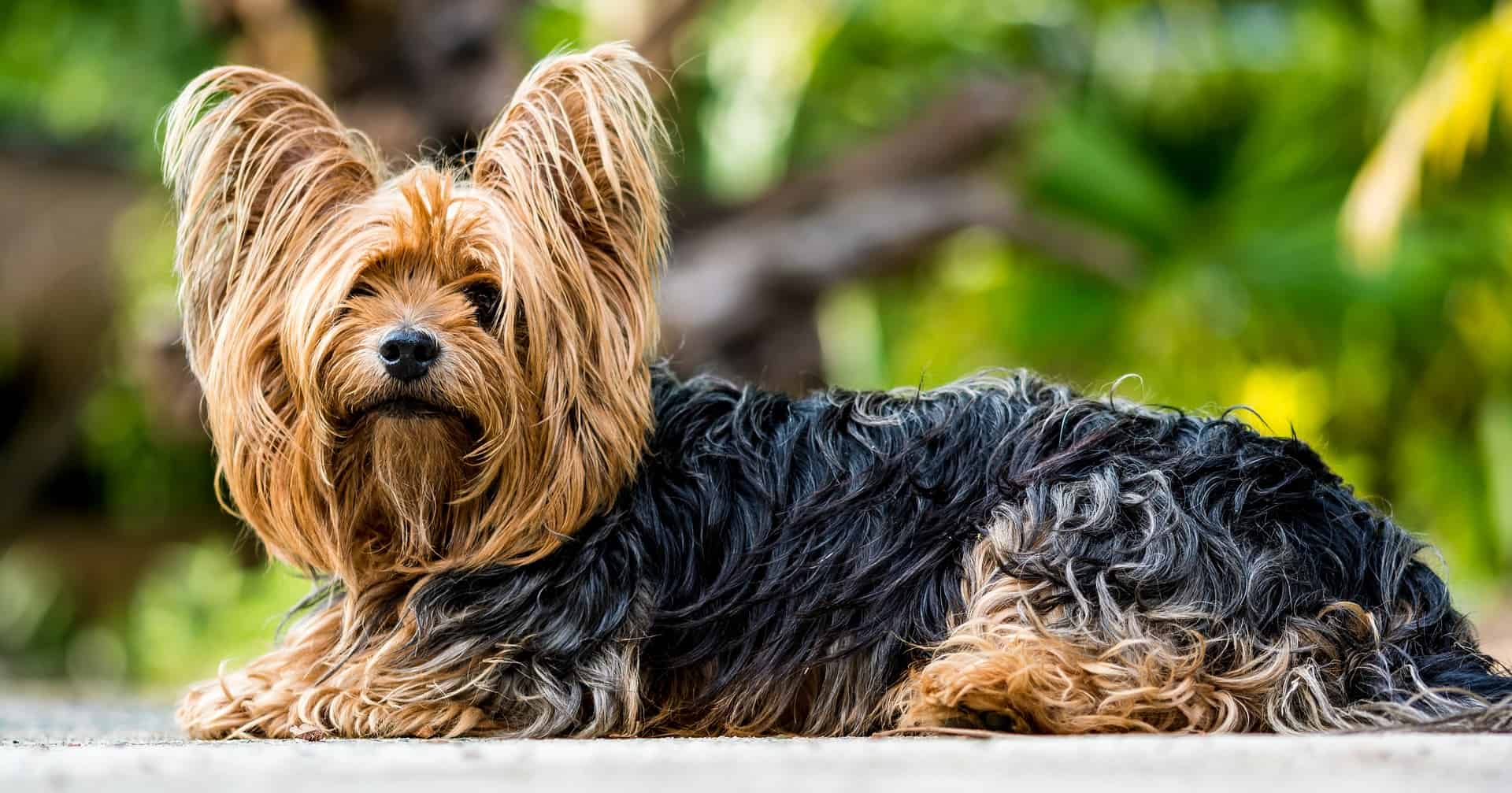
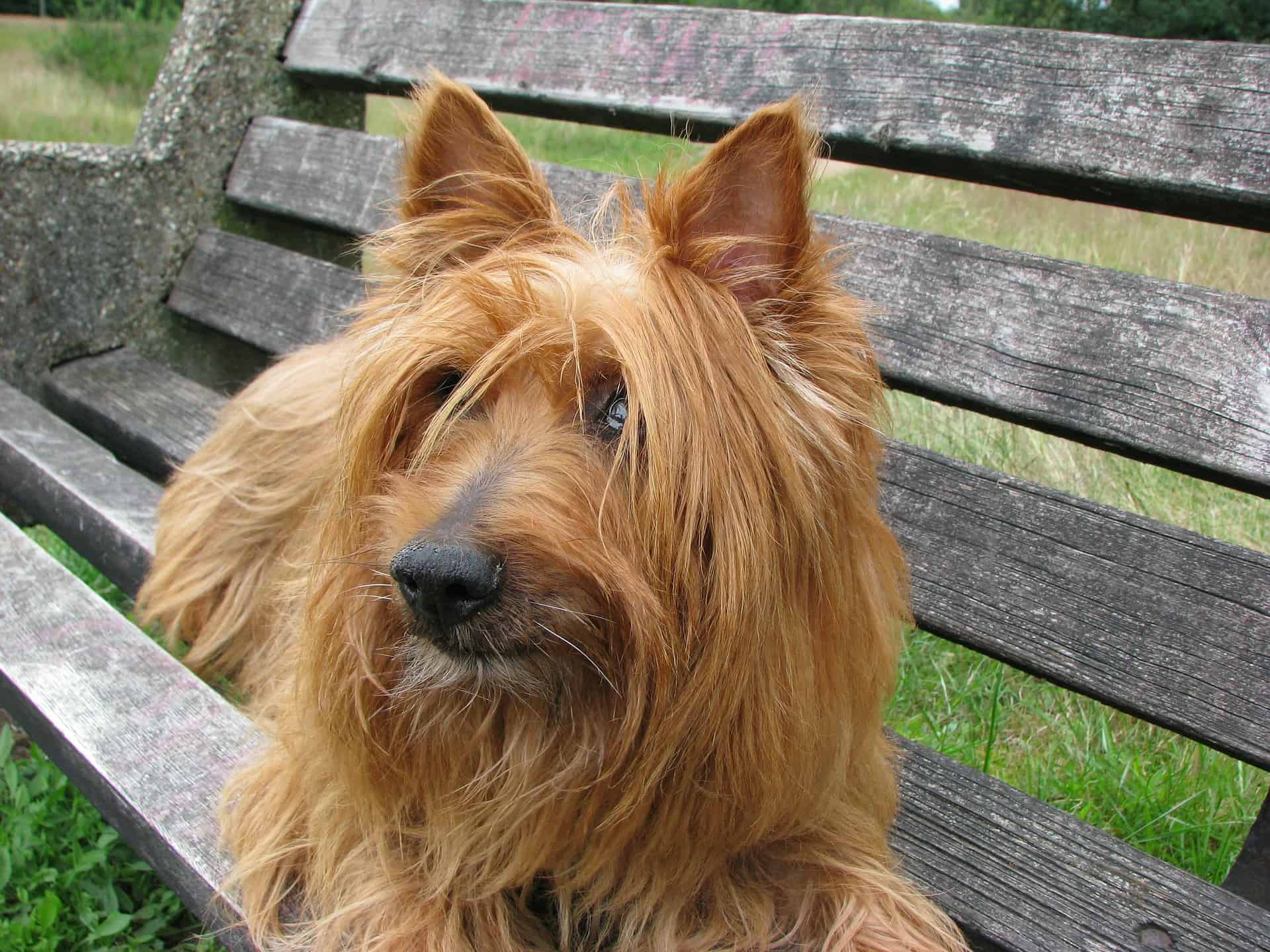
The **Yorkshire Terrier** is the Silky's most direct ancestor, and the resemblance is immediately obvious: both carry a long, fine, blue-and-tan coat and a terrier temperament in a compact body. The Silky sits between the Yorkshire and the Australian Terrier in size and coat length. The **Australian Terrier** is the other founding breed, stockier and shorter-coated, sharing the Silky's Australian origin, earth-dog instincts, and alert, busy personality.
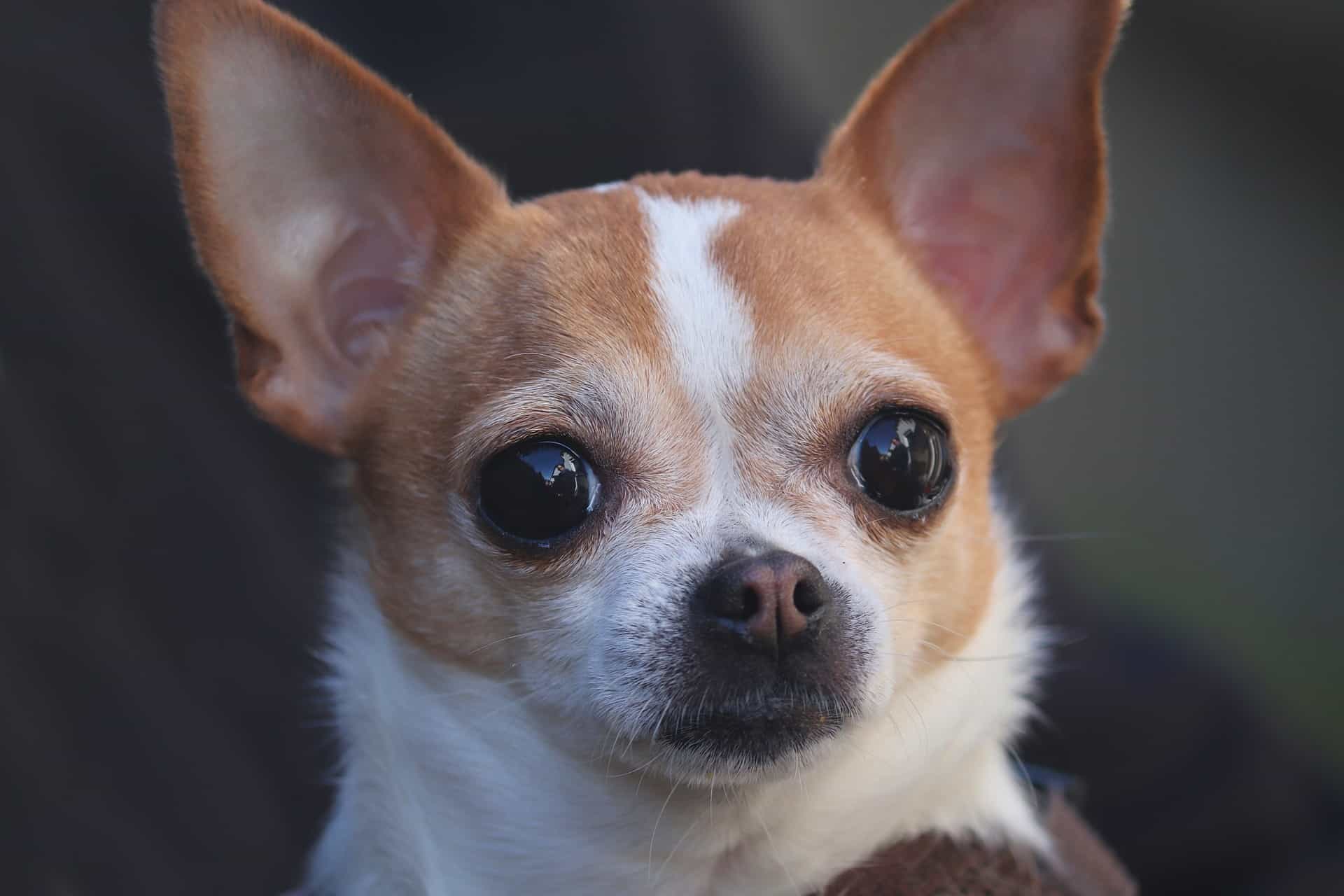
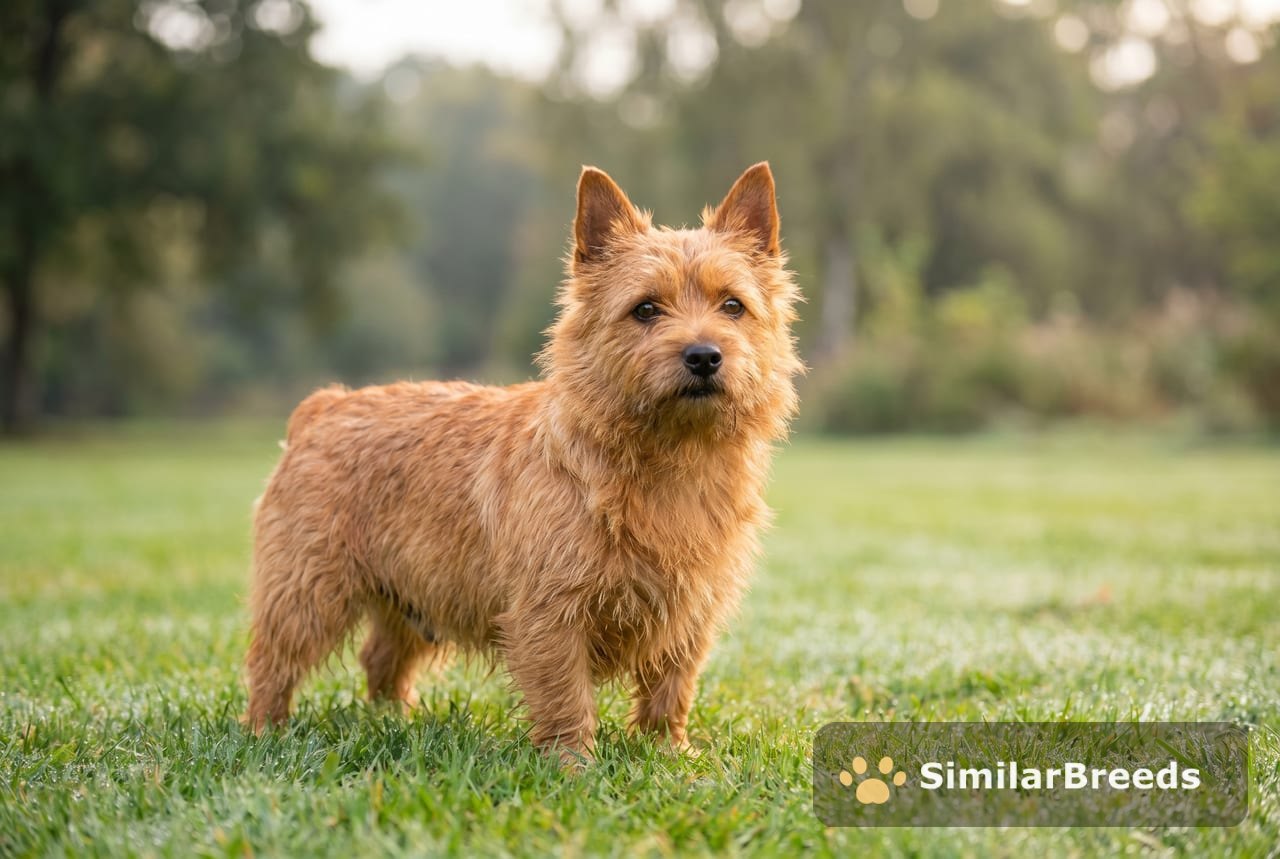
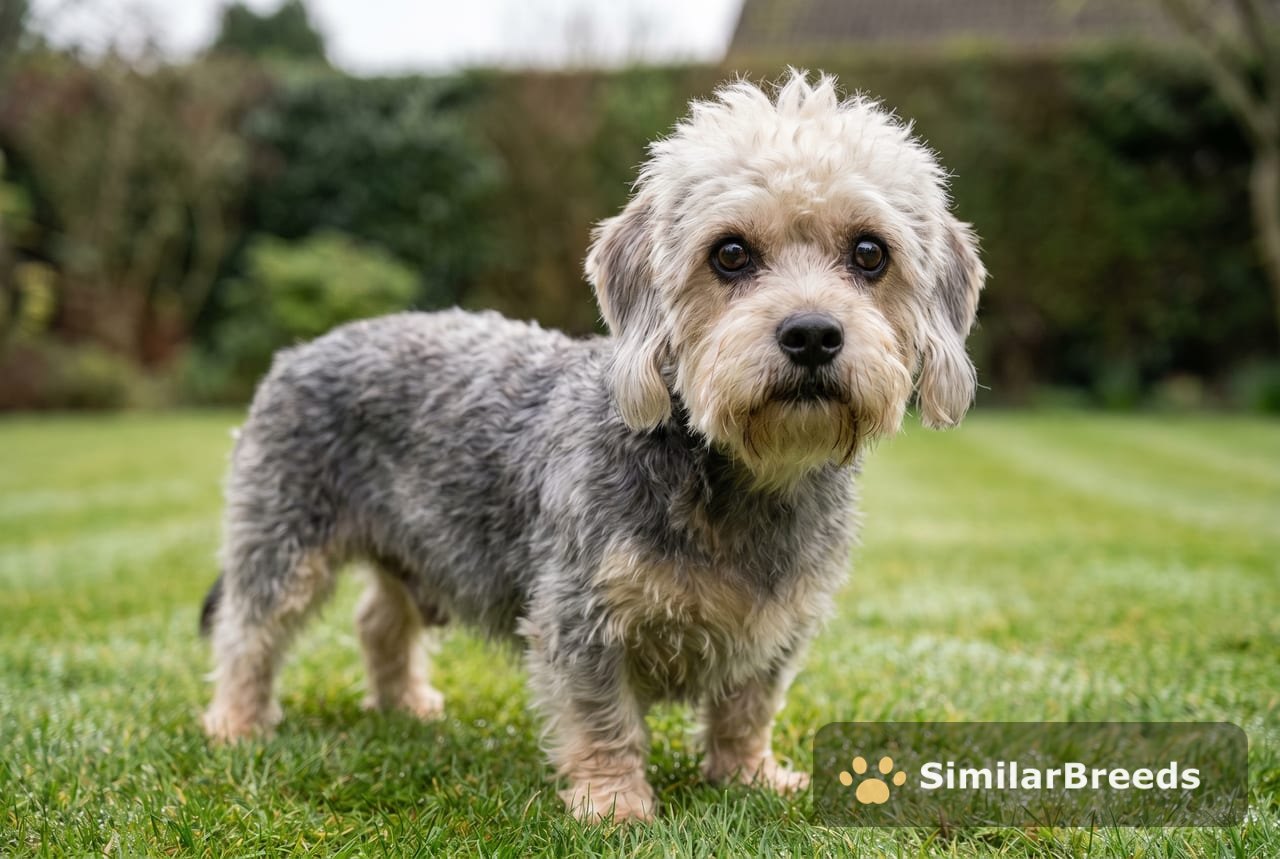
The **Norwich Terrier** connects on temperament: another small, bold, tenacious terrier with strong watchdog instincts and the same stubborn streak that frustrates trainers. The **Dandie Dinmont Terrier** is linked by the terrier family tree and a similarly independent nature, though it presents quite differently in shape and coat texture. The **Chihuahua** is the outlier here, sharing the Toy Group classification and the small, alert, vocal profile, with a similarly strong attachment to its owner on its own schedule rather than unconditionally.
Trait ratings
- Energy level
- 4/5
- Exercise requirements
- 2/5
- Playfulness
- 4/5
- Affection level
- 3/5
- Friendliness toward dogs
- 3/5
- Friendliness toward other pets
- 3/5
- Friendliness toward strangers
- 3/5
- Ease of training
- 3/5
- Watchdog ability
- 5/5
- Protection ability
- 1/5
- Grooming requirements
- 3/5
- Cold tolerance
- 3/5
- Heat tolerance
- 3/5