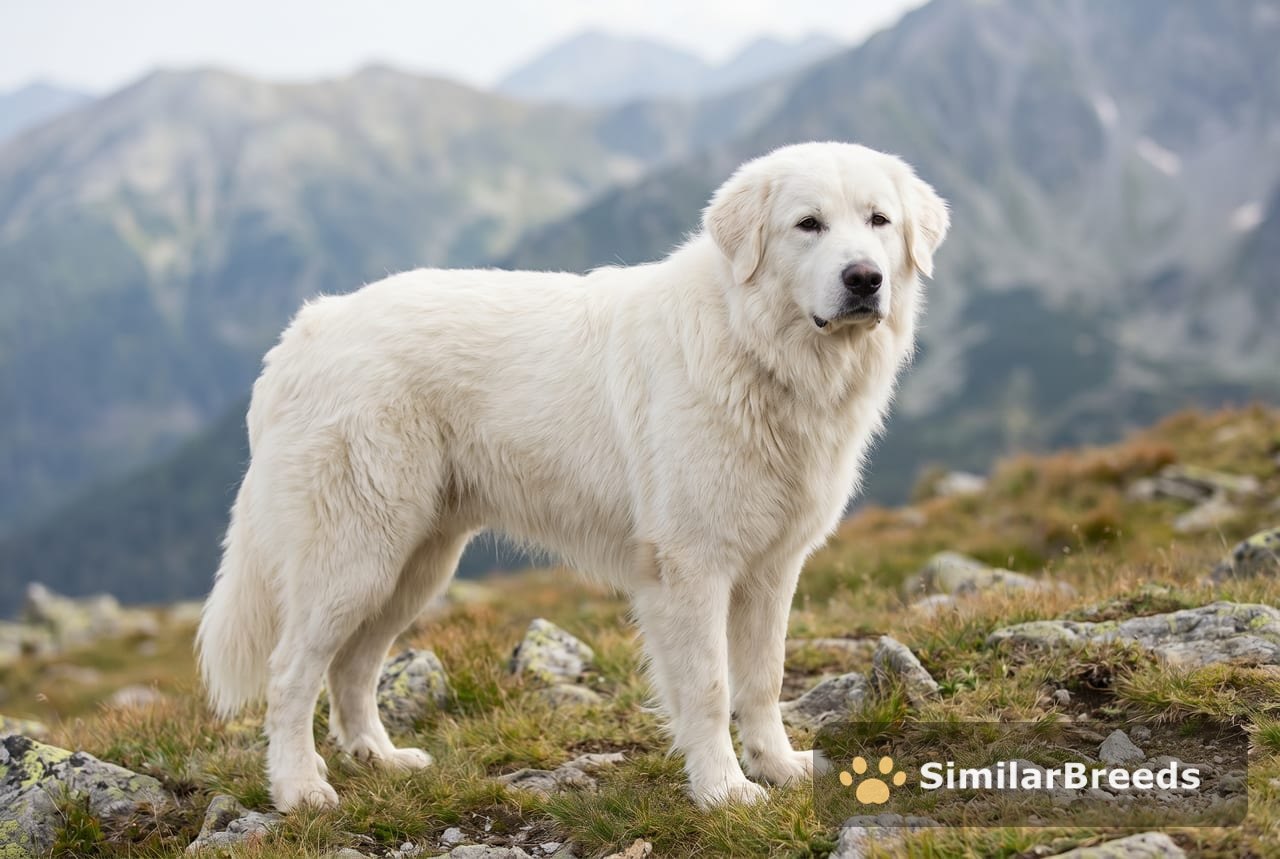
Purpose & Origin
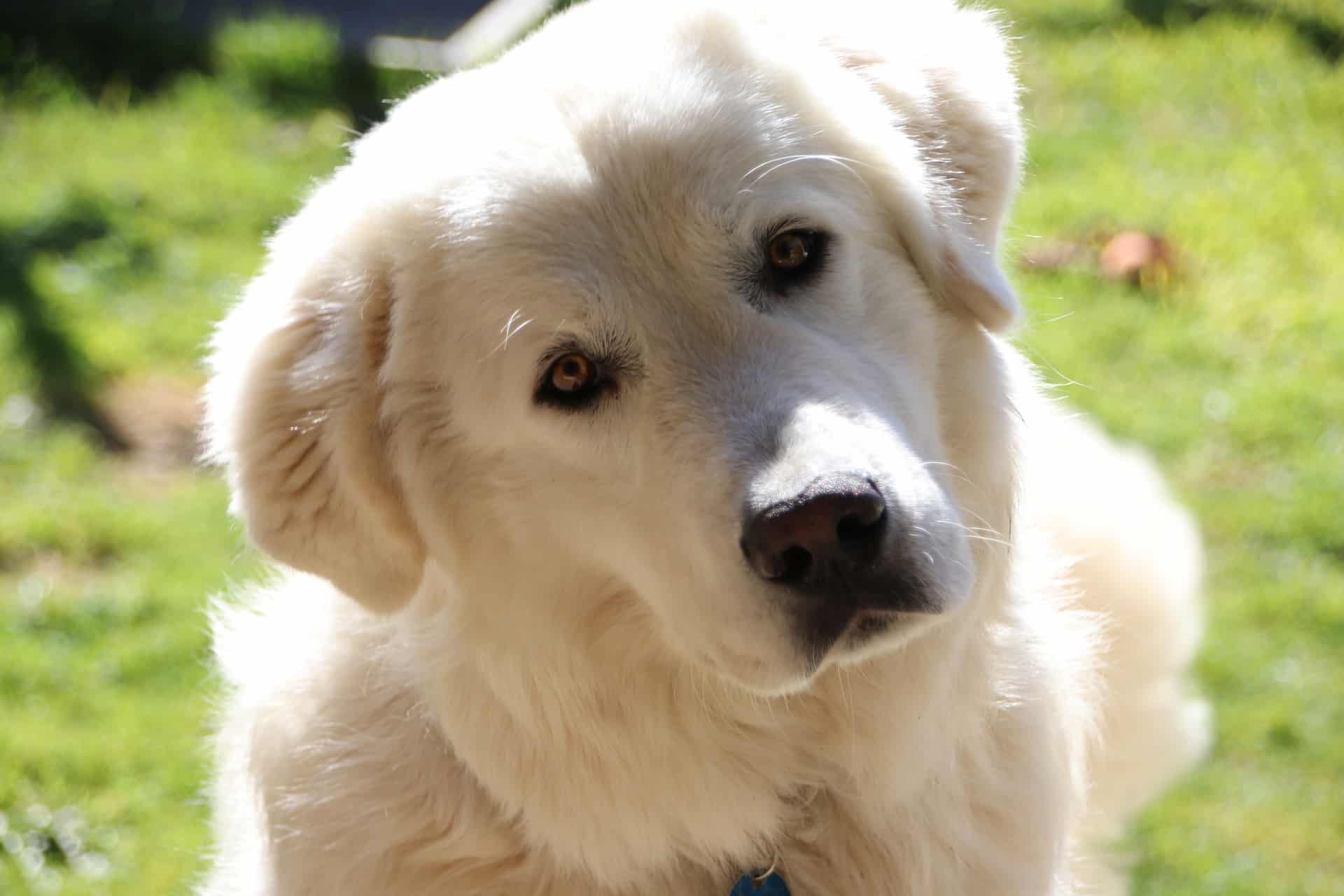
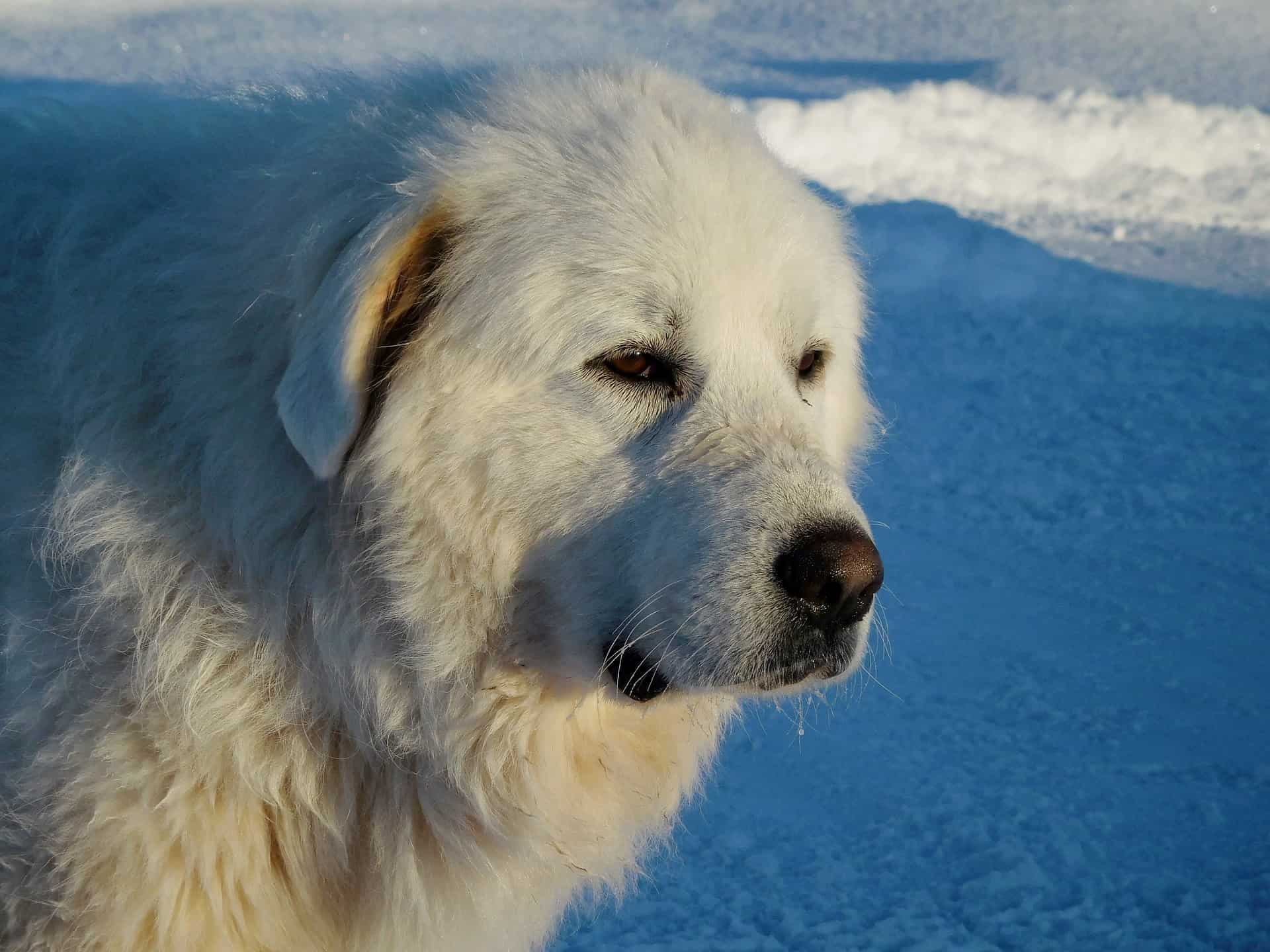
The Slovak Cuvac is a large white livestock guardian from the mountainous highlands of what is now Slovakia. It has been present in the region since at least the 17th century, and probably considerably longer. Its traditional role was flock protection against wolves, a job that demanded a dog prepared to act independently, confront predators at night, and hold its ground without direction from a shepherd. The white coat served a practical purpose: it allowed shepherds to distinguish their dogs from wolves in low light.
By the early 20th century, as wolves retreated across Europe, the breed came close to extinction. A rescue effort launched in the late 1940s by Dr. Antonin Hruza at the Brno School of Veterinary Medicine saved it. His breeding programme stabilised the population, and by the 1960s the Slovak Cuvac had been officially recognised as a pure breed. It remains rare outside its home country and a handful of specialist breeders elsewhere.
Temperament & Behaviour
Within its family the Slovak Cuvac is notably affectionate, more demonstrative than most livestock guardians of comparable size. It bonds closely with children and treats them as the most vulnerable members of its flock. With strangers it is reserved and watchful, an instinct that served it well on remote mountain pastures and that does not simply disappear in a domestic setting.
Independence is built into the breed at a structural level. Livestock guardians were never meant to look to a human for every decision, and the Slovak Cuvac retains that self-reliance. It is calm during ordinary daily life but fearless when it perceives a genuine threat. Early and sustained socialisation is not optional, it is the difference between a dog that is appropriately cautious and one that becomes unmanageably suspicious.
Activity & Training
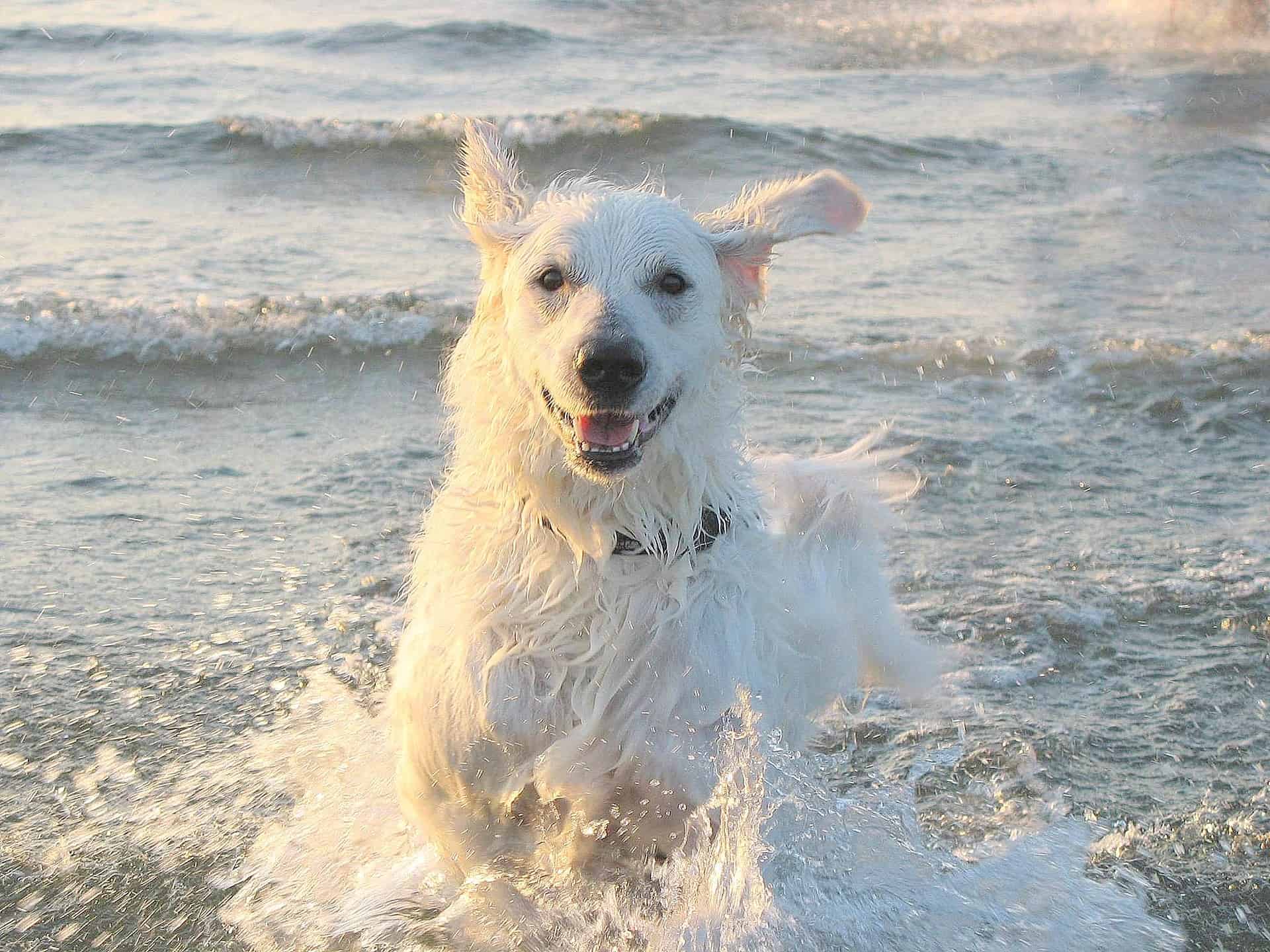
This is an active breed that needs meaningful daily exercise. Long walks, space to patrol, and regular activity keep it settled indoors. A Slovak Cuvac confined to a small flat or left without mental engagement becomes restless and difficult.
Training requires patience and consistency rather than force. The breed is intelligent but not biddable in the way a Border Collie or German Shepherd is. It weighs requests against its own judgment, which means an inexperienced owner who fails to establish clear structure early will find the dog increasingly difficult to redirect. Positive, reward-based methods work; repetitive drilling does not. The Slovak Cuvac is best suited to an owner who understands the difference between a dog that is uninterested and one that is defiant, and who treats the former as a communication problem rather than a discipline problem.
Grooming
The coat is dense, long, and white with a thick woolly undercoat. It needs brushing two to three times per week under normal conditions, with attention to the areas behind the ears, under the armpits, across the chest, and around the hindquarters where friction causes matting. Seasonal shedding, particularly in spring, is heavy. During peak shedding periods daily brushing is practical rather than optional. The coat does not need trimming, but it does need consistent maintenance to prevent the undercoat from felting.
Health
The Slovak Cuvac is a generally hardy breed with a lifespan of 11 to 13 years, solid for a dog of this size. Hip dysplasia is a concern common to large breeds and worth screening for in breeding stock. Hypothyroidism has been reported and is manageable with daily medication once diagnosed. Gastric dilatation-volvulus (bloat) is a risk for any deep-chested large breed. Standard precautions, feeding smaller meals, using slow-feed bowls, and avoiding vigorous exercise immediately after eating, are sensible to adopt from the start.
Why these breeds are similar
The **Maremmano-Abruzzese Sheepdog** is the Italian counterpart: same white coat, same livestock-guardian function, same independent temperament, similarly rare outside specialist circles. The **Kuvasz** is the closest geographic and functional relative, originating in Hungary with a near-identical working role and physical type. Morris notes that the two breeds are so similar that an expert eye is needed to tell them apart, with the Kuvasz distinguished mainly by its more tapered muzzle.
The **Great Pyrenees** (Pyrenean Mountain Dog) shares the white coat, flock-guarding instinct, and large frame, though it is considerably more widely distributed and better established as a family companion in Western markets. The **Yugoslavian Shepherd Dog (Sharplanina)** is another Balkan mountain guardian bred for the same predator-deterrence role under similar conditions, though it carries a darker coat and an arguably sharper territorial edge.