Smooth Fox Terrier
From Great Britain
Purpose & Origin
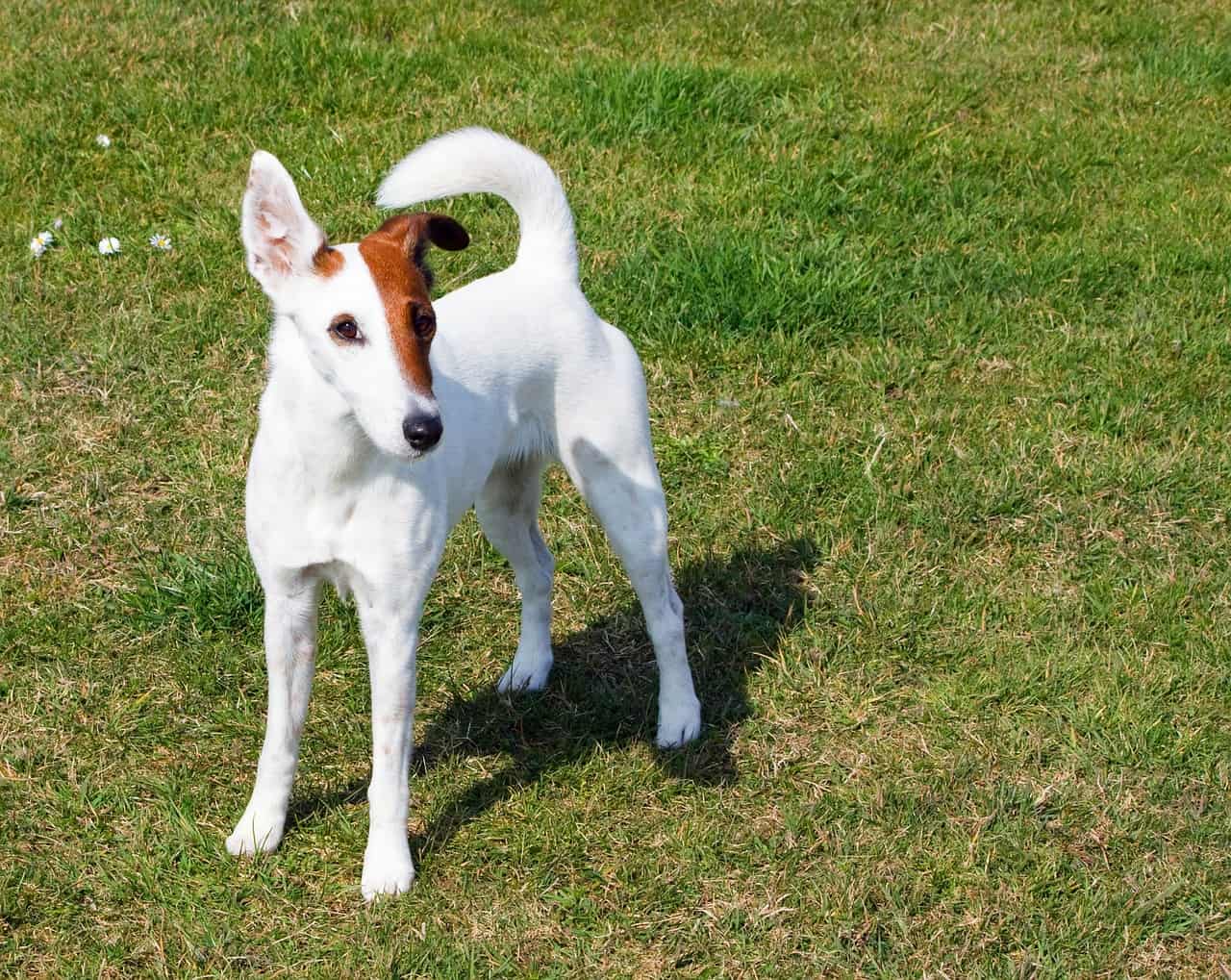
The Smooth Fox Terrier is one of Britain's oldest working terriers, its form largely fixed by the mid-19th century and barely altered since. The job was precise: go to ground after a fox and bolt it out for the waiting hounds. Its foundational crosses drew on the old Black and Tan Terrier, the English White Terrier, the Bull Terrier, the Greyhound, and the Beagle. The Greyhound contribution gave it a clean outline; the Bull Terrier gave it nerve.
Early hunt terriers were dark-coloured, which caused a problem: coming out of an earth smelling of fox, a dark terrier could be mistaken for the quarry and attacked by hounds. Breeders progressively whitened the coat, and by the 1860s the classic look, predominantly white with a few dark patches, was established. The breed debuted in the show ring in 1862 and within a decade Fox Terrier classes drew over 270 entries. By the early 20th century the Smooth was the most registered breed in England. The Wire Fox Terrier overtook it in the 1920s, but the Smooth has never disappeared.
Temperament & Behaviour
Morris quotes period authors calling the Smooth Fox Terrier "stubborn, obstinate, wilful, undemonstrative, snappy, and obsessed with digging." That reads harshly but captures something real. This is a dog shaped by independent work underground, out of sight of any handler, and those instincts remain. It chases, digs, and investigates. Its watchdog score is the highest it can receive and it earns it: the Smooth notices everything and will bark at it.
Within the family it is lively and affectionate, but tolerance of smaller pets is low. A Smooth in a house with cats or rabbits needs careful management. Early socialisation matters; the breed can be reactive toward other dogs if not well introduced.
Activity & Training
Exercise requirements are moderate, but the Smooth needs daily physical and mental engagement. A bored Smooth digs, escapes, and barks. A securely fenced garden is not optional. Off-lead exercise in open areas is risky, as prey drive overrides recall the moment something runs.
Trainability scores relatively high for a terrier. The Smooth is intelligent and quick to learn when motivated, but it is not a compliant dog. Short varied sessions with food reward work better than repetition. It excels at earthdog trials and agility.
Grooming
The short, dense, flat coat needs only a weekly rub-down with a rubber brush or grooming mitt. No trimming, stripping, or clipping is required, making it one of the breed's genuine practical advantages.
Health
Lifespan is typically 12 to 15 years. Known health concerns include primary lens luxation, luxating patellas, deafness, cataracts, and wobbler syndrome. Von Willebrand's disease has also been recorded. Responsible breeders screen for lens luxation and patellas before breeding.
Why these breeds are similar
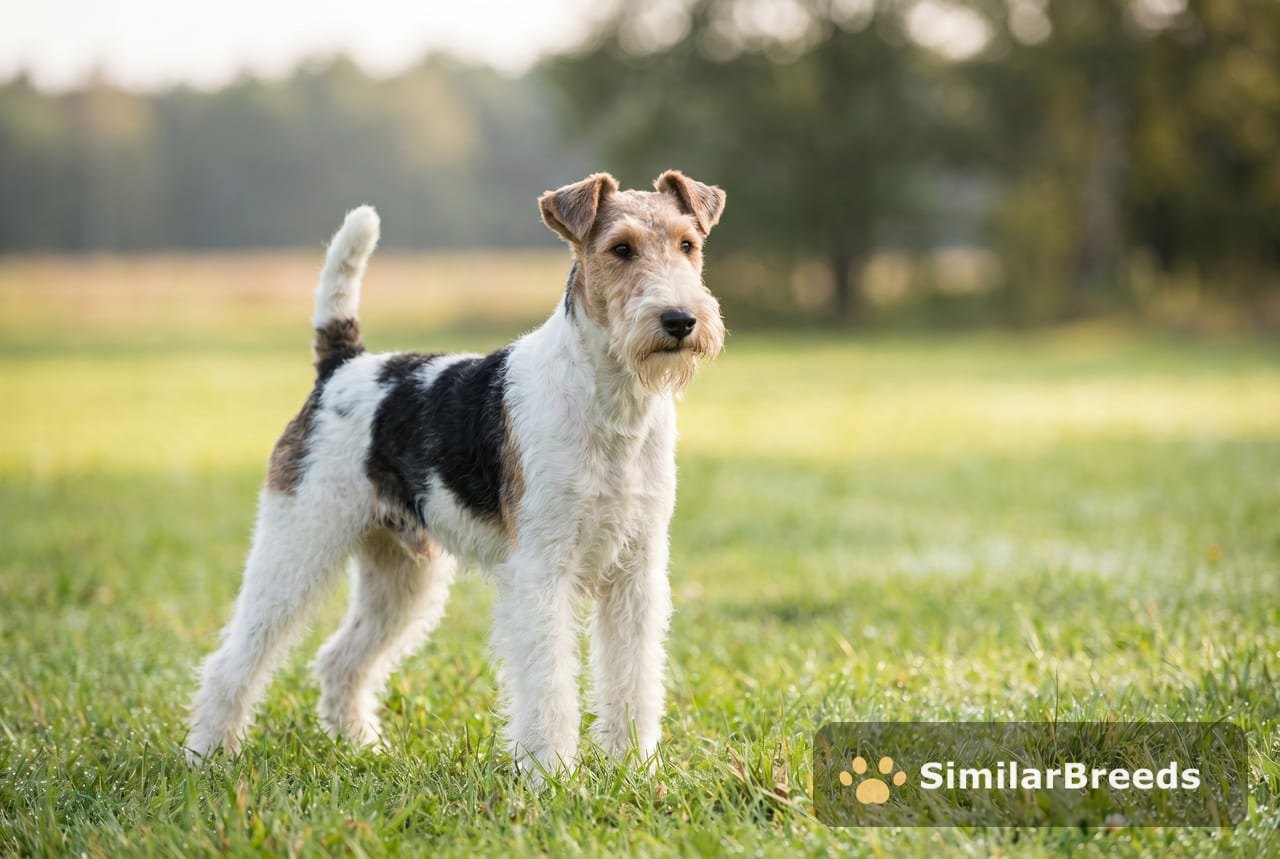
**Wire Fox Terrier** is the closest parallel, sharing the same origin, purpose, and structure. The sole difference is coat type. Temperament, exercise needs, and prey drive are essentially identical.
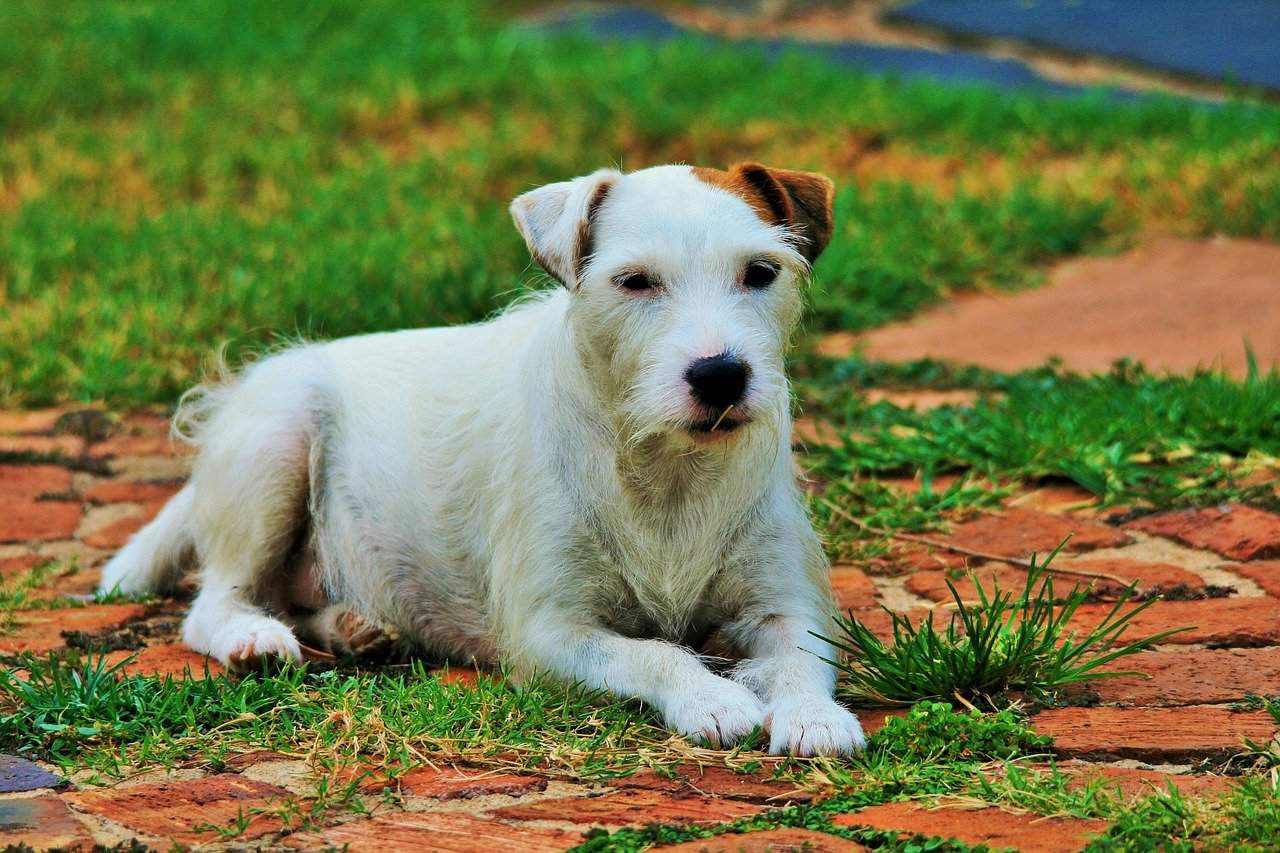
**Parson Russell Terrier** was developed partly from Fox Terrier stock for the same foxhunting role. It is slightly smaller, similarly bold and independent, and equally energetic.
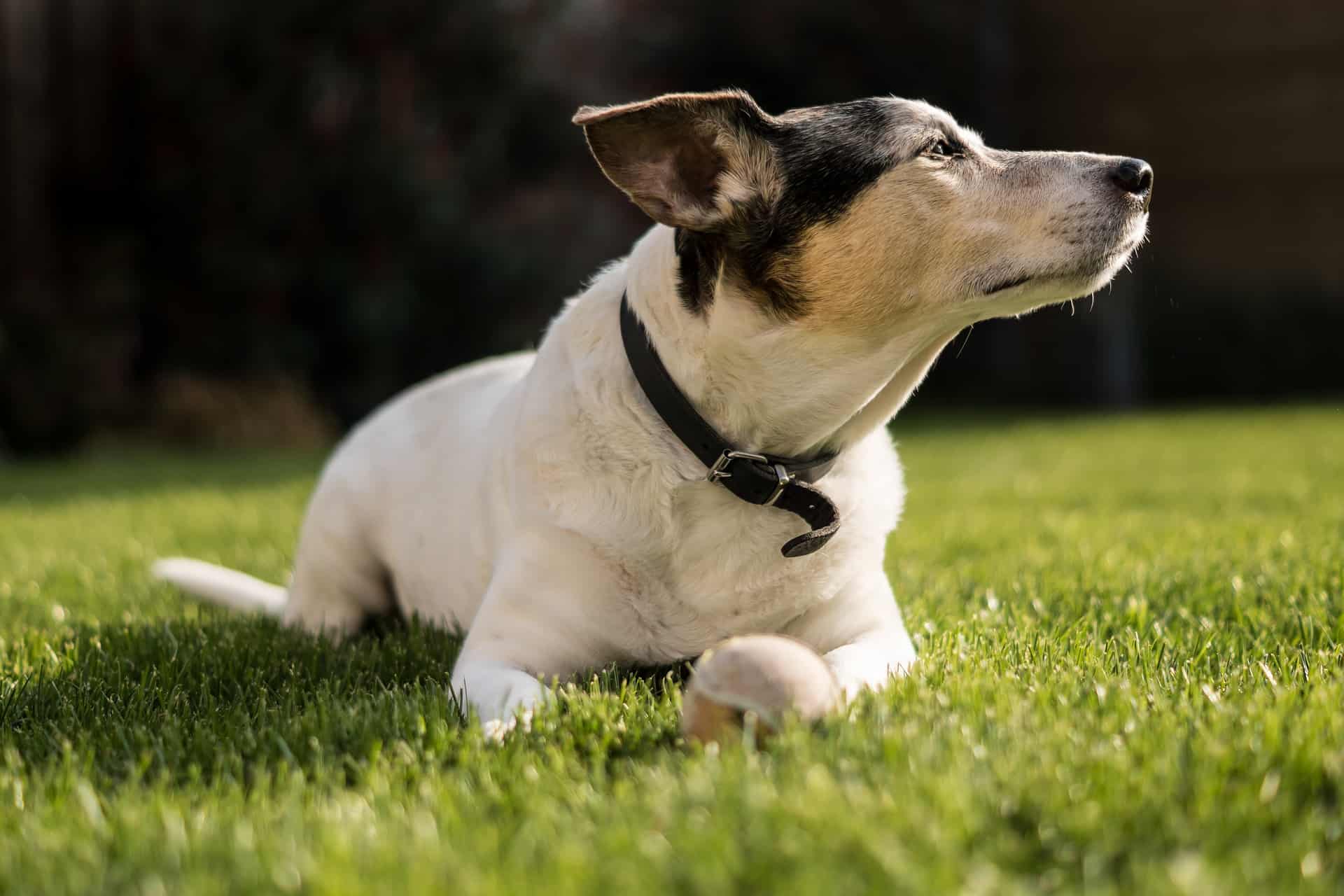
**Jack Russell Terrier** shares the earthdog ancestry and the same alertness, prey drive, and intensity in a compact body.
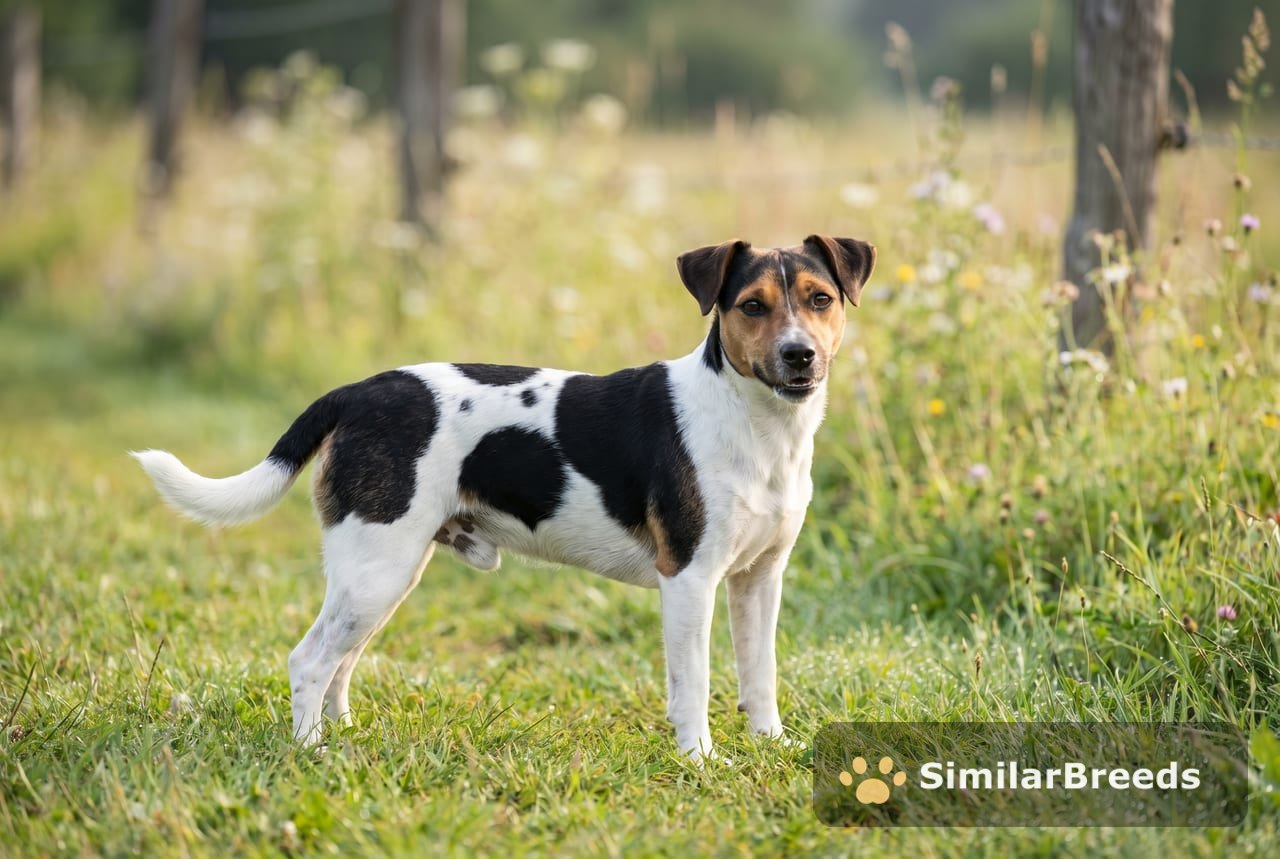
**Danish-Swedish Farmdog** is a Northern European working dog of similar size and short coat. It is somewhat less prey-driven and often cited as marginally easier to live with.
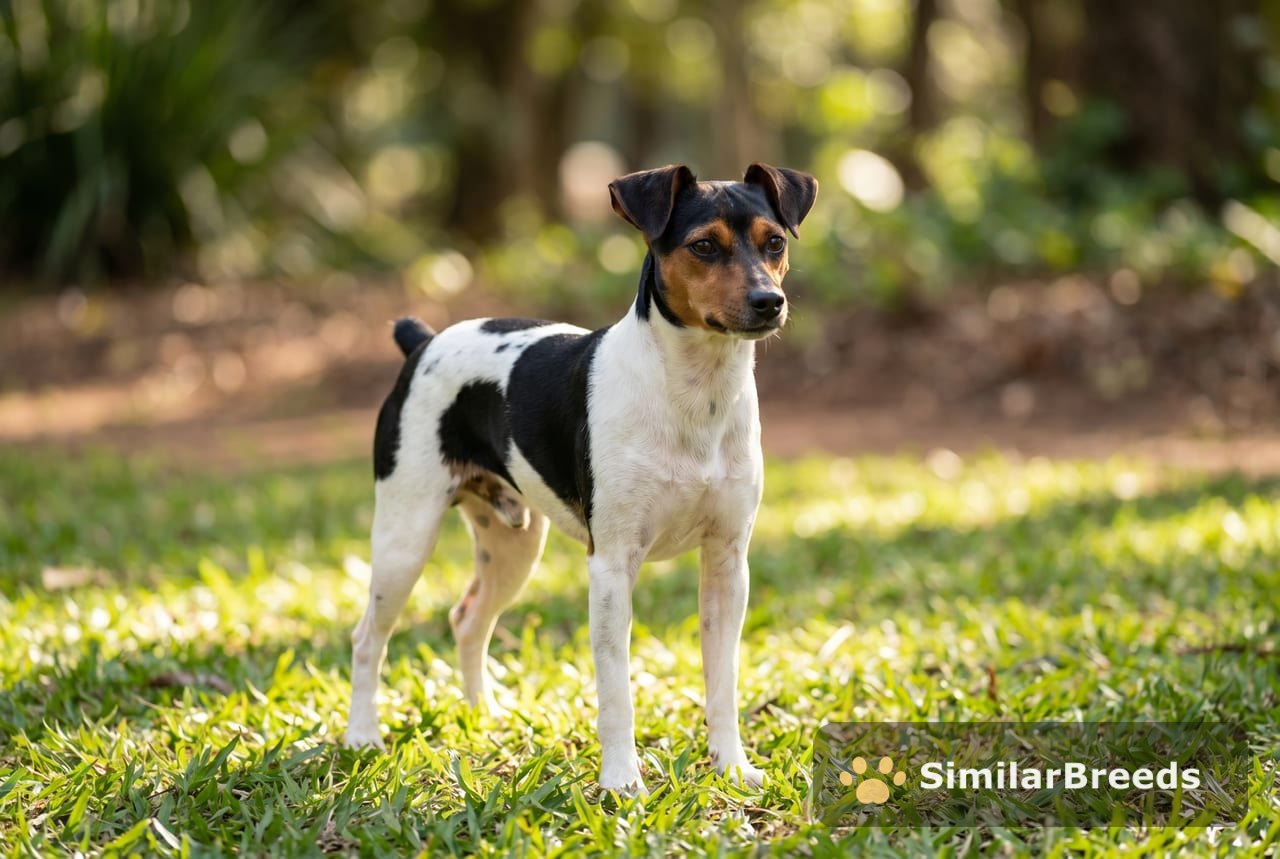
**Brazilian Terrier** was bred from Fox Terrier crosses taken to South America. It mirrors the Smooth closely in appearance, with the same white-based tricolour coat and the same watchdog instincts.
Trait ratings
- Energy level
- 4/5
- Exercise requirements
- 3/5
- Playfulness
- 4/5
- Affection level
- 4/5
- Friendliness toward dogs
- 3/5
- Friendliness toward other pets
- 2/5
- Friendliness toward strangers
- 4/5
- Ease of training
- 4/5
- Watchdog ability
- 5/5
- Protection ability
- 1/5
- Grooming requirements
- 1/5
- Cold tolerance
- 3/5
- Heat tolerance
- 3/5