Spanish Hound
From Spain
Purpose & Origin
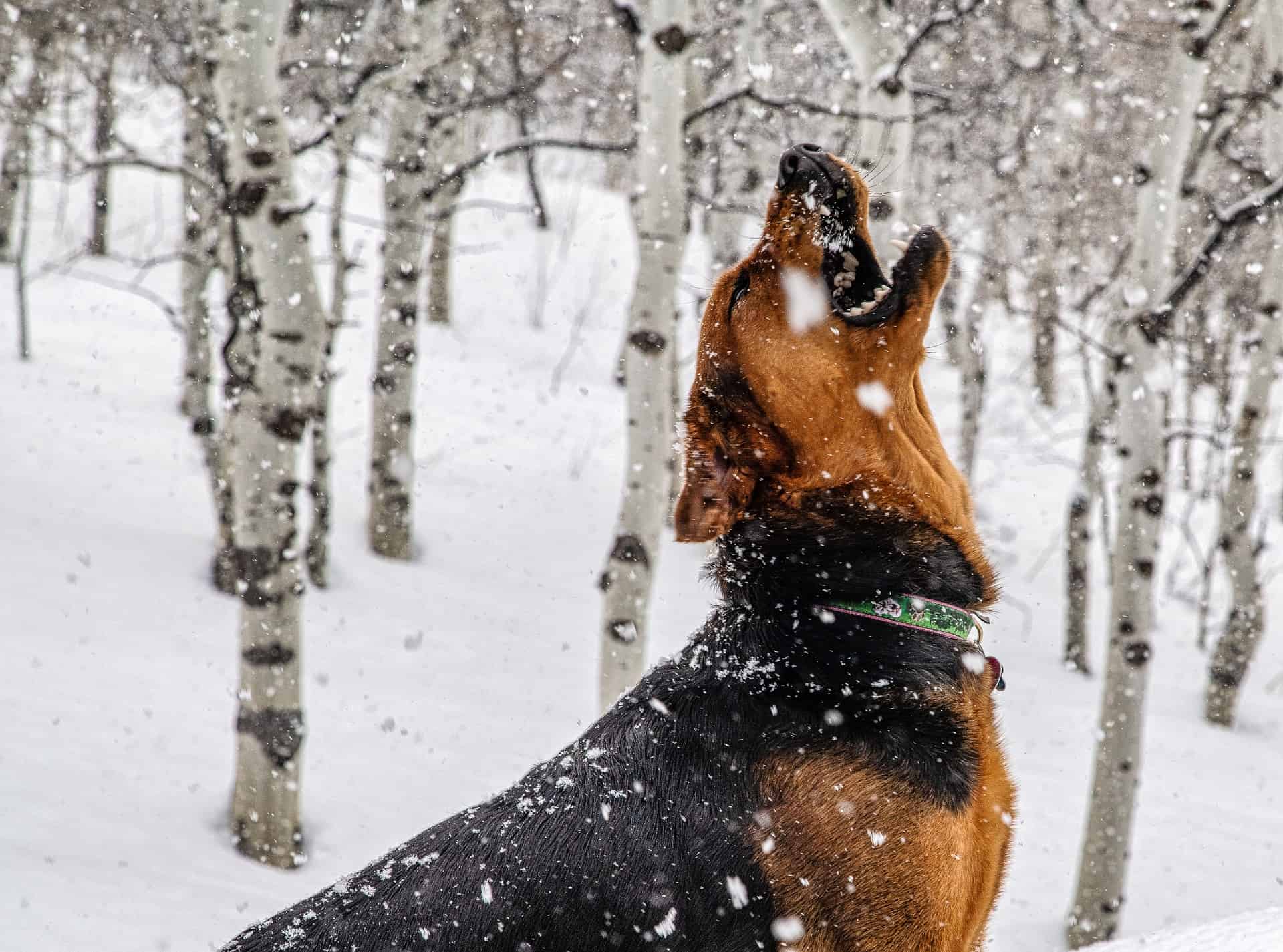
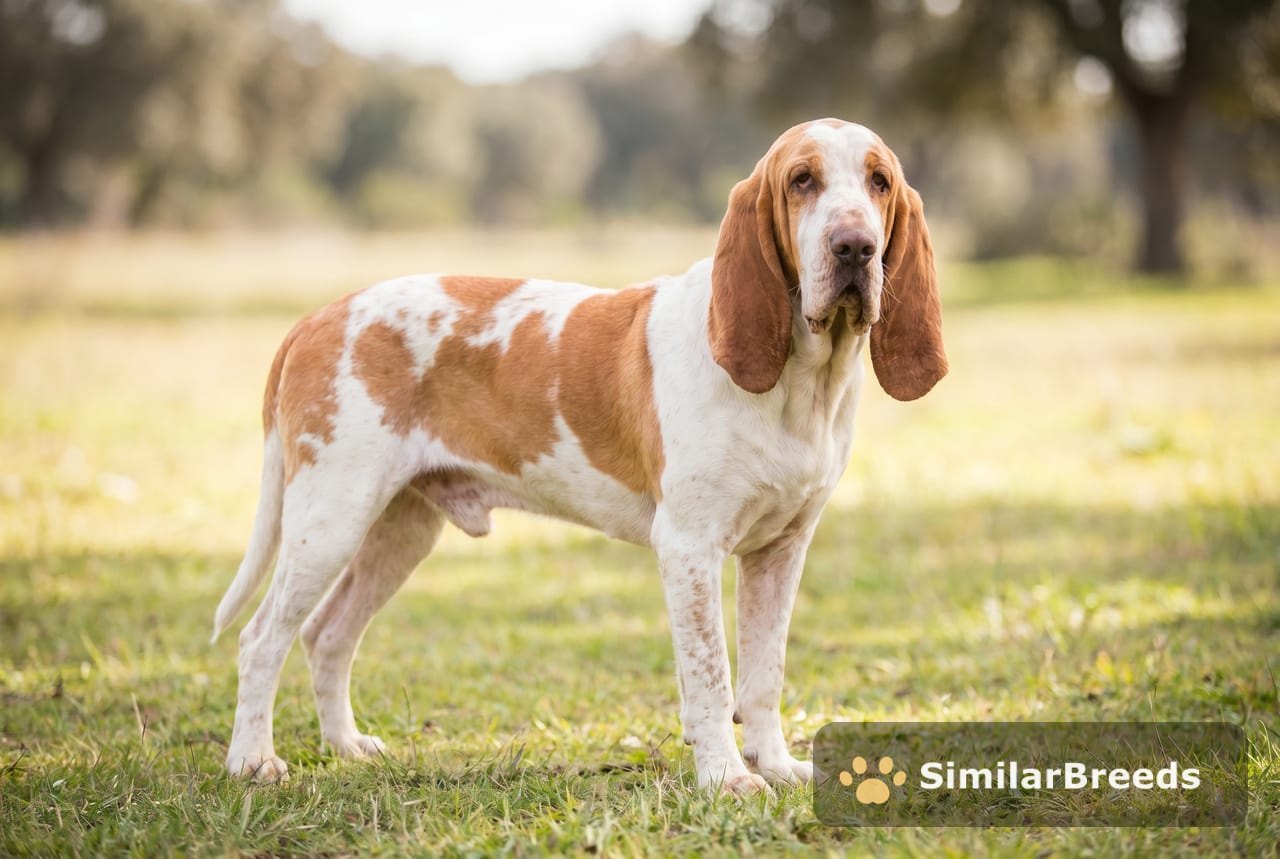
The Spanish Hound, known in Spain as the Sabueso Espanol, is one of the oldest tracking breeds on the Iberian Peninsula. Its origins are debated: some historians trace its ancestry to hounds brought by Phoenician traders in the first millennium BC, others to Celtic dogs, and still others to St Hubert's Hounds of the Ardennes. The disagreement itself signals great antiquity. The breed was well established before the 17th century, when it is thought to have contributed to the development of the Old Spanish Pointer.
The FCI recognises two varieties, Large (de Monte) and Small (Lebrero), though the Large is by far the more common today. The Small was considered virtually extinct by the end of the 20th century. Both were bred to track game across mountainous terrain, the Large tackling deer, boar, and heavy quarry, the Small working hare. Spanish police have also used the Large variety for tracking duties, and the breed is capable of sustained work in extreme heat.
Temperament & Behaviour
The Sabueso is gentle and even-tempered at home but transforms on the trail, relentless once it picks up a scent and brave when confronting large animals. It tends to work alone rather than in a pack, which Morris attributes to a strong-willed independence that can make cooperation with other dogs difficult.
Affectionate with its owner, it is nonetheless a true working breed. It does not adapt naturally to family companion life the way more people-oriented breeds do. Stubbornness is a consistent trait: the dog that locks onto a track will resist commands it finds inconvenient.
Activity & Training
Daily exercise is essential. A Sabueso under-exercised will become frustrated and destructive. Secure, fenced outdoor space matters: a working nose attached to a determined dog is a flight risk wherever scent trails lead beyond the garden.
Training requires patience and consistency. The breed's independence means it responds poorly to harsh handling, but it is not unintelligent. Reward-based work with clear, repetitive structure produces the best results. Off-leash obedience in open areas is a realistic long-term goal only for committed owners; scent will override recall in many situations.
Grooming
The Sabueso's short, dense coat is low maintenance. Weekly brushing is sufficient. The long, pendulous ears are the primary grooming concern: trapped moisture and limited airflow make them prone to infection, and weekly cleaning is necessary throughout the dog's life. The breed shows above-average susceptibility to tartar buildup and gum disease, so regular tooth brushing and annual dental checks are worthwhile habits.
Health
The Sabueso Espanol is a generally robust breed with a life expectancy of 12 to 14 years. The main concerns reported in the breed are hip dysplasia, heritable deafness in some bloodlines, and dental disease. Hip problems are most likely to arise from poor breeding or over-exercise during puppyhood before growth plates close. Any responsible breeder should be screening for deafness, given its documented presence in the breed.
Why these breeds are similar
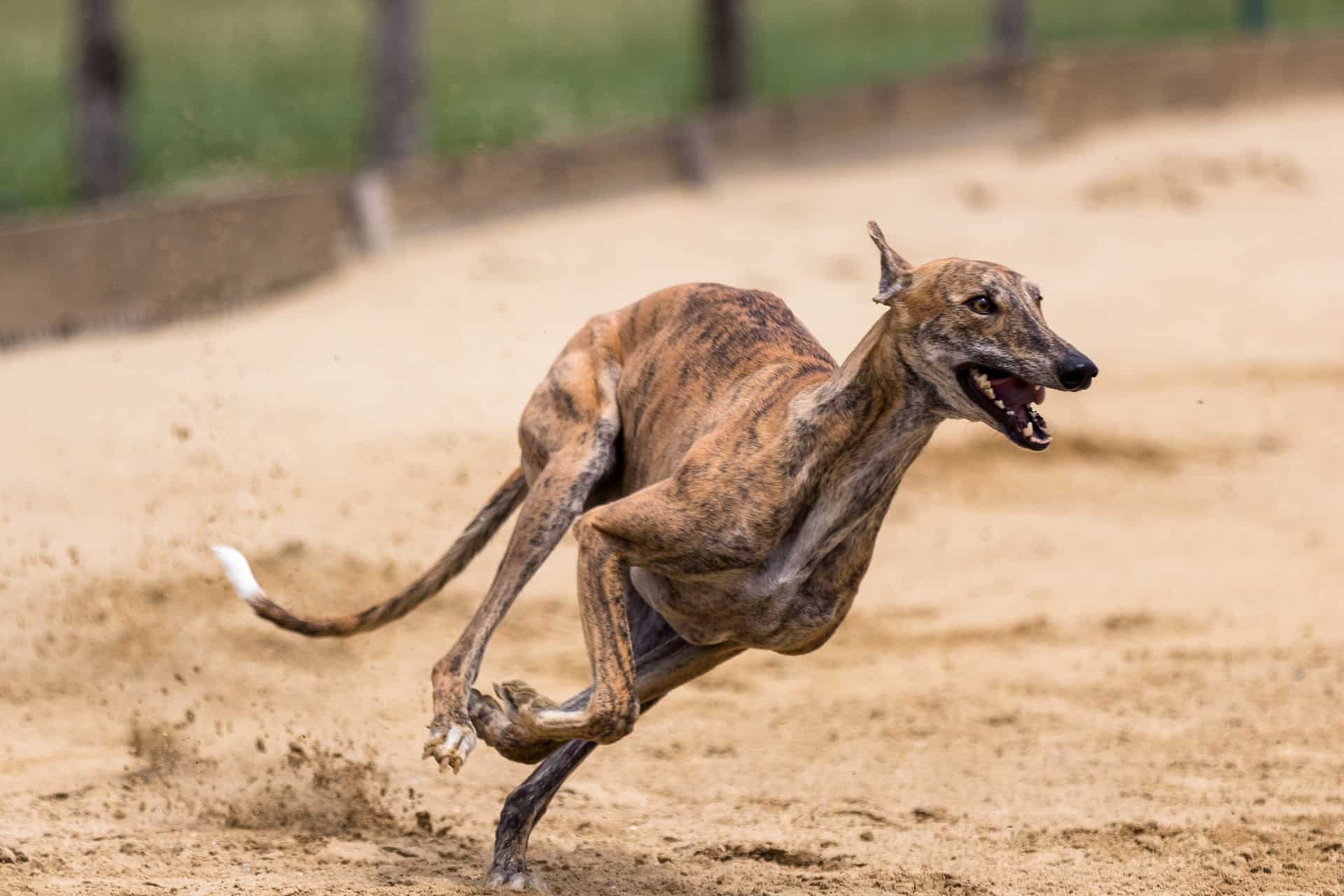
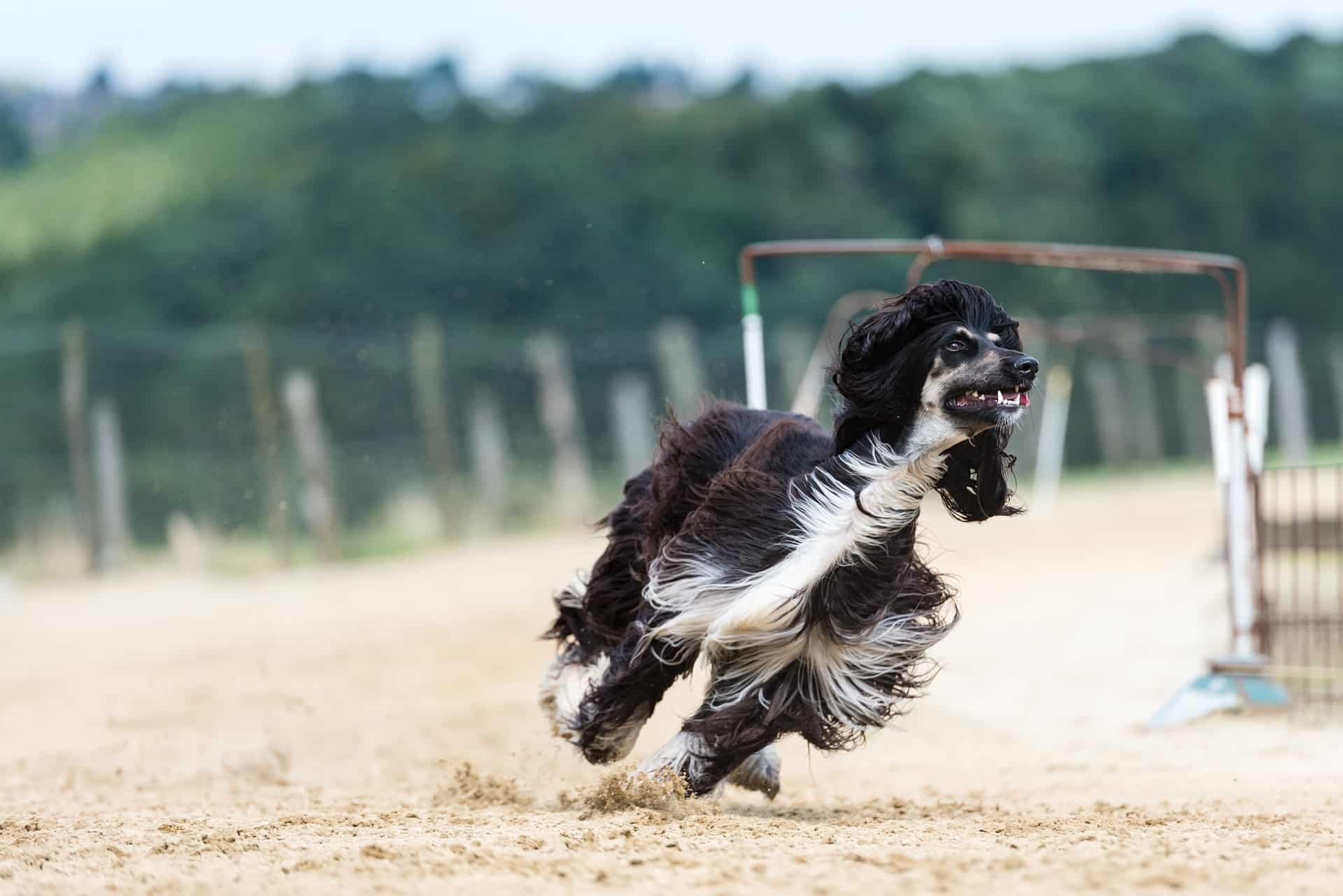
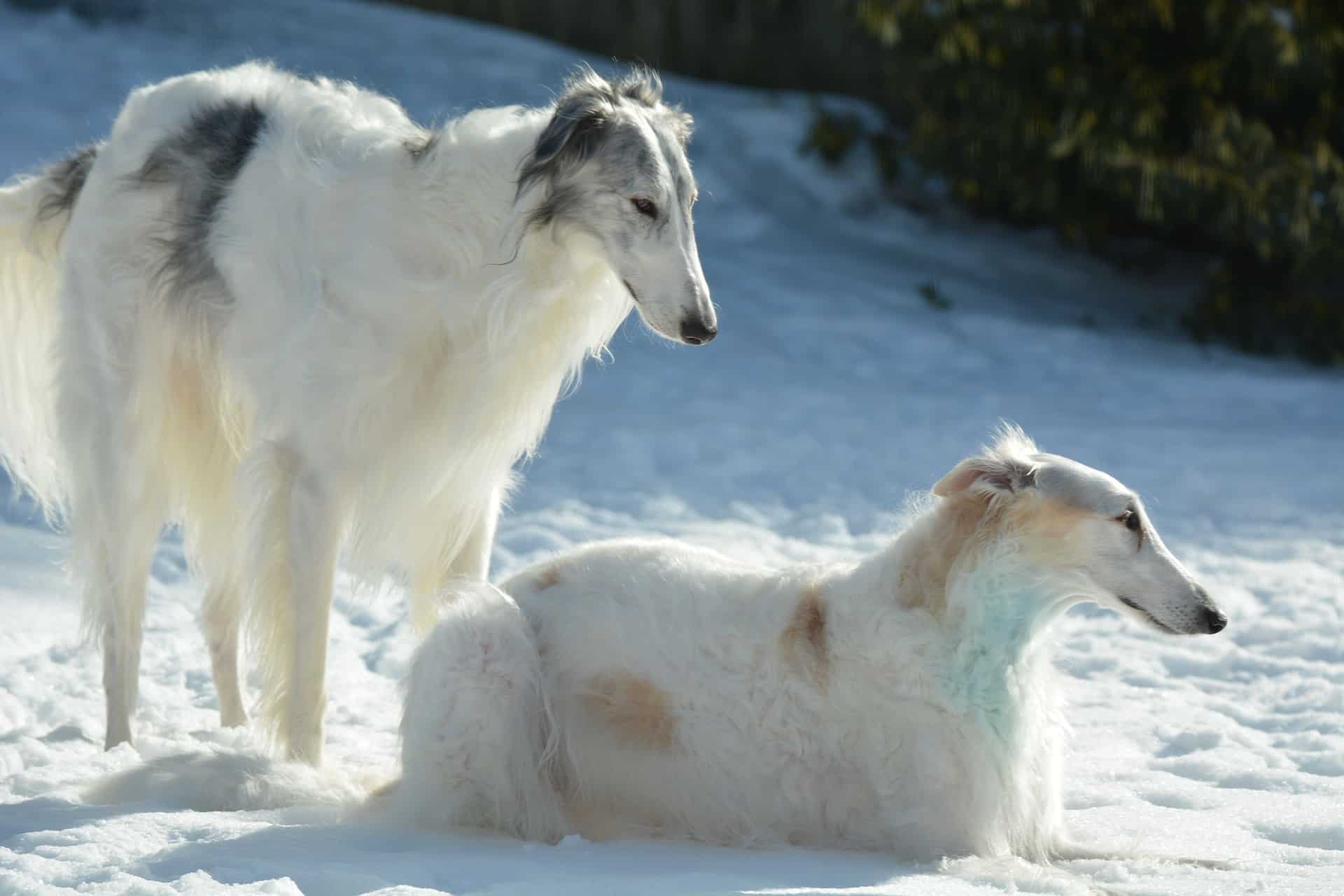
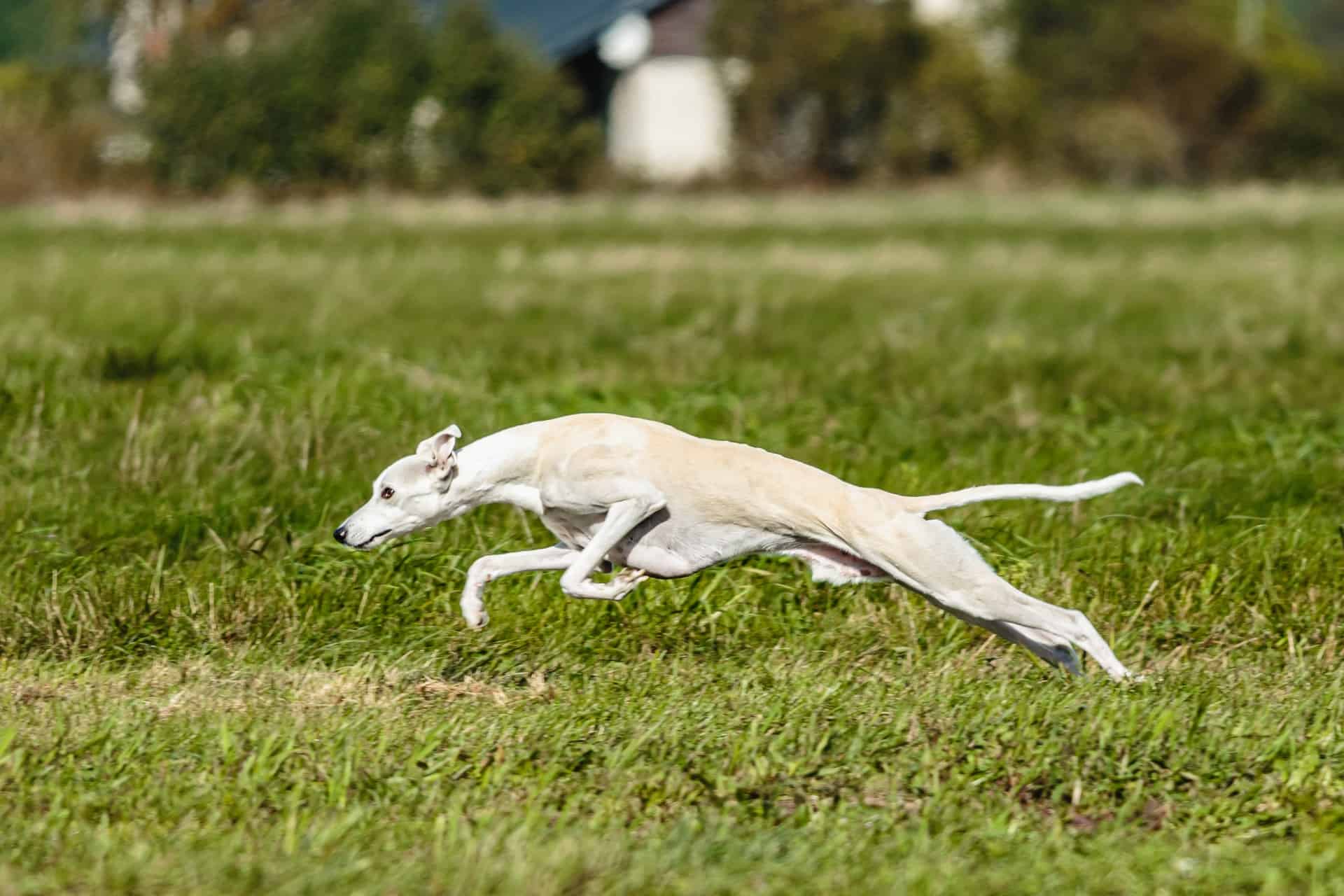
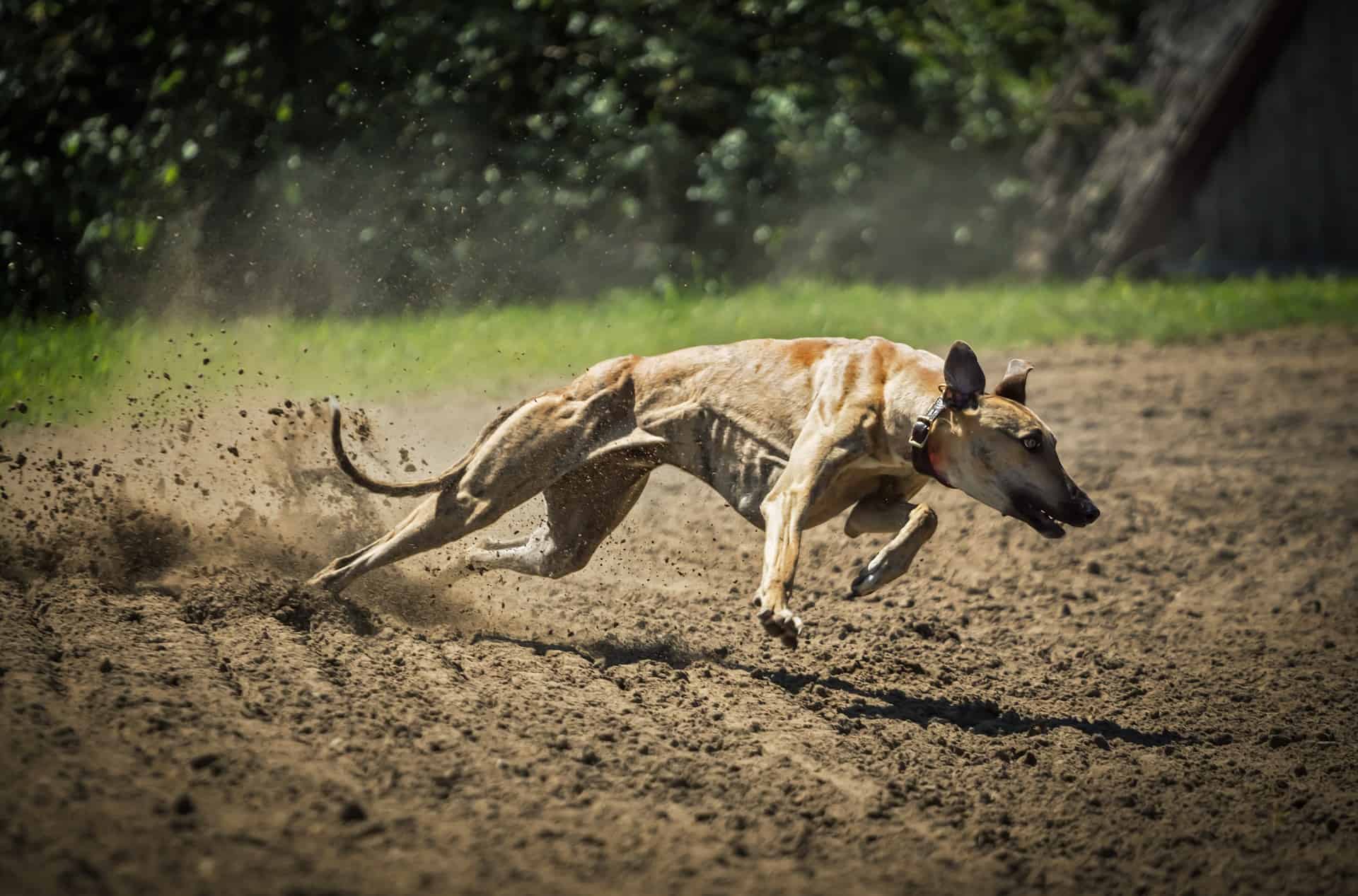
The listed similar breeds are a mixed group that merits a candid note. The Polish Hound is the only other traditional scenthound here, sharing the Sabueso's FCI Group 6 classification, pack-hunting roots, and heavy-boned endurance build. The Afghan Hound and Borzoi share the Sabueso's ancient pedigree and strong independent streak. The Greyhound, Whippet, and Hungarian Greyhound are sighthounds that hunt by a fundamentally different mechanism, but they overlap with the Sabueso in high daily exercise needs, reserved-to-stubborn trainability, and a deep prey drive that overrides recall. The connection is temperamental and working-dog character more than hunting method.