Purpose & Origin
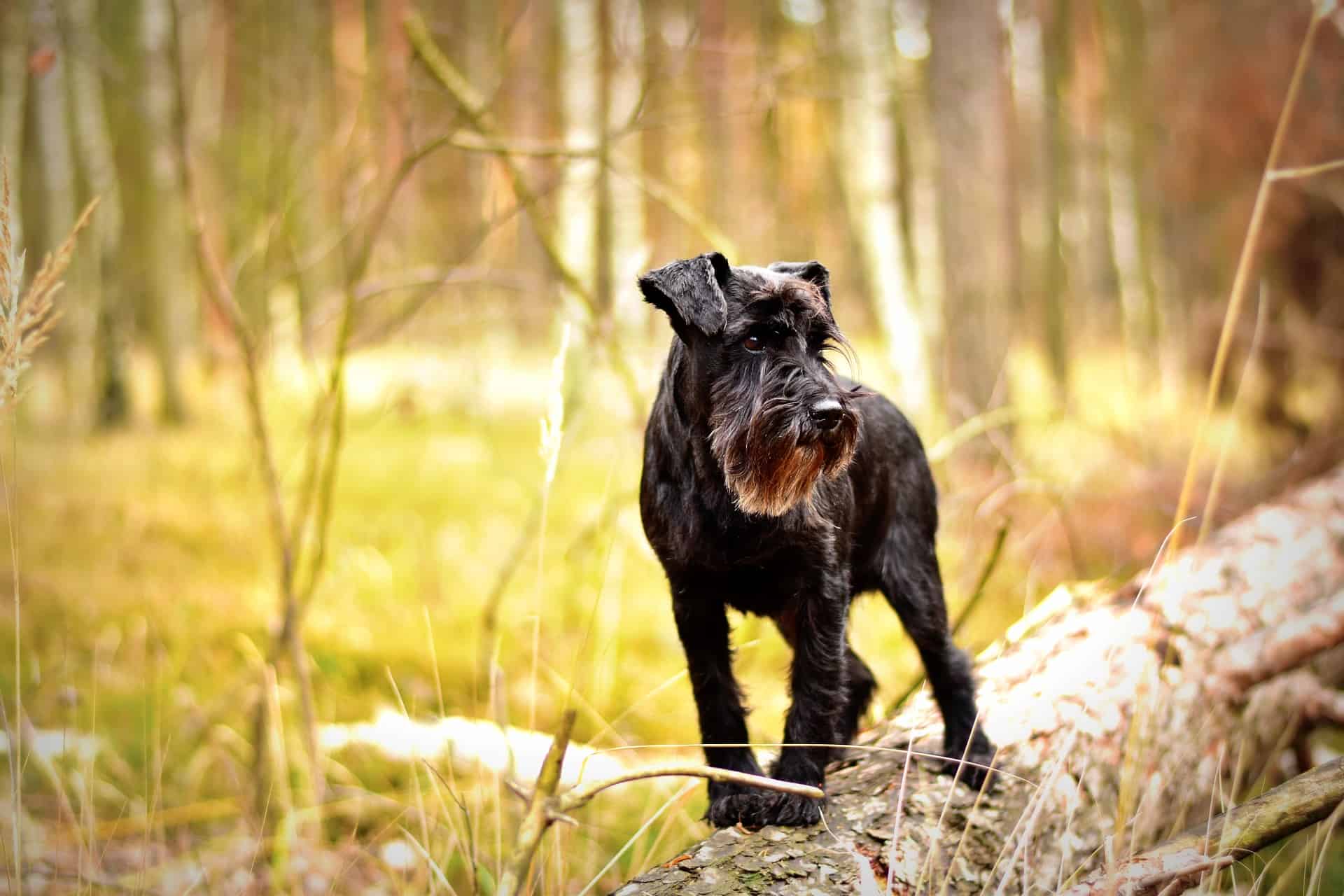
The Standard Schnauzer is the original Schnauzer, the one the Miniature and Giant were bred from, with a documented history stretching back to fourteenth-century Germany. It emerged from crosses between Wire-Haired Pinschers, black German Poodles, and gray wolf spitz, producing a tough, wiry-coated dog equally suited to ratting and guarding. By the early 1900s it was the go-to dog for farmers who needed something to watch their carts at market while they went about their business.
It entered the show ring as a Wirehaired Pinscher in 1879 and was popular in Germany well before Americans took notice. During the First World War it served as a dispatch carrier and aide, and later saw use in police work alongside the Giant Schnauzer. Despite all that, the Standard never matched the popularity of its scaled-up or scaled-down cousins.
Temperament & Behaviour
This is a bold, high-energy dog with an independent streak. It is devoted to its family and genuinely reliable with children, but it reserves its goodwill for the people it knows. Strangers are met with suspicion, and that watchdog instinct is maximal: the Standard Schnauzer scores as high as any breed for both watchdog and protection ability.
It can get along with household pets but tends toward aggression with strange dogs, and its ratting heritage means small animals outside the family unit are at risk. Cleverness and headstrongness come as a package deal here, and without consistent structure the dog will find its own entertainment, which is rarely what you had in mind.
Activity & Training
Daily exercise is non-negotiable. A long leash walk or a vigorous off-lead session in a secure area keeps the edge off; skipping it invites mischief. Training requires patience and firmness rather than force. The Standard is smart enough to learn quickly but self-assured enough to push back if the handler is inconsistent. It is not a good match for first-time owners who mistake its eagerness as straightforward biddability. Mental work matters as much as physical: puzzle feeders, scent work, or obedience tasks give the brain something useful to do.
Grooming
The harsh, wiry double coat is medium-maintenance by working-dog standards but not a low-effort coat. Combing twice a week keeps it free of mats. Professional shaping is needed four times a year: clipping for pets, hand-stripping for dogs shown in the ring. The characteristic Schnauzer furnishings on the muzzle and legs require regular attention to stay tidy.
Health
The Standard Schnauzer is a healthy, long-lived breed with a typical lifespan of 12 to 14 years. Hip dysplasia and follicular dermatitis are the main concerns to watch for, with cataracts seen occasionally. Hip and eye screening is recommended before breeding.
Why these breeds are similar
The **Miniature Schnauzer** is the most direct relative, bred down from the Standard in Germany using smaller terrier crosses. It shares the same wiry coat, the same alert temperament, and the same tendency to treat strangers as suspects, just in a more apartment-compatible size.
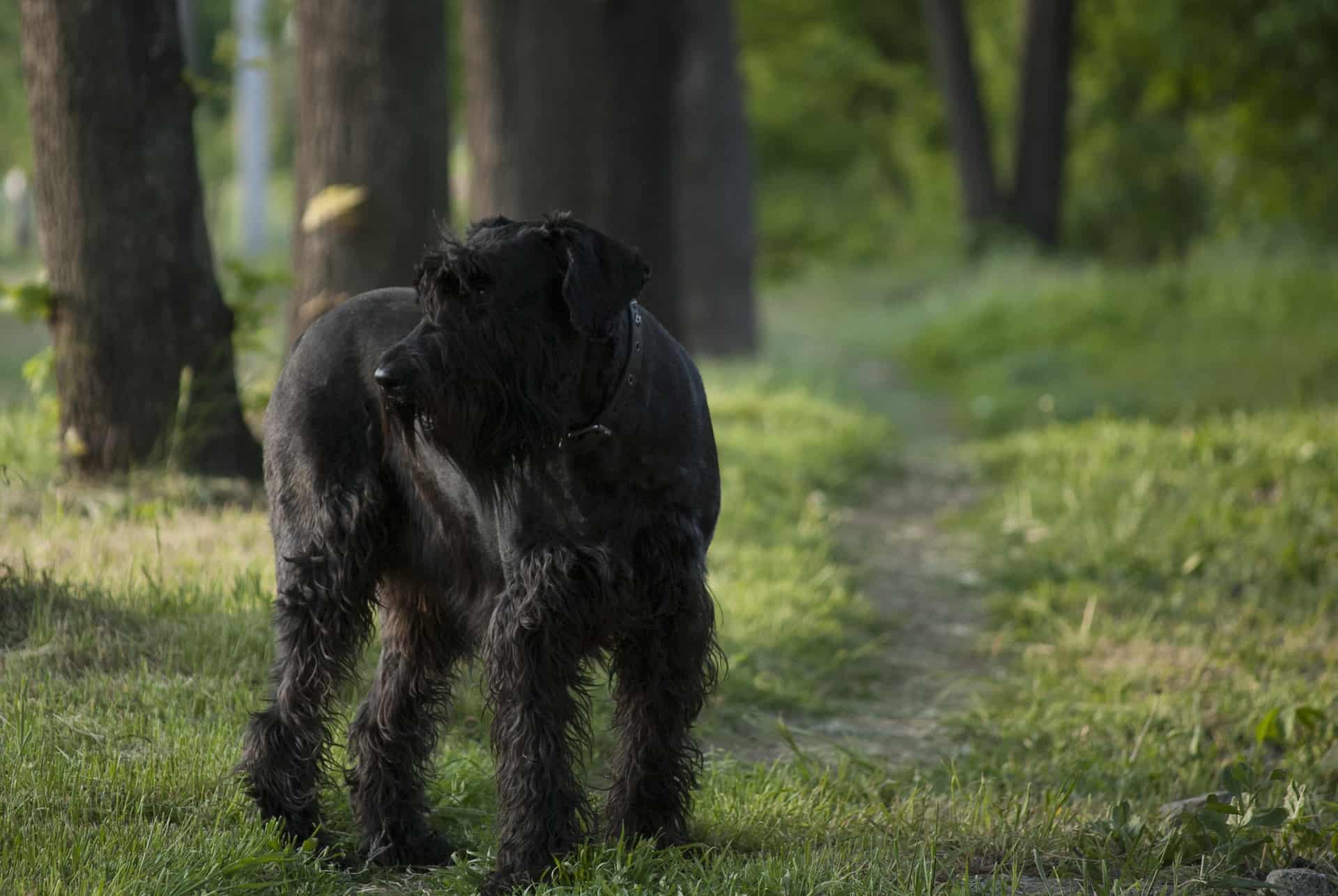
The **Giant Schnauzer** is the Standard scaled up for heavier drafting and herding work, developed in Bavaria from the same base stock. It has the same drive and protectiveness but with considerably more power behind it, pushing it into dedicated working-dog territory.
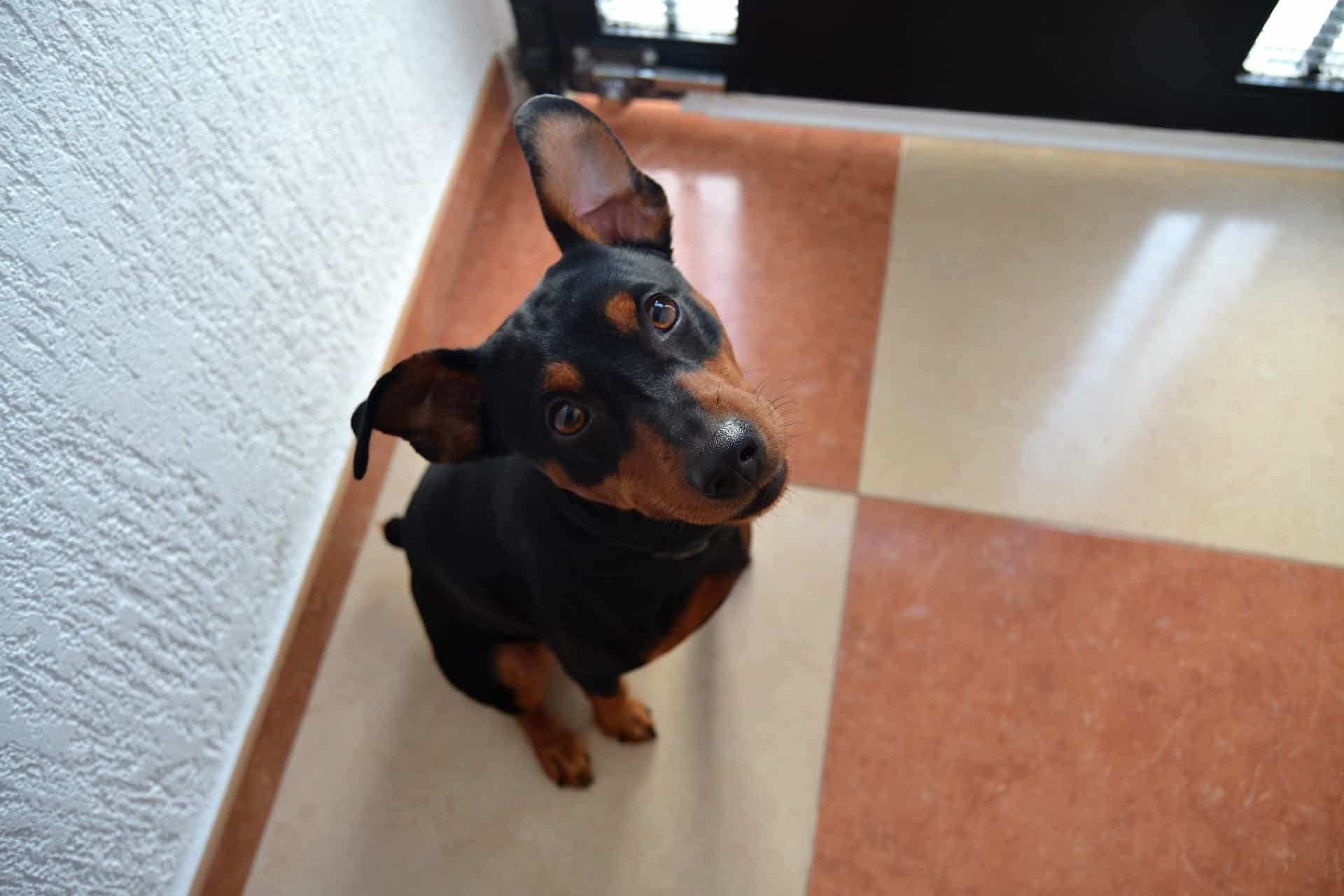
The **German Pinscher** is the closest cousin by ancestry, one of the root breeds behind the Schnauzer line. It has a smooth coat rather than a wiry one, but the alert, guardian temperament and the medium working-dog build are nearly identical, making it the Standard's smooth-coated counterpart.
Trait ratings
- Energy level
- 4/5
- Exercise requirements
- 3/5
- Playfulness
- 3/5
- Affection level
- 2/5
- Friendliness toward dogs
- 2/5
- Friendliness toward other pets
- 3/5
- Friendliness toward strangers
- 1/5
- Ease of training
- 3/5
- Watchdog ability
- 5/5
- Protection ability
- 5/5
- Grooming requirements
- 4/5
- Cold tolerance
- 3/5
- Heat tolerance
- 3/5