Tibetan Terrier
From Tibet
Purpose & Origin
The Tibetan Terrier is not a terrier at all. The name came about simply because the breed is terrier-sized, but its origins and character have nothing to do with earth-dog work. Bred in Lamaist monasteries in Tibet for roughly two thousand years, these dogs served as companions and occasional helpers on the farm. They were called "luck bringers" and "holy dogs," and were never sold, only given as gifts of gratitude.
One story holds that a fourteenth-century earthquake sealed off the access route to their remote valley, leaving the breed almost entirely unknown to outsiders for centuries. The modern history begins in 1920, when an Indian physician named Dr. A. Grieg received one as a gift for medical services, later bred them, and introduced the breed to India and eventually to England. The Tibetan Terrier entered American show rings in the 1950s and earned AKC recognition in 1973.
Temperament & Behaviour
This is an affectionate, even-tempered dog that adapts to the household's pace without complaint. It is as willing to join a walk or a game in the yard as it is to settle quietly indoors. Reserved rather than outgoing with strangers (watchdog ability is genuinely high, protection is not), it bonds closely with its family and is sensitive to mood and atmosphere. It is not an aloof dog, but it is not a pushover either. The combination of intelligence and mild independence means it reads people well and responds best to owners who treat it as a companion, not a decorative object.
Activity & Training
Exercise needs are moderate. A daily walk of reasonable length or a vigorous game in a fenced yard covers the requirement; the Tibetan Terrier does not demand endurance-level output. It does need mental engagement and does not do well left alone for long stretches. Training is manageable but not automatic. Ease of training sits at mid-range, and the breed's sensitivity means harsh corrections are counterproductive. Consistent, reward-based work yields a reliable dog, but owners expecting instant compliance will be disappointed.
Grooming
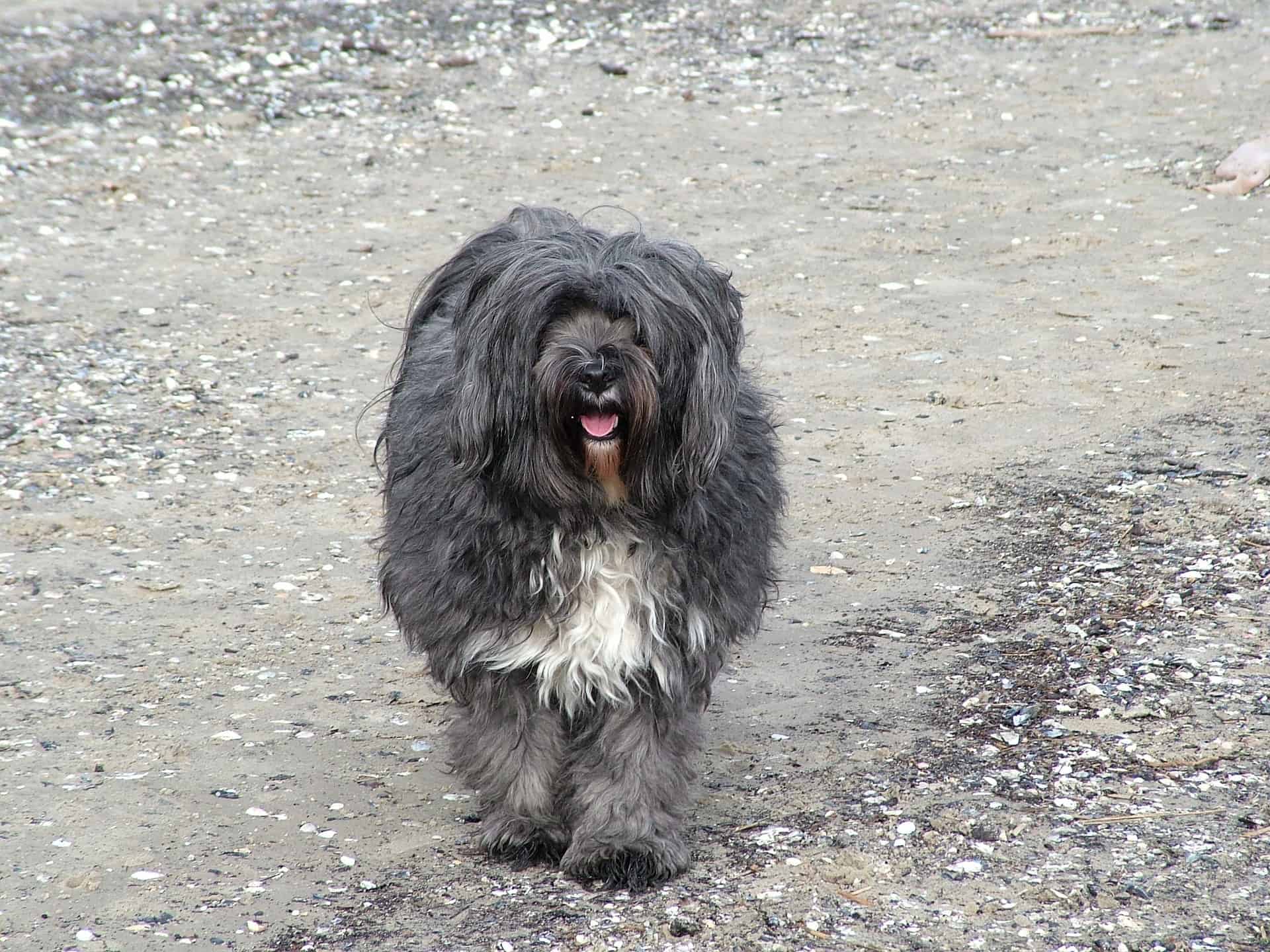
The coat is the most demanding aspect of ownership. Long, fine, and double-layered, it mats if neglected. Thorough brushing or combing once or twice a week is the minimum, and more frequent attention prevents the coat from tangling at the undercoat. This is not a low-maintenance breed in that respect, and prospective owners should budget the time or the cost of professional grooming.
Health
The Tibetan Terrier has a life span of 12 to 15 years. The major heritable concerns are lens luxation and progressive retinal atrophy. Minor concerns include patellar luxation, cataracts, hip dysplasia, ceroid lipofuscinosis, and hypothyroidism. DNA tests exist for lens luxation and lipofuscinosis, and reputable breeders test for these alongside hip and eye evaluations.
Why these breeds are similar
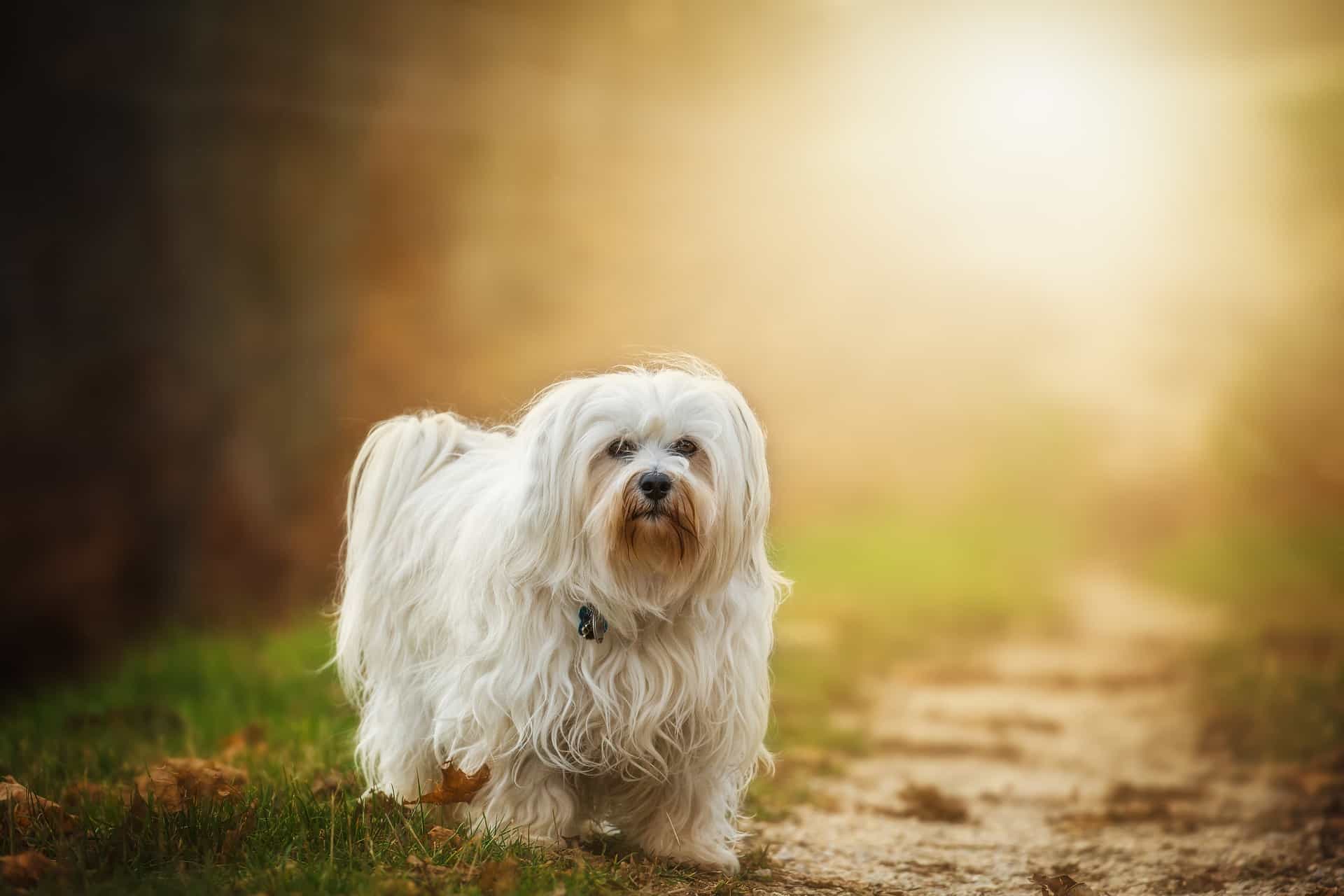
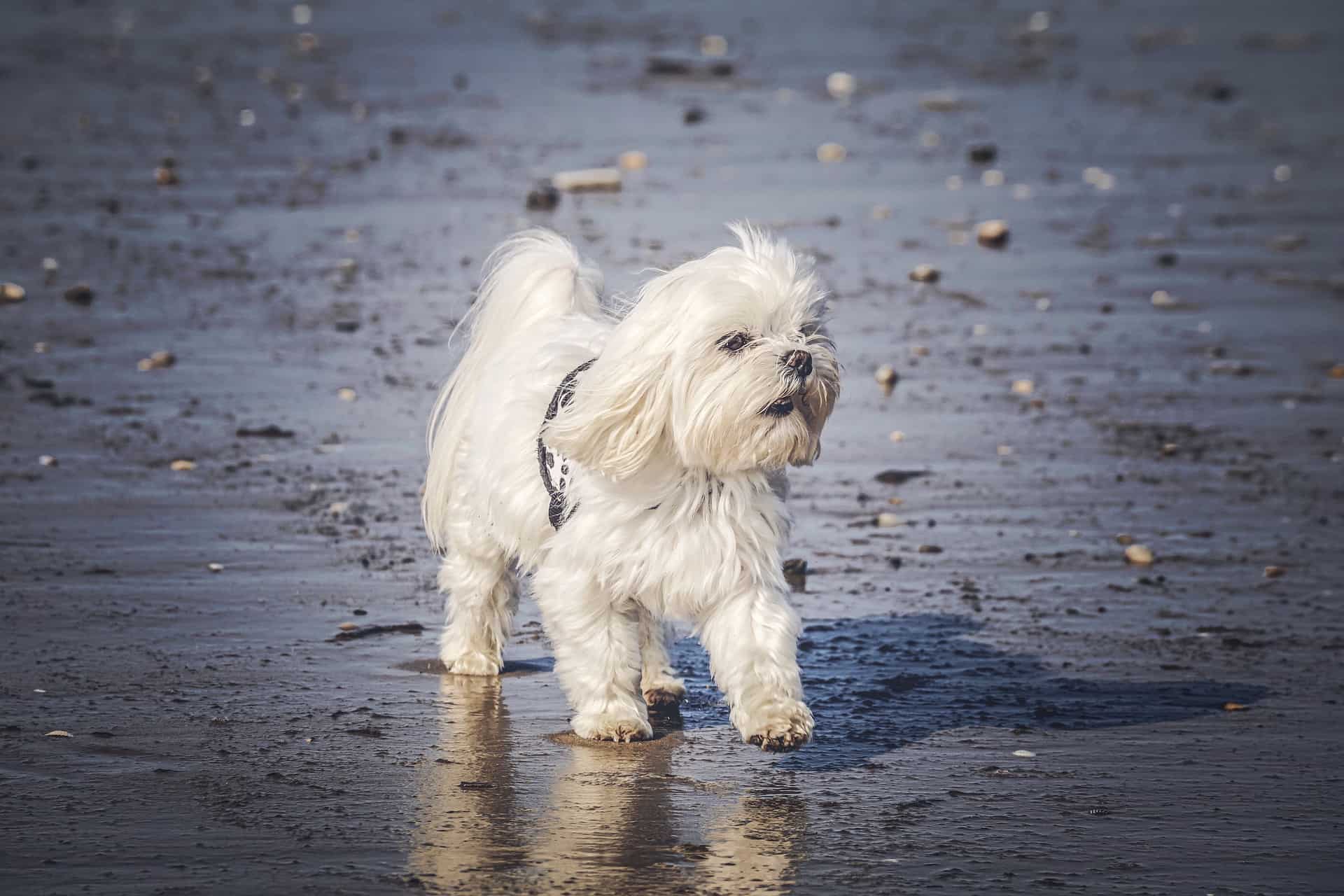
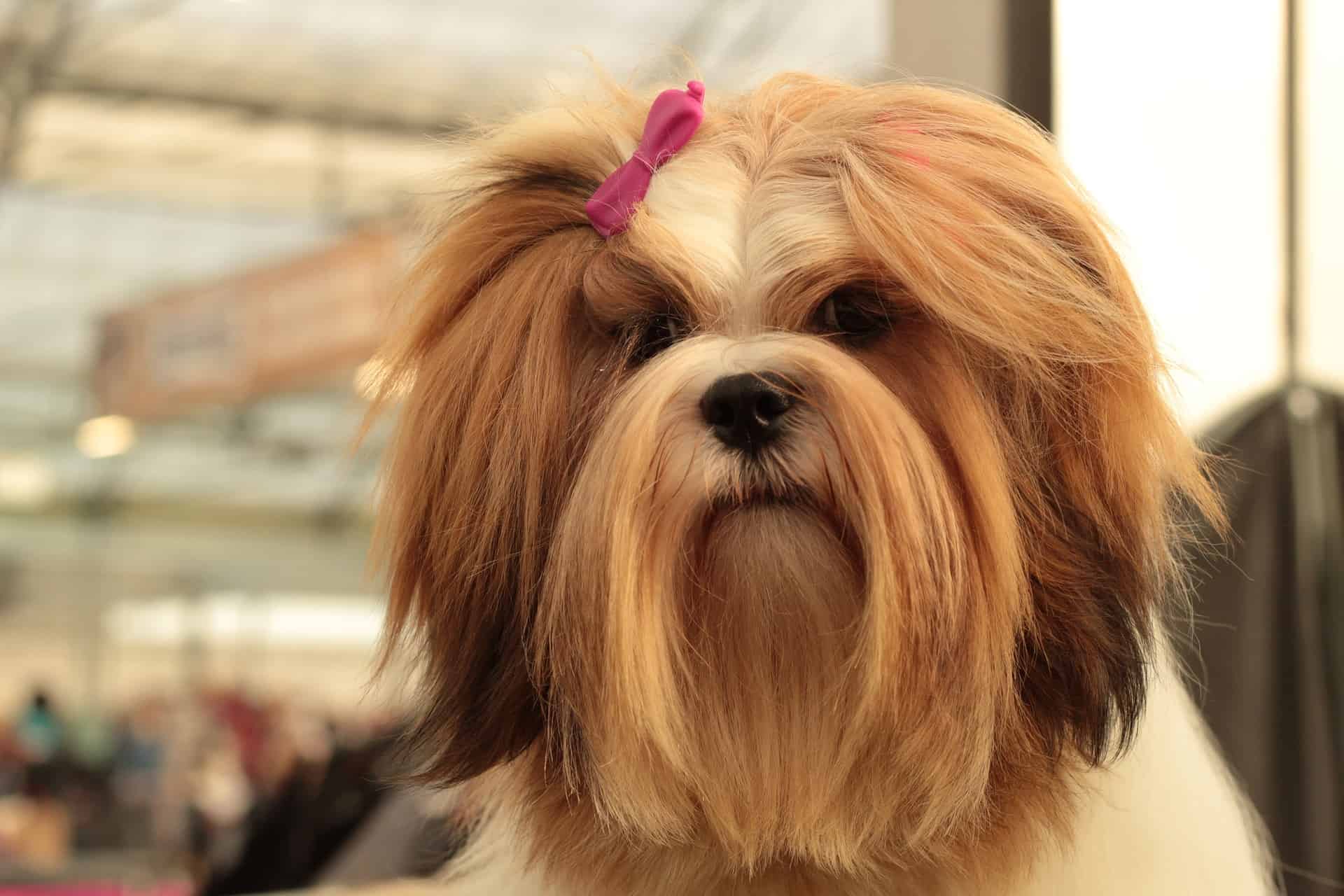
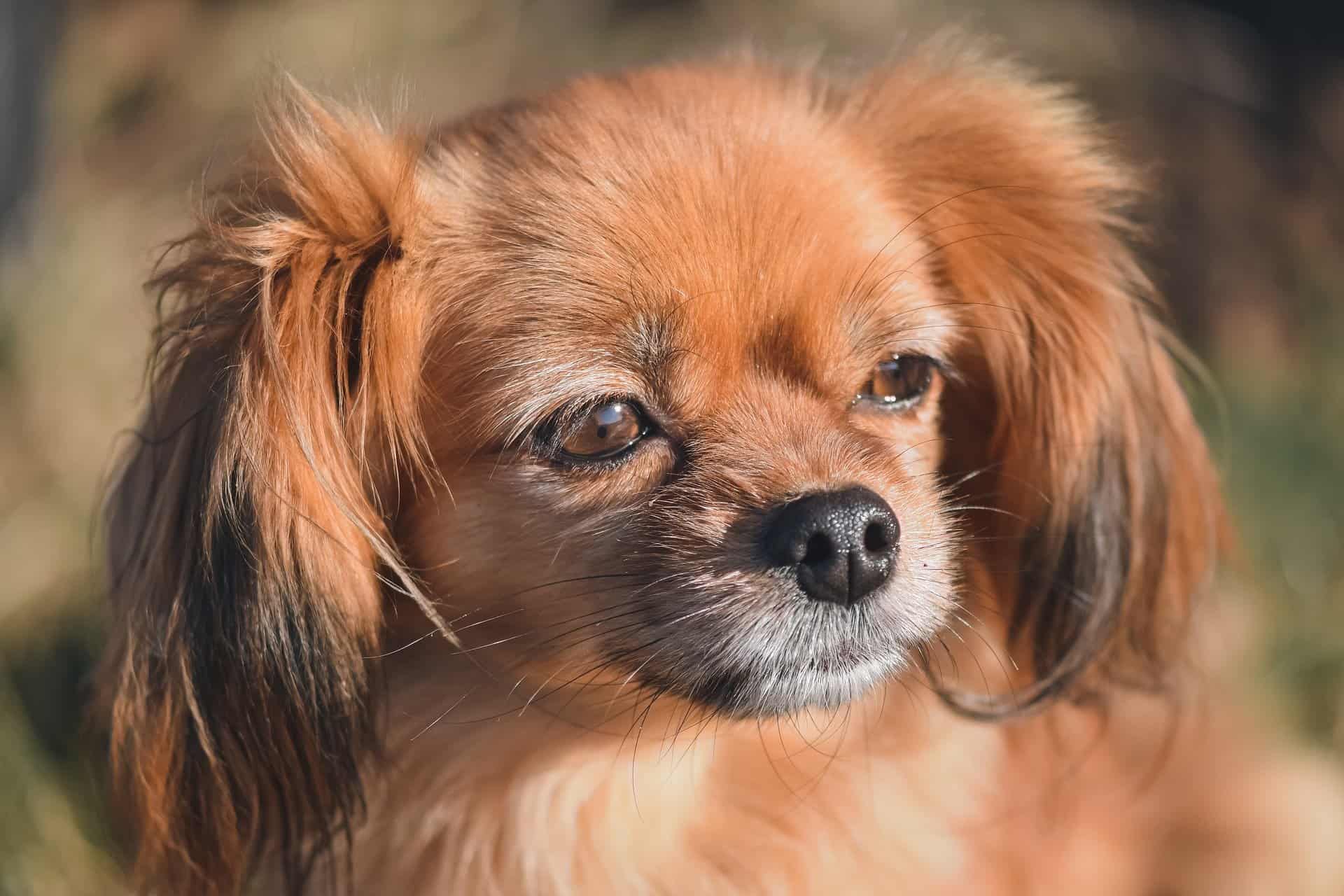
The Lhasa Apso is the closest relative, another ancient Tibetan monastery dog of similar size and coat type, bred under almost identical conditions and sharing the same reserved-with-strangers temperament. The Tibetan Spaniel is the other Tibetan companion, smaller and slightly more spaniel-like in face, but sharing the same origin, the same herding-adjacent monastery role, and the same alert watchfulness. The Havanese and Maltese are linked not by geography but by function and coat: both are long-established lap-companion breeds with flowing coats and affectionate natures that mirror the Tibetan Terrier's household role, even though their origins are Mediterranean rather than Himalayan.
Trait ratings
- Energy level
- 3/5
- Exercise requirements
- 3/5
- Playfulness
- 3/5
- Affection level
- 4/5
- Friendliness toward dogs
- 3/5
- Friendliness toward other pets
- 3/5
- Friendliness toward strangers
- 2/5
- Ease of training
- 3/5
- Watchdog ability
- 4/5
- Protection ability
- 1/5
- Grooming requirements
- 4/5
- Cold tolerance
- 3/5
- Heat tolerance
- 3/5