Wirehaired Vizsla
Also known as Hungarian Wire-Haired Pointer
From Hungary
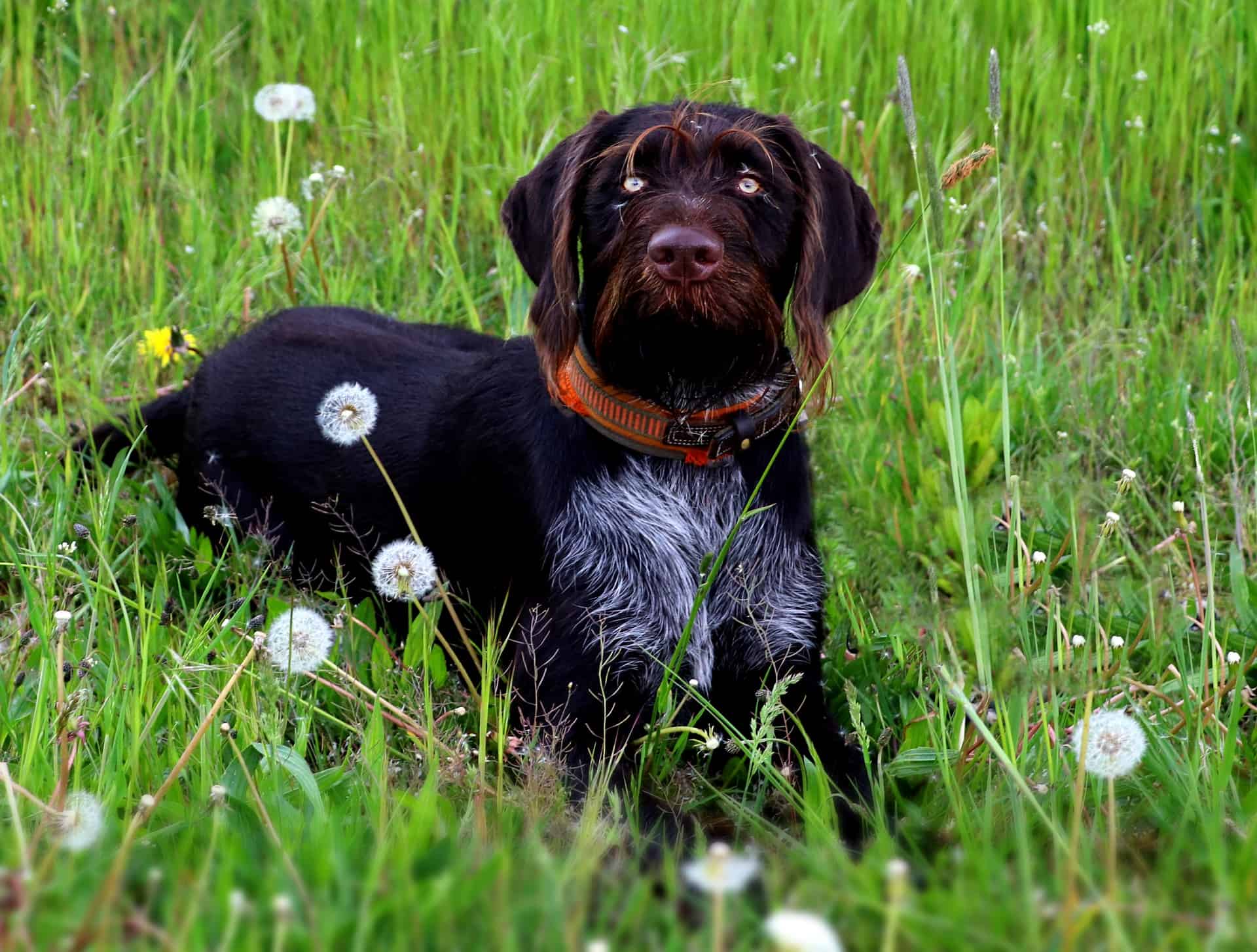
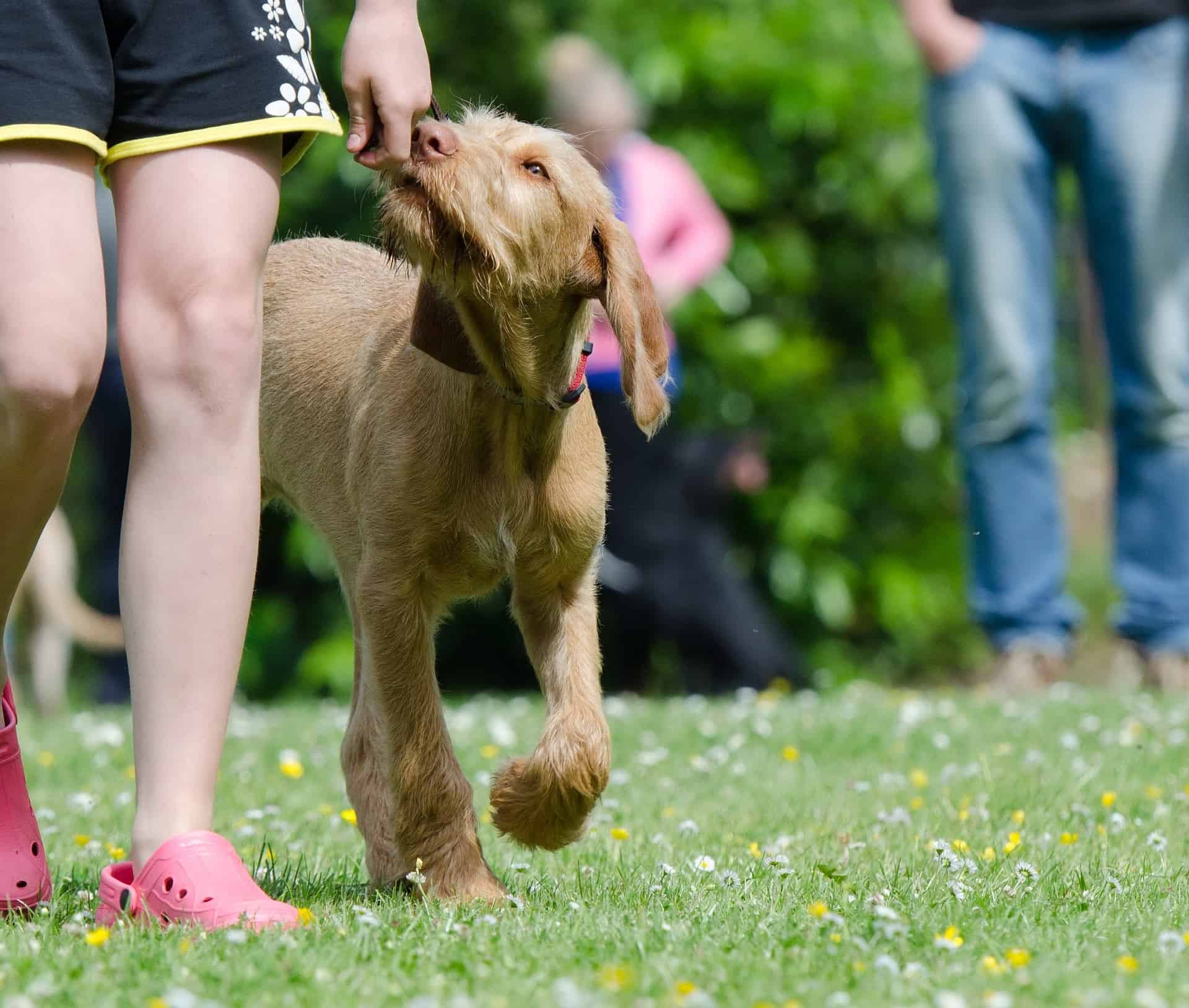
The wire-haired variation of Hungarian Vizsla, originated in the 1930s, is somewhat sturdier than the smooth-haired type. This is most likely due to this breed being a mix between a smooth coated Vizsla and a German Wire-haired Pointer. Its distinctive thick wiry coat is perfect for hunting even in the winter season, and its scruffy beard and brows give it an attentive yet friendly look.
Purpose & Origin
The Wirehaired Vizsla was purpose-built in Hungary during the 1930s by hunters and falconers who wanted a tougher version of the established Vizsla. The smooth-coated Vizsla was a proven general hunter, but it struggled in icy water and dense winter undergrowth. With the Hungarian Vizsla Klub's approval, two breeders put Vizsla females to a solid-brown German Wirehaired Pointer. Three generations in, the results were good enough to push forward, and by 1944 the Vizsla Klub counted 60 wirehaired dogs.
World War II nearly ended the breed entirely, and the small postwar revival may have folded in contributions from the Wirehaired Pointing Griffon, Pudelpointer, Irish Setter, and possibly Bloodhound. The FCI recognised the breed in 1966. American and Canadian hunters found the breed in the 1970s; AKC recognition followed only in 2014, making it still rare outside specialist hunting circles.
Temperament & Behaviour
This is a high-affection dog that bonds tightly to its family. Bold and lively by nature, it is also playful enough to keep up with active households. It tends to be cautious around strangers rather than openly friendly, but it is generally steady with other dogs and household pets. The breed has decent watchdog instincts and will alert to intrusion, though it is not built for personal protection. Its eagerness to please is genuine, but it responds poorly to heavy-handed handling; push too hard and the stubbornness shows. Treat-based, positive methods suit it better and produce more consistent results.
Activity & Training
Exercise is non-negotiable with this breed. It was made to spend long days in the field, and that energy does not disappear in a suburban backyard. Daily runs, extended hiking, or genuine hunting work are the baseline. It excels as a hiking partner and swimmer and can keep pace with a jogging owner. Given adequate daily output, it settles well indoors and is not destructive. Training is moderately straightforward for an owner who is patient and consistent, but the breed is not the easiest choice for a first-time dog owner. It learns quickly when motivated and the relationship is built on trust.
Grooming
The dense, wiry coat is the breed's defining physical trait and the reason it was created. It handles rough cover and cold water better than the smooth Vizsla's coat. Upkeep is lighter than the scruffy appearance suggests: the coat is a low shedder and needs occasional hand-stripping and brushing rather than frequent bathing or clipping. The beard and brow furnishings give the dog its characteristic expression and require minimal maintenance beyond keeping them clean.
Health
The main documented concern is canine hip dysplasia, and hip testing is strongly recommended before breeding. Occasional issues include allergies, epilepsy, urinary stones, and distichiasis. Life expectancy runs from roughly 9 to 13 years. Eye screening is advised alongside hip evaluation.
Why these breeds are similar
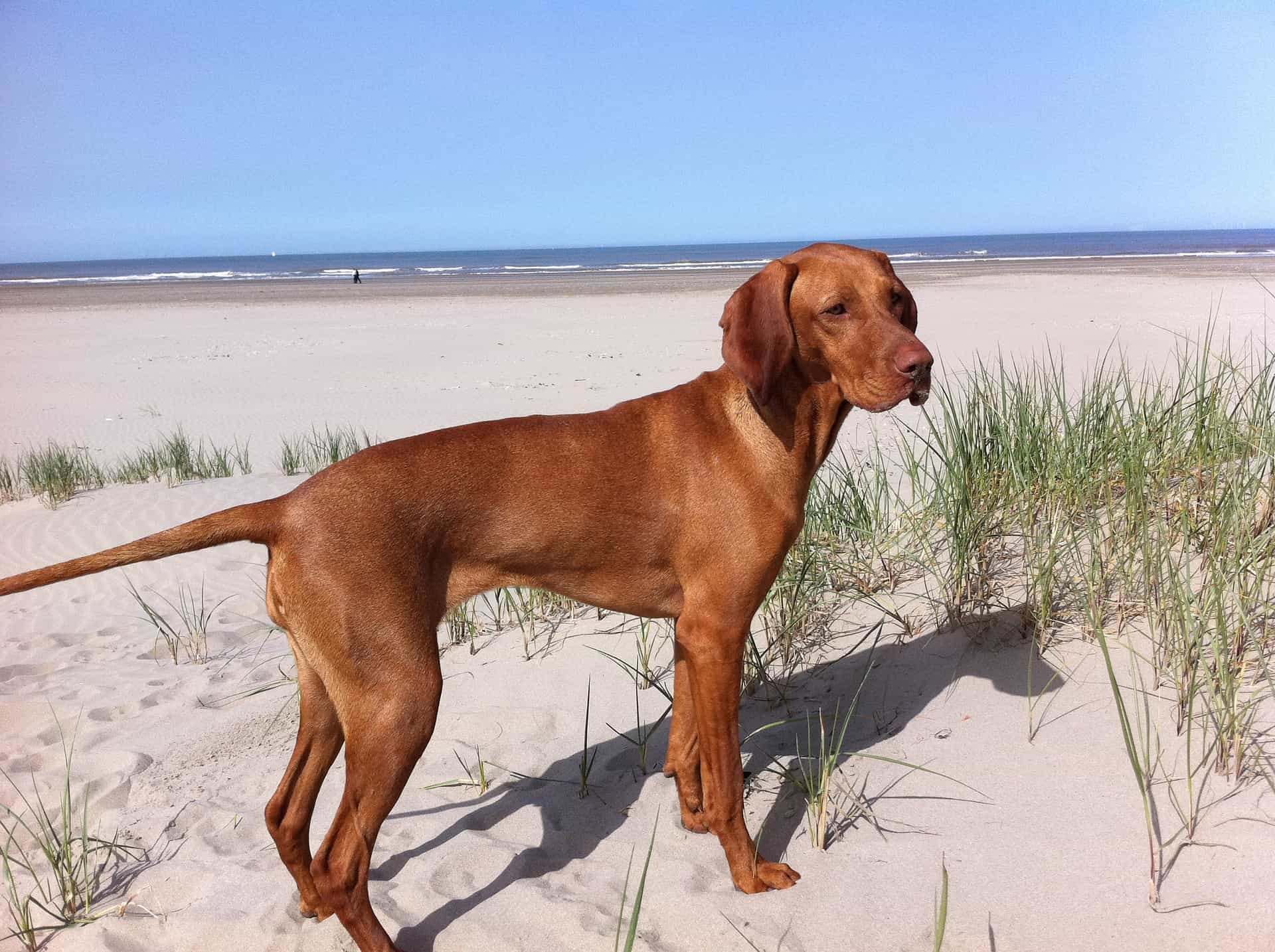
The Vizsla is the Wirehaired Vizsla's direct ancestor and closest relative. The two breeds share the same Hungarian hunting heritage, the same lean-muscled build, and the same intensely affectionate temperament. The only meaningful differences are the coat texture and a slight increase in sturdiness.
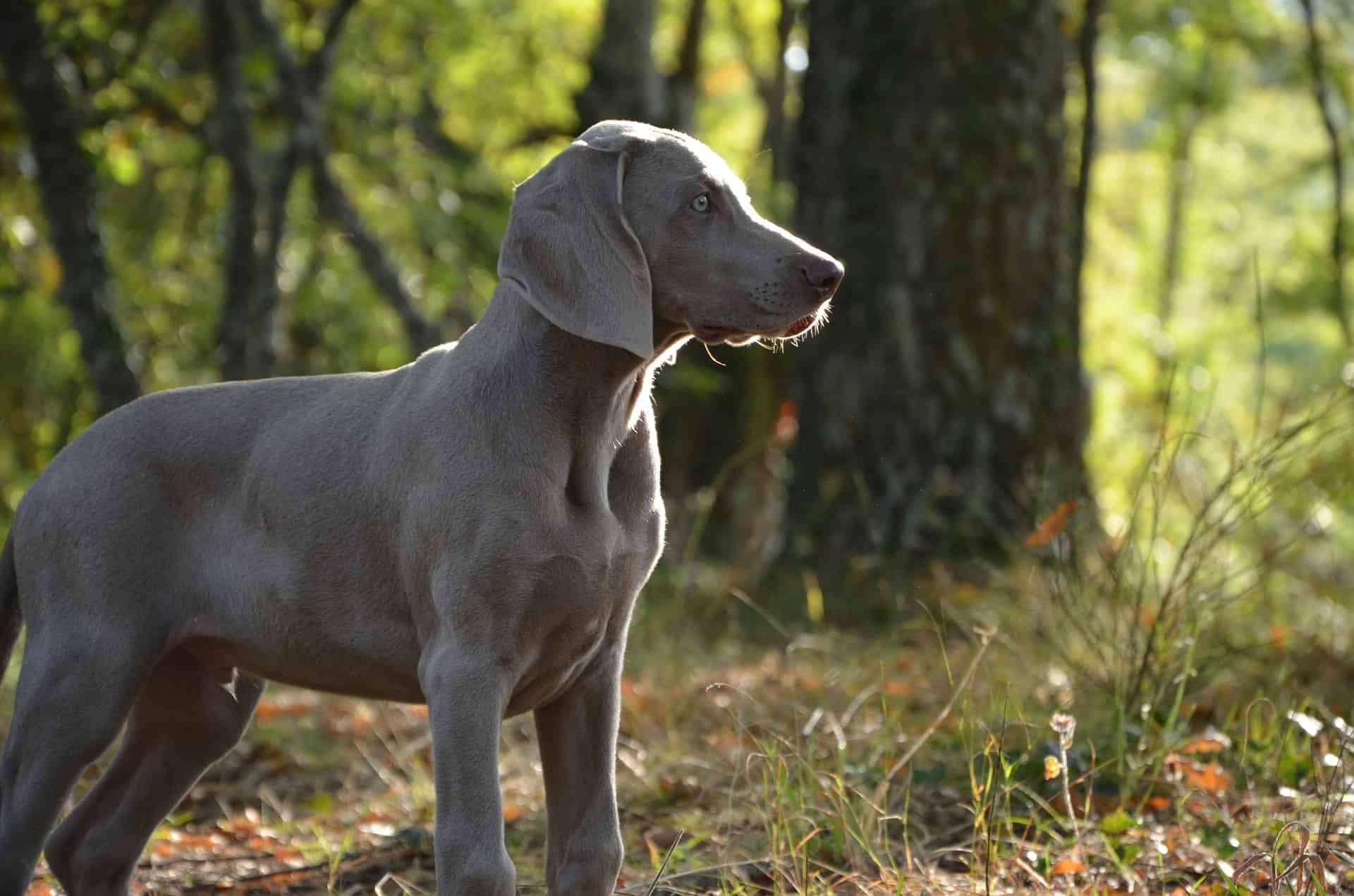
The Weimaraner is another central European versatile gundog of similar size and energy. Both breeds hunt by pointing and retrieving, both form deep bonds with their owners, and both require serious daily exercise.
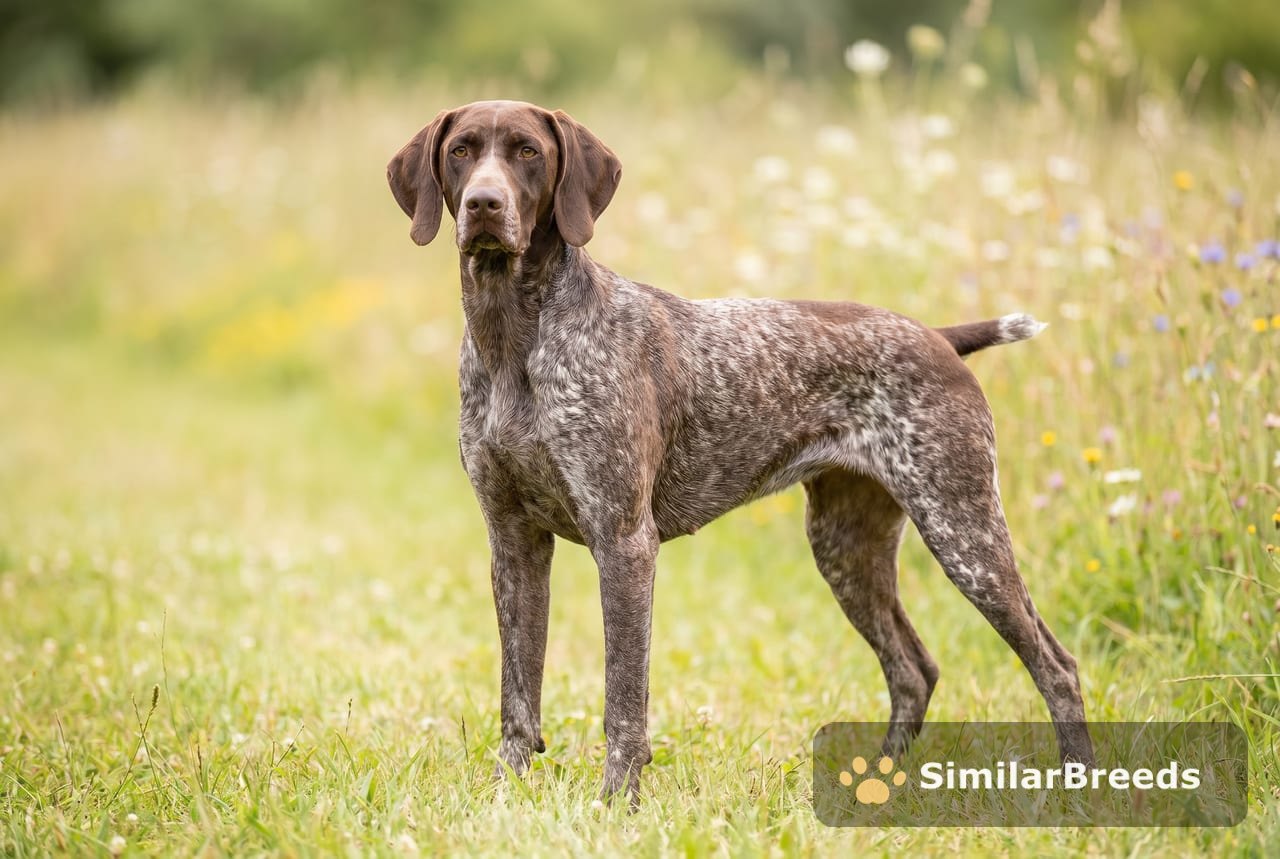
The German Wirehaired Pointer is the other half of the Wirehaired Vizsla's foundation cross and shares the distinctive wiry coat, the field-bred toughness, and the versatile hunting function.
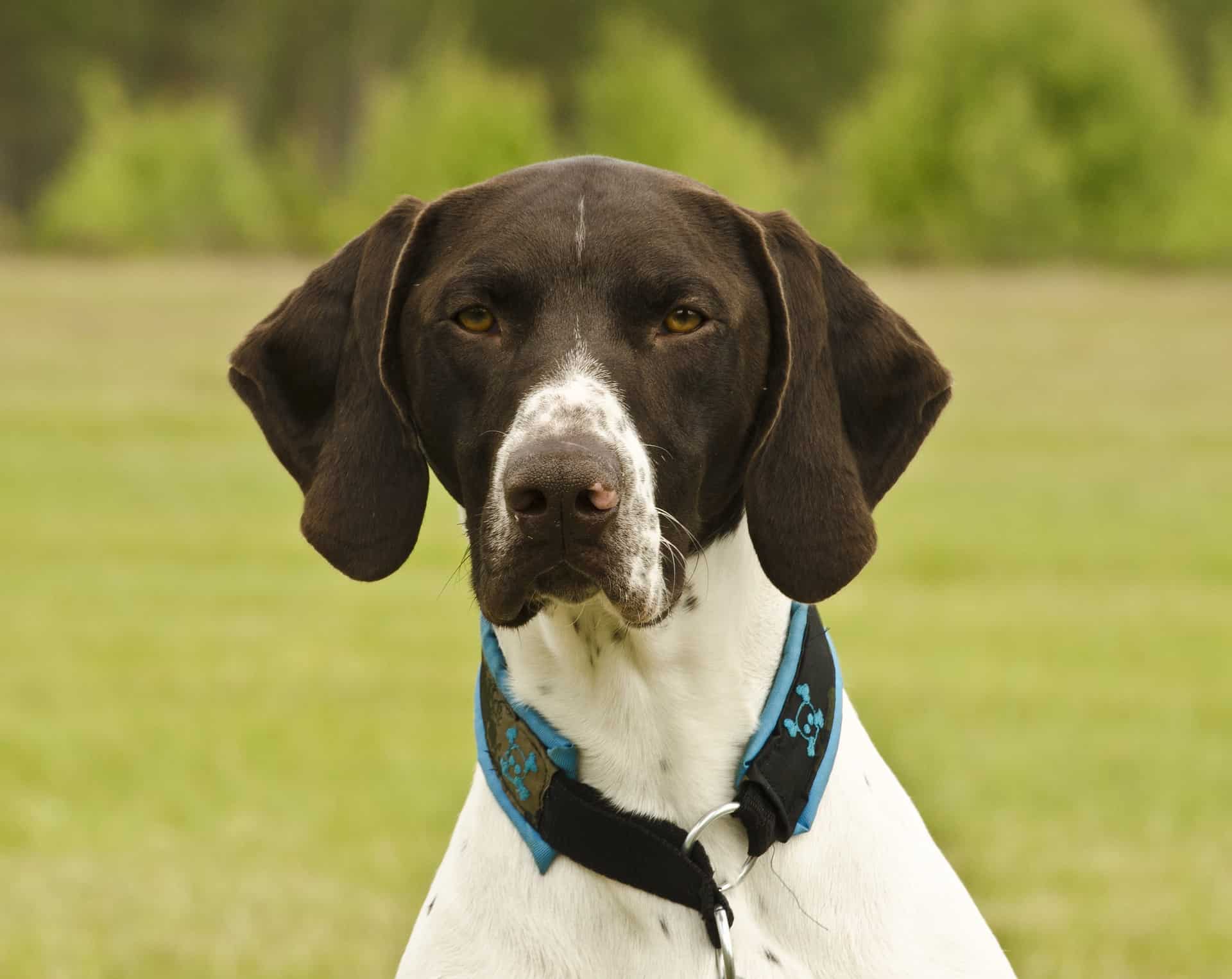
The German Shorthaired Pointer is the smooth-coated counterpart to the German Wirehaired Pointer, grouped here because it shares the same pointing-and-retrieving purpose, similar athletic build, and comparable energy demands.
The Braque du Bourbonnais is a lesser-known French pointing breed that occupies the same sporting niche. It is a compact, close-working pointer with a gentle temperament and comparable affection levels, appealing to owners who want the Vizsla type in a slightly different package.
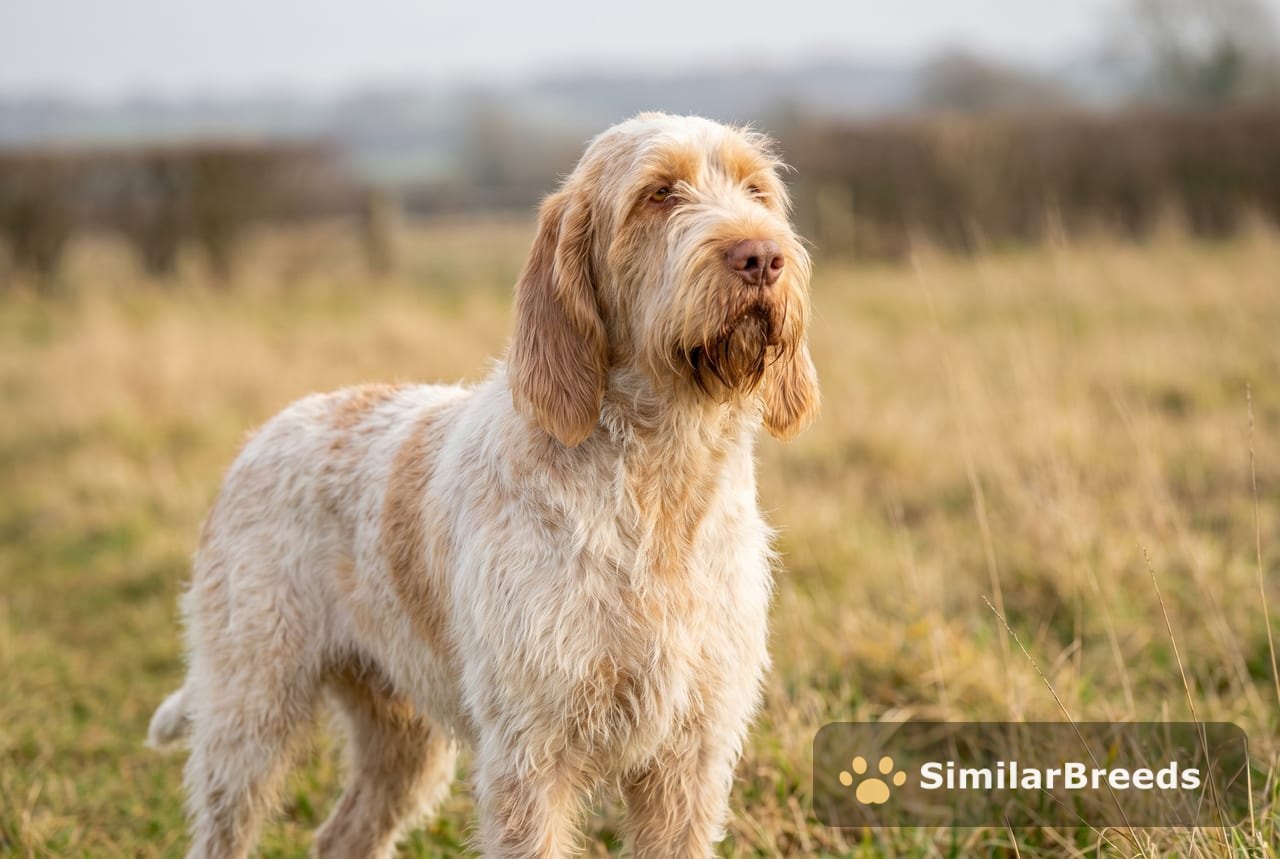
The Spinone Italiano is an Italian versatile hunting dog with a wiry coat and a famously gentle, steady character. It is slower-paced than the Vizsla breeds but shares the all-purpose gundog role and the same wire-coated resilience in rough terrain.
Trait ratings
- Energy level
- 4/5
- Exercise requirements
- 4/5
- Playfulness
- 4/5
- Affection level
- 5/5
- Friendliness toward dogs
- 3/5
- Friendliness toward other pets
- 3/5
- Friendliness toward strangers
- 3/5
- Ease of training
- 3/5
- Watchdog ability
- 4/5
- Protection ability
- 1/5
- Grooming requirements
- 3/5
- Cold tolerance
- 3/5
- Heat tolerance
- 3/5