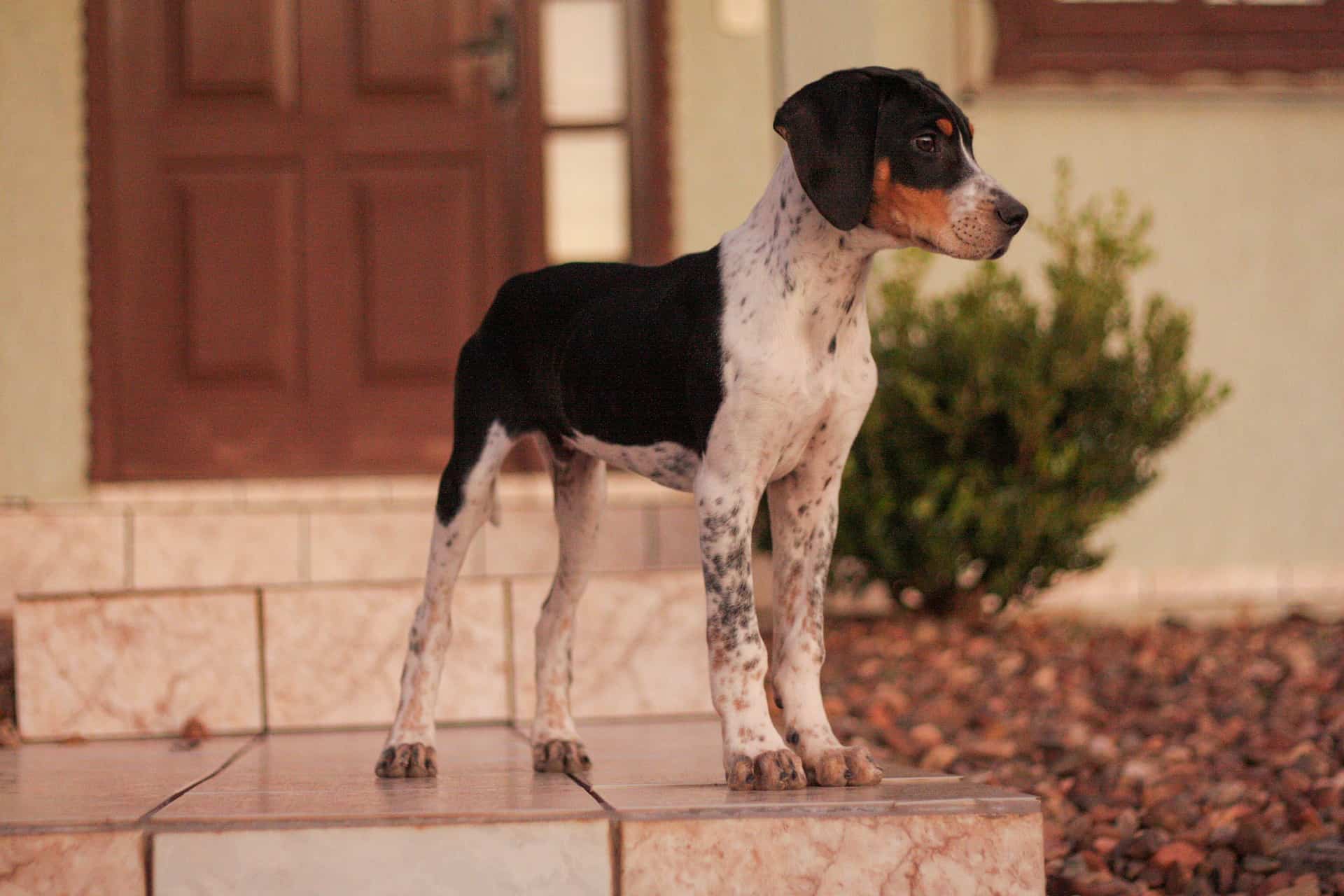
Purpose & Origin
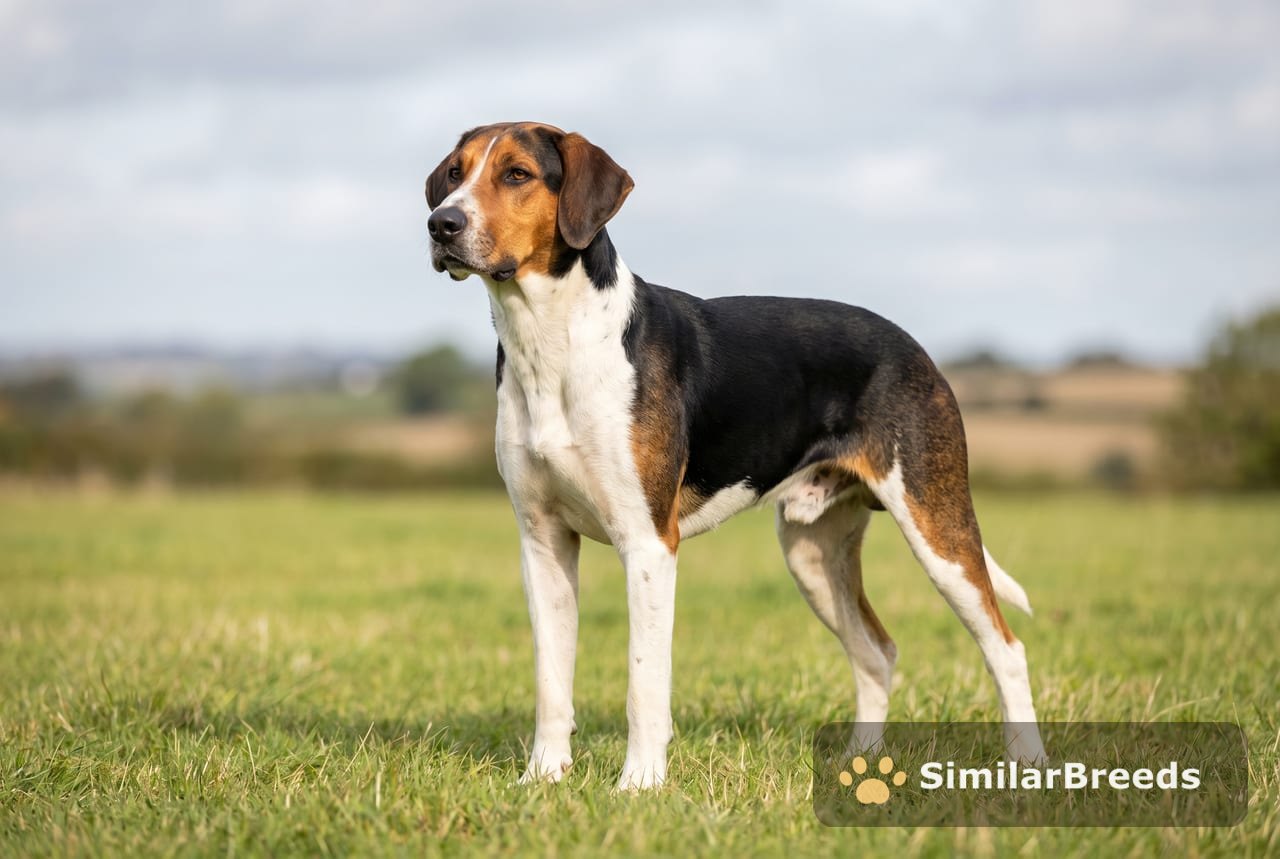
The American Foxhound is one of the oldest breeds developed in the United States, with roots going back to 1650 when the first fox-chasing hounds arrived from England. By the 1700s, riding to the hounds had become a favored pastime of the colonial upper class, and George Washington himself was an enthusiast. Washington crossed the existing English-descended stock with French hounds sent to him by the Marquis de Lafayette, and that cross sits at the foundation of the modern breed. Further imports from England, France, and Ireland refined the bloodlines over the following century.
As the sport spread into the southern mountains of Kentucky and Tennessee, hunters there wanted something faster and more independent than the English Foxhound, a dog capable of starting, chasing, and killing a fox on its own or giving chase to deer. The breed became more streamlined, and over time diverged into distinct strains, the Walker being the most prominent, tracing back to a dog called Tennessee Lead. Today the American Foxhound exists in three practical forms: pack hounds, competitive field trial hounds, and show hounds, with the pack type considered the true standard of the breed.
Temperament & Behaviour
Despite its working heritage, the American Foxhound is an even-tempered, tolerant dog that settles reasonably well indoors when its exercise needs are met. It is gentle and amiable, though not especially demonstrative or clingy. Most are reserved around strangers, and the watchdog instinct is genuine, backed by a notable willingness to bay.
This is a sociable breed that does best with regular human or canine company, and its historically high compatibility with other dogs makes sense given that pack life is its natural context. The hunting drive is always present: once this dog catches a scent, it will follow it single-mindedly and will not respond to recalls. That is not stubbornness in the pet sense, it is purpose.
Activity & Training
Exercise requirements are high. A daily long walk or jog is the baseline, and off-leash running should only happen in a securely fenced area. The nose will override everything else once a scent appears. Training is workable but requires patience. The ease-of-training score is low, reflecting the breed's independent working nature rather than any lack of intelligence. Consistent, reward-based methods work; punishment-based approaches simply do not register with a dog bred to make its own decisions in the field. This is not a city dog, and an apartment or small yard will not serve it well.
Grooming
The coat is about as low-maintenance as a coat can be. Occasional brushing to clear dead hair is all that is needed. There is no complicated trim, no regular bathing schedule to maintain, and shedding is minimal enough that it rarely becomes a household issue.
Health
The American Foxhound is a notably healthy breed. The source data lists no major or minor health concerns, with thrombopathy noted only as occasionally seen. Life expectancy runs to 11-13 years, which is solid for a dog of this size. Routine veterinary care and adequate daily exercise cover the vast majority of what this breed needs to stay sound.
Why these breeds are similar
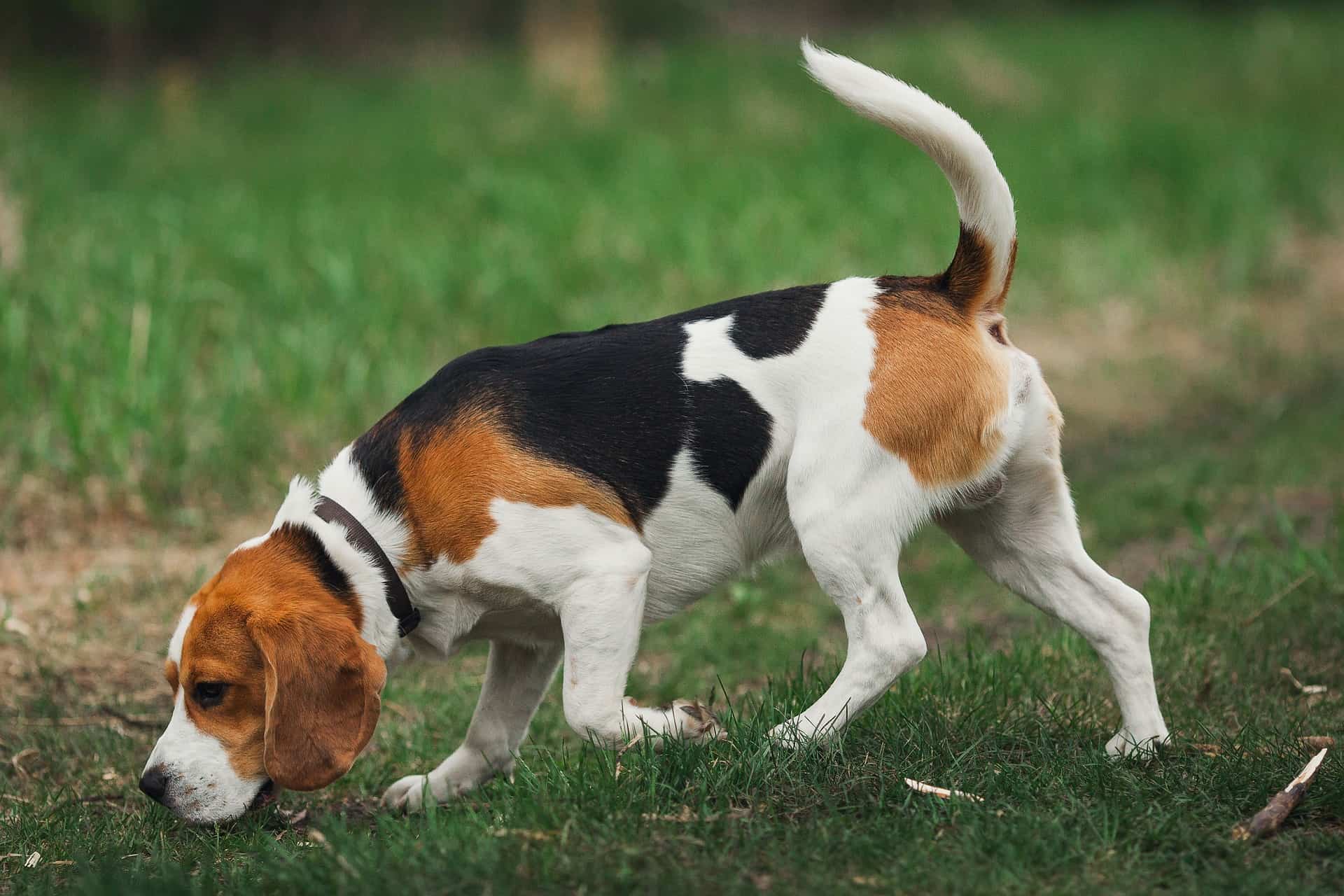
The **English Foxhound** is the direct ancestor, sharing the same foxhunting purpose, scent-trailing build, and pack-oriented temperament. The American version is simply lighter and faster, shaped by different terrain and hunting style. The **Beagle** is a smaller scenthound from the same British foxhunting tradition, sharing the trail-first mentality, the musical bay, and the same low-maintenance coat. It is essentially the pocket version of the foxhound archetype.
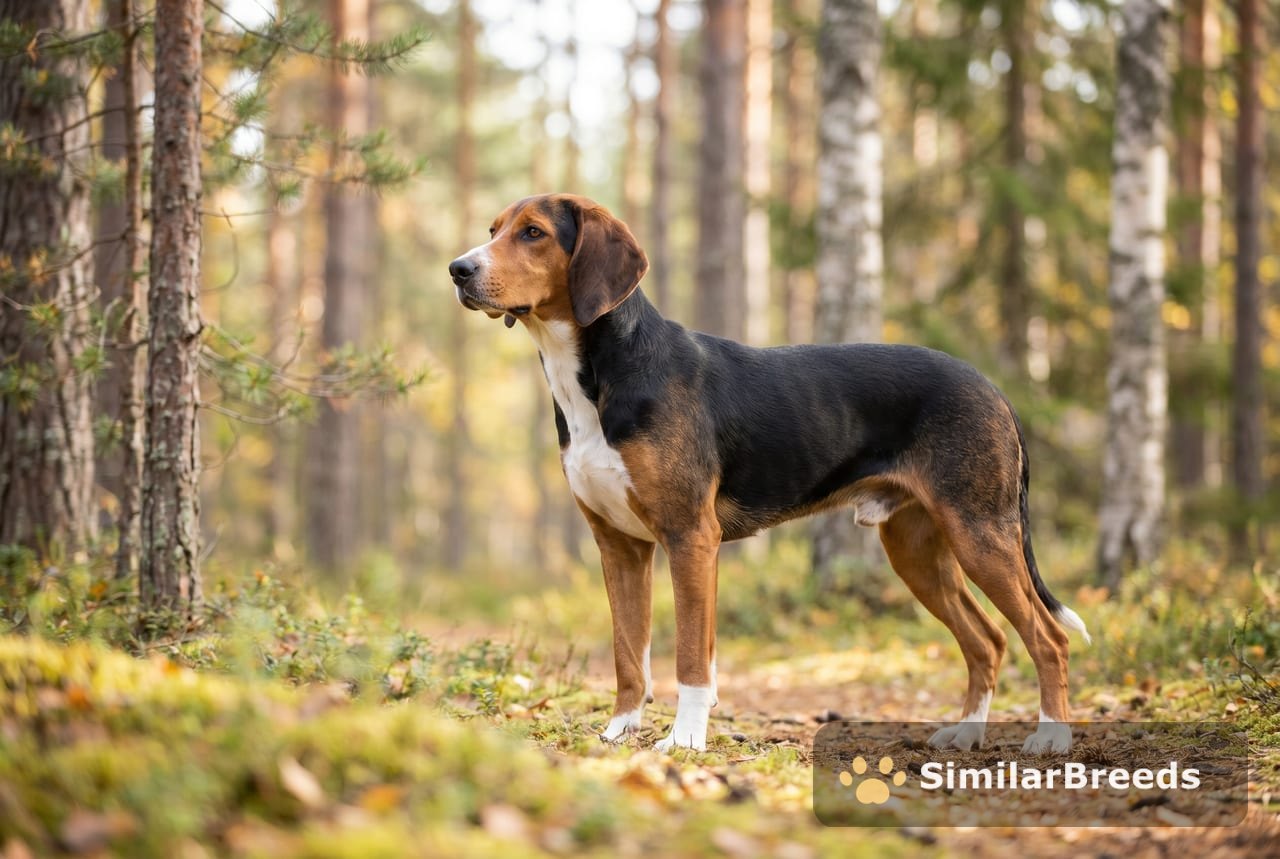
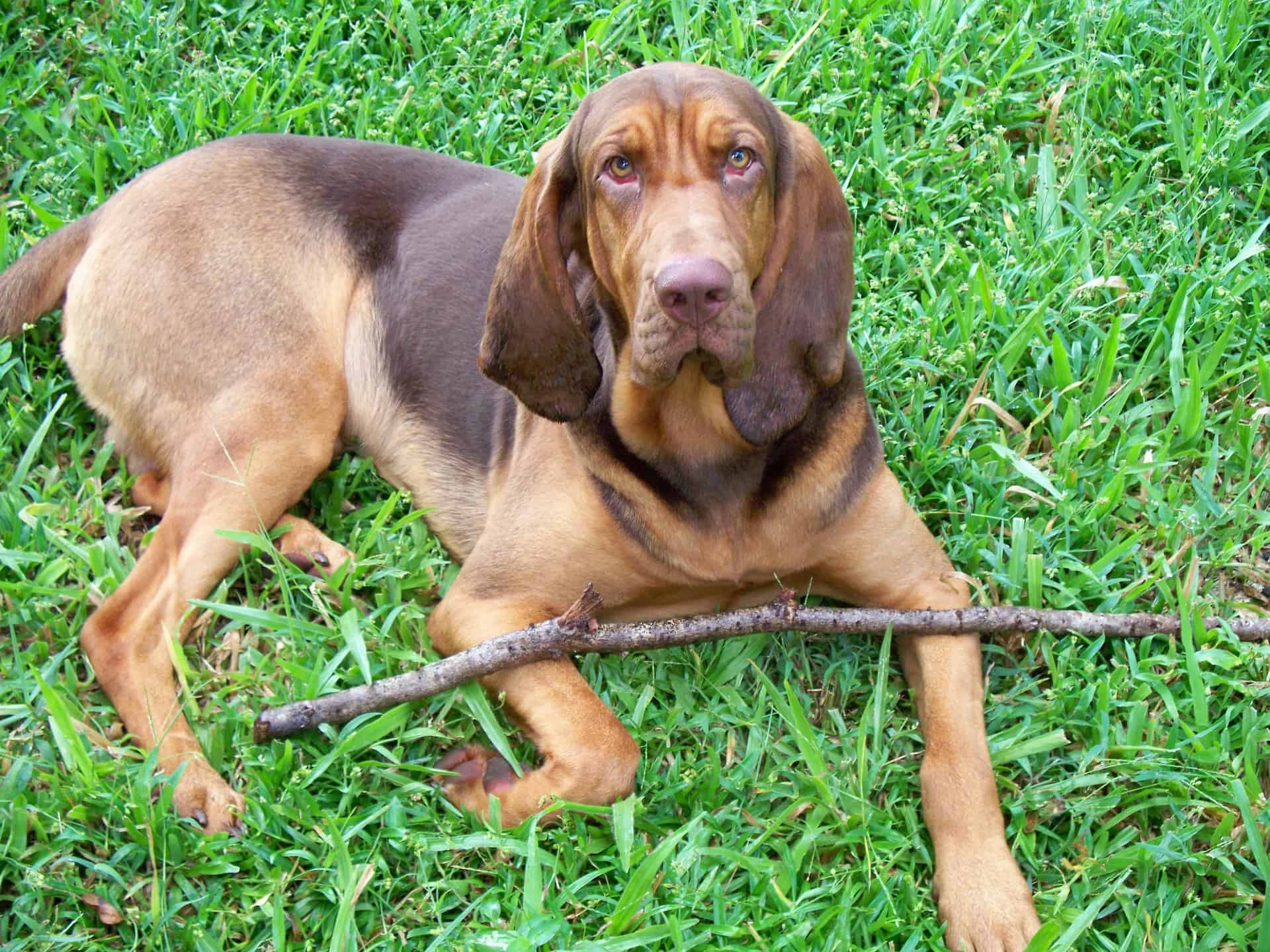
The **Finnish Hound** is a Scandinavian scenthound developed along the same functional lines: long-legged, pack-compatible, bred to trail in rough country. The parallels in temperament and build are close even across different continents. The **Bloodhound** represents the deep end of the scenthound spectrum, sharing the American Foxhound's relentless nose and independent tracking drive, though it is heavier-built and even more single-minded once locked onto a trail.
Trait ratings
- Energy level
- 4/5
- Exercise requirements
- 4/5
- Playfulness
- 3/5
- Affection level
- 3/5
- Friendliness toward dogs
- 5/5
- Friendliness toward other pets
- 4/5
- Friendliness toward strangers
- 4/5
- Ease of training
- 2/5
- Watchdog ability
- 4/5
- Protection ability
- 1/5
- Grooming requirements
- 1/5
- Cold tolerance
- 3/5
- Heat tolerance
- 3/5