Chesapeake Bay Retriever
From USA
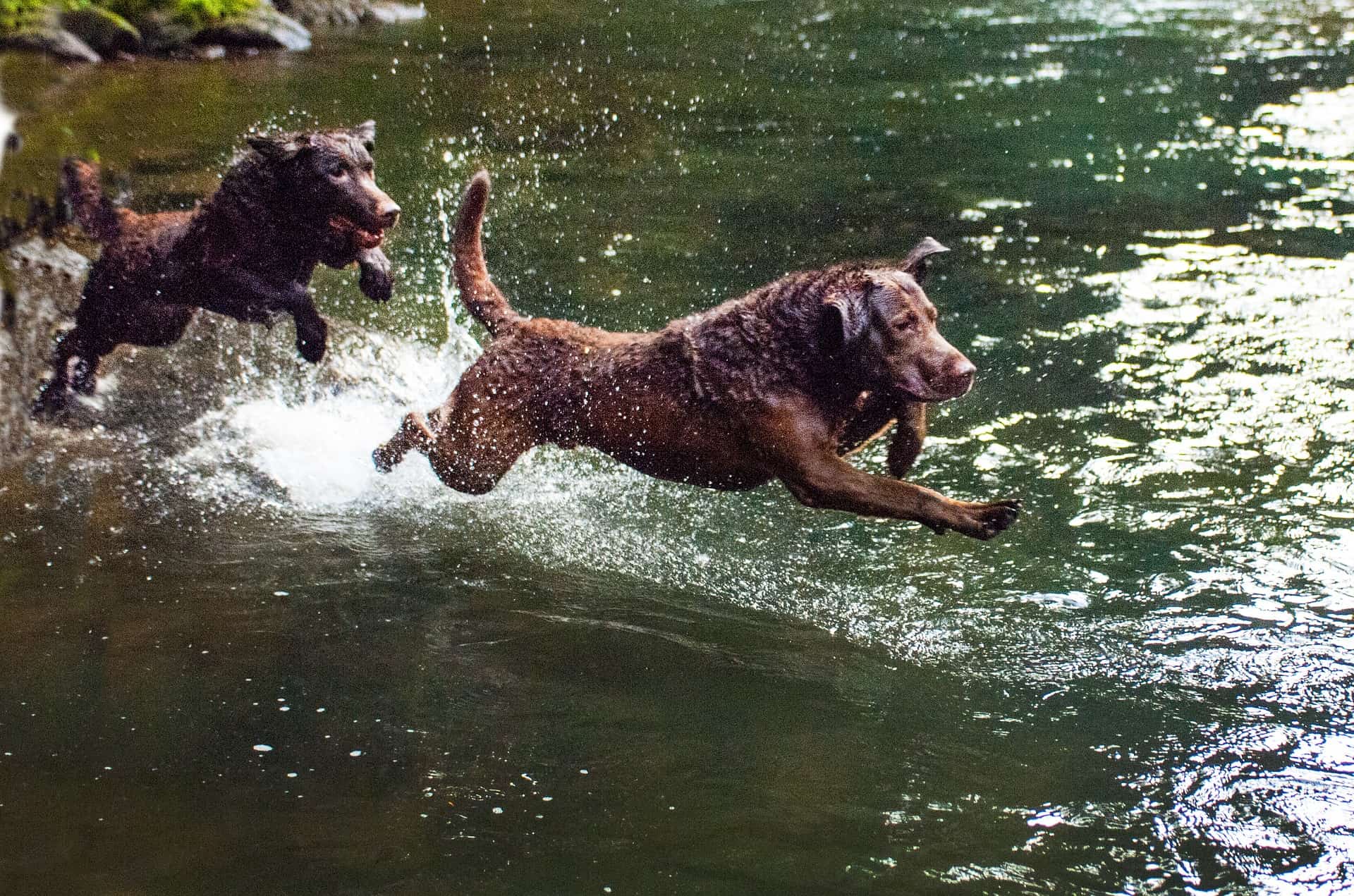
Purpose & Origin
The Chesapeake Bay Retriever has one of the more remarkable origin stories in American dog breeding. In 1807, an American vessel rescued the crew and cargo of a wrecked English brig off the Maryland coast. Among the salvage were two Newfoundland pups, one black and one red, who turned out to be exceptional water retrievers.
Local waterfowlers bred these dogs to retrievers of uncertain origin, and it is likely that Irish Water Spaniel, Newfoundland, and various hound crosses shaped what gradually became a distinct regional type. The goal was blunt: a dog that would dive repeatedly into the frigid, rough waters of the Chesapeake Bay and bring back duck after duck without losing track of where each bird fell. The AKC recognised the breed in 1885, making it one of the oldest recognised breeds and one of the very few developed entirely on American soil.
Temperament & Behaviour
The Chessie is the most strong-willed and protective of all the retriever breeds, which matters if you are comparing it to a Golden or a Lab. It is affectionate with its own family but openly reserved with strangers, and it will become protective if it feels the situation calls for it. It can be aggressive toward strange dogs when challenged.
Indoors it tends to settle and stay calm, but that composure should not be mistaken for softness. This is a dog that thinks for itself, and while it is willing to learn, it brings a measure of independence to every interaction. It is not a breed for someone who expects the easy-going compliance of a typical retriever.
Activity & Training
Daily exercise is non-negotiable for a Chessie. It loves to swim and retrieve, and that is the most natural outlet for its energy. The breed scores as moderately active rather than manic, but it is a large, working-built dog that will become restless and difficult without consistent physical work. Training requires patience and consistency. The Chessie's independent streak means it will test a soft hand, but it responds well to a calm, confident owner who sets clear expectations. It is not the easiest retriever to train, but it is far from untrainable.
Grooming
The coat is one of the Chessie's defining features: oily, wavy, and naturally water-resistant. Weekly brushing keeps it tidy, and beyond that it largely takes care of itself. Bathing should be infrequent because soap and water strip the coat's oils and undermine the very insulation that lets the dog work in icy conditions. Grooming demands are low overall.
Health
The Chessie is a generally hardy breed with a life span of ten to thirteen years. Hip dysplasia and gastric torsion are the primary concerns to screen for. Progressive retinal atrophy and hypothyroidism appear less commonly, and occasional cases of elbow dysplasia, entropion, and OCD have been noted. Hip, eye, and elbow evaluations are the standard recommended checks.
Why these breeds are similar
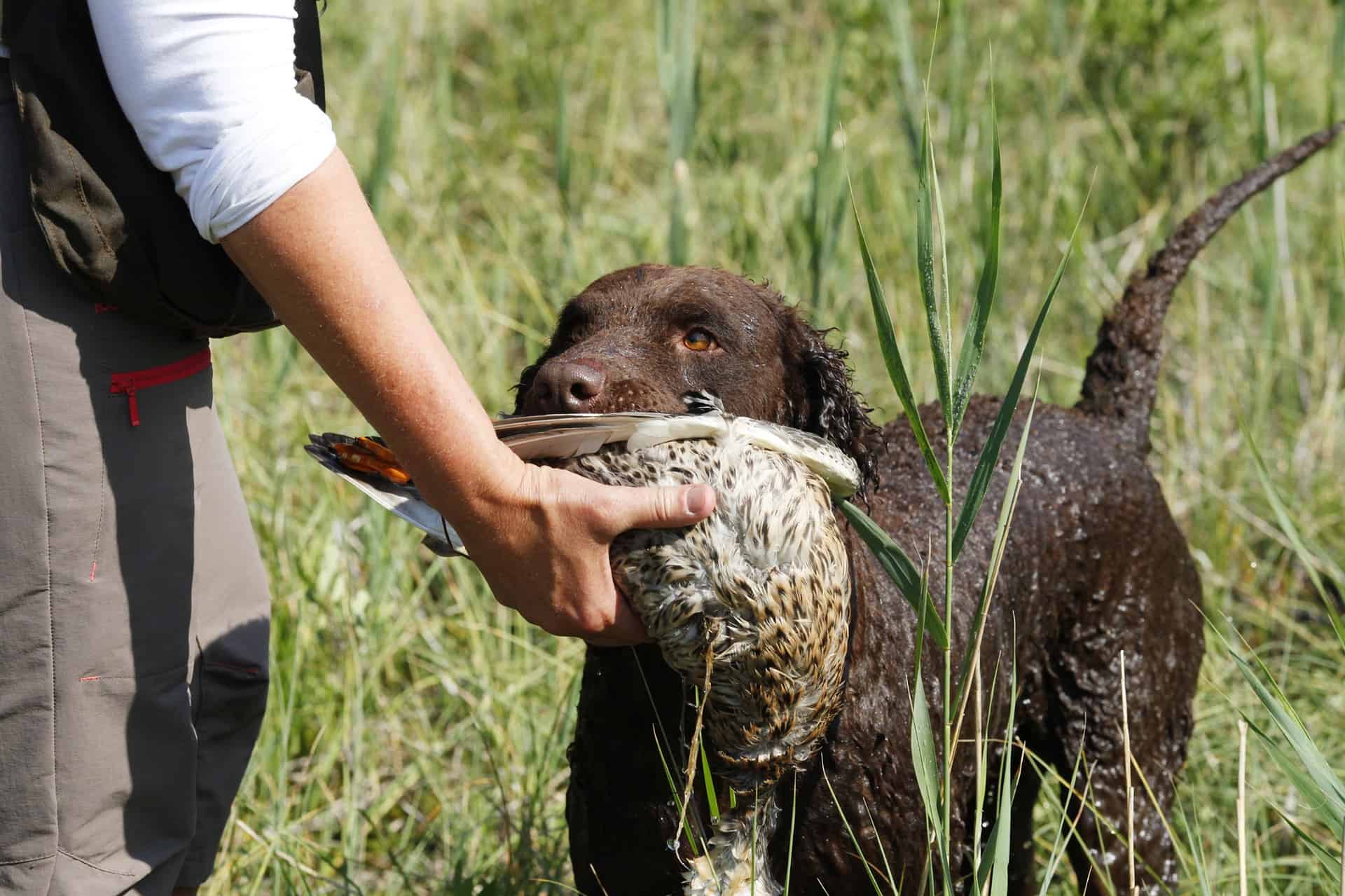
The **Curly Coated Retriever** shares the Chessie's role as a water retriever built for serious work, and both breeds carry a more independent, reserved temperament than the average retriever, making them the two most "serious" members of the group.
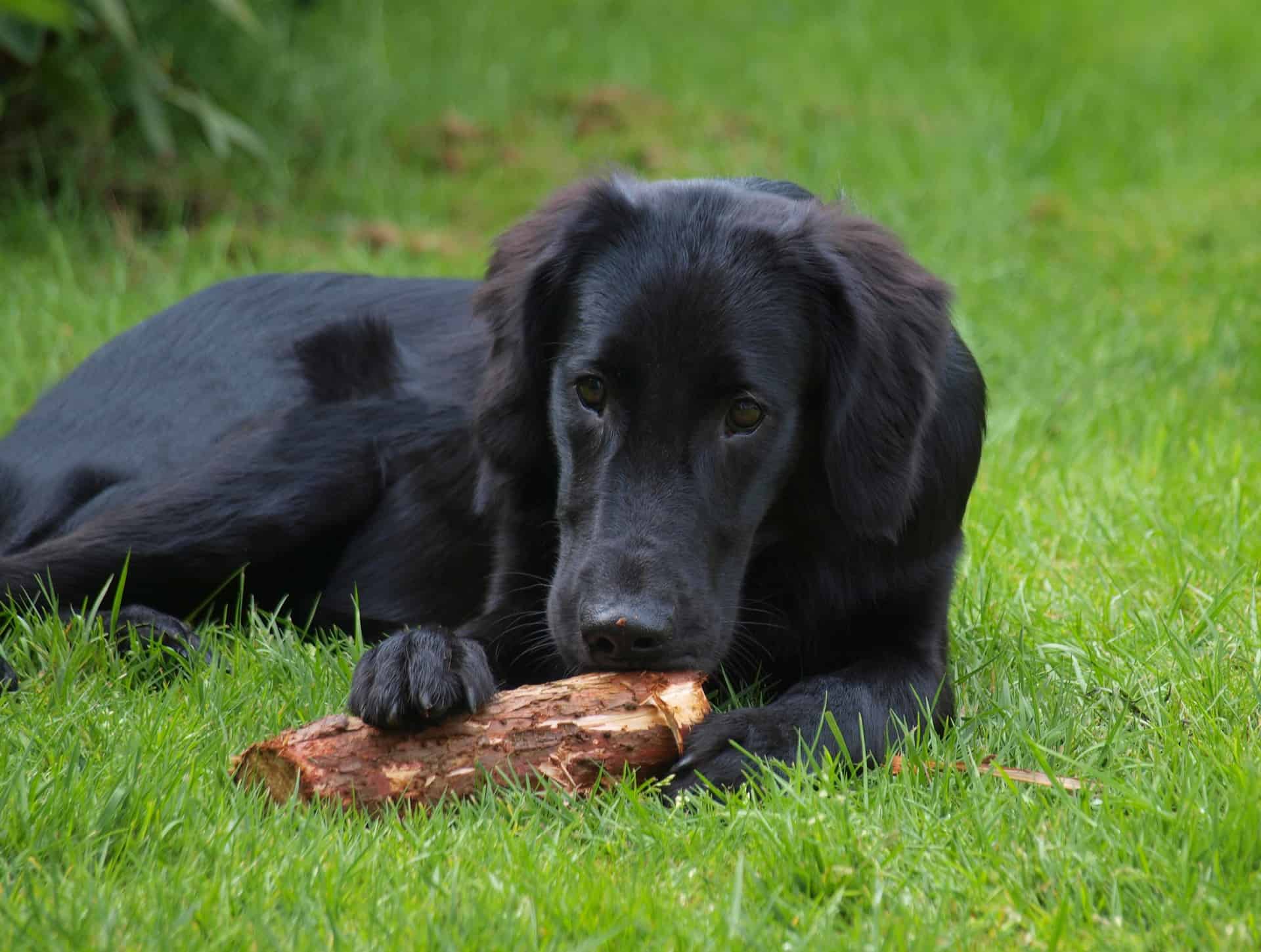
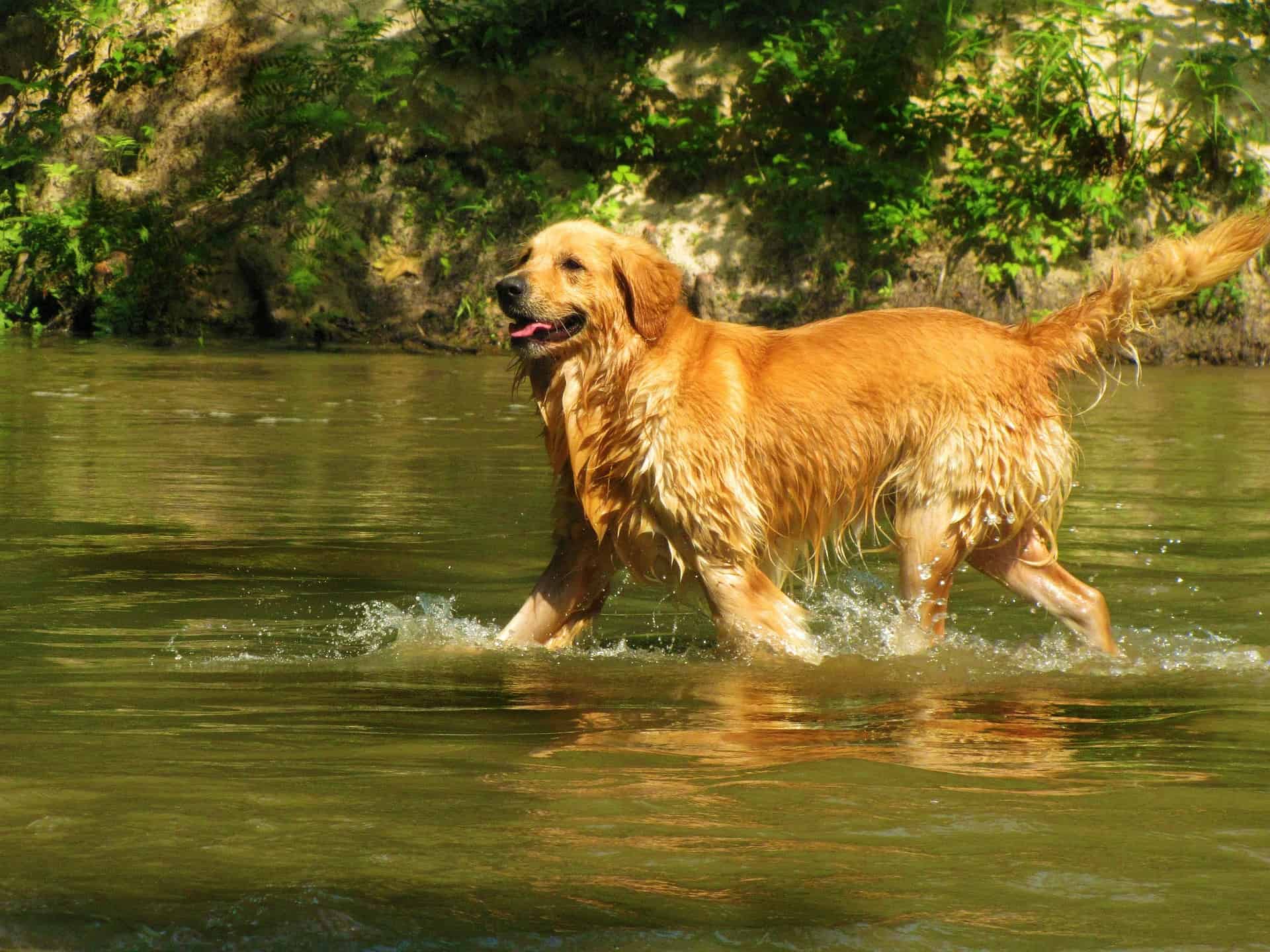
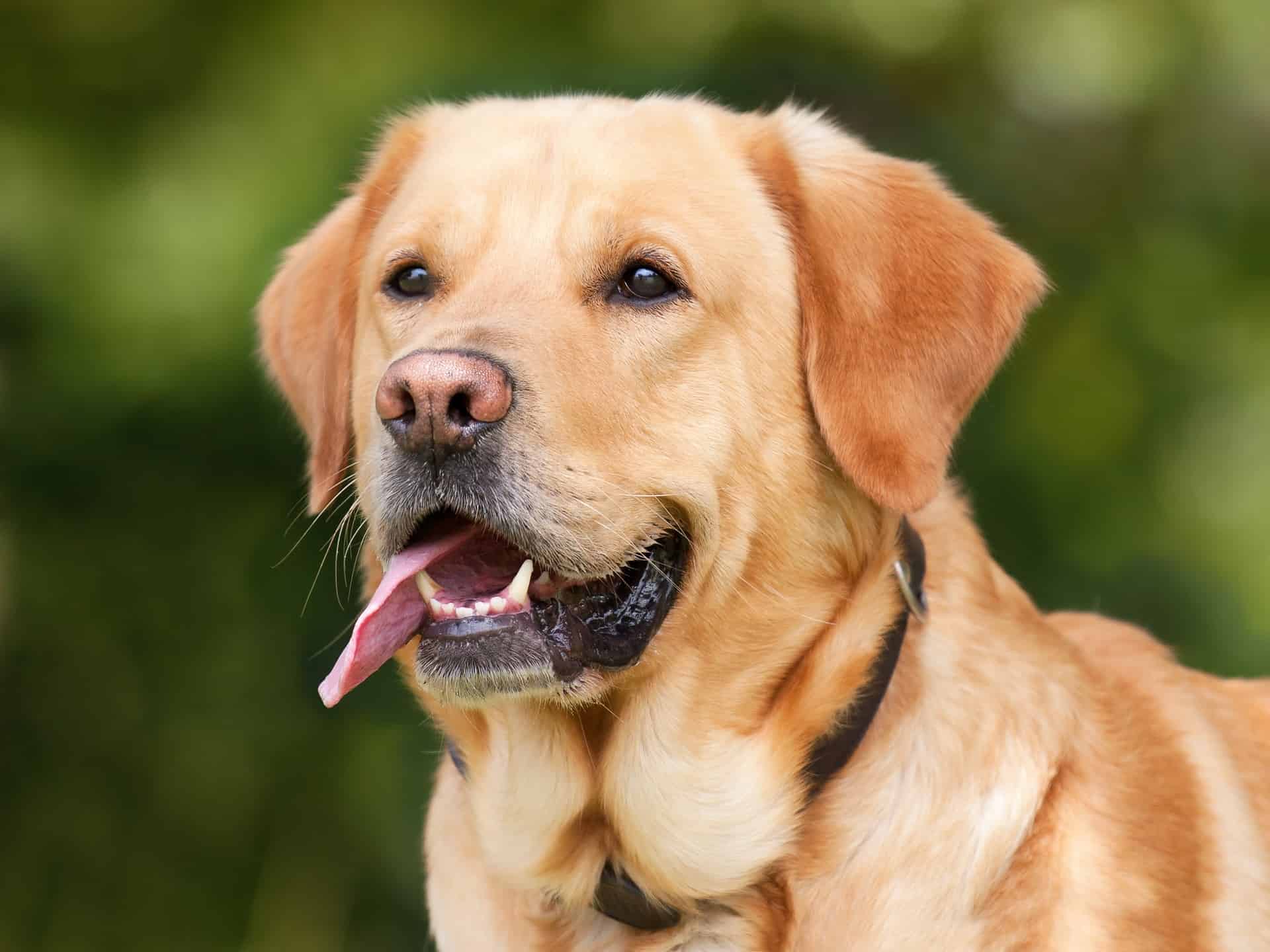
The **Flat Coated Retriever** is a working gundog retriever of similar size and build, bred for the same flushing and fetching tasks, though it leans far more toward the cheerful and sociable end of the temperament scale. The **Golden Retriever** and **Labrador Retriever** are the closest relatives in purpose, both developed as waterfowl and upland bird retrievers for hunters, and both share the Chessie's core drive to mark and retrieve.
The Labrador in particular overlaps in build and working function; the contrast is in character, as the Lab is far more tractable and stranger-friendly where the Chessie is guarded and willful.
Trait ratings
- Energy level
- 3/5
- Exercise requirements
- 3/5
- Playfulness
- 3/5
- Affection level
- 4/5
- Friendliness toward dogs
- 3/5
- Friendliness toward other pets
- 3/5
- Friendliness toward strangers
- 2/5
- Ease of training
- 3/5
- Watchdog ability
- 4/5
- Protection ability
- 3/5
- Grooming requirements
- 2/5
- Cold tolerance
- 4/5
- Heat tolerance
- 3/5