Labrador Retriever
From Great Britain
Purpose & Origin
The Labrador Retriever began not in Labrador but on the island of Newfoundland, where it was known as the St. John's or Lesser Newfoundland. These medium-sized, close-coated black dogs were working water dogs in every sense: they retrieved game, hauled fish from nets, and pulled small fishing boats through freezing water. English sportsmen noticed them in the early 1800s and brought a core group back to Britain, where breeders crossed them with other retrievers and developed the breed's reputation as a superb upland game retriever.
The breed nearly vanished in Newfoundland due to a prohibitive dog tax, but the English lines carried on. Black was the only accepted color for most of the 1800s; yellow and chocolate were culled until the early 1900s. The English Kennel Club recognised the breed in 1903, the AKC in 1917, and by 1991 it had become the most popular breed in the United States, a position it has held ever since.
Temperament & Behaviour
The Lab earns its popularity. It is affectionate with everyone, tolerates children and other pets with genuine patience, and treats strangers as friends rather than threats. It can be a calm housedog, a boisterous yard companion, and a focused field dog all within the same afternoon. The hunting instinct runs deep: Labs are hard-wired to roam and retrieve, and breeders have a saying that a Lab's home is "under his hat." A bored or under-exercised Lab will find its own entertainment, usually destructive. With adequate outlet, it is one of the most biddable and even-tempered breeds in existence.
Activity & Training
Labs need daily exercise, and the best kind involves water or retrieving. Swimming is not a preference but a drive: owners with pools will either fence them off or share them. Energy level is high and playfulness is off the charts, so a brisk walk is rarely enough on its own. The payoff is that the Lab is one of the easiest breeds to train, genuinely eager to work with its handler and quick to understand what is being asked. It excels in obedience, field work, service roles, and search-and-rescue. Mental stimulation matters as much as physical exercise; a Lab that has nothing to think about will get into trouble.
Grooming
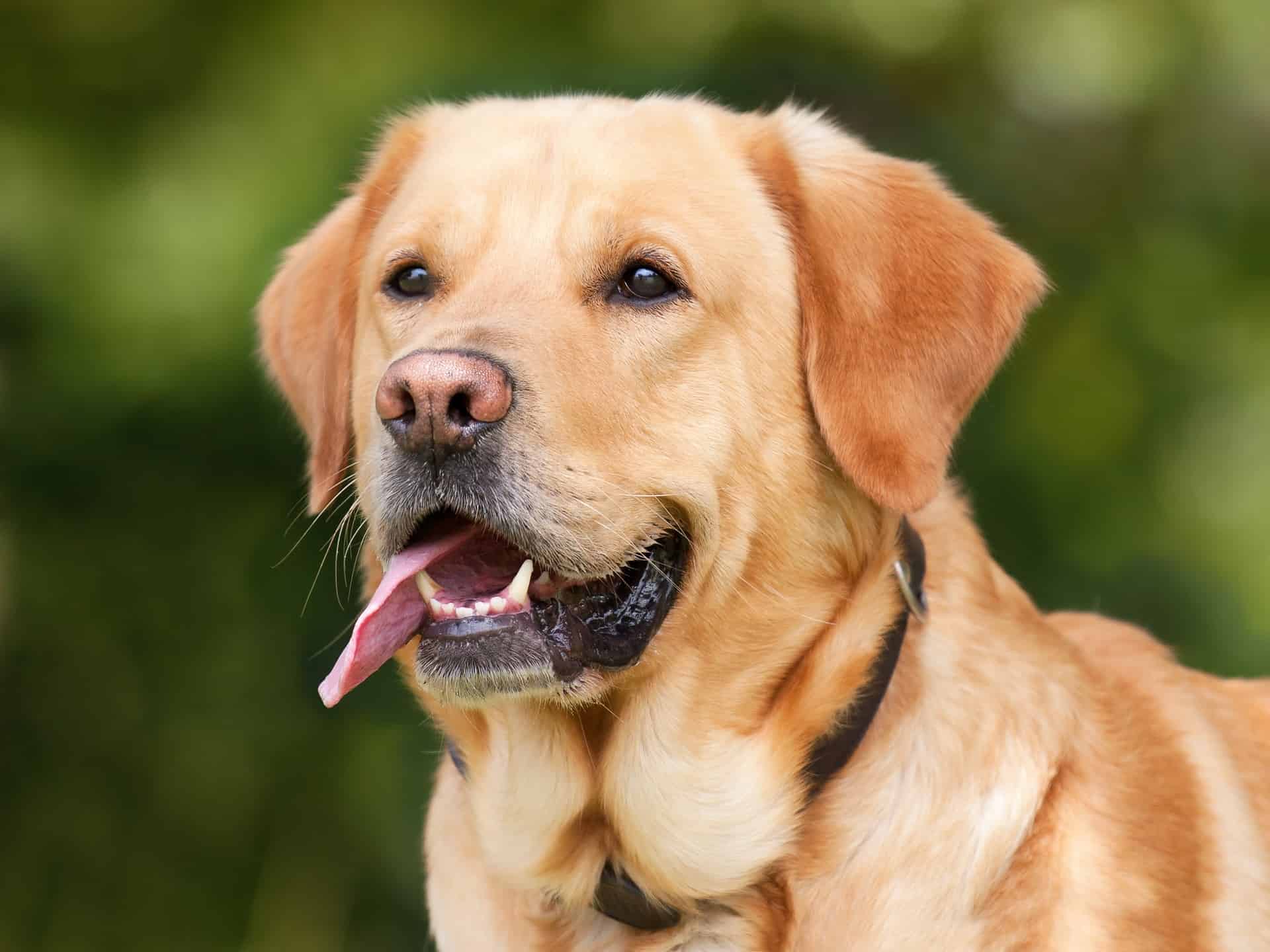
The Lab coat is short, dense, and weather-resistant, designed to shed water quickly after a swim. Grooming requirements are low: a weekly brush pulls out dead hair and keeps shedding manageable. The coat does shed, particularly seasonally, so regular brushing is worth doing. No clipping or trimming is needed.
Health
Hip and elbow dysplasia are the main structural concerns, and OCD and patellar luxation also appear in the breed. Obesity is a real risk given the Lab's appetite and easy-going nature; weight management is part of ownership. Eye conditions including cataracts and retinal dysplasia have been recorded, as has exercise-induced collapse in some lines. Responsible breeders test for hip, elbow, and eye health. Life expectancy is 10 to 12 years.
Why these breeds are similar
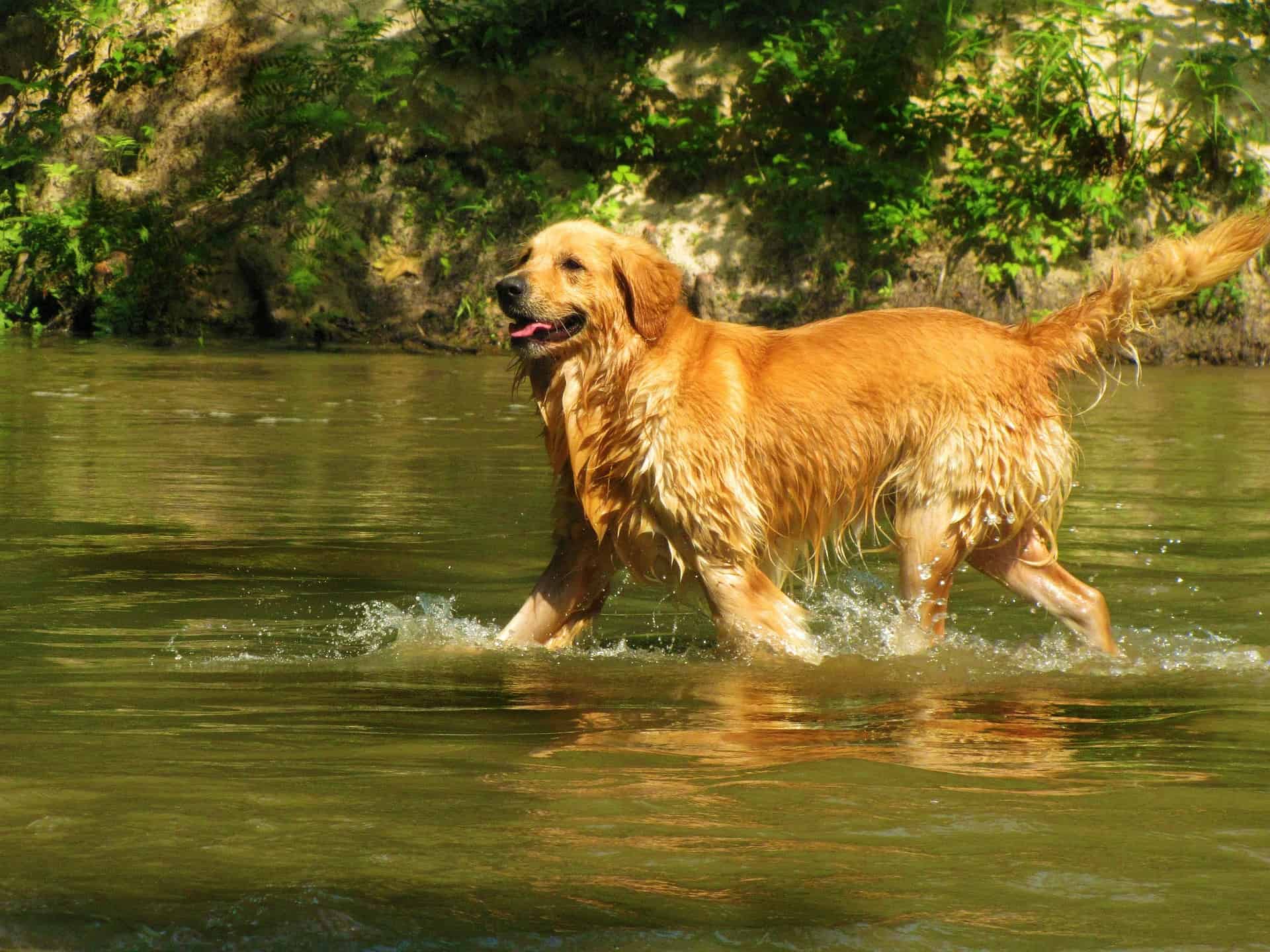
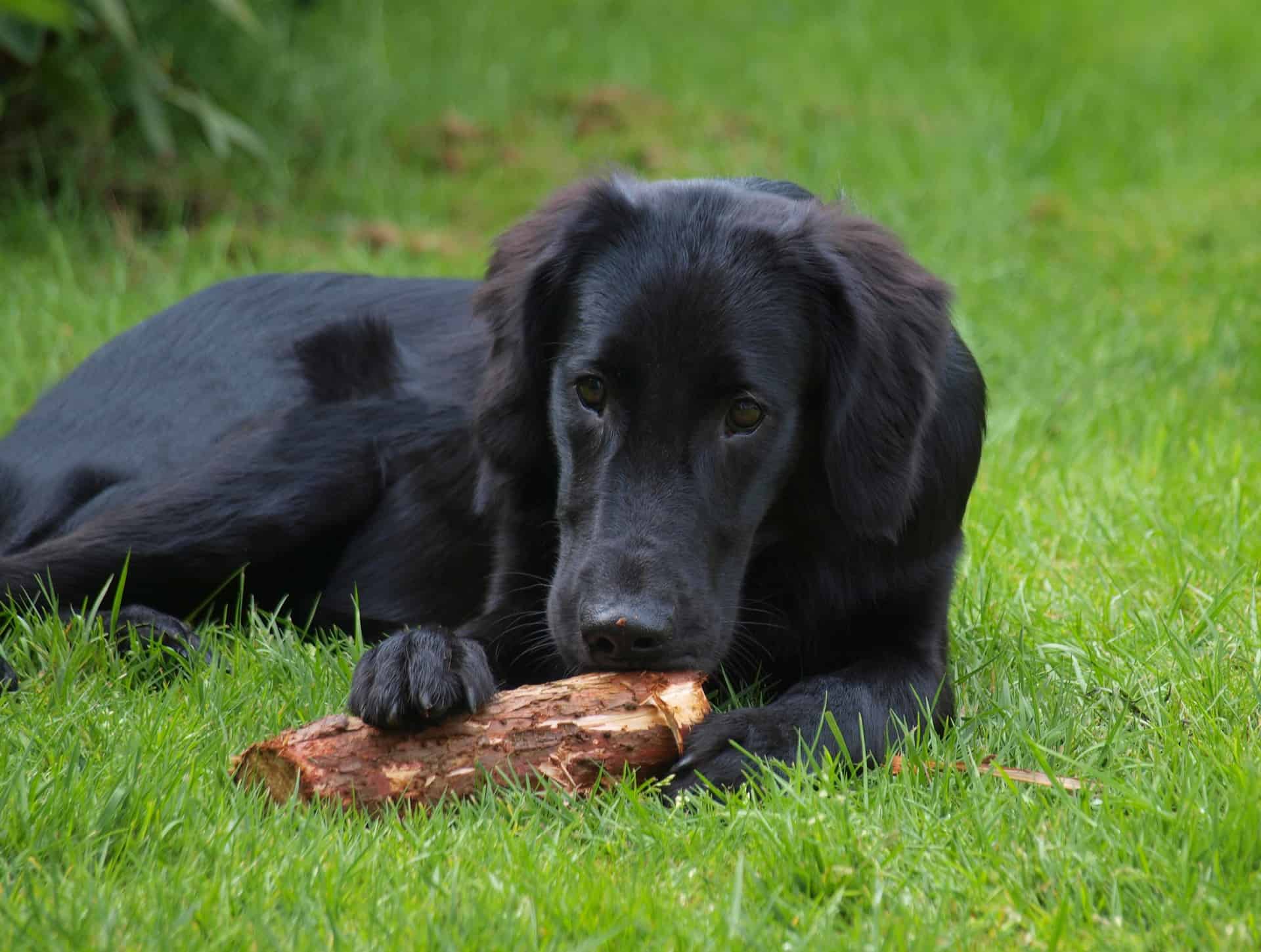
The Golden Retriever is the Lab's closest social twin: same gundog heritage, same family-oriented temperament, same eagerness to please, differing mainly in coat length and the Golden's slightly softer edge. The Flat-Coated Retriever shares the same Victorian English retriever roots and brings similar energy and trainability in a leggier, wavier-coated frame.
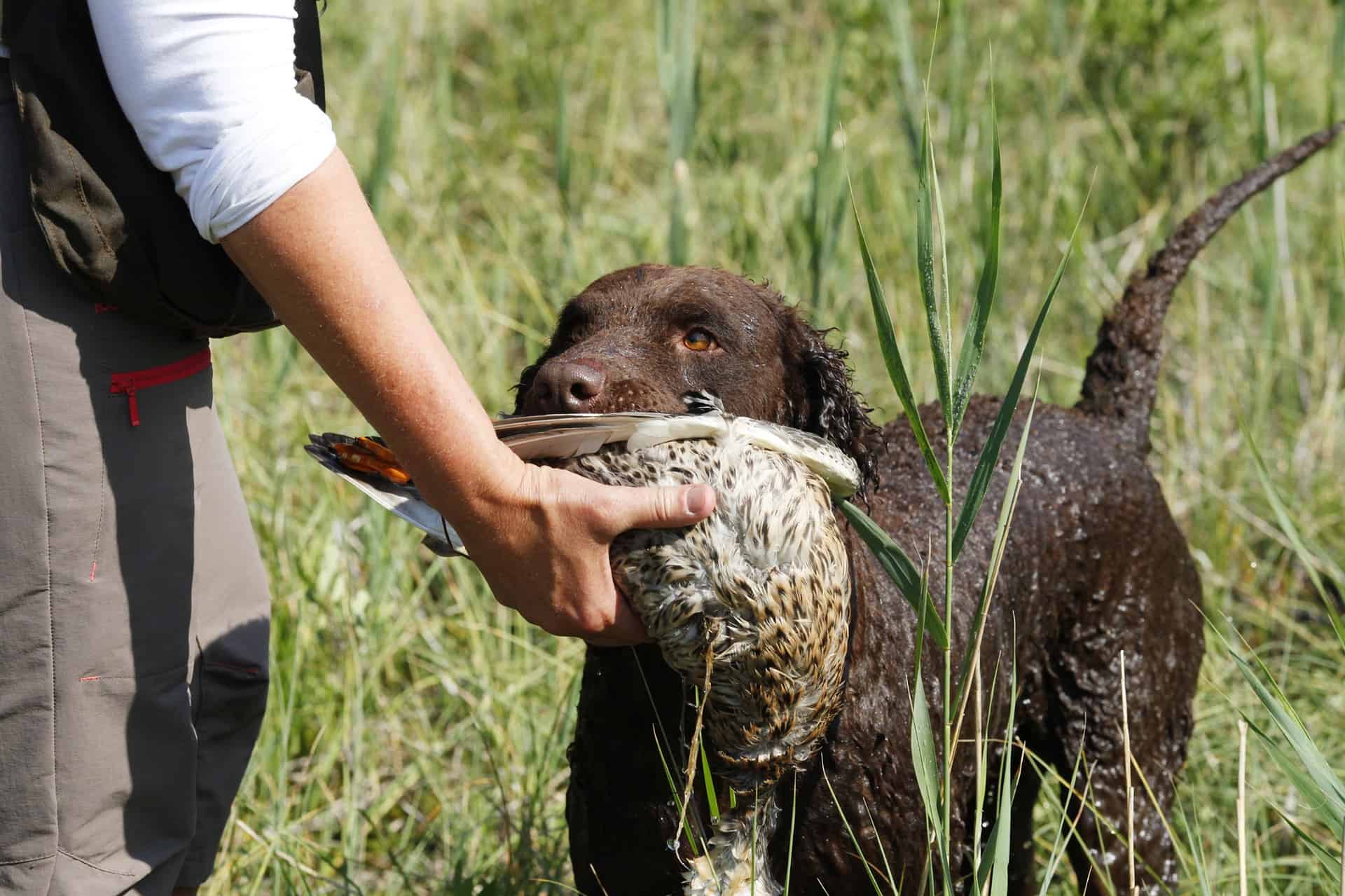
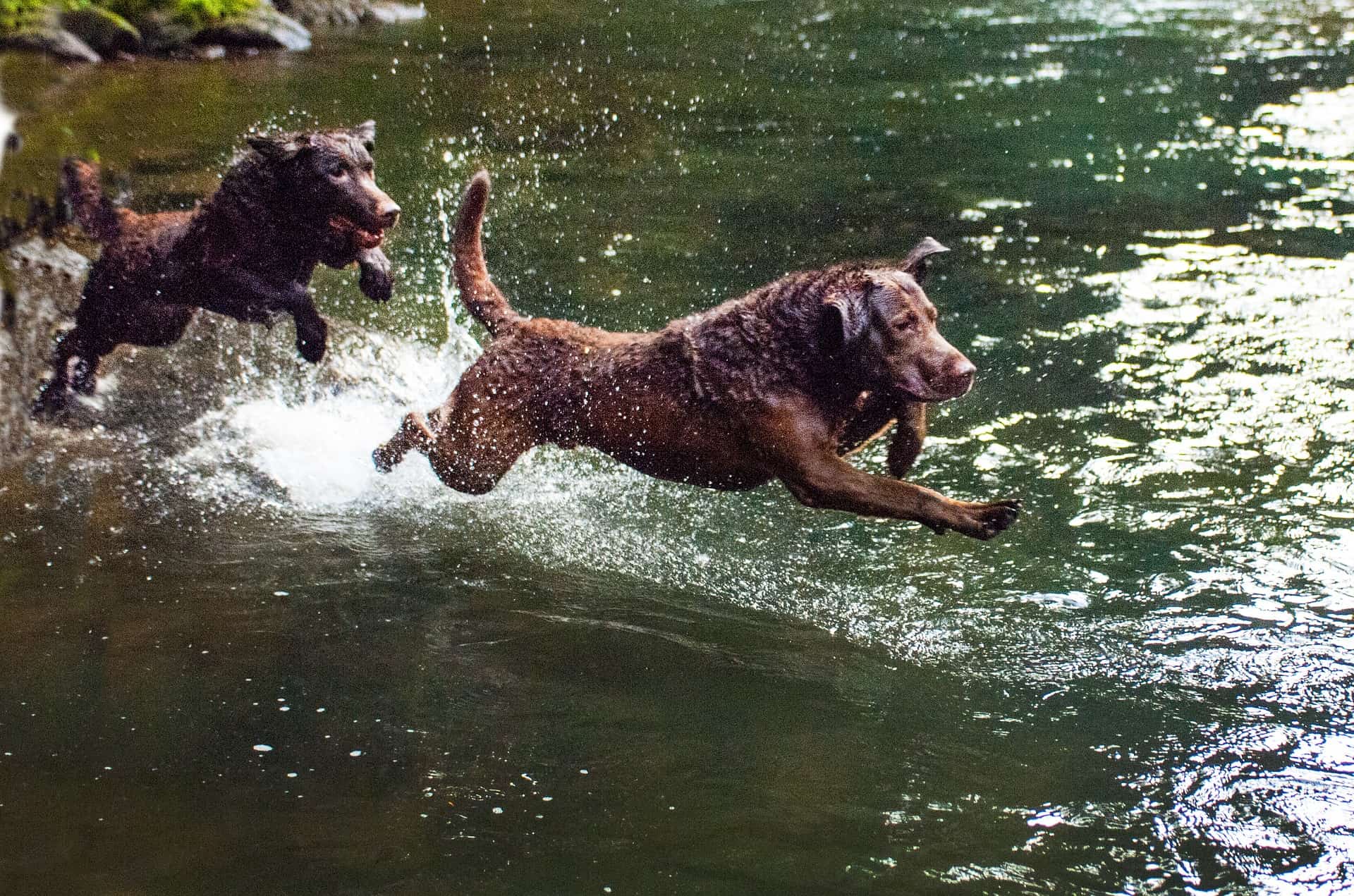
The Curly Coated Retriever comes from the same working lineage but is more independent and reserved, built for rougher conditions with a tight curled coat that insulates in cold water. The Chesapeake Bay Retriever is the Lab's harder-edged American cousin: another cold-water duck dog, but more protective and less forgiving of rough handling, with a characteristic oily, wavy coat.
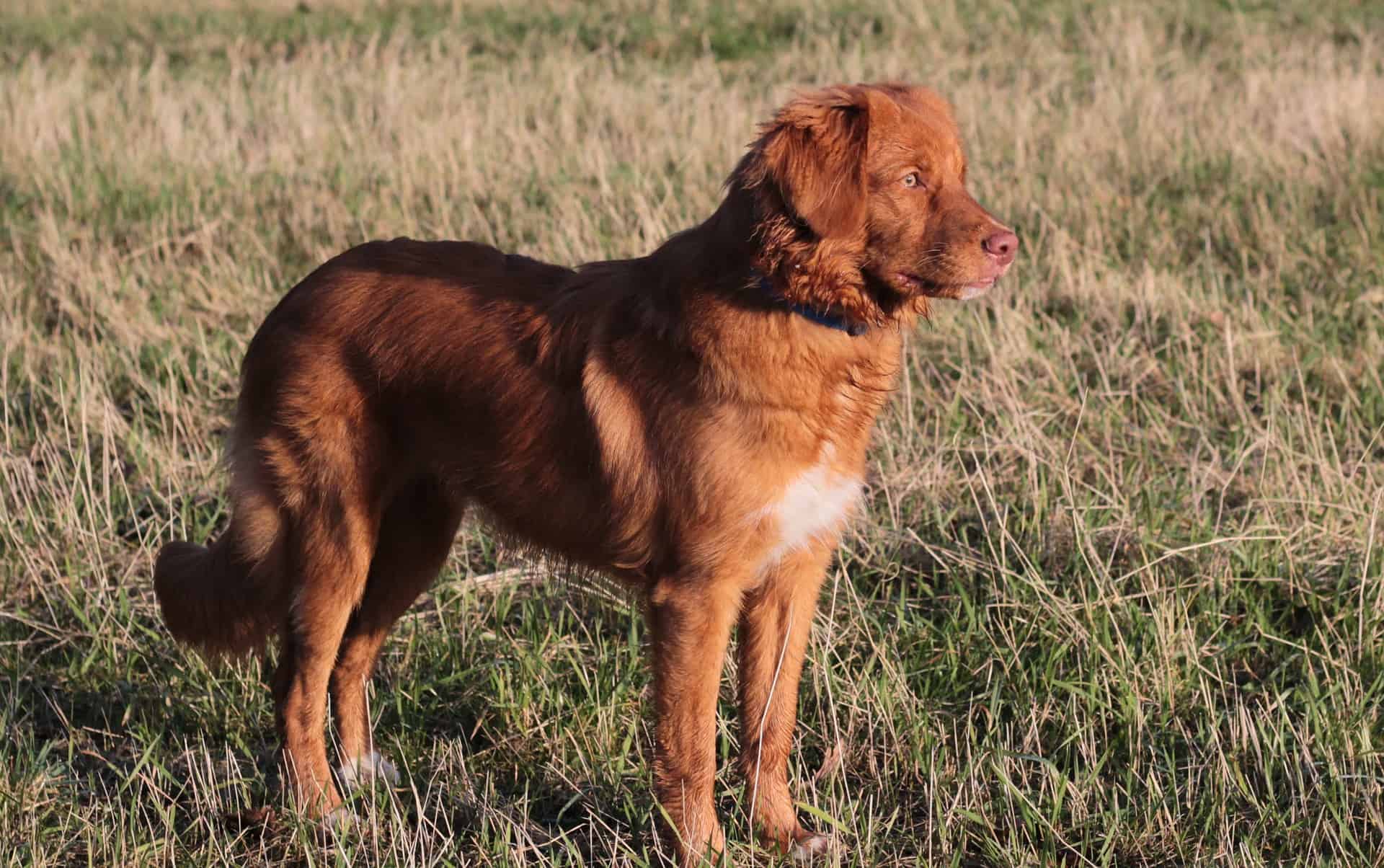
The Nova Scotia Duck Tolling Retriever is the smallest of the group, bred for a different technique (luring ducks within range), but shares the retrieving drive, the love of water, and the high-energy working temperament that connects all five breeds to the Lab.
Trait ratings
- Energy level
- 4/5
- Exercise requirements
- 3/5
- Playfulness
- 5/5
- Affection level
- 5/5
- Friendliness toward dogs
- 4/5
- Friendliness toward other pets
- 5/5
- Friendliness toward strangers
- 5/5
- Ease of training
- 5/5
- Watchdog ability
- 4/5
- Protection ability
- 2/5
- Grooming requirements
- 2/5
- Cold tolerance
- 4/5
- Heat tolerance
- 3/5