Curly Coated Retriever
From Great Britain
Purpose & Origin
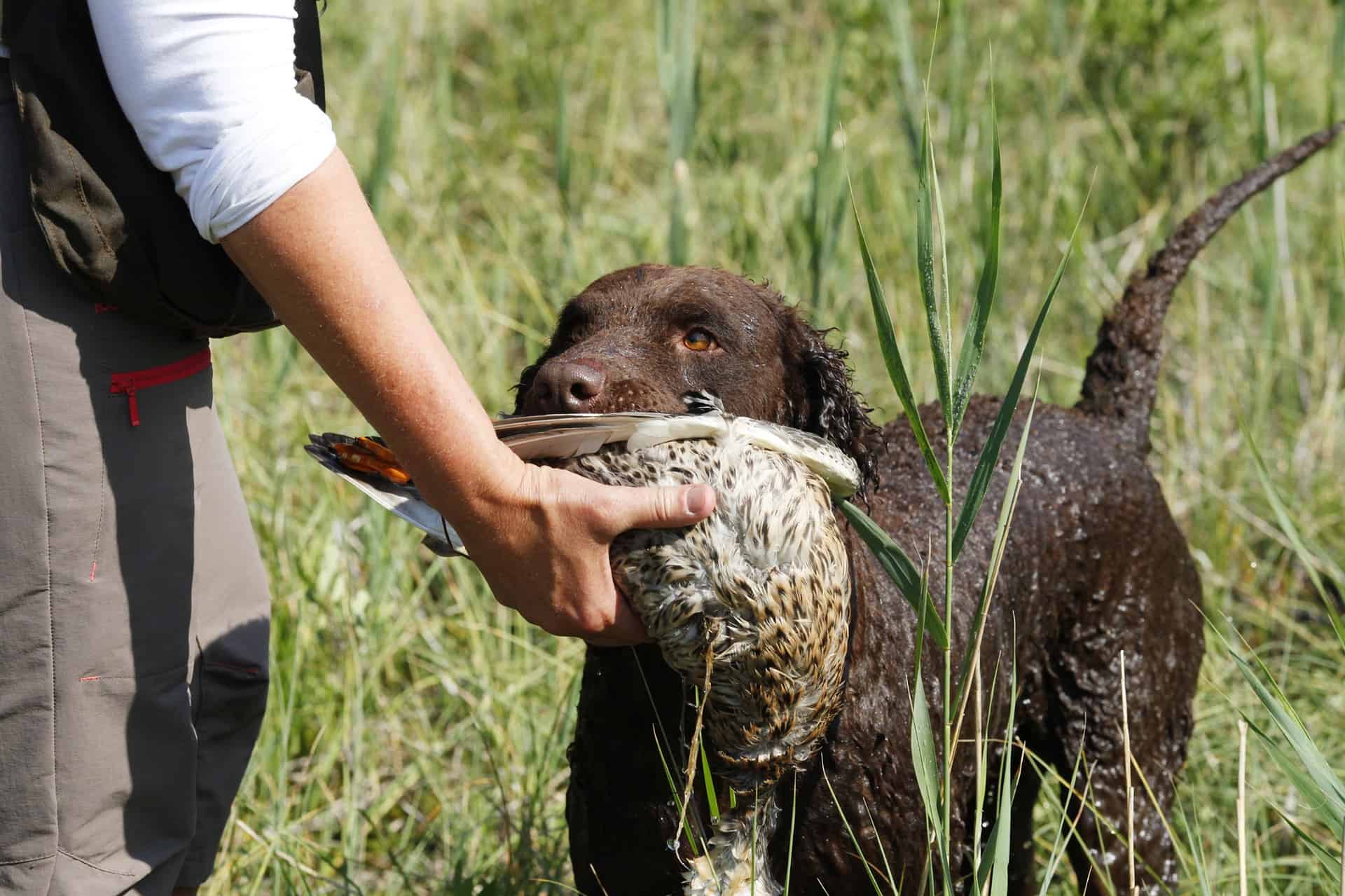
The Curly-Coated Retriever is one of the oldest retrieving breeds, with roots in England stretching back to the late 1700s. Its ancestry is speculative but likely traces to crosses between the Old English Water Dog, the Irish Water Spaniel, and a smaller strain of Newfoundland, later refined with Poodle to tighten those characteristic curls.
The combination produced an exceptional water dog, and by the mid-1800s it was the most popular retriever in England, valued both for its retrieving ability and as a steady, dependable companion. It was among the first breeds shown at English dog shows, and exports to Australia and New Zealand were enthusiastically received.
In America, the breed gained AKC recognition in 1924 but never built a large following. A reputation for being hard-mouthed contributed to the decline, though that reputation appears to have been undeserved: handlers who have worked the breed consistently report a soft mouth.
Temperament & Behaviour
The Curly is a study in contrasts: tireless and driven in the field, calm and settled in the house. It is gentle and sensitive, good with children, and genuinely loyal to its family. It does not warm quickly to strangers, and that natural reserve, combined with solid watchdog instincts, makes it a more discerning dog than many of the retrieving breeds. It is among the more courageous retrievers, but sensitivity runs through the breed, so harsh handling lands poorly. This is a dog that bonds closely and wants to be part of an active household, not left in a kennel.
Activity & Training
Exercise needs are moderate rather than extreme, but the Curly's preferred outlet is the water. Swimming and retrieving sessions satisfy it far better than simple road walking, and a dog with regular access to water will be easier to live with than one denied it. Training is manageable for an engaged owner: the breed is intelligent and responsive to commands, though it thinks for itself and does not perform mechanically. Repetitive drills bore it. Varied, reward-based sessions work better, and starting early matters.
Grooming
The coat is the Curly's most distinctive feature and, surprisingly, one of the lower-maintenance coats in the retriever group. Brushing disturbs the tight curls and should be avoided most of the time. Occasional combing, ideally before the dog gets wet, keeps the coat in order. A small amount of scissoring tidies stray hairs. During shedding seasons the coat does require more regular attention, but the day-to-day upkeep is minimal compared to flat or wavy-coated breeds.
Health
The main concern in the breed is canine hip dysplasia, and hip testing is strongly recommended before breeding. Occasional issues include distichiasis, cataracts, and elbow dysplasia. Lifespan runs roughly 8 to 12 years. Cardiac and eye screening are part of the responsible breeder's standard protocol.
Why these breeds are similar
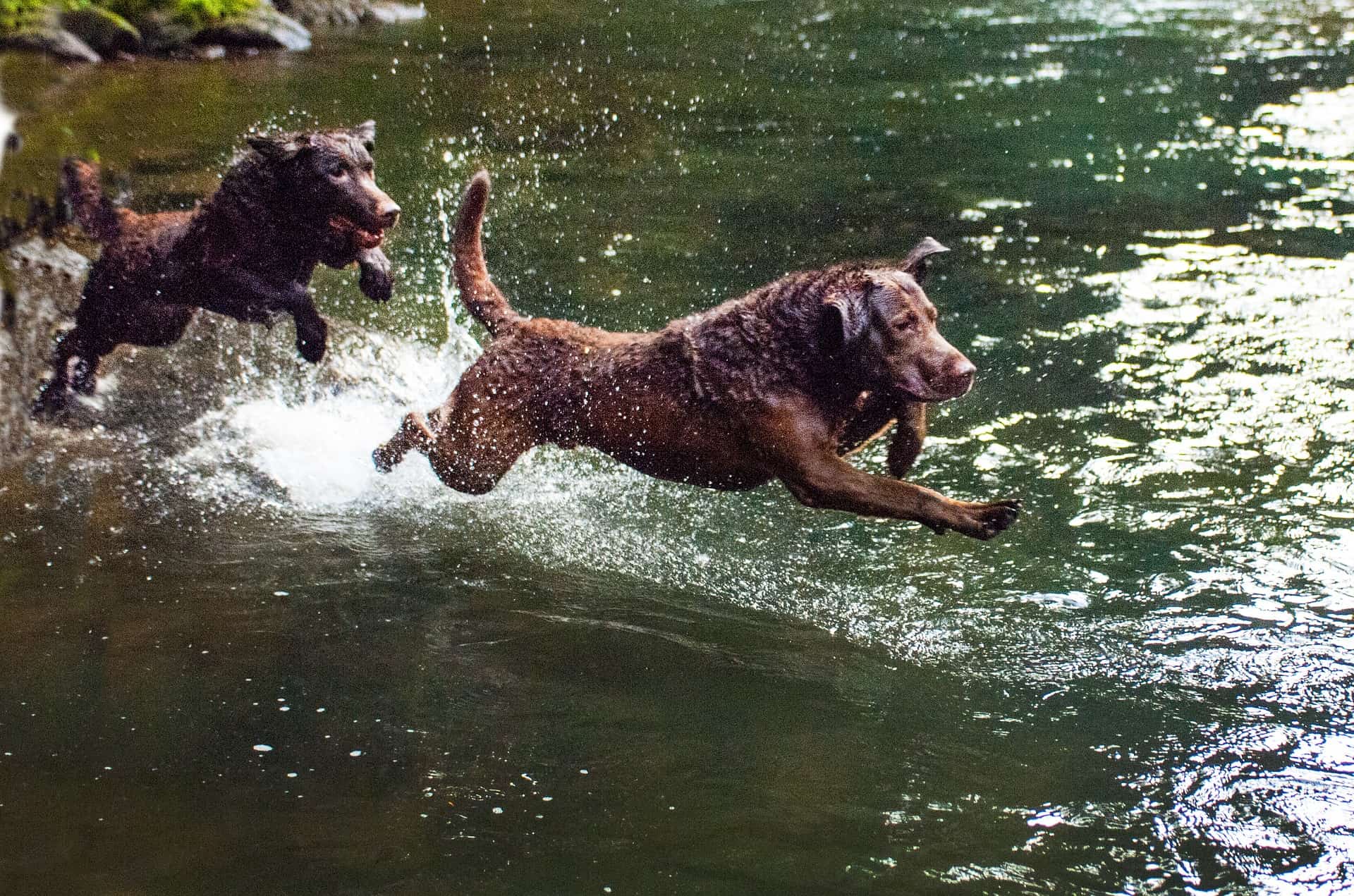
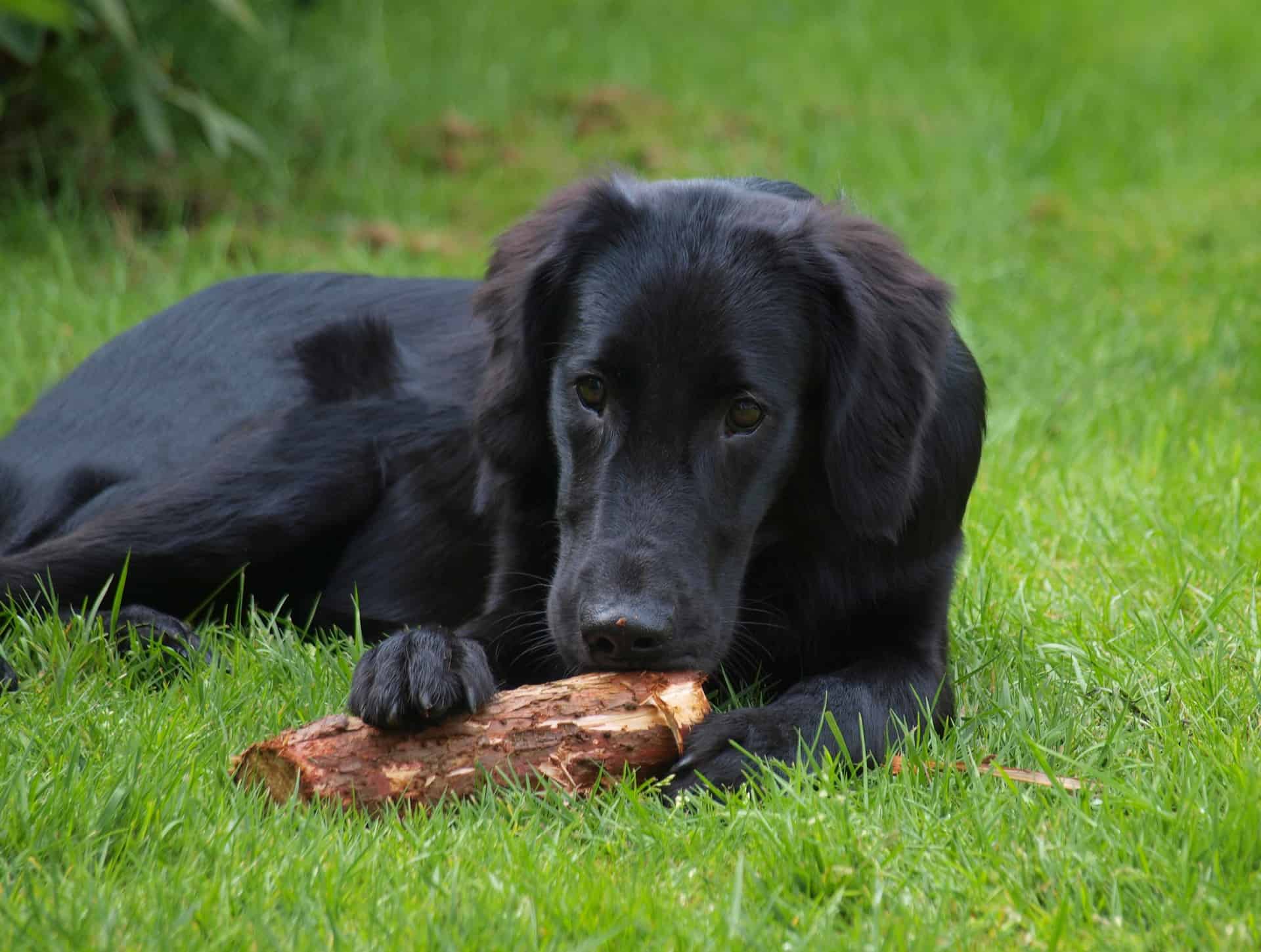
The **Chesapeake Bay Retriever** is the closest parallel: another serious, capable water retriever with a dense weather-resistant coat, a reserved temperament with strangers, and a working intensity that sets it apart from the more social retriever breeds. The **Flat-Coated Retriever** shares the same English retriever lineage and gundog purpose, though it is friendlier and more exuberant where the Curly is reserved.
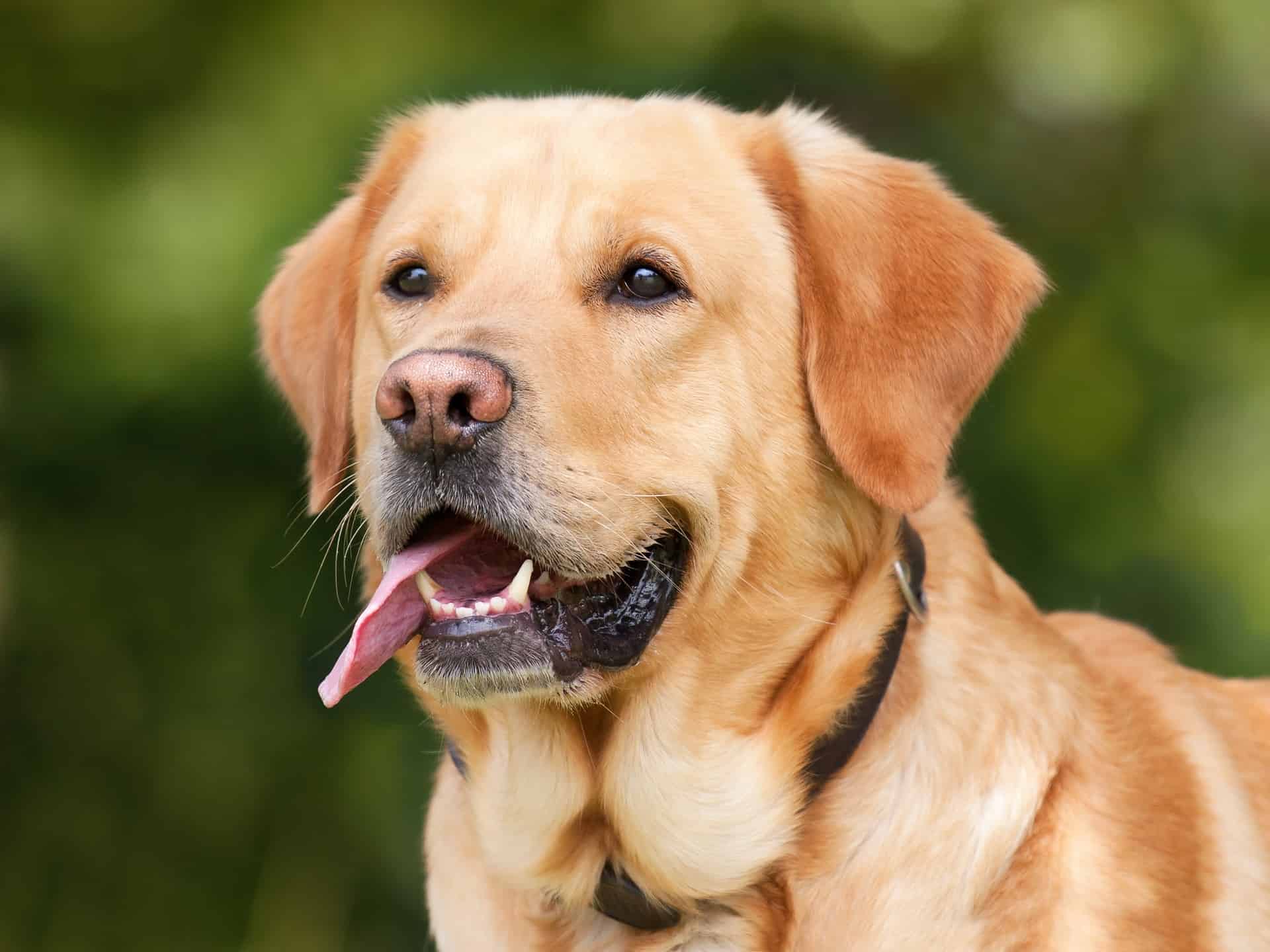
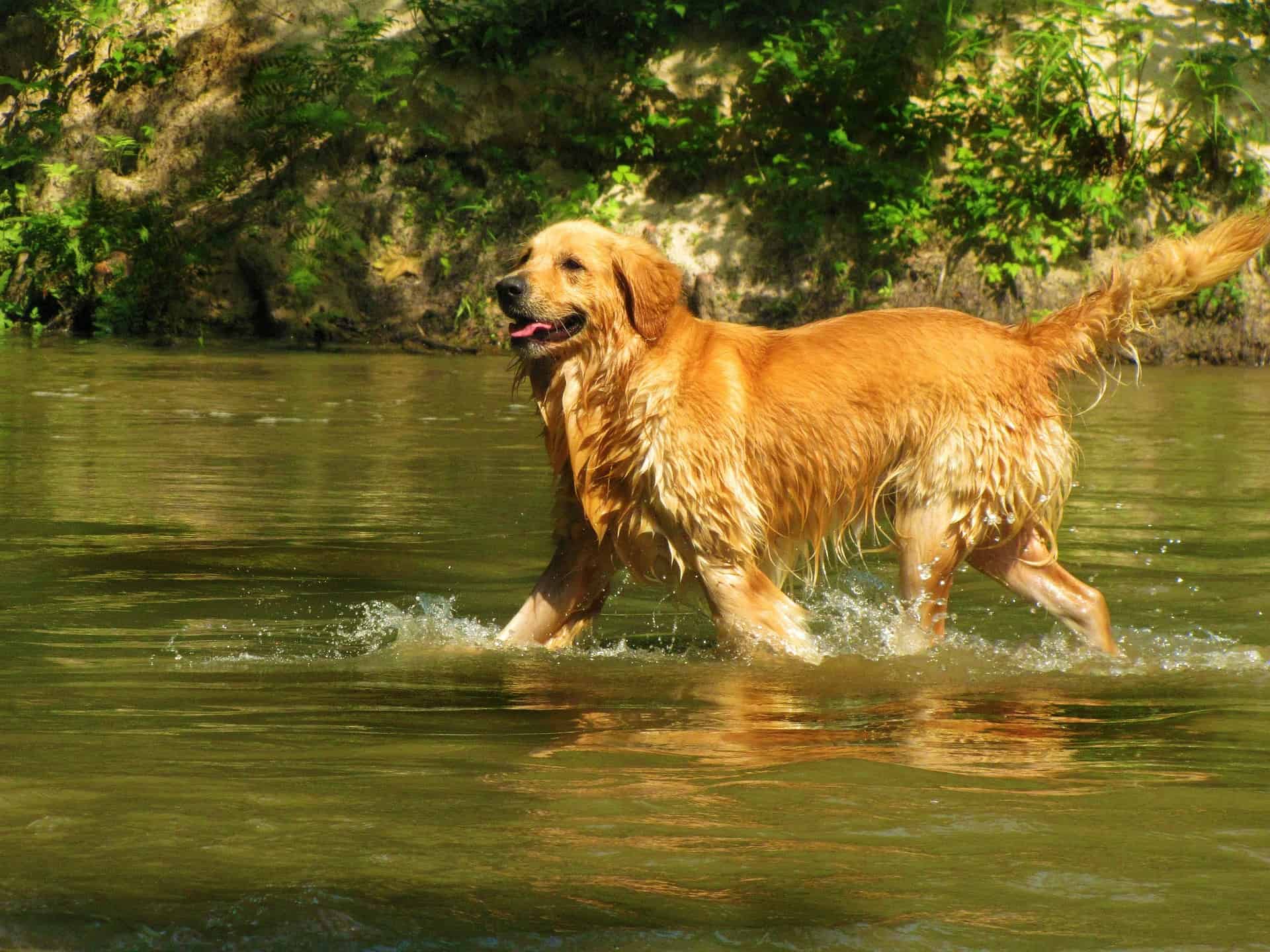
The **Labrador Retriever** and **Golden Retriever** occupy the same functional niche as all-purpose waterfowl and upland dogs, and both share the Curly's soft mouth and trainability, though both are considerably more outgoing with strangers. The **Portuguese Water Dog** and **Spanish Water Dog** connect through the water-work ancestry and the curly, low-maintenance coat, both breeds having been developed to work alongside fishermen in conditions that demand exactly the cold tolerance and water affinity the Curly was bred for.
Trait ratings
- Energy level
- 3/5
- Exercise requirements
- 3/5
- Playfulness
- 3/5
- Affection level
- 3/5
- Friendliness toward dogs
- 3/5
- Friendliness toward other pets
- 4/5
- Friendliness toward strangers
- 2/5
- Ease of training
- 3/5
- Watchdog ability
- 4/5
- Protection ability
- 2/5
- Grooming requirements
- 1/5
- Cold tolerance
- 4/5
- Heat tolerance
- 3/5