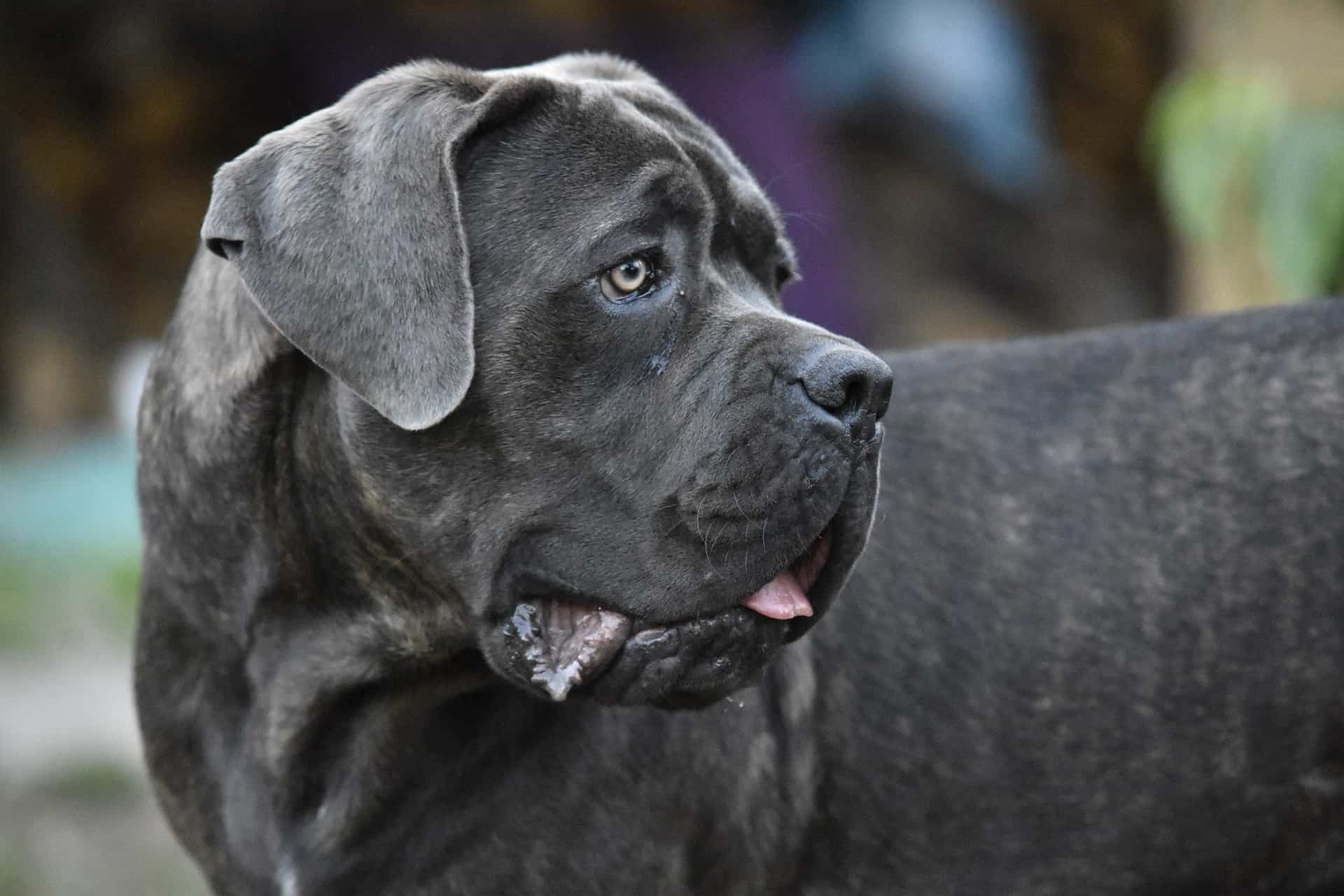
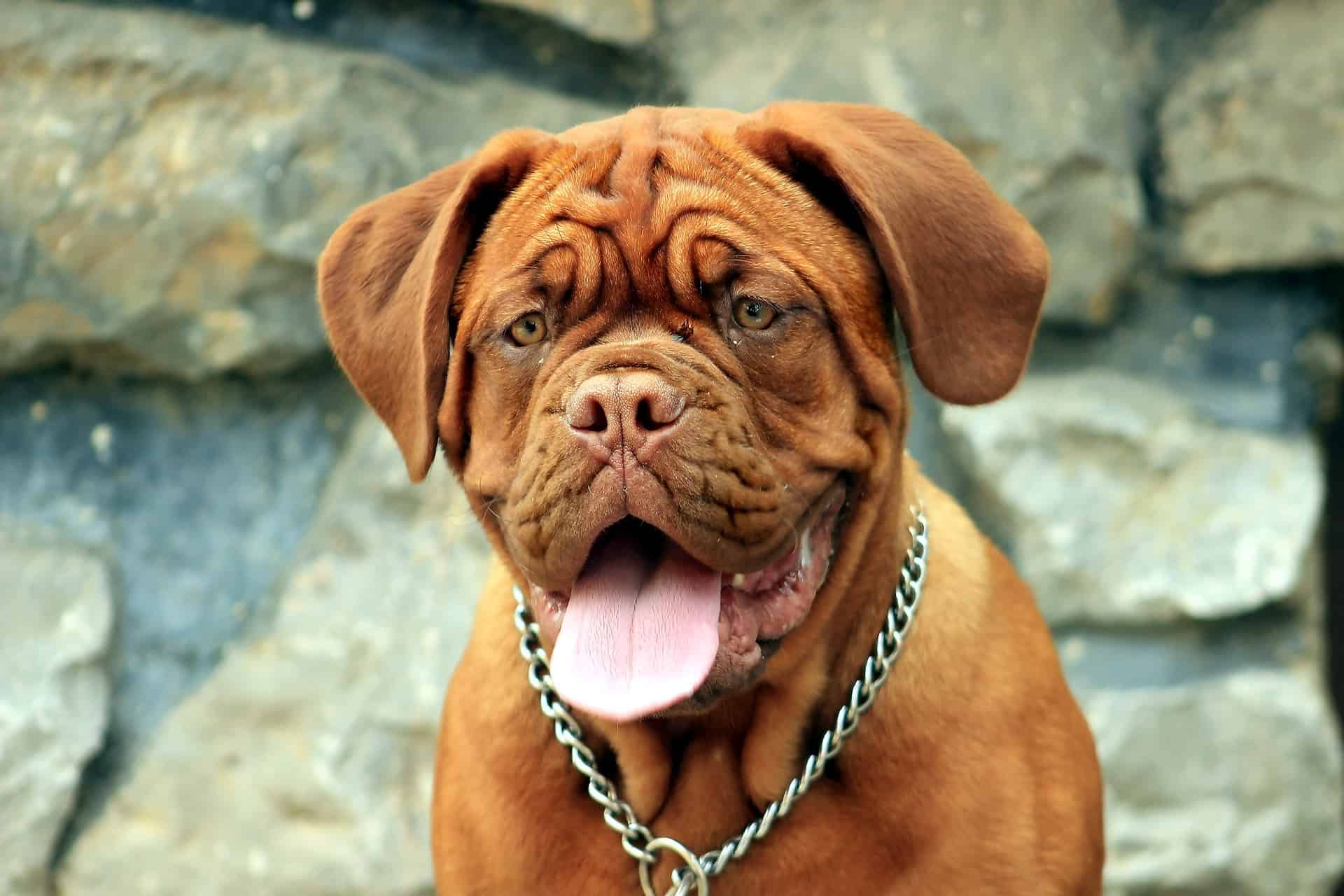
Dogue De Bordeaux
From France
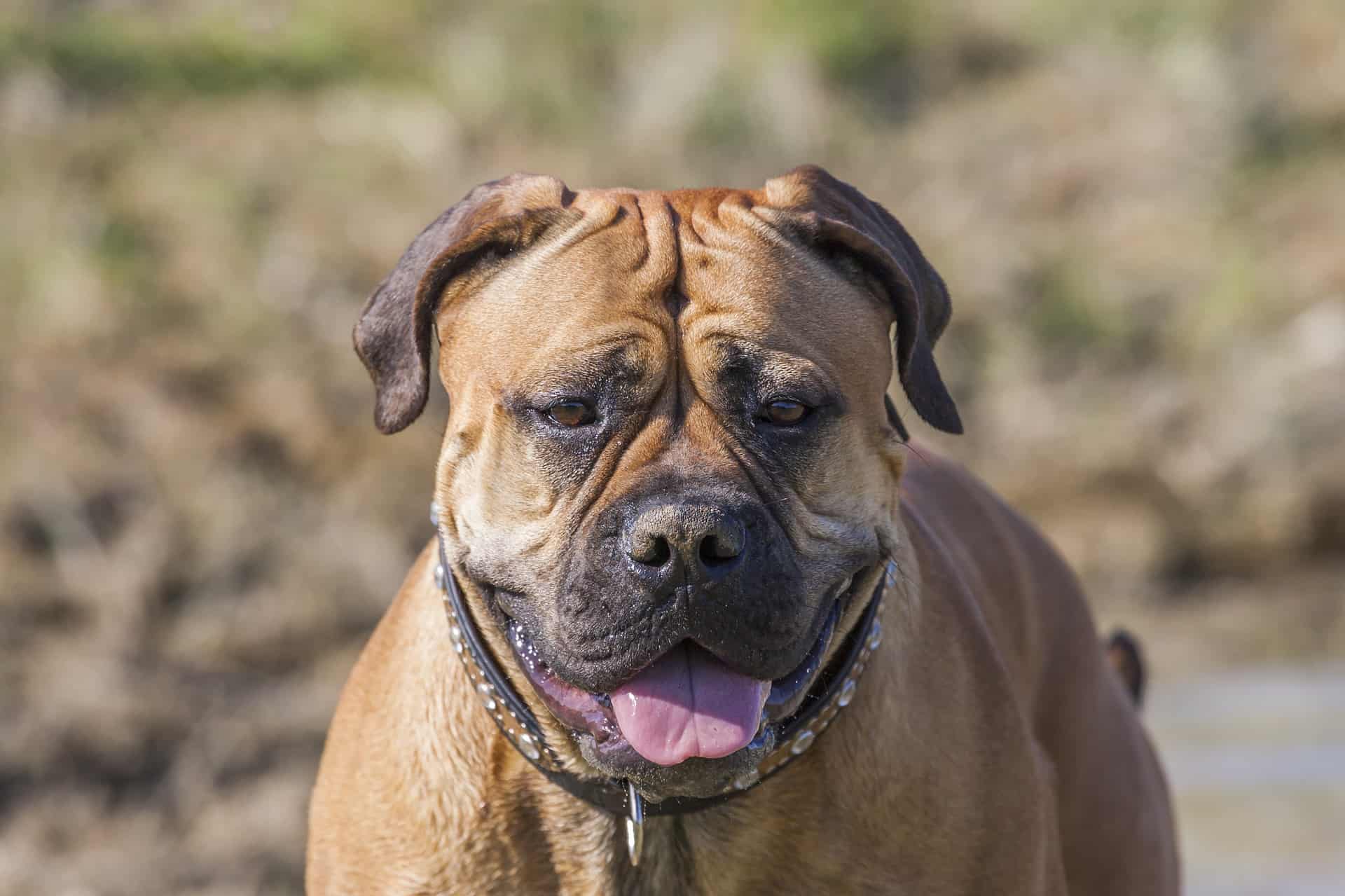
This French breed was historically utilized for fighting and hunting. The traits of the Dogue de Bordeaux make it an excellent guard dog, but because it lacks aggressiveness, it is more trainable and easier to socialize as a puppy than some other Mastiff type breeds. However, if this muscular and powerful dog is to fit happily into a family household, it will require experienced training.
Purpose & Origin
The Dogue de Bordeaux is one of France's oldest breeds, with roots in southern France that stretch back to at least the 14th century. Its exact lineage is impossible to untangle cleanly: it shares ancestry with Roman molossers, Tibetan Mastiffs, and possibly early Bulldog stock, and centuries of crossbreeding have blurred every line. Early dogs were split into regional types (Parisian, Toulouse, and Bordeaux) and put to very different work: baiting bulls and bears, controlling livestock, and guarding the estates of the wealthy. That last role proved costly during the French Revolution, when many Dogues perished alongside their aristocratic owners.
The breed was formally named at its first show appearance in 1863, and a standard followed in 1896. It survived two world wars in diminished numbers before a serious revival effort in the 1960s. American audiences largely met it through the 1989 film Turner and Hooch, though it did not enter the AKC Working Group until 2008.
Temperament & Behaviour
This is a deeply devoted breed. A Dogue de Bordeaux bonds hard to its family and tends to stay physically close to its people. It is an excellent watchdog and a serious protection dog, with both scores at the top of the scale, but it is not indiscriminately aggressive. Males can be combative with other dogs, but most are calm unless provoked, and they generally coexist well with household pets.
The obedience instinct is moderate at best: the breed will cooperate when it sees a reason to, but it does not perform for its own sake. This is not a dog for first-time owners. Its size, strength, and independent streak demand someone who can establish authority early and maintain it consistently.
Activity & Training
Exercise needs are modest for a dog of this size. A daily walk and room to move around is enough; this is not a breed that needs long runs or high-intensity activity, and it is characteristically quiet indoors. Training requires patience and consistent motivation rather than repetition for its own sake. Low ease-of-training scores reflect genuine stubbornness, not a lack of intelligence. Early socialisation matters considerably, because a poorly socialised adult of this size and guarding instinct presents real management problems.
Grooming
Coat maintenance is minimal. The short, dense coat needs little beyond a weekly brush and occasional bath. The real upkeep challenge is the drooling, which is substantial and constant. Anyone who values spotless upholstery, clean clothes, or pristine floors should think carefully before committing to this breed.
Health
The Dogue de Bordeaux carries a notably short lifespan of five to eight years. Major orthopaedic concerns include hip dysplasia and elbow dysplasia. The shortened muzzle causes brachycephalic syndrome, which affects breathing and heat tolerance. The breed handles heat poorly, a direct consequence of its facial structure. Eyelid conditions (ectropion and entropion) and occasional cardiac issues also appear. Hip, elbow, eye, and heart screening are recommended before breeding.
Why these breeds are similar
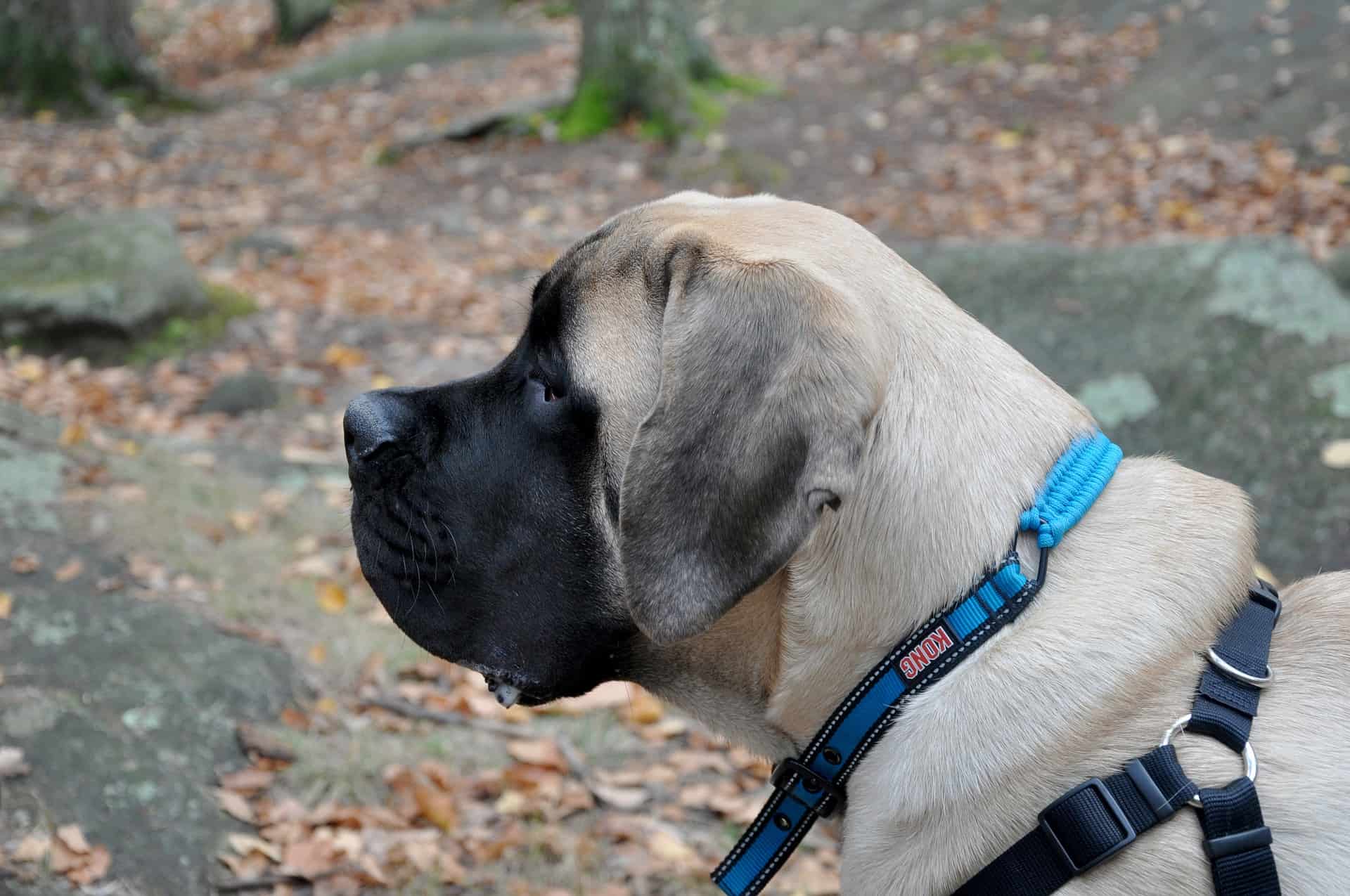
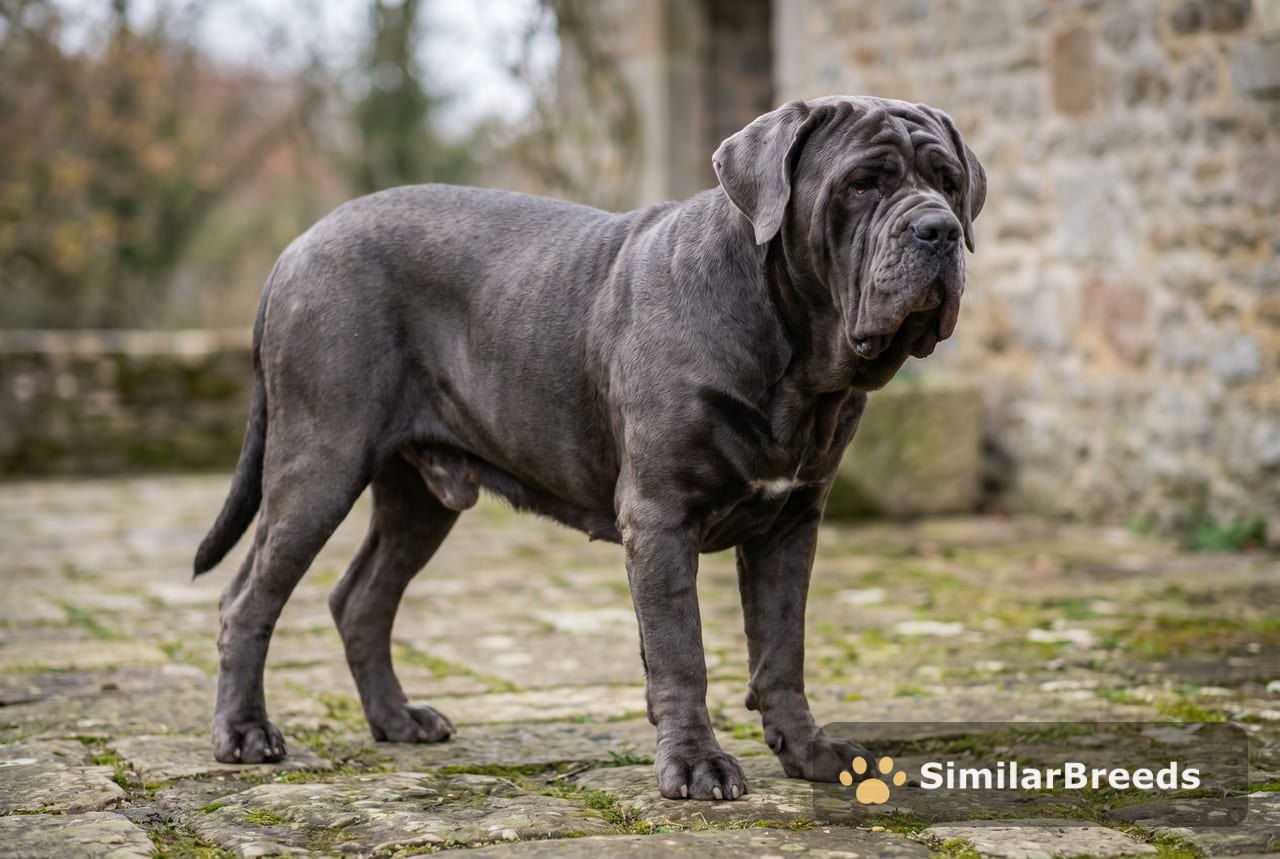
The Bullmastiff shares the Dogue's core purpose: a large, powerful guardian of French and English origin respectively, bred to deter intruders and protect property without unnecessary aggression. The Mastiff is the English anchor of the same molosser lineage, similarly massive, similarly devoted, and similarly slow to engage unless challenged. The Neapolitan Mastiff is the Italian counterpart, another ancient wrinkled guardian with the same protective instinct and comparable exercise modesty.
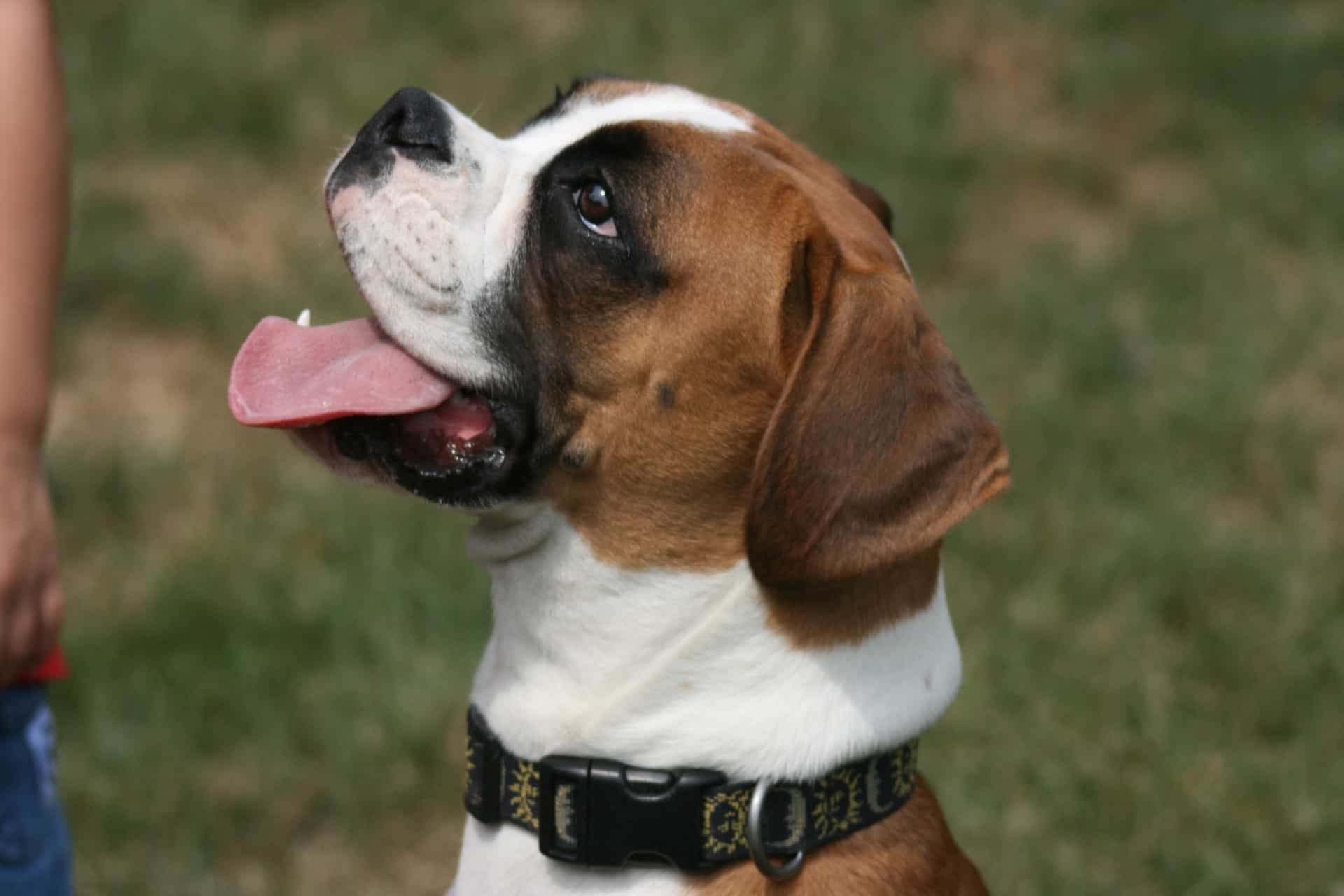
The Cane Corso is a working Italian molosser, somewhat more athletic, but sharing the guarding function, the loyalty to family, and the wariness toward strangers. The Boxer is the closest outlier: considerably more energetic and playful, but it belongs to the same brachycephalic molosser family, with a shared short-muzzled build and a long history as a European working and guard dog.
Trait ratings
- Energy level
- 2/5
- Exercise requirements
- 2/5
- Playfulness
- 2/5
- Affection level
- 4/5
- Friendliness toward dogs
- 1/5
- Friendliness toward other pets
- 3/5
- Friendliness toward strangers
- 2/5
- Ease of training
- 2/5
- Watchdog ability
- 5/5
- Protection ability
- 5/5
- Grooming requirements
- 2/5
- Cold tolerance
- 3/5
- Heat tolerance
- 1/5