English Setter
From Great Britain
Purpose & Origin
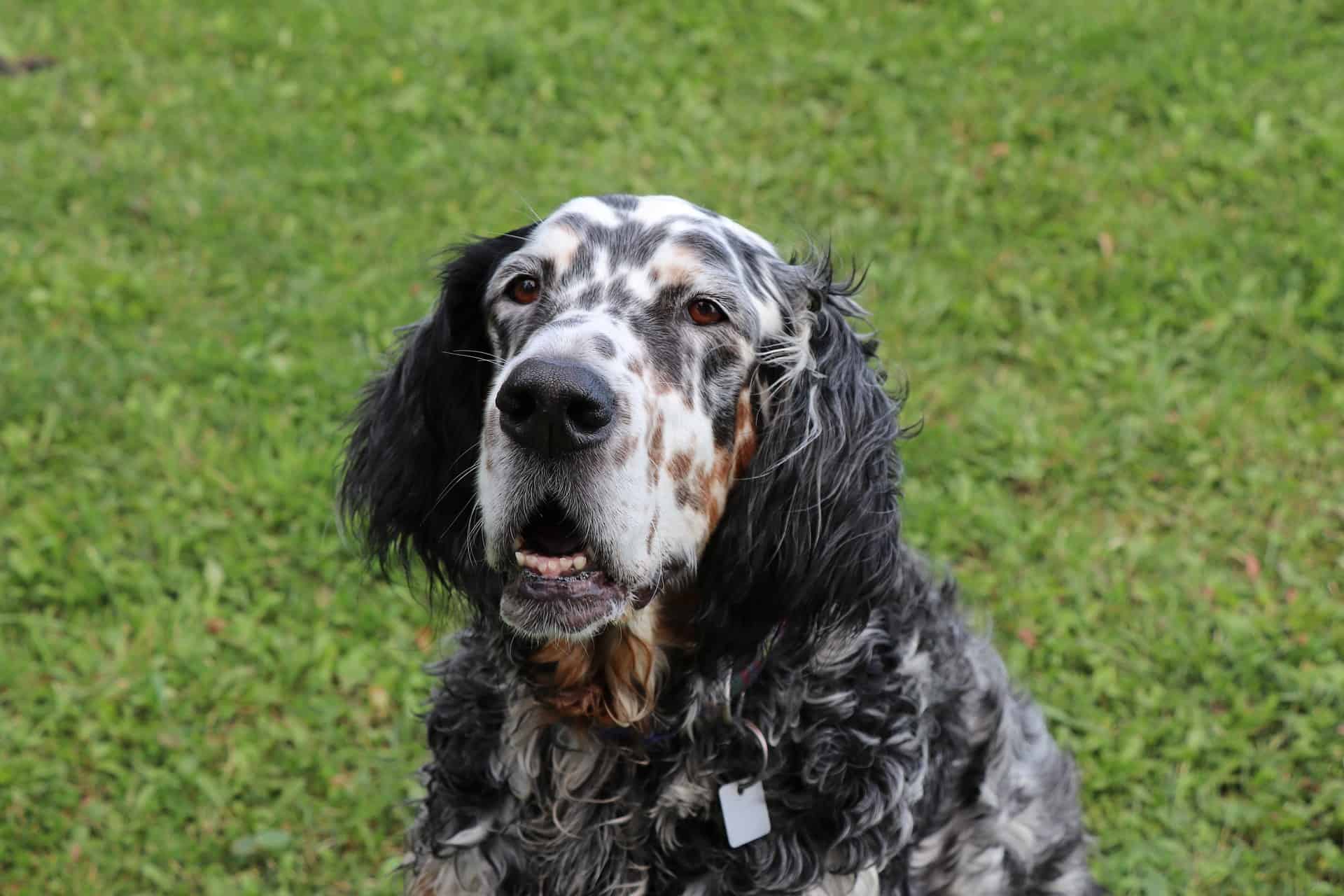
The English Setter is the oldest of the setter group, with roots stretching back to at least the fourteenth century in England. Before firearms changed the hunt, these dogs were trained to locate game birds on open moorland and then drop low ("set") so a net could be drawn over bird and dog alike. Their ancestry likely included the Spanish Pointer, Springer Spaniel, and large Water Spaniel.
The breed as we know it today traces directly to Edward Laverack, who began a rigorous selective breeding program around 1825 and continued it for more than three decades. A later breeder, Purcell Llewellin, took Laverack stock but bred purely for field performance, crossing it with unrelated lines to produce dogs of such outstanding hunting ability that many were exported to America.
The two strains diverged from there: Laverack dogs became the foundation of today's show-type English Setters, while Llewellin dogs shaped the leaner, harder field type. Laverack also coined the term "belton," the distinctive roan or ticked coat pattern, taking the name from the village where he hunted.
Temperament & Behaviour
The English Setter is one of the more sociable sporting breeds. It is genuinely friendly with children, strangers, and other dogs, and tends toward an easy, affectionate temperament that makes it a pleasant household companion. Dogs from conformation lines are notably calm and gentle, while those from field lines carry more drive and intensity. Either way, this is not an aggressive or suspicious breed. It greets visitors warmly and rarely makes a convincing guard dog, though it is alert enough to announce arrivals.
Activity & Training
Exercise is non-negotiable. The English Setter was bred to quarter large tracts of moorland all day, and that endurance does not switch off at the kennel door. At least an hour of hard daily exercise is the floor, not the ideal. A dog that does not get enough physical outlet will be restless and difficult indoors. Given proper exercise, it settles well. Training requires patience: the breed scores mid-range for trainability, meaning it is not stubborn in the terrier sense but is independent enough that inconsistent handling produces inconsistent results. Positive, consistent methods work best. This is not an ideal breed for someone who wants a push-button obedience dog.
Grooming
The long, silky coat needs brushing every two to three days to prevent matting and tangles. The white base coat is striking but shows dirt readily, which can be a persistent challenge depending on where the dog runs. Light clipping and trimming every month or two keeps the coat tidy and manageable. Grooming demands are moderate rather than extreme, but they are ongoing and cannot be skipped for weeks at a time.
Health
The English Setter has a lifespan of around ten to twelve years. The main concerns to screen for are hip dysplasia, elbow dysplasia, deafness, and hypothyroidism. Progressive retinal atrophy, OCD, and epilepsy appear at lower rates. Buyers should look for breeders who test for hearing, hips, elbows, and thyroid function as a baseline.
Why these breeds are similar
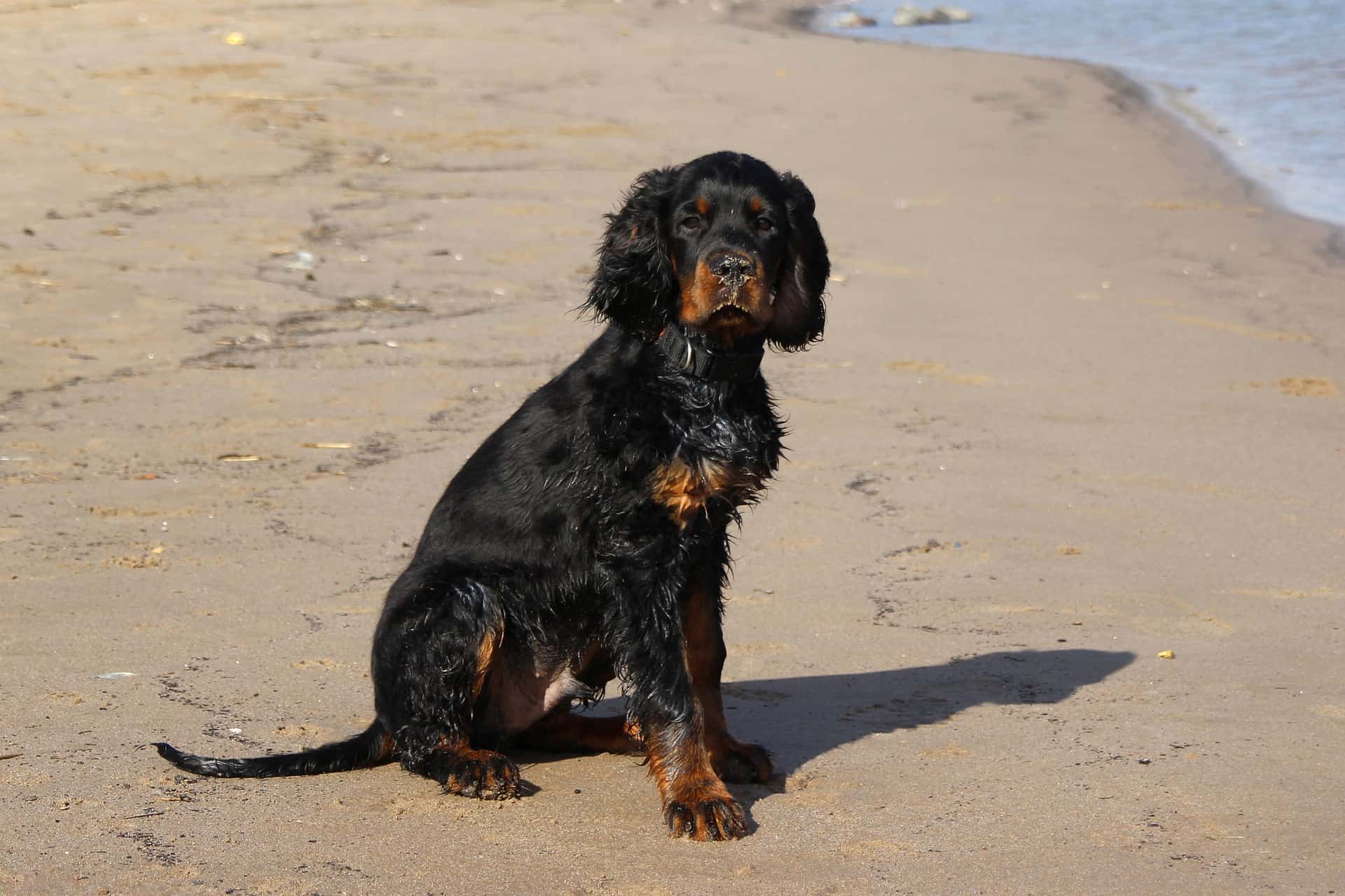
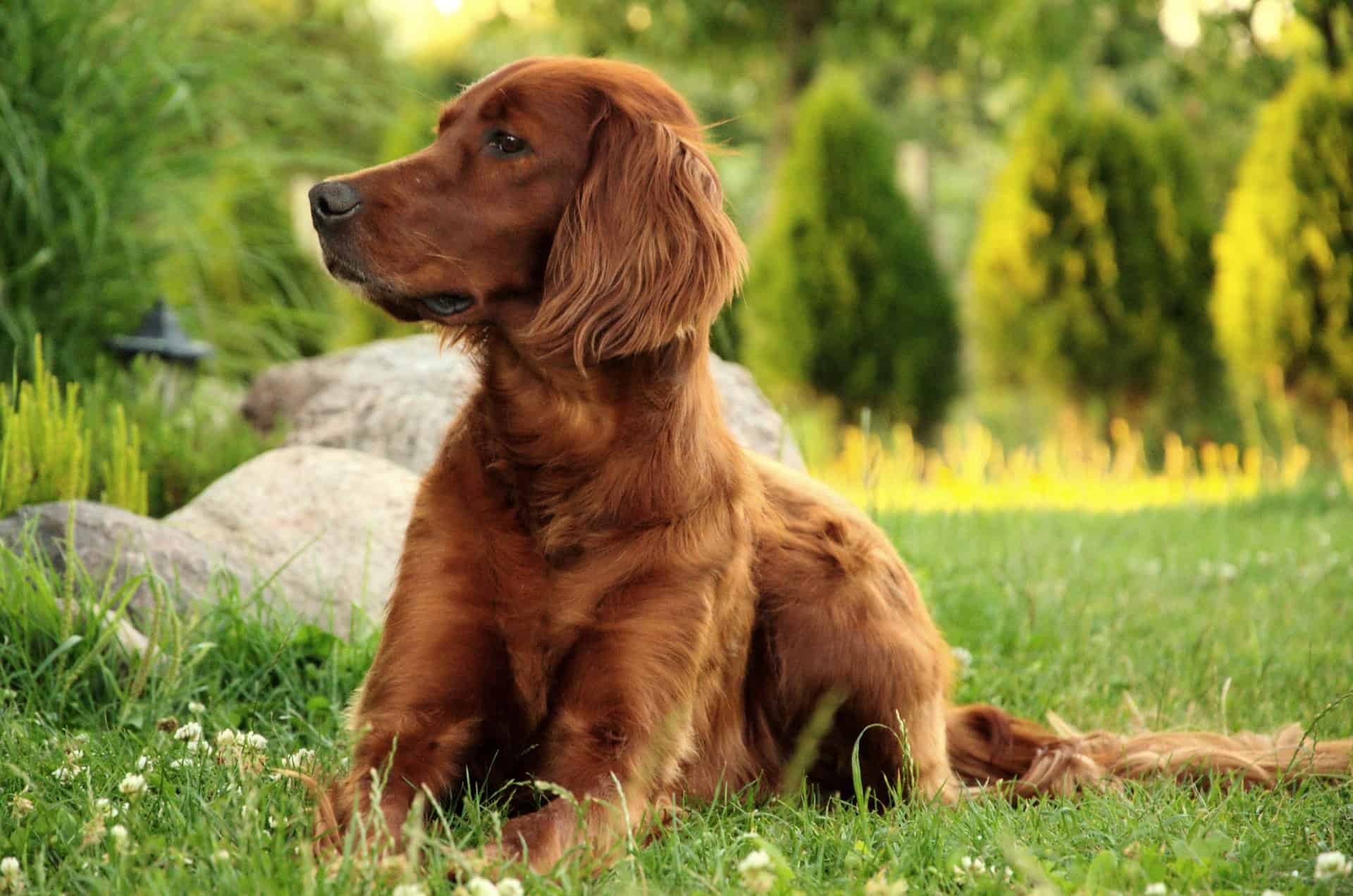
The **Gordon Setter** and **Irish Setter** are the English Setter's closest relatives, all three developed in the British Isles as upland bird dogs that set and retrieve. They share the same fundamental build and hunting method; the differences are primarily coat colour and temperament, with the Gordon being the most serious and the Irish the most excitable.
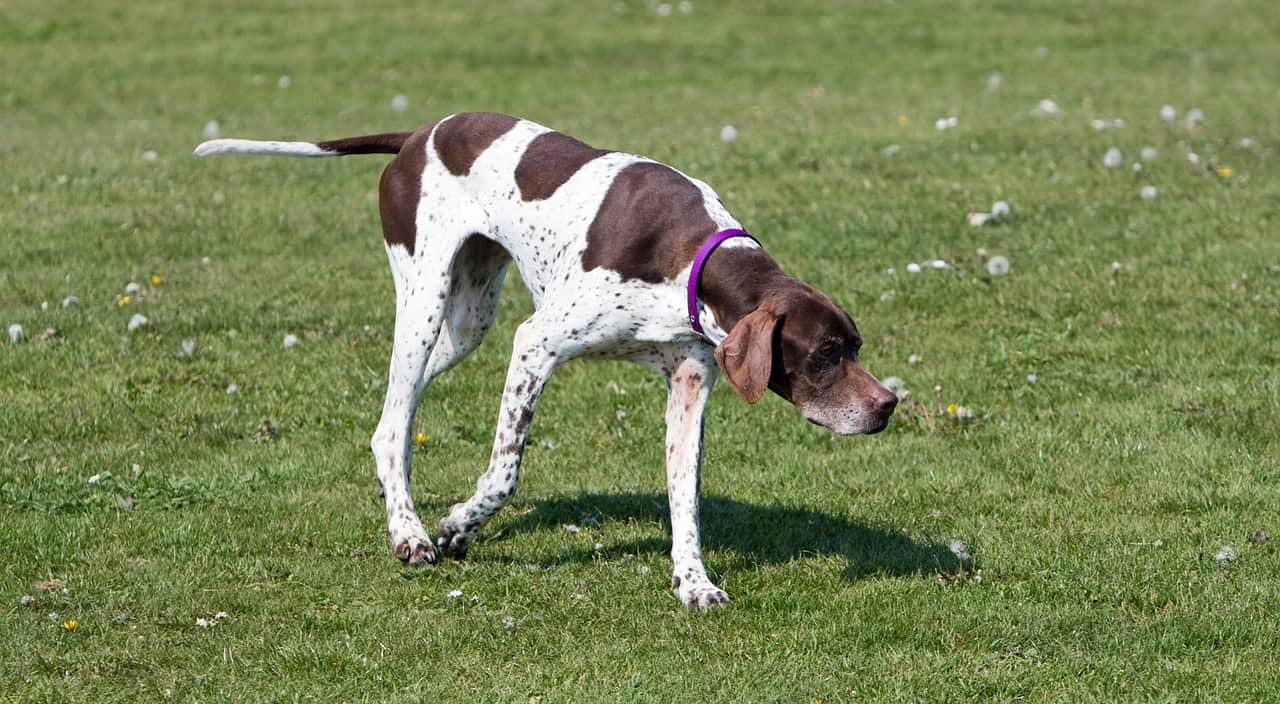
The **Irish Red and White Setter** is an older variant of the Irish Setter, functionally identical to the English Setter in job and style, and similarly friendly in disposition. The **Pointer** shares the English Setter's exact field role, quartering ground to locate and indicate game birds, and carries comparable energy and exercise needs, though its short coat and somewhat more intense focus set it apart.
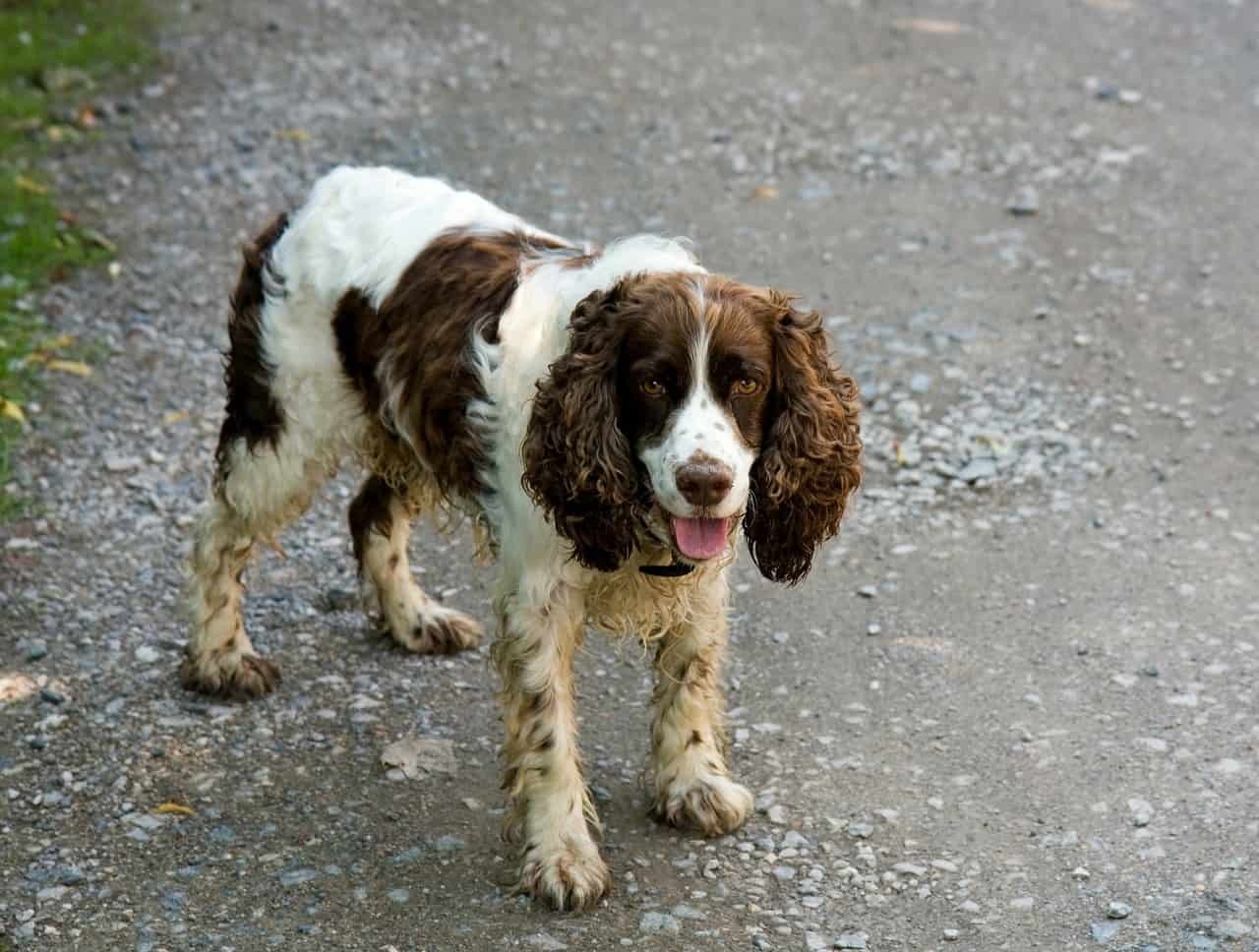
The **English Springer Spaniel** is the outlier in size and working style, flushing rather than setting, but it connects through shared ancestry, similar affectionate temperament, and the same demand for substantial daily exercise.
Trait ratings
- Energy level
- 4/5
- Exercise requirements
- 4/5
- Playfulness
- 3/5
- Affection level
- 4/5
- Friendliness toward dogs
- 3/5
- Friendliness toward other pets
- 4/5
- Friendliness toward strangers
- 5/5
- Ease of training
- 3/5
- Watchdog ability
- 4/5
- Protection ability
- 2/5
- Grooming requirements
- 3/5
- Cold tolerance
- 3/5
- Heat tolerance
- 3/5