Irish Setter
From Ireland
Purpose & Origin
The Irish Setter emerged from Ireland in the 1700s as a working bird dog bred for speed and a nose that could cover ground quickly enough for Irish hunters to follow at a distance. The breed came from crosses of spaniels, pointers, and setters, most notably the English Setter, with some Gordon Setter influence. Early dogs were red and white, but solid mahogany animals appeared around 1800 and quickly built a reputation on color alone. The breed arrived in America by the mid-1800s and proved as useful on American game birds as at home.
The pivotal figure in the modern breed was Champion Palmerston, born in Ireland around 1862: a dog so slender and refined that his owner judged him unfit for fieldwork and ordered him destroyed. A fancier saved him, and Palmerston became an extraordinary show sensation, siring so many offspring that virtually every living Irish Setter traces to him. That shift from field trials toward show rings and eventually family pets drove the breed's enormous popularity through the 1970s, after which its rankings dropped sharply.
Temperament & Behaviour
The Irish Setter carries its hunting origins into everyday life as a dog that brings full enthusiasm to whatever it is doing. It is genuinely good-natured, affectionate, and eager to be involved with its family. Strangers get a warm reception rather than suspicion, which makes the breed useless as a guard dog despite a reasonable watchdog instinct. It does well with children, though its exuberance can overwhelm small ones. The Irish Setter is a sociable breed, generally tolerant of other dogs and household pets.
Activity & Training
This is a high-energy dog that needs serious exercise every day, at minimum one hour of hard running or vigorous play. Apartment living does not suit it. Without adequate outlets, the Irish Setter becomes restless and destructive indoors. Training takes patience: the breed sits in the middle of the ease-of-training scale, not stubborn exactly, but easily distracted and prone to following its nose over following instructions. Consistent, positive sessions kept short and varied work better than repetition.
Grooming
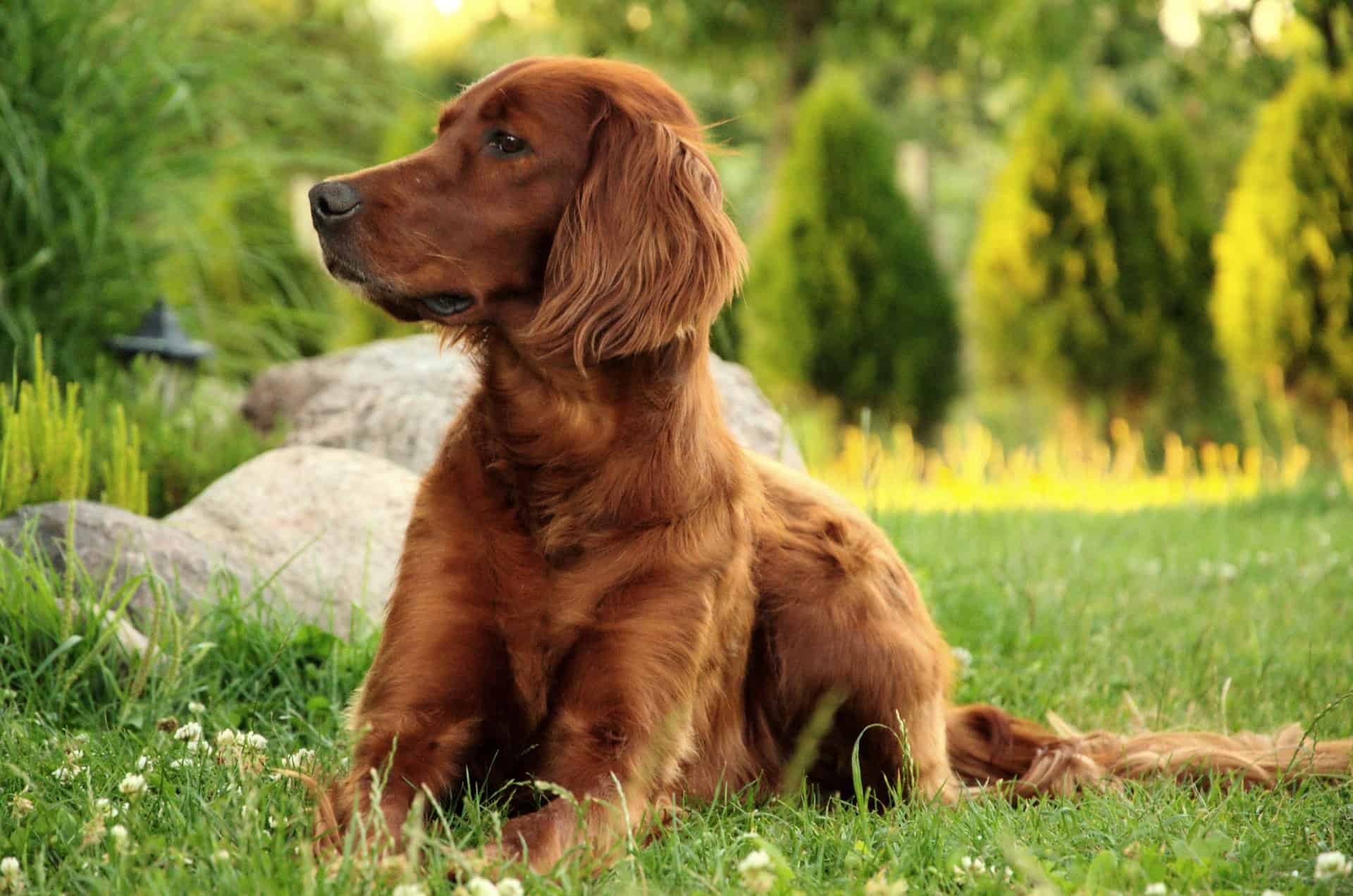
The mahogany coat is the breed's signature, and it needs attention every two to three days to stay free of tangles and debris. Regular brushing and combing, plus periodic clipping and trimming of the feathering on the ears, chest, legs, and tail, are part of ownership. The grooming demands are moderate rather than extreme, but skipping sessions leads to mats.
Health
The Irish Setter lives roughly 12 to 14 years. The major concerns historically were progressive retinal atrophy and hip dysplasia; DNA testing for PRA has largely removed that risk when both parents are tested before breeding. Bloat (gastric torsion) is a serious risk in this deep-chested breed and owners should know the signs. Hypothyroidism and a bone condition called panosteitis appear occasionally, along with osteosarcoma and megaesophagus. Recommended health screens include DNA testing for PRA, hip evaluation, and thyroid testing.
Why these breeds are similar
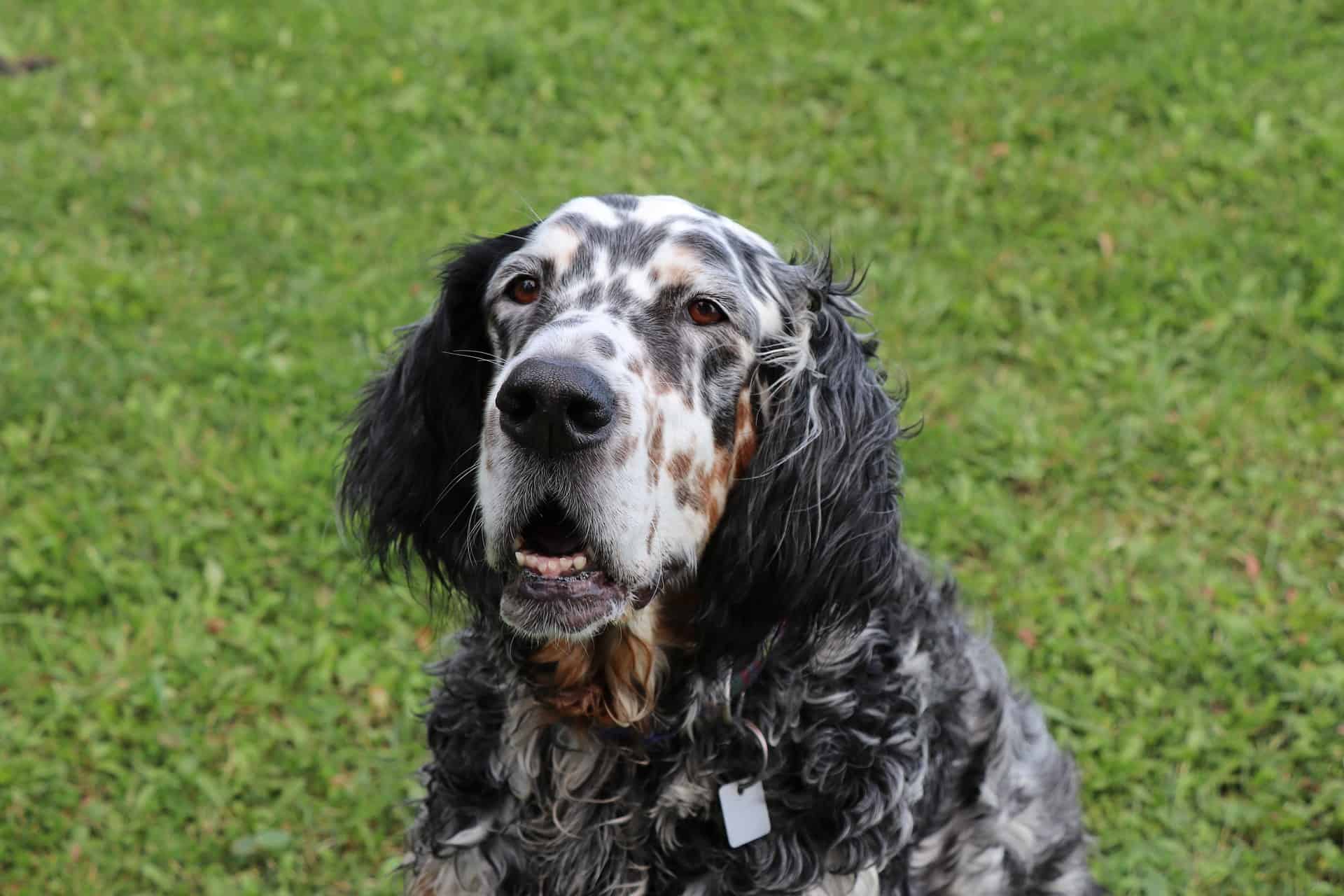
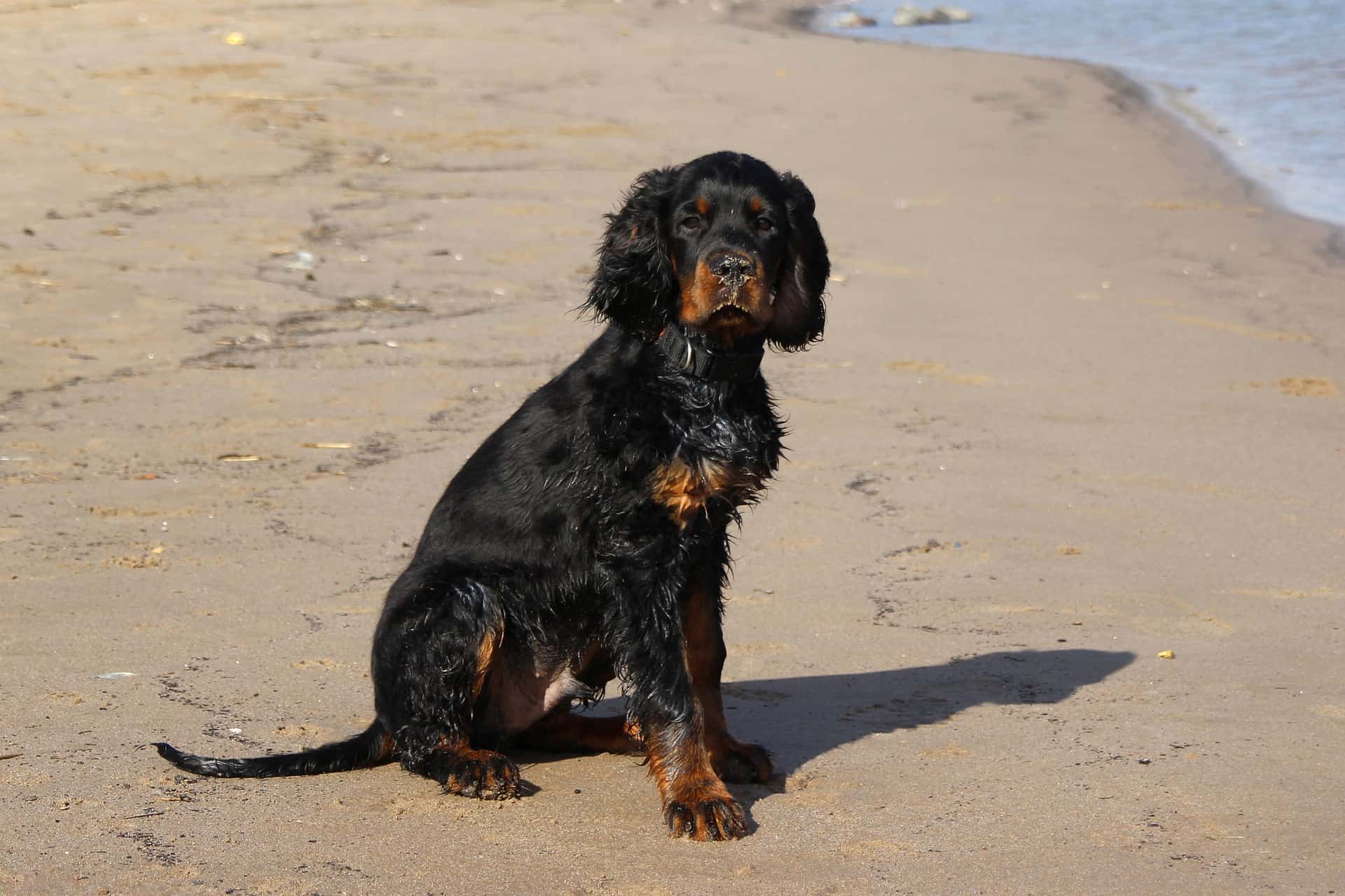
The Irish Red and White Setter is the obvious kin, an older colour variant from the same Irish gundog tradition sharing the same build, hunting style, and temperament, differing mainly in coat pattern. The English Setter is one of the breeds that went into creating the Irish, and both are long-legged, feathered bird-setting dogs with similar energy demands and friendly dispositions. The Gordon Setter also contributed to the Irish Setter's ancestry and fills the same bird-setting role, though it is heavier, more serious in temperament, and slower to mature.
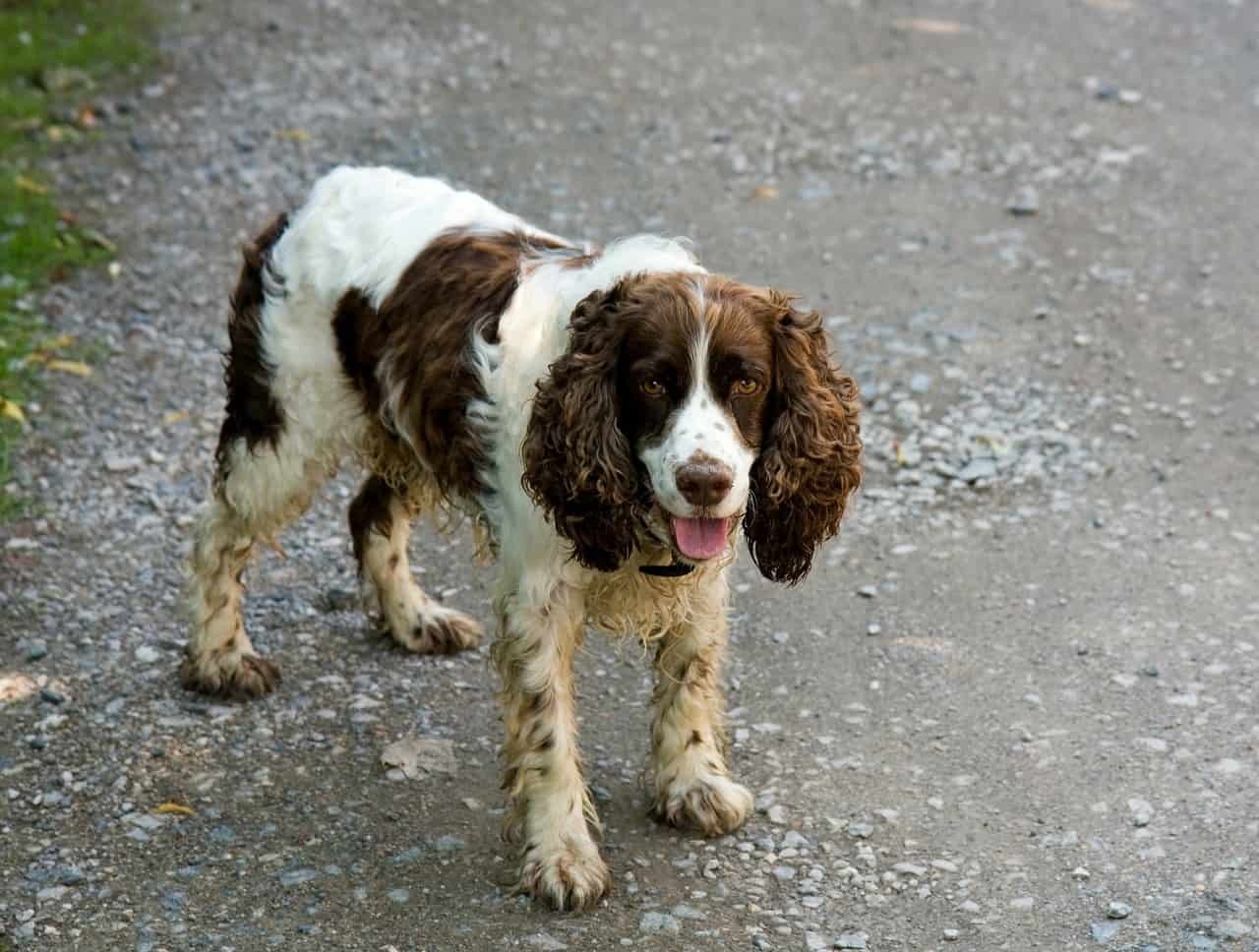
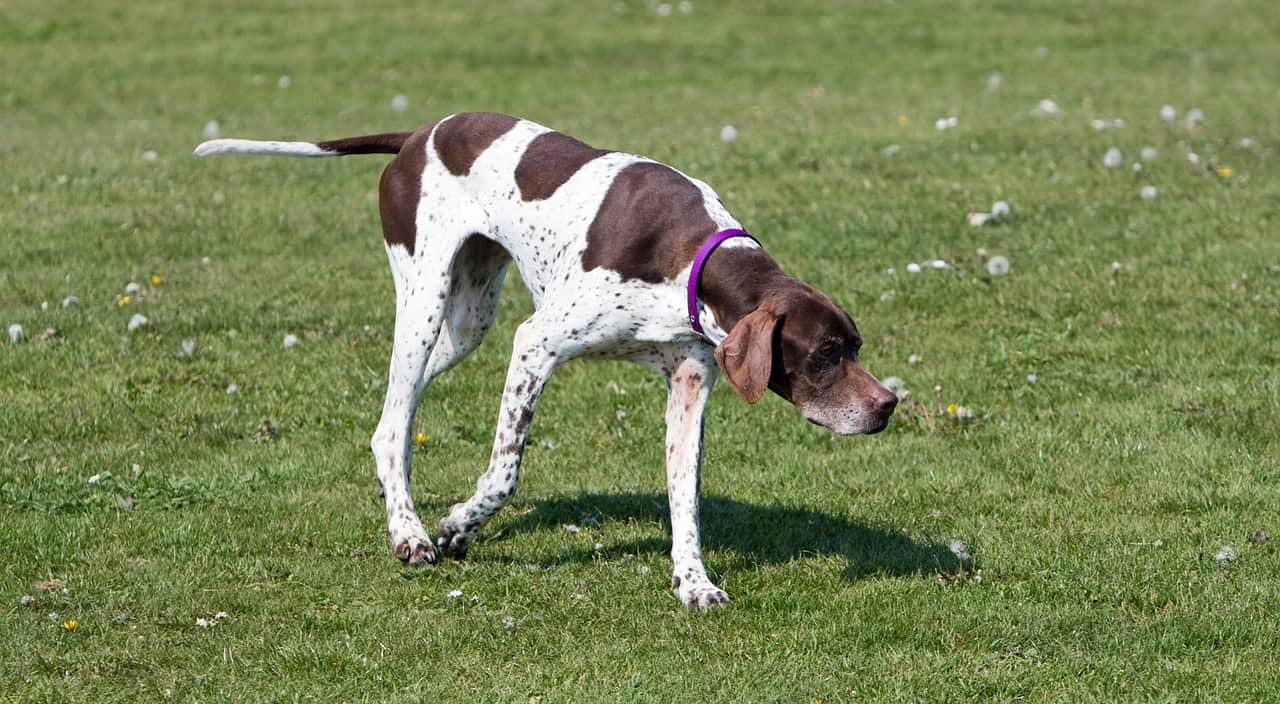
The English Springer Spaniel shares the flushing and retrieving side of the upland gundog job, brings comparable energy and affection to family life, and is similarly demanding of daily exercise. The Pointer is the speed and nose connection: both breeds were historically used to locate game birds across open ground, carry high energy and a keen drive to work, and need an owner who will match that activity level.
Trait ratings
- Energy level
- 5/5
- Exercise requirements
- 5/5
- Playfulness
- 5/5
- Affection level
- 5/5
- Friendliness toward dogs
- 4/5
- Friendliness toward other pets
- 4/5
- Friendliness toward strangers
- 5/5
- Ease of training
- 3/5
- Watchdog ability
- 4/5
- Protection ability
- 1/5
- Grooming requirements
- 3/5
- Cold tolerance
- 3/5
- Heat tolerance
- 3/5